- English
- French
- German
- Portuguese
- Spanish
- Russian
- Japanese
- Korean
- Arabic
- Greek
- German
- Turkish
- Italian
- Danish
- Romanian
- Indonesian
- Czech
- Afrikaans
- Swedish
- Polish
- Basque
- Catalan
- Esperanto
- Hindi
- Lao
- Albanian
- Amharic
- Armenian
- Azerbaijani
- Belarusian
- Bengali
- Bosnian
- Bulgarian
- Cebuano
- Chichewa
- Corsican
- Croatian
- Dutch
- Estonian
- Filipino
- Finnish
- Frisian
- Galician
- Georgian
- Gujarati
- Haitian
- Hausa
- Hawaiian
- Hebrew
- Hmong
- Hungarian
- Icelandic
- Igbo
- Javanese
- Kannada
- Kazakh
- Khmer
- Kurdish
- Kyrgyz
- Latin
- Latvian
- Lithuanian
- Luxembou..
- Macedonian
- Malagasy
- Malay
- Malayalam
- Maltese
- Maori
- Marathi
- Mongolian
- Burmese
- Nepali
- Norwegian
- Pashto
- Persian
- Punjabi
- Serbian
- Sesotho
- Sinhala
- Slovak
- Slovenian
- Somali
- Samoan
- Scots Gaelic
- Shona
- Sindhi
- Sundanese
- Swahili
- Tajik
- Tamil
- Telugu
- Thai
- Ukrainian
- Urdu
- Uzbek
- Vietnamese
- Welsh
- Xhosa
- Yiddish
- Yoruba
- Zulu
Truck Pressure Sensor Manufacturer and Supplier in China
Reliability and compliance are what make a difference when looking for precise parts for diesel pollution systems. We make advanced pressure sensors at Qintai that are made for heavy-duty uses. For example, urea pressure sensor systems are an important part of SCR aftertreatment technologies. Our Xi'an plant, which was founded in 2001 as a national high-tech company, makes sensors that meet China VI and Euro VI standards. These sensors are used by diesel engine makers, aftertreatment installers, and commercial car aftermarket customers in more than 60 countries. We offer industrial-grade quality and are certified by ISO9001, IATF16949, CE, RoHS, and UL. We also have 58 idea patents and work with top Chinese engine makers like Weichai Power, Yuchai Power, and Quanchai Power.
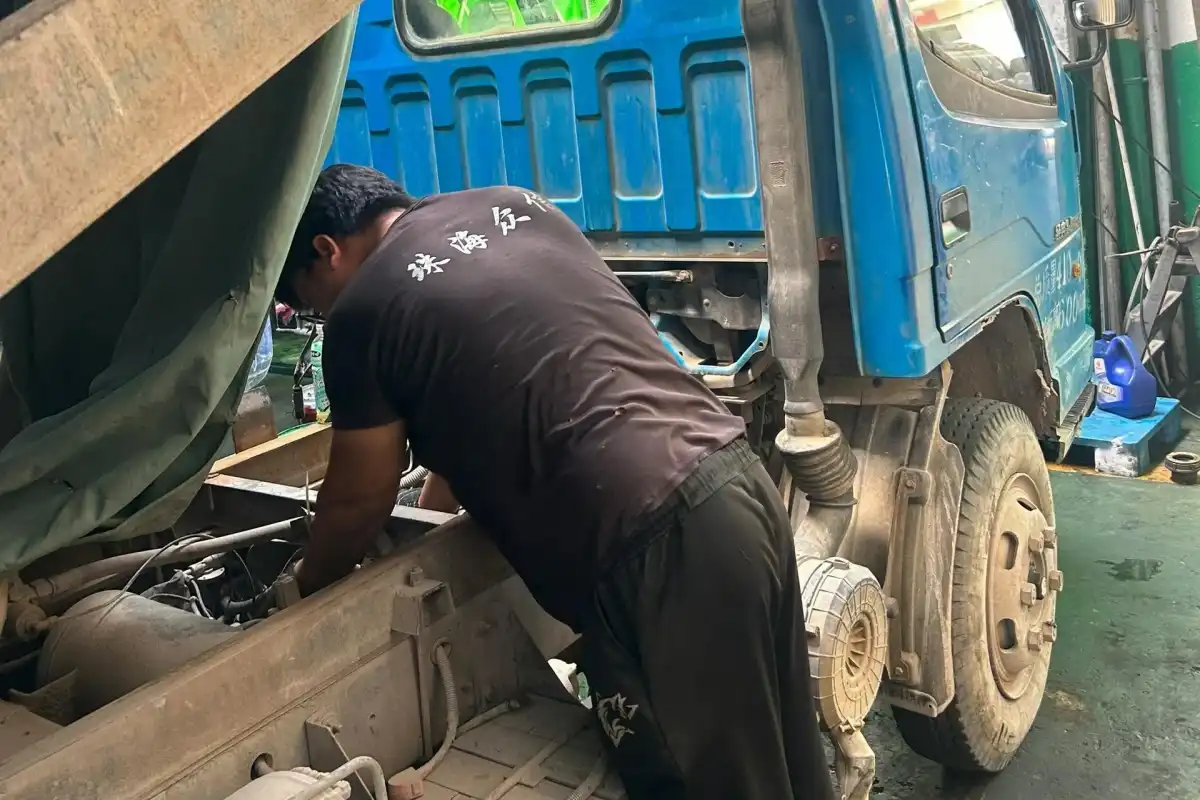
Understanding Urea Pressure Sensors – Functions and Working Principles
Modern pollution rules require precise control over how diesel waste is treated, and urea pressure sensor components are at the heart of this technology. These parts keep an eye on and control the flow of diesel exhaust fluid in SCR systems to make sure that NOx reduction is at its best.
What Is a Urea Pressure Sensor and How Does It Work?
A urea pressure sensor, which is sometimes called an AdBlue pressure sensor, checks the pressure of the urea solution inside the dosing device. The sensor sends data to the engine control unit in real time, which lets the system change the amount of fuel injected and keep the atomization correct. This feedback process has a direct effect on engine efficiency and emission compliance.
Usually, piezoresistive or ceramic diaphragm technologies are used for the detecting part. The diaphragm deforms a little when the pressure of the urea solution changes. This changes the electrical resistance. This change is turned into a voltage signal that is related to the pressure that was recorded. In order to keep accuracy in a wide range of working conditions, from cold winters to hot deserts, advanced sensors incorporate temperature compensation and signal filtering.
Critical Applications Across Heavy-Duty Industries
In order to meet strict pollution rules, heavy trucks with diesel engines need SCR systems. Sensors that can survive shaking, dust, and high temperatures are needed for construction equipment that works in quarries and mines. Agricultural equipment that works long hours during harvest times needs accurate pressure tracking to keep it from breaking down and costing a lot of money. Generator sets that provide backup power to data centers or hospitals can't have sensors fail, which would stop them from working continuously.
Each program comes with its own set of environmental problems. Saltwater can be very bad for marine SCR systems. Aggressive chemicals are handled by industrial pollution cleaning equipment. Good sensors must be able to handle crystallization from urea deposits, corrosion from leftovers of ammonia, and heat stress from sudden changes in temperature.
Recognizing Sensor Failure Symptoms
Several warning signs show up when pressure sensors start to fail. Engine control systems may send out diagnostic trouble codes that are linked to the amount of NOx or the quality of the DEF. Drivers may notice that the engine has less speed, uses more gas, or goes into "limp mode." When pressure values are off, white exhaust smoke can mean that the right amount of urea is not being given. Crystallization that can be seen around injection ports means that there are problems with the pressure that are stopping the proper atomization.
Managers of procurement should know that sensor failure isn't just limited to the part itself. When values are off, too much diesel exhaust fluid is used, which raises running costs. Not following emission standards can lead to fines from the government and car downtime during checks. It takes longer for engine parts to wear out when SCR systems don't work properly.
Benefits of Selecting High-Quality Sensors
When you buy high-quality sensors, you get measured results. Longer service intervals and lower upkeep costs are the results of better longevity. Industry studies show that precise measurement keeps engines running at their most efficient, which can cut fuel use by up to three percent. Consistently following emission rules keeps fleet operators from getting fined and keeps them from losing access to markets in places with strict environmental rules.
Good sensors also make it easier to diagnose problems. Self-testing features in more advanced designs find possible problems before they completely fail. This ability to predict the future lets maintenance teams plan replacements for planned breaks instead of having to deal with breakdowns that happen out of the blue.
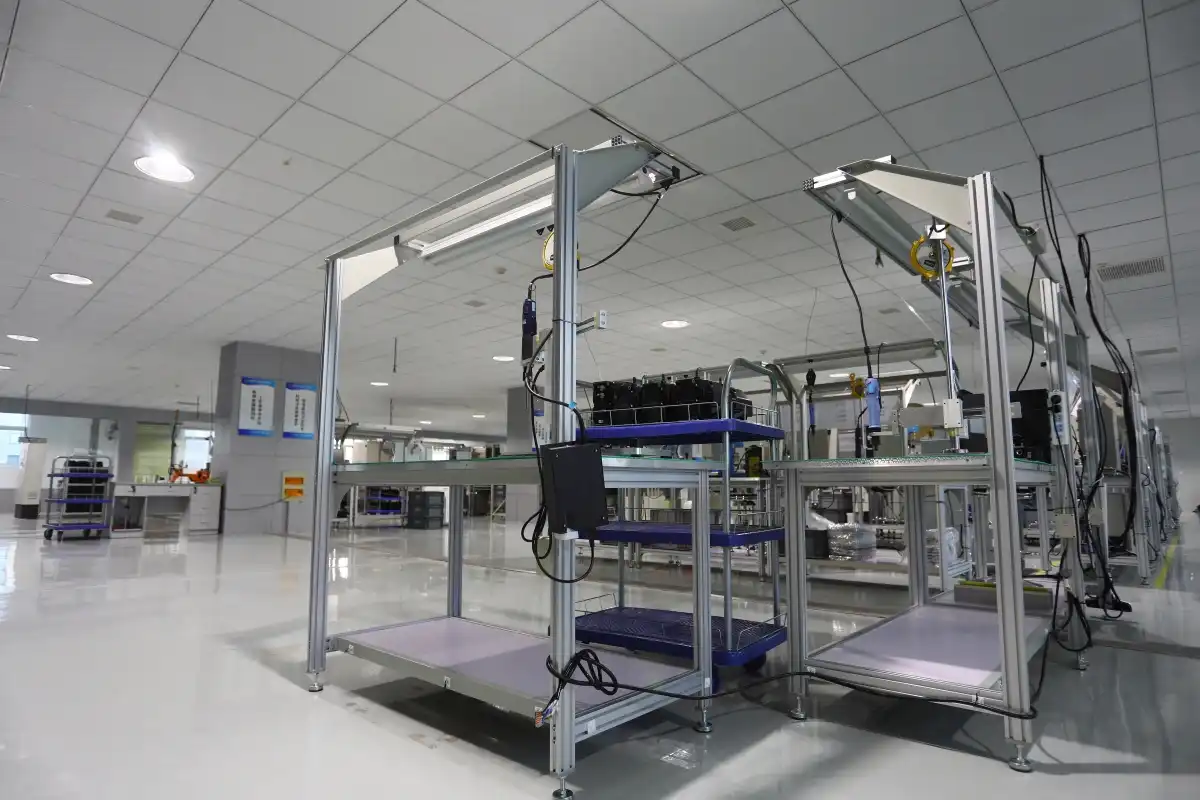
Comparing Urea Pressure Sensors – Types, Accuracy, and Applications
In order to choose the right urea pressure sensor technology, you need to know how different systems work in different situations. To find the best cost-performance mix, procurement teams have to compare technical specs to real-world application needs.
Sensor Technologies and Their Characteristics
• Piezoresistive sensors use silicon diaphragms with diffused resistors that change their electrical qualities in response to mechanical force. Because they are small and very sensitive, these sensors can be used in places where room is limited. As with most SCR systems, they work consistently in pressure bands from 0 to 10 bar. However, they need to be carefully temperature compensated to stay accurate over the -40 to 120 degrees Celsius operating range that is typical in vehicle settings.
• Capacitive sensors find out how much pressure there is by monitoring changes in the capacitance between a movable diaphragm and a set electrode. This technology works really well in low-pressure situations and stays stable for a very long time. Because there isn't direct mechanical touch, there is less wear, which means that in lab tests, the working lifespan was extended beyond 10 million cycles. Capacitive designs are better at blocking electromagnetic interference, which is useful in places where there is a lot of electrical noise from generators or power systems.
• Ceramic thick-film sensors use special clay materials that touch the thing being measured directly. A Wheatstone bridge circuit is made up of the ceramic diaphragm and thick-film resistors painted on its back. This design gets rid of the need for separating diaphragms, which makes the design easier and lowers the number of places where something could go wrong. Because they can handle urea solutions and crystallization better than metal sensors, ceramic sensors are the best choice for tough chemical conditions.
Knowing these differences helps technical managers choose sensors that are right for the job. Standard piezoresistive sensors may work well enough for light-duty cars that are used for short periods of time. The better resistance to harsh environments of ceramic technology makes it useful for heavy building equipment that works constantly in those conditions.
Accuracy Specifications and Calibration Requirements
Accuracy of measurements has a direct effect on how well an SCR system works. Industry standards usually say that sensors should be accurate within 1% of their full range of action. To get the most out of emission reduction, high-performance apps need a range of plus or minus 0.5 percent.
How often you need to calibrate depends on how the sensors are used and how they are working. Schedules for calibration should be made by fleet workers based on engine hours instead of date time. If the equipment works in a dusty area or where the temperature changes often, it may need to be calibrated every 2,000 hours. Sensors that are used in controlled areas, like power rooms, stay accurate for at least 5,000 hours.
Regularly checking the calibration stops the system from slowly losing its accuracy without sending any warning signals. This proactive method keeps emissions in line and keeps drivers from breaking the law during random checks.
Distinguishing Pressure Sensors from Temperature Sensors
Purchasing managers sometimes mix up urea pressure sensors with temperature sensors, which are both important for SCR systems but do different things. Pressure sensors check the hydraulics of the dosing system to make sure that the syringe flow and atomization are correct. Temperature sensors keep an eye on the DEF temperature to keep it from freezing and to find the best time to inject based on the temperature.
For SCR systems to work, both types of sensors must work together. Control units use pressure readings to figure out how long to pump, and temperature readings tell them when to turn on the heating parts. Choosing the wrong type of sensor can cause problems with the system and cause installation delays. This shows how important it is to communicate clearly with sellers during the buying process.
Automotive Versus Industrial Application Differences
Automotive pressure sensors focus on small packing and integrating with the electrical systems of the vehicle. They usually use 12 or 24 volt DC power sources and talk to each other using CAN bus standards. Response times of less than 50 ms let control changes be made in real time as engine loads change.
Different needs can be met by industrial sensors that are used in stationary generator sets or pollution treatment plants. Larger sizes allow for stronger building that can last for years of continued use. 4-20 milliamp analog output signals that work with programmable logic controls are often used in industrial settings. Response times of 100 to 200 milliseconds are slow enough for processes where pressure changes don't happen very often. By being aware of these differences, you can avoid specs that don't match, which can hurt speed or make installation more difficult.
How to Choose the Best Urea Pressure Sensor for Your Truck Fleet
When making choices about purchases that affect whole fleets, picking the best urea pressure sensor for your trucks requires you to carefully look at technical needs, supplier skills, and the overall cost of ownership. The structure below shows buying managers how to make the choice.
Defining Your Operational Requirements
Start by writing down specific program details. In what pressure ranges does the sensor need to work? Most SCR systems work at pressures between 3 and 8 bar, but for special jobs, they can go up to 10 bar or higher. What kinds of situations will sensors be exposed to? In the north, sensors for trucks need to be able to handle temps as low as -40 degrees Celsius. In the tropics, equipment needs to be able to handle temperatures above 60 degrees Celsius for long periods of time with high humidity.
Compatibility with other programs is very important. Figure out what kind of electrical link you need, such as an analog voltage, a current loop, or digital communication methods like CANopen or SAE J1939. Check that the mechanical mounting measures fit the room that is available for placement. Check to see if the types of connectors work with the car cables to avoid having to make expensive changes.
OEM support is more than just meeting physical requirements. Big companies that make SCR systems, like Bosch and Delphi, come up with control methods that work best with certain types of sensors. If you use sensors that don't work with each other, you might get diagnostic errors even if the pressure values are within acceptable levels. Before finishing the specifications, ask sensor providers to confirm that their products will work together.
Key Evaluation Metrics for Sensor Performance
The most clear success measure is accuracy, but a full evaluation takes into account other things as well. Response time tells you how fast the control system responds to changes in pressure. For dynamic systems with loads that change quickly, sensors need to be able to react in 30 to 50 milliseconds. Response times of 100 milliseconds or more are fine for stationary machines.
Total cost of ownership is greatly affected by how long an item works. During a normal vehicle's life cycle, cheap sensors with a rating of 5,000 hours need to be replaced. On the other hand, premium sensors with a rating of 10,000 hours or more require less upkeep. To find the real economic value, you need to add up the prices of parts, work, and downtime for replacement.
It is important to pay close attention to the environmental defense requirements. Ingress protection ratings of IP67 or IP69K make sure that sensors can handle the high-pressure washing that is typical in business fleet maintenance. Construction equipment that can withstand vibrations up to 20g is safe from mechanical stress. Chemical compatibility with diesel fuel, engine oil, and water keeps the engine from breaking down too soon from fluid pollution.
Electrical safety features make things more reliable. Reverse polarity safety keeps things from getting damaged when they are installed wrong. Overvoltage control keeps the power systems of cars safe from sudden changes in voltage. When wire problems happen, short-circuit safety keeps the system from breaking.
Comparing Qintai's Advantages Against Industry Standards
When buying teams look at different suppliers, they should look at more than just the product specs. Qintai is the top OEM provider in China's home market, which shows that they consistently provide high-quality products. Our factory follows IATF16949 standards for car quality management, which makes sure that every sensor passes strict quality checks.
Our goods are different from normal catalog items because they can be customized. Engineering teams work directly with customers to change pressure ranges, electrical outputs, and mechanical connections so that they meet their needs. This freedom gets rid of the trade-offs that come with off-the-shelf parts, making system integration and efficiency better.
Technical help lasts for the whole lifecycle of the object. Our applications engineers help you choose the right sensors at the start, give you advice on how to put them, and fix problems that come up during operation. This all-around help cuts down on time-to-market for OEM customers and downtime for secondary customers.
Industry standards are not met by quality control methods. Each sensor is put through automatic tests that check its electrical properties, temperature adjustment, and accuracy in measuring pressure. Longer outdoor tests are done on sample units from each production batch. These tests include temperature cycles, vibration exposure, and methods for rapid aging. This thorough testing makes sure that the performance stays the same across all production levels, from small prototypes to yearly orders for more than 100,000 units.

SENSOR+TEST, June 9 – 11, 2026
We look forward to your visit,warmly welcome to our booth 1-526!
Get your free ticket online now:
https://www.sensor-test.de/service/ticket/?52790
Procurement and Supply Chain – Buying Urea Pressure Sensors from Qintai
Coordinating technical specs, business terms, logistics, and legal compliance are all parts of international procurement when getting urea pressure sensor solutions from Qintai. Our streamlined methods make each step easier, so buying managers can focus on long-term goals.
Step-by-Step Ordering Process
Sending a question through our website (qt-sensor.com) or email (info@qt-sensor.com) is the first step in getting involved. Give information about the application, such as the pressure range, electrical contact, environmental conditions, and expected yearly flow. Within 24 hours, our sales team gets back to you with basic suggestions and questions to help you understand.
After the first touch, there is a technical review. Engineers compare your requirements to those of current products and figure out what changes need to be made. We give you thorough datasheets, dimensional drawings, and test results to help your own review processes work better. For standard goods, this step usually takes three to five business days. For custom setups that need design approval, it can take up to two weeks.
The delivery of a quotation includes full business terms. Unit pricing is based on number levels, with lower prices for bigger orders. Lead times are used to plan production and make sure everything runs smoothly. Letters of credit and other plans for advance payment are examples of payment terms that can be used in foreign trade. Quotes are good for 60 days, which gives you peace of mind while you make your budget and get approvals.
Sample sales let you test things out before committing to large amounts. For standard goods, we ship trial amounts within one week so that your technology teams can test the integration and make sure the product works well. When you buy a sample, you get full expert help during the validation process.
Once the final specifications are confirmed and the advance payment is received, production orders can begin. Lead times for manufacturing range from four to eight weeks, based on the number of items ordered and how complicated the customization is. We give you weekly updates on the progress of your order and make sure that the processes are set up in a way that meets your shipping needs.
Pricing Models for Different Order Scales
Small-order price is good for projects that are making prototypes or integrating them for the first time. Prices for orders of 10 to 100 units are set so that setup costs are balanced with market rates. This level helps with the creation of new products without needing big inventory investments.
Orders of 100 to 1,000 units per year are charged at medium-volume prices. This price range works for aftermarket providers, specialized equipment makers, and area wholesalers. Prices have gone down by 15 to 25 percent compared to small-order rates. This is because of more efficient production and better relationships.
Bulk procurement price rewards yearly pledges of more than 1,000 units. Fleet owners, big OEMs, and system developers can get savings on orders that are placed in bulk that are up to 30 to 40 percent lower than the price of a small order. Long-term deals that last more than one year get extra benefits, like specialized production capacity, priority scheduling, and longer payment terms.
OEM and Custom Manufacturing Capabilities
Our tech team has made sensors that are used in everything from mining equipment to systems that move ships. This knowledge makes it easy to quickly turn customer needs into ideas that can be made. CAD integration with big systems like SolidWorks and CATIA makes it easier to create mechanical interfaces. Electrical engineers can do a lot of different things, from digital bus communication methods to signal shaping for analog signals.
Prototype development proceeds through organized steps. Concept confirmation makes sure that the idea is technically possible and finds any problems that might come up. In the lab, functional versions are tested to make sure they work as expected. Customers can test pre-production samples in real-world working settings. This organized method cuts down on risk and speeds up time-to-market.
Manufacturing scaling helps businesses move from small-scale production to high-volume supply. Every week, production lines can handle anywhere from a few dozen to several thousand units. Flexible capacity lets you respond to changes in demand, so you don't have to worry about running out of supplies when the market is growing or having too much product when demand is falling.
Real-World Success Stories
A European company that makes building equipment needed sensors that could handle very high levels of vibration in hydraulic excavators that were used in mines. Normal sensors in cars stopped working after 1,000 hours. Our research team made a ruggedized housing that is better at isolating vibrations, which makes it last longer than 5,000 hours. Over 15,000 sensors for three versions of products have been provided through this partnership.
A North American company that makes generator sets needed sensors that would work with their own control systems. We changed our normal output circuitry to meet their signal processing needs by working closely with their electrical experts. Every year, more than 3,000 units are ordered, and 99.7% of them are delivered on time. In the first 18 months, there were no reports of breakdowns in the field.
An aftermarket distributor serving agricultural equipment needed sensors that could work with a variety of tractor types. We came up with a general design that can work with a wide range of mounting points and electrical plugs. Because of this, they were able to cut the number of SKUs in their inventory by 40% while still reaching more customers. Their repeated orders show that they are happy with the quality of the product and the terms of the deal.
Conclusion
Choosing the right urea pressure sensor provider can affect how well your fleet or product line works, how well it meets legal requirements, and how much it costs to own everything. Qintai combines tested production skills, thorough certifications, and customer-focused support to build a relationship that goes beyond just supplying parts. Our sensors keep an eye on important factors in SCR systems to make sure they protect engine performance and meet environmental standards.
Our engineering team and production ability are ready to meet your needs, whether you need standard goods or custom solutions. Serving major engine makers and equipment builders for 23 years shows that work is always being done correctly and is always getting better. As emission standards get stricter and practical needs get higher, working with a provider that is dedicated to quality and new ideas will help you stay competitive.
FAQ
How Often Should Urea Pressure Sensors Be Calibrated?
How often urea pressure sensor calibration is done relies on the working conditions and the severity of the application. Every 2,000 to 3,000 engine hours, heavy-duty cars that run all the time should check their balance. In difficult settings with high or low temperatures, vibrations, or dirt, equipment may need to be validated more often. Generator sets that are kept in a controlled setting usually stay accurate for 5,000 hours before they need to be calibrated again. Setting calibration schedules based on real working conditions instead of random time intervals is the best way to keep maintenance costs low and performance high.
Are Qintai Sensors Compatible with Bosch and Delphi SCR Systems?
When properly set up, our sensors can work with most big types of SCR systems. To be compatible, electrical output characteristics, transmission methods, and mechanical interfaces must all be matched to certain system types. When you get a quote, be sure to include information about the make and type of your SCR processor. Our expert team checks for compatibility and suggests any changes that need to be made. We have given sensors to Bosch, Delphi, and many other system makers around the world so that they can be integrated.
What Are Typical Delivery Times for Bulk Orders to the United States?
Standard sales of 500 to 1,000 units usually take four weeks to make plus two weeks for ship freight to the U.S. West Coast harbors. When faster arrival is worth the extra cost, air freight cuts travel time to three days. For custom goods, it takes an extra two to four weeks for engineering to test and set up production. We suggest setting up blanket orders with scheduled releases for high-volume needs. This lets you place your goods so that wait times are cut to two weeks or less and your carrying costs are kept as low as possible.
Partner with Qintai – Your Trusted Pressure Sensor Supplier
Emission control systems that work well depend on being precise and reliable, and choosing the right provider for your parts is important for your business's success. Certified urea pressure sensor solutions, such as advanced systems made for tough diesel aftertreatment uses, are made by Qintai. Our factory is IATF16949-certified and makes sensors that meet China VI and Euro VI standards. These sensors are tested thoroughly and quality is assured.
We know how important it is to find the right mix between efficiency, durability, and cost-effectiveness because we are the top domestic OEM provider. Our expert team is here to help you from the first specification through long-term production, whether you need regular catalog items or solutions that were built just for you. Email us at info@qt-sensor.com right now to talk about your needs, get detailed information, or set up a sample review. Find out why some of the biggest engine makers in 60 countries trust Qintai to make and supply their pressure sensors.
References
1. Society of Automotive Engineers. (2021). "SCR System Performance Requirements for Heavy-Duty Diesel Engines." SAE Technical Paper Series, J1939-71 Standards Committee.
2. European Automobile Manufacturers Association. (2020). "Sensor Technologies in Modern Emission Control Systems." ACEA Technical Bulletin, Brussels, Belgium.
3. International Organization for Standardization. (2019). "Quality Management Systems for Automotive Production." ISO/TS 16949:2019 Standard Guidelines.
4. Diesel Technology Forum. (2022). "Selective Catalytic Reduction: Technology Overview and Best Practices." Washington, D.C.
5. American Trucking Associations. (2021). "Maintenance Best Practices for SCR-Equipped Commercial Vehicles." Technology and Maintenance Council Publication.
6. China Society of Automotive Engineers. (2020). "China VI Emission Standards Implementation and Component Requirements." Beijing National Standards Committee Report.
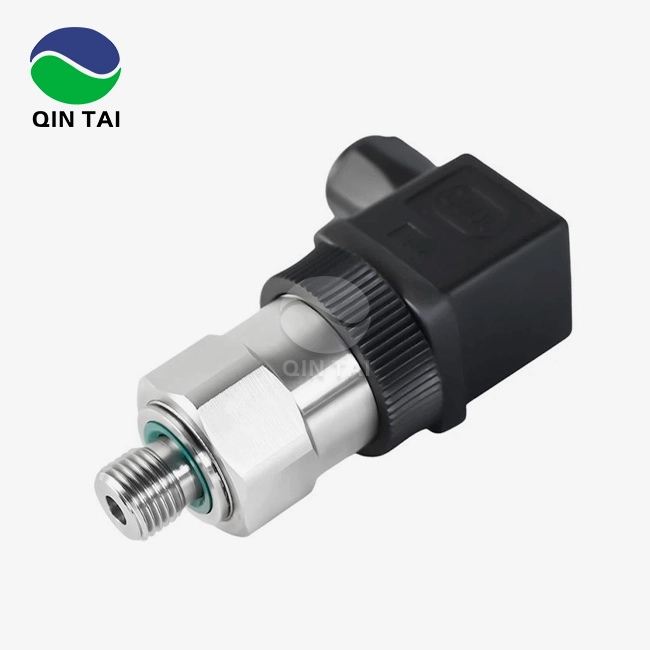
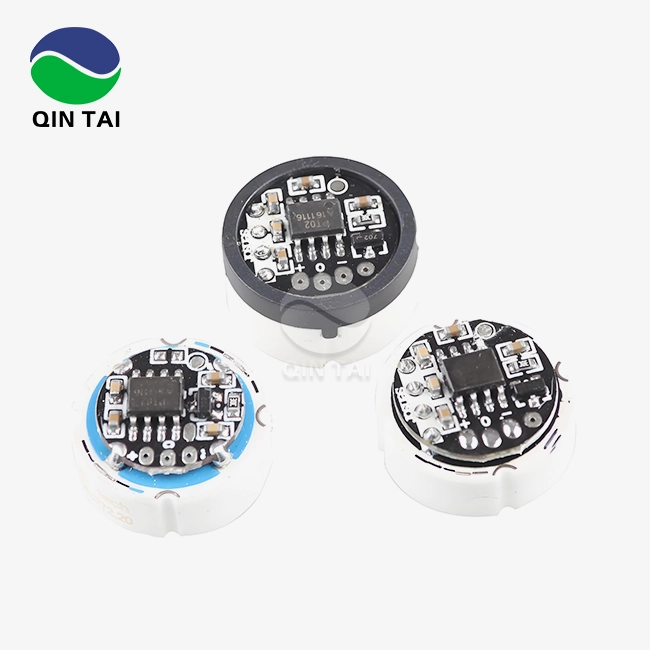
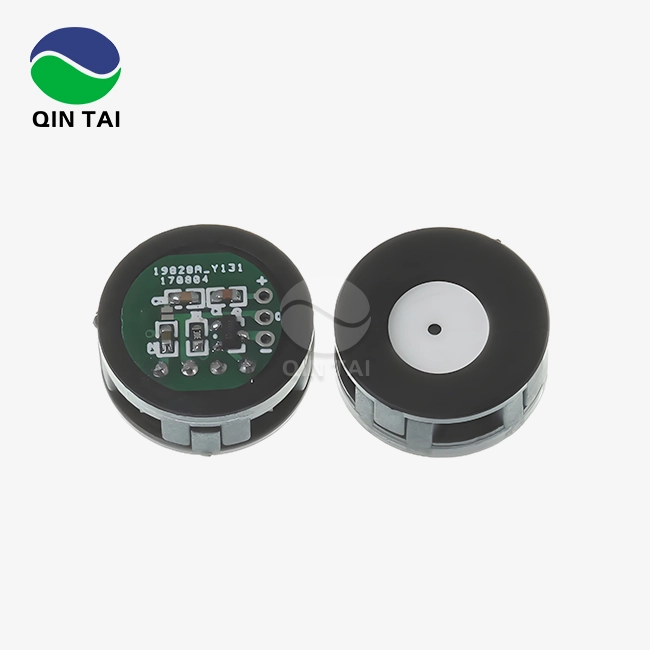
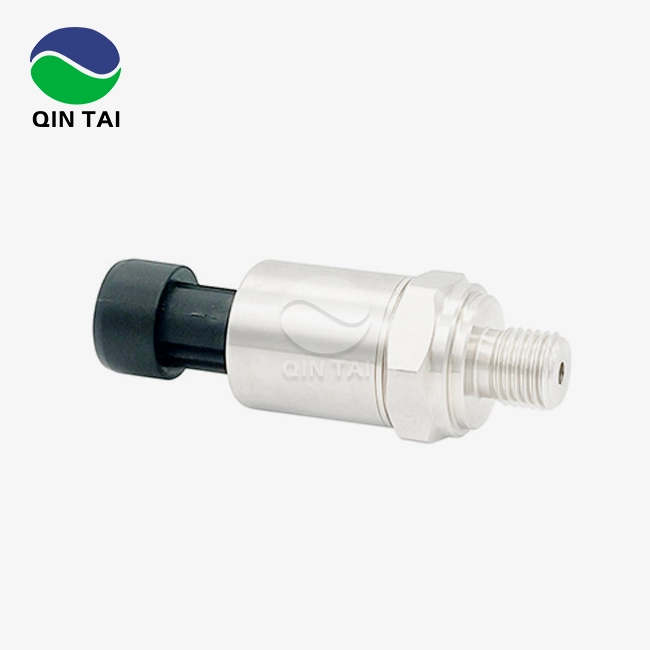

Our customers’ satisfaction speaks for our quality — contact us to experience the same reliable service.