- English
- French
- German
- Portuguese
- Spanish
- Russian
- Japanese
- Korean
- Arabic
- Greek
- German
- Turkish
- Italian
- Danish
- Romanian
- Indonesian
- Czech
- Afrikaans
- Swedish
- Polish
- Basque
- Catalan
- Esperanto
- Hindi
- Lao
- Albanian
- Amharic
- Armenian
- Azerbaijani
- Belarusian
- Bengali
- Bosnian
- Bulgarian
- Cebuano
- Chichewa
- Corsican
- Croatian
- Dutch
- Estonian
- Filipino
- Finnish
- Frisian
- Galician
- Georgian
- Gujarati
- Haitian
- Hausa
- Hawaiian
- Hebrew
- Hmong
- Hungarian
- Icelandic
- Igbo
- Javanese
- Kannada
- Kazakh
- Khmer
- Kurdish
- Kyrgyz
- Latin
- Latvian
- Lithuanian
- Luxembou..
- Macedonian
- Malagasy
- Malay
- Malayalam
- Maltese
- Maori
- Marathi
- Mongolian
- Burmese
- Nepali
- Norwegian
- Pashto
- Persian
- Punjabi
- Serbian
- Sesotho
- Sinhala
- Slovak
- Slovenian
- Somali
- Samoan
- Scots Gaelic
- Shona
- Sindhi
- Sundanese
- Swahili
- Tajik
- Tamil
- Telugu
- Thai
- Ukrainian
- Urdu
- Uzbek
- Vietnamese
- Welsh
- Xhosa
- Yiddish
- Yoruba
- Zulu
Best Urea Pressure Sensors for Heavy Equipment
When selecting pressure sensors for heavy-duty machinery, the urea pressure sensor stands out as an indispensable component within diesel engine emission control systems. These specialized devices monitor DEF (Diesel Exhaust Fluid) injection pressure, ensuring optimal dosing accuracy and helping equipment meet stringent emissions standards like EPA 2010 and Euro VI. Beyond urea applications, pressure sensors in heavy equipment encompass intake manifold sensors, hydraulic pressure monitors, and oil pressure transducers—all critical for maximizing operational efficiency and preventing costly downtime. Choosing the right sensor involves balancing accuracy, environmental resilience, compatibility, and total cost of ownership, particularly for purchasing managers and R&D engineers overseeing large fleets or OEM production lines.
Understanding Urea Pressure Sensors and Their Role in Heavy Equipment
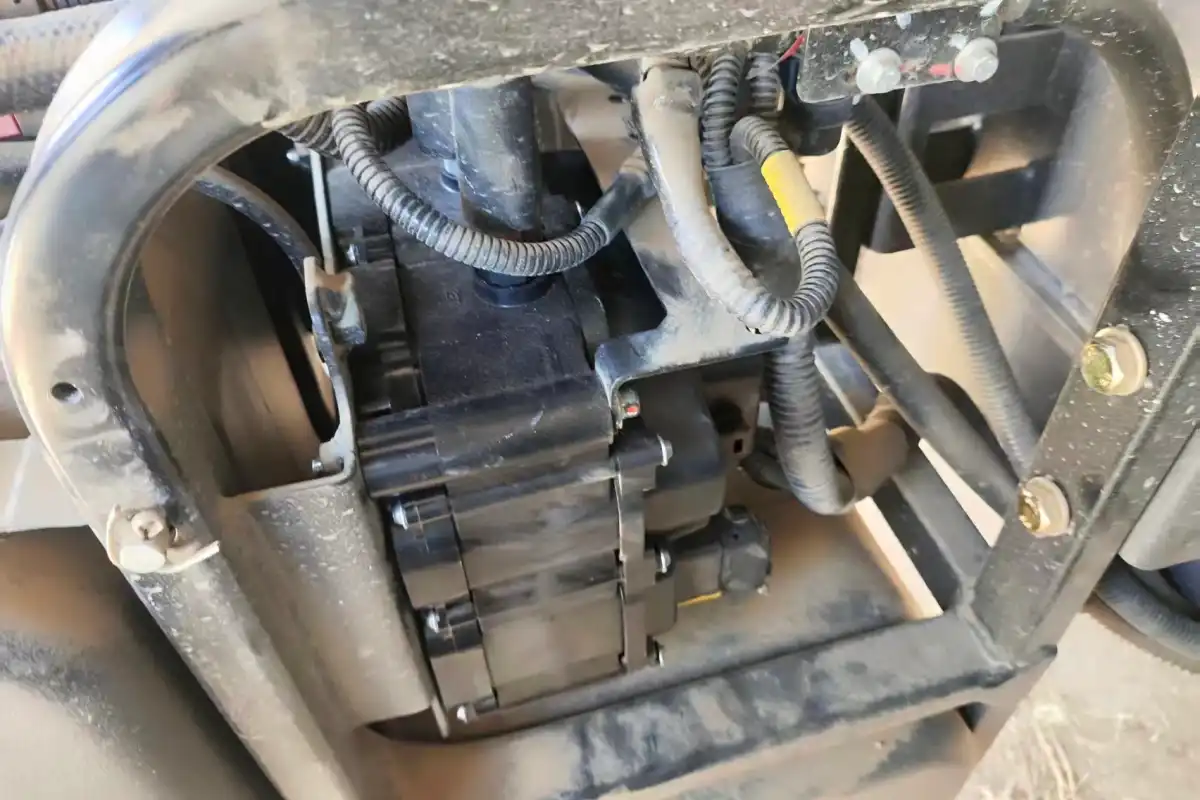
SCR machines use urea pressure sensor technology to check the urea solution's (also known as AdBlue or DEF) pressure as it goes from the dosing pump to the injector nozzle. It is important to make sure that the control unit (DCU or ECU) has the right information to set the injection rate. This has a direct impact on how well NOx is reduced and pollution rules are followed.
How Urea Pressure Sensors Work?
Instead of working with normal pressure sensors, these ones have to deal with urea solutions, which are acidic and can crystallize and break down materials that aren't very good. The sensor generally has a diaphragm or a ceramic part that bends slightly when pressure is put on it. This part changes mechanical force into an electrical signal by using either piezoresistive or capacitive technology. This tells the engine control module to change the dosing settings right away so that the catalytic conversion works at its best and no damage is done to parts further down the line.
Importance in Emissions Compliance and Engine Performance
A lot of attention is paid to the emissions that come from building, farming, and mining equipment. If the pressure sensor isn't working right, the wrong amount of urea could be added. This could lead to too many emissions, waste, or even crystallization blocks that stop the engine from working and put it into limp mode. These issues can be avoided with accurate pressure tracking. It also saves fuel by making sure that the fuel burns fully and the aftertreatment system works right. Field tests have shown that reliable sensors make SCR systems last a lot longer and cut down on the number of times they need to be fixed by up to 30%.
Applications Across Heavy Equipment Sectors
These sensors are used by diesel engines that power boats, small boats, tractors, loaders, harvesters, and big cars. They are put in during production by OEMs to meet approval standards, and repair shops and fleet owners can buy new units from secondary sources. With the use of more Tier 4 Final and Stage V engines, there is a greater need for strong, reliable sensors that can handle shaking, high temperatures, and dirt.
Types and Comparison of Urea Pressure Sensors for Heavy Equipment
Pressure sensors for big machinery are made in various ways and can be utilized for various purposes. When buying teams know these differences, they can pick tools that meet their wants and stay within their budget. Understanding the role of a urea pressure sensor helps in evaluating these distinctions.
Analog vs. Digital Sensor Technologies
For analog sensors that send out a steady voltage or current signal that changes with the pressure, it is easier to use and costs less. The signal may get weaker over long wire runs, and they don't have current diagnostic tools. However, they work well with older computer systems. On the other hand, digital sensors use the CAN bus or other methods to send data. They work better, have tests built in, and aren't harmed by electricity noise. Digital types can be tracked in real time and scheduled repair can be done ahead of time. This makes them perfect for OEMs and teams that put uptime first.
Durability and Material Considerations
Ceramic, stainless steel, or special urea-grade metals like 1.4466 that don't rust should be used to make sensors that work in tough environments. When you use a diaphragm plug, you keep the detecting element away from the medium. This keeps crystallization damage from happening and the device lasts longer. If a sensor has an IP67 or IP69K grade, it can handle water and high-pressure washing, which is common in gardening and building. It is also very important that the sensors can handle vibrations. Sensors that are used in big machinery can become damaged over time and lose their accuracy.
Comparative Analysis of Leading Sensor Brands
Bosch, Denso, and Continental control the OEM market. Their sensors are made to meet strict quality standards and high number output. Because they can correct for temperature, both Cummins and Caterpillar suggest Bosch's DEF pressure sensors. Denso focuses on small designs that can fit in small areas. Continental, on the other hand, offers modular choices with links that can be changed to suit your needs. Delphi and Siemens make aftermarket parts that are less expensive and come with different warranty terms. But compatibility testing is still needed to make sure there are no speed issues.
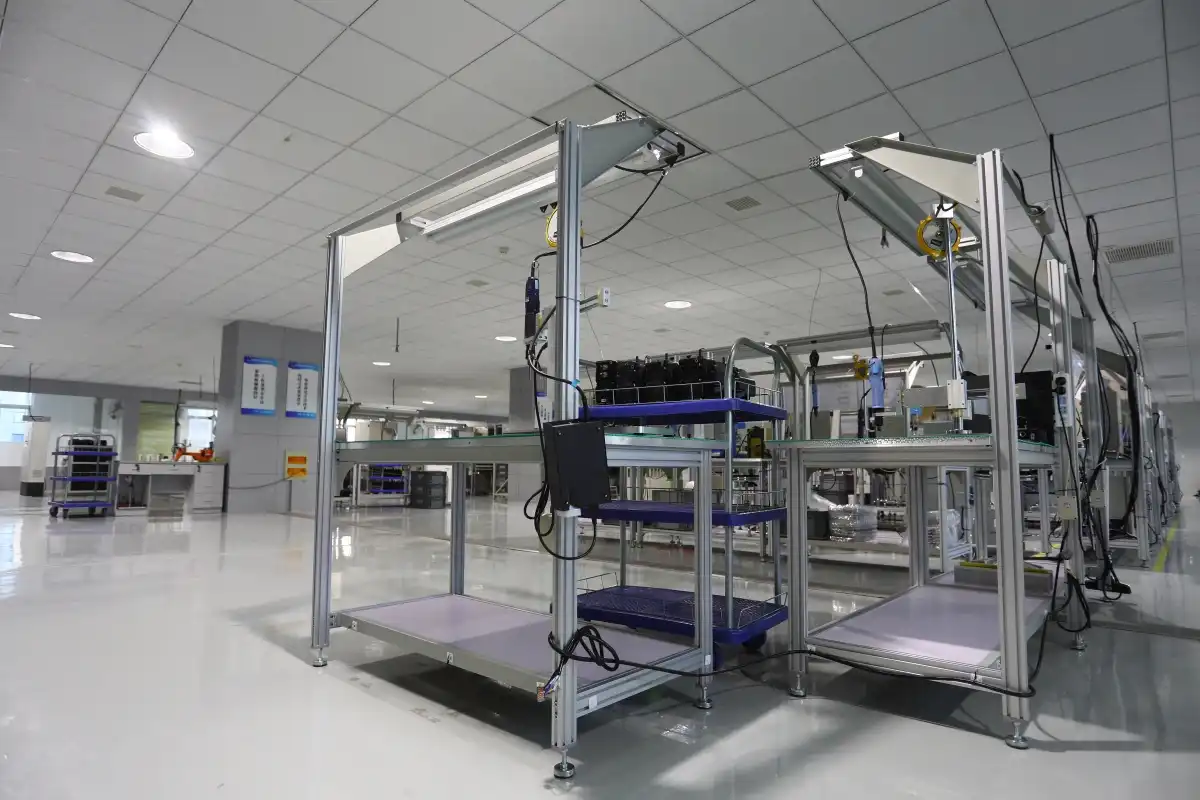
New Asian sources, like approved makers like Qintai, have good prices and allow OEM/ODM, which is helpful when you need to buy a lot. You can tell the difference between honest and dishonest providers by looking at the length of the contract, how quickly technical support replies, and the provider's certifications (IATF 16949, ISO 9001).
How to Choose the Best Urea Pressure Sensor for Your Heavy Equipment
To pick the best urea pressure sensor, you should carefully consider its technical specs, how it will be used, and the supplier's skills. With a well-organized plan, you can be sure of long-term success and few risks.
Defining Core Selection Criteria
Most sensors work between 0 and 10 bar, and they should stay accurate within ±2% of the full range to make sure the right amount is given. What makes something durable are its resistance to damage, its ability to withstand shaking, and its temperature range. Temperatures ranging from -40°C to +125°C are no problem for industrial-grade sensors. It's not enough to just add something; software must also be able to talk to current control systems and electrical connections, like voltage output and CAN protocol. When you think about costs, you should compare the price you paid for the item at first to the total cost of ownership, which includes the warranty, the expected lifespan, and the chance of downtime.
Applying the F-1 Criteria Screening Approach
Giving each measure a weight based on its use case makes this choice structure accurate and memory-friendly at the same time. The F-1 methodology helps OEM makers who care a great deal about following the law, making sure that each batch is stable, getting approval, and being consistent. People who buy things in the aftermarket care most about how much they cost and how simple it is to get them. Plus, they like sensors that can connect to a lot of different GPS places. Designers of SCR systems like it when suppliers can help with application engineering and fast development. They also like it when suppliers can offer customization and expert support.
Those in charge of hiring should give prospect sensors a score for each of the categories, then add the weights to that score and compare the two scores. This method uses numbers instead of words, which removes biased bias and helps experts, buyers, and management partners make clear choices.
Evaluating Supplier Reputation and Support
Along with product specs, how stable the service is has a direct effect on how well the project turns out. To find out how mature your business is, look at the amount of on-time supplies, quality badges, and customer references. Transactional sellers are not strategic partners because they only sell things. Strategic partners also offer technical support services like application guides, testing services, and failure analysis. When companies show they are committed to always getting better, spend a lot of money on research and development, and have a lot of patents, they can build long-term relationships.
Installation, Troubleshooting, and Maintenance of Urea Pressure Sensors
When a urea pressure sensor is put properly and serviced regularly, they last longer and stay accurate. This lowers the total cost of ownership and keeps systems from going down without warning.
Step-by-Step Installation Guidelines
The best place to put something is somewhere out of direct sunlight, very hot, and shaking. There should still be enough space for wires to connect. Clean all of the parts well so they don't get dirty, and use a thread cleaner that works with urea treatments to stop leaks. Electrical wires need to be tight and directed properly so they don't rub against moving parts. You need to follow the manufacturer's steps for calibrating the system after it has been physically set up. When you do this, you compare the output of the sensor to known pressure references in a number of locations within its working range.
Common Failure Modes and Diagnostic Techniques
A sensor isn't working right if the dose isn't accurate, the MIL lights have codes that are tied to the DEF system pressure, or there are crystallization warnings. You should first check the lines for damage, rust, or other problems. Analyzing with an oscilloscope shows signal noise or problems that happen from time to time, while checking with a multimeter shows that the voltage source and signal output are correct. Using outside measures to check the pressure helps tell the difference between sensor faults, system blockages, and pump issues. If you only change the sensor when there is pollution upstream or when the line ends, it will keep breaking. You need to figure out why it's breaking.
Maintenance Best Practices and Replacement Timing
It is planned to check for early signs of wear every 500 to 1000 hours of operation. These could be signal drift, rust on the connectors, or fixing brackets that are coming loose. The quality of a sensor shapes how long it lasts. Sensors are prevented from failing too soon by using approved fluid that is free of contaminants and changing the filters when the OEM advises. Over time, sensors that are getting close to the end of their useful life tend to become less accurate. This can be found by predictive maintenance tools before it leads to a big failure. Depending on the brand and the use, replacement times can be anywhere from 3,000 to 6,000 hours for heavy-duty job cycles. The right care can make high-end sensors last more than 10,000 hours.
Procurement and Brand Insights for Urea Pressure Sensors
If you want to get the most out of your purchases, you need to understand how the market for urea pressure sensor technology works, how prices change, and how different sellers provide different services.
Purchasing Channels and Cost Expectations
Most of the time, OEM buyers work directly with sensor makers to get big savings and deals on tech support. Aftermarket buyers get sensors from bulk sellers, web platforms, and wholesalers. They compare price to validity and ensure coverage. The prices of alternative sensors run from $60 to $150 right now, while OEM-branded sensors cost $200 to $400. You can save 15% to 30% if you buy more than one. Price changes are affected by the costs of raw materials, especially for technology and stainless steel, and by how the local supply chain works.
Navigating OEM vs. Aftermarket Options
Real OEM sensors are better for production lines and uses that depend on warranties because they are proven to work with other parts, meet approval standards, and come with a warranty from the maker. OEM sensors cost more and are harder to find than aftermarket ones. This is very helpful for older tech where OEM parts take a long time to get to you. There is a wide range of quality between aftermarket providers. Most of the time, certified options from reputable manufacturers work just as well as OEM parts and cost less. However, lower-quality goods could damage the system or put people at risk. You can tell how good a replacement product is by seeing if it has ISO, CE, REACH, or RoHS approvals and by asking for test findings.
Global Supply Chain Considerations
Lead times range from 8 to 12 weeks for specialized or custom sensors to being able to get famous types right away. People in North America and Europe who want to buy something from Asia need to know how long it will take to ship (4-6 weeks by ocean freight) and get through customs. Getting local items or consignment arrangements set up can help with supply issues. When using just-in-time production, it works best when providers have global shipping networks and warehouses in different regions. This makes it less risky to send.
Conclusion
To pick the best pressure sensors for heavy equipment, you should carefully consider the technical details, the job requirements, and the skills of the seller. For example, urea pressure sensor in SCR systems show how accurate and long-lasting solutions need to be to meet the rules for emissions right now. Another need to measure pressure in hydraulic and engine systems calls for just as strong solutions. To make procurement work, you need to use organized decision models that fit your company's needs to find the best mix between accuracy, durability, and cost. If you buy from certified sellers with full expert help and tried-and-true quality control methods, you can be sure that the tools will last as long as possible and cost as little as possible.
FAQ
What are the signs that my urea pressure sensor needs replacement?
There are many signs, such as check engine lights that are on and showing DEF system codes (P20EE, P204F), urea amounts that don't match up, crystallization warnings, and damage or rust on the body or joints. Some performance issues are when the engine has less power, uses more gas, or the DPF doesn't get cleaned. You can get real-time data from sensors with diagnostic scanning tools. These tools let you know when there are signal problems or numbers that don't seem right. Most of the time, changing the sensor is the only way to get the system running right again and meet emissions standards if cleaning the contacts and making sure the wire is solid don't help.
Can standard pressure sensors substitute for specialized urea pressure sensors?
In urea settings, normal sensors don't work well with that kind of material or have the rust resistance that is needed. The ammonia in DEF and the speed with which it crystallizes hurt sensors that weren't designed to handle this. If you use the wrong sensors, you might get bad results, the system could get dirty, or the engine could even get damaged. It is important for SCRs to have diaphragm covers, materials made from urea, and temperature changes that are found in specialized urea pressure sensors. It might cost more at first, but sensors that are made to do a certain job will last longer and do it better.
What advantages do digital sensors offer over analog models?
The better digital sensors are at blocking noise, the longer line runs that messages can go without losing their accuracy. Built-in tools check the health of sensors and look for early warning signs of failure so that repair can be planned ahead of time. CAN bus protocol-based communication works well with current control systems and lets you do cool things like tracking from afar and setting up automatically. Also, digital types are more exact because they have methods for weather and multi-point calibration. The higher price is worth it when security, troubleshooting, and how the system works with other systems are important.

SENSOR+TEST, June 9 – 11, 2026
We look forward to your visit,warmly welcome to our booth 1-526!
Get your free ticket online now:
https://www.sensor-test.de/service/ticket/?52790
Partner with Qintai for Reliable Urea Pressure Sensor Solutions
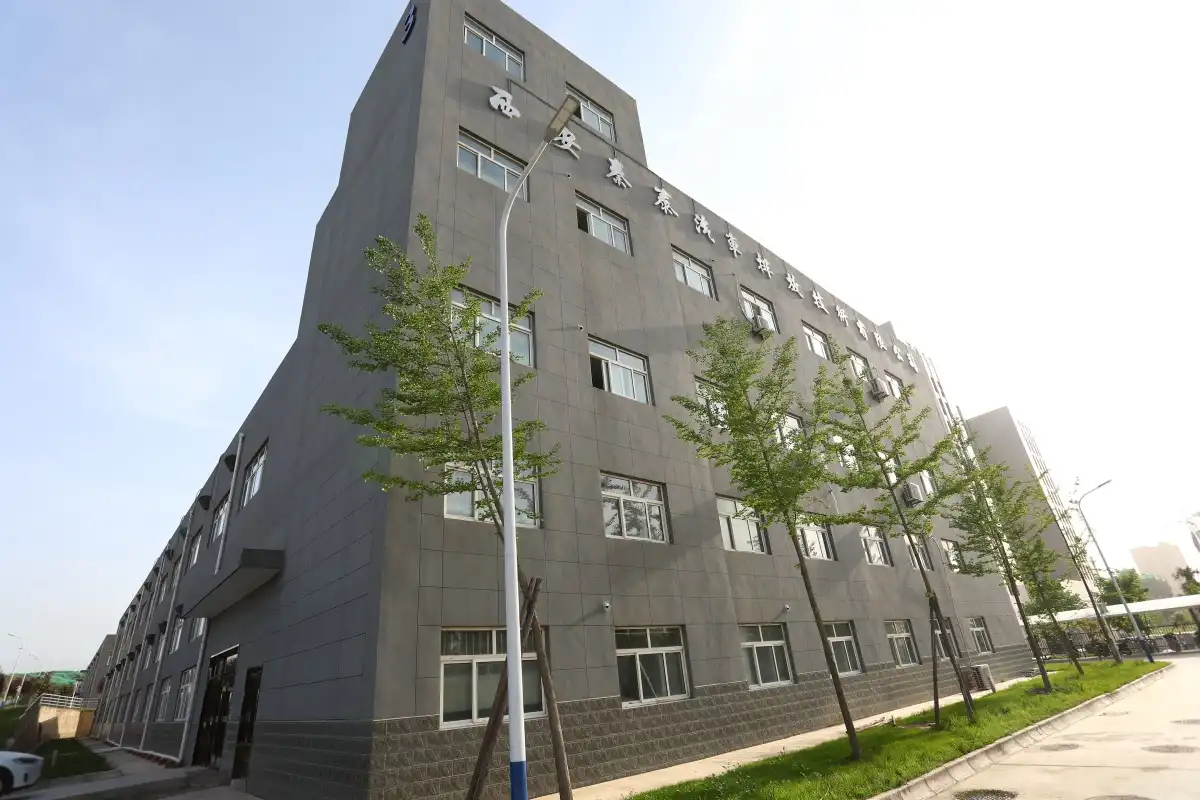
Legal and useful big machine actions depend on having good parts. Qintai is a national high-tech company that has been in business for more than 20 years. It has urea pressure sensor options made for tough SCR uses in construction, farming, and manufacturing. Our manufacturing is IATF 16949 and ISO 9001 approved, so you can be sure that everything is the same and can be tracked. Also, the fact that we have 58 invention patents shows that we are always thinking of new ways to use sensors. The best diesel engine makers in China, like Weichai, Yuchai, and Quanchai, depend on us as their main source. Big OEMs trust our goods a lot because we have the biggest part of the Chinese market.
Qintai offers full OEM/ODM services, which let customers make changes from the planning stage all the way through mass production. Our separate research and development team works with customers to find the best sensor specs for each use. In this way, the sensors are made to work well with each other and follow the rules. We can offer cheap prices without sacrificing quality because our production skills are flexible and our supply chain is strong. This is true whether you need a few samples or a lot of them. Contact our engineering team at info@qt-sensor.com to talk about your needs with a reputable urea pressure sensor maker and get prices, technical specs, and samples that are tailored to your needs. You can see all of our goods at qt-sensor.com and read about how our emission control solutions help tools all over the world do their jobs better.
References
1. Society of Automotive Engineers (SAE), "Recommended Practice for Diesel Exhaust Fluid Quality and Handling," SAE J2906, 2018.
2. Johnson, M.L. and Stevens, P.R., "Advanced Sensor Technologies for Diesel Engine Emission Control Systems," International Journal of Automotive Engineering, Vol. 12, No. 3, 2023, pp. 145-162.
3. European Commission, "Regulation (EU) 2016/1628: Requirements Relating to Gaseous and Particulate Pollutant Emission Limits," Official Journal of the European Union, 2016.
4. Zhang, Q. et al., "Reliability Analysis of Pressure Sensors in Selective Catalytic Reduction Systems Under Harsh Operating Conditions," Sensors and Actuators A: Physical, Vol. 315, 2020, pp. 112-124.
5. U.S. Environmental Protection Agency, "Control of Emissions of Air Pollution from Nonroad Diesel Engines," Code of Federal Regulations, Title 40, Part 1039, 2022.
6. Anderson, K.T. and Liu, W., "Comparative Performance Evaluation of Commercial Urea Dosing Pressure Sensors for Heavy-Duty Applications," Proceedings of the ASME Internal Combustion Engine Division Fall Technical Conference, 2023, pp. 67-78.

Our customers’ satisfaction speaks for our quality — contact us to experience the same reliable service.