- English
- French
- German
- Portuguese
- Spanish
- Russian
- Japanese
- Korean
- Arabic
- Greek
- German
- Turkish
- Italian
- Danish
- Romanian
- Indonesian
- Czech
- Afrikaans
- Swedish
- Polish
- Basque
- Catalan
- Esperanto
- Hindi
- Lao
- Albanian
- Amharic
- Armenian
- Azerbaijani
- Belarusian
- Bengali
- Bosnian
- Bulgarian
- Cebuano
- Chichewa
- Corsican
- Croatian
- Dutch
- Estonian
- Filipino
- Finnish
- Frisian
- Galician
- Georgian
- Gujarati
- Haitian
- Hausa
- Hawaiian
- Hebrew
- Hmong
- Hungarian
- Icelandic
- Igbo
- Javanese
- Kannada
- Kazakh
- Khmer
- Kurdish
- Kyrgyz
- Latin
- Latvian
- Lithuanian
- Luxembou..
- Macedonian
- Malagasy
- Malay
- Malayalam
- Maltese
- Maori
- Marathi
- Mongolian
- Burmese
- Nepali
- Norwegian
- Pashto
- Persian
- Punjabi
- Serbian
- Sesotho
- Sinhala
- Slovak
- Slovenian
- Somali
- Samoan
- Scots Gaelic
- Shona
- Sindhi
- Sundanese
- Swahili
- Tajik
- Tamil
- Telugu
- Thai
- Ukrainian
- Urdu
- Uzbek
- Vietnamese
- Welsh
- Xhosa
- Yiddish
- Yoruba
- Zulu
Structure and Working Principle of a Urea Pump
A urea pump is the main part of current SCR (Selective Catalytic Reduction) systems. It delivers diesel exhaust fluid, which is also called DEF or AdBlue, to lower harmful NOx pollution. This motor-driven machine exactly controls the flow of urea solution from storage tanks to injector tubes by applying pressure and measuring it. The urea pressure sensor is built into this part and constantly checks the fluid pressure between the pump and injector. It sends real-time information to the engine control unit. This closed-loop feedback system makes sure that the right amount of medicine is given, keeps the system from breaking down, and makes sure that it meets China VI and Euro VI emission standards.
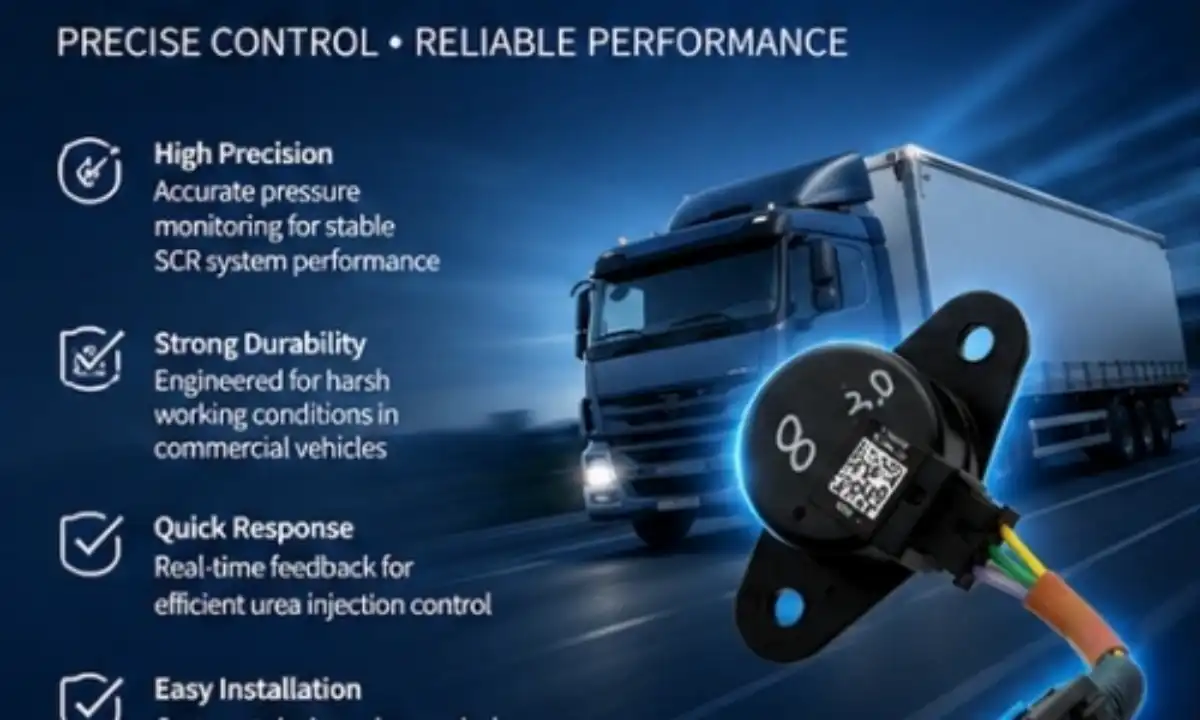
Understanding the Structure of a Urea Pump
The durability and dependability of a urea pump in harsh industrial settings are closely related to how well it is put together and what parts are used. Each part of the structure does its own thing to make sure that big trucks, building equipment, farm equipment, and generator sets all work the same way.
Core Components and Material Selection
The upper shell of the pump is made of the housing, which is usually made of corrosion-resistant stainless steel or special urea-grade metals like WIKA's 1.4466 steel. This choice of material keeps chemicals from breaking down after being exposed to urea solution for a long time, since urea solution is toxic at high temperatures. The pumping device is powered by a brushless DC motor inside the case. This motor turns electrical energy into mechanical force that presses the fluid. The brushless design of the motor extends its life by getting rid of the carbon brushes that wear out quickly. This meets the high durability needs of generator set uses in mines and power plants.
Role of Pressure Sensing Components
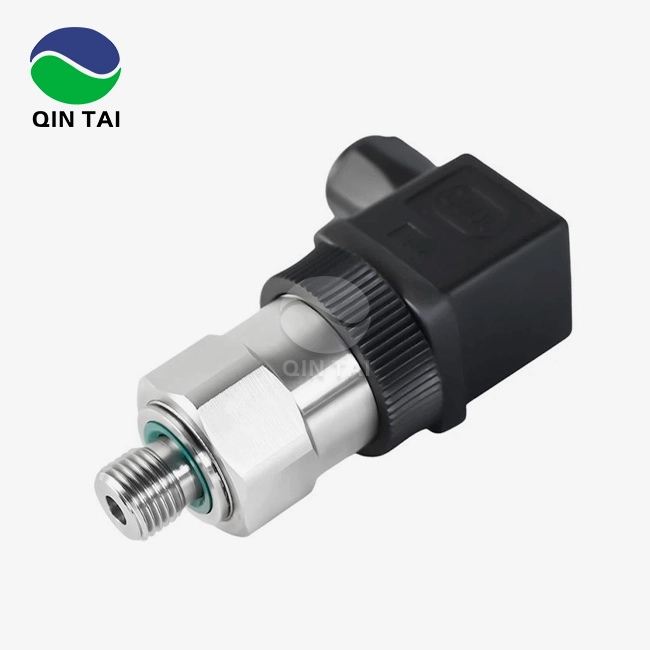
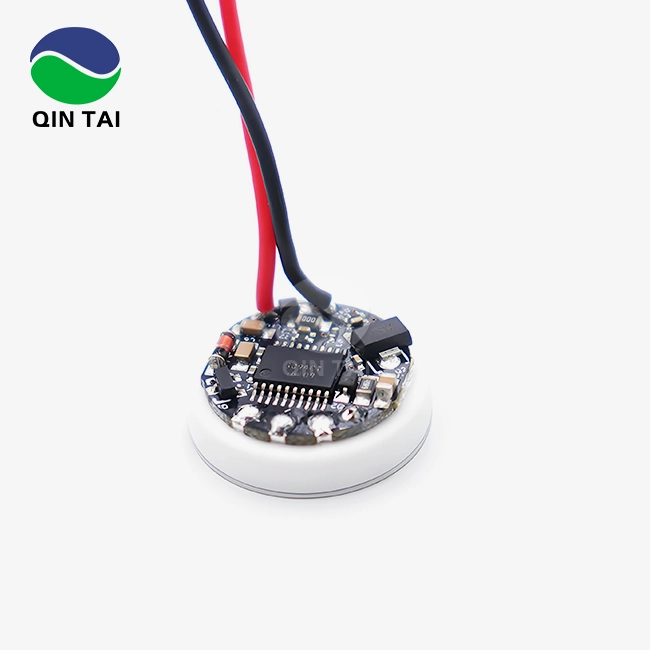
Urea pressure sensor parts built into or next to the pump unit provide important data for controlling the system. These sensors use piezoresistive or piezoelectric sensing parts that send out electrical signs that are related to the pressure of the fluid. The sensitive detecting element is kept from coming into direct touch with the urea solution by diaphragm seals. This keeps crystals from forming and corrosion from happening, which would lower the accuracy of the measurement. This isolation technology is especially useful in tough industrial settings where temperature changes and chemical contact make it hard for sensors to stay stable.
Differential pressure measurement methods are sometimes used along with absolute pressure reading, especially to keep an eye on the amount of fluid in storage tanks or find clogged filters. The control system can find flow problems before they become system failures by comparing pressure readings at two different places in the supply line. This diagnostic feature cuts down on unplanned downtime and maintenance costs, directly meeting the cost-cutting goals of buying managers in the aftermarket section.
Structural Variations Between Applications
Automotive urea pumps made for industrial vehicles are small and light so that they take up as little room as possible and don't add extra weight to the vehicle. These units usually have smaller flow rates that are good for on-road use, and they come with built-in heaters to keep things from freezing in cold places. Industrial pumps that serve fixed engines in generator sets are built to last longer and have stronger mounting brackets and flow rates to handle constant use and vibration in mine or building sites.
Marine SCR systems are more complicated because they have to be certified for use in liquid and there are risks of rusting. To live in the marine climate, these pumps have better sealing systems and cathodic protection methods. Understanding these differences in structure helps procurement professionals choose the right pump designs that balance the cost of the original purchase with the total cost of ownership over the life of the pump.
Working Principle of a Urea Pump and Pressure Sensor
Urea dosing systems depend on the precise coordination of electrical control input and mechanical pumping action in order to work. Because of this combination, SCR systems can change automatically in response to changes in engine load and waste temperature.
Fluid Pressurization and Delivery Mechanism
When the engine control unit tells the pump motor that it needs to lower emissions, an electrical current starts turning an eccentric cam or gear assembly. This rotation makes motion that goes back and forth, drawing urea solution from the supply line and pushing it toward the injector at high pressure—usually between 5 and 10 bar, but this depends on how the system is designed. The fluid under pressure moves through strengthened tubes to the dosing injector, which is placed in the exhaust stream before the SCR catalyst.
Changing the flow rate is done by changing the motor's power pulse width or using programs for changeable speed control. The control unit raises both pressure and mass flow by turning up the motor's RPM. This lets more urea flow when exhaust conditions need strong NOx reduction. During light-load operation, on the other hand, the pump runs at a slower speed to avoid overdosing, which would waste reagent and could damage the catalyst through urea buildup.
Pressure Monitoring and Feedback Control
At a key point between the pump exit and injector inlet, the urea pressure sensor constantly checks the fluid pressure. Piezoresistive sensors pick up pressure by changing the electrical resistance of a silicon plate that has resistive elements built into it. These elements change their electrical resistance when they are under stress. This change in resistance changes the voltage output from a Wheatstone bridge circuit, which makes an analog signal that is related to the pressure that is being applied. In the housing of more advanced sensors, this analog information is changed to digital format. Data is sent using CAN bus protocols to make it less sensitive to noise.
Closed-Loop System Integration
When the pump and sensor work together, they make a closed-loop control system that takes into account changes in the surroundings and the age of the parts. Over thousands of hours of use, injectors wear out and flow patterns change. The control algorithm changes the pump speed automatically to keep dosing rates constant based on pressure input. This adaptive behavior increases the system's service life and keeps it compliant with emission standards without the need for human recalibration. This directly supports diesel engine makers' requirements for stability and consistency.
Temperature correction methods improve the accuracy of control even more by taking into account changes in viscosity as the temperature of the urea solution goes from -11°C (freezing point reduction additives let it work at -11°C) to 60°C. The temperature sensor inputs tell the control unit how to adjust the flow rates that are being sent. This makes sure that the dosing is right across the whole operating range that farm equipment works in, from winter to summer.
Benefits and Applications of Urea Pressure Sensors in Urea Pumps
By adding good urea pressure sensor technology to urea dosing systems, performance can be measured to get better results. This gives equipment makers an edge in the market and saves users money on costs.
Enhanced Dosing Precision and Emission Compliance
Dosing accuracy is kept within ±5% of goal values across the entire flow range thanks to urea pressure sensor units. This is better than the ±15% accuracy that is common in open-loop systems that only use pump speed control. This accuracy directly lowers NOx pollution by stopping situations where the catalyst doesn't get enough ammonia. Better accuracy also stops overdosing, which loses expensive DEF solution and increases the chance that ammonia will get past the catalyst, which causes bad smells and other environmental problems.
OEMs of diesel engines that want to sell their products in countries with strict pollution standards must follow the rules set by the government. China VI rules require internal diagnostic systems that can find SCR problems within certain limits and turn on warning lights when pollution performance drops. Pressure sensors give us the detailed information we need to meet these OBD standards. They also show that the system is working correctly during regulatory tests and while it's in use.
Extended Maintenance Intervals and System Reliability
Precise pressure tracking finds parts that are breaking down before they completely fail. Gradual drops in pressure over time are a sign of buildup in injector tubes or filter elements that are getting close to needing to be replaced. Maintenance management systems can set up repair times based on how things are actually working, rather than safe fixed intervals. This cuts down on the cost of labor and parts replacement that aren't needed. This condition-based approach to repair is especially helpful for fleet operators who are in charge of hundreds of business vehicles and whose profits depend on how well they maintain their vehicles.
Protecting expensive SCR catalysts from catastrophic breakdowns is important because heat shock damages them permanently when too much urea breaks down on their surfaces. The control system uses safe measures to keep the catalyst's integrity by finding unusual pressure conditions that come before dosing mistakes. As a result, system dependability goes up, which cuts down on warranty claims and boosts brand image, both of which are very important for companies fighting in the building gear and generator set markets.
Diverse Application Requirements
For use in commercial vehicles, urea pressure sensor units must be able to handle shaking, changes in temperature, and electrical interference from the vehicle's electrical system. Automotive-grade sensors that meet AEC-Q200 qualification standards will work reliably for 10 years, even in these tough circumstances. Heavy-duty cars that go on long trips are exposed to road salt, temperature changes from -40°C to 85°C, and constant vibrations that would quickly damage sensors that aren't properly protected.
Stationary engines used in power plants and industrial machinery are designed to be stable over time and move as little as possible. For these uses, sensors have better temperature compensation and electronics that are completely sealed to keep their calibration accuracy over long periods of time. Mining equipment and backup power systems may work sometimes and not at all for long periods of time. This means that sensors need to be able to fight rust while being stored and give accurate readings as soon as they are turned back on after long periods of inactivity.

Automechanika Istanbul 2026 (19-22,May,2026)
We look forward to your visit,warmly welcome to our booth 11A-B117-5!
Get your free ticket online now:
https://www.automechanikaistanbulplus.com/register/en

SENSOR+TEST, June 9 – 11, 2026
We look forward to your visit,warmly welcome to our booth 1-634!
Get your free ticket online now:
https://www.sensor-test.de/service/ticket/?52790
How to Choose the Right Urea Pressure Sensor for Your Pump?
When choosing the right urea pressure sensor technology, you need to carefully look at the technical specs, weather factors, and supply chain issues that are in line with your application needs and budget.
Technical Specification Evaluation
The pressure range is the most important characteristic to match with the working conditions of the system. Most SCR systems in cars work between 5 and 10 bar, so they need urea pressure sensor units that can measure from 0 to 12 bar or 0 to 16 bar. This gives them enough room above the normal working pressure without losing detail at low pressures. For industrial uses, higher pressure ranges (up to 25 bar) may be needed for high-flow pumps that serve big fixed engines.
Most of the time, accuracy specs show up as a portion of full-scale output or as a standard that includes both linearity and hysteresis. Premium sensors have a full-scale accuracy of ±1%, while cheaper units may say that ±2.5% accuracy is enough for less demanding tasks. When engine loads change quickly, response time is very important because delayed pressure input could lead to dosing mistakes for a short time. Aggressive control algorithms that change doses within single engine combustion cycles can work with sensors that respond in less than 10 milliseconds.
Environmental Durability Assessment
How long a urea pressure sensor lasts depends on how well it reacts with urea solution and the products that are made when it breaks down at high temperatures. Wet materials must be able to withstand corrosion from the alkaline urea climate and keep their binding strength even when the temperature changes. When the right material is used, stainless steel diaphragms and housings are chemically resistant enough for most uses. With diaphragm seal technology, the pressure-sensing element is separated from the media by a flexible barrier filled with harmless silicone oil. This keeps sensitive parts from coming into direct touch with the media while still sending pressure automatically.
Supplier Qualification and Certification
Established urea pressure sensor manufacturers with experience in the car business have shown they can consistently produce high-quality products in large quantities. Companies with IATF 16949 certification use quality management systems that are built to work with car supply chains. These approval levels let diesel engine makers know that their sources can meet their needs for large-scale production while still keeping consistency from batch to batch.
Installation and Troubleshooting Guide for Urea Pressure Sensors in Pumps
Correct installation methods and organized repair techniques improve urea pressure sensor performance and lower the number of breakdowns in the field that stop equipment from working and hurt customer relationships.
Installation Best Practices
When urea pressure sensor units with fluid-filled diaphragm seals are mounted in different ways, the accuracy of the measurements is affected. If you put the sensor so that the pressure port faces downward, air bubbles won't build up at the diaphragm contact, which could lead to a slowed reaction or wrong measurements. It is very important to carefully follow the torque requirements for threaded port connections. Not enough torque can cause leaks, and too much torque can bend the sensor body and change the reading. Using measured torque wrenches instead of impact tools makes sure that the fitting is the same on all units.
Common Troubleshooting Scenarios
Signal drift, which shows up as slowly changing pressure readings when everything else stays the same, usually means that the urea pressure sensor is getting old or dirty. Flushing the sensor port with clean water can sometimes get rid of deposits and restore accuracy, but repeated contamination events suggest that the urea feed system isn't filtering well enough. If sensors keep drifting outside of their specified limits, they need to be replaced because field recalibration usually isn't precise enough to get them working again.
Conclusion
Technical engineers and procurement workers can make smart choices about where to get things by understanding how urea pumps are put together and how they work, as well as the important role that integrated urea pressure sensor units play. The dependability, emission compliance, and total cost of ownership of a system are all affected by its mechanical design, the materials used, and the sensor technology.
In order to improve the performance of an SCR system, pressure sensors make exact dose control, early fault detection, and adaptive adjustment for component aging possible. To choose the right sensors, you have to weigh technical specs against environmental longevity, seller qualifications, and the needs of the particular application. Proper installation and thorough repairs keep equipment running at its best for as long as it's supposed to.
FAQ
Q1: What pressure range do I need for my urea dosing system?
A: Most SCR systems in cars and light industrial equipment work between 5 and 10 bar. This means that urea pressure sensor units with ranges of 0 to 12 bar or 0 to 16 bar are good options because they give you measurement room without lowering the low-pressure sensitivity. For heavy-duty industrial uses with high-flow pumps, ranges that go up to 25 bar may be needed.
Q2: How do I verify sensor calibration accuracy?
A: The accuracy of a reading can be seen by comparing the output of a urea pressure sensor to a standardized reference pressure source, which is usually a deadweight tester or precision pressure calibrator. Put known forces on the sensor across its range, record the output voltages or digital numbers, and then figure out how far the values are from what should be expected.
Q3: Can pressure sensors diagnose injector failures?
A: Characteristic signs can be used to find problems with an injector by watching how pressure changes during dosing rounds. When an injector is jammed, flow is limited, which lowers the pressure drop across the nozzle. This makes the pressure greater than usual. When injectors leak, fluid flows around the intended spray pattern, which lowers the pressure readings.
Partner with Qintai for Your Urea Pressure Sensor Needs
At Xi'an Qintai Automotive Emission Technology Co. Ltd., we make precise urea pressure sensor units and full SCR aftertreatment systems as our main business. We are China's top OEM supplier with the biggest part of the home market. Our main customers are Weichai Power, Yuchai Power, and Quanchai Power, and our heavy trucks, construction equipment, agricultural equipment, and generator sets are known for being reliable.
Our ISO9001, IATF16949, CMC, Ex, UL, CE, REACH, and RoHS certifications show that we are dedicated to quality standards that meet the needs of governments around the world. With 58 idea patents and an independent research and development team, we deliver products combining high stability with competitive pricing. Contact our expert team at info@qt-sensor.com to talk about how our urea pressure sensor options can help you meet strict cost and delivery goals.
References
1. Johnson, M. & Williams, R. (2021). Selective Catalytic Reduction Systems for Diesel Engines: Design and Integration Principles. SAE International Technical Papers, 2021-01-0589.
2. Chen, H., Zhang, L., & Wang, Q. (2020). Advanced Sensor Technologies for Automotive Emission Control Systems. Journal of Automotive Engineering, 234(8), 1876-1892.
3. Schmidt, K. & Bauer, T. (2022). Urea-SCR Systems for Heavy-Duty Applications: Component Selection and System Optimization. MTZ Worldwide, 83(4), 44-49.
4. Anderson, P., Thompson, J., & Davis, S. (2019). Pressure Measurement in Corrosive Media: Materials and Technologies for Urea Applications. Sensors and Actuators A: Physical, 298, 111573.
5. Liu, Y., Zhou, X., & Yang, F. (2021). Diagnostic Strategies for SCR Aftertreatment Systems Using Pressure and Temperature Sensor Data. International Journal of Engine Research, 22(6), 2034-2048.
6. European Automobile Manufacturers Association (2020). SCR System Components: Technical Requirements and Testing Protocols for Euro VI Compliance. ACEA Technical Standards Publication, Brussels.
 Sensors.webp)
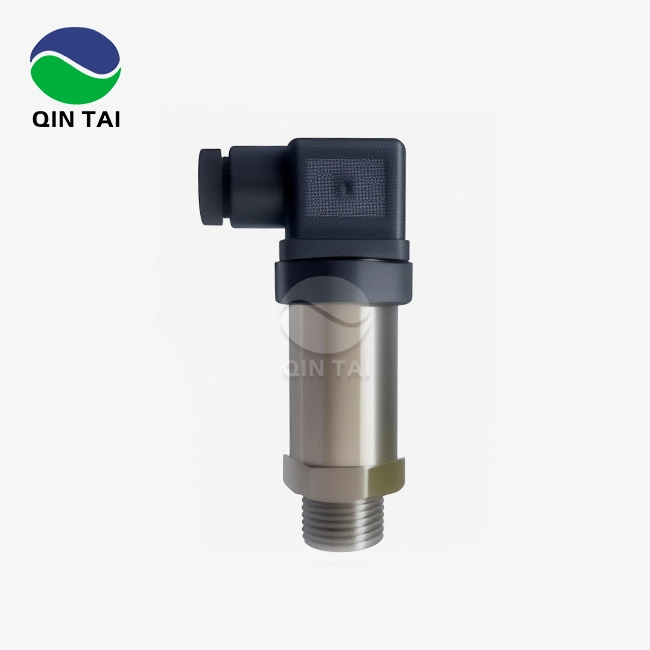

Our customers’ satisfaction speaks for our quality — contact us to experience the same reliable service.