- English
- French
- German
- Portuguese
- Spanish
- Russian
- Japanese
- Korean
- Arabic
- Greek
- German
- Turkish
- Italian
- Danish
- Romanian
- Indonesian
- Czech
- Afrikaans
- Swedish
- Polish
- Basque
- Catalan
- Esperanto
- Hindi
- Lao
- Albanian
- Amharic
- Armenian
- Azerbaijani
- Belarusian
- Bengali
- Bosnian
- Bulgarian
- Cebuano
- Chichewa
- Corsican
- Croatian
- Dutch
- Estonian
- Filipino
- Finnish
- Frisian
- Galician
- Georgian
- Gujarati
- Haitian
- Hausa
- Hawaiian
- Hebrew
- Hmong
- Hungarian
- Icelandic
- Igbo
- Javanese
- Kannada
- Kazakh
- Khmer
- Kurdish
- Kyrgyz
- Latin
- Latvian
- Lithuanian
- Luxembou..
- Macedonian
- Malagasy
- Malay
- Malayalam
- Maltese
- Maori
- Marathi
- Mongolian
- Burmese
- Nepali
- Norwegian
- Pashto
- Persian
- Punjabi
- Serbian
- Sesotho
- Sinhala
- Slovak
- Slovenian
- Somali
- Samoan
- Scots Gaelic
- Shona
- Sindhi
- Sundanese
- Swahili
- Tajik
- Tamil
- Telugu
- Thai
- Ukrainian
- Urdu
- Uzbek
- Vietnamese
- Welsh
- Xhosa
- Yiddish
- Yoruba
- Zulu
Wireless Pressure Sensor for Remote Monitoring
By turning physical force into electrical messages without the limitations of wired systems, wireless pressure sensors change the way remote monitoring is done. A pressure sensor reads the force that is acting on a certain area of a gas or liquid and turns that information into data that can be used. Wireless versions get rid of the hassle of wiring, so repair teams can check on equipment in real time even in harsh industrial settings. By sending out instant alerts when pressure levels deviate from set limits, these devices help operators fix possible problems before they become expensive breakdowns. This improves predictive maintenance strategies in heavy-duty applications.
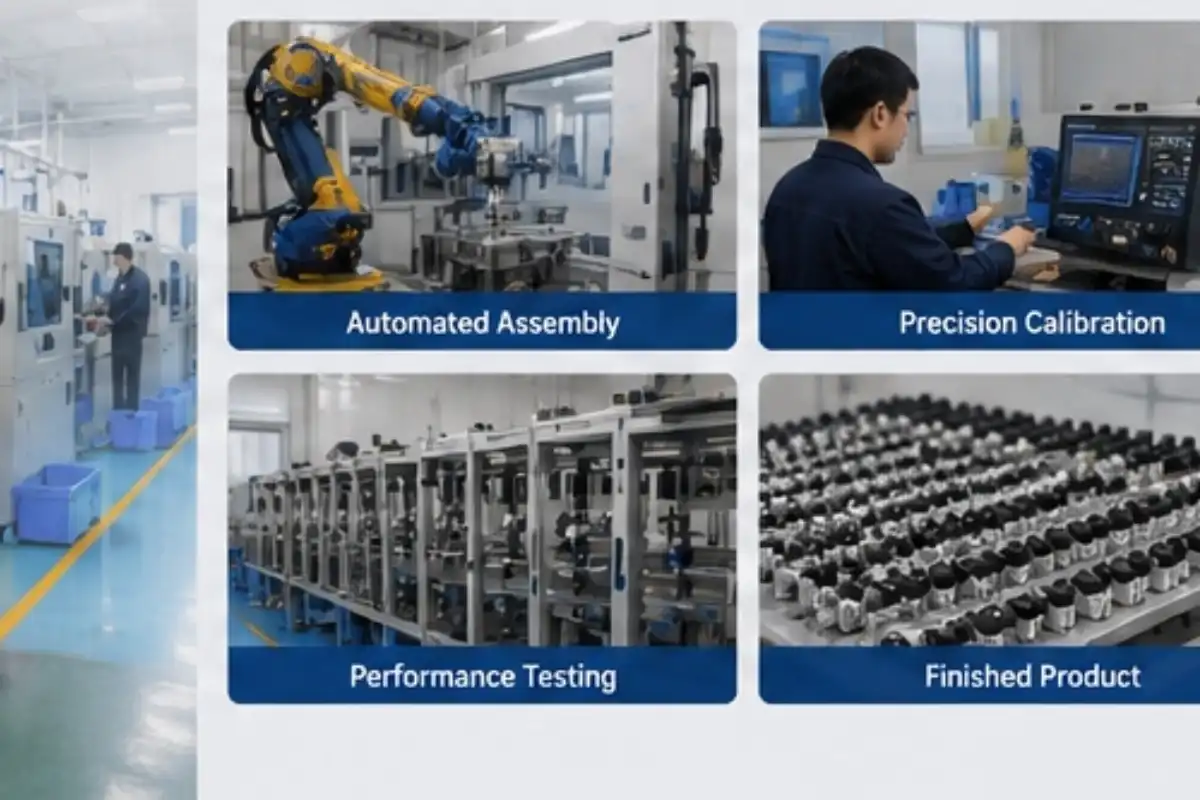
Introducing Wireless Pressure Sensors and Their Role in Remote Monitoring
Critical equipment factors must always be watched over in modern industrial processes. This need is met by wireless pressure sensing technology, which sends continuous measurement data without any real link problems.
Basic Principles of Pressure Sensing
Pressure perception is based on finding changes in the physical shape of a surface that happen when force is applied to it. Most of the time, strain gauges are used, which have mechanical parts that expand or contract in response to applied pressure. Through well-tuned transduction processes, these very small changes in the physical world are turned into voltage changes or electrical messages. The electrical output is then turned into measurable data that can be stated in units like Pascals (Pa) or pounds per square inch (psi). This gives maintenance teams accurate numbers they can use to make choices about how to run the business.
Differentiating Wired from Wireless Systems
Traditional wired pressure sensors need a lot of cables to connect measurement places to control rooms. This makes placement difficult in large buildings or dangerous areas. Wireless options send data using radio waves, so there are no real links and measurements are still accurate. This major change cuts down on installation time by 40–60% compared to traditional systems. This is especially helpful when keeping an eye on diesel engine aftertreatment systems in big trucks or building equipment that are spread out over large work sites.
Common Sensor Technologies
There are two main methods that are used for pressure sensors. When mechanical stress deforms solid materials, piezoelectric sensors create electrical charges. This makes them very responsive to changes in dynamic pressure. Capacitive sensors, especially ceramic capacitive types, change the capacitance between wires when the diaphragm deforms, which is how they measure pressure. The ceramic cushion works as one electrode and stays in place in relation to a set electrode. This makes a capacitor whose value changes when force is applied. Capacitive designs work well in difficult conditions like those found in SCR and DPF aftertreatment systems, keeping their performance stable over time even when exposed to temperature changes and vibrations.
Advantages in Industrial Settings
Wireless tracking has huge advantages for diesel engine uses and emission control systems. Installation freedom lets things be put in places that couldn't be reached before, without having to run wires through engine compartments or exhaust systems. Costs go down because wire materials aren't needed and construction work is cut down. The most important thing about wireless designs is that they allow monitoring to grow without having to redesign the infrastructure. This is very important when upgrading current fleets to meet China VI or Euro VI emission standards, which require more monitoring points to be in line with the rules.
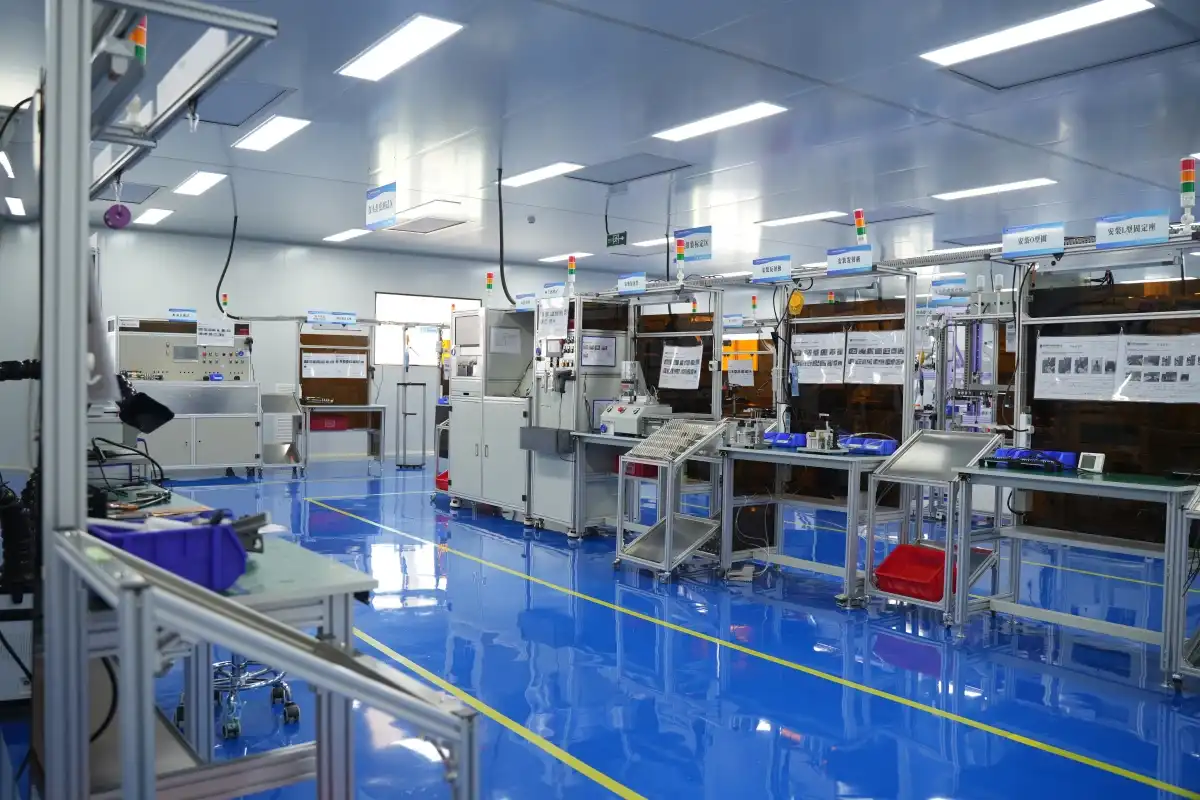
Key Technical Considerations When Selecting Wireless Pressure Sensors
When making a purchase choice, technical specs that have a direct effect on working reliability and measurement integrity must be carefully looked at.
Accuracy and Calibration Standards
The accuracy of the measurement tells us if the pressure changes we see are really problems with the system or just the tool moving around. When conditions are stable, good industrial pressure sensors keep their accuracy within ±0.25% to ±0.5% of the full-scale range. Calibration methods set the standard performance, but wireless operation makes things more complicated because techs can't physically check the sensors during routine checks.
Modern devices can self-diagnose and validate their calibration remotely, sending both pressure data and information about the state of their calibration. Check that the calibration intervals for the sensors you choose for diesel aftertreatment tracking are in line with the repair plans and that the providers give you traceable calibration certificates that meet ISO 17025 standards.
Sensor Type Comparison
Which technology to use—piezoelectric or capacitive—depends on the needs of the product. Piezoelectric sensors react quickly to changes in pressure, which makes them good for keeping an eye on how combustion works or short-term pressure spikes in hydraulic systems. But they can't properly measure static pressure for long amounts of time. Capacitive ceramic sensors work great for long-term monitoring of pressure in DPF backpressure tracking or SCR dosing system testing. They can keep data stable at temperatures ranging from -40°C to 150°C, which are common in exhaust aftertreatment settings.
Signal Processing Architecture
Before being sent wirelessly, analog data are turned into standard communication protocols by digital signal processing inside the sensor case. This design is better at blocking noise than systems that send raw analog data. This is especially helpful in places where diesel engines are used where there is a lot of electrical noise. Digital sensors also let you do advanced things like data logging, trigger warning, and multi-point averaging right where the measurement is being made. This lowers the bandwidth needed and makes the battery last longer in wireless setups.
Power Consumption Considerations
Wireless sensors that are driven by batteries have energy limits that come with them. Standard battery packs can work for an extra 3 to 5 years with low-power designs that include sleep settings, transfer scheduling, and efficient signal processing. If you're choosing sensors for generator sets or farm equipment that is far from repair facilities, it's best to choose ones that have been tested in the field and shown to last a long time on a single charge. Some more modern units get their power from differences in temperature or pressure, which means they might not need to be serviced for the whole life of the equipment.
Procurement Guide: How to Choose and Source Wireless Pressure Sensors for Remote Monitoring?
When businesses buy things from each other, they need organized ways to evaluate suppliers that match their technical needs with their suppliers' skills and their budgets.
Assessing Operational Requirements
First, write down the exact tracking situation. Diesel engine aftertreatment systems have to work in harsh situations, such as high and low temperatures, vibration, water contact, and chemical contamination from exhaust fumes. Set the pressure range that needs to be measured. For DPF differential pressure, this is usually 0–10 bar, and for SCR dosing systems, it's 0–25 bar. Figure out whether you need to measure gauge pressure (related to air pressure), absolute pressure, or differential pressure for the job. Think about how often data needs to be sent and how long you expect the battery to last, keeping in mind that more frequent changes use more power.
Evaluating Supplier Credentials
Suppliers with a good reputation show that they follow high standards for the car and industrial sectors. IATF 16949 and other certifications directly address the needs of the automotive supply chain, while ISO 9001 sets out basic concepts for quality management. Ex approval is needed for goods that will be going into places that could be explosive, like mines or power plants.
Environmental compliance paperwork, such as REACH and RoHS, makes sure that sensor materials follow international rules. This is becoming more and more important as OEMs enter global markets. Intellectual property portfolios show a dedication to ongoing innovation; companies with multiple invention patents usually put a lot of money into improving product performance and development.
Compatibility and Customization Options
Off-the-shelf pressure sensors don't always work perfectly in every situation. Aftertreatment system programmers really like it when providers offer flexible connections and parameter changes. To make fitting easier, the shapes of electrical connectors should match the shapes of current vehicles or equipment. Communication protocol compatibility with telematics platforms, SCADA systems, or data loggers gets rid of problems that come up during integration. When you work together with a provider on a technical level, you can make sure that the specifications of the sensors fit the needs of the application perfectly, instead of making the application make compromises to fit standard goods.
Pricing Structure and Volume Discounts
Unit prices change a lot depending on how many you buy. OEM companies that want to buy a lot of sensors can save 20 to 40 percent on each one when they commit to buying in bulk compared to trial amounts. When comparing quotes, look at the total cost of ownership, which should include testing services, access to technical support, guarantee coverage, and the ability to get a replacement. The cheapest price at first doesn't always mean the best value in the long run. This is especially true when sensors fail and cause expensive equipment downtime or warranty claims. Set clear payment terms, lead times, and deals for stocking goods that work with your production plans.

Automechanika Istanbul 2026 (19-22,May,2026)
We look forward to your visit,warmly welcome to our booth 11A-B117-5!
Get your free ticket online now:
https://www.automechanikaistanbulplus.com/register/en

SENSOR+TEST, June 9 – 11, 2026
We look forward to your visit,warmly welcome to our booth 1-634!
Get your free ticket online now:
https://www.sensor-test.de/service/ticket/?52790
Installation, Testing, and Maintenance of Wireless Pressure Sensors
The return on investment is directly affected by the right way to apply measurements and keep them working for as long as possible.
Step-by-Step Installation Overview
To start the installation process, find the best places to put the pressure sensors so that they can measure pressure accurately and still have a strong wireless signal to the collection points. For some sensor designs, the way they are mounted changes how well they work; check the manufacturer's instructions for position sensitivity. Check that the threads on the mounting ports are compatible and that they are clean before you use them. Any dirt or dust that gets in during installation can block pressure passageways and lower accuracy.
Use the right seals or O-rings as directed to stop leaks and keep thread chemicals from getting into the sensor body in large amounts. Once the hardware is in place, turn on the wireless unit and check the quality of the signal receiving before deciding where to put it. Make sure that metal structures or electromagnetic interference don't affect the reliability of the data transfer.
Troubleshooting Common Issues
When you install remotely, you face diagnostic problems that don't exist in wired setups. The most common problem is signal dropout, which can be caused by too much broadcast distance, physical obstacles, or radio frequency interference from devices nearby. If sensors give you inconsistent readings, check the state of the power source first. Communication problems or measurement drift can be signs of a low battery.
Vibration or contact can damage sensing elements or wireless modules, making them less reliable. Some more advanced ways to diagnose problems are to compare readings from possible sensors to portable reference instruments and look at signal strength signs sent along with pressure data to tell the difference between sensor failures and connectivity issues.
Data Management Strategies
For wireless sensor networks to work well, they need strong infrastructure for handling data. When tracking points are connected to CMMS platforms, information is gathered in one place. This lets maintenance teams find trends across groups of equipment. Before processing, signal filtering circuits remove electrical noise and make outputs consistent, which makes measurements more accurate. There are different ways to trade off range, power use, and data flow with modern wireless protocols like Bluetooth Low Energy, LoRaWAN, and industrial IoT standards. The right protocols to use depend on the size of the building, the number of sensors, and the real-time needs of each tracking application.
Conclusion
Wireless pressure sensors change the way factories are monitored by giving accurate readings without the problems that come with standard wires. To choose the right devices, you have to weigh technical factors like accuracy, sensor technology, power consumption, and environmental stability against budget and operating needs. Strategic relationships with suppliers that offer customization options, quality certifications, and quick technical support give companies a competitive edge.
This is especially true for original equipment manufacturers (OEMs) that use sensors in emission control systems or aftermarket dealers that serve a wide range of customers. As IoT technologies and ultra-low power designs get better, wireless tracking will become even more possible. This will allow for more advanced predictive maintenance plans and better operating optimization in diesel engines and other industrial equipment.
FAQ
Q1: How do wireless pressure sensors maintain accuracy without physical calibration access?
A: These days' pressure sensor devices have built-in self-diagnostic features that check measures against internal standards and past performance data to find sensor shift. Advanced units send troubleshooting information along with pressure data, which lets software for maintenance find when accuracy is dropping. Statistical analysis of data trends is used for remote calibration verification to show which sensors need to be checked.
Q2: What distinguishes digital sensors from analog designs in wireless applications?
A: Before sending the data wirelessly, digital sensors turn readings into standard communication methods inside the device housing. This design is better at blocking noise because electrical interference from the surroundings can't mess up digital data packets. When analog systems send messages over the air, they use raw voltage, which can be messed up by other signals and needs extra processing at receiving points.
Q3: Can wireless pressure sensors be customized for specific industrial environments?
A: Reliable makers let you make a lot of changes to the electrical connections, measurement ranges, communication methods, and pressure port setups. Changes made for the environment include better sealing for areas with a lot of wetness, special materials that can handle chemical exposure, and higher temperature values. Customization makes sure that sensors work well with current equipment while also meeting specific application needs.
Partner with Qintai for Advanced Pressure Sensor Solutions
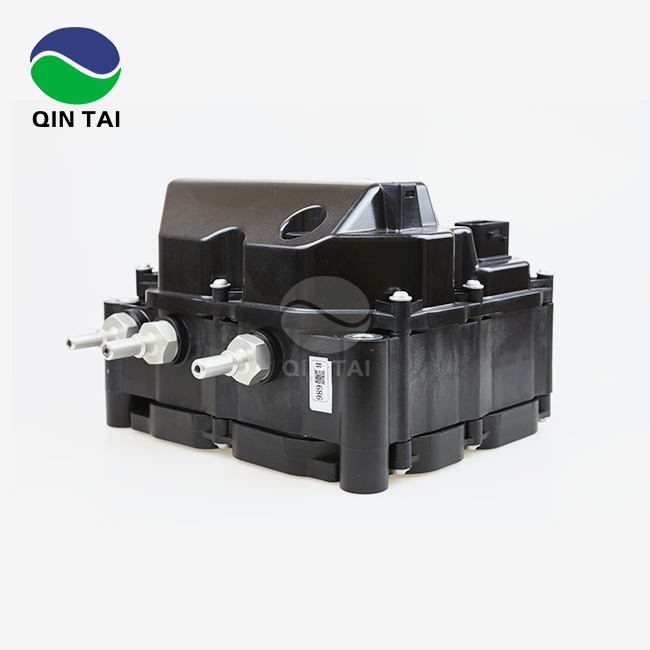
Qintai Automotive Emission Technology Co., Ltd. sells industrial-grade wireless pressure sensors that were designed to work with diesel engines and emission control systems that are very strict. Our long list of certifications, which includes IATF 16949, ISO 9001, and Ex approvals, shows that we are dedicated to quality and following all rules. We know exactly what OEM makers, aftertreatment installers, and aftermarket sellers need because we have 58 invention patents and more than 20 years of experience in this field.
As the main provider of pressure sensors to China's top diesel engine makers, such as Weichai Power and Yuchai Power, we bring to foreign partnerships our proven ability to produce large quantities and the dependability of our supply chain. Our full OEM and ODM services allow you to set up sensors in a way that works best for your tracking needs, and we offer quick technical help throughout the lifecycle of the product.
Qintai has the performance, certification credentials, and partnership commitment your business needs. Whether you need emission-compliant solutions for Euro VI or China VI platforms, ruggedized sensors for construction equipment, or cost-effective aftermarket options with guaranteed inventory availability, they can meet your needs. Get in touch with our technical team at info@qt-sensor.com to talk about your needs for wireless pressure tracking and find out how our knowledge can help you compete in global markets.
References
1. Thompson, R. M., & Chen, L. (2023). Industrial Pressure Measurement: Principles and Applications in Modern Manufacturing. Cambridge: Industrial Press.
2. Martinez, J. A. (2024). "Wireless Sensor Networks for Predictive Maintenance in Heavy-Duty Diesel Engines," Journal of Automotive Engineering Technology, 15(2), 134-152.
3. International Organization for Standardization. (2022). ISO 17025:2022 - General Requirements for the Competence of Testing and Calibration Laboratories. Geneva: ISO.
4. Wang, H., & Schmidt, P. (2023). "Capacitive vs. Piezoelectric Pressure Sensors: Performance Comparison in Emission Control Systems," Sensors and Actuators International, 41(4), 567-583.
5. European Commission Joint Research Centre. (2024). Best Available Techniques for Emission Monitoring in Heavy-Duty Vehicles: Technical Reference Document. Luxembourg: Publications Office.
6. Anderson, K. D., Liu, Y., & Patel, S. R. (2024). "Energy Harvesting Technologies for Autonomous Industrial Sensor Networks," IEEE Transactions on Industrial Electronics, 71(3), 2847-2861.
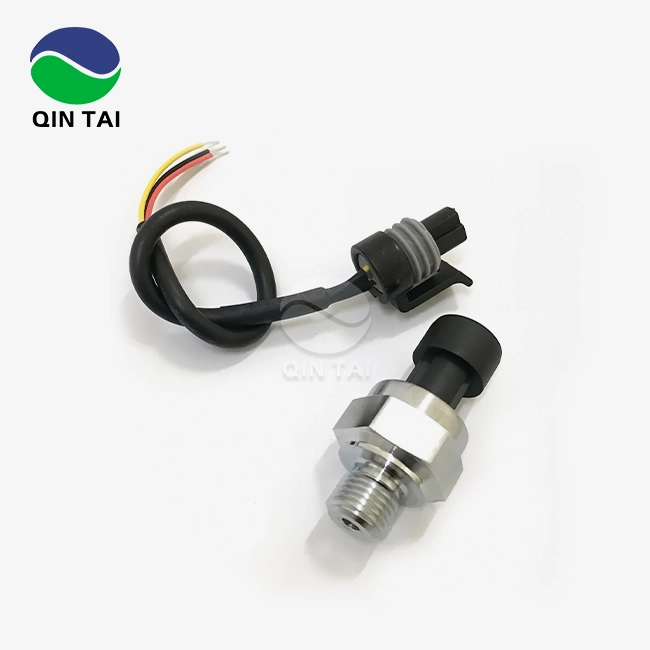
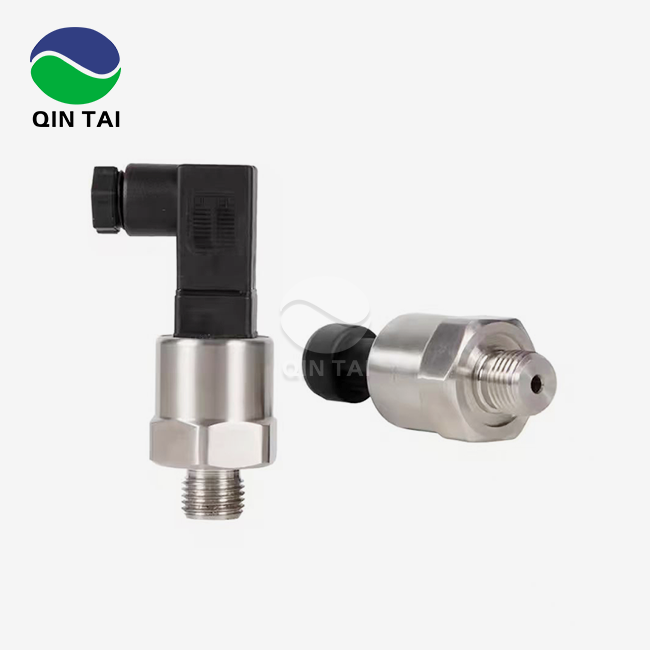
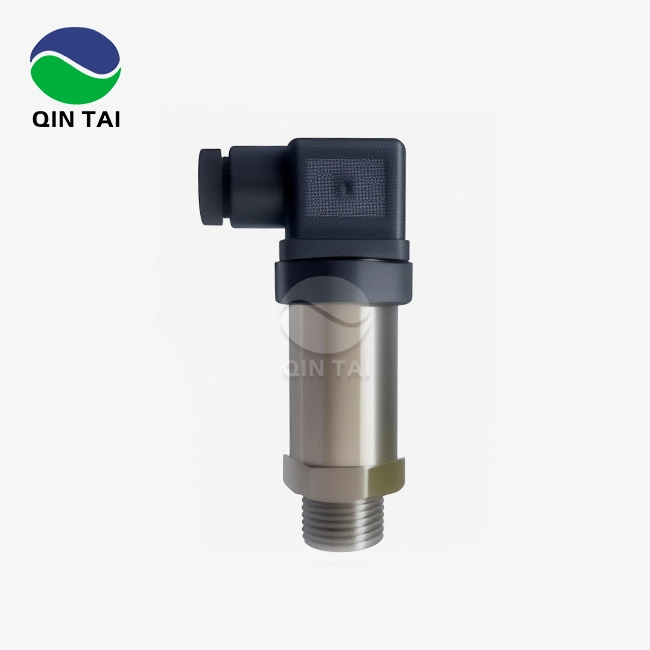

Our customers’ satisfaction speaks for our quality — contact us to experience the same reliable service.