- English
- French
- German
- Portuguese
- Spanish
- Russian
- Japanese
- Korean
- Arabic
- Greek
- German
- Turkish
- Italian
- Danish
- Romanian
- Indonesian
- Czech
- Afrikaans
- Swedish
- Polish
- Basque
- Catalan
- Esperanto
- Hindi
- Lao
- Albanian
- Amharic
- Armenian
- Azerbaijani
- Belarusian
- Bengali
- Bosnian
- Bulgarian
- Cebuano
- Chichewa
- Corsican
- Croatian
- Dutch
- Estonian
- Filipino
- Finnish
- Frisian
- Galician
- Georgian
- Gujarati
- Haitian
- Hausa
- Hawaiian
- Hebrew
- Hmong
- Hungarian
- Icelandic
- Igbo
- Javanese
- Kannada
- Kazakh
- Khmer
- Kurdish
- Kyrgyz
- Latin
- Latvian
- Lithuanian
- Luxembou..
- Macedonian
- Malagasy
- Malay
- Malayalam
- Maltese
- Maori
- Marathi
- Mongolian
- Burmese
- Nepali
- Norwegian
- Pashto
- Persian
- Punjabi
- Serbian
- Sesotho
- Sinhala
- Slovak
- Slovenian
- Somali
- Samoan
- Scots Gaelic
- Shona
- Sindhi
- Sundanese
- Swahili
- Tajik
- Tamil
- Telugu
- Thai
- Ukrainian
- Urdu
- Uzbek
- Vietnamese
- Welsh
- Xhosa
- Yiddish
- Yoruba
- Zulu
Top 5 SCR Dosing System Benefits for Heavy-Duty Diesel Fleets
If you manage a heavy-duty diesel fleet, you already know that emission regulations are tightening across the United States and globally. The SCR dosing system — short for Selective Catalytic Reduction — has become the backbone of modern diesel aftertreatment. It precisely injects DEF (Diesel Exhaust Fluid/AdBlue) into the exhaust stream, converting harmful NOx into harmless nitrogen and water vapor. From fuel savings to regulatory compliance, the benefits go far beyond simply passing an emissions test. Here are the top five reasons fleet operators and OEM engineers are making this technology a non-negotiable standard.

Enhanced Emission Control and Regulatory Compliance
How SCR Technology Outperforms Traditional EGR Methods?
Waste Gas Recirculation (EGR) devices lower NOx by sending waste back into the combustion chamber. However, this can make the engine use more fuel and last less time. SCR dosing system aftertreatment, on the other hand, reduces NOx further downstream. This lets the engine work at a better combustion point without the heat and wear that EGR causes. Studies have shown that engines with SCR can reduce NOx levels by more than 90%, meeting both EPA Tier 4 Final and Euro VI standards by a large margin.
A real-world example that is worth mentioning is that after switching their fleets to SCR dosing system platforms, several big North American long-haul carriers said they were in full compliance with the EPA and had no consent decree breaches. At the OEM level, this isn't just about avoiding fines for buying managers and R&D experts; it also shows that the brand is responsible and that the source qualification is real.
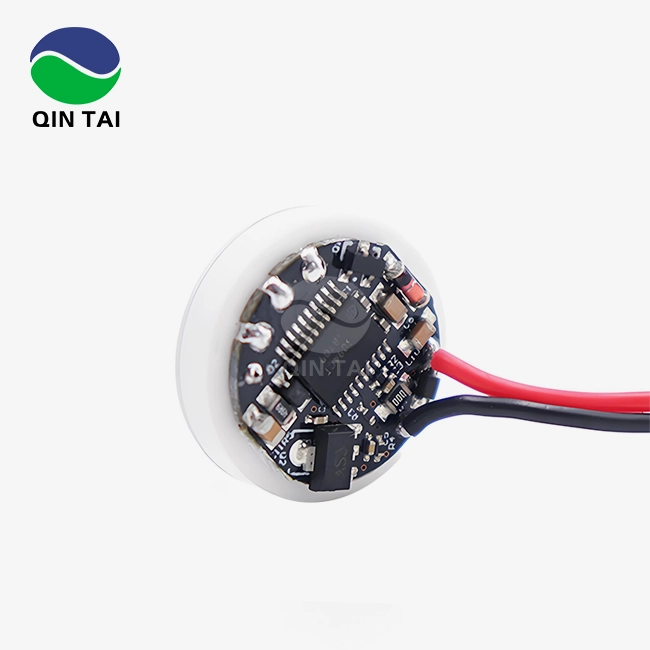
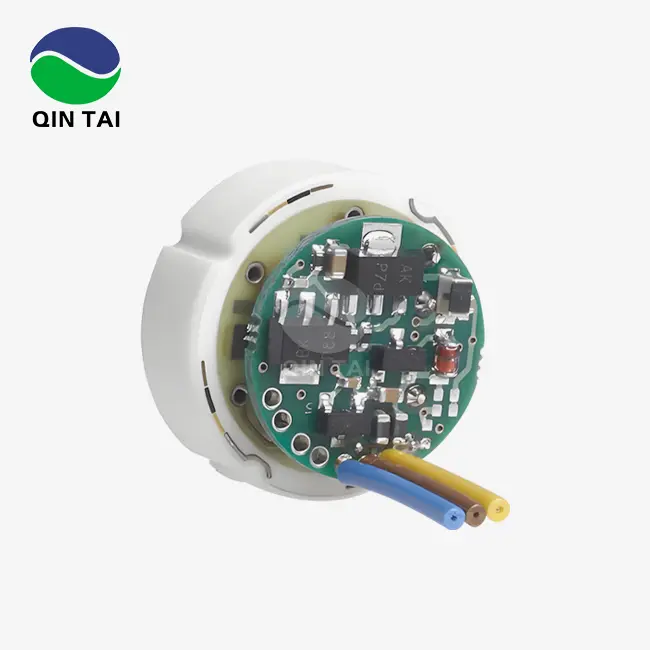
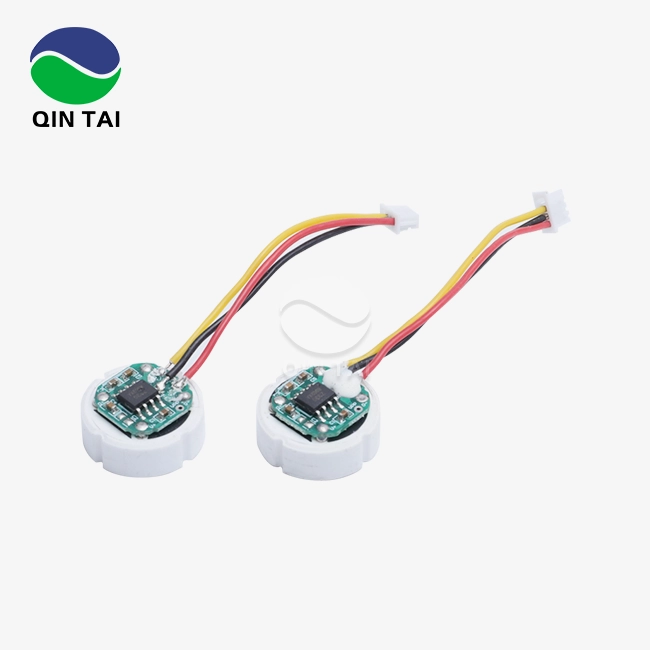
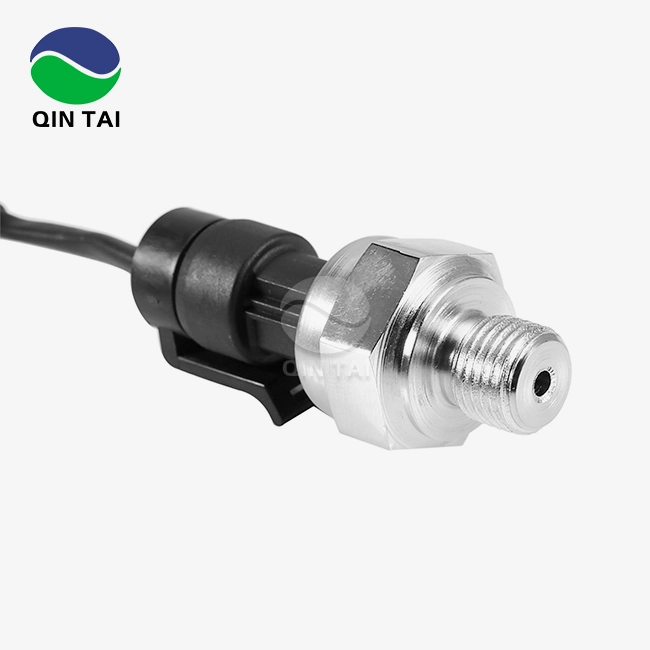
The urea dosing pressure sensor is very important in this case. It sends closed-loop input to the Dosing Control Unit (DCU) to make sure that the amount of reductant injected stays within the limits that have been set. Dosing mistakes can cause NOx spikes or urea crystallization in the injector if pressure monitoring is not done correctly. Both of these outcomes are expensive.
Fuel Efficiency Improvement and Cost Savings
Understanding Total Cost of Ownership in SCR-Equipped Fleets
One of the strongest reasons to use SCR dosing system technology is that it can be shown to reduce fuel use. Because SCR reduces emissions outside of the combustion cycle, the engine can be set up to focus on thermal efficiency. According to research released by the U.S. Department of Energy, diesel engines with SCR can get 3–5% better fuel economy than engines with EGR-only systems when NOx output levels stay the same.
A fleet of 200 trucks that travel an average of 120,000 miles a year would save tens of thousands of dollars a year on fuel alone. Here are the main operational cost advantages of SCR dosing systems that make them a good investment:
- Reduced fuel burn per mile: Downstream NOx control allows for optimized combustion setting, which lowers fuel use without lowering engine speed or power output.
- Lower maintenance frequency: Accurate dosing of the reductant, which is checked by pressure sensor feedback, lowers injector fouling, which lowers the number of unplanned service events.
- Extended component lifespan: Clean combustion leads to stable working temperatures, which lowers wear on pistons, rings, and turbochargers. This means that parts last longer.
All of these benefits make the TCO estimate lean toward using SCR, even when AdBlue use and system setup costs are taken into account. This information can be directly used by procurement managers to negotiate with suppliers and make budgetary arguments inside the company.
Increased Engine Performance and Reliability
Sensor Integration and ECU Calibration as the Foundation of System Stability
Reliability in a heavy-duty application is not optional. If a mine haul truck or long-haul rig's dosing module breaks, it can cause unexpected downtime that costs thousands of dollars an hour. How reliable the SCR dosing system is depends a lot on how accurate and long-lasting its sensing parts are.
One of the most important parts of this reliability architecture is the urea dosing pressure sensor. It finds low pressure, which could mean there are leaks, blockages, or air getting in, and high pressure, which could be caused by frozen AdBlue or broken solenoid valves. It also lets you check the performance of the pump and find problems with the injectors, so you can do preventative maintenance instead of reactive repairs.
Sensor adjustment frequency is important for R&D workers who are choosing parts. As a best practice in the industry, the pressure monitor should be checked every time the car is serviced, and the ECU should be re-calibrated after any injector or pump repair. Regular software changes make system interaction even tighter, making sure that the engine always works at its best.

Operational Safety and Environmental Sustainability
Safety-by-Design in Modern SCR Aftertreatment Platforms
Even though AdBlue is a non-flammable and non-toxic fluid, the hydraulic and electronic systems that control how it is delivered still need strong safety measures. Modern SCR dosing systems have procedures for freeze protection, fail-safe pressure release, and finding leaks. The urea tank system has a temperature sensor to keep it from freezing, a level sensor to keep track of the DEF supplies, and a quality sensor to make sure the solution concentration is correct. All of these sensors talk to the DCU in real time.
SCR technology helps companies' ESG goals in a way that can be measured, going beyond technical safety. More and more, transportation clients in North America are judging fleet owners on how transparent they are about emissions. Adopting certified SCR dosing systems with measured sensing components gives emissions data that can be checked, which is useful for ESG reporting and green fleet certification programs.
Companies that make environmental protection equipment that add SCR to industrial exhaust treatment systems also benefit because accurate pressure sensing makes sure that NOx reduction is consistent in high-flow industrial settings, such as power plants and backup generator sets in remote mines.
Flexible Installation and Scalable Design for Diverse Fleet Needs
Modular Architecture That Adapts Across Vehicle Categories and Applications
One strength of SCR dosing system aftertreatment that isn't given enough credit is how flexible it is in terms of how it's built. The main structure of the dosing system can be changed to fit different types of applications, such as a Class 8 long-haul truck, a building excavator, a naval diesel engine, or a fixed generator set. The pressure sensor and dosing module can work with a variety of ECU platforms without having to be completely redesigned. This is possible because they have standard thread interfaces, like M10x1 or M12x1.5, and signal outputs that can be set to 0.5V–4.5V or the SENT protocol.
Aftertreatment system designers who manage multi-platform SCR/DPF solution packages will benefit the most from this flexibility. Customizable platforms cut down on the time it takes to create software and make managing the supply chain easier. Standardized parts that can work with each other make it easier for service shops and parts sellers in the commercial vehicle aftermarket to keep their inventory simple and help installs go more quickly.
When looking at different SCR dosing system suppliers, the most important things to look at are how accurate the dosing is when the temperature changes, how well the system can handle freeze-expansion (AdBlue expands by about 9% when it freezes), how long the system is supposed to last (industrial-grade sensors are meant to work for 15,000 to 20,000 hours), and how well the company can help customers after the sale.

Conclusion
The five benefits listed here—meeting regulations, saving money on fuel, dependability, safety, and installation flexibility—make a strong case for heavy-duty diesel applications to use SCR dosing system aftertreatment. Whether these benefits happen in the field depends on how well each part works, from the dosing module to the urea pressure sensor. It is just as important for OEMs, fleet operators, and system developers to choose a skilled, well-known provider as it is to have the technology itself.
FAQ
Q1: How long do SCR dosing systems typically last in heavy-duty fleets?
A: Industrial-grade SCR systems are made to work for 15,000 to 20,000 hours in normal business settings. How long a sensor or injector lasts depends a lot on how well it is maintained and how good the AdBlue is.
Q2: How often should the urea dosing pressure sensor be calibrated?
A: Every time a service is due, calibration checking should be done. When you replace an injector or pump, you need to recalibrate the ECU to keep the dosing accurate and avoid fault codes like P204B.
Q3: Can SCR technology be retrofitted onto older diesel engines?
A: It is technically possible to retrofit, but you need to carefully look at the exhaust temperature profiles, the mounting space you have, and how well the ECU works with the new parts. It is highly suggested that you talk to a trained SCR system integrator before making a purchase.
Q4: What causes urea crystallization in the dosing system?
A: If you don't build sensing chambers or injection tips well, urea that has been sitting still can crystallize when heated and cooled several times. To lower this risk, good sensors use dead-volume reduction design and smooth internal flow paths.
Q5: Is the pressure sensor resistant to AdBlue freeze expansion?
A: Yes. Engineered sensors have a bendable internal storage structure that can handle the 9% volume increase that happens when urea freezes. This keeps the diaphragm from getting damaged during cold-start conditions.
Partner with Qintai — A Trusted SCR Dosing System Manufacturer
Since 2001, Qintai has provided precise SCR aftertreatment sensors to OEMs such as Weichai Power, Yuchai Power, and Quanchai Power. The company has IATF16949, ISO9001, CE, and UL certifications, and it has filed 58 invention patents. We are a leading supplier of SCR dosing systems and work with customers in over 60 countries. We offer OEM/ODM customization, fast delivery, and dedicated technical support. To get a price right away, contact us at info@qt-sensor.com.
References
1. U.S. Department of Energy, Office of Energy Efficiency & Renewable Energy — Fuel Economy Benefits of Selective Catalytic Reduction in Heavy-Duty Diesel Engines, 2021.
2. European Automobile Manufacturers' Association (ACEA) — Euro VI Heavy-Duty Emission Standards Technical Report, 2022.
3. SAE International — Advances in SCR Aftertreatment Systems for On-Highway Diesel Applications, SAE Technical Paper Series, 2020.
4. U.S. Environmental Protection Agency (EPA) — Diesel Exhaust Fluid and SCR Systems: Compliance and Performance Guidance for Heavy-Duty Vehicles, 2023.
5. International Council on Clean Transportation (ICCT) — Real-World NOx Emissions from Heavy-Duty Diesel Trucks Equipped with SCR Technology, 2022.
6. Society of Automotive Engineers (SAE) — Urea Dosing System Diagnostics and Sensor Calibration Strategies for Euro VI Compliance, SAE Journal of Engines, 2021.

Our customers’ satisfaction speaks for our quality — contact us to experience the same reliable service.