- English
- French
- German
- Portuguese
- Spanish
- Russian
- Japanese
- Korean
- Arabic
- Greek
- German
- Turkish
- Italian
- Danish
- Romanian
- Indonesian
- Czech
- Afrikaans
- Swedish
- Polish
- Basque
- Catalan
- Esperanto
- Hindi
- Lao
- Albanian
- Amharic
- Armenian
- Azerbaijani
- Belarusian
- Bengali
- Bosnian
- Bulgarian
- Cebuano
- Chichewa
- Corsican
- Croatian
- Dutch
- Estonian
- Filipino
- Finnish
- Frisian
- Galician
- Georgian
- Gujarati
- Haitian
- Hausa
- Hawaiian
- Hebrew
- Hmong
- Hungarian
- Icelandic
- Igbo
- Javanese
- Kannada
- Kazakh
- Khmer
- Kurdish
- Kyrgyz
- Latin
- Latvian
- Lithuanian
- Luxembou..
- Macedonian
- Malagasy
- Malay
- Malayalam
- Maltese
- Maori
- Marathi
- Mongolian
- Burmese
- Nepali
- Norwegian
- Pashto
- Persian
- Punjabi
- Serbian
- Sesotho
- Sinhala
- Slovak
- Slovenian
- Somali
- Samoan
- Scots Gaelic
- Shona
- Sindhi
- Sundanese
- Swahili
- Tajik
- Tamil
- Telugu
- Thai
- Ukrainian
- Urdu
- Uzbek
- Vietnamese
- Welsh
- Xhosa
- Yiddish
- Yoruba
- Zulu
Top Aftertreatment Dosing Unit Suppliers for Heavy-Duty Engines - Qintai
When it comes to heavy-duty engine emissions compliance, the aftertreatment dosing unit sits at the center of every reliable SCR system. This precision device controls the injection of DEF (Diesel Exhaust Fluid) into the exhaust stream, enabling NOx reduction that meets Euro VI and EPA Tier 4 Final standards. Choosing the right supplier directly impacts your fleet's uptime, certification readiness, and long-term cost efficiency. This guide walks procurement managers and R&D engineers through the top global suppliers, key selection criteria, and why Qintai has earned its position as a trusted partner for OEMs worldwide.

Understanding Aftertreatment Dosing Units in Heavy-Duty Engines
How the SCR Dosing System Works
Before the SCR catalyst, there is an aftertreatment dosing unit that carefully adds urea solution to the exhaust stream. When urea is pumped, it changes into ammonia. Ammonia then mixes with NOx gasses to make nitrogen and water vapor, which are safe. It is imperative that this process is done correctly. Even a small difference of a few percentage points can lead to trouble codes, NOx readings that aren't within the acceptable range, or urea crystallization that stops the dose module from working at all.
Why Precision Dosing Matters for Compliance
Dosing mistakes are not allowed under strict rules like Euro VI and EPA Tier 4 Final. The urea dosing pressure sensor is an important part that sends real-time data to the ECU or DCU about the hydraulic pressure inside the dosing module. These urea dosing pressure sensors from Qintai work with pressures from 0 to 12 bar and are accurate to within 1.5% of the full scale. They use piezoresistive MEMS technology and a diaphragm made of 316L stainless steel that is rated at IP69K. Heavy-duty fleets stay on the road with this level of accuracy.
Top Aftertreatment Dosing Unit Suppliers for Heavy-Duty Engines
There are a number of well-known brands in the world market for SCR dose components. Bosch controls most of the OEM supply chains because its high-volume filling pump units are built into many European truck platforms. The dosing hardware made by Denso has good thermal management engineering, which makes it a popular choice among Asian OEMs.
Aftertreatment dosing unit designs vary by supplier, but in this competitive landscape, Integrators who are building end-to-end aftertreatment platforms can use flexible system designs from Continental and Delphi Technologies. Cummins makes engines and sells parts for them, so it makes sure that the dosing units for its own engine families are perfectly matched.
What makes a provider like Qintai stand out is that it offers both OEM-grade quality and open customization. Qintai was founded in 2001 and has its headquarters in Xi'an, China. It has become the market leader in China for SCR sensors and is a major supplier to Weichai Power, Yuchai Power, and Quanchai Power. Qintai has 58 idea patents and holds IATF16949, ISO9001, CE, UL, REACH, RoHS, and CMC certifications. This shows that they are truly committed to technical excellence rather than mass production.
For people who buy parts for aftermarket cars and system integrators, Qintai's dosing-related sensor components, like the urea dosing pressure sensor, work directly with most SCR platforms. They have standard thread fittings (M10×1, M12×1.5) and output signals that can be set to 0.5V–4.5V or the SENT protocol to match different ECU calibrations.

How to Choose the Right Dosing Unit for Your Fleet or Manufacturing Needs
Matching Specifications to Your Application
Not every dosing area is the same. Long-haul trucks need sensors and dosing units that can keep working accurately over 1 million kilometers of road shaking and temperature changes. Construction and mining equipment has to work in places with a lot of dust and shocks, so it has to have IP69K water protection and be able to handle mechanical shocks. Generator sets that are used in mines or power plants need to be very reliable and last at least 15,000 to 20,000 hours per year.
Before choosing a seller, procurement teams should use these main factors to judge them:
- Emission certification alignment: Make sure that the supplier's parts have certifications that are directly relevant to the market you want to reach (EPA, Euro VI, China VI).
- Sensor signal compatibility: Make sure that the type and range of voltages of the output signal match the calibration of your ECU or DCU without the need for extra signal conditioning hardware.
- Environmental rating: For off-road or outdoor use, choose parts with an IP67 or IP69K rating.
- Freeze-thaw resilience: AdBlue grows about 9% when it freezes. Components must be able to handle this volumetric expansion without causing signal loss or damage to the diaphragm.
- Supplier production capacity: Being ready for mass production is very important for OEM buying cycles. Check to see how much the company can produce each month and how long they promise to deliver it.
When used in a planned way, these factors get rid of most compatibility risks before a buy order is sent out.
Maintenance, Troubleshooting, and Operation Guidelines
Extending the Service Life of Your Dosing Components
It is much cheaper to do maintenance ahead of time than to replace something when it breaks. Urea crystallization is still the main reason why dosing units break down in the field, and the aftertreatment dosing unit is particularly vulnerable because when DEF stays the same in sensing chambers that weren't designed well, crystals build up and hurt the diaphragm's performance. This leads to fault codes like P204B, which is a range/performance fault in a pressure sensor circuit that is usually caused by signal drift or dirty connector pins.
Qintai takes this into account when they build the device: the internal sensing chamber uses a dead-volume minimization approach and smooth internal flow paths to keep the urea from getting stuck. When compared to standard tin-plated options, gold-plated connector terminals are much less likely to get contaminated pins over long service intervals.
Heavy-duty fleets should get repair every 500 to 1,000 working hours, but this depends on how harsh the job cycle is. At every repair event, operators should check the links to the dosing module, the purge lines, and the filter screens. Early detection of pressure anomalies through onboard diagnostics stops small drifts from getting worse and causing the whole system to shut down.
Procurement and Order Management – How Qintai Supports Your Supply Chain
The Qintai supply chain model is based on how business-to-business buying works in heavy industry. The company works with OEMs and ODMs from the very beginning of product creation all the way through mass production. This lets R&D experts work together to create dosing sensor configurations that are perfect for their engine architecture. Qintai keeps uniform sensor versions in stock so that it can fill orders quickly for aftermarket dealers and repair channel buyers.
In addition to the transaction, Qintai offers quick technical support across multiple time zones because they know that a commercial fleet or backup power generator that doesn't work can cost a lot of money. Extended guarantees and specialized technical support after the sale are built into Qintai's service system, and the aftertreatment dosing unit is a key component covered by this support, ensuring that any urea-related issues are addressed promptly; these services can't be added on as extras.
Qintai has a market presence in more than 60 countries, such as Europe, the Middle East, and South America. It knows how to help its customers stay compliant. That global reach means that buyers in the US can get useful information when they are looking for an aftertreatment dosing unit provider that can grow with their needs.

Conclusion
Choosing a supplier for dosing units is both a technical and a business decision that will pay off over the life of your fleet or production line. When you work with the right partner, you can get certified parts, consistent quality at high volumes, and engineering support to fix problems before they become liabilities.
Aftertreatment dosing unit reliability is central to SCR system performance, and Qintai has been a specialist in SCR aftertreatment for more than 20 years and has a certified quality system and the ability to truly customize products. This makes them a reliable provider that can stand up to close scrutiny during the buying process. The technical base and service facilities are already in place, whether you are looking for OEM integration or aftermarket replacement.
FAQ
What factors affect the lifespan of a dosing pressure sensor?
The most important factors are the duty cycle intensity, the quality of the DEF, the regularity of thermal cycling, and the stability of the connectors. Qintai's sensors are made to work for at least 15,000 to 20,000 hours in normal business situations.
Are Qintai dosing sensors compatible with existing SCR systems from other manufacturers?
Physical thread sizes (M10×1 or M12×1.5) are often the same from one platform to the next. The goal ECU tuning must match the type of output signal, which can be either 0.5V–4.5V analog or SENT digital. Qintai provides data output that can be changed to meet the needs of different systems.
How does the sensor handle AdBlue freezing?
Qintai's urea dosing pressure sensor has a flexible internal buffering structure that can handle the urea's 9% volumetric growth when it freezes without breaking or sending the wrong signal.
What is the recommended service interval for heavy-duty fleet applications?
It's best to do inspections every 500 to 1,000 hours of operation. Normal tasks include checking the connectors, the purge lines, and the filter screens.
What certifications does Qintai hold?
Qintai has been certified by ISO9001, IATF16949, CE, UL, CMC, REACH, RoHS, and Ex. They have also filed 58 idea patents for SCR sensor technology.
Partner with Qintai – Your Trusted Aftertreatment Dosing Unit Manufacturer
In more than 60 countries, Qintai sends OEM-grade dosing parts to fleets and manufacturers. We are a certified aftertreatment dosing unit supplier with 20 years of experience specializing in SCR. We offer low bulk prices, fast delivery, and full technical support. Get in touch with our tech team right away to talk about your application needs and get a custom product quote. You can email us at info@qt-sensor.com or go to qt-sensor.com to see our whole catalog.
References
1. SAE International Journal of Engines – "SCR System Performance and DEF Dosing Accuracy in Heavy-Duty Diesel Applications," SAE International, 2021.
2. Emissions Analytics Annual Report – "NOx Compliance Trends in Commercial Vehicle Fleets Under Euro VI," Emissions Analytics, 2022.
3. MTZ Worldwide – "Advances in Urea Dosing Module Design for On-Highway Diesel Engines," Springer, 2020.
4. Journal of Automotive Engineering – "Reliability Assessment of SCR Aftertreatment Components in Off-Highway Equipment," IMechE, 2021.
5. Heavy Duty Trucking Magazine – "DEF System Maintenance and Fleet Uptime: A Practical Guide for Fleet Managers," HDT Media Group, 2023.
6. EPA Technical Report – "Selective Catalytic Reduction Technology for NOx Control in Heavy-Duty Diesel Engines," U.S. Environmental Protection Agency, 2020.
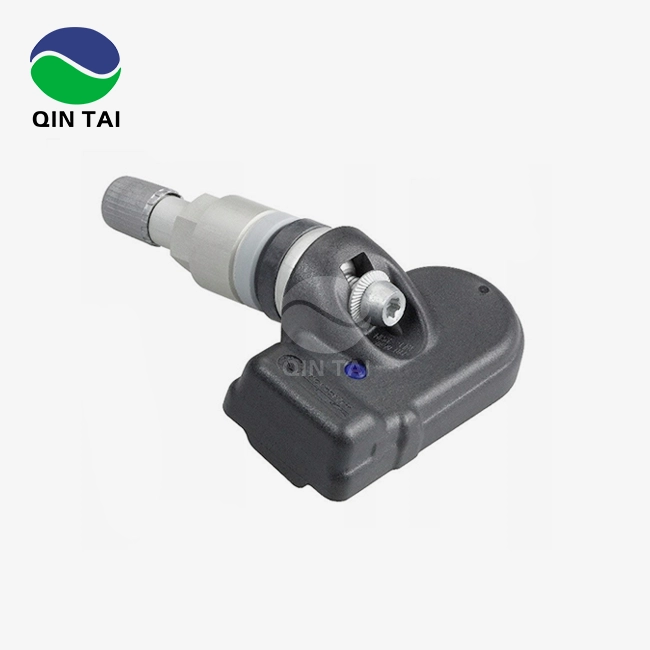
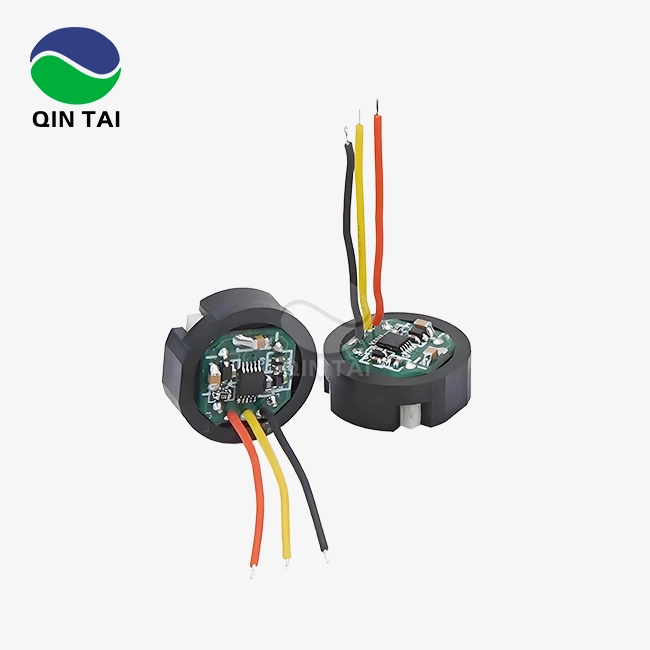
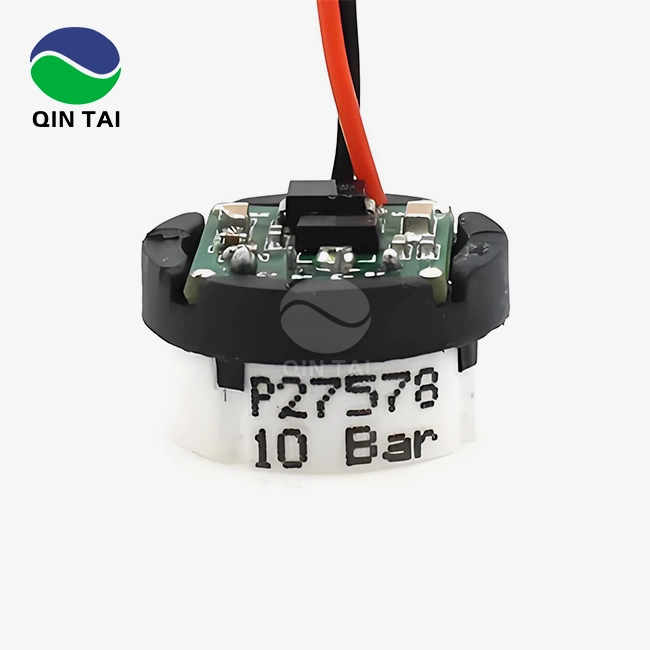
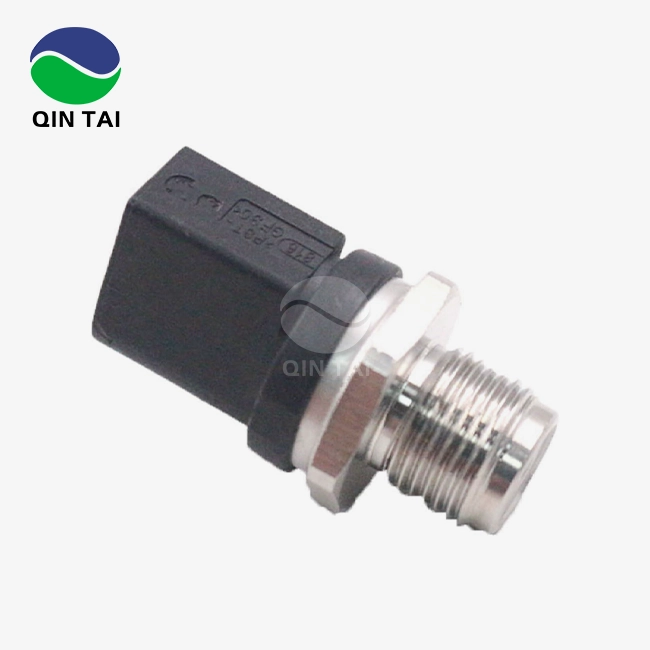

Our customers’ satisfaction speaks for our quality — contact us to experience the same reliable service.