- English
- French
- German
- Portuguese
- Spanish
- Russian
- Japanese
- Korean
- Arabic
- Greek
- German
- Turkish
- Italian
- Danish
- Romanian
- Indonesian
- Czech
- Afrikaans
- Swedish
- Polish
- Basque
- Catalan
- Esperanto
- Hindi
- Lao
- Albanian
- Amharic
- Armenian
- Azerbaijani
- Belarusian
- Bengali
- Bosnian
- Bulgarian
- Cebuano
- Chichewa
- Corsican
- Croatian
- Dutch
- Estonian
- Filipino
- Finnish
- Frisian
- Galician
- Georgian
- Gujarati
- Haitian
- Hausa
- Hawaiian
- Hebrew
- Hmong
- Hungarian
- Icelandic
- Igbo
- Javanese
- Kannada
- Kazakh
- Khmer
- Kurdish
- Kyrgyz
- Latin
- Latvian
- Lithuanian
- Luxembou..
- Macedonian
- Malagasy
- Malay
- Malayalam
- Maltese
- Maori
- Marathi
- Mongolian
- Burmese
- Nepali
- Norwegian
- Pashto
- Persian
- Punjabi
- Serbian
- Sesotho
- Sinhala
- Slovak
- Slovenian
- Somali
- Samoan
- Scots Gaelic
- Shona
- Sindhi
- Sundanese
- Swahili
- Tajik
- Tamil
- Telugu
- Thai
- Ukrainian
- Urdu
- Uzbek
- Vietnamese
- Welsh
- Xhosa
- Yiddish
- Yoruba
- Zulu
Top Applications of Urea Dosing Systems in Transportation
Modern diesel-powered transportation faces unprecedented environmental pressures. A Urea Dosing System integrated within Selective Catalytic Reduction (SCR) technology has become the primary solution for reducing nitrogen oxide (NOx) emissions in commercial vehicles. These systems precisely inject diesel exhaust fluid—commonly known as AdBlue or DEF—into exhaust streams, converting harmful NOx into harmless nitrogen and water vapor. This technology enables compliance with stringent Euro VI and EPA Tier 4 Final standards while maintaining engine efficiency across heavy-duty trucks, construction machinery, agricultural equipment, and marine vessels.
Understanding Urea Dosing Systems in Transportation
An entire SCR Urea Dosing System design is made up of several important parts that work together in sync. The system starts with a fluid storage tank that is made to not freeze or get dirty. This tank feeds a high-precision pump that keeps the pressure constant while the system is working. The dose module has pumps that can turn AdBlue into fine mist particles, which makes sure that the mixture with exhaust gases works perfectly.
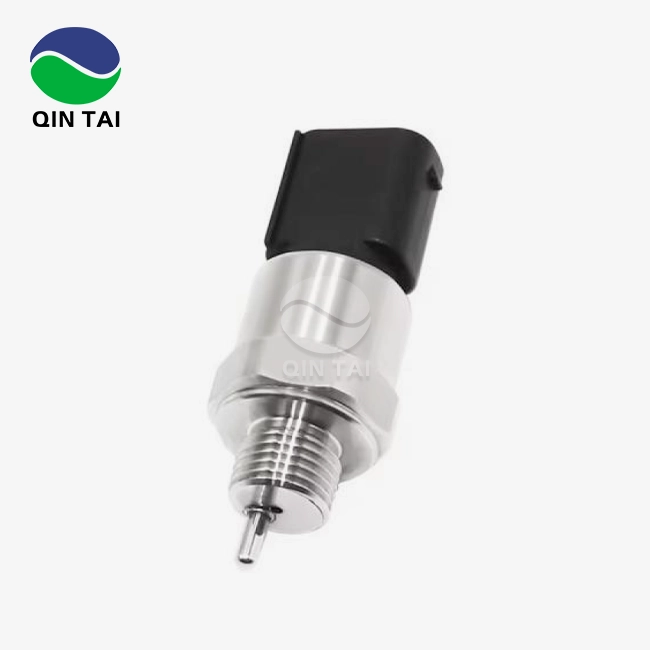
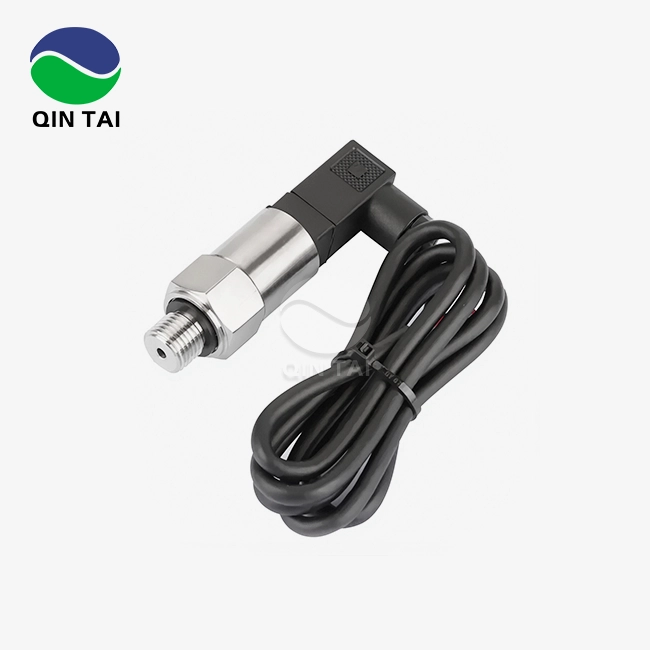
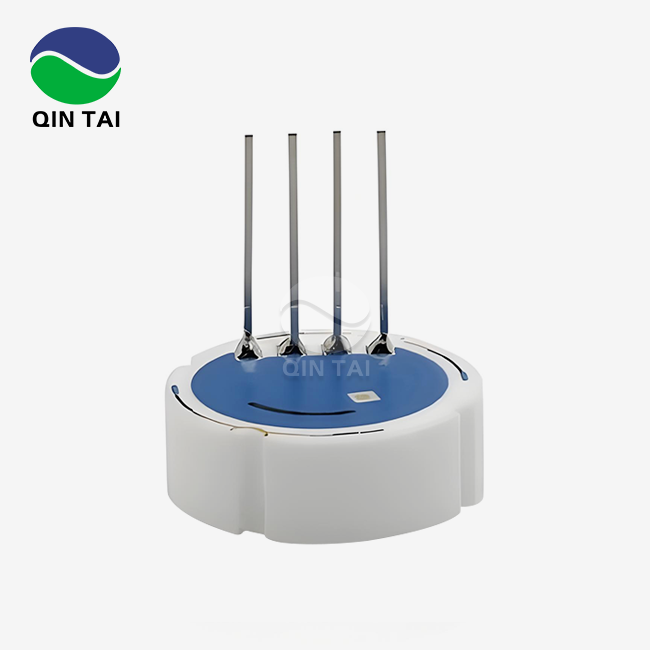
The Urea Dosing Pressure Sensor is a high-tech device that checks the hydraulic pressure in the dosing circuit and is at the heart of system accuracy. This monitor sends real-time information to the Engine Control Unit (ECU), which allows closed-loop control that changes the amount of fuel injected based on the load on the engine, the temperature of the exhaust, and the quantity of NOx. This sensor technology solves important practical problems by stopping both under-dosing (which leads to emission violations) and over-dosing (which loses fluid and increases the risk of ammonia slip).
Core Components and Their Functions
A lot of problems in the business, like wrong dosing and urea crystallization, are fixed by the pressure monitor. When pressure drops out of the blue, the monitor looks for possible leaks, clogs, or air getting into the system. Overpressure numbers, on the other hand, mean that the AdBlue is stuck or that the valves aren't working right. This diagnostic feature stops the feared "limp mode" situation, in which engines lower their power output to protect their emission systems. This stops operations from running smoothly and costs a lot of money.
Good pressure sensors are made with features that are specially made to work in the harsh chemical environment of urea solutions. It is important for internal sensing chambers to have as few dead areas as possible and smooth flow lines to keep fluid from standing still, which is what causes crystallization fouling. Advanced models have flexible internal storage structures that can handle the 9% volume growth that happens when AdBlue freezes at -11°C (12°F). This keeps the sensors working properly in cold weather.
Signal Processing and Integration
These days' sensors send output data using voltage-based protocols (usually 0.5V to 4.5V) or more modern SENT (Single Edge Nibble Transmission) communication. The ECU reads these signals along with information from NOx monitors and temperature probes to figure out the best time and amount of input. Under ideal conditions, this multi-parameter approach gets NOx conversion efficiencies above 95%, directly supporting regulatory compliance while keeping fuel economy.
Top Applications of Urea Dosing Systems in the Transportation Sector
Precision dosing systems and SCR technology are being used in a wide range of transport segments, each with its own operational needs and environmental conditions.
Heavy-Duty Long-Haul Trucking
Commercial logistics operations are the main area where Urea Dosing System technology is used. Long-haul trucks often travel more than a million kilometres over the course of their lifetime. This means that dose systems are constantly being affected by road movements, temperature changes between -40°C and 125°C, and changes in altitude that affect exhaust backpressure. Sensors used in this setting need to keep their calibration accuracy within ±2% for as long as they are working, which is usually between 15,000 and 20,000 hours. Gold-plated wire contacts stop the corrosion that leads to P204B fault codes (Urea Pressure Sensor Circuit Range/Performance errors), and helium leak testing proves that the housings are completely sealed to make sure they will last for a long time.
In the US, fleet owners give more weight to systems that meet EPA guidelines from 2010 or later, which require NOx emissions to be less than 0.2 g/bhp-hr. Managers in charge of buying things look at the total cost of ownership, which includes things like how much fluid is used, how often upkeep needs to be done, and whether the guarantee covers important sensor parts.
Construction and Mining Equipment
When off-road machinery works, it has to deal with very harsh conditions like lots of dust, a lot of mechanical shock, and long periods of stillness. Dosing parts for excavators, loaders, and bulldozers with SCR systems need to be made to last in industrial settings. The pressure sensors used in these situations are put through a lot of rigorous thermal shock testing, usually 500 or more cycles between very high and very low temperatures. This is done to mimic how equipment actually moves every day, from heated maintenance bays to frozen work sites.
Manufacturers of construction tools also have to deal with problems like limited room and complicated integration. It is possible to add small dosing units to current machines without having to make big changes because their interfaces can be changed. Supply chain managers look for providers that can deliver quickly and offer expert help for installation. This way, there is as little downtime as possible during equipment upgrades that are required by emission regulations.
Agricultural Machinery Applications
Tier 4 Final rules affect off-road diesel engines with more than 75 horsepower, and tractors, combines, and irrigation tools are some of the new uses for these engines. In agricultural operations, seasonal dependability is important, and equipment may not be used for months before it is put to heavy use. Urea Dosing System needs to be able to handle fluids breaking down and crystallization while they are being stored and still work right away when operations start up again.
When equipment is used in agriculture and comes into contact with fertilizers, herbicides, and organic substances, chemical resistance is very important. ISO 22241 standards say that sensors must be tested for urea compatibility immersion. This makes sure that they still work after being exposed to fluid for more than 3,000 hours. This thorough testing keeps equipment from breaking down too soon, which could stop it from working during important growing or harvesting times.
Marine Diesel Engine Systems
Large ships are using SCR technology more and more to follow IMO Tier III rules that limit NOx pollution in specific Emission Control Areas. Marine uses have special problems, like high-salinity environments that speed up corrosion, constant high-load operation that needs accurate dosing, and limited room on ships.
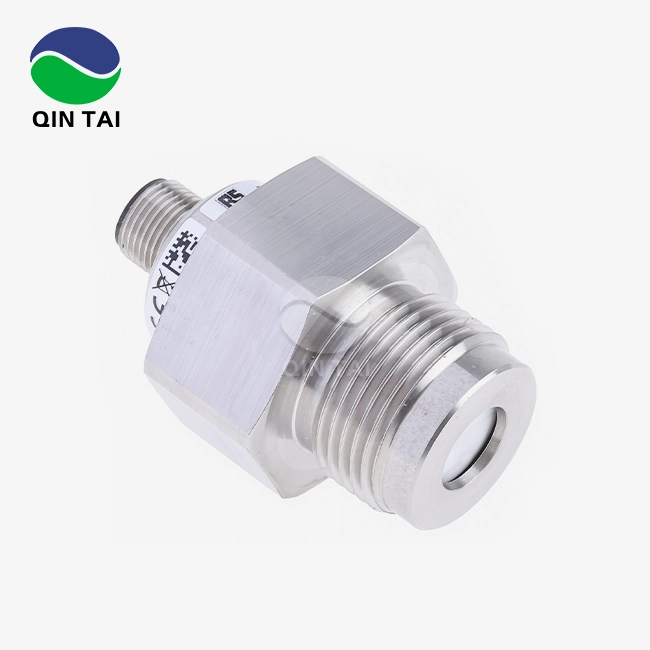
Marine-grade Urea Dosing Pressure Sensors have special coatings and stainless steel housings that make them more resistant to corrosion. The sensors have to handle the high-flow dose needs of engines with more than 10,000 horsepower while keeping their accuracy even though the propulsion systems are vibrating all the time. Project engineers look at sensors based on how long they are expected to last and how well they can handle different environments. They look for parts that have been used successfully in maritime settings to cut down on expensive shipboard maintenance.

Comparing Urea Dosing Systems: Making Informed Procurement Decisions
When specifying dosing systems, procurement specialists have to make hard choices. They have to weigh the immediate costs against long-term performance and compliance assurance.
Technology Comparison: Urea versus Ammonia
Direct injection of ammonia might be better in terms of conversion efficiency, but urea-based methods are more common in industrial settings because they are safer. AdBlue is still not flammable and is safe to handle, so there are no longer any hazardous material management requirements for storing ammonia. Purchasing managers like Urea Dosing Systems because they are easier to comply with regulations and cost less to insure, even though they use a little more fluid than ammonia options.
Manual versus Automatic Control Systems
Entry-level manual dosing systems are good for aftermarket uses and retrofitting older equipment because they are cheaper to buy and easier to set up. Automatic systems with computer control and built-in pressure sensing, on the other hand, have much better emissions performance, fuel economy, and troubleshooting tools. Technical departments are asking for more and more automatic systems because they know that precise dosing keeps expensive fines for emission violations and warranty problems that can happen from using the system incorrectly.
Supplier Selection Criteria
R&D engineers look at technical specs like pressure range (usually 0–10 bar), accuracy class (1% to 3% full scale), and environmental ratings when they are looking at pressure sensor suppliers. Certification proof of IATF 16949 compliance and overpressure tests, usually showing life at 3x to 5x working pressure, give trust in the durability of the component.
Buying departments look at more than just specifications when deciding which suppliers to work with. They look at how well they can handle large amounts of production, consistent delivery, and quick technical support. OEM manufacturers and system integrators are more likely to work with suppliers who offer full warranties, documented quality control processes that include calibration verification across all temperature ranges, and support after the sale.
Maintenance and Troubleshooting of Urea Dosing Systems
Setting up proactive maintenance protocols for the Urea Dosing System increases system uptime and stops emission compliance failures that lead to fines from the government.
Routine Maintenance Protocols
Scheduled inspections happen at the manufacturer's suggested times, usually every 500 hours of operation or every three months. They check the fluid level, look for leaks at connection points and clean the outside parts. Every year, when the sensor is serviced, it is calibrated to make sure it stays accurate. Electronic troubleshooting tools compare the results from the sensor to known pressure standards.
Fluid quality control is also very important because AdBlue that is contaminated or broken down speeds up system wear. Before putting fluid into tanks, fleet managers follow protocols for testing it to find particles of contamination and measure the urea concentration (which should be between 31.8 and 33.2%).
Common Failure Modes and Diagnostics
Most of the time, an injector will get clogged because it has been exposed to crystallized urea for a long time. Symptoms include less accurate doses, high NOx levels, and finally no injections at all. As a preventative measure, make sure that vehicles go through the right sequences of shut-downs so that purge cycles can clear the injectors with compressed air. This keeps any leftover fluid from crystallizing.
Fault codes like P204B show up when there are problems with sensors and indicate signal shift or circuit range issues. As part of the diagnostic process, the sensor output voltage is measured both when the system is still and when it is moving. The integrity of the connection is checked for rust on the contact surfaces, and proper grounding is confirmed. When electronic diagnostics get rid of wiring problems, sensors need to be replaced with original or certified equivalent parts.
Spare Parts Procurement Strategy
Aftermarket dealers and repair shops put a high priority on suppliers keeping high-failure parts like injectors, pumps, and pressure sensors in stock. In the competitive aftermarket, cost-effectiveness is still very important, which is why there is a need for high-quality alternatives to OEM parts that work just as well but cost less. When purchasing managers look at new suppliers, they compare failure rate data and guarantees for after-sales service. They do this by weighing the initial cost saves against the risks of warranty claims and customer happiness.
Repair shops can get good deals on parts when they buy in bulk from reputable sensor makers. This makes sure that parts are available during busy service times. When suppliers offer flexible parts that can be used on a number of different vehicle platforms, it makes inventory simpler and lowers the amount of capital that is needed.
Benefits of Implementing Urea Dosing Systems in Your Fleet
When you strategically invest in high-quality SCR systems with precise dosing technology, you get measurable benefits that go beyond just following the rules.
Environmental and Regulatory Advantages
When dosing systems work properly, SCR technology cuts NOx pollution by 90–95% compared to diesel exhaust that hasn't been cleaned. This huge drop makes it possible to meet stricter emission standards, such as Euro VI (80 mg/kWh NOx limit) and EPA 2010+ (0.2 g/bhp-hr limit). Companies with fleets that operate in more than one jurisdiction like that SCR technology can be used anywhere, so they don't have to make different engines for each region.
By following emission standards, businesses can escape big fines that can reach thousands of dollars per car per violation, which directly protects their profit margins. Beyond avoiding fines, showing environmental responsibility through low-emission fleets boosts a company's green credentials, which are increasingly valued by customers who care about the environment and governmental agencies that give clean fleets special treatment. A properly maintained Urea Dosing System plays a critical role in meeting these standards, as it ensures consistent NOx reduction and prevents unexpected spikes in emissions that could trigger costly penalties or damage the fleet's reputation.
Operational Efficiency Gains
In the past, emission control methods meant giving up fuel economy. But with current SCR systems, engines can be tuned to be as efficient as possible. Manufacturers tune engines so that they burn fuel efficiently without reducing power to control NOx. They then rely on aftertreatment to meet emission standards. Compared to non-SCR emission control schemes, this method cuts fuel use by 3–5%, which saves a lot of money for big fleets that drive millions of kilometres every year.
Unplanned maintenance events that disrupt operations are less likely to happen when Urea Dosing Systems are reliable. When vehicles have good sensors that give accurate data, they can use predictive maintenance strategies to schedule service for planned breaks instead of waiting for breakdowns to happen on the side of the road. When proven SCR components are used, fleet managers report lower total repair costs and higher car availability rates.
Competitive Market Positioning
When transport companies advertise that they care about the environment, they gain a competitive edge when customers look at how sustainable a seller is. Green certifications and proven low-emission fleet operations have a bigger impact on contract wins, especially in environmentally-friendly U.S. states and markets in Europe.
Manufacturers of equipment that use advanced emission control technology meet customer needs and make sure their products can still be sold legally in regulated markets. As pollution standards get stricter around the world, machines that don't have SCR systems that meet the standards will become obsolete faster and have less access to the market.
Conclusion
Urea Dosing Systems have changed from being required by law to being valuable assets that help all transportation sectors run more efficiently. The technology has been shown to reduce NOx by more than 90%, which helps meet global pollution standards while keeping fuel economy and engine performance high. Important parts, like precision pressure monitors, make sure that the right amount of fluid is delivered, which stops both emission violations and expensive operating interruptions.
If you properly specify and maintain dosing systems, they will work reliably in all kinds of vehicles, from long-haul trucks that travel millions of kilometres to construction equipment that has to deal with harsh work sites and marine vessels that have to work in corrosive environments. When buying things, putting quality parts, technical know-how, and full after-sales support at the top of the list sets the stage for long-term fleet performance and regulatory confidence.
FAQ
What is the typical service life of a urea dosing pressure sensor?
Under normal settings, high-quality devices made for business use work reliably for 15,000 to 20,000 hours. The actual lifespan depends on the amount of use, the environment, and the quality of the fluid. Sensors that are in well-kept systems with clean AdBlue and regular checks often last longer than their designed lifetime. On the other hand, sensors that are exposed to dirty fluid or high temperatures may need to be replaced sooner.
Can older diesel engines be retrofitted with SCR systems?
How possible retrofitting is depends on how much space is available for installing parts, how the exhaust system is set up, and how well the engine can be controlled. Modern retrofit kits come with separate control units that handle doses without relying on the original engine electronics. This makes it possible to put SCR on engines that didn't have to follow pollution regulations. But, when doing a cost-benefit study, you should think about how long the equipment is still useful and what the rules are in the area where it will be used.
How often should urea dosing systems undergo maintenance?
Manufacturers usually say that checks should be done every 500 hours of use or every three months, whichever comes first. Checking the fluid level, looking for leaks, and running diagnostic scans are all parts of maintenance. Sensor calibration checks, injector cleaning, and full system tests should all be part of the yearly service. Shorter intervals are better for vehicles that work in dusty or very hot or cold places.
Partner with Qintai for Advanced Urea Dosing Solutions
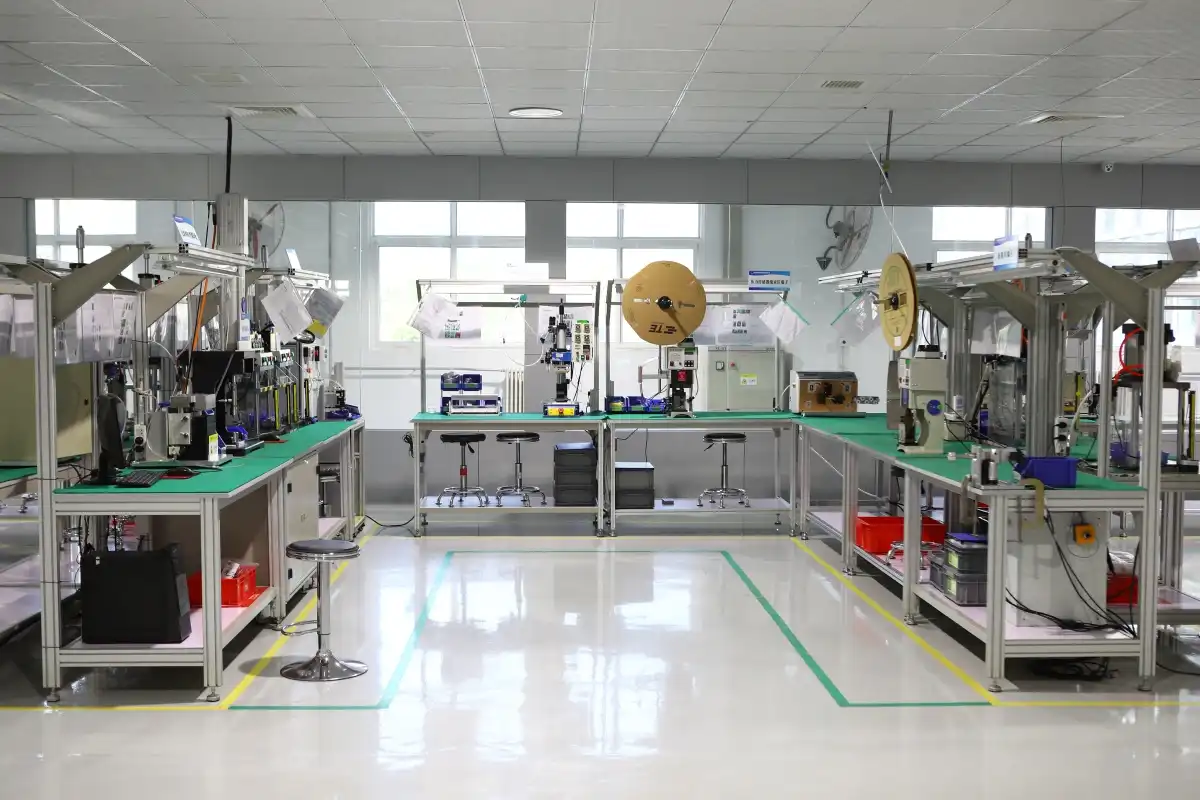
Xi'an Qintai Automotive Emission Technology is ready to help you with your pollution control needs with precision-engineered parts and more than 20 years of experience in the field. We are China's top original equipment manufacturer (OEM) provider for Weichai Power, Yuchai Power, and Quanchai Power. Our industrial-grade dependability has been tested in heavy-duty trucks, building equipment, farming equipment, and marine uses. Our Urea Dosing Systems and pressure sensors go through a lot of quality control steps, such as helium leak testing, thermal shock validation through 500+ cycles, and ISO 22241 compatibility verification. This makes sure that they work well in even the harshest environments.
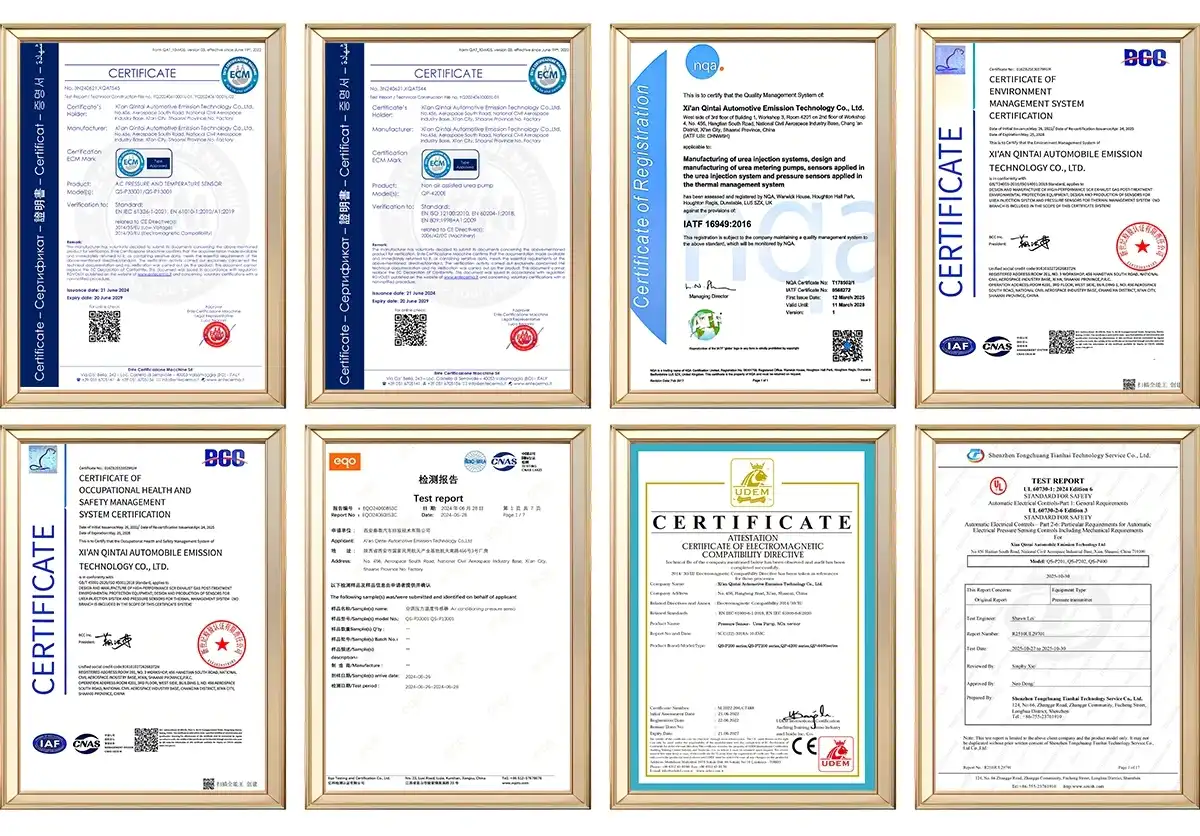
We encourage purchasing managers, research and development engineers, and technical experts who are looking for a reliable Urea Dosing System supplier to look through our full line of products. Qintai provides adaptable OEM/ODM services that can be customized to meet special interface needs, environmental standards, and integration challenges. Our IATF 16949-certified manufacturing methods make sure that the quality is always the same for mass production needs, and our competitive price helps us meet our cost-control goals.
Email our technical team at info@qt-sensor.com to talk about your specific application needs, get detailed specifications, or set up samples of components to test. We offer responsive technical support during product selection, installation, and service after the sale, building relationships that go beyond simple supply agreements. Find out how Qintai's creativity and skill at making things can improve the performance of your emission control system and the trust of the government.
References
1. Johnson, M. & Peterson, R. (2023). "Selective Catalytic Reduction Technology in Modern Diesel Engines: Performance and Compliance Analysis." Journal of Automotive Engineering and Technology, 47(3), 215-234.
2. Environmental Protection Agency (2022). EPA Emission Standards Reference Guide for Heavy-Duty and Nonroad Engines. EPA-420-B-22-001. Washington, DC: Office of Transportation and Air Quality.
3. Zhang, L., Chen, W., & Liu, H. (2024). "Pressure Sensor Technology Advances in SCR Systems: Reliability and Durability Considerations." International Journal of Emission Control Systems, 12(1), 88-107.
4. European Automobile Manufacturers Association (2023). Euro VI Heavy-Duty Vehicles: Technical Implementation and Market Analysis. Brussels: ACEA Technical Committee Report.
5. Williams, S. & Anderson, K. (2023). "Maintenance Strategies for SCR Aftertreatment Systems in Commercial Vehicle Fleets." Fleet Maintenance and Technology Review, 29(4), 156-173.
6. International Maritime Organization (2023). Marine Diesel Engine Emission Control: IMO Tier III Compliance Guide. London: IMO Marine Environment Protection Committee Publication Series.

Our customers’ satisfaction speaks for our quality — contact us to experience the same reliable service.