- English
- French
- German
- Portuguese
- Spanish
- Russian
- Japanese
- Korean
- Arabic
- Greek
- German
- Turkish
- Italian
- Danish
- Romanian
- Indonesian
- Czech
- Afrikaans
- Swedish
- Polish
- Basque
- Catalan
- Esperanto
- Hindi
- Lao
- Albanian
- Amharic
- Armenian
- Azerbaijani
- Belarusian
- Bengali
- Bosnian
- Bulgarian
- Cebuano
- Chichewa
- Corsican
- Croatian
- Dutch
- Estonian
- Filipino
- Finnish
- Frisian
- Galician
- Georgian
- Gujarati
- Haitian
- Hausa
- Hawaiian
- Hebrew
- Hmong
- Hungarian
- Icelandic
- Igbo
- Javanese
- Kannada
- Kazakh
- Khmer
- Kurdish
- Kyrgyz
- Latin
- Latvian
- Lithuanian
- Luxembou..
- Macedonian
- Malagasy
- Malay
- Malayalam
- Maltese
- Maori
- Marathi
- Mongolian
- Burmese
- Nepali
- Norwegian
- Pashto
- Persian
- Punjabi
- Serbian
- Sesotho
- Sinhala
- Slovak
- Slovenian
- Somali
- Samoan
- Scots Gaelic
- Shona
- Sindhi
- Sundanese
- Swahili
- Tajik
- Tamil
- Telugu
- Thai
- Ukrainian
- Urdu
- Uzbek
- Vietnamese
- Welsh
- Xhosa
- Yiddish
- Yoruba
- Zulu
Dynamic Pressure Transducer Applications in Industry
Dynamic pressure transducers have become indispensable tools for measuring transient pressure changes across critical industrial sectors. These sophisticated instruments capture rapid pressure fluctuations occurring within milliseconds, enabling engineers and procurement managers to monitor combustion events, detect flow instabilities, and ensure equipment reliability.
Unlike standard pressure sensors designed for steady-state conditions, dynamic pressure transducers excel in environments where understanding instantaneous pressure variations directly impacts safety, performance, and regulatory compliance. Their application spans diesel engine testing, aftertreatment system optimization, hydraulic diagnostics, and industrial automation—making them essential for OEMs, system integrators, and engineering teams seeking precision measurement solutions that meet stringent operational demands.


Understanding Dynamic Pressure Transducers
Operating Principles and Core Technologies
When it comes to problems, Dynamic Pressure Measurement is very different from static sense. Normal Strain Gauge Sensors can't react fast enough when changes in pressure happen over microseconds, like during combustion cycles in Diesel Engines or shock waves in hydraulic systems. Traditional technologies have measurement delays that smooth out key pressure peaks and change the shape of waveforms because they involve physical deformation.
This problem can be fixed by Piezoelectric Transducers, which change energy directly. When changes in pressure put mechanical stress on certain crystalline materials, like quartz, these crystals make equal amounts of electricity without having to move. This instantaneous reaction makes it possible to accurately track changes in pressure that happen faster than 50,000 Hertz, recording the full harmonic content of transient events. The resulting electrical signals keep their peak size and timing features that are needed for diagnostic analysis.
Performance Metrics That Matter
The Frequency Response tells us the range of frequencies that sensors can work within and still make accurate measurements before the signal weakens. For engine combustion analysis, flat response curves up to 20,000 Hz are usually needed, but for ballistics research, capabilities above 100,000 Hz may be needed. When you choose the wrong frequency ranges, you get incomplete data and wrong conclusions about how the system works.
Specifications for Sensitivity show how much electricity is outputted per unit of pressure. This is usually given in millivolts per bar or picocoulombs per PSI. Signal-to-noise ratios are better when the sensitivity grade is higher. This means that readings are less affected by electromagnetic interference in industrial settings. But too much sensitivity can overload amplification circuits during high-pressure events, so the output of the sensor and the data collection system need to be carefully matched.
Another important thing to think about is Thermal Stability, especially in High-Temperature situations like checking engines or watching exhaust gases. Changes in temperature cause materials to expand, which moves the zero-pressure baselines and changes the sensitivity factors. For accurate measurements at temperatures from -40°C to 350°C or higher, advanced transducers have temperature compensation circuits and crystal orientations that keep them from thermally drifting.
Key Industrial Applications of Dynamic Pressure Transducers
Diesel Engine Development and Emission Control
The emission rules for Modern Diesel Engines are getting stricter. For example, China VI and Euro VI standards set high limits on nitrogen oxides and particulate matter. To meet these needs, precise combustion control is needed. This is why In-Cylinder Pressure Tracking is so important during engine development and approval. Dynamic Pressure Transducers put in cylinder head ports record the immediate patterns of combustion pressure during every engine cycle. Engineers look at these pressure traces to find the best timing for fuel injection, make sure that the combustion process is proceeding as planned, and make sure that the highest pressures in the cylinders stay within safe mechanical limits.
The information gathered helps R&D engineers fine-tune burning methods that use the least amount of fuel and produce the least amount of pollution. Advanced engine management systems use measurements of combustion pressure to help with troubleshooting tasks like finding misfires and pre-ignition events. These measures also give feedback to adaptive control algorithms that keep the engine running at its best even when the fuel quality and load changes.
Aftertreatment System Optimization
Selective Catalytic Reduction (SCR) and Diesel Particulate Filter (DPF) systems work best when the exhaust backpressure is carefully managed. Too much backpressure makes the engine less efficient and uses more fuel. Not enough pressure, on the other hand, means that there are system leaks or broken parts. High-Frequency pressure sensors measure the difference in pressure between filter elements. This lets them keep track of how much soot builds up and slowly stops air flow.
Dynamic Pressure Transducer sensors are essential for system integrators working on SCR and DPF solutions, as they need sensors that can withstand harsh environments, work with a wide range of engine platforms, and have flexible interface protocols. Real-time pressure data from these transducers is used to create regeneration control methods that start filter cleaning processes at the best times. This keeps backpressure from building up too much without using too much fuel on unnecessary regeneration events. For this use, the transducers need to be accurate at measuring and strong enough to last for a long time when exposed to hot, corrosive exhaust gases.
Hydraulic System Diagnostics
High-pressure hydraulic systems are used in Construction Equipment, farm equipment, and industrial presses. When the flow isn't stable, it lowers performance and speeds up the wear on parts. Cavitation happens when there are sudden drops in pressure, which create vapour bubbles that then burst violently, sending shock waves that wear away metal surfaces. When a pump works or a valve is switched, it causes pressure pulses that travel through hydraulic lines. These pulses cause noise, shaking, and possibly fatigue failures.
Condition tracking programs can find abnormal pressure signatures before they cause catastrophic breakdowns by placing Dynamic Pressure Transducers in key places throughout hydraulic circuits. Maintenance teams look at pressure waveforms to find cavitation events, describe how pumps wear, and make sure that pressure relief valves work properly. This method to Predictive Maintenance cuts down on unplanned downtime and increases the useful life of equipment, which saves fleet workers and equipment owners real money.
Industrial Process Control and Automation
Real-time pressure monitoring is being added more and more to automated control systems in factories that run pneumatic actuators, compressed air distribution networks, and chemical process vessels. Programmable Logic Controllers (PLCs) and SCADA Systems can communicate with Dynamic Pressure Transducers, which give constant input that allows closed-loop control methods. Control systems can find and fix changes in pressure quickly, before they affect the quality of the product or cause safety shutdowns.
When used in generator sets, exhaust backpressure tracking keeps turbine parts from getting damaged by too much load or exhaust system limits. Power generation facilities that work in rural mining areas or as backup power sources need sensors that are very reliable and don't need much upkeep. When project managers buy measurement instruments, they need to make sure that they will work reliably for many years between repair times.
Comparing Dynamic Pressure Transducers with Alternative Solutions
Functional and Technological Distinctions
When it comes to detecting Steady-State pressures, standard pressure sensors that use Strain Gauge or capacitive sensing technologies work very well. Most of the time, these devices have 4-20 mA current loop outputs that are made for controlling industrial processes where pressure changes slowly over seconds or minutes. But because they use mechanical sensing elements, they can only respond to frequencies of a few hundred Hertz at most. This means they can't pick up on changing pressure phenomena.
Dynamic actuators and Piezoelectric Pressure Sensors can both respond to high frequencies, but the output signals from them are not the same. Pure piezoelectric sensors send out charge signals that need to be conditioned by special charge amplifiers. Integrated transducers, on the other hand, have electronics built in that send out voltage signals that can be used with standard data acquisition systems. This difference changes how complicated the system is, how long the cables can be, and how much the whole measurement chain costs.
Selection Guidance for Procurement Teams
When picking the right sensing technology, you have to weigh the need for measurements against budget and operational concerns. The absolute accuracy and temperature stability of strain gauge receivers make them useful for uses where pressure changes slowly. Even though they cost more at first, Dynamic Pressure Transducers are needed when short-term changes in pressure can give important diagnostic information, like during combustion analysis, shock testing, or flow instability detection.
Technical specifications need more than just Frequency Response figures to be carefully looked at. Resolution tells you the smallest change in pressure that can be seen, and dynamic range tells you the ratio of the highest pressure that can be seen to the noise floor. Ratings for environmental factors like ingress protection, temperature limits, and vibration strength must match the conditions of the placement. Managers in charge of buying things should ask for specific technical documents and application notes that show that potential sensors have worked well in similar industrial settings.

Purchasing Guide for Dynamic Pressure Transducers
Critical Selection Criteria
Setting clear technical requirements helps avoid mistakes that cost a lot of money and cause project delays. The pressure range should be chosen so that it can handle the highest predicted pressures with enough safety gaps, but not so much that it loses its resolution. Dynamic Pressure Transducer selection must also account for frequency response and transient signal fidelity, ensuring that the sensor captures rapid pressure changes accurately. Mounting setup flexibility makes sure that the installation goes smoothly without the need for special tools or changes to the system. Thread types, electrical connections, and wire termination choices must match what is already in place or meet the needs of the job.
Certification requirements are especially important for jobs that involve working in dangerous places or industries that are regulated. ATEX and IECEx licenses make it possible to place transducers in environments that could be dangerous. This is necessary for petrochemical plants, mines, and systems that handle fuel. Products with ISO 9001 and IATF 16949 certifications show that they use quality management systems that are suitable for OEM supply chains in the automobile and industry sectors.
Supplier Evaluation and Partnership Considerations
A supplier's skills have a big impact on the long-term success of procurement, not just the specifications of the product. When buying sensors for assembly lines that make cars or tools, mass production ability is very important because consistent delivery times directly affect output schedules. How quickly engineering teams can solve problems with integration or fix problems with field installations depends on how quickly technical support responds.
Established manufacturers with a lot of application experience can help procurement teams choose the best sensors by guiding them through technical tradeoffs and finding the best solutions. Customisation features let you change sensors to fit different mounting conditions, meet specific electrical interface needs, or deal with weather problems. Supply chain openness about wait times, inventory availability, and bulk price structures makes it easier to plan projects accurately and predict costs.
Sensors last longer and keep their measurements accurate between service times of several years when they get calibration services and maintenance help. Reliable providers offer regular recalibration services that keep quality management systems in line with their certificates of calibration that can be tracked back to national standards. After-sales responsiveness makes sure that technical questions are answered quickly and that replacement parts are always available for the life of a product.
Future Trends and Innovations in Dynamic Pressure Measurement
Technological Advancements Reshaping Measurement Capabilities
Sensors are getting smaller and smaller while still performing the same functions. This makes it possible to put measurement instruments in places that weren't available before. Microelectromechanical Systems (MEMS) techniques are used to make small transducers that can be used in portable diagnostic equipment and engines that are built in. The measurement accuracy of these smaller sensors is about the same as with larger ones, but they are more resistant to shock and easier to install.
Digital connectivity turns separate measurement points into networked sensing systems that let you see everything going on in an operation. Transducers that use digital communication methods send calibrated pressure data straight to control systems, so they don't need any extra hardware for signal conditioning. Integration of the Internet of Things (IoT) lets you keep an eye on assets that are spread out from afar. This lets maintenance teams check on the health of equipment in multiple locations from one central location.
When applied to pressure waveform data, artificial intelligence algorithms get diagnostic information that can't be gotten as quickly by hand. Machine learning models that have been trained on large operational datasets can spot small changes in pressure signatures that mean faults are starting to form. This lets maintenance plans predict problems before they happen and stop them before they happen.
Real-time data analytics tools process continuous pressure readings to produce actionable information that raises the efficiency of the system and lowers its running costs. Dynamic Pressure Transducer outputs are particularly well‑suited for such AI‑driven analysis, because their high‑frequency response preserves the transient details that static sensors miss, enabling more reliable fault detection and earlier warnings.
Evolving Industrial Requirements Driving Product Development
Sensors need to be able to change to new measurement problems that come up with renewable energy systems. Green hydrogen production centers and hydrogen fuel cell cars need pressure monitoring systems that can handle high-purity gases and won't break down when hydrogen is added. Extreme changes in temperature and constant vibration are things that wind turbine hydraulic pitch control systems have to deal with, so they need to meet higher durability standards.
Smart factory projects raise the need for sensors that give more diagnostic information than just pressure readings. Modern sensors have self-diagnostic features that keep an eye on internal health signs and let maintenance teams know when calibration shift or a component is about to fail. Better data connection features make it easier to connect to corporate asset management platforms, which cuts down on the time and work needed for installation and setup.
In response to these changing needs, manufacturers are investing in bigger product lines with application-specific versions that work best in certain fields or with certain measurement problems. Flexible customisation methods let changed sensor designs be made quickly to meet the specific needs of each customer, without having to wait for long development cycles. Better after-sales support programs offer technical advice, help with application engineering, and quick troubleshooting that build stronger relationships with customers over time.

Conclusion
Dynamic Pressure Transducers provide measurement functions that are necessary for modern industrial settings where understanding changing pressure phenomena is key to operational success. Their amazing accuracy at picking up fast changes in pressure helps with combustion optimisation, emission compliance, forecast maintenance, and process control in many different fields.
To choose the right sensors, you need to carefully look at their technical specs, approval needs, and the supplier's abilities to make sure they can meet the needs of your particular application. When industrial systems get more complicated and rules get stricter, it's important to work with experienced transducer manufacturers who can offer full technical support and products that have been shown to work. This will help you reach your procurement goals and improve operational excellence and competitive advantage.
FAQ
What distinguishes dynamic pressure transducers from standard pressure transmitters?
Dynamic sensors use Piezoelectric Sensing Technology to record changes in pressure that happen very quickly, in microseconds, and can respond to frequencies higher than 50,000 Hz. Most standard transmitters have Strain Gauge or capacitive parts that work best with slowly changing pressures and can only respond at rates below 1,000 Hz. Because of this main difference, Dynamic Pressure Transducers are needed for studying combustion, testing for shocks, and finding flow instability, while standard transmitters work best for controlling processes where pressures stay the same or change slowly.
How frequently should dynamic pressure transducers undergo calibration?
The length of time between calibrations depends on how accurate and severe the application needs to be. In stable working conditions, industrial setups usually need to be calibrated once a year. Calibration checks may need to be done every three or six months for applications that involve high temperatures, chemical contact, or mechanical shock. Many makers say that the first calibration check should be done after installation, and then it should be done at regular times based on operating experience. Keeping calibration records helps make sure that the quality control system is followed and that measurements are accurate for the entire life of the sensor.
Can dynamic pressure transducers operate reliably in high-temperature industrial environments?
High-Temperature versions that are made to work reliably in harsh environments can handle temperatures above 350°C. These special sensors have materials that don't melt in hot conditions, structures that keep heat out, and temperature adjustment electronics that keep measurements accurate even when the temperature is high. High-Temperature transducers are often used for monitoring exhaust gases, testing engines, and industrial process applications. Following the manufacturer's instructions for proper installation, including cooling requirements and mounting methods, will ensure peak performance and a longer service life in harsh thermal environments.
Partner with Qintai for Precision Dynamic Pressure Solutions
Xi'an Qintai Automotive Emission Technology Co., Ltd. has been specially designing High-Temperature pressure measuring systems for tough industrial uses for more than twenty years. We are a national high-tech company and the top supplier of Dynamic Pressure Transducers. We help diesel engine makers, aftertreatment system integrators, and industrial equipment OEMs by providing measurement instruments that meet the highest quality and compliance standards. Our ISO 9001, IATF 16949, and other foreign certifications show that we are dedicated to producing high-quality goods. Our 58 invention patents show that we are constantly coming up with new ideas to meet the changing needs of the industry.
We offer full customisation services that make sensor specs fit specific application needs. This includes changing mounting options and electrical connections, as well as rating weather protection and output features. Our in-house research and development (R&D) lets us quickly come up with solutions that are perfect for specific applications, and our mass production capabilities make sure that we can deliver on time and meet the needs of high-volume manufacturing schedules. Technical support teams help with choosing sensors, planning integration, and fixing problems so that measurement systems work as well as possible during the buying process.
Get in touch with our engineering team at info@qt-sensor.com to talk about your dynamic pressure measurement needs and find out how Qintai's track record of dependability and technical know-how can help your next project succeed.
References
1. Webster, J. G., & Eren, H. (2014). Measurement, Instrumentation, and Sensors Handbook: Spatial, Mechanical, Thermal, and Radiation Measurement (2nd ed.). CRC Press.
2. Keil, S. (2017). Technology and Practical Use of Strain Gauges: With Particular Consideration of Stress Analysis Using Strain Gauges. Ernst & Sohn Publishing.
3. Figliola, R. S., & Beasley, D. E. (2020). Theory and Design for Mechanical Measurements (7th ed.). John Wiley & Sons.
4. Dally, J. W., Riley, W. F., & McConnell, K. G. (2020). Instrumentation for Engineering Measurements (3rd ed.). John Wiley & Sons.
5. Bentley, J. P. (2005). Principles of Measurement Systems (4th ed.). Pearson Education Limited.
6. Tavner, P., Ran, L., Penman, J., & Sedding, H. (2008). Condition Monitoring of Rotating Electrical Machines. Institution of Engineering and Technology.
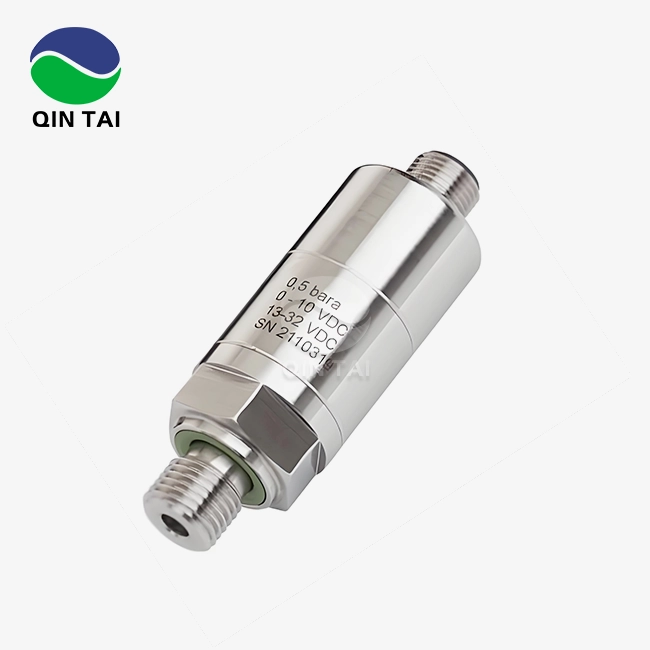
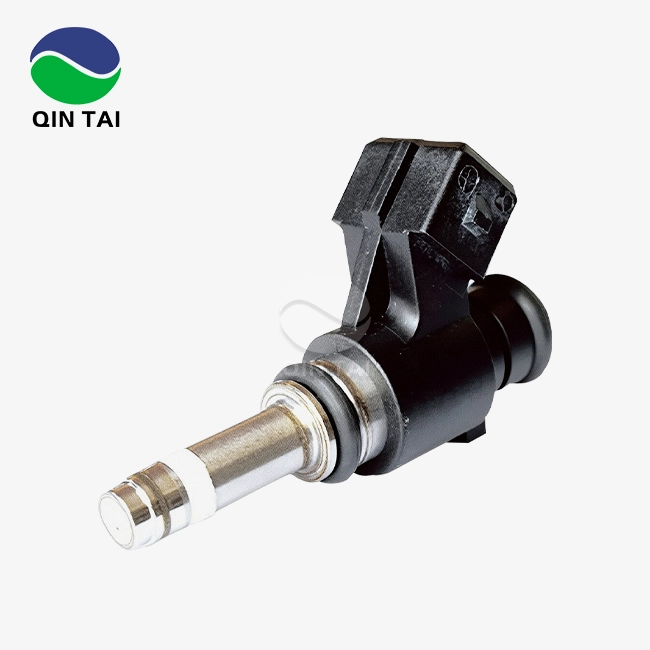
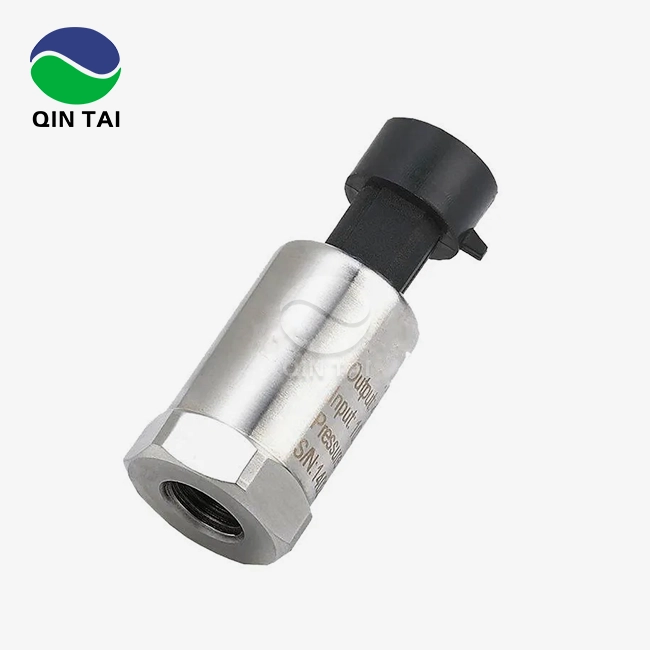
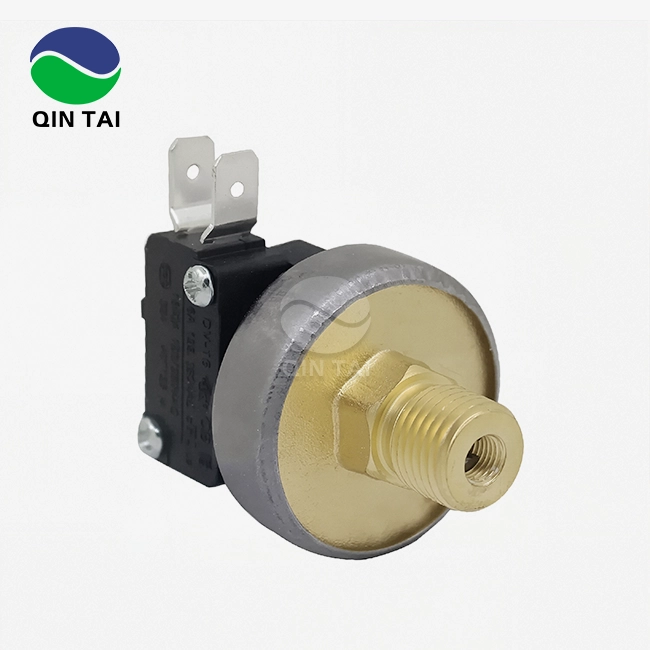

Our customers’ satisfaction speaks for our quality — contact us to experience the same reliable service.