- English
- French
- German
- Portuguese
- Spanish
- Russian
- Japanese
- Korean
- Arabic
- Greek
- German
- Turkish
- Italian
- Danish
- Romanian
- Indonesian
- Czech
- Afrikaans
- Swedish
- Polish
- Basque
- Catalan
- Esperanto
- Hindi
- Lao
- Albanian
- Amharic
- Armenian
- Azerbaijani
- Belarusian
- Bengali
- Bosnian
- Bulgarian
- Cebuano
- Chichewa
- Corsican
- Croatian
- Dutch
- Estonian
- Filipino
- Finnish
- Frisian
- Galician
- Georgian
- Gujarati
- Haitian
- Hausa
- Hawaiian
- Hebrew
- Hmong
- Hungarian
- Icelandic
- Igbo
- Javanese
- Kannada
- Kazakh
- Khmer
- Kurdish
- Kyrgyz
- Latin
- Latvian
- Lithuanian
- Luxembou..
- Macedonian
- Malagasy
- Malay
- Malayalam
- Maltese
- Maori
- Marathi
- Mongolian
- Burmese
- Nepali
- Norwegian
- Pashto
- Persian
- Punjabi
- Serbian
- Sesotho
- Sinhala
- Slovak
- Slovenian
- Somali
- Samoan
- Scots Gaelic
- Shona
- Sindhi
- Sundanese
- Swahili
- Tajik
- Tamil
- Telugu
- Thai
- Ukrainian
- Urdu
- Uzbek
- Vietnamese
- Welsh
- Xhosa
- Yiddish
- Yoruba
- Zulu
Top Benefits of AdBlue Dosing System for Emission Reduction
An AdBlue dosing system provides cleaner exhaust, less fluid waste, fewer power-limited events and greater performance in demanding conditions. Diesel exhaust fluid (DEF) is injected into the exhaust to enable an SCR catalyst to convert NOx into nitrogen and water. Accurate dosing minimises the danger of crystallisation, maintenance costs and engine platform compatibility. This guide was developed for OEM technicians, An SCR integrators, aftermarket buyers, generator set builders and exhaust treatment groups that need technical and sourcing knowledge before they ask for a price.
What Is an AdBlue Dosing System and How Does It Work?
How the System Stores and Delivers DEF
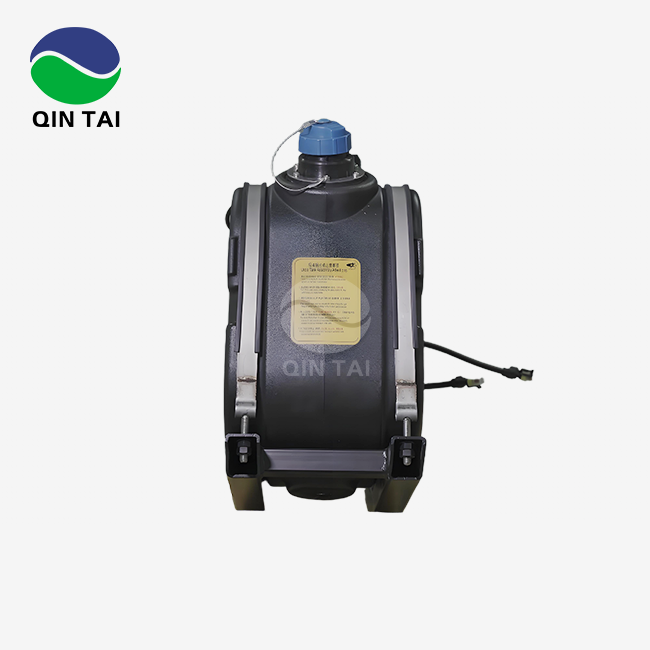
AdBlue systems store, measure and inject diesel exhaust fluid into the exhaust. DEF is 32.5% urea and 67.5% deionised water. Its purity is governed by ISO 22241. It is not used as a fuel additive to enter the combustion chamber. The major parts are the tank, supply pump, heating elements, filter, fluid lines, injectors, sensors and the electronic control unit. Since DEF freezes at around 12°F (-11°C), equipment design in northern US locales includes heat. All components must be able to endure heat, vibration and caustic fluid.
From Injection to Ammonia to Cleaner Exhaust
The control unit measures DEF injection according to engine load, emission temperatures and NOx sensor information. Injectors spray water into hot exhausts. Heat breaks down urea into ammonia . Ammonia reacts with NOx over an SCR catalyst to make nitrogen and water . Koebel et al. reported urea-SCR as an attractive NOx abatement technology for diesel engines in Catal. Today. SCR may cut NOx 90% in properly matched systems. It's not simply fluid input, but spray quality, exhaust pH and mixing distance that determine the result.
Why Dosing Accuracy Matters
Two dosing mistakes cost money. Underdosing fails to convert NOx, which may overheat an engine. For 2010 and subsequent heavy-duty on-highway engines, EPA limits NOx to 0.2 g/bhp-hr, declining to 0.035 in 2027. Starting with 2024 engines, California's HE Omnibus Regulation increases NOx limitations. Overdoses squander DEF and create exhaust pipe ammonia slide, deposits, and crystals. DEF consumption is 2–3% of diesel fuel in heavy-duty vehicles, thus little control mistakes pile up over time. A precise AdBlue dosing system controls pollutants and fluid expenses.
Top 7 Benefits of an AdBlue Dosing System for Emission Reduction
Here are the seven benefits I see most often in OEM and fleet projects, grouped into three areas.
Benefits 1 and 2: Cleaner Exhaust and Better Fluid Efficiency
The first advantage is better NOx reduction. Precision metering preserves the catalyst's ammonia-to-NOx ratio in the right range, helping engines satisfy EPA on-highway, Tier 4 Final nonroad, and Euro VI limitations. Second, fluid efficiency improves. The controller adjusts dosage to engine load & exhaust temperature to prevent spraying DEF where the catalyst cannot utilise it. Buyers may consider pump price just. Why not compare recorded dosing accuracy and DEF consumption instead? Heavy vehicles, tractors, and generator sets pay for a few percent of waste over thousands of operational hours.
Benefits 3 and 4: Fewer Derating Events and Less Crystallization
Protecting against derating is third for the adblue dosing system. Stable dosing keeps modern engines productive since the SCR system limits power or speed when it fails. Fourth, decreased crystallisation danger. When spray hits cool pipe walls or dose exceeds exhaust temperature, urea deposits occur. Proper spray patterns, mounting angles, and mixing distance decrease deposits. Contaminated DEF may clog filters and injector tips. A remote excavator contractor might lose a shift due to a derate occurrence.
Benefits 5, 6, and 7: Temperature Range, Lower Maintenance, and Easier Integration
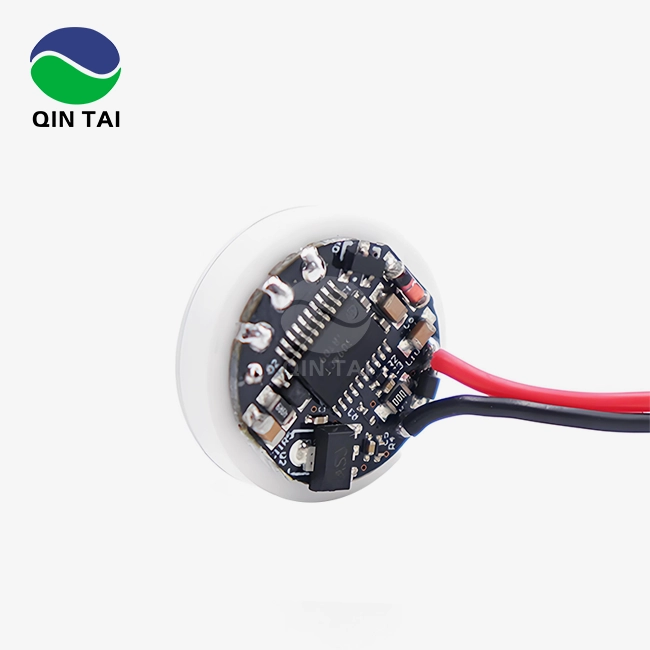
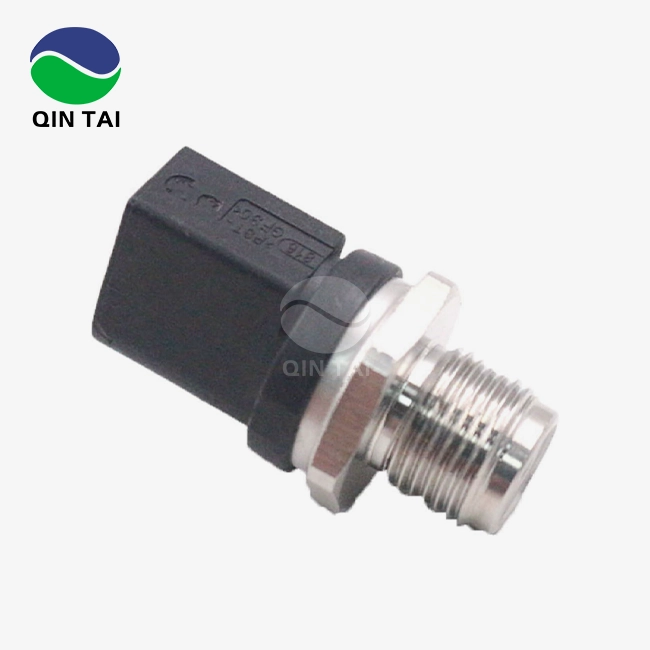
Since heated lines and thaw procedures continue dosing after cold nights, the fifth advantage is stable operation at extreme temperatures. Sixth is cheaper upkeep. Stable pressure and good filtering decrease pump and injector wear. Seven is simpler integration. Having detailed connection, voltage, and CAN communication specifications helps suit diverse engine and SCR platforms with minimum calibration rework. The injector, controller, a catalyst, sensors, heating method, and fluid lines must match for these advantages. Pressure sensors are silent yet crucial since the controller uses pressure feedback to maintain dosage.

AdBlue Dosing System Efficiency: Key Technical Factors
Electronic Control Versus Mechanical Metering
Electronic systems provide built-in diagnostics, adjustable calibration, and quicker engine load response than mechanical ones. The ECU adjusts dosage in real time utilising NOx sensor, temperature, and pressure data. It also logs error codes to assist service staff diagnose issues faster. Although mechanical solutions are cheaper and contain fewer parts, they have poor control when load varies fast. For engines that must satisfy contemporary pollution requirements, electronic control is prevalent. I still suggest checking calibration data against the ECU and engine map before certification.
Pressure Level and Air-Assisted Versus Airless Injection
High-pressure and low-pressure designs compromise spray quality, complexity, and installation. Thinner droplets evaporate quicker and lessen deposit danger, however pressure control may be needed. Air-assisted injection breaks up fluid with compressed air, improving dispersion in specific exhaust design. Airless systems without air supply reduce pipe, valves, and maintenance. Neither kind always wins. Exhaust geometry, space, and pressurised air on the machine determine the option. Since the controller needs line pressure to properly meter fluid, accurate pressure sensing supports any design.
Light-Duty Versus Heavy-Duty Requirements
Light-duty and applications that require heavy duty need differing flow, packaging, and durability. Small, low-flow modules may be needed for passenger diesels. A Class 8 vehicle, mining generator, or huge wheel loader requires more flow and stronger housings. Seals, connections, and filters must be maintained for heavy equipment's vibration, dust, and extensive duty cycles. The best solution follows the SCR design, not a pressure or flow quantity. Teams should first evaluate catalytic volume, exhaust temp profile, and mixing distance before choosing dosing hardware.
How to Choose, Compare, and Maintain an AdBlue Dosing System
Define Your Specifications First
Start with machine, not list when selecting the adblue dosing system. Document climate, installation limits, engine power, duty cycle, and exhaust. Specify flow rate, pressure, injector response, power, protocol, heating, tank capacity, the connection type. Next, verify SCR catalyst, ECU, emission, and mixing length compatibility. Request flow curves, temperature restrictions, wiring schematics, test results, and installation instructions from manufacturers. Missing documents may signal validation difficulties. Dosing hardware is just part of an authorised emissions package, so ask the engine manufacturer whether it fulfils EPA standards for US projects.
OEM, Aftermarket, and Customized Options Compared
OEM goods are more costly, slower, and less customisable yet have verified integration and diagnostics. Aftermarket devices are cheaper, quicker, and more replaceable, but consumers must check fit and quality. Private-label apps may customise branding, interactions, and control logic. Equipment manufacturers, distributors, and regional brands need minimum order quantity, tool, samples, testing, IP, and production schedule agreement. Basic comparison matrix should assess compatibility, durability, rules, source capacity, service, and cost. Having all options assessed on one page makes purchase and engineering talks objective.
Common Faults and Routine Maintenance
Failures include crystallisation, contaminated DEF, clogged filters, unstable compressor stress, injector leakage, heater malfunction, sensor problems, damaged connections, and CAN communication difficulties. DEF ISO 22241-compliant prohibits many. Regularly inspect lines, connections, pump rate and flow, injector spray, heater operation, and diagnostic codes. Improve the DEF filter. Replacement occurs every 75,000 to 125 miles (160,000 to 200,000 km), though dusty areas need replacing sooner. Avoid recycling filters since cleaning destroys fibre media. Follow engine manufacture schedules.
Procurement, Verification, and Qintai Support
How to Verify Emission Reduction and Performance
Use laboratory testing, integrating systems, and field trials for verification. Monitor NOx conversion, DEF consumption, dosing preciseness, pressure stability, injector responsiveness, spray quality, ammonia slip, crystallisation risk, cold-start recovery, and diagnostics. Benchwork should test flow, pressure, injector leakage, temperature, motion, and endurance scenarios.
Test the adblue dosing system with the desired ECU, SCR catalyst, and engine calibration. Since stop-and-go labour, frigid weather, and actual installation settings expose flaws a lab may overlook, field data provides the ultimate check. ISO 19438 multipass techniques assess filtering efficiency and dirt-holding capacity.
Writing an RFQ That Gets Useful Answers
A detailed RFQ lets vendors present a suitable, cost-effective solution. Include equipment type, engine model, power range, pollutant level, SCR catalyst, flow rate,. pressure, voltage, connections, communication protocol, and operational climate. State yearly demand, markets it is targeting, regulatory requirements, and standard replacement, OEM creation, or private-label packaging. Compare vendors on production, quality, test data, order minimum quantity, lead time, warranty, payment terms, export paperwork, and technical support. A low-priced item that breaks early increases downtime and warranty costs, therefore consider system cost instead of pump price.
What Qintai Brings to Your Project
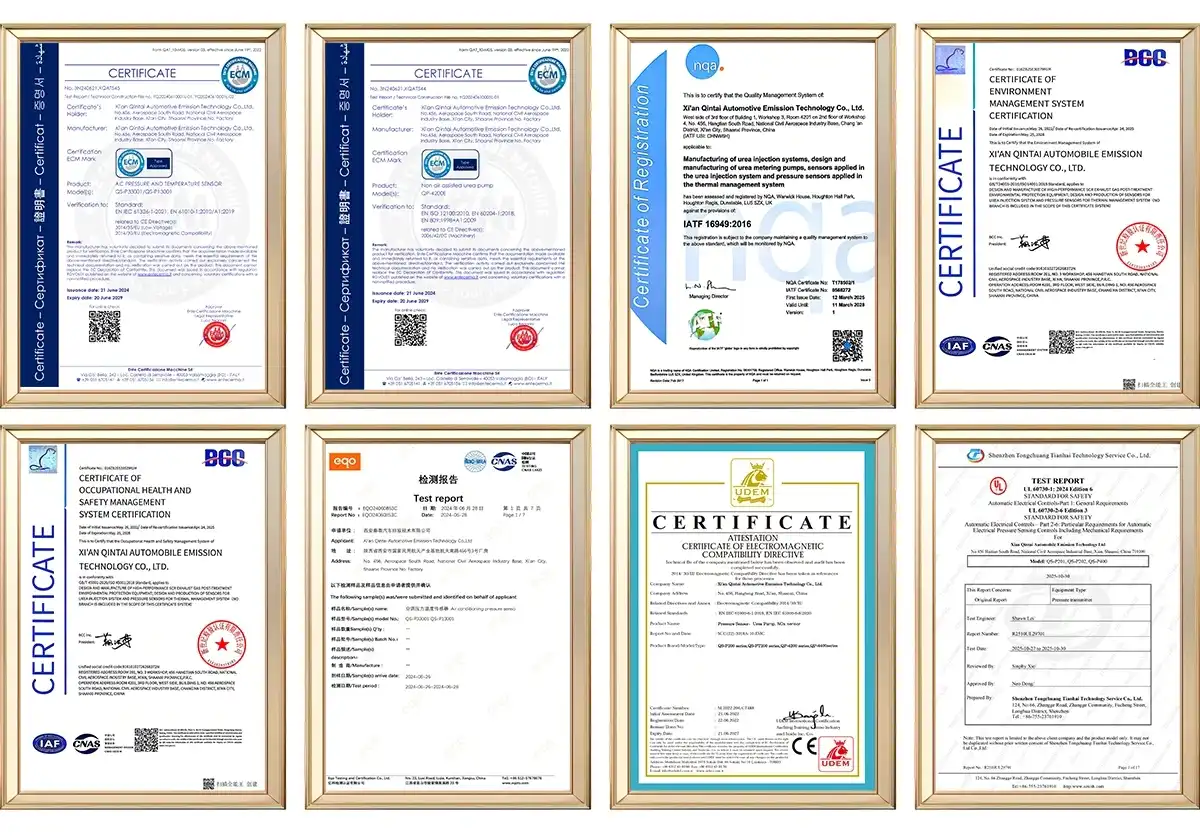
Founded in 2001, Xi'an Qintai Automotive Pollution Technology Co. Ltd. is a national high-tech company We R&D, manufacture, sell, and service diesel engine SCR aftertreatment and numerous sensors, mainly pressure sensors. Our ISO9001, IATF16949, a CMC, Ex, UL, EC, REACH, and RoHS certifications and 58 innovation patent applications. We are the top provider of Weichai, Yuchai, and Quanchai Power in China. OEM and ODM services, product customisation from design to mass manufacturing, and sales in over 60 countries are available.
Conclusion
To optimise the SCR catalyst, an AdBlue dosing system correctly meters DEF into the exhaust to reduce diesel NOx. The key advantages include greater NOx reduction, reduced fluid waste, fewer derating events, less crystallisation, steadier cold-weather performance, lower maintenance cost, and simpler platform integration.
Matching injector, controls, catalyst, sensors, heaters, and lines and picking the right control type, pressure level, the flow capacity determines those outcomes. Risk is reduced by clear specifications, fair comparing OEM, aftermarket, and customised solutions, clean ISO 22241 DEF, filter and pump testing, and bench-plus-field verification. Value is better measured by total cost of ownership than pump price.
FAQ
What does an AdBlue dosing system do?
It meters DEF into the exhaust so the SCR catalyst can convert NOx into nitrogen and water.
Are AdBlue and DEF the same fluid?
In practice, yes. Both are 32.5% urea solutions that meet ISO 22241. AdBlue is the common European name, and DEF is the common US name.
Does every dosing system fit every SCR catalyst?
No. Flow rate, spray pattern, exhaust temperature, mixing distance, and control strategy must match the catalyst.
How often should the DEF filter be replaced?
Typical schedules run about 75,000 to 125,000 miles, and dusty sites need shorter intervals. Follow the engine maker's schedule.
What should I include in a supplier inquiry?
Send the equipment type, engine model, emission level, flow rate, pressure, voltage, connector type, and annual volume.
Contact Qintai for Your AdBlue Dosing System Project
Qintai can support your search for an AdBlue dosing system supplier with SCR aftertreatment experience, pressure sensor expertise, and OEM/ODM customization backed by ISO9001 and IATF16949 certificates. Email your engine model, flow rate, pressure, voltage, and annual volume to info@qt-sensor.com, and our team will reply with a matching proposal. Product details are available at qt-sensor.com.
References
1. All Motor Vehicle Air Pollution Control: Durable Generator and Vehicle Standards, Federal Register, 2023.
2. US EPA, 2016 Nonroad Compression-Ignition Engine Emission Standards.
3. ISO 22241-1 Petrol Engines: Emission Reducing Agent AUS thirty-two, Quality Needs, 2019.
4. ISO 19438 Diesel Fuel & Petroleum Filtration System for Internal Combustion: Particle Counts and Pollutant Storage Capacity, 2003.
5. Catalytic Activity Today, Urea: A Potential Diesel Engine NOx Reducer, 2000.
6. California Environmental Standards Board, 2020 Heavy-Duty General Regulation

Our customers’ satisfaction speaks for our quality — contact us to experience the same reliable service.