- English
- French
- German
- Portuguese
- Spanish
- Russian
- Japanese
- Korean
- Arabic
- Greek
- German
- Turkish
- Italian
- Danish
- Romanian
- Indonesian
- Czech
- Afrikaans
- Swedish
- Polish
- Basque
- Catalan
- Esperanto
- Hindi
- Lao
- Albanian
- Amharic
- Armenian
- Azerbaijani
- Belarusian
- Bengali
- Bosnian
- Bulgarian
- Cebuano
- Chichewa
- Corsican
- Croatian
- Dutch
- Estonian
- Filipino
- Finnish
- Frisian
- Galician
- Georgian
- Gujarati
- Haitian
- Hausa
- Hawaiian
- Hebrew
- Hmong
- Hungarian
- Icelandic
- Igbo
- Javanese
- Kannada
- Kazakh
- Khmer
- Kurdish
- Kyrgyz
- Latin
- Latvian
- Lithuanian
- Luxembou..
- Macedonian
- Malagasy
- Malay
- Malayalam
- Maltese
- Maori
- Marathi
- Mongolian
- Burmese
- Nepali
- Norwegian
- Pashto
- Persian
- Punjabi
- Serbian
- Sesotho
- Sinhala
- Slovak
- Slovenian
- Somali
- Samoan
- Scots Gaelic
- Shona
- Sindhi
- Sundanese
- Swahili
- Tajik
- Tamil
- Telugu
- Thai
- Ukrainian
- Urdu
- Uzbek
- Vietnamese
- Welsh
- Xhosa
- Yiddish
- Yoruba
- Zulu
Why NOx Sensor Failure Affects SCR System Performance
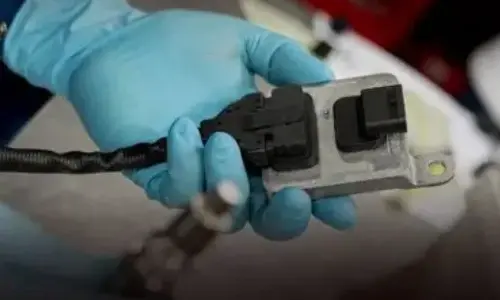
When a NOx sensor fails, the entire Selective Catalytic Reduction (SCR) system loses its ability to regulate emissions accurately. The sensor feeds real-time nitrogen oxide data to the engine control unit (ECU), which then calculates the correct Diesel Exhaust Fluid (DEF) injection rate. A faulty reading means wrong DEF dosing, which leads to excess NOx emissions, potential regulatory violations, and costly engine derates. For OEMs, fleet operators, and aftertreatment integrators, understanding this failure chain is the first step toward protecting both compliance status and operational budgets.
Understanding NOx Sensors and Their Role in SCR Systems
You should know what these sensors do in an SCR system and why where they are placed is important before you look at failure modes.
How a NOx Sensor Works
The YSZ ceramic solution is what a Nox sensor uses to figure out how much nitrogen oxide is in exhaust gas. The amount of oxygen in the first measurement box is controlled by an oxygen pump cell. A NOx detecting cell breaks down NOx molecules and creates an electric current that is linked to the amount of NOx that is present. The ECU gets that current value and changes the amount of DEF injection to match.
Upstream vs. Downstream Placement
These days, diesel engines for big trucks have two sensors. The upstream monitor checks the NOx that leaves the engine and is close to where the turbocharger valve opens. This tells the ECU how much DEF to put in. The sensor further down the line checks the work of the SCR catalyst that came before it. There will be a problem code and the engine may slow down if NOx stays high after DEF input. This means the system needs to be fixed.
NOx Sensor vs. Oxygen Sensor
These two parts look alike, but they're used for different things. There are two sensors: one that checks for oxygen and one that checks for nitrogen oxide. The oxygen sensor controls the amount of air to fuel so that the burning process works well. When purchasing managers buy new ones or replace old ones, they often get them mixed up. This is a costly error that they should avoid. Understanding this distinction is essential when sourcing a NOx sensor rather than an oxygen sensor.
Causes and Consequences of NOx Sensor Failure
Sensor failure rarely happens without warning. Recognizing the root causes early protects both equipment and compliance records.
Primary Causes of Failure
Three factors account for the majority of field failures. Thermal stress from repeated heat cycles degrades the zirconia sensing element over time. Lead and sulfide compounds in diesel exhaust coat the sensing surface and reduce accuracy. Finally, improper installation — including overtightening the M20×1.5 mounting thread or using mismatched connectors — introduces mechanical stress that shortens sensor life significantly.
Common Failure Symptoms and DTCs
Engineers should watch for these warning signs before a full failure occurs:
- Fault codes P0420, P2200, P2201, or P229F appearing in the ECU log indicate NOx sensor circuit faults or rationality errors.
- Unstable or frozen sensor readings that do not track exhaust temperature changes suggest a degraded sensing element.
- Excessive DEF consumption without a corresponding drop in downstream NOx points to incorrect dosing caused by inaccurate upstream readings.
These codes should trigger immediate sensor inspection rather than a simple code-clear reset, because the underlying condition will return if left unaddressed.
Regulatory and Financial Impact
A bad nitrogen oxide sensor doesn’t only fire a warning signal. Heavy-duty vehicles and China VI emissions limits under the EPA may punish fleets, fail inspections and compel downtime for non-compliant NOx production. ICCT research has shown that when aftertreatment systems fail, real-world NOx emissions from diesel trucks may be four times higher than certification limits. The financial risk from one lengthy compliance failure is significantly greater than the expense of a prompt sensor replacement.
Troubleshooting and Maintenance Best Practices for NOx Sensors
A structured maintenance approach reduces unexpected failures and extends sensor service intervals significantly.
Diagnostic Tools and Methods
Plug in an OBD-II or heavy-duty diagnostic scanner to display current and pending fault codes. Write down the codes and compare the sensor readings, both upstream and downstream, with the engine load constant. For a well functioning SCR system, the NOx values downstream should be 70-90% lower than the upstream measurements. Readings outside this range indicate either sensor error, or catalyst degradation. Moving sensors to a known-good state helps to separate the two. This diagnostic process gives people a method to determine whether the NOx sensor or SCR catalyst has failed.
Inspection and Cleaning Protocol
At each planned service interval: • Inspect the sensor connection and wire harness for corrosion, bent pins, or abrasion damage. Clean the threads on the sensor bung, and check that the mounting torque is to the manufacturer standard for M20 x 1.5 fittings. Do not spray aerosol cleaners directly on the sensor element. Chemical residue will hasten the ceramic breakdown.
Software Calibration and Updates
Most of the logic faults in the sensor are due to the ECU software having out of date sensor mappings. Current ECU software is required to interpret sensor signals correctly. Once you’ve replaced a sensor, clear the trouble codes, reconnect the battery if needed and go through a full driving cycle to allow the ECU to re-learn the sensor offsets before you deem the repair complete.

Procurement Guide: Selecting the Right NOx Sensor for Your SCR System
To choose the best nitrogen oxide sensor for your needs, you should look at how well it works, how reliable the supplier is, and how much it costs to own the whole thing.
OEM vs. Aftermarket Options
That decreases the likelihood of the integration becoming a failure. If the supplier is IATF 16949 certified and can produce test results, huge fleets may save a lot of money in using aftermarket parts. Signal drift might occur if you use untested aftermarket components. It may not issue a fault code right away but it will cause emission creep over the course of thousands of hours of operation.
Key Technical Parameters to Evaluate
When reading supplier datasheets, you should pay the most attention to the following details:
- Measuring range: Confirm the sensor covers 0–2500 ppm NOx to handle both low-load and high-load engine conditions.
- Response time: A response time below 1400 ms (measured from 33% to 66% of final value) is necessary for accurate real-time dosing control.
- Light-off time: Sensors that reach operating temperature in under 165 seconds reduce cold-start NOx spikes, which are a common source of certification failures.
- Protocol compatibility: Verify the sensor supports your ECU's communication protocol before ordering in volume.
Total Cost of Ownership
When providers offer connectors that can be customized, housings that are sealed and waterproof, and compatibility with standard OEM interfaces, it is easier to combine and less likely that the installation will go wrong in mixed groups.
Enhancing SCR System Performance Through Optimized NOx Sensor Management
Reliable sensor data is the foundation of any emission control strategy that holds up under real-world operating conditions.
Real-Time Data Integration
By integrating nitrogen oxide sensor outputs with a fleet telematics platform, maintenance teams can follow sensor signal patterns leading up to failure. Signal drift over weeks is slow and allows procurement teams to arrange replacements well in advance, rather than emergency procurement at premium pricing. This is especially important for generator set operators in mines and power plants where unscheduled down time means a big hit to the bottom line. Predictive, the NOx sensor becomes an element of proactive fleet maintenance and cost management.
Resistance to Exhaust Contaminants
High resistance to lead and sulfide poisoning in sensors will maintain their accuracy for a longer time under high contaminant exhaust settings. This material level durability means calibration shifts between services are avoided and the long emission-control cycles required for China VI and Euro VI standards are possible.
Strategic Supplier Partnerships
Long-term supply agreements with qualified manufacturers enable OEM engineering teams to have application support, firmware documentation and product customization possibilities that are not available with catalog purchase. For aftertreatment system integrators with many vehicle platforms, a supplier that supports 300+ communication protocols and provides interface flexibility greatly lowers per-platform engineering time.
Conclusion
When a Nox sensor fails, it breaks the whole dosing feedback loop that keeps an SCR system working properly and following the rules. The damage from a single broken sensor is much worse than its small size would suggest. From putting in the wrong amount of DEF to failing emissions tests, these effects can happen. Following structured repair routines will protect both your regulatory standing and the total cost of running your fleet. This is because you will be using sensors that have been shown to be accurate, last a long time, and not get contaminated. In every case, proactive sensor management costs less than reactive repair, as shown by the numbers.
FAQ
What happens when a NOx sensor gives a false reading?
A false reading causes the ECU to inject the wrong amount of DEF. Too little DEF leaves excess nitrogen oxides in the exhaust, triggering emission faults. Too much DEF creates ammonia slip, which the downstream sensor also flags as a fault because it cannot distinguish between NOx and ammonium compounds. Either condition can trigger an engine derate.
How often should NOx sensors be replaced?
Service intervals vary by application. Standard-grade sensors typically reach end-of-life between 2,000 and 3,000 operating hours. Industrial-grade sensors rated for 6,000 hours are more appropriate for continuous-duty applications such as generator sets at power plants or mining sites, where frequent replacement is operationally disruptive.
Can I reset a NOx sensor fault without replacing the sensor?
Clearing the fault code through an OBD-II scanner provides a temporary reset, but the code will return if the sensor or an upstream system issue — such as a clogged DPF or faulty EGR valve — remains unresolved. Address the root cause before clearing codes to avoid masking a developing compliance problem.
What certifications should a NOx sensor supplier hold?
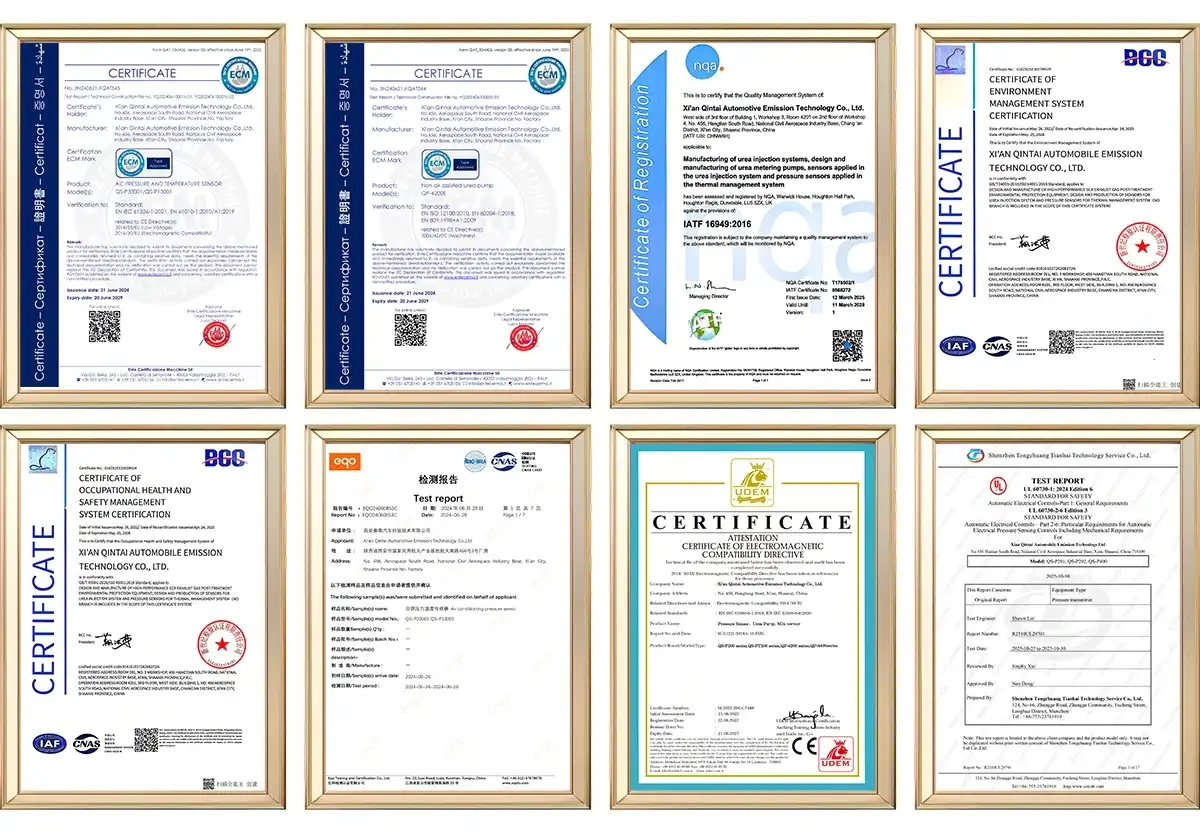
Look for IATF 16949 and ISO 9001 as minimum quality certifications for automotive-grade components. For industrial applications, CE, UL, and RoHS certifications indicate the product meets safety and environmental standards required in the US and European markets.
Partner with Qintai for Dependable NOx Sensor Supply
Since 2001, Qintai has sold SCR aftertreatment parts to OEMs such as Weichai Power, Yuchai Power, and Quanchai Power. They are certified by IATF 16949, ISO 9001, CE, UL, and RoHS. There is less than 1400 ms of response time on our nitrogen oxide monitors. They can be used for up to 6,000 hours and turn off faster than the usual 165 seconds. We are a trustworthy company that makes Nox sensors. We offer OEM/ODM customization, a variety of connector setups, and more than 300 connection methods. Please email our team at info@qt-sensor.com to talk about your apps' needs.
References
1. International Council on Clean Transportation (ICCT). Real-World Heavy-Duty Vehicle Emissions: NOx Compliance Assessment. ICCT, 2022.
2. SAE International. Diesel Aftertreatment Systems: SCR Technology and NOx Sensor Integration. SAE Technical Paper Series, 2021.
3. U.S. Environmental Protection Agency (EPA). Heavy-Duty Engine and Vehicle Standards. EPA Office of Transportation and Air Quality, 2023.
4. Robert Bosch GmbH. Automotive Sensor Technology: NOx and Lambda Sensing in Diesel Systems. Bosch Automotive Handbook, 10th ed., 2022.
5. European Commission, Joint Research Centre. Euro VI Heavy-Duty Vehicles: Emission Performance and Aftertreatment Monitoring. JRC Technical Report, 2023.
6. Society of Automotive Engineers. Diagnostic Protocols for SCR System Fault Detection in Commercial Vehicles. SAE Journal of Engines, 2020.
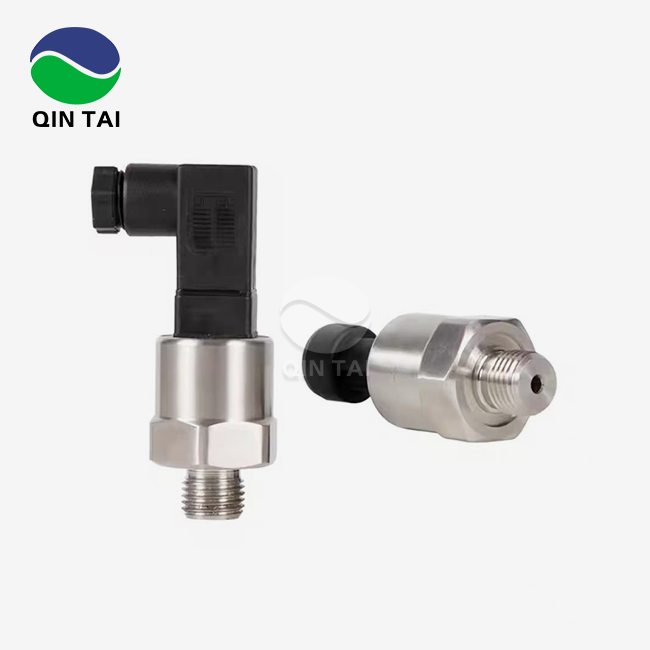
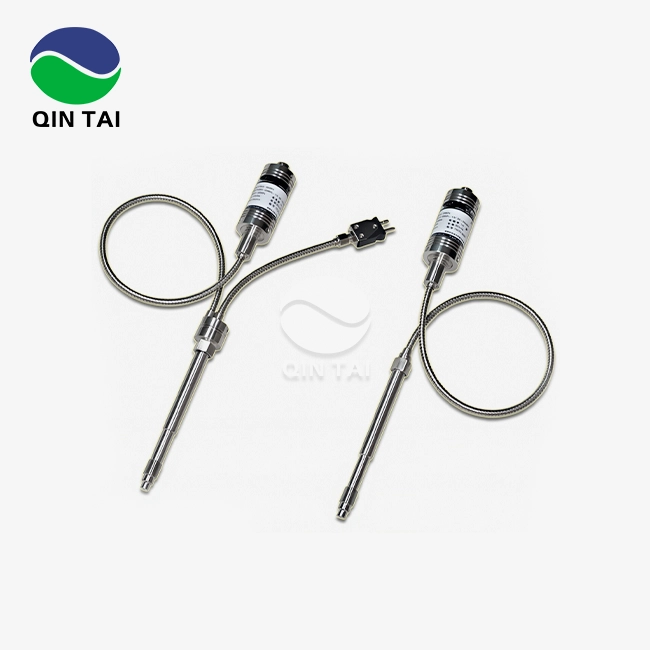
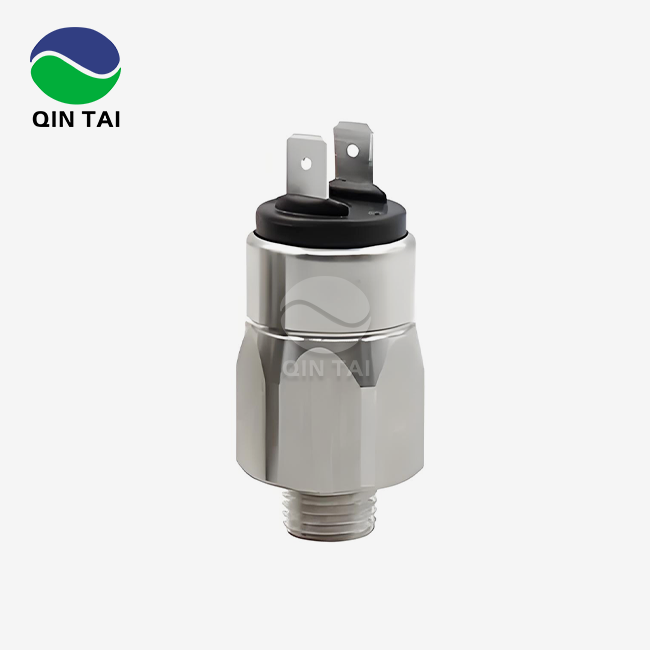

Our customers’ satisfaction speaks for our quality — contact us to experience the same reliable service.