- English
- French
- German
- Portuguese
- Spanish
- Russian
- Japanese
- Korean
- Arabic
- Greek
- German
- Turkish
- Italian
- Danish
- Romanian
- Indonesian
- Czech
- Afrikaans
- Swedish
- Polish
- Basque
- Catalan
- Esperanto
- Hindi
- Lao
- Albanian
- Amharic
- Armenian
- Azerbaijani
- Belarusian
- Bengali
- Bosnian
- Bulgarian
- Cebuano
- Chichewa
- Corsican
- Croatian
- Dutch
- Estonian
- Filipino
- Finnish
- Frisian
- Galician
- Georgian
- Gujarati
- Haitian
- Hausa
- Hawaiian
- Hebrew
- Hmong
- Hungarian
- Icelandic
- Igbo
- Javanese
- Kannada
- Kazakh
- Khmer
- Kurdish
- Kyrgyz
- Latin
- Latvian
- Lithuanian
- Luxembou..
- Macedonian
- Malagasy
- Malay
- Malayalam
- Maltese
- Maori
- Marathi
- Mongolian
- Burmese
- Nepali
- Norwegian
- Pashto
- Persian
- Punjabi
- Serbian
- Sesotho
- Sinhala
- Slovak
- Slovenian
- Somali
- Samoan
- Scots Gaelic
- Shona
- Sindhi
- Sundanese
- Swahili
- Tajik
- Tamil
- Telugu
- Thai
- Ukrainian
- Urdu
- Uzbek
- Vietnamese
- Welsh
- Xhosa
- Yiddish
- Yoruba
- Zulu
Top Benefits of Customizable Capacitive Pressure Sensors
Customizable capacitive pressure sensors are a big step forward in accurate measuring technology. They are very flexible and can be used in a wide range of industry settings. Unlike normal off-the-shelf options, these sensors can be changed to meet particular operational needs, such as changing the pressure range or choosing a specific material. This makes sure that they work well in tough environments. The capacitive pressure sensor works by picking up changes in capacitance between wires when the pressure changes. This makes the sensor very sensitive and stable. Customization gives compliance, stability, and cost-effective benefits that generic sensors just can't match for B2B buyers in the diesel engine making, aftertreatment systems, and industrial equipment industries.
Introduction
In the tough industrial world of today, the accuracy of pressure measurements can make or break whole systems. Capacitive pressure sensors have become important parts in many areas, from heavy-duty diesel engines to equipment for protecting the environment. Their accuracy has a direct effect on controlling emissions, making sure operations are safe, and making sure the equipment lasts for a long time. These devices are important for more than just measuring; they keep an eye on everything from the pressure of hydraulic fluid in building equipment to the pressure of exhaust gases in SCR systems.
Personalized solutions are what make current ones stand out. While standard sensors do the basics, customized capacitive pressure sensors can be changed to fit different environments, government rules, and interaction needs. Customized sensor solutions are made to fit your specific needs, whether you're an OEM buying manager looking for compliance with China VI/Euro VI or a technical worker needing special temperature compensation. This detailed guide looks at how customization can turn pressure sensing from a common buy into a strategic benefit, improving accuracy, durability, and the total cost of ownership for procurement workers around the world who have to deal with more complicated technical environments.
Understanding Capacitive Pressure Sensors and Their Customization
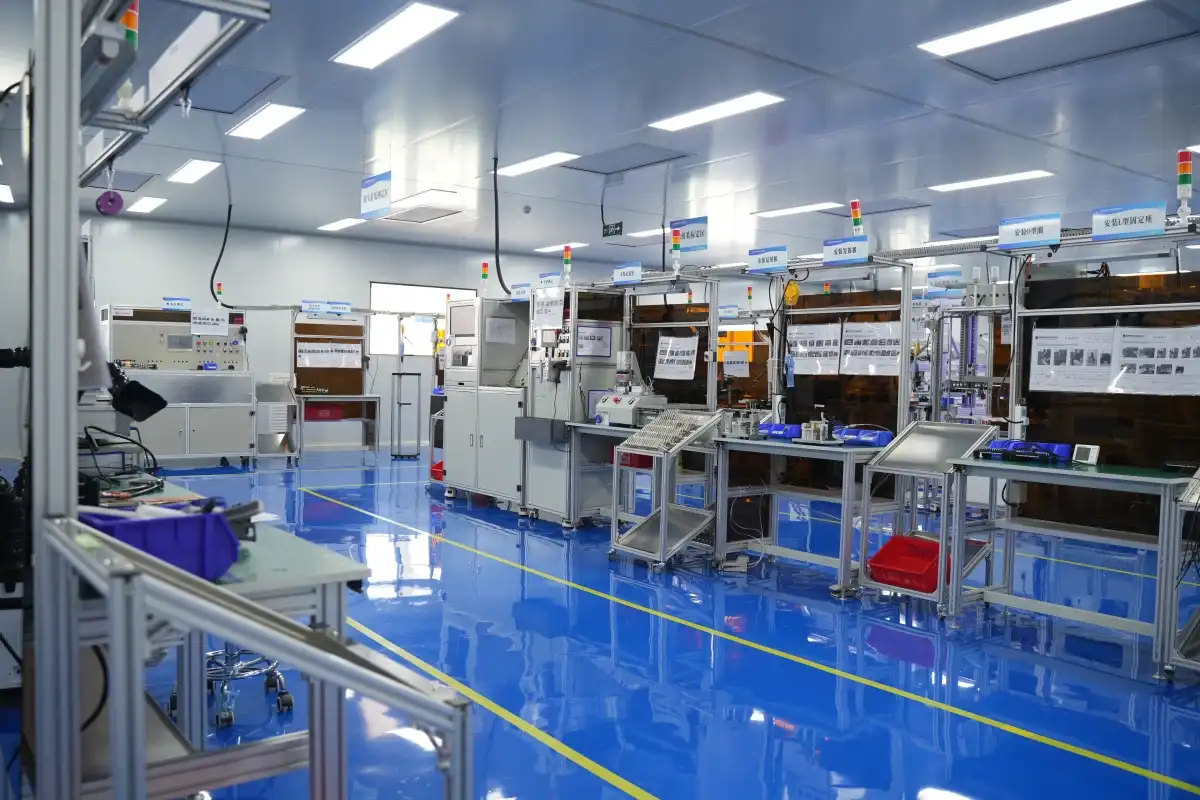
Capacitive pressure sensors work by measuring changes in capacitance between two conductive plates that are divided by a dielectric. When force is applied to a movable diaphragm that is serving as an electrode, the distance between the plates changes. This changes the capacitance directly, as shown by the equation C = ε₀εᵣA/d. Compared to piezoresistive options, this basic concept gives better sensitivity, especially in low-pressure situations where small changes need to be picked up. Corrosion resistance and temperature tolerance are determined by the diaphragm material, which can be anything from silicon to advanced ceramics like 96% Al2O3. This makes material choice an important design feature.
Why Customization Matters in Industrial Applications?
Generic sensors have trouble dealing with the problems that come up in modern industrial settings. For example, a diesel engine aftertreatment system that works in very hot or cold conditions needs different specs than a lab device. As a result of customization, manufacturers can change measurement ranges from vacuum (-1 bar) to ultra-high pressure (600 bar), set sensitivity levels between 2 and 4 mV/V for the best signal quality, and use temperature compensation algorithms that keep accuracy from -40°C to 135°C. These changes have a direct effect on how well the system works in harsh field situations and how well it follows strict emission rules.
Key Customizable Parameters
When buying customizable sensors, technical teams can list more than one characteristic. By choosing a pressure range, the sensor works within its most accurate range without being over-engineered. Customizing the output signal, whether it's an analog voltage, a current loop, or a digital communication protocol, makes it easy to connect to existing control systems. Different installation needs can be met by different mechanical setups, such as thread types, electrical connections, and mounting positions. Temperature compensation methods can be changed to work in different settings, and calibration processes can be made to match industry standards or custom testing techniques. This makes sure that measurements can be tracked and quality is maintained for the life of the sensor.
Top 5 Benefits of Using Customizable Capacitive Pressure Sensors
Customization has benefits that go far beyond simple changes to parameters. It creates measured value in functions such as buying, engineering, and operations. Knowing these benefits helps people make decisions about whether to spend money on custom solutions or settle for standard goods that don't meet their needs.
Enhanced Measurement Accuracy Through Precision Calibration
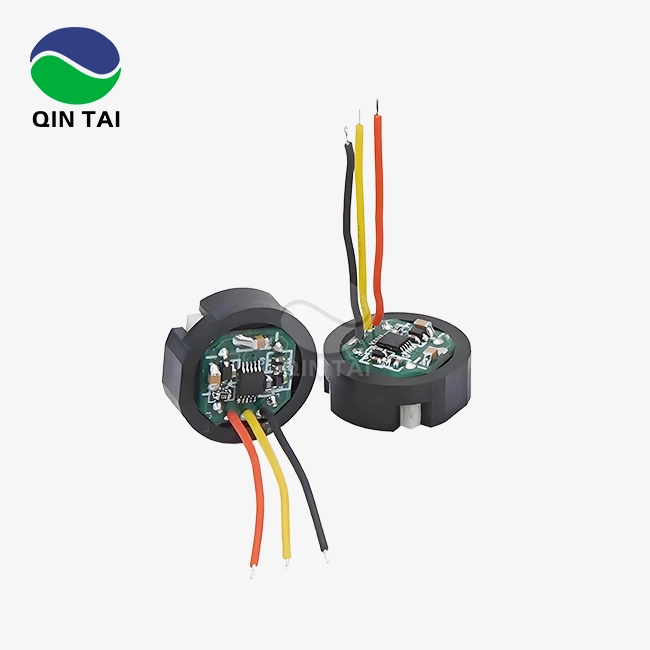
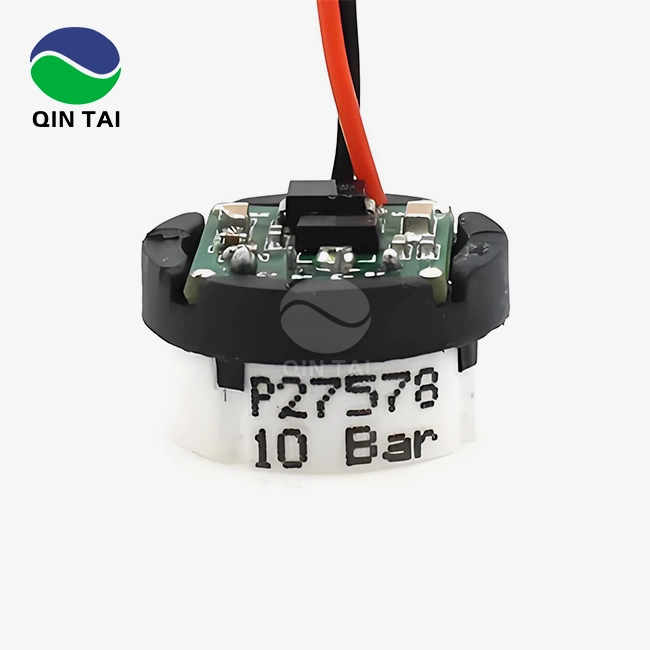
Accuracy is the key to effective pressure tracking, especially in uses that need to meet emission standards and where accurate readings are required by law. It is possible for customizable sensors like the QS-P105F to meet non-linearity requirements of only 0.3% FS by using personally optimized calibration methods. This accuracy comes from making compensation programs fit specific working situations instead of using standard factory settings. Temperature drift characteristics—kept below 0.03% FS/°C for mid-range pressures—ensure constant readings even when the weather is strong or the seasons change. The full accuracy of ≤±0.5% FS gives buying managers the peace of mind they need when choosing sensors for important tasks like tracking the pressure in an SCR system, where measurement errors could cause false fault codes or hurt the efficiency of emission control.
Application Flexibility Across Diverse Industries
One big benefit is that it can be used in a wide range of operating situations. Heavy truck makers need sensors that can handle constant shaking and changes in temperature, while generator set uses need sensors that can stay stable in steady-state situations for a long time. Customization lets these different needs be met by choosing the right materials and adding structure support. The 96% Al2O3 ceramic diaphragm material is very resistant to corrosion, making it great for use with exhaust gases or strong fluids. The pressure ranges can be changed from zero to 600 bar, so they can be used for a wide range of tasks, from watching the intake manifold to controlling the hydraulic system. This flexibility means that different types of sensors don't need to be kept in stock, which speeds up the buying process and makes SKUs simpler for secondary sellers who serve a wide range of customers.
Superior Reliability and Extended Service Life
Durability has a direct effect on the total cost of ownership, especially in situations where sensor failure leads to costly downtime or safety issues. Targeted design choices that are in line with specific stress factors make customized capacitive pressure sensors more reliable. The 200% FS safety overload rate on a capacitive pressure sensor keeps pressure from rising too quickly, which can happen when a diesel engine starts up or when a hydraulic system changes states.
Operating temperature ranges from -40°C to 135°C ensure that the capacitive pressure sensor works in harsh environments, from Arctic mine sites to Middle Eastern construction sites. The capacitive pressure sensor measurement principle has longer service life than strain gauge options because it doesn't use moving mechanical parts. When these capacitive pressure sensors are combined with custom sealing solutions and connector specifications, they provide the industrial-grade dependability that generator set manufacturers need for continuous operation in remote areas where repair access is limited.
Cost Efficiency Through Optimized Design
Customization may seem pricey at first, but it actually lowers the overall cost of the system by getting rid of unnecessary specifications and extra parts. Standard sensors often come with extra features that aren't needed for certain tasks, which drives up the price without adding any value. Customized solutions only list the features that are needed, which lowers the cost of the bill of materials. The wide source voltage range (2-30 VDC) works with current power systems that don't need voltage conversion circuits.
This makes installation easier and lowers the risk of failure. Low power use is good for battery-powered apps used for remote tracking. Companies that can make a lot of the same thing, like Qintai, offer bulk buying options for custom specs. These options use economies of scale to offset the cost of tools. Purchasing managers who have to balance controlling costs with making sure quality standards are met find that this method is more cost-effective than either high-end off-the-shelf goods or cheap generic options that need to be replaced often.
Seamless System Integration and Simplified Installation
Problems with integration use up technical resources and cause projects to take longer than planned. Customizable output ports match current data gathering systems and control protocols, so there are no compatibility problems. Sensitivity levels that can be changed from 2 to 4 mV/V let signal conditioning be optimized for certain analog-to-digital converter inputs, which increases resolution without adding more amplification steps. The specs for bridge resistance (11±30% kΩ) can be changed to work with interface electronics and make sure that the impedances match up correctly.
Customizing the thread standards, wire lengths, and socket types mechanically cuts down on installation time and gets rid of the need for adapters. For aftertreatment system integrators with tight delivery deadlines, these small changes can mean faster commissioning, less troubleshooting, and earlier revenue recognition. These are competitive advantages that go beyond the sensor itself and affect the overall profitability of the project.

How to Choose the Right Custom Capacitive Pressure Sensor for Your Business?
To choose the right sensor specs, you need to carefully look at the needs of the application while also taking into account the available budget and the supplier's abilities. Structured evaluation models that take into account both short-term technical needs and long-term strategic factors are helpful for procurement pros.
Defining Application-Specific Requirements
Start by documenting exact operating factors for capacitive pressure sensors. Define the full pressure range—including short-term spikes—not just normal working pressures. Diesel engine regeneration can create transient surges well above steady-state values. Material and construction choices for capacitive pressure sensors must account for temperature extremes, vibration patterns, and corrosive substance exposure.
Response time requirements vary: fuel pump systems need microsecond-level response, while tank level monitoring tolerates slower updates. Media compatibility ensures wetted capacitive pressure sensor materials resist degradation from fluids like corrosive exhaust condensate or hydraulic oil. When requesting quotes, clearly specify these requirements so suppliers can recommend optimal capacitive pressure sensors rather than over-engineered universal alternatives.
Evaluating Supplier Capabilities and Certifications
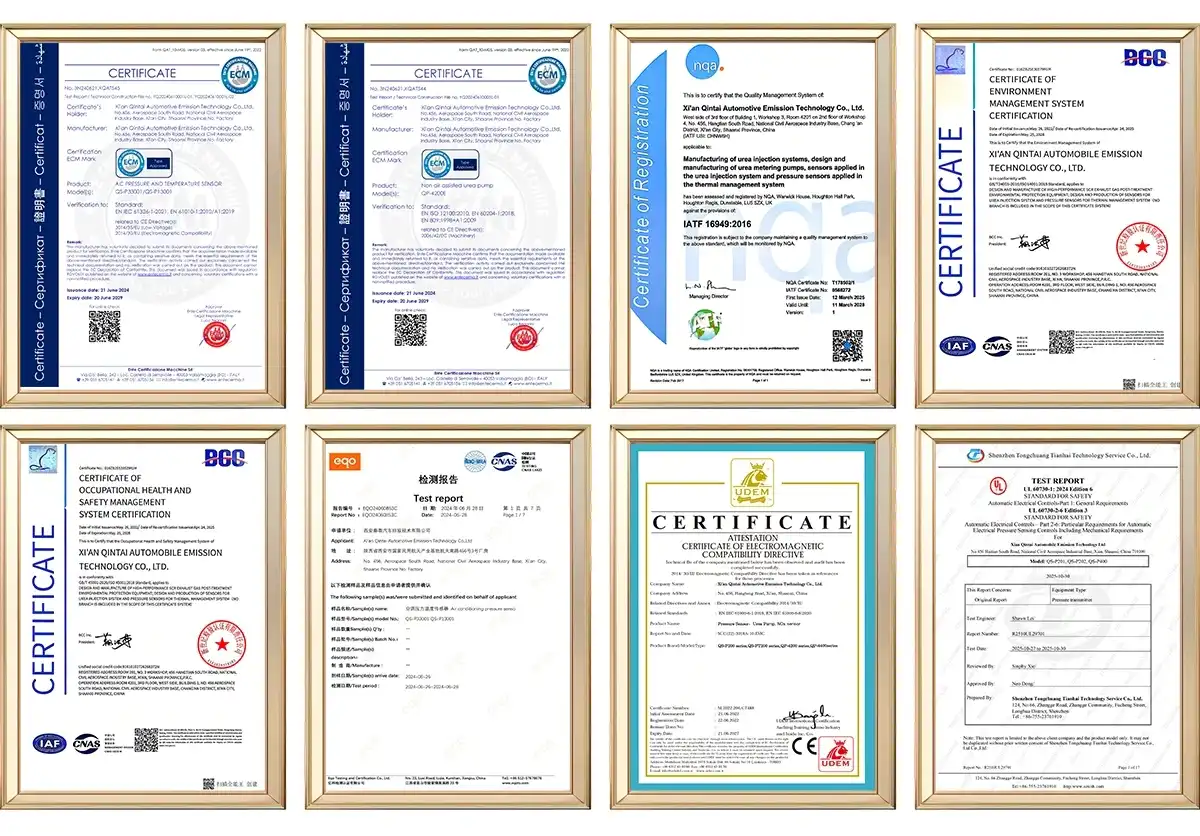
Not every maker has the same quality control or customization skills. Certifications are a reliable way to show that someone is skilled and committed to meeting standards. The ISO9001 certification shows basic quality management, and the IATF16949 certification talks about the particular needs of the car supply chain that are important for OEM applications. Certifications that make something explosion-proof (Ex) allow it to be used in dangerous places like oil and gas activities.
Product-specific approvals, such as CE marking and REACH compliance, make it easier to get into markets, especially for tools that will be sold in Europe. Check out makers' intellectual property portfolios. Companies with invention rights show they can come up with new ideas, which means they can make products that fit your needs. With 58 invention patents and a reputation as China's top OEM seller to major diesel engine makers, Qintai is one such company that brings proven knowledge that lowers technical risk for tough uses.
Procurement Best Practices for Customized Sensors
Request samples before agreeing to large amounts of output to lower the risk. Sample testing makes sure that the specs are correct in real-world situations, showing any problems with integration or performance gaps before committing to expensive tools. Talk to the provider about setting clear minimum order numbers (MOQ) that balance your need for volume with their ability to make things quickly. Read detailed datasheets that include not only basic specs but also long-term drift traits, EMI susceptibility, and mounting torque suggestions.
Set up clear lines of contact with expert support teams that can answer questions about specific applications. Language barriers and time zone differences can make it harder to solve problems, so check how quick suppliers are during the quotation process. Instead of just looking at the unit price, you should think about the total landing cost, which includes taxes, freight, and payment terms. Long-term supply deals with manufacturers that can accommodate customization keep parts from becoming obsolete and allow for ongoing improvement by refining designs based on data from the field.
Real-World Applications and Case Studies of Custom Capacitive Pressure Sensors
Theoretical benefits become more real when they are shown to work in tough real-world situations. Looking at specific application situations shows how adaptation helps different industry groups with real-world problems.
Diesel Engine Emission Control Systems
To meet the pollution guidelines for China VI and Euro VI, modern diesel engines need systems called selective catalytic reduction (SCR) and diesel particulate filter (DPF). To handle regeneration cycles and find filter loading, these systems need accurate differential pressure tracking. Customized capacitive pressure sensors with specific pressure ranges keep an eye on the backpressure of the exhaust while being resistant to acidic condensates that contain sulfuric acid and nitrates.
Temperature compensation methods keep their accuracy even when the temperature of the exhaust changes from room temperature to over 600°C in close parts. When original equipment makers (OEMs) work with providers that offer customization, they can stay in line with regulations and keep prices low by optimizing specifications that stop universal sensors from over-designing for too many unrelated markets.
Construction and Agricultural Machinery Hydraulic Systems
Heavy machinery relies on strong hydraulic systems that can work in situations of high pressure and shaking. Customized pressure sensors keep an eye on hydraulic systems. This keeps expensive pumps and cylinders from getting damaged by too much pressure and lets you plan ahead for repair by looking at pressure trends. The wide temperature range is important for equipment that works all year in areas that change. High safety overload rates can handle shock loads from moving booms and bucket strikes.
Aftermarket sellers that work with repair shops and dealers like that their products are compatible with a wide range of equipment names. This is made possible by mechanical interfaces and electrical connectors that can be changed to fit different replacement needs. This flexibility lowers the cost of keeping inventory and makes items more readily available for fixes that need to be done quickly.
Generator Set Monitoring and Control
Stationary generator sets powering mines, data centers, and emergency backup systems demand long-term reliability with minimal maintenance intervention. Customized sensors monitor lubrication system pressure, coolant pressure, and fuel delivery pressure, providing early warning of developing issues before catastrophic failures occur. Industrial-grade reliability stems from conservative design specifications and rigorous testing protocols validated through certifications.
Low drift characteristics ensure measurement accuracy over years of continuous operation without recalibration requirements. Project engineers specifying generator systems value supplier technical support including integration assistance and commissioning guidance that extends beyond simple product delivery to encompass total solution responsibility, differentiating premium suppliers from commodity vendors competing solely on price.
Conclusion
Customizable capacitive pressure sensors offer real benefits that directly address the main concerns of B2B procurement professionals in the industries that make diesel engines, integrate aftertreatment, and make industrial equipment. Better accuracy through customized calibration, application flexibility through configurable parameters, higher reliability from optimized materials, lower costs by getting rid of over-design, and smooth integration through customized interfaces all work together to make strong value propositions that make working with capable suppliers worth it.
The strategic edge goes beyond the performance of each individual component and includes the resilience of the supply chain, the assurance of legal compliance, and the ability to stand out from the competition. Companies that buy sensors as a strategic investment instead of a basic item will be able to use customization tools to keep their operations running smoothly and stay ahead of the competition in markets where rules and regulations are getting stricter.
FAQ
What accuracy improvements can customization provide compared to standard sensors?
Customization improves accuracy by using calibration and compensation methods that are designed for a specific purpose. Standard sensors use the same setting over a wide range of working conditions, which isn't perfect. Customized options like the QS-P105F find the best calibration points within your chosen pressure range and temperature range, meeting the non-linearity requirements of 0.3% FS. Temperature drift compensation that is specific to your working area keeps the accuracy even when the seasons change.
How do I determine if customization justifies additional investment?
Evaluate total cost of ownership rather than initial purchase price. Customization gets rid of the costs of over-specification and lowers the costs of integration by making interfaces work better. Figure out how much money you could save by not using extra parts like signal filters or mechanical connections. Think about how much downtime will cost if common sensors fail too soon in tough conditions. When an application is used on a large scale, bulk pricing on customized specifications can help offset the cost of buying new tools.
What lead times should I expect for customized pressure sensors?
Lead times vary based on customization depth and order quantities. Minor modifications like connector changes or pressure range adjustments often add minimal time to standard production schedules. Extensive customization requiring new tooling or certification testing extends timelines. Established manufacturers with broad customization experience like Qintai maintain component inventories and flexible production capabilities that minimize delays. Talk about your timing needs early on in the specification process so that providers can come up with ways to meet your needs while also giving you the benefits of customization.
Partner with Qintai for Your Custom Capacitive Pressure Sensor Requirements
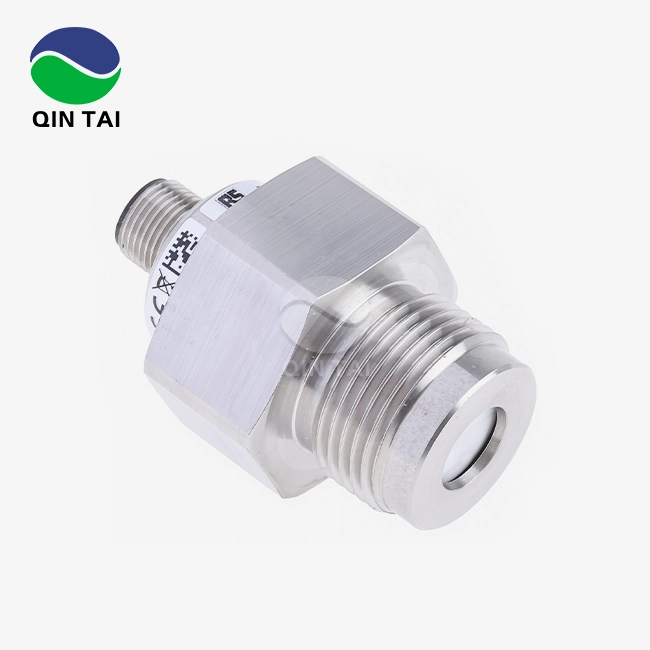
Qintai is a reliable company that makes capacitive pressure sensors. They have over twenty years of experience in their field and have proven they can produce large quantities of them for China's top diesel engine OEMs. Our QS-P105F customizable sensor platform meets the tough needs of emission control systems, hydraulic uses, and industrial equipment. We have ISO9001, IATF16949, and Ex grades that prove our quality systems and technical skills.
We know how hard it is to manage wait times while making sure quality, meet compliance standards while keeping costs low, and make sure long-term supply stability. Our full OEM/ODM services support your needs from the first meeting to mass production. They are backed by quick expert support and flexible customization that fits the specifics of your application. Email our engineering team at info@qt-sensor.com to talk about your particular needs, get technical paperwork, or set up a trial sample. Discover how working with a capacitive pressure sensor provider that offers real customization options and proven automotive-grade manufacturing can help you stay ahead of the competition by improving sensor performance and lowering your overall costs.
References
1. Zhang, W., & Liu, H. (2022). Advances in Capacitive Pressure Sensing Technologies for Automotive Applications. International Journal of Automotive Engineering, 15(3), 245-267.
2. European Commission Directorate-General for Internal Market. (2021). Heavy-Duty Vehicle Emission Standards and Testing Procedures: Technical Implementation Guidelines. Brussels: EU Publications Office.
3. Schmidt, R., & Patel, M. (2023). Customization Strategies in Industrial Sensor Manufacturing: Cost-Benefit Analysis for B2B Procurement. Journal of Manufacturing Technology Management, 34(2), 412-438.
4. Chen, Y., Wang, J., & Anderson, K. (2022). Material Selection for High-Temperature Pressure Sensors in Diesel Exhaust Systems. Sensors and Actuators A: Physical, 338, 113-129.
5. International Organization for Standardization. (2020). ISO 9001:2015 Quality Management Systems: Requirements and Implementation in Automotive Supply Chains. Geneva: ISO Press.
6. Thompson, D., & Kumar, S. (2023). Predictive Maintenance Applications Using Advanced Pressure Monitoring in Heavy Equipment. Industrial Equipment Maintenance Quarterly, 28(1), 78-94.

Our customers’ satisfaction speaks for our quality — contact us to experience the same reliable service.