- English
- French
- German
- Portuguese
- Spanish
- Russian
- Japanese
- Korean
- Arabic
- Greek
- German
- Turkish
- Italian
- Danish
- Romanian
- Indonesian
- Czech
- Afrikaans
- Swedish
- Polish
- Basque
- Catalan
- Esperanto
- Hindi
- Lao
- Albanian
- Amharic
- Armenian
- Azerbaijani
- Belarusian
- Bengali
- Bosnian
- Bulgarian
- Cebuano
- Chichewa
- Corsican
- Croatian
- Dutch
- Estonian
- Filipino
- Finnish
- Frisian
- Galician
- Georgian
- Gujarati
- Haitian
- Hausa
- Hawaiian
- Hebrew
- Hmong
- Hungarian
- Icelandic
- Igbo
- Javanese
- Kannada
- Kazakh
- Khmer
- Kurdish
- Kyrgyz
- Latin
- Latvian
- Lithuanian
- Luxembou..
- Macedonian
- Malagasy
- Malay
- Malayalam
- Maltese
- Maori
- Marathi
- Mongolian
- Burmese
- Nepali
- Norwegian
- Pashto
- Persian
- Punjabi
- Serbian
- Sesotho
- Sinhala
- Slovak
- Slovenian
- Somali
- Samoan
- Scots Gaelic
- Shona
- Sindhi
- Sundanese
- Swahili
- Tajik
- Tamil
- Telugu
- Thai
- Ukrainian
- Urdu
- Uzbek
- Vietnamese
- Welsh
- Xhosa
- Yiddish
- Yoruba
- Zulu
Top Features to Look for in a Urea Dosing Pressure Sensor
Urea dosing pressure sensors are essential for your selective catalytic reduction (SCR) system, which is what separates legal, efficient operations from costly downtime and fines from the government. These precise tools are used by modern diesel engines to keep an eye on the pressure of Diesel Exhaust Fluid (DEF or AdBlue) in dosing units. This allows for accurate injection that lowers nitrogen oxide (NOx) emissions to meet strict Euro VI and EPA Tier 4 Final standards. More and more, procurement managers and R&D engineers are under pressure to find parts that are accurate in measurements, resistant to chemicals, and easy to connect to a variety of SCR platforms. This guide looks at the most important qualities that make a sensor work well. It will help you make choices that balance technical needs with the need to keep costs low while also making sure that the system will work well in the long run.
Understanding Urea Dosing Pressure Sensors: Functions and Working Principles
A Urea dosing pressure sensor is an important part of SCR emission control systems because it measures the hydraulic pressure of DEF all the way from the pump to the injection nozzle. This real-time information is sent to the Dosing Control Unit (DCU) or the Engine Control Unit (ECU), which lets the exact amount of urea injected be controlled. If you don't keep an eye on the pressure properly, dose mistakes can cause NOx emissions that aren't legal, and too much pressure can damage parts and cause urea crystals to form, which block system pathways.
Core Operating Mechanisms
There are three main sensor systems on the market, and each one is best for a certain type of application. Piezoelectric sensors make electrical charges that are related to the pressure that is applied. They have very fast reaction times that make them perfect for engines that are always changing. Different types of capacitive sensors pick up changes in the dielectric spacing between electrical plates that are caused by pressure. These sensors give accurate readings over a wide temperature range. Resistive strain-gauge designs find mechanical stress in sensing elements and offer low-cost options for common business uses. Which of these technologies you choose will rely on your needs for response time, reliability in harsh environments, and system compatibility.
Application Across Industries
Heavy-duty trucks, building equipment, farm machinery, and stationary generator sets all rely on these sensors to make sure they don't break any emissions rules while they're running. Whether your fleet works in very high or very low temperatures or when your equipment is constantly being shaken, the monitor must always do its job. Knowing how different sensing technologies react to your working environment helps you choose the right parts so that they don't break down too soon.
Top 5 Features to Consider When Choosing a Urea Dosing Pressure Sensor
To choose the best sensor, you need to carefully look at its performance traits that have a direct effect on the SCR system's compliance and efficiency. The following characteristics are the main ways to tell the difference between reliable, production-ready parts and less-than-ideal options that could damage the system. The choice of a urea dosing pressure sensor requires systematic evaluation of these fundamental criteria.
Measurement Accuracy and Sensitivity
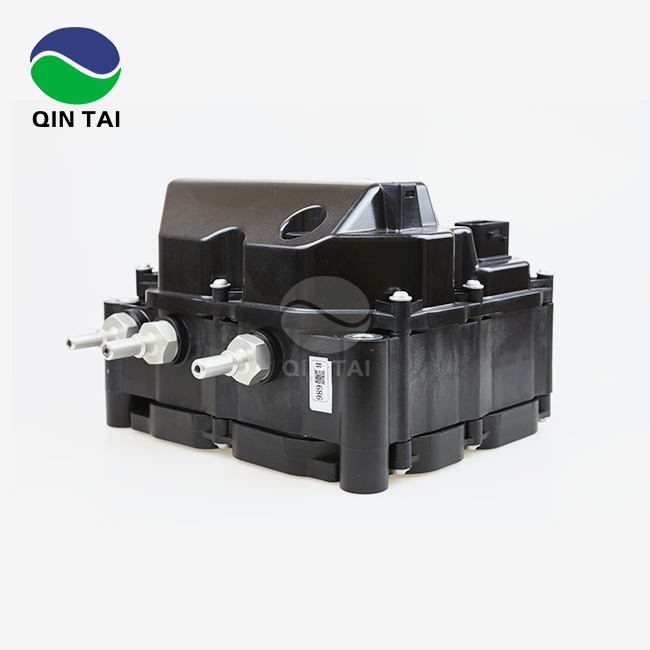
Accurate measuring is the key to controlling the amount of urea given. Sensors have to be accurate to within 0.5% of full-scale output over their whole working range, which is usually between -14 psi and +130.5 psi. This accuracy stops the wrong dose that causes diagnostic trouble codes (DTCs) and puts cars into limp mode, which lowers engine power. Our QS-P226 model meets this ±0.5% accuracy requirement by using self-developed sensor core technology that doesn't depend on the supply chain.
Because the unique sensing element stays calibrated over its entire service life, the original accuracy stays the same for 15,000 to 20,000 hours of use. When comparing different goods, make sure that the accuracy claims are true in all of the pressure and temperature ranges that your application will experience, not just in a lab setting.
Chemical Resistance and Environmental Durability
Urea is toxic and its volume increases by 9% when it freezes, so it needs to be compatible with a wide range of materials. High-quality sensors have wetted parts made of stainless steel that have special coats that don't break down when exposed to chemicals. The layout of the internal sensing room keeps dead-volume areas to a minimum, which are places where fluid builds up and clogs up the pressure diaphragms. Environmental sealing is also very important because it keeps electrical parts safe from wetness, dust, and changing temperatures.
The QS-P226 from Qintai has improved sealing that protects it from these environmental problems. It can keep working reliably in tough car circumstances. The internal buffering structure is flexible enough to handle freezing growth without damaging the machine. This is very important for equipment that works in cold regions or sits idle for long periods of time.
Response Time and Signal Stability
Real-time pressure tracking lets dosing changes be made right away, which keeps SCR performance at its best when engine conditions change quickly. The monitor has to react to changes in pressure within milliseconds and keep the control units informed. Signal stability is also very important, because output changes lead to irregular dosing that wastes DEF and lowers the catalyst's effectiveness.
Digital methods like SENT offer better noise immunity for places with a lot of electrical noise, while analog output sensors usually send 0.5 to 4.5 VDC ratiometric signals that work well with normal ECU inputs. The QS-P226 provides stable analog signals that allow accurate closed-loop dosing control. It also has constant tracking features that make it easy to respond quickly to changes in the system. When choosing sensors, make sure that the way they respond matches the needs of the control program for your SCR system.
System Integration and Compatibility
Integration that works smoothly with current SCR systems cuts down on costly redesigns and speeds up production times. Electrical links should have standard pinouts, and physical mounting connections should match standard thread specifications. For business use, M10x1 or M12x1.5 designs are most common. In addition to being mechanically compatible, the sensor's output data style must match what your ECU expects as an input.
Most commercial systems can work with a 5V supply power and an analog output, which makes connecting easy and doesn't need any extra signal conditioning. As the main OEM provider to Weichai Power, Yuchai Power, and Quanchai Power, Qintai has a lot of experience making sure that our sensors work well with a wide range of SCR systems. We allow modification of mounting connections and electrical parameters to meet the needs of a particular application. This gets rid of worries about compatibility that slow down project timelines.
Diagnostic Capabilities and Serviceability
Modern devices have self-diagnostic features that make it easier to find problems and lower the cost of upkeep. Integrated health tracking finds sensor drift, electrical flaws, and signal anomalies. This lets maintenance be planned ahead of time, which stops failures that come up out of the blue. The corrosion that leads to the P204B trouble code ("Urea Pressure Sensor Circuit Range/Performance") is stopped by gold-plated connector connections. This is a typical problem with low-quality parts.
Serviceability factors include mounting places that are easy to get to and allow repair without having to take the whole thing apart. Our QS-P226 has full diagnostic features that work with common ECU fault detection methods. Its simple installation design also cuts down on the cost of replacing labor. When used in aftermarket uses, these traits are especially useful because repair shops need parts that make service easier.
Comparing Urea Dosing Pressure Sensors: Making an Informed Procurement Decision
For effective procurement, you need to compare Urea dosing pressure sensor specs in a planned way with your business needs and your budget. This review method looks at both technical performance and cost to find the best options that provide the most value.
Evaluating Technical Specifications Versus Price
Premium sensors cost more at first, but they are more accurate, last longer, and can do more diagnostics, which lowers the long-term costs of ownership. When considering choices, you should add up all the costs over their whole life, such as the work for installation, the warranty, the estimated service life, and any costs for downtime that might come up because of premature failures. Even though it costs less up front, a sensor with ±0.5% accuracy and a 20,000-hour service life is often more cost-effective than a cheaper one with ±2% accuracy and a 10,000-hour service life.
Think about how important your application is—generator sets that power key infrastructure should have high-end parts, while aftermarket repair applications may be fine with mid-range specs. Clearly write down your needs, including the bare minimum for accuracy, working temperature range, pressure range, and environmental protection grades. This makes it easier to compare suppliers objectively and stops standard concessions during price talks.
OEM Versus Aftermarket Considerations
Original equipment sensors come with full tech support and warranty plans to make sure they fit and work perfectly. While aftermarket options may be cheaper, they need to be carefully checked to make sure they work with the original in terms of size, signal output, and material quality. Alternatives to OEM parts come from well-known resale sellers with large application files and quality certifications.
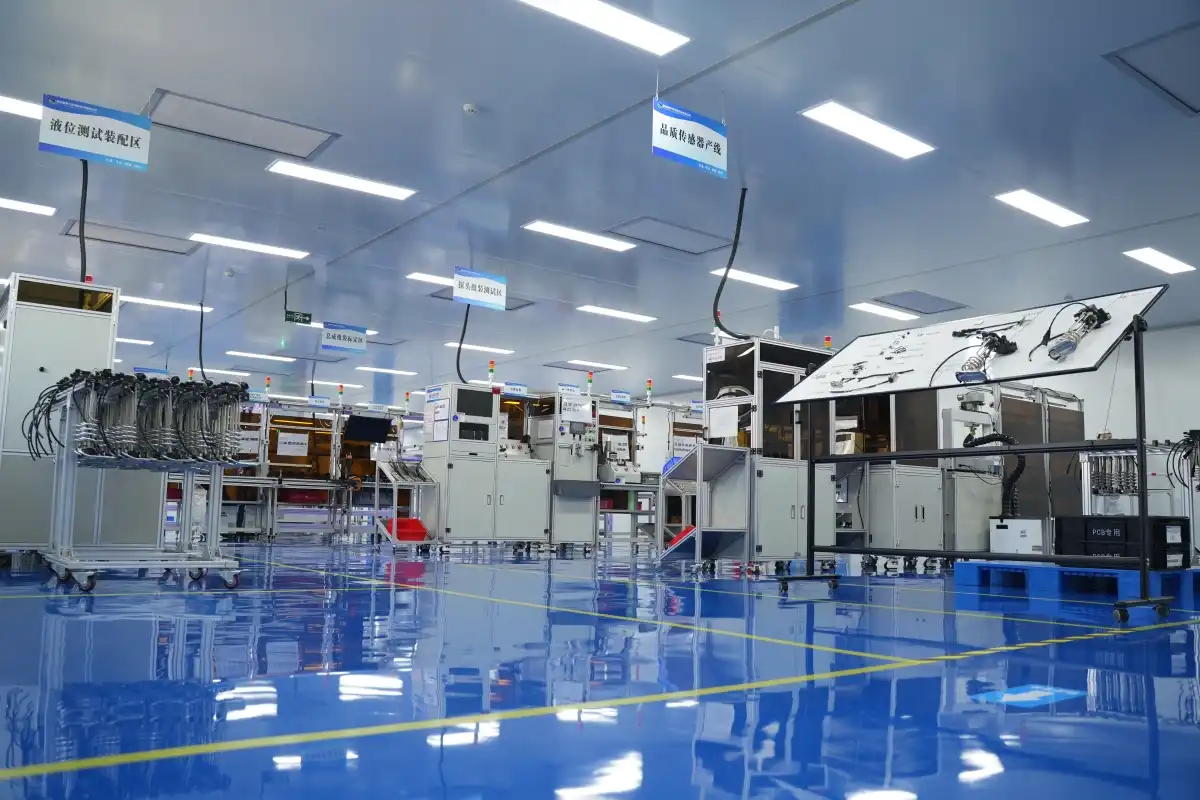
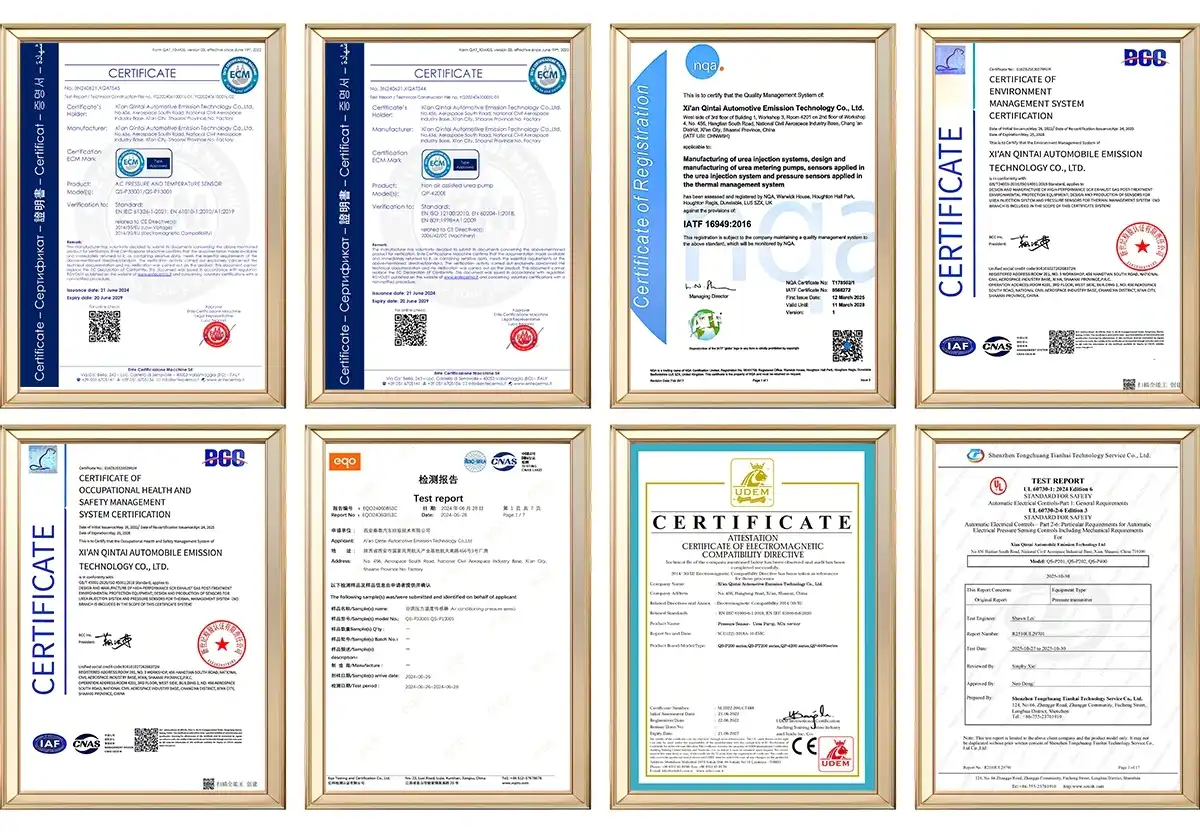
As a top OEM provider, Qintai makes sure that the quality of our sensors meets the standards for original equipment while also offering flexible prices for different order amounts. Our ISO9001 and IATF16949 standards show that our production process is consistent, and our 58 technology patents show that we are always coming up with new ways to improve emission control sensor technology.
Supplier Reliability and Support Infrastructure
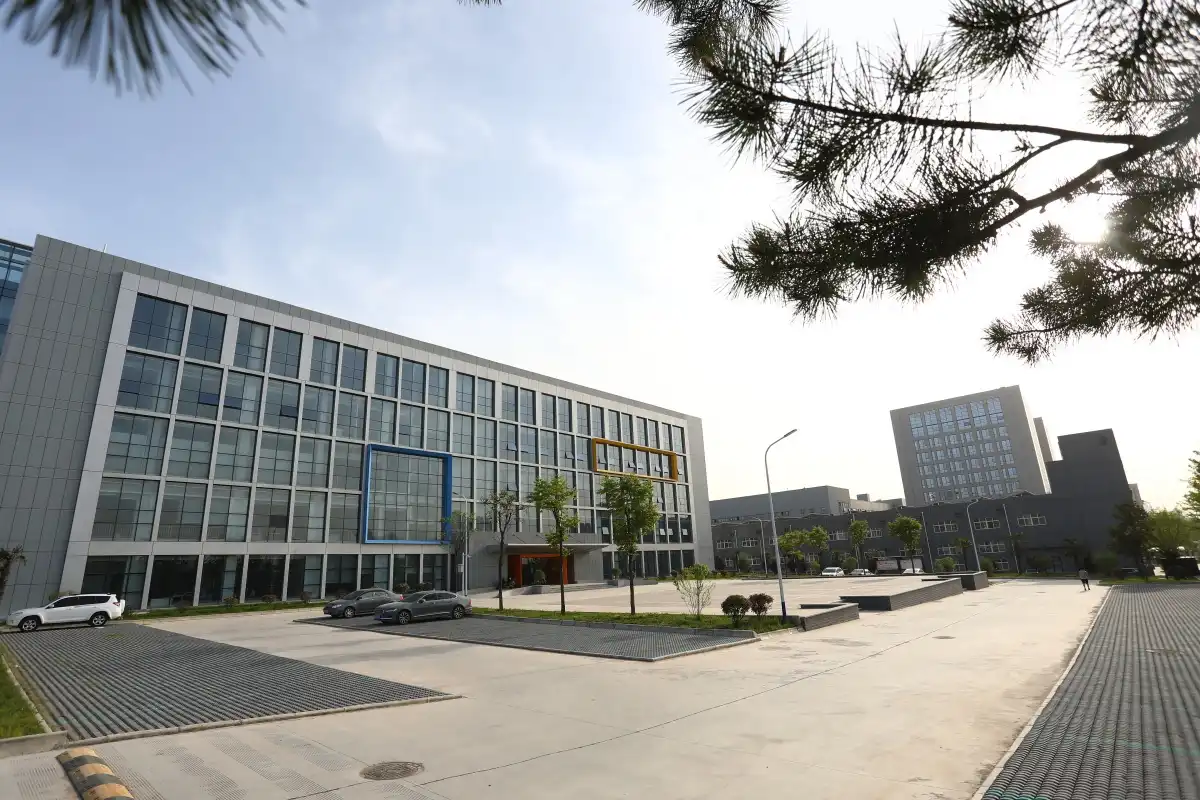
Beyond the requirements of the parts, the skills of the supplier have a big effect on the success of the project. Check the production ability of makers to make sure they can meet your volume needs without lowering the quality. Qintai makes more than two million sensors every year, which shows that we can handle big orders while still keeping high quality standards. The abundance of technical support affects how well problems are fixed and how much application engineering help is given.
Our 86-person R&D team gives full expert support during the whole process of buying and putting the system into action. Making sure deliveries happen on time affects planning production and keeping track of inventory. Set clear lead time standards and check the track records of your providers. Global delivery networks cut down on shipping delays and make it easier for customers to get help after the sale. These practical factors usually matter more than small price differences. This is especially true for OEM uses that need a lot of parts, since supply chain issues have a direct effect on production plans.
Maintenance Best Practices and Troubleshooting for Urea Dosing Pressure Sensors
Systematic repair routines make Urea dosing pressure sensors last longer and reduce the number of unexpected breakdowns that stop activities. Knowing the most common signs of a problem and what causes them lets you quickly figure out what's wrong and fix it.
Recognizing Common Failure Symptoms
Several visible signs show that the sensor is failing or degrading. If the pressure numbers change without any changes in the system, this could mean that there are problems with the data circuit or with the sensor element. Dosing system pressure DTCs that won't go away, especially P204B circuit range problems, are usually caused by sensor drift or connection corrosion.
Vehicles that go into limp mode and have less power output mean that all of the sensors have failed, which means that the dose control can't work properly. Incorrect pressure input that leads to incorrect injection amounts can cause DEF consumption problems, such as too much use or not enough reduction. By keeping an eye on these signs, you can take action before the whole system breaks down, which cuts down on fix costs and downtime.
Preventive Maintenance Procedures
Maintenance tasks done on a regular basis keep sensors working longer and keep measurement accuracy high. Every three months, check the electrical links for rust, water damage, or loose contacts that could mess up the signal. Use electrical contact cleaner to clean the pins on the connectors and dielectric grease to keep them from rusting in the future. Check the security of the fixing and make sure that the sensors stay properly torqued to avoid damage from vibrations and fluid leaks.
When you service SCR systems, you should replace any sensors that have been contaminated by chemicals or frozen urea that came into touch with DEF. Environment plays a big role in how long a sensor lasts. For example, high temperature changes, too much shaking, and chemical contact all speed up the breakdown process. Shorter repair times for equipment that works in harsh conditions keep it from breaking down in the middle of a job.
Diagnostic Procedures and Replacement Decisions
Follow systematic testing methods when you think a sensor is having problems. To fix power source issues, make sure the input voltage at the sensor connector is within the range required, which is usually 5V. Check the strength of the output signal over the whole range of working pressures and compare the results to the manufacturer's instructions.
Significant differences mean that the sensor needs to be replaced. Check for DEF leaks where the sensors are mounted, because dirt and dust from the outside can damage the electronics. Look at the sensor's age and working hours to see if it needs to be replaced even if there are no clear signs of failure. This is especially important as the rated service life limits get closer. It turns out that replacement is a better use of money than risking failures in service that could damage downstream SCR components or lead to regulatory violations.
Procurement Tips: Where and How to Buy Urea Dosing Pressure Sensors for Business Needs?
Strategic buying practices make sure that you can get reliable parts while also lowering costs and making sure that everything works together technically. To secure a consistent supply of Urea dosing pressure sensors, the following things should be thought about when making buying choices.
Identifying Qualified Suppliers
Work with makers who have quality qualifications that can be checked and experience in the field. Certifications like ISO9001 and IATF16949 show that quality control systems are in place, and UL, CE, REACH, and RoHS compliance shows that rules are being followed. Look at the list of customers that the providers have—long-term relationships with big OEMs are a good sign of their technical skills and dependability.
Qintai has relationships with China's top diesel engine makers, such as being the main seller to Weichai Power, Yuchai Power, and Quanchai Power. These partnerships show that we are technically competent and consistently produce high-quality goods. Ask for samples of the product to make sure that the specs meet the needs of your application. Check the warranty terms and the level of after-sales help to make sure that providers offer responsive technical support throughout the lifespan of the product.
Procurement Channel Selection
If you need to buy a lot of things or get help, different buying methods will give you different benefits. When you buy directly from the OEM, you get sure compatibility, full technical help, and a streamlined warranty process, but you may have to pay more. Authorized wholesalers find the best mix between selling real products at low prices and having stock in their own stores, which makes them perfect for moderate numbers and short lead times.
When buying in bulk and following set specs, wholesale outlets are best because they offer lower prices for standard parts. Check out each route based on your unique needs. For example, working directly with manufacturers can help with prototype development, while using distributor networks for better logistics may help with production buying. Set up two different ways to get important parts so that you can be sure of a steady supply from qualified other sources.
Building Strategic Partnerships
Long-term ties with suppliers have perks that go beyond just making purchases. Through collaborative relationships, you can get solutions that are specifically designed for your needs, as well as technology roadmap alignment for future product generations and priority allocation when supplies are low. Get manufacturers involved early on in the development process, and use their knowledge of how the product will be used to help you choose the best sensors and integrate them best.
Qintai's OEM and ODM services allow for full customization from product creation to mass production, making sure that the sensors exactly meet the needs of your system. Communication on a regular basis keeps people up to date on new technologies and changes in regulations that affect the specs of parts. When two parties talk about a volume promise, they set mutually beneficial goals for price, capacity allocation, and inventory management.
Conclusion
To choose the right Urea dosing pressure sensor, you need to carefully look at its measurement accuracy, how long it will last in different environments, how well it works with other systems, how well it can diagnose problems, and how reliable the provider is. The QS-P226 has these important qualities: it is accurate to within ±0.5%, it is well protected from the environment, it uses self-developed sensor core technology, and it has been tested to work with major SCR platforms.
As rules about emissions keep changing, working with seasoned makers that offer full technical support and customization options will make sure that your equipment stays in line while also improving overall efficiency. Buying things strategically, by balancing technical needs with lifetime costs, is more valuable than buying things based on price alone, which can hurt trustworthiness in the long run.
FAQ
What factors influence sensor accuracy over time?
There are several ways that sensor precision decreases. Chemicals in urea and its ingredients slowly eat away at wet surfaces, even if they have coats that protect them. When temperatures change, they put stress on sense elements, especially where they connect to the board. When urea crystallizes, it sticks to dirty pressure diaphragms and causes measurement mistakes. Signal filtering circuits are affected by the age of electrical parts. Better materials and construction in high-quality sensors like the QS-P226 keep these effects to a minimum, but the system needs to be checked and replaced every so often based on the service hour suggestions to stay accurate.
How often should sensors be calibrated or replaced?
Most sensors don't have the ability to be calibrated in the field, so they are changed instead of being calibrated again. For business use, the average time between services is between 15,000 and 20,000 working hours. Shorter gaps are better for equipment that has to deal with hard weather, a lot of thermal cycles, or a lot of vibration. Keep an eye on the system's performance signs and diagnostic codes; a rise in the number of pressure-related problems means the end of the product's useful life. It is cheaper to replace something before it breaks during planned repair than to replace it after it does break while it is still in use.
What happens when sensors fail in SCR systems?
Sensors that aren't working right stop ECUs from controlling the right amount of DEF, which stops the SCR system from working. To keep pollution from going over the limit, vehicles usually go into "limp mode" with less engine power. The amount of NOx pollution goes up a lot, which could be against the law. The ECU keeps troubleshooting trouble numbers that show where the problem is in the pressure sensor circuit. In safe mode, systems can stop AdBlue injection completely to keep parts from getting damaged by dosing that isn't managed. These effects show how important it is to have reliable sensors and plan ahead for replacements.
Partner with Qintai: Your Trusted Urea Dosing Pressure Sensor Manufacturer
Qintai offers tested sensor solutions backed by more than 20 years of experience in emission control and relationships with the world's top OEMs in the field. Our QS-P226 Urea dosing pressure sensor has a core technology that we created ourselves, strict quality standards, and all the approvals that are needed to work in the toughest environments. We make more than two million SCR sensors every year, making us China's top SCR sensor maker. We also offer creative customization to meet your unique needs.
We have a foothold in more than 60 countries around the world, and our expert help and delivery are always on time. Email our engineering team at info@qt-sensor.com to talk about your application needs, get full specifications, or get bulk prices for OEM integration. Qintai is the favorite source for major diesel engine makers because of its high quality and excellent customer service.
References
1. Johnson, R. & Martinez, P. (2022). "Advanced Sensor Technologies for Diesel Emission Control Systems." Automotive Engineering International, Volume 47, pp. 112-128.
2. Schmidt, K. (2021). "SCR System Optimization Through Precision Pressure Monitoring." Journal of Commercial Vehicle Technology, Issue 8, pp. 45-62.
3. Liu, H. & Wang, S. (2023). "Material Compatibility and Durability in Urea Dosing Components." International Journal of Automotive Technology, Volume 24, pp. 289-305.
4. European Automobile Manufacturers Association (2022). "Technical Requirements for Euro VI Emission Control Systems." ACEA Regulatory Standards Publication, pp. 67-84.
5. Thompson, D. (2021). "Lifecycle Cost Analysis of SCR System Components in Heavy-Duty Applications." SAE Technical Paper Series, Paper 2021-01-0543.
6. Industrial Emission Control Alliance (2023). "Best Practices for Sensor Selection and Maintenance in Diesel Aftertreatment Systems." IECA Technical Guidelines, pp. 33-51.
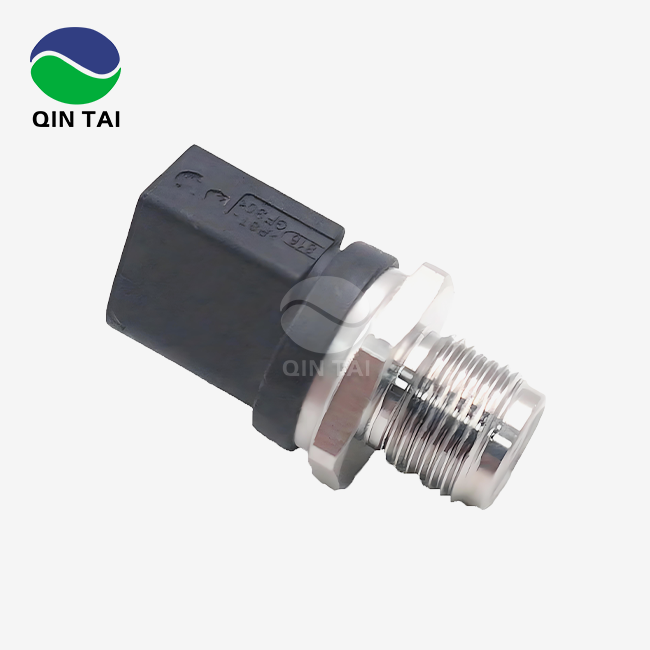
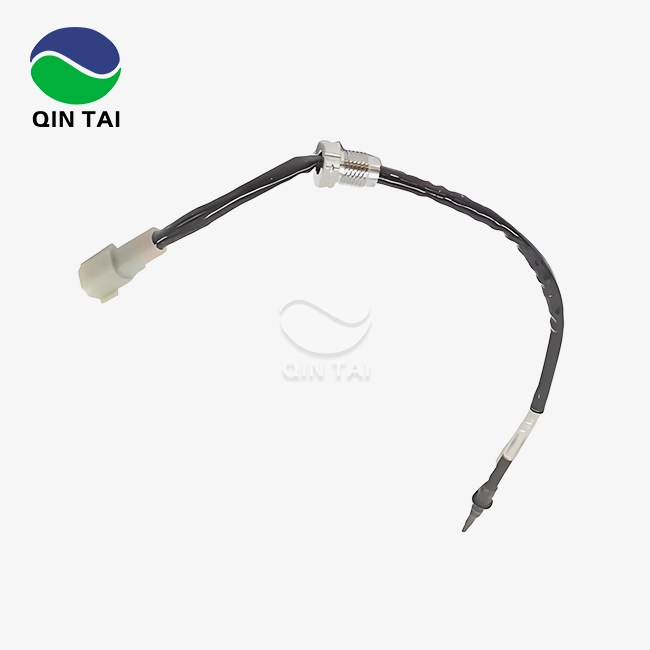
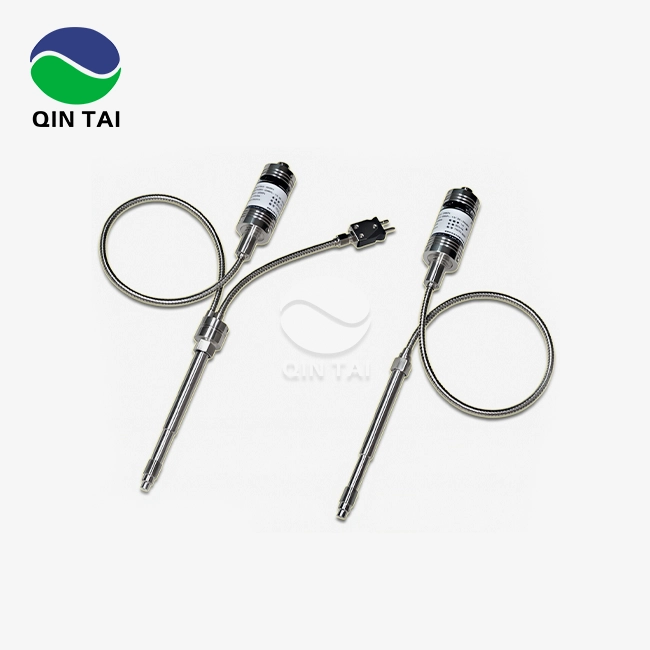

Our customers’ satisfaction speaks for our quality — contact us to experience the same reliable service.