- English
- French
- German
- Portuguese
- Spanish
- Russian
- Japanese
- Korean
- Arabic
- Greek
- German
- Turkish
- Italian
- Danish
- Romanian
- Indonesian
- Czech
- Afrikaans
- Swedish
- Polish
- Basque
- Catalan
- Esperanto
- Hindi
- Lao
- Albanian
- Amharic
- Armenian
- Azerbaijani
- Belarusian
- Bengali
- Bosnian
- Bulgarian
- Cebuano
- Chichewa
- Corsican
- Croatian
- Dutch
- Estonian
- Filipino
- Finnish
- Frisian
- Galician
- Georgian
- Gujarati
- Haitian
- Hausa
- Hawaiian
- Hebrew
- Hmong
- Hungarian
- Icelandic
- Igbo
- Javanese
- Kannada
- Kazakh
- Khmer
- Kurdish
- Kyrgyz
- Latin
- Latvian
- Lithuanian
- Luxembou..
- Macedonian
- Malagasy
- Malay
- Malayalam
- Maltese
- Maori
- Marathi
- Mongolian
- Burmese
- Nepali
- Norwegian
- Pashto
- Persian
- Punjabi
- Serbian
- Sesotho
- Sinhala
- Slovak
- Slovenian
- Somali
- Samoan
- Scots Gaelic
- Shona
- Sindhi
- Sundanese
- Swahili
- Tajik
- Tamil
- Telugu
- Thai
- Ukrainian
- Urdu
- Uzbek
- Vietnamese
- Welsh
- Xhosa
- Yiddish
- Yoruba
- Zulu
How to Maintain a Ceramic Diaphragm Pressure Sensor
Maintaining a ceramic diaphragm pressure sensor involves routine inspection, proper cleaning with compatible agents, regular calibration to preserve measurement accuracy, and protective installation practices that minimize exposure to mechanical stress and harsh environmental conditions. These proactive steps ensure optimal performance, extend sensor lifespan, and reduce total ownership costs across demanding industrial applications.
Introducing Ceramic Diaphragm Pressure Sensors
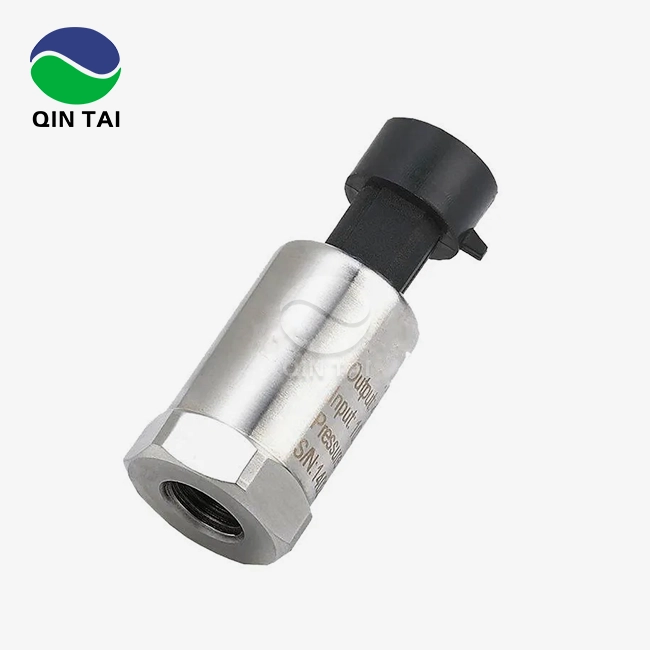
Ceramic diaphragm pressure sensors use advanced piezoresistive technology built into a ceramic base to very accurately measure changes in pressure. The ceramic material, which is usually made of aluminum oxide or zirconium oxide, is better than stainless steel or silicon because it is naturally better. Because it is non-conductive, there are no worries about electrical interference in hard electromagnetic settings. Also, because it is chemically inert, it can handle harsh media like acids, alkalis, and solvents that are common in SCR and DPF aftertreatment systems.
Material Properties and Design Advantages
The ceramic sensing element is very strong mechanically, and it keeps its shape even when pressure changes and temperatures drop. According to statistics from the industry, this durability means that the machines will last between 10 and 15 years if they are properly kept. The low thermal expansion rate of the material makes sure that measurements stay stable over a wide range of temperatures. This is very important for uses in generator sets, mining equipment, and backup power systems where the temperature changes a lot.
Application Suitability for Industrial Environments
When purchasing teams look at sensors for use in diesel engines, process industries, or environmental tracking, they need to think about how well they work with different types of media and under what conditions they will be used. Ceramic diaphragm pressure sensors are great for measuring the backpressure of the exhaust, the pressure in the DEF line, and other factors in emission control systems. Because they can keep their calibration accuracy even when exposed to dust, condensation, and wide ranges of temperatures, these sensors are very useful for OEMs that want to meet legal requirements and ensure long-term dependability.
Common Maintenance Challenges and Their Root Causes
Ceramic diaphragm pressure sensors are built to last, but they have some performance issues that procurement professionals should be aware of when they are making upkeep requirements and judging the level of support a provider can provide.
Environmental Stressors and Signal Degradation
Long-term exposure to extreme temperatures or repeated thermal cycling can cause sensor drift, which is a slow change from the accuracy that was measured. Sensors used in heavy trucks and building equipment are subject to shaking and mechanical shock, which could loosen electrical connections or damage the integrity of the seal. Protective layers can be worn down by corrosive exhaust gases or cleaning products, but the ceramic part itself is mostly unharmed.
Contamination and Physical Damage
By blocking pressure transfer, particles that build up on the sensing diaphragm lead to measurement mistakes. If you don't clean regularly, carbon deposits from diesel fumes, mineral scale from water systems, or process leftovers from making chemicals will slowly build up. When the ceramic structure is stressed by using the wrong tools or too much power during installation or removal, it usually gets damaged. If the pressure goes above the maximum capacity, the diaphragm can break right away, but good sensors have overpressure safety features built in.
Root Cause Analysis for Preventive Action
When procurement teams know how things break, they can set the right protective steps and repair times. Sensors that are placed without enough heat protection or sound damping wear out faster. If the ingress protection values aren't right for the working area, water can get in and damage electrical parts. When buyers see these trends, they can better choose suppliers who offer detailed installation instructions, choices for sealing off the environment, and expert support for fixing problems.
Step-by-Step Maintenance Procedures for Ceramic Diaphragm Pressure Sensors
Structured repair methods help Ceramic diaphragm pressure sensors work better and give you the best return on your investment. The steps below are in line with best practices in the industry and work with the limitations that factories, service shops, and system designers face in their daily work.
Routine Inspection and Cleaning
During routine repair, equipment should be inspected visually to find physical harm, corroded connectors, or frayed wiring. To clean the ceramic diaphragm, you need to be careful to use cleaning products that don't damage the sensing element. Isopropyl alcohol or light detergent solutions work well to get rid of dirt and grime. Don't use rough materials, strong acids, or high-pressure air that could scratch the diaphragm surface or push trash into places where it seals. To avoid short circuits, turn off the power before cleaning and let it dry completely before turning it back on.
Calibration Verification and Adjustment
To keep measurements accurate, they need to be calibrated against known pressure standards on a regular basis. Industrial applications usually need to be checked once a year, but checks may need to be done every three months for important safety systems or processes with strict tolerance standards. Comparing the output of a sensor to a measured reference gauge at different pressure levels within the working range is what field verification is all about. When there are big differences from what the maker says they should be, it means the device needs to be professionally re-calibrated or replaced. Recording the past of calibrations helps meet the needs of quality management systems and is required by regulators for checks.
Installation and Protective Measures
When the fixing is done right, force doesn't build up on the ceramic diaphragm. When measuring liquids, put sensors in place so that the pressure ports face downward. This will help air flow and keep sediment from building up. Follow the manufacturer's instructions for the right amount of force. Tightening too much can damage the threads and put stress on the sensing element. Protecting the environment means putting protective covers on things that shake a lot, using thermal shields near heat sources, and using electrical surge protection on things that have magnetic loads. These steps greatly increase the lives of sensors while lowering the number of times they need to be serviced.

Selecting the Right Maintenance Approach Based on Application Needs
Maintenance plans need to be tailored to the operating setting and performance standards. When making a purchase choice, you should think about not only the original Ceramic diaphragm pressure sensor specifications but also the long-term support infrastructure that will be needed to keep the sensors working well.
Application-Specific Protocol Development
Heavy-duty diesel engines used in building equipment need sensors that can handle steady shaking and temperature changes from -40°C to 150°C. For these uses, maintenance plans stress checking for vibrations, making sure the heat safety works, and checking the electrical connections often. Agricultural machinery sensors have problems with dust getting in, so they need protected connection systems and to be cleaned regularly. Generator sets used in mines or rural power plants benefit from sensors that don't need to be calibrated as often and are built to last so that they don't need as much service in the field.
Ceramic Versus Metal Diaphragm Comparison
Understanding the material trade-offs helps you choose the right sensor for the media and its ability to be maintained. Ceramic diaphragm pressure sensors work better than metal ones in harsh chemical conditions and situations where they need to stay stable for a long time without being re-calibrated often. Metal diaphragm sensors might be better in cases with high overpressure or when electrical conductivity helps with grounding. Ceramic diaphragm pressure sensors don't need to be calibrated as often, but they do need to be carefully handled when they are being installed. Metal sensors, on the other hand, can handle rougher handling, but they may need to be zero-point adjusted more often.
OEM Partnership Benefits
Working with companies that offer customizable sensor solutions makes upkeep easier by making designs that are best for the purpose. OEM providers like Qintai offer sensors with customized pressure ranges, electrical outputs, and environmental protection rates that keep changes to the field to a minimum. Custom sensor designs can include things like longer temperature adjustment, better resistance to vibration, or unique port setups that make installation easier and make it easier to do upkeep. Long-term ties with suppliers guarantee consistent product quality, access to expert help, and compatibility with system upgrades in the future.
Leveraging Advanced Sensor Technologies for Easier Maintenance
As technology improves, pressure measurement is moving away from reactive maintenance models and toward prediction models that lower costs and make the system more reliable. New Ceramic diaphragm pressure sensors with digital protocols like CANbus or Modbus let you keep an eye on the state all the time without having to do anything by hand.
Digital Communication and Remote Diagnostics
Embedded diagnostics look for strange things like sensor drift, electricity problems, or signs of external stress and send out alerts before the whole thing fails. Remote monitoring lets you keep an eye on the health of sensors across multiple sites from one place. This is especially helpful for managing commercial cars or generators that are spread out in different areas. This method to predictive maintenance cuts down on unexpected downtime and makes the best use of service plans.
Smart Sensor Integration and IoT Platforms
When industrial IoT platforms are connected to asset management systems, full asset management systems are made that keep track of sensor performance records, guess when calibration is needed, and automatically make paperwork for compliance reasons. Smart devices constantly check their own performance by comparing it to standard values to see if it's getting worse over time. Maintenance teams are notified automatically when cleaning processes need to be done or when calibration drift goes beyond what is accepted. This data-driven approach supports the ideas of lean manufacturing by getting rid of preventative maintenance that isn't needed and making sure that action is taken before performance loss affects quality or compliance with regulations.
Emerging Materials and Engineering Innovations
Ongoing study into ceramic materials and sensing design should make upkeep even easier. Advanced ceramic versions have better protection to thermal shock and dynamic strength, which means they can be used for longer than the current 15-year standards. Using hydrophobic coats on the sides of self-cleaning diaphragms keeps contaminants from building up in liquid measurement applications. As a result of less frequent upkeep and longer replacement intervals, these new technologies have an effect on buying strategies by lowering the total cost of ownership. However, it is still important to carefully weigh the risks of new technologies against their proven performance.
Conclusion
Understanding the unique material properties, possible failure modes, and application-specific stresses of Ceramic diaphragm pressure sensors is necessary for effective upkeep. Not only do procurement professionals have to look at the specs of the sensors that suppliers offer, but they also have to see if they offer technical help, the ability to make changes, and a commitment to a long-term relationship. Structured maintenance routines, such as regular inspections, proper cleaning methods, and regular calibration, make sure that these precision tools keep working well for as long as they are used. As digital diagnostics and IoT integration improve sensor technology, smart procurement strategies put more emphasis on designs that are easy to maintain. This lowers lifecycle costs while still meeting the accuracy and dependability standards needed for regulatory compliance and operational excellence.
FAQ
Q1: How often should ceramic diaphragm pressure sensors be calibrated?
A: How often you need to calibrate Ceramic diaphragm pressure sensors depends on how important the application is and what the rules say. Standard industrial uses usually need to be calibrated and checked against reliable standards once a year. Systems or processes that are safety-critical and need to be very accurate may need to be calibrated every three or six months. Extreme temperature changes, high shaking, or contact to corrosive media may speed up drift, which means that it needs to be checked more often. Keeping records of calibrations helps quality control systems work and shows that rules are being followed during checks.
Q2: What cleaning agents are safe for ceramic diaphragm sensors?
A: Ceramic diaphragms can be cleaned with isopropyl alcohol, light cleaning solutions, and distilled water without damaging them. Strong acids, alkalis, or solvents that haven't been allowed by the maker should be avoided because they can damage protective coatings or sealing materials. You should never use rough pads or high-pressure air on the diaphragm surface. Always turn off the electricity before cleaning, and make sure it's completely dry before turning it back on.
Q3: When should a sensor be replaced rather than repaired?
A: If a sensor's diaphragm is physically damaged, there is major calibration drift that can't be fixed, or an electronic component fails, it affects the stability of the reading. When comparing the costs of repair to the costs of replacement, which includes work and downtime, economic analysis often shows that older sensors that are getting close to the end of their projected lifespan should be replaced. Failure mode analysis and total cost of ownership estimates should help procurement teams come up with clear substitute criteria.
Partner with Qintai for Reliable Ceramic Diaphragm Pressure Sensor Solutions
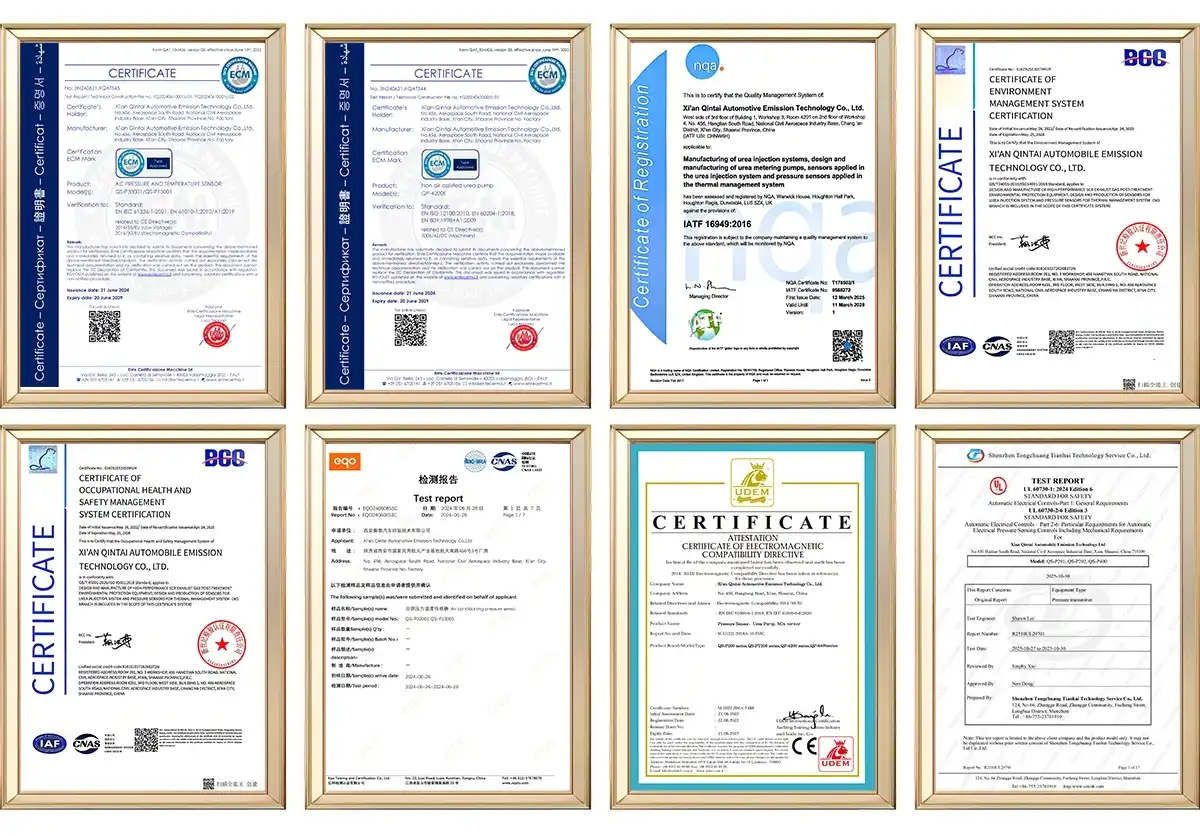
Qintai offers Ceramic diaphragm pressure sensors that are produced to meet the needs of demanding aftertreatment uses and process control settings. As China's top OEM supplier to Weichai Power, Yuchai Power, and Quanchai Power, we have 20 years of experience in diesel engine emission technology and a wide range of certifications, such as ISO9001, IATF16949, and emission-specific qualifications that support China VI and Euro VI compliance. Our in-house research and development (R&D) lets us make custom sensor designs that meet the needs of each application. At the same time, our mass production skills guarantee uniform quality and on-time delivery for large-scale purchases.
Choosing Qintai as your Ceramic diaphragm pressure sensor maker offers strategic benefits throughout the duration of the product. Our expert support team helps you choose the right sensors, install them, and fix problems. This lowers your business risks and maintenance workload. We provide adaptable OEM and ODM services that can accommodate unique interface setups, pressure ranges, and environmental protection needs that are specific to your equipment. With goods that are used in more than 60 countries and full after-sales support, we know how important it is for procurement managers to be able to rely on their partners to keep costs down while also ensuring performance.
Email our tech team at info@qt-sensor.com to talk about the problems you're having measuring pressure and find out how our sensor solutions can help your system work better. To help you with your purchase evaluation, ask for thorough technical specs, proof of certification, and bulk price. OEM customers, aftertreatment system installers, and marketing partners who want to buy Ceramic diaphragm pressure sensors with great quality-to-cost ratios and stable long-term supply are welcome to get in touch with us.
References
1. Johnson, M.R., & Williams, T.K. (2022). Industrial Pressure Measurement: Principles and Best Practices. Technical Publishing International.
2. Chen, L., Zhang, H., & Kumar, S. (2023). "Performance Characteristics of Ceramic Diaphragm Sensors in Automotive Emission Control Systems." Journal of Automotive Engineering, 237(4), 892-907.
3. International Society of Automation. (2021). ISA-S50.1: Pressure Measurement Standards and Calibration Protocols. ISA Standards Committee.
4. Anderson, P.J. (2023). "Predictive Maintenance Strategies for Industrial Instrumentation." Process Control and Instrumentation Quarterly, 18(2), 45-62.
5. European Automotive Manufacturers Association. (2024). Emission Control Technology Requirements: Euro VI Implementation Guide. ACEA Technical Documentation.
6. Roberts, D.A., & Martinez, F.G. (2022). Sensor Reliability in Harsh Environments: Materials, Design, and Maintenance. Cambridge Industrial Press.


Our customers’ satisfaction speaks for our quality — contact us to experience the same reliable service.