- English
- French
- German
- Portuguese
- Spanish
- Russian
- Japanese
- Korean
- Arabic
- Greek
- German
- Turkish
- Italian
- Danish
- Romanian
- Indonesian
- Czech
- Afrikaans
- Swedish
- Polish
- Basque
- Catalan
- Esperanto
- Hindi
- Lao
- Albanian
- Amharic
- Armenian
- Azerbaijani
- Belarusian
- Bengali
- Bosnian
- Bulgarian
- Cebuano
- Chichewa
- Corsican
- Croatian
- Dutch
- Estonian
- Filipino
- Finnish
- Frisian
- Galician
- Georgian
- Gujarati
- Haitian
- Hausa
- Hawaiian
- Hebrew
- Hmong
- Hungarian
- Icelandic
- Igbo
- Javanese
- Kannada
- Kazakh
- Khmer
- Kurdish
- Kyrgyz
- Latin
- Latvian
- Lithuanian
- Luxembou..
- Macedonian
- Malagasy
- Malay
- Malayalam
- Maltese
- Maori
- Marathi
- Mongolian
- Burmese
- Nepali
- Norwegian
- Pashto
- Persian
- Punjabi
- Serbian
- Sesotho
- Sinhala
- Slovak
- Slovenian
- Somali
- Samoan
- Scots Gaelic
- Shona
- Sindhi
- Sundanese
- Swahili
- Tajik
- Tamil
- Telugu
- Thai
- Ukrainian
- Urdu
- Uzbek
- Vietnamese
- Welsh
- Xhosa
- Yiddish
- Yoruba
- Zulu
Can you clean a nox sensor
In some situations, it is theoretically possible to clean a NOx sensor, but the process rarely gives solid long-term results. These high-tech pollution monitors have delicate zirconia ceramic parts that become less accurate when they get soot, carbon deposits, or chemical leftovers on them. To save money, some repair teams try washing the sensors, but this usually only makes things better temporarily. Most experts who work with diesel engines say that replacing them is better than cleaning them to stay in line with regulations and keep measurements accurate. The choice depends on how dirty the sensors are, how long they've been used, their working needs, and whether your emission control system can handle a possible drop in accuracy during the transition time.
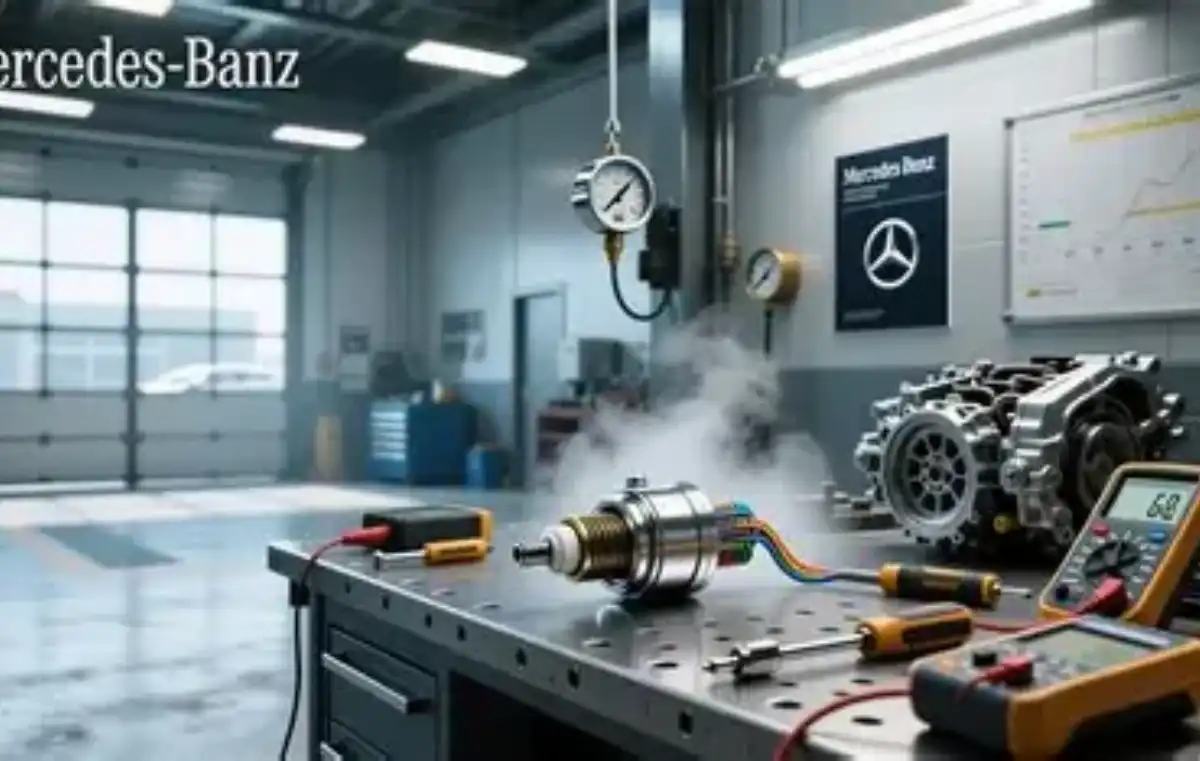
Understanding NOx Sensors and Their Function
Modern diesel pollution control systems have NOx sensors that constantly check the composition of exhaust gases to make sure engines meet ever stricter environmental standards. These unique devices are very different from regular oxygen monitors because they focus on specific nitrogen oxide molecules. These are the dangerous results of high-temperature combustion that cause smog and respiratory health problems.
Why These Sensors Matter for Compliance?
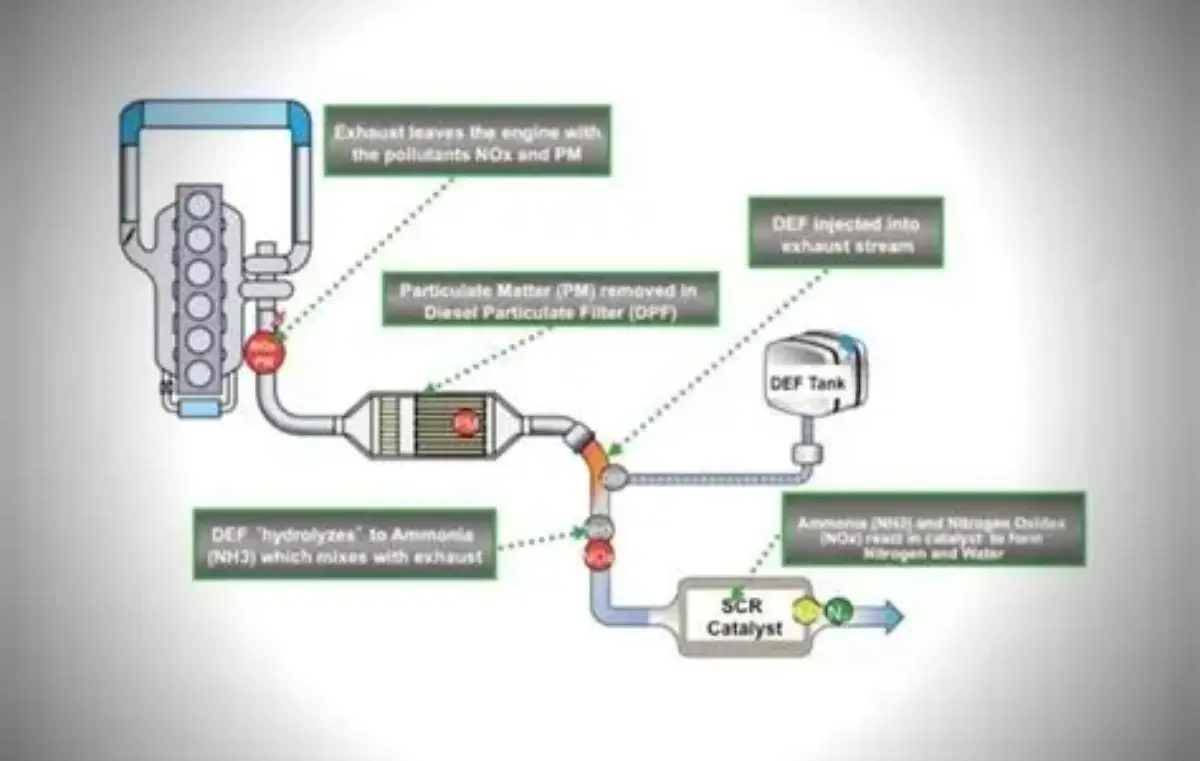
Regulations like the EPA 2010 standards in the US and the Euro VI rules in foreign markets require close monitoring of nitrogen oxides in the whole exhaust stream. To get the most out of Selective Catalytic Reduction (SCR) systems, heavy-duty trucks, building equipment, farm equipment, and stationary generator sets all need correct measurements. When these sensors report the amount of nitrogen oxide in the air, the engine control unit figures out how much Diesel Exhaust Fluid is needed to chemically change the dangerous fumes into nitrogen and water vapor, which are safe.
The upstream sensor is usually placed near the exit of the turbocharger and measures the raw pollution from the engine before any aftertreatment is done. At the same time, the monitor further downstream confirms that the SCR system is working properly by showing that the amounts of nitrogen oxide have dropped to safe levels. With these two sensors, a closed-loop feedback system is made that constantly changes the amount of DEF injected based on the conditions of the exhaust in real time.
Sensor Technology and Construction
Modern NOx sensors use yttria-stabilized zirconia ceramic cells and electrochemical sensing to work. These parts work at high temperatures, usually between 100°C and 800°C, to keep the solid electrolyte qualities needed for ions to move. The sensor is made up of several chambers. First, an oxygen pump cell keeps the amount of oxygen in the air at a set level. Then, a secondary sensing cell measures nitrogen oxide by breaking it down catalytically and picking up the oxygen ions that are left over through a current that is proportional to the concentration.
The complex structure of these sensors is what makes them more expensive than regular oxygen monitors and causes such big problems with contamination. The ceramic elements, built-in heater circuits, and signal processing electronics must stay precisely calibrated so that readings are accurate within certain ranges, usually ±10ppm for low amounts and ±10–15% for higher readings.
Can You Clean a NOx Sensor? Exploring the Possibilities
Maintenance managers and buying teams are trying to figure out if cleaning is a good way to save money or if it's just a waste of time and money that puts emission standards and engine performance at risk.
Sources of Sensor Contamination
Diesel exhaust is very dangerous because it contains unburned hydrocarbons, sulfur compounds, ash from lubricating oil, and phosphorus from fuel additives. Sensors are constantly exposed to these substances. Over time, these impurities build up on the sensor's surface and get into the clay holes, making insulating layers that stop electrochemical reactions from happening. This process is sped up by sitting for too long, doing too many renewal cycles, using bad fuel, and using too much oil.
Carbon buildup usually shows up as sooty, black layers on the sensor tip. Poisoning with sulfur makes whitish-gray bands on the surface that change the properties of ceramics forever. Lead contamination, which happens less often with current ultra-low-sulfur diesel, can damage the catalyst layers needed for nitrogen oxide breakdown in a way that can't be fixed.
When Cleaning Might Work
In some situations, careful cleaning may be able to briefly restore some functions. Light surface contamination from recent contact to too much soot during regeneration events can sometimes be removed with gentle means. Some fleet repair companies say they have some success cleaning sensors with special zirconia ceramic-based treatments, but the results are very different depending on the type and level of contamination.
A trucking company in the Midwest wrote about a case where sensors were temporarily contaminated by a broken EGR valve. After chemical cleaning, the sensors only got slightly better. The sensors got back about 60–70% of their original reaction qualities, which means they can work for a few more weeks before they need to be replaced. Even though this result wasn't ideal, it did let the fleet replace a lot of sensors at once during routine maintenance instead of having to make fixes on the side of the road.
Why Cleaning Usually Fails?
The harsh truth that most cleaning efforts face comes from the way sensors are built in general. In contrast to spark plugs and other parts that are usable and made of strong metal, NOx sensors have fragile ceramic structures that break easily when subjected to mechanical stress or sudden changes in temperature. Popular ways to clean, like wire brushing, sandblasting, or harsh scrubbing, will always damage these fragile parts, lowering their performance below what it was before the cleaning.
There are more risks with chemical agents. Some special formulas say they can get rid of carbon deposits without hurting ceramics, but a lot of common degreasers and carburetor cleaners have chemicals in them that poison the catalyst coats or leave behind leftovers that mess up electrochemical processes. Even cleaning jobs that are meant to be successful often leave sensors with strange signal behavior, slow response times, or calibration drift. All of these problems can cause diagnostic trouble codes and even engine deration. Using a controlled torch to clean with heat has the potential to fail catastrophically. Uneven heating almost always causes thermal shocks that break the ceramic surfaces or hurt the built-in heater elements and wires inside. What looks like a simple cleaning job turns into an expensive lesson in why sensors need to be replaced.

NOx Sensor Maintenance Strategies for Commercial Fleets
When it comes to cost, proactive repair methods are better than reactive cleaning or emergency replacements. Knowing what to expect from a sensor's lifetime and taking preventative steps can make it last a lot longer while still meeting emission standards.
Preventive Maintenance Best Practices
If fleet managers want to make sensors last as long as possible, they should set up systematic checking processes for when the sensors are serviced regularly. By looking at sensor connections visually for signs of rust, water getting in, or physical damage, problems can be caught early on, before they become system failures. When you use a diagnostic scan tool to look at sensor voltage patterns, heater circuit resistance, and response time features, you can tell right away if performance is getting worse.
Operational factors have a big effect on how long a sensor lasts. Using high-quality ultra-low-sulfur fuel from dependable sources lowers the risk of contamination. Maintaining the right engine oil specs and stopping oil loss through regular repair of the turbocharger system, piston rings, and valve seals lowers the buildup of ash. Fixing exhaust leaks right away stops false air from entering, which changes sensor data and sets off trouble codes that aren't needed. Pay special attention to DEF quality. When urea solution gets dirty or breaks down, it leaves behind solid crystals all over the SCR system, even on the sensor surfaces. Many sensor problems can be avoided by buying DEF that meets ISO 22241 standards from approved sources and storing it correctly.
Diagnostic Troubleshooting Guide
When sensor-related error codes show up, a methodical repair process figures out whether the right action is to clean, calibrate, or replace the sensor. First, make sure the basic electrical integrity by checking the state of the connector pins, reading the heater circuit resistance (which is usually between 2 and 8 ohms, based on the design of the sensor), and making sure there is enough voltage. Many NOx sensor failures that look like they are caused by broken wire harnesses or links that have become corroded.
Next, compare the numbers from the upstream and downstream sensors when everything is working normally. The upstream monitor should read much higher levels of nitrogen oxide than the downstream unit. The difference should show how well the SCR is working to convert the gases. If the readings from both sensors are about the same, the issue is probably with the SCR system and not with the sensors themselves. Instead, if one sensor gives very different data while the other seems normal, you should pay close attention to the sensor that is different. Response time testing is a useful way to find out what's wrong. When the engine goes from being idle to being under modest load, NOx sensors that are working properly should show that the exhaust conditions have changed within 1400 milliseconds. A slow reaction could mean that there is pollution or damage that cleaning rarely fixes properly.
Cost-Benefit Analysis: Cleaning vs. Replacement
When making financial decisions, people should weigh the short-term cost savings against the long-term risks to dependability and compliance. Aftermarket replacement sensors usually cost between $180 and $350 per unit, based on the application. OEM sensors, on the other hand, cost $400 to $650 more per unit but come with a maker guarantee and have been tested to make sure they work with your vehicle. Cleaning materials and work could cost $50 to $80 per sensor, which would save $130 to $300.
But this analysis is less positive when cleaning failure rates are taken into account. According to data from the industry, these rates can reach over 60% within three months. Cleaning efforts that don't work waste both the money spent on cleaning and the time spent removing, installing, and checking for problems. More importantly, sensors that don't work well after being cleaned may give wrong results that lead to too much DEF use, bad SCR operation, or failed emissions tests, all of which are much more expensive than just replacing the sensors.
Fleet operations that are in charge of many cars can save money by making bulk purchases from dependable sensor makers that offer consistent quality and technical support. The total cost of ownership is lower when you work with providers who keep enough stock on hand, deliver quickly, and offer full warranty terms. This is better than trying to clean sensors one at a time in a variety of situations.
Selecting the Right NOx Sensor for Your Fleet or OEM Needs
Long-term success of an emission system depends on the procurement choices that are made while keeping performance needs, budget limits, and supply chain stability in mind.
Performance Specifications That Matter
Specifications for measurement range and accuracy need to be carefully thought through when looking at different sensor choices. Good sensors should be able to measure between 0 and 2500 parts per million of nitrogen oxide, with a range of ±10 parts per million for low amounts and ±10 to 15 percent for intermediate levels. Oxygen levels can be measured from 0% to 21% accurately, allowing for a full study of exhaust gases. Response time requirements below 1400 milliseconds make sure that the SCR system responds quickly to changes in the engine.
For heavy-duty uses, temperature tolerance is very important. Sensors have to be able to handle temperatures in exhaust gases ranging from -40°C to 800°C and still stay calibrated. Cable systems should be able to handle temperatures ranging from -40°C to 200°C without losing their insulation or connectors breaking. Sensor attachment threads, which are usually M20x1.5, must fit into exhaust system holes without needing to be changed.
Evaluating Xi'an Qintai's Advanced Solutions
Taking into account recent changes in the market, Qintai NOx sensors offer performance traits that meet common fleet management issues. With reaction times of less than 1400 milliseconds, these units make sure that SCR systems can quickly adjust to different exhaust conditions and load patterns. The extended service life standard of 6000 hours is longer than the usual industry benchmarks of 4000-5000 hours. This means that the product will need to be replaced less often and cost less over its lifetime. The success of startups is worth mentioning.
Normal sensors need at least 165 seconds to hit operating temperature and start giving accurate data. Qintai's light-off technology starts working much faster. This quick start-up lowers cold-start emissions during the important warm-up phase, which is when SCR systems usually don't work as well as they could.
The sealed waterproof design keeps water from getting into the electronics, which can go wrong in wet work areas or when pressure washing is done for maintenance. Different placement needs can be met by cables of different lengths and connectors that can be changed. This is useful for heavy trucks, building equipment, farm machinery, and generator sets. Resistance to sulfur and lead poisoning increases operating life in places with poor fuel quality. Ultra-low sulfur diesel in North America makes these worries less important, but foreign markets and old fuel sources can speed up sensor degradation. Better resistance to poisoning means that measurements stay accurate even when exposed to contaminants that quickly damage regular sensors.
Compatibility and Integration Considerations
To choose the right sensors, you need to make sure they work with certain engine models and emission control systems. Different communication methods and diagnostic expectations are used by major diesel engine makers like Cummins, Detroit Diesel, Paccar, and Navistar. Sensors need to work with these systems without any problems and send signs that the engine control unit can understand.
Qintai sensors work with more than 300 different communication protocols, which makes it easy to integrate them with a wide range of OEM platforms without having to create special software or go through calibration processes. This flexibility is especially helpful for businesses that manage cars from different makers or for aftertreatment system developers who have to come up with solutions for a wide range of customer needs. Appearance compatibility with popular OEM goods makes keeping track of parts and getting technicians familiar with them easier. When new sensors look and work like the originals and are installed using the same steps, less training is needed and installation mistakes are less likely to happen.
Conclusion
There isn't a simple answer to the question of whether NOx sensors can be cleaned. It is technically possible in some situations, but cleaning them rarely gives diesel operations the stability and accuracy they need to meet emission standards. Because these important emission tracking devices are made of high-tech ceramics and are precisely calibrated, pollution usually means that they need to be replaced instead of being cleaned. Fleet managers and OEM buying teams get better results when they use preventative maintenance plans, choose high-quality sensors from makers with a track record of technical skill, and build relationships with providers who can provide full support. When you look at cleaning failure rates, compliance risks, and operating disruptions caused by unreliable emission tracking, the small difference in starting cost between cleaning tries and quality replacement sensors goes away very fast.
FAQ
Q1: Can cleaning restore a contaminated sensor to original performance?
A: Cleaning can sometimes temporarily restore some of the performance, but it's still unlikely to get back to full performance because most contamination methods are permanent. Toxic chemicals like sulfur or lead compounds can permanently change the way ceramics work, and carbon deposits often get deep into porous structures that cleaning solutions can't reach.
Q2: How often should commercial fleets inspect these sensors?
A: Inspections should happen at the same time as planned maintenance, which is usually every 25,000 to 50,000 miles, based on how hard the duty cycle is. More frequent inspections are needed for construction tools and cars that are used for long periods of time at a low speed. Reviewing a diagnostic check tool as part of regular maintenance can find problems before they get bad enough to cause limp-mode conditions.
Q3: What happens if I continue operating with a faulty sensor?
A: If you keep running the engine with sensors that aren't working right, you could break pollution rules, use too much DEF because you weren't dosing it right, shut down the engine, which lowers its power, and possibly damage expensive SCR catalyst elements in the long term. Modern diesel engines use more and more bold tactics to start up, which finally stop the car from running until problems with the emission system are fixed.
Partner With Qintai for Reliable Emission Monitoring Solutions
Qintai Automotive Emission Technology Co., Ltd. has more than 20 years of experience working with diesel engine aftertreatment systems and sensor technology for OEM and fleet users all over the world. To meet the tough needs of heavy-duty industrial uses, our NOx sensors are made with modern ceramic technology, have fast response times, and are very durable.
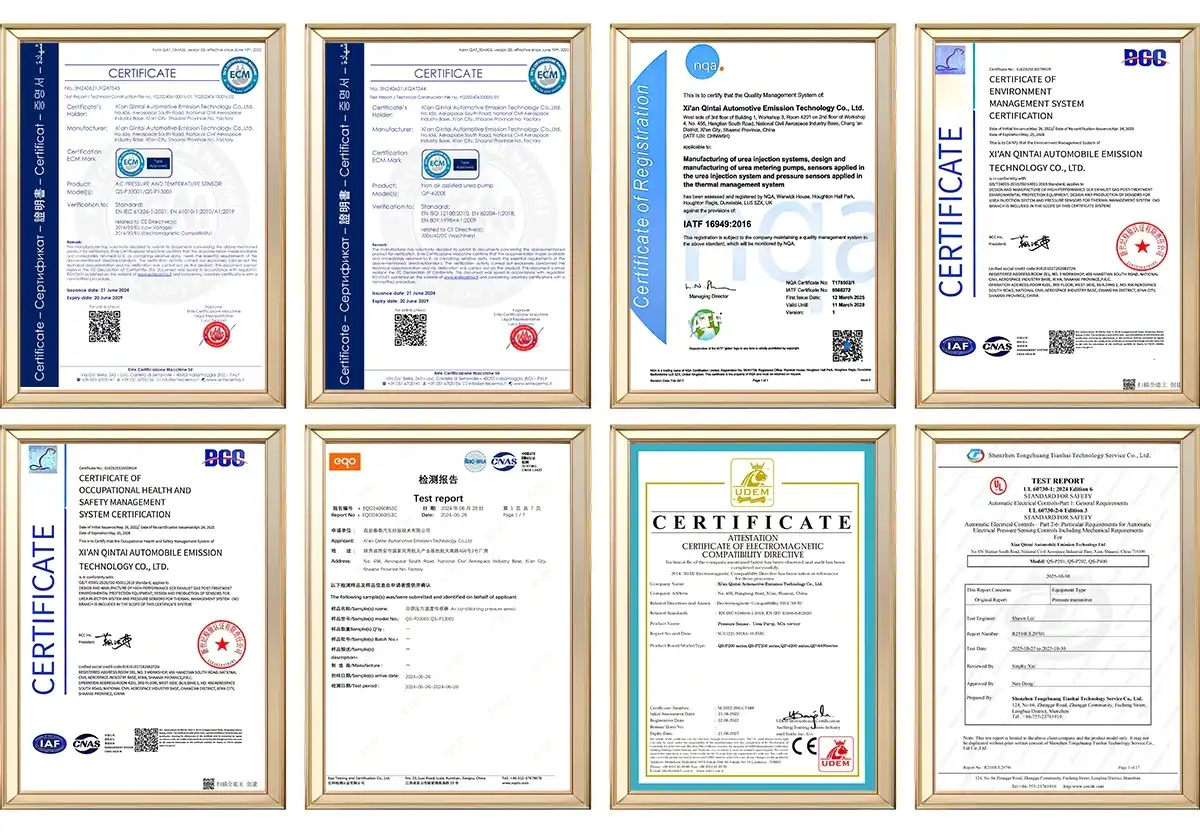
As the main provider to China's top diesel engine makers, like Weichai Power, Yuchai Power, and Quanchai Power, we know how important it is to find the right mix between performance reliability and cost-effectiveness when making purchases. Our many foreign certifications, including ISO9001, IATF16949, and others, show that our manufacturing quality standards are in line with global car standards.
Technical support teams help with everything from choosing the right sensors to following the instructions for integrating them and fixing problems. Different emission control designs can work with the cables, connectors, and transmission methods that can be changed to fit each system's needs. Large OEM integration projects and aftermarket distribution networks can both benefit from volume price models and stable inventory availability. Get in touch with our experts at info@qt-sensor.com to talk about your unique needs. We offer tested sensor technology backed by quick expert support whether you're in charge of commercial car fleets, make diesel engines, or connect aftertreatment systems.
References
1. Society of Automotive Engineers, "Diesel Exhaust Emissions Control: NOx Sensor Technology and Applications," SAE Technical Paper Series, 2023.
2. Environmental Protection Agency, "Heavy-Duty Highway Compression-Ignition Engines and Urban Buses: Exhaust Emission Standards," EPA Regulatory Guidance Document, 2022.
3. International Organization for Standardization, "Road Vehicles - Exhaust Gas Sensors - Part 4: Nitrogen Oxides Sensors," ISO 16750-4 Standard, 2021.
4. Diesel Technology Forum, "Selective Catalytic Reduction Systems: Maintenance Best Practices for Commercial Fleets," Industry White Paper, 2023.
5. Anderson, M. and Chen, L., "Failure Modes and Degradation Mechanisms in Automotive NOx Sensors," Journal of Emission Control Science, Volume 18, Issue 3, 2022.
6. Commercial Vehicle Engineering Association, "Total Cost of Ownership Analysis: OEM vs. Aftermarket Emission System Components," Industry Research Report, 2024.
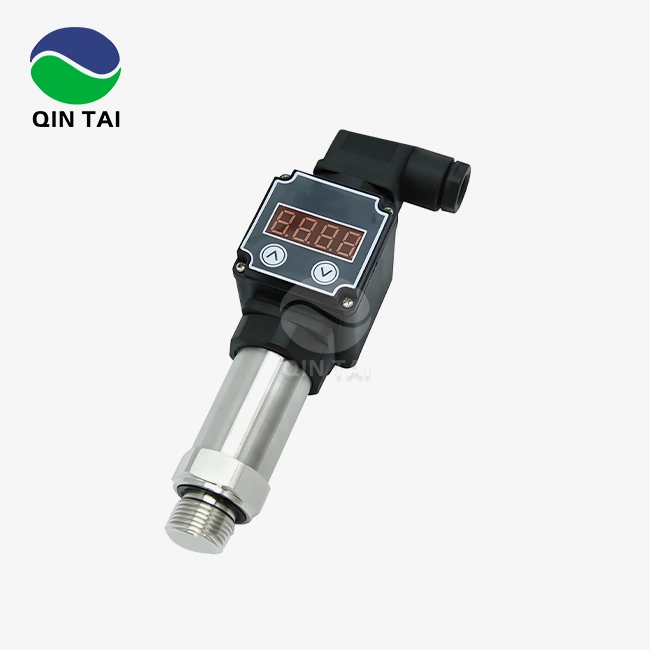

Our customers’ satisfaction speaks for our quality — contact us to experience the same reliable service.