- English
- French
- German
- Portuguese
- Spanish
- Russian
- Japanese
- Korean
- Arabic
- Greek
- German
- Turkish
- Italian
- Danish
- Romanian
- Indonesian
- Czech
- Afrikaans
- Swedish
- Polish
- Basque
- Catalan
- Esperanto
- Hindi
- Lao
- Albanian
- Amharic
- Armenian
- Azerbaijani
- Belarusian
- Bengali
- Bosnian
- Bulgarian
- Cebuano
- Chichewa
- Corsican
- Croatian
- Dutch
- Estonian
- Filipino
- Finnish
- Frisian
- Galician
- Georgian
- Gujarati
- Haitian
- Hausa
- Hawaiian
- Hebrew
- Hmong
- Hungarian
- Icelandic
- Igbo
- Javanese
- Kannada
- Kazakh
- Khmer
- Kurdish
- Kyrgyz
- Latin
- Latvian
- Lithuanian
- Luxembou..
- Macedonian
- Malagasy
- Malay
- Malayalam
- Maltese
- Maori
- Marathi
- Mongolian
- Burmese
- Nepali
- Norwegian
- Pashto
- Persian
- Punjabi
- Serbian
- Sesotho
- Sinhala
- Slovak
- Slovenian
- Somali
- Samoan
- Scots Gaelic
- Shona
- Sindhi
- Sundanese
- Swahili
- Tajik
- Tamil
- Telugu
- Thai
- Ukrainian
- Urdu
- Uzbek
- Vietnamese
- Welsh
- Xhosa
- Yiddish
- Yoruba
- Zulu
what does a nox sensor do on a diesel
A diesel engine's NOx sensor constantly checks the exhaust system for nitrogen oxide pollution and sends real-time information to the engine control unit (ECU) to make sure that emission standards are met. This important part lets Selective Catalytic Reduction (SCR) systems add the right amount of Diesel Exhaust Fluid (DEF), which lowers dangerous pollutants to meet EPA Tier 4 and Euro VI guidelines. Without accurate NOx measurements, diesel engines can't control their aftertreatment systems correctly, which could lead to violations of the law and even shutdowns of operations.
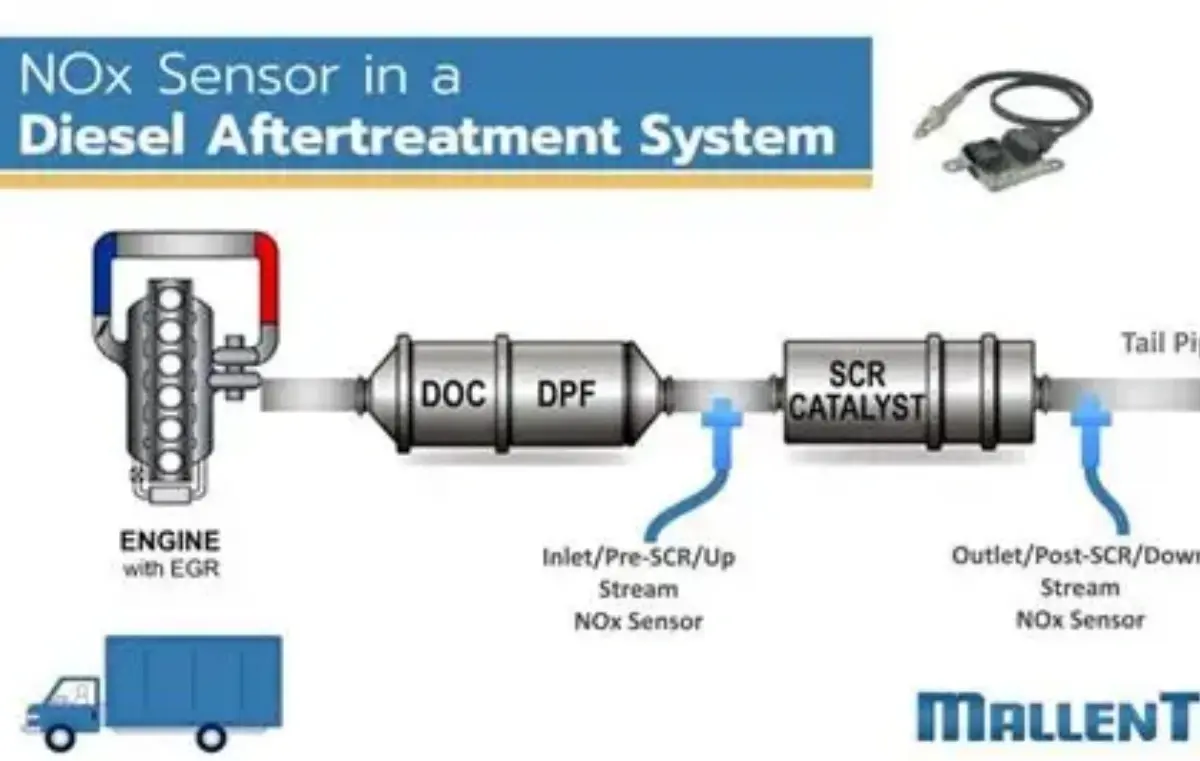
Comprehending the NOx Sensor: What It Is and How It Works?
Emission control methods for modern diesel engines are very complex, and NOx sensors are the brains of these systems. These sensors are very different from regular oxygen monitors because they measure exact amounts of nitrogen oxides, which are pollutants that cause smog and acid rain, instead of oxygen levels in the air.
The Core Architecture of Nitrogen Oxide Sensors
The detecting part uses zirconia ceramic cells supported by yttria that move oxygen ions around when the temperature is high. A heater element keeps the best working temperatures between 100°C and 800°C, which makes sure that readings are accurate even when the air conditions change. The signal processing circuit takes in raw electrical signals and turns them into data that the integrated control module can understand. The integrated control module then uses standard protocols to talk directly to the ECU. You can change the connectors and wire lengths to fit different applications. Sealed, waterproof designs keep the inside parts safe from harsh weather.
Operational Principles Behind NOx Detection
The method for recognition works with a complex three-chamber system. Exhaust gas goes into the first room, where an oxygen pump cell keeps the level of oxygen at a set level. After being conditioned, the gas moves into the NOx detecting chamber. There, nitrogen oxides are broken down by catalytic breakdown into nitrogen gas and oxygen ions. During the sensing process, the monitor cell keeps the oxygen levels steady, and the current that is produced, which is related to the NOx content, gives accurate readings from 0 to 2500 ppm. Response times for this electrochemical process are less than 1400 ms, which lets SCR systems quickly adjust to changing air conditions.
Dual-Sensor Configuration in Modern Diesel Systems
For heavy-duty diesel uses, two sensors are usually placed in key places along the exhaust path. The upstream sensor, which is near the exit of the turbocharger, tracks how much raw NOx is being made by the combustion process. The ECU figures out the best DEF input rates based on these readings. The monitor that comes after the SCR catalyst checks the treatment's effectiveness by measuring the amount of NOx that is released after the conversion. For the NOx sensor, when readings further downstream go over set limits, the system sends out diagnostic trouble codes, lights up warning signs, and may even start engine derate processes to make repairs happen.
Common Issues and Troubleshooting of NOx Sensors
Sensor breakdowns are big problems for fleet managers and OEM engineers because they have a direct effect on compliance and the continuation of operations. Knowing how failures usually happen lets you plan proactive repair that cuts down on downtime.
Diagnostic Trouble Codes and Warning Indicators
When nitrogen oxide sensors don't work right, cars send out specific error numbers that show where the trouble is. P2201 means that there are problems with the circuit's range or performance, and P2203 means that the heater control circuit isn't working right. The P229F codes point to reports of NOx concentrations that don't make sense. These codes show up on the panel along with warning lights, less engine power, and in the worst cases, operating derate, which slows the engine down to 5 mph to get your attention right away.
Environmental and Mechanical Degradation Factors
When soot builds up on sensor elements, it messes up the paths that ions use to move, which can lead to false readings or signal loss. Extreme temperature switching from cold starts to full load operation puts stress on ceramic parts and causes microfractures. Over time, sulfur compounds, phosphorus chemicals in lubricants, and silicon-based sealants contaminate the detecting element and make it less sensitive. Electrical connections can be harmed by vibrations from the engine, and signal circuits can corrode when water gets in through broken covers.
Expected Lifespan and Replacement Planning
Under normal working conditions, industrial-grade sensors usually work reliably for 80,000 to 100,000 miles. However, in harsh environments, repair intervals may be shorter. With improved poisoning resistance that can handle lead and sulfide pollution better than other options, Qintai NOx sensors can last up to 6000 hours, which is longer than the industry standard. Instead of waiting for signs of failure, procurement managers should set up predictive maintenance plans based on working hours and job cycles. Keeping spare sensors on hand lowers the cost of buying them in a situation and speeds up the process when replacements are needed.
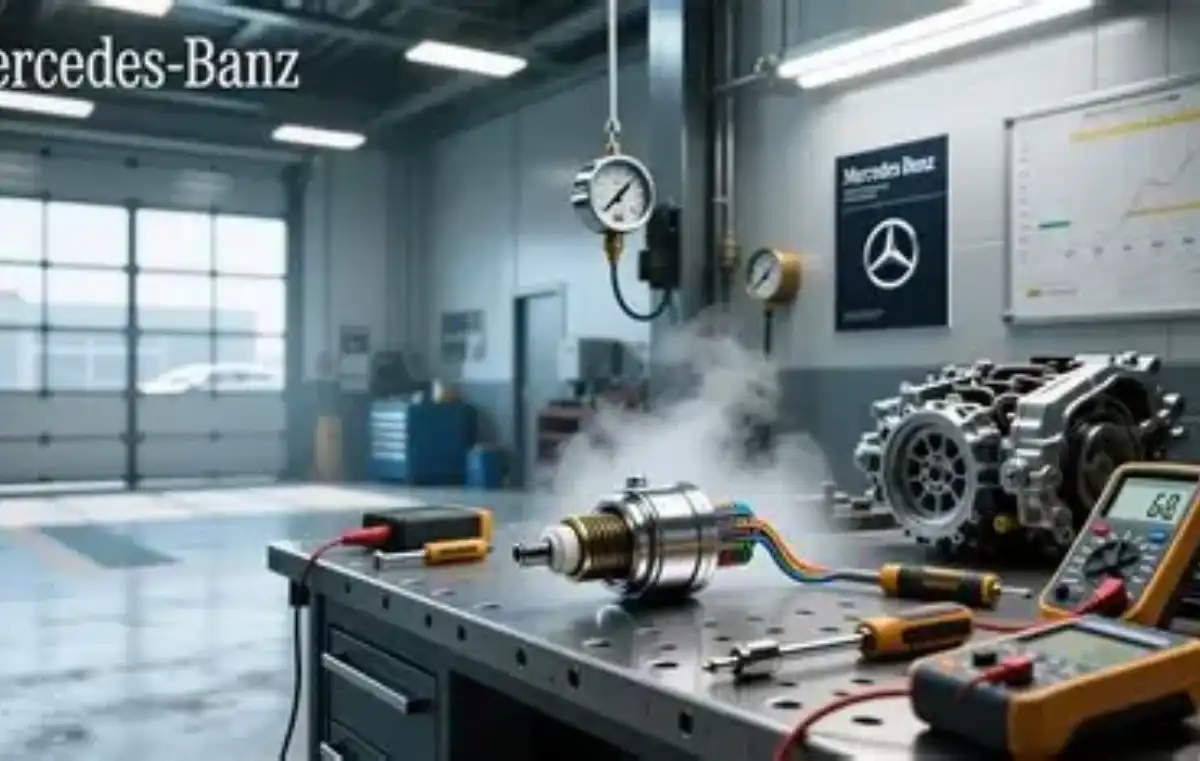
Comparing NOx Sensors: Selecting the Best Option for Diesel Engines
When choosing strategic sensors, you need to weigh the technical specs against the total cost of ownership, taking into account both the cost right now and how reliable the sensors will be in the long run.
Technical Distinctions Between Sensor Types
While oxygen sensors check the amount of air to fuel to make sure the engine burns efficiently, nitrogen oxide sensors focus on fumes that happen after the engine has finished running in the exhaust aftertreatment zone. Ceramic sensing technology, multi-chamber design, and built-in heater systems make NOx sensors a lot more complicated and expensive than simple lambda sensors. Their measuring ranges are wider, from very low amounts when the device is not being used to very high levels when it is being sped up quickly. This calls for more complex calibration methods.
OEM Versus Aftermarket Considerations
Original equipment maker parts usually come with full warranties that are backed up by proof paperwork and promise that they will work with other parts. These sensors go through a lot of testing to make sure they work well with certain engine platforms. This makes sure they work well with secret software routines. Aftermarket options are cheaper than OEM options, running from 30 to 50 percent less. However, buying teams need to check for certifications of compatibility and support for communication protocols. Quality aftermarket providers give thorough cross-reference guides and technical datasheets that show how their products work similarly to OEM standards.
Leading Manufacturers and Performance Benchmarks
Suppliers that have been around for a while have strict testing methods and quality assurance programs that make sure sensors work correctly across a wide range of temperatures. Their goods work with a wide range of connection protocols, so they can be easily connected to engine control systems made by different companies. When procurement professionals look at providers, they should give more weight to those that offer flexible interfaces, factors that are made to fit specific applications, and expert support teams that can solve integration problems. Certifications like ISO9001, IATF16949, and REACH compliance show that you care about quality control and being good to the world.
Procurement Insights: Buying NOx Sensors for Diesel Engines
To get reliable parts at low prices, good buying strategies combine technical due diligence with managing relationships with suppliers.
Identifying Trusted Distribution Channels
Authorized dealers have direct contact with makers and can get technical updates and new versions of products. Online industrial markets make prices clear and make it easier to compare products, but it is still important to check the qualifications of sellers. Direct connections with manufacturers are good for people who buy a lot because they offer specialized account management, the ability to customize products, and good payment terms. Setting up multiple approved providers creates redundancy in the supply chain that guards against allocation gaps during times of high demand.
Compatibility Verification Protocols
Cross-referencing part numbers is the basis of making sure that two devices work together by matching sensor specs to engine model years and aftertreatment setups. Thread sizes—usually M20X1.5 for heavy-duty uses—must line up with mounting spots on the exhaust pipe. The pinouts of electrical connectors, the supply voltage ranges (9–32V for diesel systems), and the signal output features need to be checked against the ECU specs. Different chassis configurations have different cable length needs. This makes adjustable wire lengths useful for repair situations where standard options might not work.
Pricing Structures and Budget Optimization
On the market, good NOx sensors cost anywhere from $150 to $600 each, based on the brand and the technical features they have. When you buy a lot of something, you can usually get a tiered price, with discounts at 25, 100, and 500 units. Price protection terms in long-term supply deals keep costs stable when the prices of goods change. Total cost analysis should include guarantee coverage, projected repair intervals, and the costs of downtime caused by premature failures. This is where premium sensors often provide better value, even if they cost more at first.
Optimizing NOx Sensor Performance for Diesel Engines
Installing and maintaining things correctly has a direct effect on how accurate measurements are and how long parts last, which protects the big investment in infrastructure for emission control.
Installation Best Practices and Calibration Requirements
The position of the sensor mount affects both how well it measures and how long it lasts. Avoid places where the temperature of the exhaust changes a lot or where you can directly see coolant spray. To make sure the threads close properly and heat moves through them, the torque values must be met. For M20 threads, these values are usually 40 to 50 Nm. Anti-seize chemicals that can be used in high-temperature settings keep threads from galling when they are being removed later. After being installed, a lot of systems need to go through setup steps where the ECU learns about the sensors' basic properties through controlled working cycles. If you skip the calibration steps, you might get trouble codes that won't go away, even if the gear is working properly.
Systematic Troubleshooting Methodologies
When diagnostic codes show up, techs should first look at the wiring connections visually to make sure there is no chafing or corrosion at the connector ends and that the wires are properly routed away from sources of heat. Before changing expensive sensor units, resistance testing of heater circuits makes sure that the electricity is still working. Measuring exhaust backpressure finds limits that might lead to strange sensor results that have nothing to do with the health of the sensors. Comparing sensors upstream and downstream helps figure out if problems are caused by failed sensors or an inefficient SCR system.
Emerging Technologies and Future-Proofing Strategies
Improvements in ceramic formulations make them less poisonous, and smaller forms make it easier to put small exhaust systems. Integration with wireless diagnostic tools lets you keep an eye on your fleet from afar, and predictive analytics can tell you what repairs need to be done before they happen. As emission rules get stricter, sensors that can be calibrated over-the-air give you more options and can last longer without having to change the hardware. When companies use procurement strategies that include technology roadmaps, they are better prepared to adopt new technologies that improve compliance while keeping lifecycle costs low.
Conclusion
NOx sensors are an important part of running a diesel engine legally because they allow precise pollution control through accurate exhaust measurement and smart SCR system management. When choosing a supplier, procurement workers should know how the design, operating principles, and failure modes of sensors affect the total cost of ownership. Competitive pricing isn't the only thing that strategic sourcing looks at. It also checks for compatibility, source certification records, and expert support skills. Quality installation and preventative upkeep protect sensor purchases and keep them in line with regulations. Organizations can use speed changes that make fleets last longer and operations run more reliably if they stay up to date on new technologies.
FAQ
Q1: How often should NOx sensors be replaced on diesel engines?
A: How often NOx sensors need to be replaced depends on how they are used and how good they are. Under normal job cycles, standard sensors should last between 80,000 and 100,000 miles. However, in harsh environments like mining or ongoing high-load operation, they may need to be replaced every 60,000 miles. Premium sensors with better resistance to poisoning make the service life last longer than 120,000 miles. During regular maintenance, keeping an eye on diagnostic codes and how sensors respond helps find signs of wear and tear before they become completely broken.
Q2: What advantages do OEM sensors offer compared to aftermarket options?
A: OEM sensors come with maker warranties that cover flaws and promise to work with specific ECU software. They go through certification tests that are specific to engine platforms to make sure they work well with other systems. Quality aftermarket sensors give you the same performance for less money, but you need to check the approval standards, transmission protocol support, and guarantee terms. When making decisions about what to buy, people should weigh the instant cost savings against the possible integration problems and help available.
Q3: Why do diesel systems use two NOx sensors instead of one?
A: The two sensors work together to allow closed-loop pollution control. Upstream sensors measure the production of raw NOx, which controls the amount of DEF that is injected. The sensor further downstream checks the treatment's effectiveness, proving that the SCR catalyst lowers emissions to the desired levels. This setup allows for diagnostics—differences between predicted and real reduction efficiency set off fault codes that show catalyst degradation or DEF quality problems, keeping operators from breaking the rules.
Partner with Xi'an Qintai for Industrial-Grade NOx Sensor Solutions
Qintai Automotive Emission Technology Co., Ltd. As the top NOx sensor provider to China's major engine makers, including Weichai Power, Yuchai Power, and Quanchai Power, Ltd has more than 20 years of specialized experience in diesel emission control systems. Our sensors have response times of less than 1400ms and starting times that are much shorter than the industry standard of 165 seconds. This means that your SCR systems will start up quickly when the engine is cold. Qintai sensors are made to last more than 6000 hours and can handle being poisoned by lead and sulfur thanks to their advanced ceramic formulations. They also keep measuring accurately across NOx levels from 0 to 2500 ppm and oxygen levels from 0 to 21%.
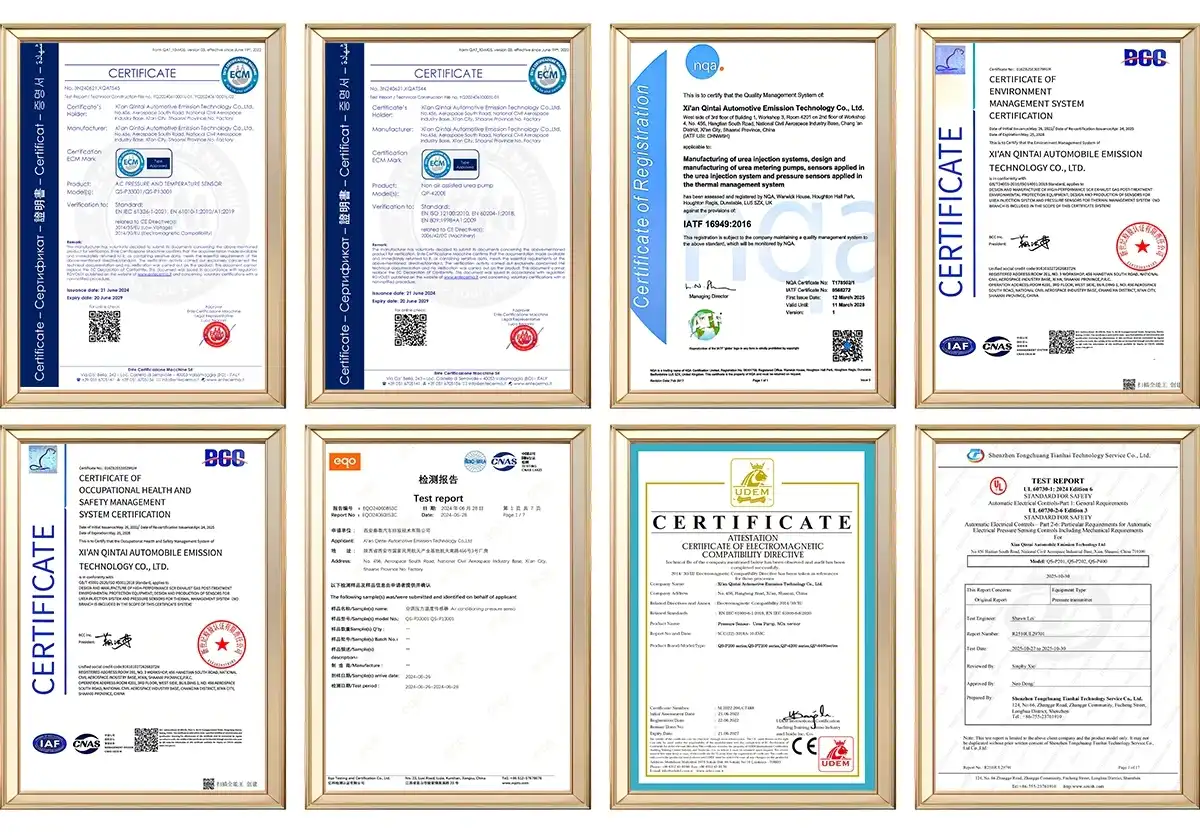
We have 58 idea patents and are certified by ISO9001, IATF16949, and REACH. We allow full customization of connectors, cable lengths, and communication methods so that they work smoothly with a wide range of engine platforms. Whether you need OEM partnerships for new equipment projects or a trusted aftermarket supply for fleet maintenance, our engineering team can help you with everything from choosing the right product to fixing problems after installation. Get in touch with us at info@qt-sensor.com to talk about big discounts, customization options, and how our proven sensor technology can help your plan for meeting emission standards while lowering the total cost of ownership.
References
1. Society of Automotive Engineers, "NOx Sensor Technology for Heavy-Duty Diesel Applications," SAE Technical Paper Series, 2022.
2. Environmental Protection Agency, "Diesel Engine Emission Control Systems: Design and Compliance," EPA Publication 420-R-21-003, 2021.
3. International Council on Clean Transportation, "Real-World NOx Emissions from Modern Diesel Vehicles," ICCT Research Report, 2023.
4. Journal of Automotive Engineering, "Advances in Zirconia-Based Gas Sensors for Emission Monitoring," Volume 237, Issue 8, 2022.
5. Diesel Technology Forum, "Understanding Selective Catalytic Reduction and NOx Sensor Integration," Technical White Paper, 2023.
6. American Trucking Associations Technology and Maintenance Council, "Best Practices for Diesel Aftertreatment Component Maintenance," TMC Recommended Practice 1502, 2022.
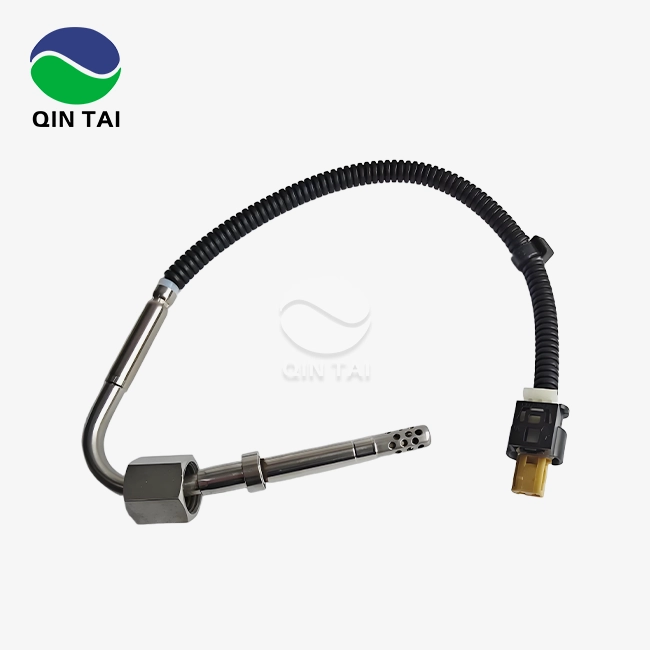


Our customers’ satisfaction speaks for our quality — contact us to experience the same reliable service.