- English
- French
- German
- Portuguese
- Spanish
- Russian
- Japanese
- Korean
- Arabic
- Greek
- German
- Turkish
- Italian
- Danish
- Romanian
- Indonesian
- Czech
- Afrikaans
- Swedish
- Polish
- Basque
- Catalan
- Esperanto
- Hindi
- Lao
- Albanian
- Amharic
- Armenian
- Azerbaijani
- Belarusian
- Bengali
- Bosnian
- Bulgarian
- Cebuano
- Chichewa
- Corsican
- Croatian
- Dutch
- Estonian
- Filipino
- Finnish
- Frisian
- Galician
- Georgian
- Gujarati
- Haitian
- Hausa
- Hawaiian
- Hebrew
- Hmong
- Hungarian
- Icelandic
- Igbo
- Javanese
- Kannada
- Kazakh
- Khmer
- Kurdish
- Kyrgyz
- Latin
- Latvian
- Lithuanian
- Luxembou..
- Macedonian
- Malagasy
- Malay
- Malayalam
- Maltese
- Maori
- Marathi
- Mongolian
- Burmese
- Nepali
- Norwegian
- Pashto
- Persian
- Punjabi
- Serbian
- Sesotho
- Sinhala
- Slovak
- Slovenian
- Somali
- Samoan
- Scots Gaelic
- Shona
- Sindhi
- Sundanese
- Swahili
- Tajik
- Tamil
- Telugu
- Thai
- Ukrainian
- Urdu
- Uzbek
- Vietnamese
- Welsh
- Xhosa
- Yiddish
- Yoruba
- Zulu
Top Pressure Transmitter Suppliers for Fast, Custom Industrial Orders
The best pressure transmitter supplier for fast, custom industrial orders designs and builds its own products, holds recognized quality certificates, and answers technical questions quickly. I look for clear datasheets, traceable calibration, and a team that can adjust ranges, connections, and outputs without long delays. Buyers in the United States also need export paperwork and steady batch quality. Qintai builds sensors with these needs in mind for diesel engine, aftertreatment, generator set, and exhaust treatment customers. This guide shows how I compare suppliers, which tests matter, and how to write a quote request that gets a fast, accurate reply.
What Makes a Top Pressure Transmitter Supplier?
Before I compare prices, I sort providers by how they work. This tells me how much help and direction I can count on.
Manufacturer, Distributor, or Reseller
The company itself plans and builds the transmitter. A distributor keeps a lot of different brands in stock and sends them all over the country. Someone who sells things for money buys them from other people. There are requests that every type can fill. A business that needs a key part tomorrow gets help from an agent. You can talk to the experts who make the product directly when you do custom ranges, private labels, or repeat production with a maker. An OEM partner goes the extra mile to build what you want. I only have one simple question for each supplier: who makes the sensing part and who makes sure the whole thing works right? The answer shows how much power the supplier really has.
In-House Design and Product Range
There are more than one model of strong pressure transmitters from the same company. There are different types, such as gage, absolute, differential, and compound. Some types can also handle high temperatures or pressures. Being able to use the collection is just as important as having it. Sensors are put through a lot of stress in jobs in oil and gas, water treatment, HVAC, energy, and process automation. It is hot, shakes, and gets wet where the pressure sensor is in diesel aftertreatment. You know a lot about sensors, especially pressure monitors, if you work at Qintai and work on diesel engines with SCR aftertreatment. Because we do our own research and development, we can also change a style when your needs do too.
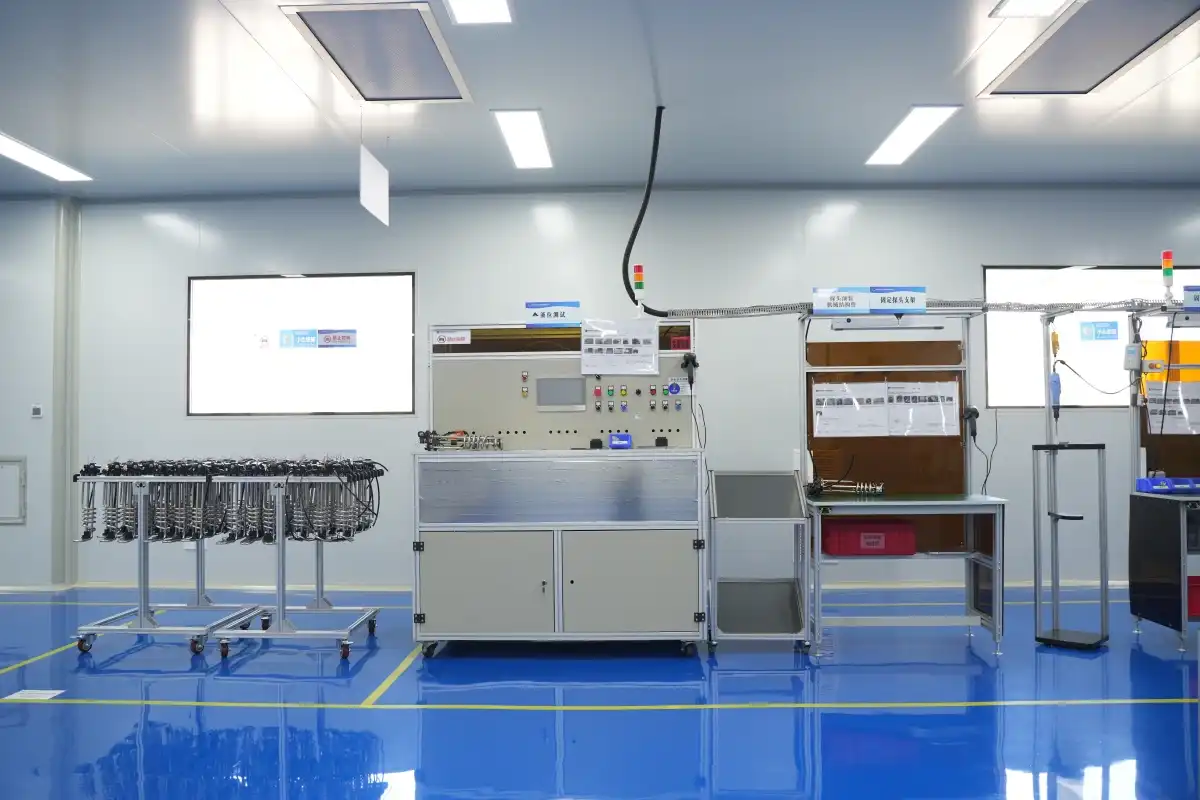
Certifications, Traceability, and Capacity
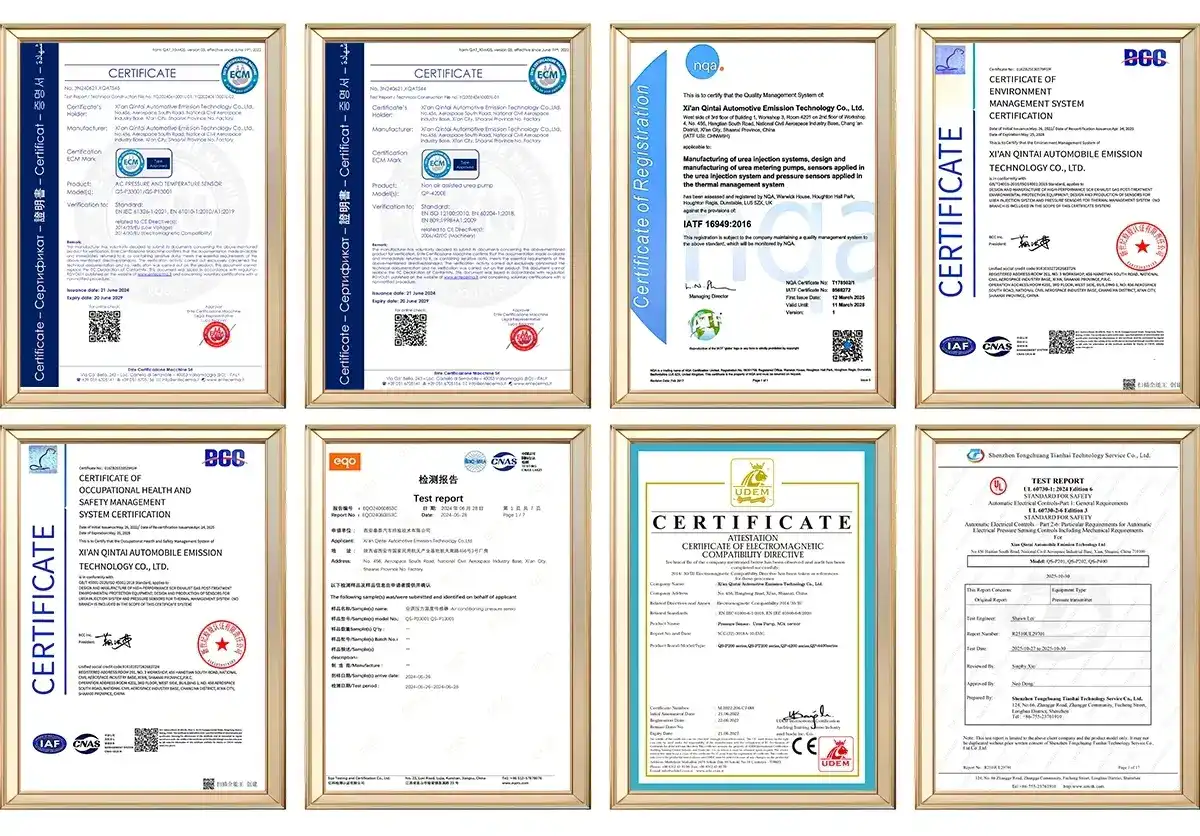
A supplier's certificates give you a quick look at how they look after quality. Setting quality standards for making cars is done by IATF 16949, and setting general quality management standards is done by ISO 9001. With ISO9001, IATF 16949, CMC, Ex, UL, CE, REACH, and RoHS certifications, they have tried to get 58 invention patents. On top of the paper, I check the tracking of serial numbers, the calibration records, and the output capacity. This is where a lot of the power for Weichai Power, Yuchai Power, and Quanchai Power comes from. In China, it has the biggest share of the market. Because of that record, engine builders know how to make many things at once, and a reliable pressure transmitter supplier makes that scale possible.
Pressure Transmitter Supplier Comparison: Key Evaluation Criteria
A small group of suppliers make it past the first round. I then use technical files to compare them. I use the same set of rules for every quote.
Accuracy, Stability, and Pressure Range
What it tells you is how close the result is to the real pressure when the conditions you set are true. Your work changes a lot from month to month. How much you know is how stable you are over time. Being stable is very important to me because drift makes mistakes and false alarms hard to find. Also make sure there is no drift, consistency, hysteresis, and weather effects. In order for the range to be useful, it must allow for both too much pressure and a burst pressure. It's also important to have technology for tracking. It is vacuum sputtered on a stainless steel plate to make the strain gage, which is in the form of a thin film. This gets rid of the glue layer and the wear and tear that comes with it. Ask each seller for a sheet of paper with these numbers on it.
Wetted Materials and Media Compatibility
How long a transmission lasts is based on the parts that touch the medium. A lot of materials can get wet, like 316L stainless steel, Hastelloy, titanium, ceramic, and parts lined with PTFE. Pick the middle ground, not the cost. Air that is clean and oil work well with stainless steel. But chemicals that are harsh may need a metal that is harder. Also, condensation in exhaust pipes can damage metal. Write down what grade the material is, and if your project needs them, ask for certificates of the material. If you aren't sure about the medium, send a list of what it is made of and a range of temperatures and ask for help.
Outputs, Enclosures, and System Fit
In order for your controller to work, it needs to be able to talk to a transmitter. As normal, they have outputs for 4–20 mA and voltage signals like 0–5 V. Some models also let you connect to them via HART or Modbus. Before you place your order, make sure you know what kind of power source, wires, and ports it has. Check out the site's grade for the enclosure, its working temperature, its EMC performance, and its ability to handle vibrations. You need to be certified to work in dangerous places. A company called Sino-Inst says that ATEX-certified explosion-proof pressure transducers need an intrinsically safe isolation barrier in order to be intrinsically safe. In the beginning, people who work on aftertreatment systems should make sure that the sensors and custom interfaces connect well with the PLC, DCS, or engine control unit. This is because contracting goes faster when there is a good match.

How the Best Suppliers Manufacture and Verify Pressure Transmitters?
A good datasheet doesn't mean much if the process isn't run well. I think I'll see this.
From Sensing Element to Final Assembly
Choosing the right sensors is the first thing that needs to be done for production. The next steps are to build the housing, add the electronics, and connect the electrical parts. Now the diaphragm or pressure cell is put together. The inside is just as important as the sense cell. Conditioning the signal, adjusting for temperature, and linearization all work together to fix the raw signal. This way, the output will always be correct, even if things change. As a pressure transmitter supplier turns the pressure into a regular electrical output, the last reading changes with each step. Find out what the supplier's business does. It's more likely that batches will be the same when you share fewer steps. It does its own research and development and provides OEM and ODM services from the planning stage all the way through mass production.
Calibration and Testing Steps
Verification shouldn't be a promise, but a habit. Testing for overpressure, output, leaks, temperature cycling, electrical and insulation safety, and digital communication testing when it makes sense are some of the things I look for. There is a different mistake on every test. There are problems with the seals, as shown by leak tests, thermal drift tests, and overpressure tests that show the unit can handle spikes. It is also stressed in industry standards that a radio will stay accurate while it is in use as long as it is regularly adjusted and checked. Find out what your model's test list and pass criteria are, then compare them to what your order says you need.
Pre-Shipment Checks and Documentation
Before the boxes leave the plant, the seller should check each one for the model, pressure range, process link, nameplate data, accessories, instructions, and packed items. With its unique number, each item can be linked to its test record. For big projects, make sure that inspection reports and calibration certificates are sent along with the stuff that you buy. This is also useful for US customs and receiving teams. Check to see if there are documents for RoHS and REACH. A lot of buyers need them for their records to be in order. A factory that keeps its paperwork in order probably runs well.
OEM vs. Standard Pressure Transmitter Supplier: Which Is Right for You?
The right answer is not based on a rule but on your choice.
When Standard Models Fit
Regular replacements, common ranges, set-ups that work well, tight schedules, and small to medium amounts are all good uses for standard emitters. They cost less to make, ship faster, and are easier to swap. This group is mostly made up of people who sell parts for commercial vehicles and construction equipment or work on them. They care about price, flexibility, failure rate, and guaranty. You should really read about the warranty and how often the part breaks. A cheap part that breaks down often costs more in labor and downtime. A clear datasheet and an easy installation are also very important.
When OEM Customization Pays Off
A custom OEM pressure transmitter supplier can help you if your equipment needs a certain pressure range, doesn't work with all types of media, needs to be put in a small area, has a unique design, needs private labeling, or gets a lot of orders over and over again. A lot of engine builders and aftertreatment integrators have these needs. Engineer fees, samples, tooling, approval, packing, unit price, and freight can all be added up to get a single landed cost. Changes are easy to make with Qintai, and they offer OEM and ODM services from design to mass production. This means that the same team can work on both small and large orders. Before the whole order is sent out, there is less chance of technical problems because samples are approved and test production is done.
Matching Supplier Type to Your Industry
People who buy things need unique skills. Pollution rules like China VI and Euro VI, getting approvals, and making sure that every batch is the same are things that diesel engine makers need help with. Sensors that work with each other, custom connections, and quick technical help are all things that aftertreatment integrators need. When building generator sets for mines, power plants, and backup power, they need sets that will last a long time and work well. Business that make safety gear for the environment need accurate project help and finding. People who buy oil and gas care about things like getting permission to work in dangerous areas and not rusting. This company is a great fit for the first two groups because it focuses on diesel aftertreatment and is a main supplier to Chinese engine makers. Tell them what group you're from when you ask for quotes.
How to Request a Quotation and Choose the Right Supplier?
Everyone can save time with a clear process. These steps help me follow through on my projects to source things.
Build a Detailed RFQ
A quick, right answer comes quickly to a clear question. You should list the type of pressure, the range, the accuracy, the medium, the temperature, the overpressure, the process connection, the wet materials, the output signal, the communication protocol, the power supply, the electrical connection, the rating of the enclosure, the certifications, the quantity, the forecast, and the destination. Now is the time to ask the supplier about the unit price, sample cost, MOQ, tooling charges, warranty, payment terms, lead time, shipping options, and Incoterms. Anyone who writes you back about every point has already shown they can handle your project. It usually takes longer to get quotes when there is missing information.
Quality and Risk Checklist
There are a lot of problems that can happen when you only look at the unit price. Wet materials that aren't right for the job, missing certificates, lead times that aren't clear, and warranties that aren't strong enough can all lead to incorrect readings, early failure, and downtime. Before we negotiate, I read scientific papers, try models in real life, and give the go-ahead for pre-production units for OEM projects. This lowers these risks. I also write down the terms for acceptance on the buy order. Keep track of the checks and calibrations you do, and for important lines, you might want to get a second source from someone who is trained.
Qintai as a Long-Term Partner
I compare at least three suppliers based on the same assumptions. After that, I check samples, drawings, and test reports to make sure they are right before they are accepted. A long-term partner also makes sure that quality stays the same from batch to batch, that design changes are handled carefully, and that technical questions are answered quickly. Qintai was founded in 2001 and is a national high-tech enterprise that does research and development, production, sales, and service after the sale. Customers in more than 60 countries and regions buy our products, and we're happy to work with OEM customers and trading agents all over the world. Prices, samples, and follow-up can all be taken care of by one team.
Conclusion
When I choose a pressure transmitter supplier, I do my best when I look at more than just the unit price. There are different levels of control between manufacturers, wholesalers, and resellers. Reliable partners can be told apart from basic traders by having certificates like ISO 9001 and IATF 16949, traceable testing, and real production capacity. When you compare technical specs, you should look at things like accuracy, stability, range, wet materials, outputs, protection grades, and needs for dangerous areas. The output is always the same thanks to calibration, leak, temperature, and overpressure tests, and shipping documents back up that quality. Standard models are easy to replace, while OEM customization is best for ranges, links, and repeat volumes that are unique. A thorough RFQ and risk review make sure that quotes are correct and costs are known ahead of time. The best choice strikes a mix between technical fit, quality that has been proven, the ability to make changes, and long-term support.
FAQ
What is the difference between a manufacturer and a distributor?
The object is designed and built by a manufacturer. An agent sells goods made by other companies. A lot of the time, manufacturers offer more ways to customize your order and direct access to engineers. On the other hand, dealers usually have stock that is closer to home.
Which certificates should I ask for?
A lot of people ask for CE, RoHS, REACH, UL, ISO 9001, and IATF 16949 for work on cars. Not only do you need calibration and material certificates, but you might also need ATEX or Ex documents in dangerous places. It's been approved by CMC, Ex, UL, REACH, RoHS, ISO9001, and IATF 16949.
How are price and lead time set?
Both depend on the model, the material, the amount, the level of customization, and the need to try. Standard items sell more often than ones with unique designs. Send your needs and expectations to get an exact price.
Does Qintai offer OEM and custom designs?
That's right. You can get OEM and ODM services from Qintai, and they let you make changes that work for you. Tell us what you need, and our team will check things like the MOQ for your job.
Contact Qintai, Your Pressure Transmitter Supplier for Fast, Custom Orders
Contact us by sending your application, pressure range, medium, temperature, output signal, quantity, and destination to Qintai at info@qt-sensor.com. As an experienced pressure transmitter supplier and pressure transmitter manufacturer, we offer OEM and ODM service and flexible customization, and Qintai has applied for 58 invention patents. Our engineers review each request and reply with clear options.
References
1. IEC 60770-1: Transmitters for Use in Industrial-Process Control Systems, Part 1, 1999
2. ISO 9001: Quality Management Systems – Requirements, 2015
3. IATF 16949: Quality Management System Requirements for Automotive Production and Relevant Service Parts Organizations, 2016
4. Directive 2014/34/EU of the European Parliament and of the Council on Equipment and Protective Systems Intended for Use in Potentially Explosive Atmospheres, 2014
5. Regulation (EC) No 1907/2006 on the Registration, Evaluation, Authorisation and Restriction of Chemicals (REACH), 2006
6. Instrument Engineers' Handbook, Volume 1: Process Measurement and Analysis, 2003
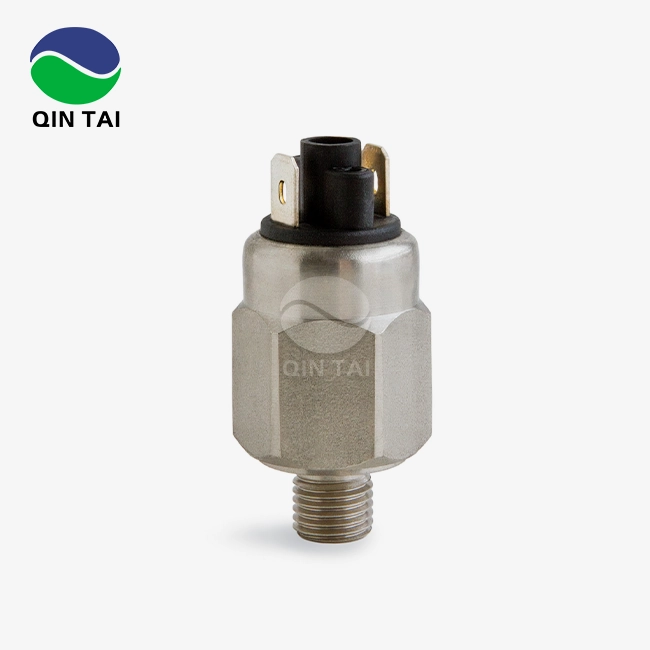
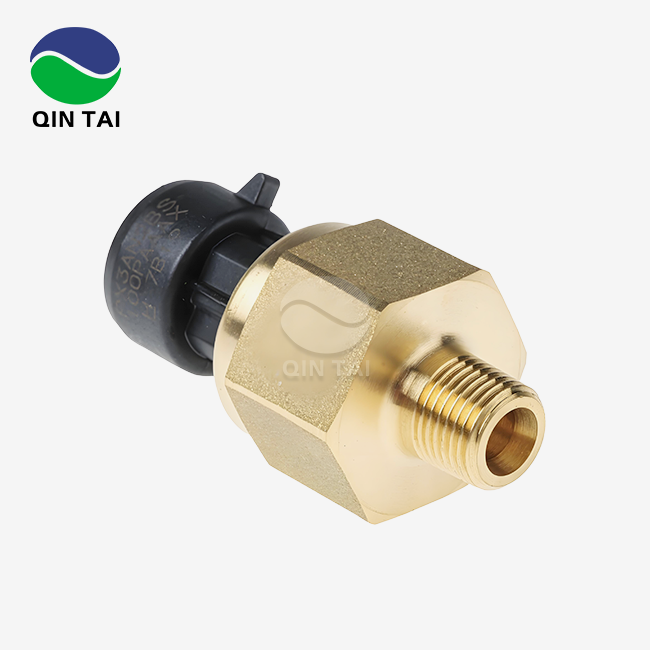

Our customers’ satisfaction speaks for our quality — contact us to experience the same reliable service.