- English
- French
- German
- Portuguese
- Spanish
- Russian
- Japanese
- Korean
- Arabic
- Greek
- German
- Turkish
- Italian
- Danish
- Romanian
- Indonesian
- Czech
- Afrikaans
- Swedish
- Polish
- Basque
- Catalan
- Esperanto
- Hindi
- Lao
- Albanian
- Amharic
- Armenian
- Azerbaijani
- Belarusian
- Bengali
- Bosnian
- Bulgarian
- Cebuano
- Chichewa
- Corsican
- Croatian
- Dutch
- Estonian
- Filipino
- Finnish
- Frisian
- Galician
- Georgian
- Gujarati
- Haitian
- Hausa
- Hawaiian
- Hebrew
- Hmong
- Hungarian
- Icelandic
- Igbo
- Javanese
- Kannada
- Kazakh
- Khmer
- Kurdish
- Kyrgyz
- Latin
- Latvian
- Lithuanian
- Luxembou..
- Macedonian
- Malagasy
- Malay
- Malayalam
- Maltese
- Maori
- Marathi
- Mongolian
- Burmese
- Nepali
- Norwegian
- Pashto
- Persian
- Punjabi
- Serbian
- Sesotho
- Sinhala
- Slovak
- Slovenian
- Somali
- Samoan
- Scots Gaelic
- Shona
- Sindhi
- Sundanese
- Swahili
- Tajik
- Tamil
- Telugu
- Thai
- Ukrainian
- Urdu
- Uzbek
- Vietnamese
- Welsh
- Xhosa
- Yiddish
- Yoruba
- Zulu
Top Urea Dosing Pressure Sensor for Reliable SCR Systems in Trucks
The finest urea dosing pressure sensor for trucks gives a reliable and precise pressure signal to the dosing controller. Uses wetted materials compatible with Diesel Exhaust Fluid (DEF). Designed to match original system pressure range, voltage and connection. The controller will inject the correct quantity of urea if it detects actual DEF pressure, keeping NOx in limits and preventing warning lights and engine derating. I would advise testing pressure range, supply voltage, output signal, accuracy and fitting before you purchase. Qintai's QS-P226 also follows similar strategy, with a 5V supply, a 0.5-4.5 VDC ratiometric output and 100% testing.
Why the Urea Dosing Pressure Sensor Matters in Truck SCR Systems?
How Pressure Feedback Controls NOx Reduction?
The Selective Catalytic Reduction (SCR) system atomizes DEF, a 32.5% urea solution as stipulated in ISO 22241-1, into the exhaust stream. There the urea breaks the NOx into nitrogen and water. SCR became the primary compliance mechanism for heavy-duty diesel engines to achieve the 0.2 g/bhp-hr NOx limit starting with model year 2010. The urea dosing pressure sensor lets you know how much pressure the pump is generating in the DEF line. The dosage control device compares that reading to its objective and adjusts the pump and the dosing valve as needed. If the controller does not get correct input, it has to guess – and a guess might imply too little urea or too much.
What Goes Wrong When the Signal Drifts?
A volatile read runs into problems fast. Under specific guidelines, the controller may save a fault code, illuminate the warning bulb, discontinue dosing, or reduce engine power. A signal that drifts may under-dose even before a code is present, causing higher tailpipe NOx and the potential to fail an emissions test. Overdosing uses up DEF and may leave crystals in the lines and nozzle. For a fleet a derated tractor also entails a late delivery and a tow charge. Therefore a good specification is far better protection for uptime than a tiny price decrease on the part.
Evaluation Criteria Buyers Should Set First
Before you begin comparing bids, jot down the parameters that will determine fitting and performance. First check output type and signal range, then pressure range and supply voltage. So look for urea compatibility, working temperature, precision, connection design and thread or port type. Finally, demand calibration documents, test methodology and warranty conditions. A distributor also needs a clear cross reference to original part numbers, since a faulty match produces returns. A documented checklist provides a common reference for your technical staff and your supplier, reducing sample approval.
What a Urea Dosing Pressure Sensor Is and How It Works?
Definition and Location in the DEF System
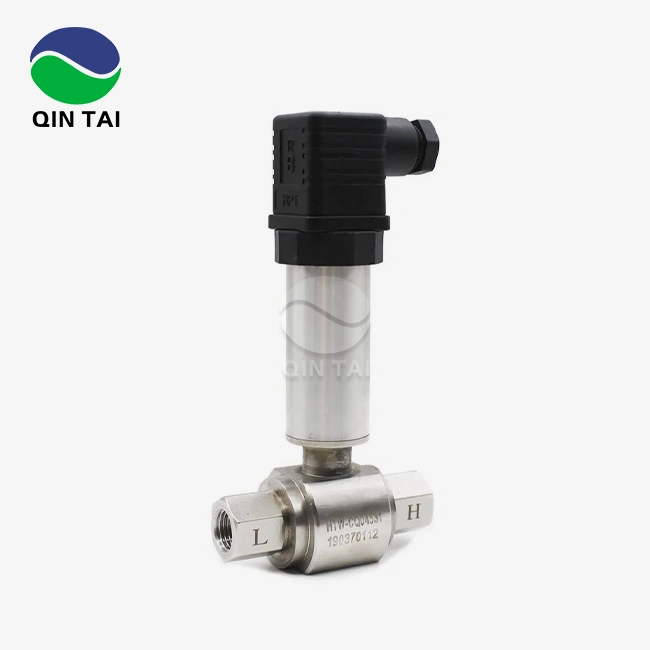
The urea dosing pressure sensor (sometimes referred to as a urea pressure sensor or AdBlue pressure sensor) detects the pressure of the DEF solution in the supply or dosing module. Depending on the vehicle builder and the SCR design, the location might be in the pump unit, the pressure line or near the injector assembly. Its wetted parts can withstand urea, and its pressure range, connection and output must be compatible with the platform, making it different from a generic pressure sensor. therefore now two sensors with the same thread might have different signals, therefore I always check the original part number first.
Pressure Sensor Versus NOx Sensor
Sometimes a tech may blame the incorrect sensor. A NOx sensor monitors the concentration of nitrogen oxides in the exhaust stream. The DEF pressure sensor remains on the liquid side and detects delivery pressure before injection. One notifies the controller what's in the exhaust. The other tells the controller whether the pump is able to provide the dosage. A failed NOx sensor will commonly produce conversion-efficiency codes. A failing pressure sensor will more typically trigger dosing codes or pump-circuit problems. The two pieces break differently, so a distributor that carries both helps repair shops get to the proper remedy quicker.
From Pump Pressure to Controller Signal
The sequence contains 4 stages. The pump creates pressure, the detecting element bends from that pressure, and the sensor translates that flex to a voltage. The controller then compares this voltage to its set point and adjusts the dosage valve. The signal types from the vehicles vary (analog voltage, ratiometric, digital, CAN-based). The ratiometric 0.5-4.5 VDC signal varies with the supply voltage so the controller will still detect pressure appropriately if the supply moves a little. During testing I assess supply voltage, signal voltage, reaction time and pressure decay. I give importance to OEM service data over universal measurements.
Top Urea Dosing Pressure Sensor Selection Criteria and Options for Trucks
Electrical and Pressure Specifications
Begin with pressure. The urea dosing pressure sensor requires a range that encompasses typical operating pressure and allows for spikes. The accuracy should be maintained across the whole range. Then, match the controller with the supply voltage and signal scaling. Most commercial vehicles use 12 V or 24 V electrical systems, however the sensor itself may be powered by a regulated 5V source, as is the case with the QS-P226. If the part is healthy, this signal mismatch results in misleading fault codes. So ask the supplier for pressure-temperature data and repeatability findings, so you can estimate drift before you stock a component.
Materials, Sealing, and Fitment
Wet materials are important because DEF attacks many metals and leaves crystals when it dries. In this application, ceramic and stainless steel sensing elements are used. The housing must be resistant to moisture, dust and chemicals. DEF also freezes about 12 degrees Fahrenheit (-11 degrees Celsius), so you should also ask your provider about cold-weather durability. Then look at the technical features. Connector type, pin arrangement, thread, sealing technique, port orientation, installation space. A part that fits on paper but not pinout costs more in returns than a reduced price saves.
OEM, Aftermarket, and Custom Options
OEM parts are an exact match but dealer channels are generally more priced. If you check out the pressure, electrical, mechanical and performance criteria, an authorized aftermarket sensor is an excellent bargain. Common platforms will accept standard replacements. We may custom construct for particular circumstances such as a changed connection, different thread, expanded cable, new pressure range or private-label packaging. Analog sensors often offer easier wiring and ECU integration, digital outputs add diagnostics but need protocol matching. Please collect the following info before ordering: vehicle data, original part number, pinout, dimensions, certifications, quantity and expected delivery.
Diagnosing, Replacing, and Maintaining a Urea Pressure Sensor
Recognizing Fault Symptoms
Symptoms are typical: dashboard alert, loss of engine power, intermittent dosage, unstable readings and unexpected DEF consumption. Low pressure may be caused by a weak pump , a clogged filter , crystallized DEF , a leak , a wiring problem , or a broken sensor . High pressure might indicate a limited injector, a blocked return channel, a pump control issue, contamination or incorrect calibration. The sensor is only one suspect on that list. First, read the fault codes and live data to avoid switching costly parts and protecting your reputation with repair businesses.
A Practical Test Sequence
I always do it in the same sequence. Check the connection, wiring and DEF lines for damage, leaks or crystals first. 2. Turn the key on and verify supply voltage and ground at the connection. Third , measure the signal and compare to a calibrated gage . Fourth turn the pump on, let the pressure build and do a pressure-decay test to locate leaks. After repair, verify with a road test and a clean scan of codes. Always refer to OEM wiring diagrams and safety instructions as DEF systems vary from manufacturer to manufacturer.
Replacement and Preventive Maintenance
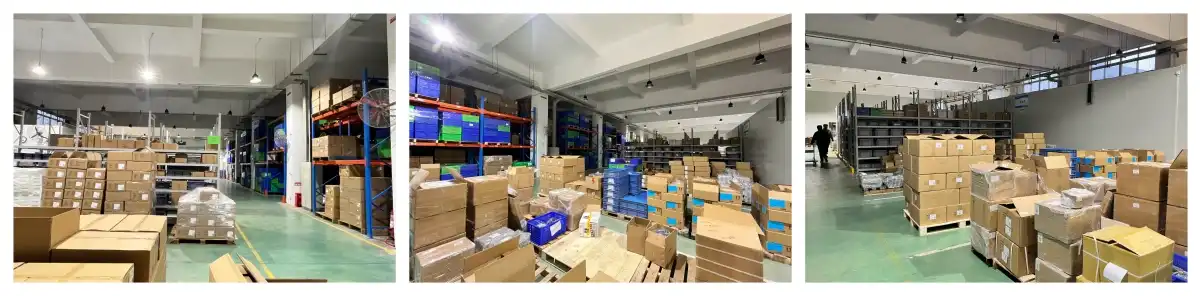
Replace the urea dosing pressure sensor if the sensing element, housing, connection, seals or factory calibration is destroyed. If it has crystallized, cleaning the sensor may harm the diaphragm. First depressurize the system, keep debris out of the lines, use only appropriate cleaning solutions and replace new seals. Some cars then need SCR priming, pump bleeding, pressure adaptation, fault code clearing or a verification drive. To avoid repeated failures, use clean DEF that conforms to ISO 22241-1, service filters on schedule, examine connections, and route wire away from heat and vibration. Distributors should cycle stocks and preserve spares in sealed packaging.
Qintai QS-P226 and How to Choose a Supplier
QS-P226 Technical Specifications
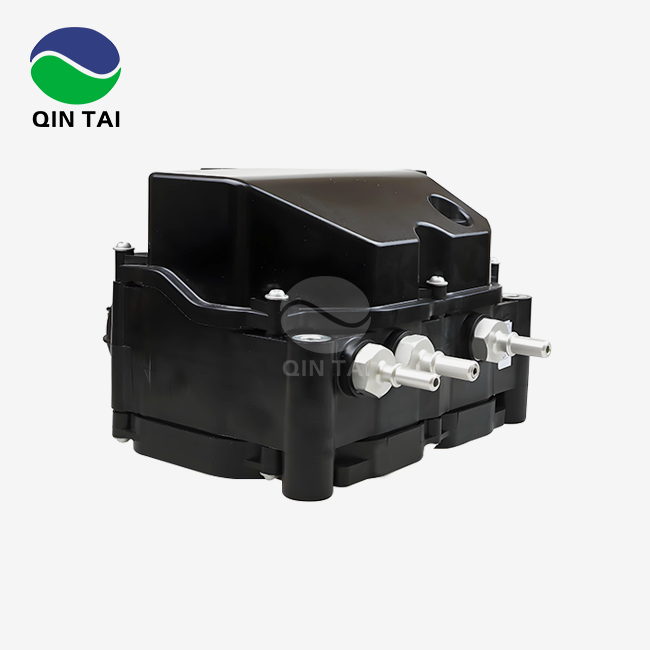
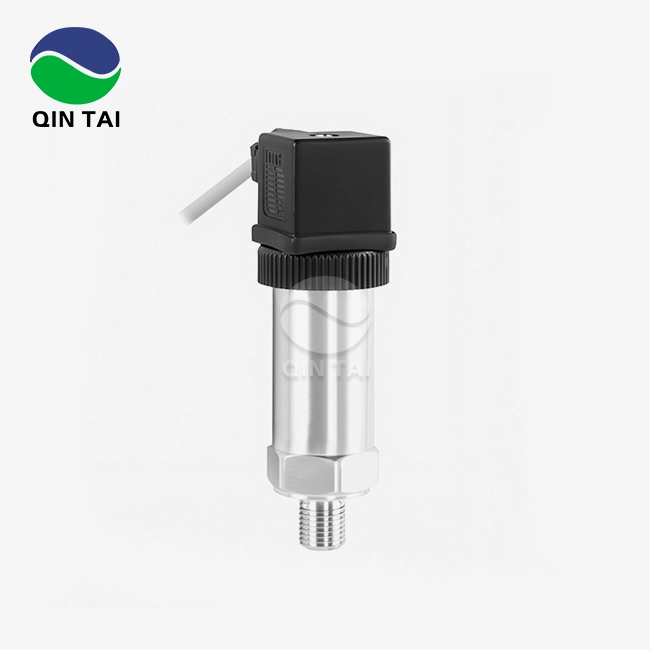
The QS-P226 is a Qintai urea sensor built around a self-developed and produced sensor core. Here are the listed specifications:
| Parameter | Specification |
|---|---|
| Model | QS-P226 |
| Pressure range | Refer to OE |
| Measurement range | -14 psi to +130.5 psi |
| Supply voltage | 5V |
| Output | Analog, 0.5-4.5 VDC ratiometric |
| Measuring medium | Urea |
| Accuracy | 0.5% |
| Operating temperature | 60-80°F |
| Warranty | 12 months |
| Quality | 100% tested |
Because the pressure range refers to OE, you can match it against the original part number. Please confirm the temperature range against your application before ordering.
Features That Matter in the Workshop
Here are the core features that matter to distributors and repair shops:
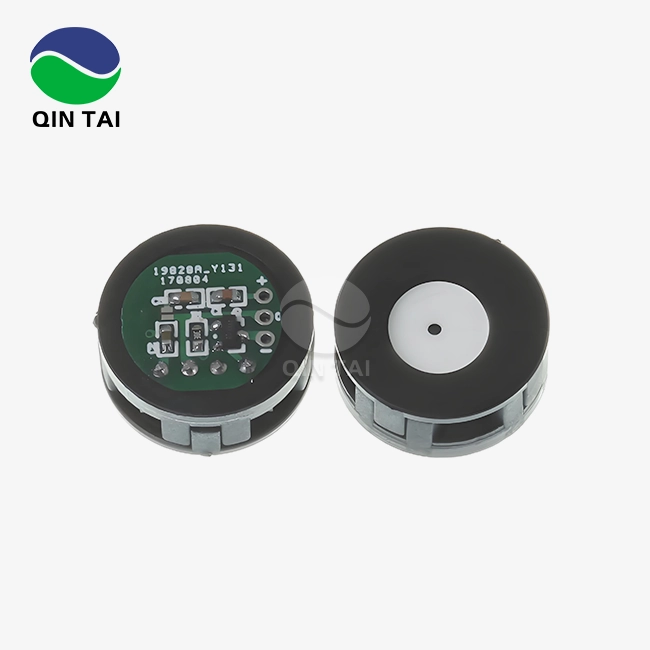
- Self-developed sensor core: Qintai develops and manufactures its own sensor core, which means the firm can directly manage calibration and batch quality. This technique helps eliminate reliance on external sensing components, and provides accurate readings in the operating range, helping those distributors who refill the same part number every quarter.
- Environmental protection: The sensor is housed in a sealed enclosure that protects it from moisture, dust and chemical exposure. This protection is critical on a truck as road spray, dirt, and fluids get into every connection and housing and a damaged seal may distort the signal and create bogus failure codes.
- Real-time Monitoring: Continuous pressure monitoring provides instantaneous input to the SCR control unit, allowing the controller to instantly adjust dosage as the system changes. It also helps to avoid damage and expensive repairs via early identification of pressure issues and is suitable for both light-duty and heavy-duty diesel applications.
These features target common field problems: signal error, moisture damage, and late response to pressure changes.
Manufacturing Strength and Supplier Verification
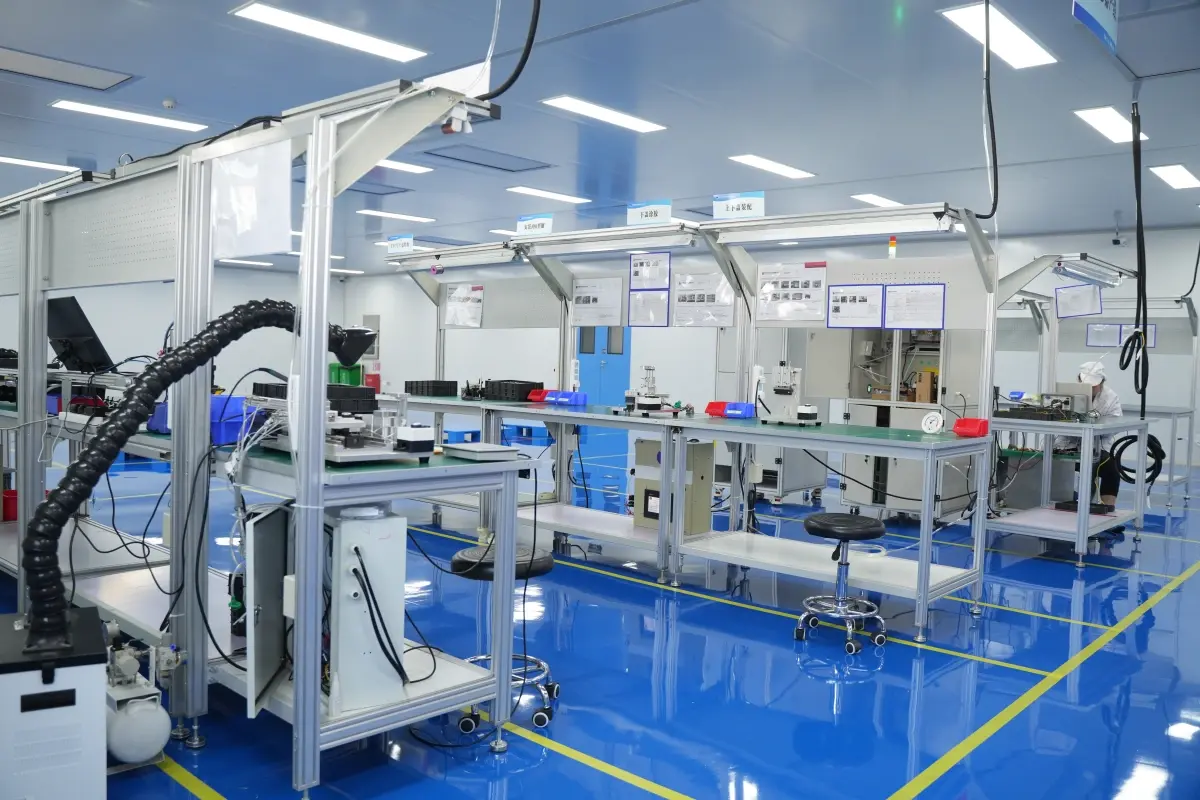
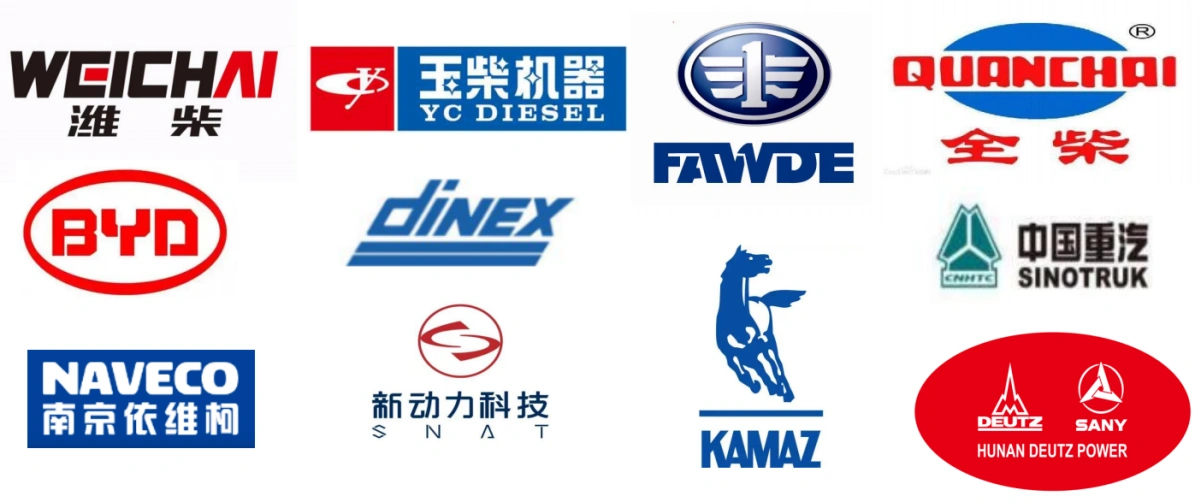
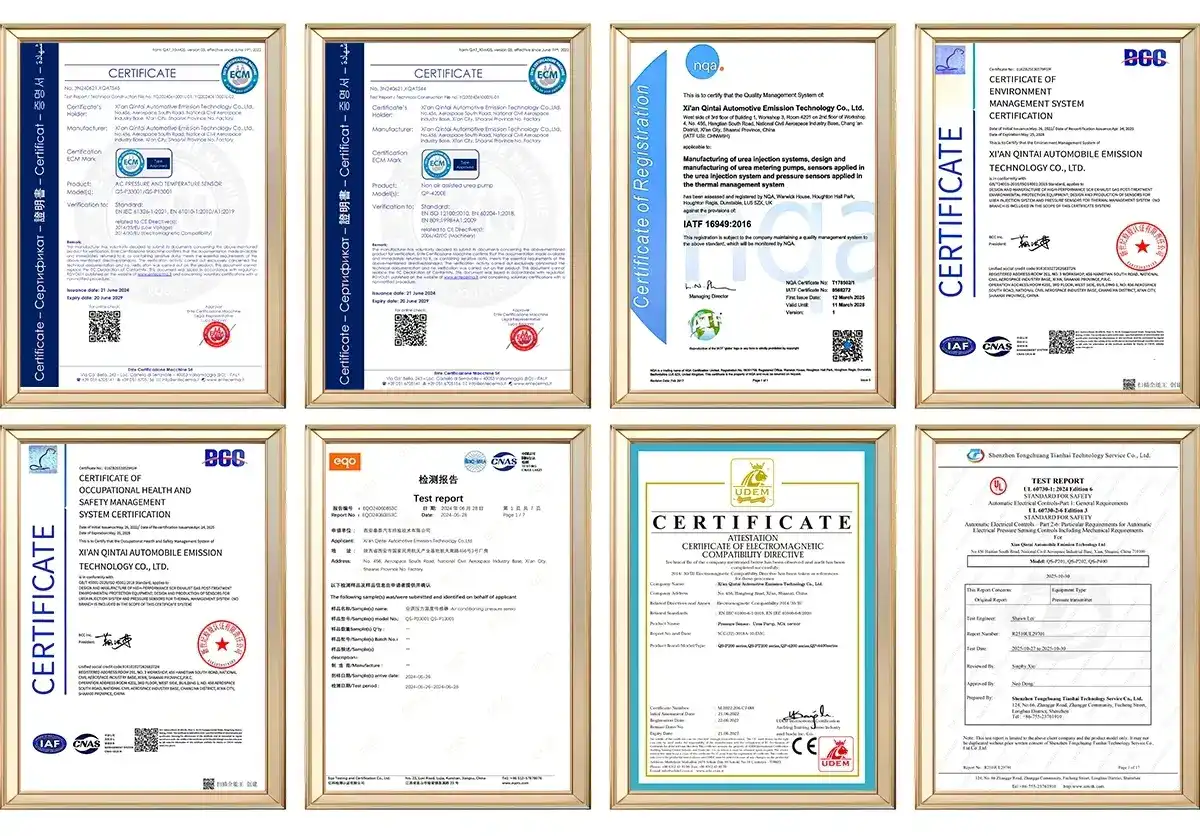
Qintai was created in 2001, which is a national high-tech firm. It has ISO9001 and IATF16949 certifications, CMC, Ex, UL, CE, REACH and RoHS certificates and 58 innovation patents. It has an 86-person R&D team to handle OEM and ODM projects and customisation, and yearly manufacturing capacity is over two million sensors. The firm offers Weichai Power, Yuchai Power and Quanchai Power, and its products are sold in more than 60 countries and regions. When you screen any supplier, ask for certifications, pressure and leak test results, temperature and vibration validation, MOQ, lead time, export packing and warranty conditions. Don't look at unit pricing. Compare entire cost, including downtime, claims and wrong-fit returns.
Conclusion
A urea dosing pressure sensor provides the SCR controller with the pressure data it needs to properly administer DEF. This keeps a truck under control of NOx, and avoids warning lights, derating, and failed emissions testing. This article presented the differences between the sensor and a NOx sensor and the path of the signal from the pump to the controller. It also addressed the characteristics which determine fitment: pressure range, supply voltage, output signal, materials, connection and accuracy. “The buyer compares the part to the original, and the OEM parts, aftermarket parts and custom parts all have different purposes. A planned test sequence and regular maintenance lessen the chance of recurring failures. The QS-P226 fits this criteria with a 5V supply, 0.5-4.5 VDC ratiometric output, 0.5% accuracy, and 100% tested.
FAQ
Q1: What does a urea dosing pressure sensor do?
A: It monitors the DEF pressure in the dosing circuit and sends the value to the controller. The controller then utilizes this data to control the pump output and injection.
Q2: Why do normal pressure values differ between trucks?
A: Each manufacturer sets its own pump, nozzle, and control strategy. Always use the OEM service specification as your target, not a universal figure.
Q3: How is it different from a NOx sensor?
A: A NOx sensor measures nitrogen oxide in the exhaust gas. The pressure sensor measures liquid DEF pressure before injection.
Q4: Can an aftermarket replacement be used safely?
A: Yes, when the pressure range, supply voltage, signal, connector, and thread match the original, and the supplier provides test records.
Q5: What should I include in a quotation request?
A: Please provide the original part number, voltage, pressure range, connection type, quantity and delivery market. A sketch may speed up the compatibility check.
Request a Compatible Urea Dosing Pressure Sensor from Qintai
Qintai, a urea dosing pressure sensor manufacturer founded in 2001, can review your part number, drawing, or vehicle application before you order. Our team supports samples, OEM/ODM projects, customization, and bulk supply, backed by ISO9001 and IATF16949 certification, 58 invention patents, and annual capacity above two million sensors. Send your requirements to info@qt-sensor.com.
References
1. U.S. Environmental Protection Agency, Control of Air Pollution From New Motor Vehicles: Heavy-Duty Engine and Vehicle Standards Final Rule, 2022
2. Federal Register, Control of Air Pollution From New Motor Vehicles: Heavy-Duty Engine and Vehicle Standards, 2023
3. International Organization for Standardization, ISO 22241-1 Diesel Engines — NOx Reduction Agent AUS 32 — Part 1: Quality Requirements, 2019
4. International Organization for Standardization, ISO 22241-2 Diesel Engines — NOx Reduction Agent AUS 32 — Part 2: Test Methods, 2019
5. SAE International, Diesel Emission Control in Review, 2009
6. Robert Bosch GmbH, Bosch Automotive Handbook, 2018

Our customers’ satisfaction speaks for our quality — contact us to experience the same reliable service.