- English
- French
- German
- Portuguese
- Spanish
- Russian
- Japanese
- Korean
- Arabic
- Greek
- German
- Turkish
- Italian
- Danish
- Romanian
- Indonesian
- Czech
- Afrikaans
- Swedish
- Polish
- Basque
- Catalan
- Esperanto
- Hindi
- Lao
- Albanian
- Amharic
- Armenian
- Azerbaijani
- Belarusian
- Bengali
- Bosnian
- Bulgarian
- Cebuano
- Chichewa
- Corsican
- Croatian
- Dutch
- Estonian
- Filipino
- Finnish
- Frisian
- Galician
- Georgian
- Gujarati
- Haitian
- Hausa
- Hawaiian
- Hebrew
- Hmong
- Hungarian
- Icelandic
- Igbo
- Javanese
- Kannada
- Kazakh
- Khmer
- Kurdish
- Kyrgyz
- Latin
- Latvian
- Lithuanian
- Luxembou..
- Macedonian
- Malagasy
- Malay
- Malayalam
- Maltese
- Maori
- Marathi
- Mongolian
- Burmese
- Nepali
- Norwegian
- Pashto
- Persian
- Punjabi
- Serbian
- Sesotho
- Sinhala
- Slovak
- Slovenian
- Somali
- Samoan
- Scots Gaelic
- Shona
- Sindhi
- Sundanese
- Swahili
- Tajik
- Tamil
- Telugu
- Thai
- Ukrainian
- Urdu
- Uzbek
- Vietnamese
- Welsh
- Xhosa
- Yiddish
- Yoruba
- Zulu
Best DEF Urea Pump in China for US Truck Fleet Buyers
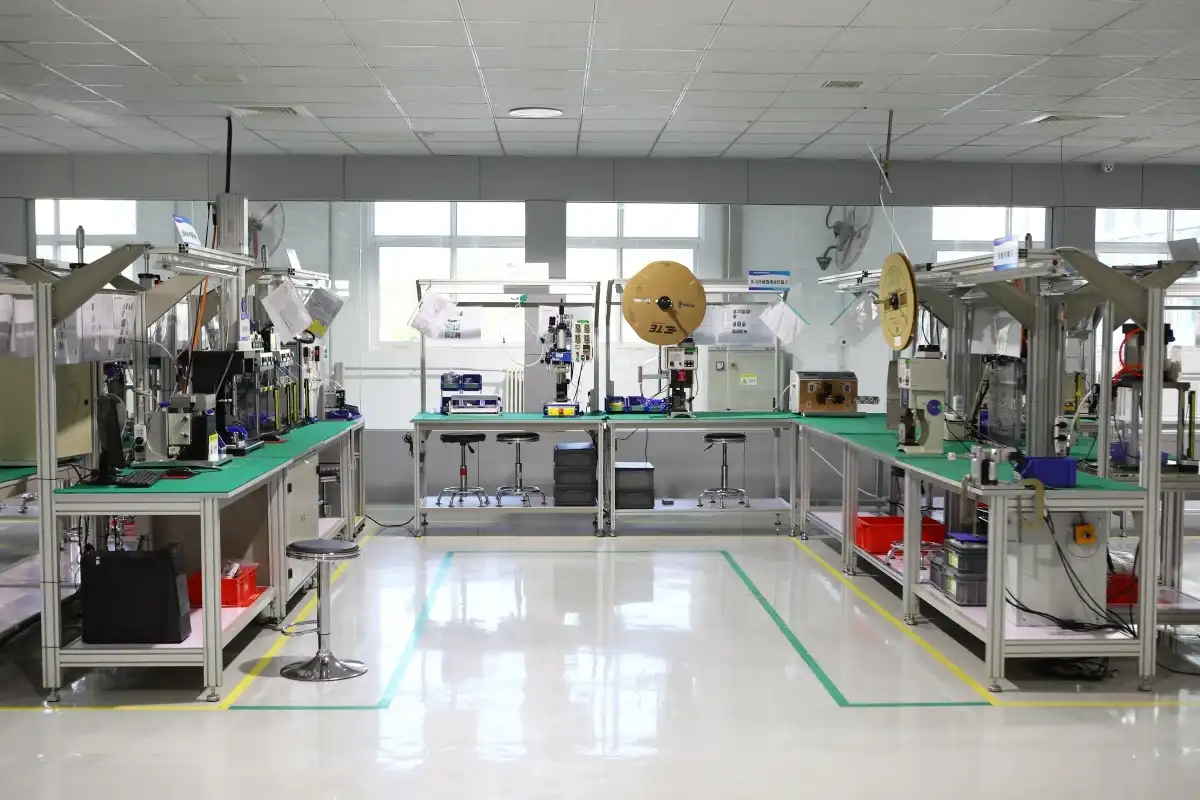
The ideal def urea pump for a US fleet of trucks will match your DEF supply, voltage, flow goal and engine control system. It also is from a manufacturer that keeps records of their work. China has a huge diesel aftertreatment supply base. Founded in Xi'an in 2001, Qintai is a national high-tech firm specializing in SCR urea pumps and pressure sensors for diesel engines. The objective of this guide is to assist fleet managers, system integrators and distributors in comparing solutions on the facts. It explains the working of the pump, important parameters, how to evaluate the quality and what to ask before purchase.
Why the Right DEF Urea Pump Matters for US Truck Fleets?
Why Choosing the Right Pump Affects Fleet Costs?
Selective catalytic reduction uses diesel exhaust fluid. DEF is 32.5% urea and 67.5% deionized water according to ISO 22241. Buyers may find it sold as DEF, AdBlue or AUS 32. Documentation needs differ from place to region and these names are used for the same fluid. A bad pump choice shows up as delayed filling, leakage, crystalline deposits, voltage mismatch, or incorrect metering. Any one of these problems may park a truck. In this post I distinguish two sorts of pumps. Transfer pumps fill tanks from drums or IBC totes . The SCR urea pumps are on the vehicle and provide DEF to the dosing module. Neither can a diesel transfer pump, since its materials may corrode in DEF or pollute it.
How a DEF Urea Pump Works?
The SCR urea pump on a vehicle draws DEF from the tank and pumps it to the dosing module at the pressure needed. The module breaks the fluid into the exhaust stream. The urea breaks down into ammonia, which then decreases the nitrogen oxides on the catalyst. The engine control unit calculates the amount to be metered using the engine load, the exhaust gas flow and feedback from the NOx sensor . The dispensing pump is straightforward : container , input , pumping chamber , hose , nozzle . It is either a centrifugal or a diaphragm design. Diaphragm models are well primed. Centrifugal variants are better for stationary, higher-flow stations. In any event, all wetted parts must be DEF compliant.
Key Specifications for Selecting the Best DEF Urea Pump
I recommend purchasers choose by operational circumstances, not by headline flow or price. First check the supply voltage, 12V or 24V, current draw, fuse, cable and connection. Measure flow and pressure at the point of usage – nozzle or dosing module. Hose length, filters, fittings and temperature all take the numbers down on a data sheet. For on-board pumps include the communication protocol, mounting interface and electrical characteristics since a mismatch generates integration issues. Check duty cycle, weather protection, and operational temperature range. Check for flow meter accuracy and calibration papers if one is present.
Matching and Comparing DEF Pump Solutions
Matching the Pump to US Fleet Applications
The fleet type dictates the configuration. A package with an adaptor, suction tube, filter, hose, meter and automated nozzle works well for IBC users. Drummers generally prefer small, portable gear. Bus depots and truck fleets need consistent fueling on a regular basis and precise consumption data. Portable 12V units may be needed for agricultural machinery in distant locations. Mining and industrial vehicles generally need tough 24V or fixed high-duty-cycle systems. The ultimate option depends on container size, fleet volume, power availability, hose distance, weather exposure and maintenance access. On the vehicle side, the def urea pump must be suitable for the engine platform and exhaust arrangement as per the OEM design.
Comparing Common DEF Pump Solutions
Most shortlists are made up of four comparisons: electric vs. manual, portable vs. stationary, standard vs. high flow, and metered vs. non-metered. Manual pumps cost less and are ideal for low-volume or backup usage. Electric pumps make filling for routine fleet operations faster and easier. Portable systems travel from container to container. Stationary systems provide permanent storage and greater use. High flow systems require matching hoses, power supply & storage outlets otherwise the additional flow never gets to the nozzle. Metering helps to monitor use but adds another element to calibrate and verify.
Recommended Configurations by Buyer Type
Portable electric or manual pumps for drums or small IBCs are often chosen by small workshops due to their low cost and ease of maintenance. IBC kits are for medium sized fleets and include an automated nozzle, compatible hose, meter and replacement service parts. Large fleet and bus depot applications may need fixed high-flow systems with robust hose management, precise metering, scheduled maintenance and backup capacity. Distributors, integrators and OEM purchasers all have distinct points of interest: varied configurations, forecast-based manufacturing, documentation, private labeling and a standard spare-parts program. For these purchasers, I suggest releasing drawings and technical agreements early, since interface details determine how quickly a project gets forward.

Why Source a DEF Urea Pump from a China Manufacturer?
What a China Manufacturer Can Offer?
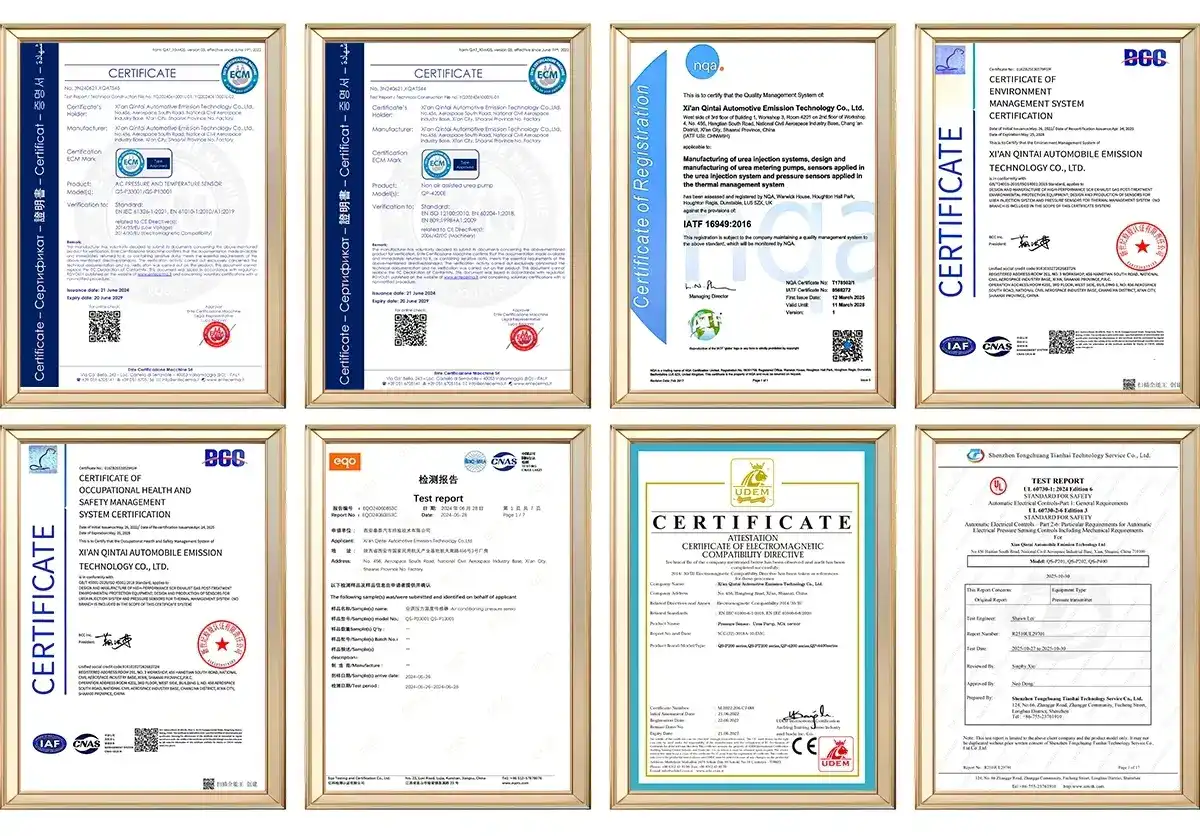
China-based manufacturers may provide factory-direct pricing, customisation, private-label services and flexible supply to distributors, OEMs and fleet operators. Price alone is a bad guide. I would recommend inquiring about the factory's capacity, quality-control methods, performance testing, material declarations, traceability, experience with exports, warranty terms and spare-parts support. Request datasheets, drawings, wiring information, performance curves, compatibility information, packaging requirements and inspection records for the def urea pump. Qintai has been certified with ISO9001, IATF16949, CMC, Ex, UL, CE, REACH and ROHS and filed for 58 innovation patents. Please indicate which papers are relevant to your particular model when requesting a price.
Qintai Urea Pump Features
Here are the core advantages of the Qintai urea pump, based on its design:
- High dependability and extended service life: The pump is engineered to survive extensive duty cycles so a truck spends less time in the shop for pump replacement. This is important to fleets where downtime counts in hours wasted. This is important for integrators with warranty exposure too, after delivering a final SCR assembly to an OEM.
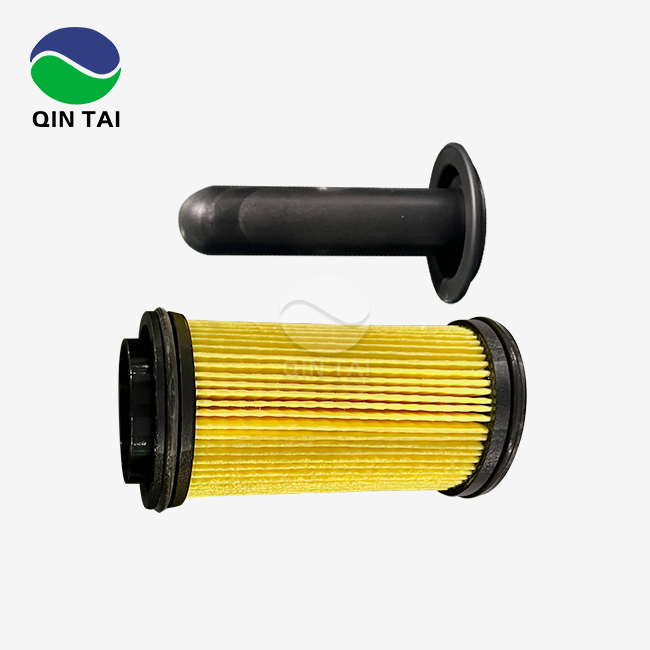
- Compact and integrated design: Pump, filter and heater are in one unit. The fewer discrete elements, the fewer connections to make and the less locations for leakage. Assembly teams working from OEM plans have a more straightforward installation and fault tracking throughout commissioning is easier.
- Accurate dosing under all temperature conditions: The pump ensures the correct quantity of DEF requested by the control unit is delivered throughout the temperature ranges. Stable dosing allows cars to fulfill emission requirements without wasting fluid and allows NOx reduction.
- Freeze protection, low power consumption and low noise: An included freeze protection and purge mechanism protects the pump throughout winter. It requires little energy and is low noise, so it has a minimal demand on the vehicle’s electrical system.
These advantages address common production problems, including connection count, cold-start behavior, and fault tracing during integration.
Control and Cold-Weather Performance
The Qintai urea pump is communicated to the ECU which controls dosaging amount as a function of engine load, exhaust flow and NOx sensor data. It is meant to be compatible with Bosch ECU for certain SCR control methods, hence the integrator needs supply the ECU model and protocol in advance to validate the compatibility. The pump contains heaters and freeze prevention logic for cold temperatures. DEF freezes at roughly 12°F (−11°C), thus the system melts it first and begins dosing only when the solution temperature is above freezing. Qintai is a key supplier to Weichai Power, Yuchai Power and Quanchai Power showing expertise with OEM engine projects.
Buying, Installing, and Maintaining Your Pump
A Practical Buying Checklist
A structured process prevents costly specification gaps. Use these three steps:
- Identify need. Record vehicle types, DEF usage (often quoted at roughly 2% to 3% of diesel use), storage containers, installation location, available power, fill rate and mobility. Write the numbers down so all suppliers quote to the same sheet.
- Establish minimal standards. List flow, pressure, priming, hose length, connectors, nozzle, meter, duty cycle, temperature range and chemical compatibility. For on-board pumps add communication protocol, mounting interface and certifications.
- Overall cost comparison Add freight, import costs, energy consumption, replacement parts, warranty assistance and danger of downtime. Confirm accessories, Incoterms, lead time, inspection alternatives, payment conditions, packaging and after sales coverage.
With the same specification sheet in every quotation, price differences reflect real differences rather than missing parts.
Installation, Operation, and Maintenance
Keep the intake line short, sealed and devoid of unnecessary bends. Use filters, hoses, fittings and seals suitable with DEF. Keep nozzles clean. Avoid dry running unless allowed by the manufacturer. Keep fuel and oil away from the fluid. Check for leaks, crystallization, decreased flow and strange noises. Freezing weather demands proper storage and cleaning routines. The majority of problems with a def urea pump are caused by a dirty filter, an air leak, improper voltage, a worn-out diaphragm or an extremely restrictive line. Faults include poor priming, pressure loss, leakages, noise and low flow. Federal standards also prohibit tampering with emission controls, thus repairs should maintain the integrity of the SCR system.
Quality Verification Before Bulk Orders
Run a pilot installation or test samples using your own DEF supply and operational conditions before a significant purchase. Measure real flow, prime time, noise, leakage, temperature increase and consistency at the point of usage. For larger purchases, pre-shipment or third party inspection may validate model, voltage, accessories, labels, packing, numbers and test records. Then check that the authorized sample is identical with the production units. Inquire about long-term availability of diaphragms, seals, filters, hoses and electrical parts, as well as warranty process and technical response time. That's where integrators with concerns about claims from a failing core element benefit the most, since clear records speed up fault tracking.
Final Selection: What Makes a DEF Urea Pump the Best Choice?
The best def urea pump is not the cheapest price, or the most advertized flow. It matches the container, voltage, disp. speed, environment, duty cycle and control system. It has clean documentation. The value of a product is the ability of a supplier. Consistent manufacture, quality verification, timely technical replies, replacement parts and warranty support all minimize long term risk. Before making a large purchase, check compatibility, test samples and note down every technical and commercial phrase. The EPA's 2022 final rule will impose tougher heavy-duty NOx restrictions beginning with model year 2027, increasing the importance of proper DEF dosage.
Conclusion
The first thing to a good def urea pump is to comprehend the task. Dispensing pumps fill tanks from drums or IBCs. The ECU controls the SCR urea pumps to provide DEF to the dosing module. Neither can a diesel pump replace it. The main selection variables are voltage, flow and pressure at the place of application, communication protocol, mounting interface, duty cycle and DEF-compatible materials. Configuration varies with fleet size and storage manner, from portable kits to fixed stations. The best way for purchasers to source from a China manufacturer is to check documentation, test samples, examine shipments, and verify spare parts and warranty conditions. Qintai’s pump integrates pump, filter and heater with freeze protection and ECU communication. The most reliable outcome is matching all of these things, not just following price or flow.
FAQ
Q1: What is the function of a urea pump?
A: It pressurizes the AdBlue from the tank to the dosing module. This allows for accurate metering of NOx reduction in SCR systems and ensures flow and pressure compatible with catalyst performance.
Q2: How is the urea pump controlled?
A: It communicates with the Engine Control Unit (ECU), which regulates dosing quantity based on engine load, exhaust flow, and NOx sensor feedback.
Q3: What are the advantages of Qintai urea pumps?
A: Long life and compact design with pump, filter and heater. They also provide precise dosing across temperatures, integrated freeze protection with purge function and minimal energy usage and noise.
Q4: Does the Qintai urea pump comply with Bosch ECU?
A: It is designed to comply with Bosch ECU for specific SCR control strategies. Share your ECU model so our engineers can confirm the match.
Q5: How does the pump handle freezing conditions?
A: Heaters and freeze-protection logic are built in to melt the AdBlue before it’s delivered. Dosing only begins when the solution temperature is above freezing.
Request a Qintai DEF Urea Pump Supplier Quote
Qintai welcomes inquiries from truck fleets, SCR integrators, and distributors who need a def urea pump supplier with OEM and ODM service. Send your ECU model, drawings, application, and expected order volume to info@qt-sensor.com, and our team will review the match. We hold ISO9001 and IATF16949 certificates and serve customers in more than 60 countries and areas.
References
1. ISO 22241-1, Diesel Engines — NOx Reduction Agent AUS 32 — Part 1: Quality Requirements, 2019
2. ISO 22241-3, Diesel Engines — NOx Reduction Agent AUS 32 — Part 3: Handling, Transportation and Storage, 2019
3. U.S. Environmental Protection Agency, Control of Air Pollution from New Motor Vehicles: Heavy-Duty Engine and Vehicle Standards (Federal Register), 2023
4. Majewski, W. A. and Khair, M. K., Diesel Emissions and Their Control, SAE International, 2006
5. Heywood, J. B., Internal Combustion Engine Fundamentals, McGraw-Hill Education, 2018
6. Robert Bosch GmbH, Bosch Automotive Handbook, 2022

Our customers’ satisfaction speaks for our quality — contact us to experience the same reliable service.