- English
- French
- German
- Portuguese
- Spanish
- Russian
- Japanese
- Korean
- Arabic
- Greek
- German
- Turkish
- Italian
- Danish
- Romanian
- Indonesian
- Czech
- Afrikaans
- Swedish
- Polish
- Basque
- Catalan
- Esperanto
- Hindi
- Lao
- Albanian
- Amharic
- Armenian
- Azerbaijani
- Belarusian
- Bengali
- Bosnian
- Bulgarian
- Cebuano
- Chichewa
- Corsican
- Croatian
- Dutch
- Estonian
- Filipino
- Finnish
- Frisian
- Galician
- Georgian
- Gujarati
- Haitian
- Hausa
- Hawaiian
- Hebrew
- Hmong
- Hungarian
- Icelandic
- Igbo
- Javanese
- Kannada
- Kazakh
- Khmer
- Kurdish
- Kyrgyz
- Latin
- Latvian
- Lithuanian
- Luxembou..
- Macedonian
- Malagasy
- Malay
- Malayalam
- Maltese
- Maori
- Marathi
- Mongolian
- Burmese
- Nepali
- Norwegian
- Pashto
- Persian
- Punjabi
- Serbian
- Sesotho
- Sinhala
- Slovak
- Slovenian
- Somali
- Samoan
- Scots Gaelic
- Shona
- Sindhi
- Sundanese
- Swahili
- Tajik
- Tamil
- Telugu
- Thai
- Ukrainian
- Urdu
- Uzbek
- Vietnamese
- Welsh
- Xhosa
- Yiddish
- Yoruba
- Zulu
Urea Injection System vs SCR: Key Differences for OEM Buyers
When comparing a urea injection system with Selective Catalytic Reduction (SCR) technology, it's important to recognize that these two components are closely linked yet functionally distinct. A urea injection system handles the precise dosing and atomization of Diesel Exhaust Fluid (DEF) into the exhaust stream, while SCR refers to the broader catalytic process that converts NOx into harmless nitrogen and water vapor. For OEM buyers in heavy trucks, construction machinery, agricultural equipment, and generator sets, understanding where one ends and the other begins is critical to achieving compliance, controlling costs, and sustaining long-term production quality.
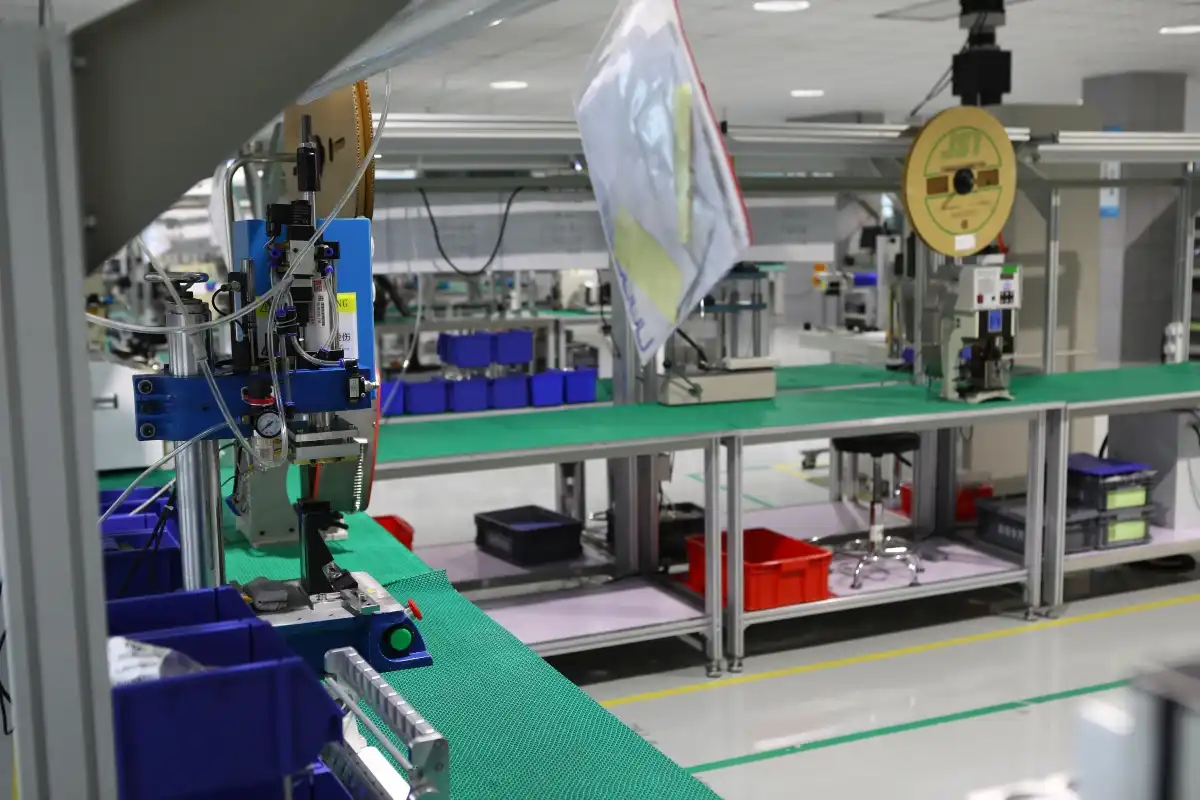
Understanding Urea Injection Systems and SCR Technology
How the Chemistry Actually Works
The SCR reaction depends on urea being delivered correctly. When DEF—a solution of 32.5% urea in deionized water (AUS32, according to ISO 22241)—is injected into hot exhaust gases, it breaks down:
CO(NH₂)₂ + H₂O → 2NH₃ + CO₂
The ammonia that is made then mixes with NOx over the catalyst:
4NO + 4NH₃ + O₂ → 4N₂ + 6H₂O
The relationship in this is beautiful but harsh. Even small changes in the amount or time of the injection can throw off the balance between ammonia and NOx, leading to either NOx breakthrough or ammonia slip, which are both illegal under EPA Tier 4 Final and Euro VI guidelines.
Core Components OEM Engineers Must Know
In an SCR aftertreatment system, the urea injection system side has a high-precision electromagnetic dose injector, a supply module with a pump, filter, and level monitor, a Dosing Control Unit (DCU), and heated lines to keep DEF from freezing below -11°C. On the SCR side, there is a catalyst base, an upstream and downstream NOx monitor, and a mixer that mixes the DEF before it hits the catalyst face. These two units need to be able to talk to each other without any problems. Field failures are often caused by differences in signal methods or pressure calibration between them.
Key Technical Differences Between Urea Injection Systems and SCR
When buying, OEM buyers often mix up these two subsystems, which causes specification mistakes. The most important technical differences are shown below: urea injection system is one of the key subsystems that must be clearly distinguished from the other, and its specific parameters are critical to avoid confusion.
The urea injection system usually works with opening pressures between 5 and 9 bar, and the quality of the atomization is measured by the Sauter Mean Diameter of the droplets. Crystallization resistance is an important material property because injector tip temperatures can go over 300°C during long-term use. The SCR catalyst, on the other hand, works best when the exhaust temperature is between 200°C and 600°C. Below 200°C, conversion efficiency drops sharply and urea deposits form.
Before sending out an RFQ, buying teams should write down the following main technology differences:
- Function boundary: The urea injection system measures and atomizes DEF, and the SCR system reduces NOx through catalysis. One is a precise device for handling fluids, and the other is a thermochemical furnace.
- Failure modes: Most injection failures are caused by a clogged nozzle, crystallization at the tip, or a sensor that stops working. Most of the time, an SCR fails because the catalyst is poisoned, the substrate cracks from heat cycling, or the amount of ammonia used is too high.
- Maintenance cadence: Depending on the duty cycle, injector nozzles need to be checked every 60,000 to 100,000 km. In heavy-duty situations, catalyst materials are usually meant to last at least 500,000 km before they need to be replaced.
- Temperature sensitivity: Injectors need heated elements to keep the DEF fluid; catalysts need exhaust heat to keep working. Both of these needs must be met at the same time by cold-start processes.
Understanding these differences keeps you from making mistakes that cost a lot of money. If an R&D engineer thinks of the injector as a regular fluid valve, they won't realize how precise it needs to be, which will hurt the NOx performance at the system level.

Evaluating Procurement Decisions for OEM Buyers
Total Cost of Ownership vs. Unit Price
When a buying manager is sourcing on a large scale, the upfront cost of a component is rarely the most important measure. On a Euro VI heavy truck engine, DEF use is about 3–5% of diesel use, and the amount of DEF waste from overdosing is directly related to how reliable the injectors are. A valve that doesn't atomize well loses DEF and puts the catalyst at risk of getting clogged. Both of these problems have long-term costs that are much higher than the price difference between a high-end and low-end injector.
OEM-certified parts have calibration data that can be tracked and warranty terms that are in line with when engines are made. Aftermarket options might lower the cost per unit by 15–30%, but field NOx compliance can't be guaranteed without being matched to the DCU. Urea injection system calibration, in particular, must be precisely aligned with the DCU logic; otherwise, even minor deviations can compromise SCR efficiency. This means that engine OEMs selling into regulated markets are open to a lot of risk.
Supplier Landscape and Selection Criteria
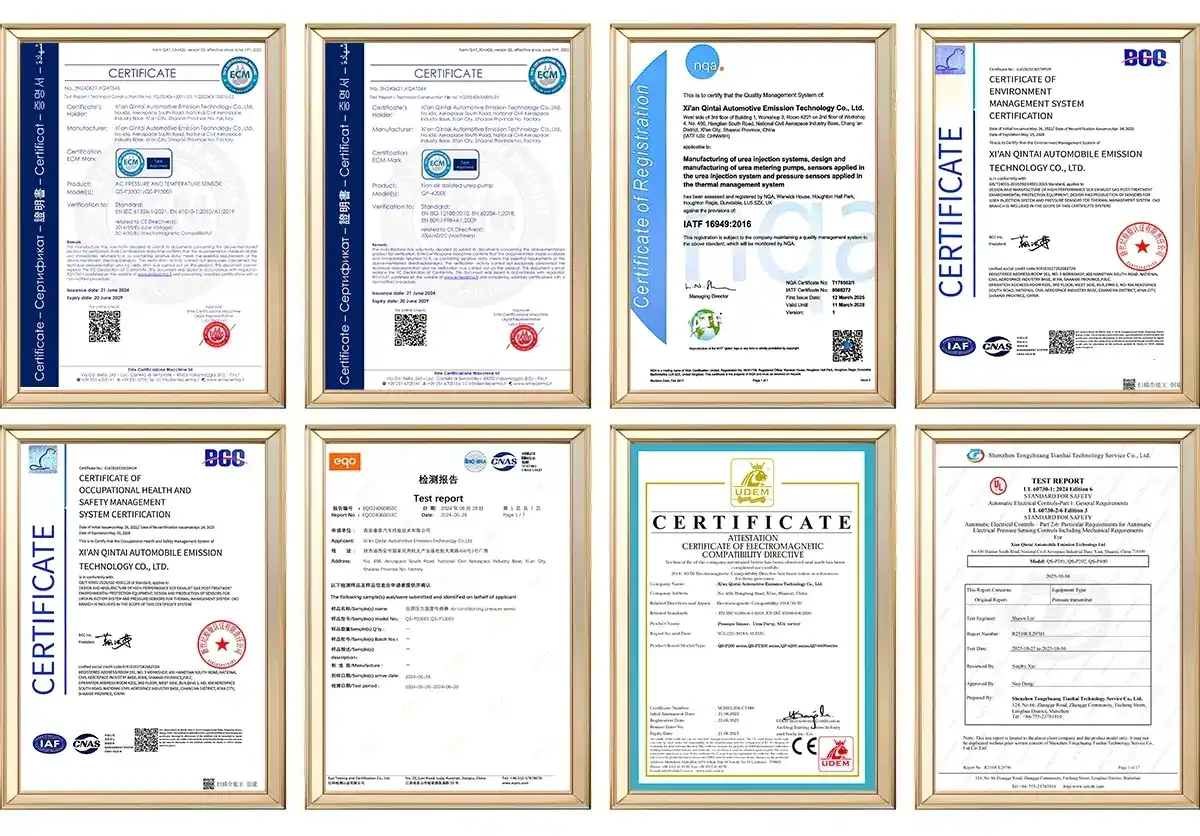
Bosch and Denso are the world's biggest suppliers of Tier 1 injectors, and Continental and Delphi are the leaders in integrating DCUs and sensors. Qintai has become the best domestic supplier for OEM buyers looking for certified mass-production capacity with a track record of China VI homologation. It is a core partner to Weichai Power, Yuchai Power, and Quanchai Power. Qintai is certified by IATF16949 and ISO9001, and its goods are sold in more than 60 countries. It has also filed 58 idea patents.
The supplier evaluation matrix for technical departments should include: emission certification coverage (China VI, Euro VI, EPA Tier 4), compatibility with urea injection system pressure ranges, atomization specification data, heating system design, and the ability to use different DCU signal protocols.
How to Choose the Best System for Your Application
Matching System Architecture to Engine Platform
Because they have to start from a cold position for longer periods of time, commercial truck engines bigger than 9L usually need injectors that can handle more flow and heating systems that are more aggressive. Off-road building and farming equipment often works in a wider range of temperatures, so they need injectors that have been tested and proven to work in temperatures below zero. In generator set applications, like mines and backup power systems, long-term maintenance and industrial-grade part durability are more important than weight optimization.
Scalability is important. If an OEM platform team wants to use the same injector version on a family of engines (from 4L to 13L), they will need either a flexible urea injection system with flow maps that can be changed or different variants with DCU calibration files that are aligned. Customization from the supplier stops being a choice and turns into a hard selection criterion.
Emerging SCR technologies, like close-coupled catalyst designs and electrically hot catalyst systems for NOx compliance at cold starts, will make it even harder for injectors and catalysts to work together, and the urea injection system is at the heart of this complexity. To make your relationship with your supplier future-proof, choose a partner that is actively investing in research and development in these areas.
Urea Injection System Maintenance and Troubleshooting Tips
Preventing the Most Costly Field Failures
The most common failure that can be avoided is crystallization at the injection tip. When DEF disappears after the engine is turned off, it leaves behind urea buildup. Modern urea injection systems deal with this by using a purge cycle to remove DEF from the nozzle and lines after the system is turned off. Another easy step that gets rid of a lot of field returns during acceptance testing is making sure that the purge loop works properly.
Technicians working on injector service should follow these rules:
- Regular nozzle inspection: Look for crystalline layers every 60,000 km or as instructed by the maker. Many systems can clean themselves automatically with a heated fluid flush. If automatic cleaning doesn't work to restore flow, manual cleaning with approved tools is an option.
- Heating element verification: Make sure that the nozzle and line heating works below 5°C. DEF freezes at -11°C; if the heating fails in cold places, dose loss and NOx noncompliance alerts happen right away.
- Sensor calibration checks: In high-duty-cycle uses, NOx and pressure monitors should be checked against reference instruments once a year. Sensor shift makes the DCU guess wrongly about the amount of injection, which can lead to slip or breakout.
- DEF quality control: DEF that is contaminated or broken down (urea concentrations above or below 31.8–33.2% according to ISO 22241) speeds up the buildup of deposits on the catalyst and injectors. Always buy DEF from licensed sellers and keep an eye on how it's stored.
-
Conclusion
The difference between a urea injection system and the larger SCR architecture is not just a matter of words; it has direct effects on how well specifications are met, which suppliers are chosen, and how costs are managed over the lifecycle. When OEM buyers treat these as a single item, they run the risk of getting parts that don't fit together, gaps in compliance, and higher warranty costs. The buying discipline that separates effective emission control programs from reactive ones is judging each subsystem on its own technical qualities and then confirming how well the whole system works together.
FAQ
How does the urea injection system integrate with SCR to reduce NOx?
Before the SCR catalyst, the injector adds DEF to the exhaust. The ammonia that is made after hydrolysis mixes with NOx on the surface of the catalyst, turning it into nitrogen and water. The DCU uses input from the NOx monitor to keep changing the amount of fuel that is injected, so that compliance is maintained no matter what the engine load is.
What are the main advantages of OEM-certified components over aftermarket alternatives?
OEM-certified parts have testing data that matches, can be tracked back to their original source, and come with warranties that are in line with engine production standards. While aftermarket parts may lower the original cost, they can make calibration less certain, which can make NOx compliance worse and render emission certifications useless. This is a very big risk for OEMs that want to sell their products in Euro VI or EPA-regulated markets.
How often should the urea injection nozzle be serviced?
Depending on the job cycle and working environment, inspections are usually done every 60,000 to 100,000 km. Longer intervals are usually reached by systems with automated purge cycles and heated parts. To keep your guarantee valid, always follow the engine OEM's stated repair plan and only use OEM parts.
Can one injector specification cover multiple engine displacements?
Not often enough. Different engine sizes have different flow rates, atomization properties, and heating needs. The easiest way to combine platforms without losing performance at either end of the displacement range is to find suppliers that offer modular injector families with DCU calibration maps that can be changed.
Partner with Qintai for Certified Urea Injection System Solutions
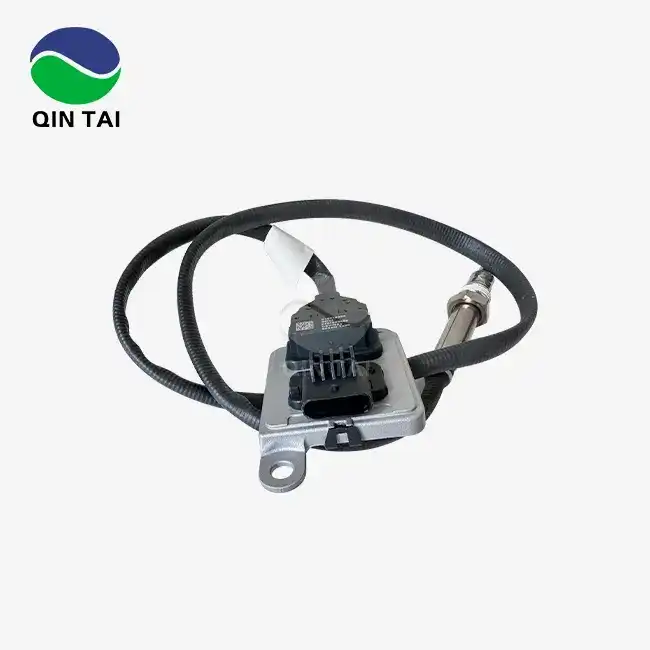
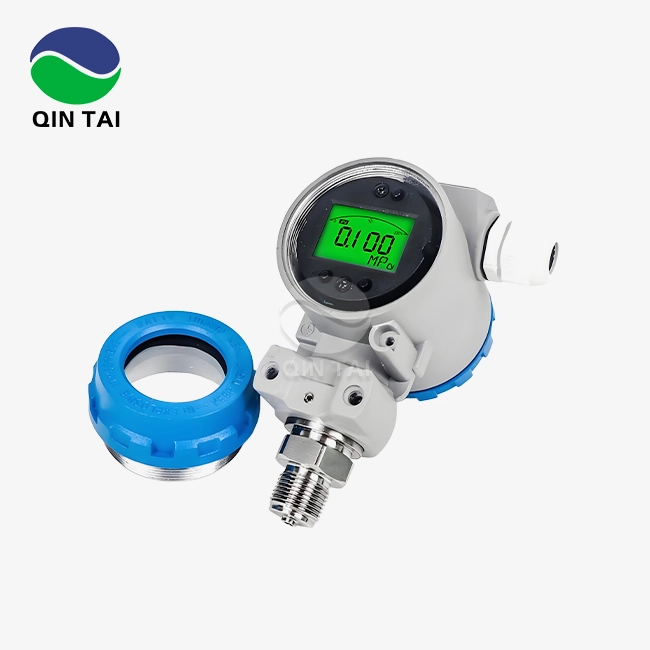
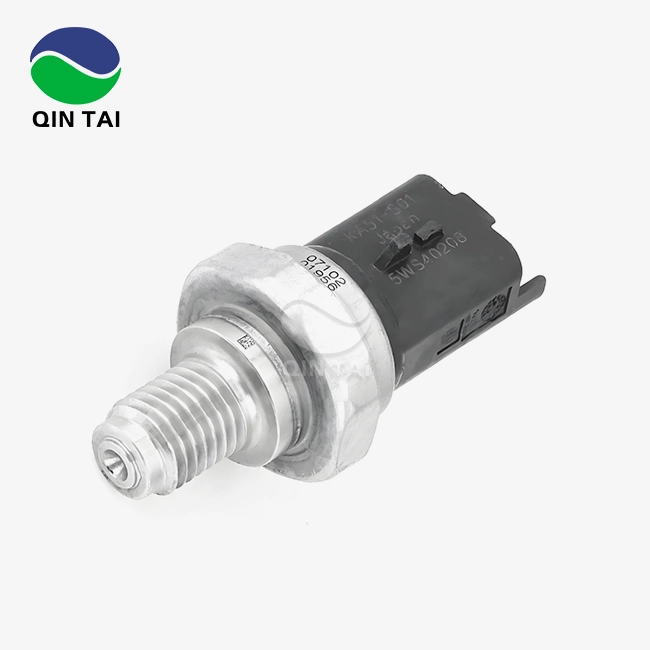
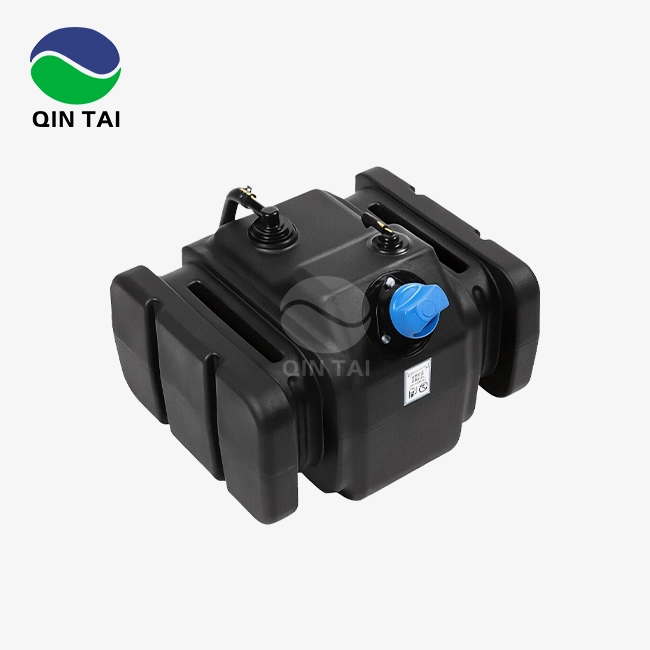
Qintai has been around since 2001 and is the leader in China's aftertreatment sensor market. They sell a wide range of certified urea injection system parts for both OEM and aftermarket use. We are a reliable company that makes urea injection systems. Our products are compliant with China VI, Euro VI, and EPA Tier 4, and our production is IATF16949-certified. We also offer OEM/ODM customization options. To get a specification review or bulk quote, email our expert team at info@qt-sensor.com or visit qt-sensor.com right now.
References
1. European Commission — Euro VI Emission Standards for Heavy-Duty Vehicles, Official Journal of the European Union, 2011.
2. U.S. Environmental Protection Agency — Diesel Exhaust Aftertreatment Technologies: EPA Tier 4 Final Rule Documentation, 2008.
3. ISO — ISO 22241: Diesel Engines — NOx Reduction Agent AUS 32, International Organization for Standardization, 2006.
4. Johnson, T.V. — Diesel Emission Control in Review, SAE International Journal of Fuels and Lubricants, 2010.
5. Majewski, W.A. & Khair, M.K. — Diesel Emissions and Their Control, SAE International, 2006.
6. Gekas, I., Gabrielsson, P., Kjell, L., & Ulmgren, P. — Urea-SCR Catalyst System Selection for Fuel and PM Optimized Engines, SAE Technical Paper Series, 2002.

Our customers’ satisfaction speaks for our quality — contact us to experience the same reliable service.