- English
- French
- German
- Portuguese
- Spanish
- Russian
- Japanese
- Korean
- Arabic
- Greek
- German
- Turkish
- Italian
- Danish
- Romanian
- Indonesian
- Czech
- Afrikaans
- Swedish
- Polish
- Basque
- Catalan
- Esperanto
- Hindi
- Lao
- Albanian
- Amharic
- Armenian
- Azerbaijani
- Belarusian
- Bengali
- Bosnian
- Bulgarian
- Cebuano
- Chichewa
- Corsican
- Croatian
- Dutch
- Estonian
- Filipino
- Finnish
- Frisian
- Galician
- Georgian
- Gujarati
- Haitian
- Hausa
- Hawaiian
- Hebrew
- Hmong
- Hungarian
- Icelandic
- Igbo
- Javanese
- Kannada
- Kazakh
- Khmer
- Kurdish
- Kyrgyz
- Latin
- Latvian
- Lithuanian
- Luxembou..
- Macedonian
- Malagasy
- Malay
- Malayalam
- Maltese
- Maori
- Marathi
- Mongolian
- Burmese
- Nepali
- Norwegian
- Pashto
- Persian
- Punjabi
- Serbian
- Sesotho
- Sinhala
- Slovak
- Slovenian
- Somali
- Samoan
- Scots Gaelic
- Shona
- Sindhi
- Sundanese
- Swahili
- Tajik
- Tamil
- Telugu
- Thai
- Ukrainian
- Urdu
- Uzbek
- Vietnamese
- Welsh
- Xhosa
- Yiddish
- Yoruba
- Zulu
Top Urea Dosing Pressure Sensor Manufacturers for SCR Systems
The best urea dosing pressure sensor manufacturers for SCR systems have four characteristics: accurate measurement in 32.5% urea solution, automotive quality certification, stable batch consistency and good technical support. Urea dosing pressure sensor: measures the pressure in the diesel exhaust fluid line and transmits that signal to the control unit which modifies the pump and injector. This article will discuss how the part works, how I compared vendors, and the benefits the Qintai QS-P226 provides U.S. diesel engine builders, integrators and service providers.
Why the Urea Dosing Pressure Sensor Matters in SCR Systems?
What the Sensor Does in the DEF Circuit?
This is done by adding diesel exhaust fluid (DEF) to the exhaust stream. DEF is a 32.5% urea solution commonly known as AdBlue®. The DEF causes fewer nitrogen emissions to be produced. The urea dosing pressure sensor measures the pressure set by the dosing pump in the supply line . The reading instructs the control unit how quickly to operate the pump, and when to open the injector. A 2010 regulation of the US EPA says heavy-duty engine NOx can't be greater than 0.2 grams per brake horsepower-hour. That implies the dosage needs to be the same. Also known as an AdBlue pressure sensor, DEF pressure sensor, or urea pressure sensor. All three names have the same meaning.
How the Signal Chain Works?
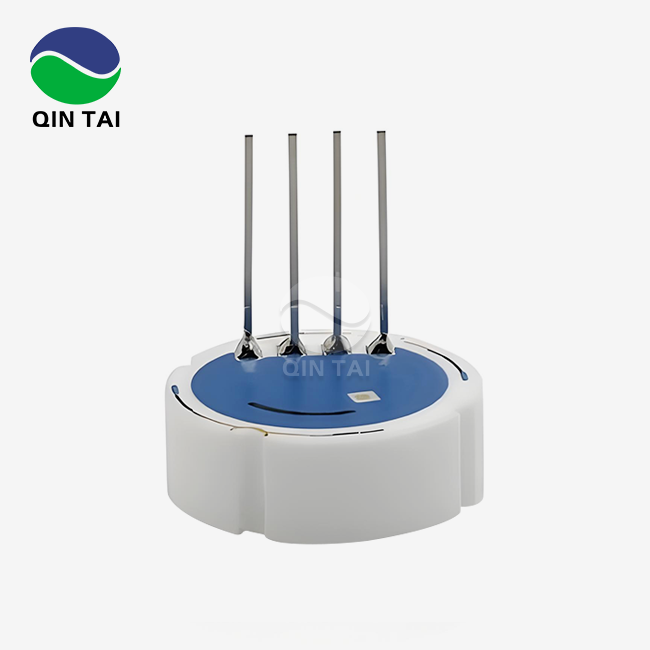
The signal chain goes through four stages. For starters it makes the DEF powerful. The pump. Second, that pressure causes the portion beneath the diaphragm that feels things flex a little. Thirdly, the sensor converts the movement into a charge, which the ECU reads. Four , ECU adjusts how the injectors operate and how much the pump pumps . The essential pieces are the insulator, diaphragm, housing, pressure port, connection, contacts, and seals. The sensor is often mounted on the pressure rail, dosage unit, supply line or pump module. That means every piece needs to stand up to the dirt, vibration, temp swings and pressure pulses that come from work vehicles.
What Happens When Accuracy Slips?
If the reading changes, it's not good for the ECU. If there's not enough urea, NOx might escape the engine. When there is too much DEF, it is wasted and crystals might grow in the lines. Then the warning lights will appear to drivers. The engine can die or the automobile might need to go into the shop. DEF is around 2% to 3% of diesel fuel. That means wasted fluid accumulates up throughout the life of a fleet. That's why I say don't only look at pricing. How precise it is . How well it works with chemicals . How high or low it can go . How well its connections function . How well it can be observed . How much it costs in total throughout its complete duration.
How to Evaluate Top Urea Dosing Pressure Sensor Manufacturers?
Core Evaluation Criteria
I don't rank the urea dosing pressure sensor providers by popularity since I cannot test most of them on public lists. I compare them to facts instead. Learn things that can be measured first, such how precise is the pressure, does it function well with DEF, how well is the signal set up. Then see how effectively it was constructed. This included the designer of the connection, the plating on the terminals and the material used for the seals. Here is the process control.
Including certifications for the automotive sector, uniform batches, end of the line testing and ability to keep track of items. And then consider how effectively the firm serves the demands of the customer. This includes things such as production capacity, wait time, professional assistance, warranty and selling expertise. “If a supplier is only good at one thing, such as price for example, it can be bad for business. The supplier should provide data on all four categories so that buyers and engineers may make fair comparisons.
Supplier Types You Will Meet
Companies that sell OEM-grade parts obey the vehicle company's requirements and have strong histories, but they may need huge sales volumes to continue in business. Specialized SCR suppliers know how DEF works and typically deal with system designers directly. The pressure range, connection and installation may be changed by the manufacturers using your model. Industry sources worry about cross-references, stock and pricing. Some export-specialist wholesalers may be able to ship rapidly, but they may not be able to select how the urea dosage pressure sensors are built. If you want to, you can obtain all of them. Validation and long-term capacity support needed at heavy truck engine facility. Conversely, a parts manager at a repair business wants parts that are in stock and have a clean guarantee.
Documents to Request Before Approval
Ask for the latest drawing, datasheet, ingredient list, certifications and samples. IATF 16949 is the quality management standard for the car sector, hence a valid certificate is crucial for OEM programs. Request from the provider a summary of the durability tests, records of inspection or calibration and how they control alterations. List of the following: MOQ, wait time, guaranty conditions, and paperwork for shipment. Then try the things out in your own automobile and on your kitchen table. The technical staff decides . The purchasing evaluates the prices . The management approves the seller . A complete file may help all three parties make judgments quickly.
Urea Dosing Pressure Sensor Comparison for Different Applications
OEM vs. Aftermarket Products
OEM parts are tested and have the same connections and documentation as the originals, however going via dealer channels is generally more expensive and slower to acquire the parts. If you purchase them after the event, you may save money and obtain sensors quicker, but the quality will depend on the manufacturer. Compare pricing, waiting time, warranty, professional assistance, compatibility and accuracy of calibration side by side. The most crucial elements for a repair shop are the fit, the breakage rate and the stock on hand. The engine builder takes care to ensure that every one of the thousands of units is put up in the same manner. Select the proper product class for the project and always obtain datasheets.
12V vs. 24V Compatibility
It doesn't matter what voltage the battery is at, it will still operate. And that is what the ECU and the urea dosing pressure sensor perform. It doesn't matter whether the vehicle is 12V or 24V. A lot of pressure sensors will function on a controlled 5V supply from the control unit. Find out what the ECU is looking for, the range of the sensor and what kind of signal it is sending (e.g., an analog ratiometric signal). Also make sure you have the correct wiring for the plug. If the pins are in the incorrect sequence on a proper thread, it might screw up the control unit or perhaps destroy it. Don't simply assume a 24V vehicle requires a different monitor; check the data sheet first.
Materials and Temperature Class
Ceramic and stainless steel sensors both can operate with urea, but each has merits and downsides. Ceramic pieces are seldom rusty, and stainless steel diaphragms make them stronger in case of pressure bursts. Urea may destroy certain rubber and metals, thus they require seals that can withstand 32.5 % urea . Versions for normal and high temperature are also available. The DEF lines may require the higher class if they are near hot exhaust sections. Test accuracy, hysteresis, reaction time, drift, and time-to-pressure performance, not only on a clean bench, but in real DEF situations. If your fleet is in a frigid location, find out how the monitor manages freeze-thaw cycles. DEF freezes at 12°F (-11°C).

Symptoms, Failure Causes, and Testing
Symptoms of a Failing Sensor
SCR warning light, fault codes related to pressure, unstable dosing, engine derating, or increased DEF consumption might occur if the urea dosing pressure sensor malfunctions. Some don't begin the countdown when they claim they will. Therefore, a code does not always signal the sensor is bad. These indications may also be caused by problems with the pump, injectors, wiring, filters or even the fluid itself. If the monitor quits operating, the ECU might screw up the dosage. The SCR will cease working, emissions will increase and the system may stop pumping fuel in an effort to safeguard parts. First address the problem, then install a new one.
Typical Failure Causes
Urea crystallization and pollution might clog the pressure port. Signal route destroyed by too much water and corrosion on the connections. Moving parts and rapid temperature fluctuations and high pressures may damage diaphragm and seals. Techs may inflict harm if they apply too much force or break the seal. You may also detect signal drift over time and too much electricity in field returns. Establish the reason it is broken before replacing it. Using the improper sensor might create false faults, inappropriate dosage, ECU issues and repeated warranty claims.
A Simple Testing Sequence
Inspect the housing, port, adapter, connections and seals of the urea dosing pressure sensor for crystals, corrosion, fractures or leaks. Then inspect the wiring design to verify the ground, the source voltage and the signal wires are all in continuity and okay. Then if possible utilize a calibrated pressure source to verify the output at zero pressure and high pressure. Output should gently increase with increasing pressure and be within the specified voltage range. More sophisticated laboratories also utilize bursts, pressure gradients, temperature changes and repeating patterns. Better to acquire a new sensor that has been checked out than to attempt to repair a sealed one.
How to Choose a Supplier and What Qintai Offers?
How to Choose and Request a Quote?
Step 1: Select the vehicle platform, yearly volume, service market and delivery target. Step 2: Select the market of the service. Then examine accuracy, voltage, output signal, temperature range, wetted materials, thread, connection, IP rating, response time and pressure range. Your request should contain the original part number, the model of the pump, the connection pinout, the mounting measures, the certificates that are required and the nation the item is moving to. Red flags include no product information, images that don't match up, inability to trace, pricing that are too cheap and boasts of working with anything. Order samples, run a test batch and verify sizing, wiring and system levels before buying a lot.
Why Work with Qintai?
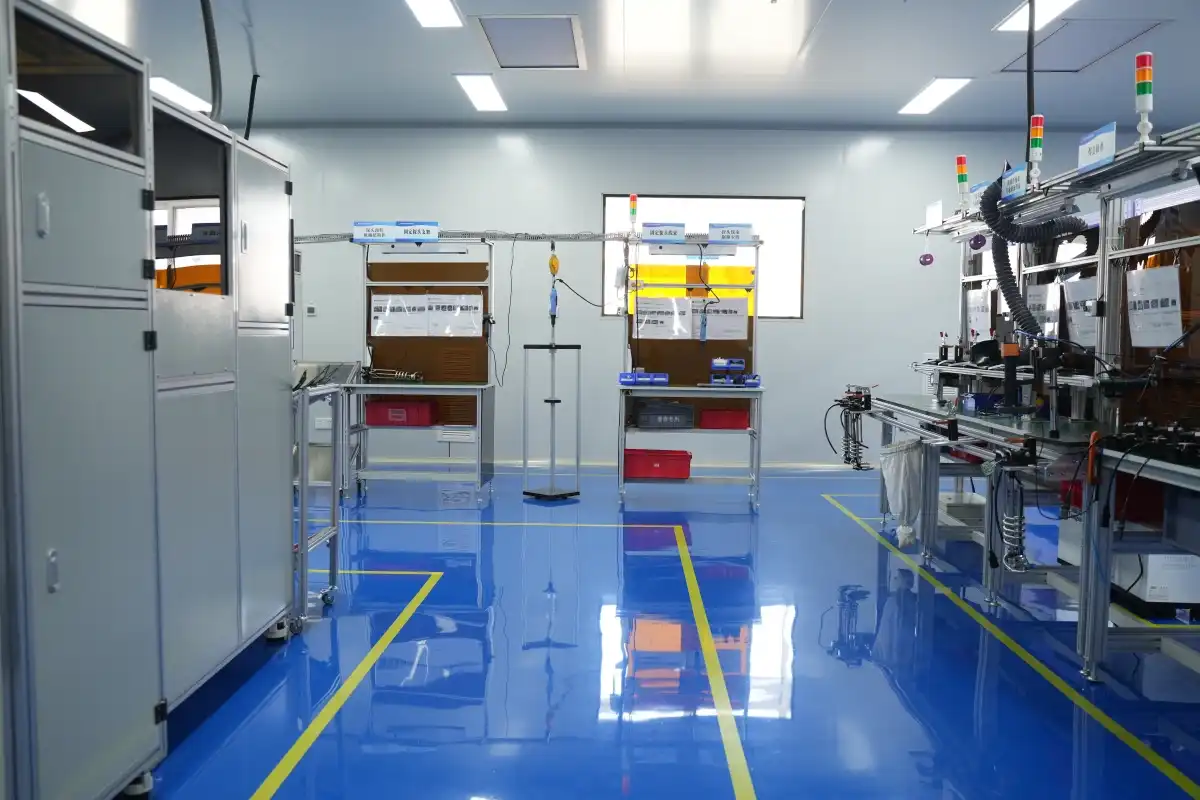
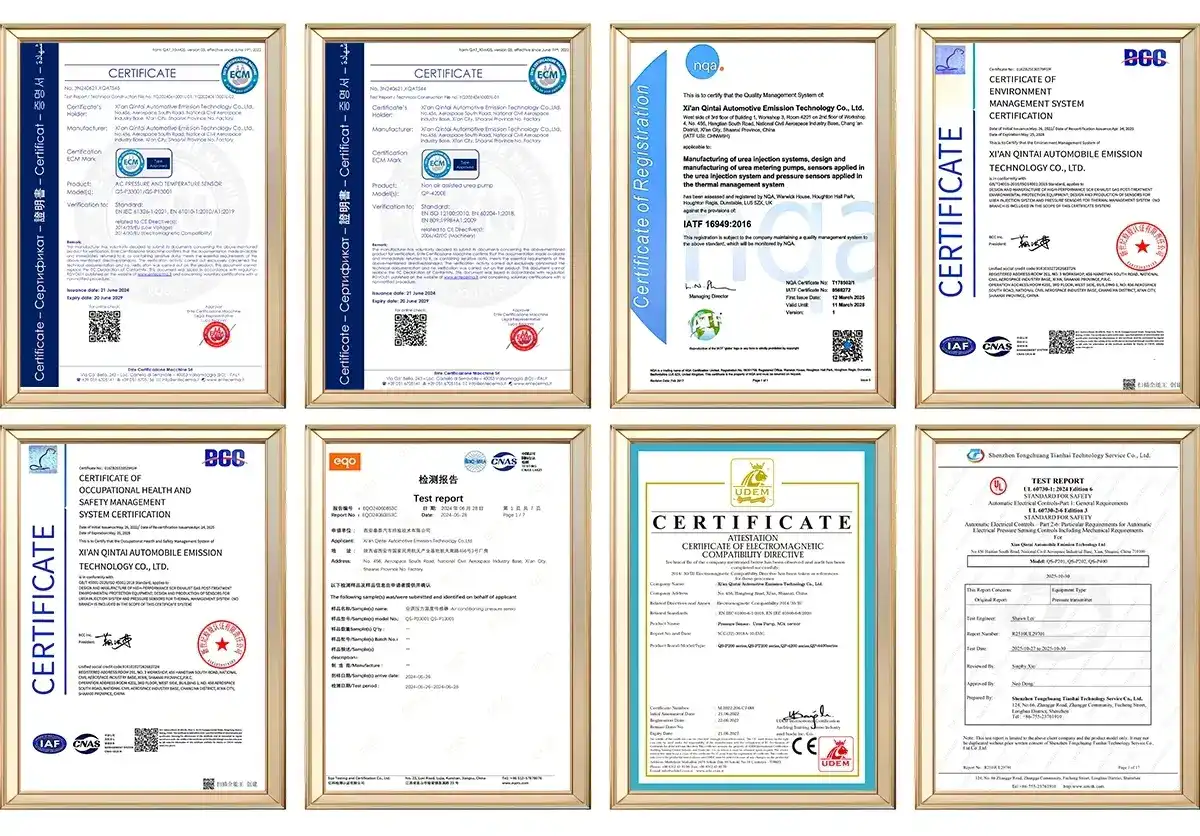
Company name: Xi'an Qintai Automotive Emission Technology Co., Ltd. Ltd is a national IT corporation which has been active since 2001. We research, design, produce, market and service sensors and diesel SCR aftertreatment systems. We are concentrating on pressure sensors. We hold ISO9001, IATF16949, CMC, Ex, UL, CE, REACH and RoHS certifications and have filed 58 concept patents. Another set of R&D people strives to make sensors operate better. In China, we have customers including Weichai Power, Yuchai Power and Quanchai Power. We are the market leader in the country. We export to more than 60 countries and regions and provide OEM and ODM services from design to mass manufacturing. We let you adjust things too.
Qintai QS-P226 Specifications and Features
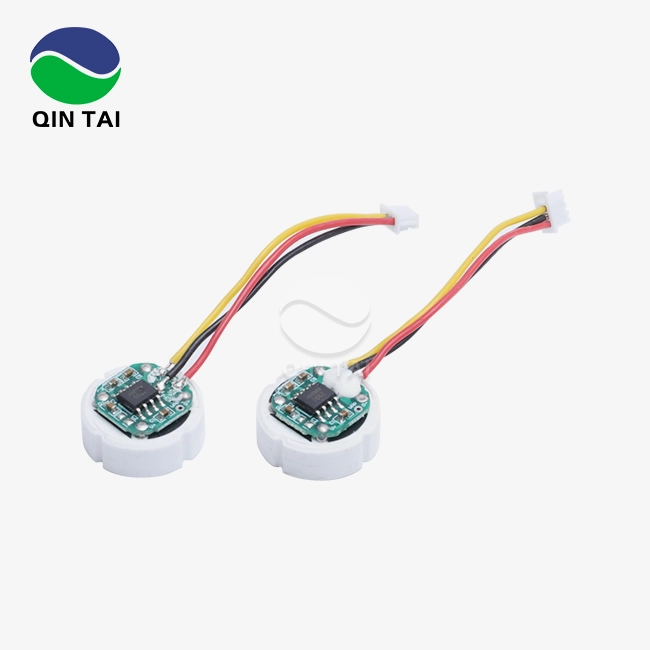
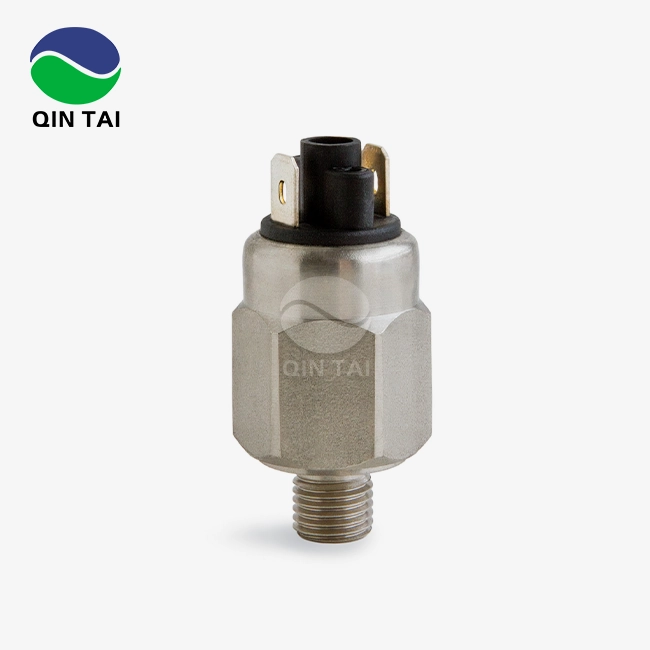
We design and manufacture our own sensor cores, which are utilized in the QS-P226 urea dosing pressure sensor. It requires a 5V power supply and outputs an analog signal between 0.5 and 4.5 VDC. It covers -14 psi to +130.5 psi which is the standard range for OE. Urea is utilized for measurement. 0.5% is the accuracy. Temperatures vary from 60 to 80 degrees. Before placing your purchase, please tell us what the weather is like where you are. We have a 12 month warranty and each equipment is tested to make sure it works flawlessly. The closed construction prevents water, dust and contaminants from entering, and the SCR control unit may swiftly modify the dosages as it is constantly monitored. And we can create more than two million sensors a year. Works with low duty and heavy load diesel engines.
Conclusion
The greatest urea dosing pressure sensor manufacturer is not always the one whose name you know best, but the one who has the facts on their side. The sensor detects the pressure in the DEF line and sends this value to the ECU. Drift might result in wrong dosage, warning lights, derating and more NOx emitted. Compare the various products for accuracy, temperature range, chemical compatibility, certifications, batch consistency, capacity and customer service. They should also request datasheets and examples before approving a purchase. Use is also significant.
OEM and aftermarket parts have varied shapes and variable waiting periods. It is not the battery voltage but the sensor circuit and ECU that decides whether they can function together. Some things endure longer than others depending on substance and temperature. The sensor should not be replaced without a formal diagnostic and lab testing since additional issues with the SCR may show up, such as a failed sensor. The key to a good purchase is to balance proven compatibility, stable performance, continuity of supply and cost throughout the lifetime of the product.
FAQ
Q1: What is a urea dosing pressure sensor?
A: It checks the diesel exhaust fluid pressure in the SCR dosing circuit and lets the control unit know what it finds. It's also called a urea dosing pressure sensor, a DEF pressure sensor, or an AdBlue pressure sensor.
Q2: Does one sensor fit both 12V and 24V vehicles?
A: Not always. Check the datasheet and connection pinout to confirm the sensor is compatible with the connector. How effectively they operate together depends on the source range, the output signal, what the ECU wants and the wiring.
Q3: What should I send for a quotation?
A: Kindly include the equipment type, original part number, pressure range, voltage, output signal, connection pinout, placement details, quantity, and the country to which the goods are being sent.
Q4: How long is the lead time for bulk orders?
A: It has to do with the size and number of the things. If the buyer agrees with the sample, ask them to write down the wait time and MOQ.
Q5: How do I verify a manufacturer?
A: Find out how the provider keeps track of each batch and how they handle changes to the design. Ask for test records and samples. Look at certificates like IATF 16949.
Q6: What causes false sensor faults?
A: Test before replacing parts because a broken sensor can look like a weak pump, a clogged filter, or bad DEF quality. This is because the wiring can be damaged, the connectors can rust, or the DEF quality is bad.
Request a Urea Dosing Pressure Sensor Quote from Qintai
If you are an OEM, system integrator, or wholesaler looking for an IATF16949-certified urea dosing pressure sensor maker that makes sensor cores in-house and does OEM/ODM work, Qintai would love to hear from you. Email info@qt-sensor.com with your part number, pressure range, connector information, and the number of sensors you need. Our engineers will check out the QS-P226 or another choice that works better for you.
References
1. ISO 22241-1, Diesel Engines – NOx Reduction Agent AUS 32 – Part 1: Quality Requirements, 2019
2. IATF 16949, Automotive Quality Management System Standard, 2016
3. Federal Register, Control of Air Pollution from New Motor Vehicles: Heavy-Duty Engine and Vehicle Standards and Highway Diesel Fuel Sulfur Control Requirements, 2001
4. SAE International Journal of Fuels and Lubricants, Review of Diesel Emissions and Control, 2010
5. Majewski and Khair, Diesel Emissions and Their Control, SAE International, 2006
6. Bosch Automotive Handbook, 10th Edition, 2018

Our customers’ satisfaction speaks for our quality — contact us to experience the same reliable service.