- English
- French
- German
- Portuguese
- Spanish
- Russian
- Japanese
- Korean
- Arabic
- Greek
- German
- Turkish
- Italian
- Danish
- Romanian
- Indonesian
- Czech
- Afrikaans
- Swedish
- Polish
- Basque
- Catalan
- Esperanto
- Hindi
- Lao
- Albanian
- Amharic
- Armenian
- Azerbaijani
- Belarusian
- Bengali
- Bosnian
- Bulgarian
- Cebuano
- Chichewa
- Corsican
- Croatian
- Dutch
- Estonian
- Filipino
- Finnish
- Frisian
- Galician
- Georgian
- Gujarati
- Haitian
- Hausa
- Hawaiian
- Hebrew
- Hmong
- Hungarian
- Icelandic
- Igbo
- Javanese
- Kannada
- Kazakh
- Khmer
- Kurdish
- Kyrgyz
- Latin
- Latvian
- Lithuanian
- Luxembou..
- Macedonian
- Malagasy
- Malay
- Malayalam
- Maltese
- Maori
- Marathi
- Mongolian
- Burmese
- Nepali
- Norwegian
- Pashto
- Persian
- Punjabi
- Serbian
- Sesotho
- Sinhala
- Slovak
- Slovenian
- Somali
- Samoan
- Scots Gaelic
- Shona
- Sindhi
- Sundanese
- Swahili
- Tajik
- Tamil
- Telugu
- Thai
- Ukrainian
- Urdu
- Uzbek
- Vietnamese
- Welsh
- Xhosa
- Yiddish
- Yoruba
- Zulu
Top Uses of Urea Injection System in Heavy Duty Vehicles
If you manage procurement or engineering for heavy-duty diesel equipment, you already know that emission compliance is no longer optional. The urea injection system has become one of the most widely adopted technologies for meeting NOx reduction targets across heavy trucks, construction machinery, agricultural equipment, and generator sets. By injecting Diesel Exhaust Fluid (DEF/AdBlue) into the exhaust stream, these systems convert harmful nitrogen oxides into harmless nitrogen gas and water vapor. This guide walks through how they work, where they are applied, and what to consider when sourcing them at scale.
Understanding Urea Injection Systems in Heavy Duty Vehicles
The Basic Chemistry Behind NOx Reduction
The process starts when urea solution is put into the exhaust pipe before the SCR catalyst. When heat is applied to urea, it breaks down into ammonia (NH₃). The ammonia then reacts with the NOx that is on the catalyst's surface. The short reactions are these:
NH₂ + CO(OH)2 → NH₂ + CO
4NO + 4NH₂ + O₂ → 4N₂ + 6H₂O
Because of this, NOx conversion rates often go above 90% in well-kept systems. This is why SCR became the most popular way to treat wastewater after meeting Euro VI and EPA Tier 4 Final requirements.
Key Hardware Components
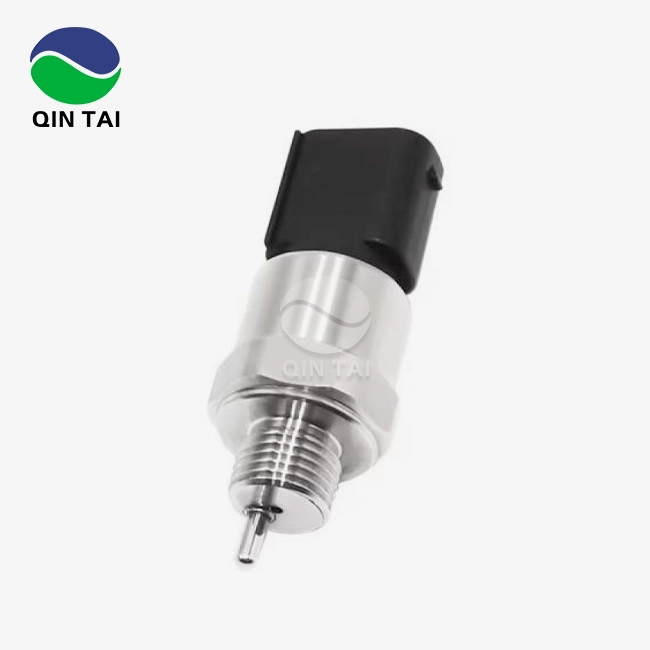
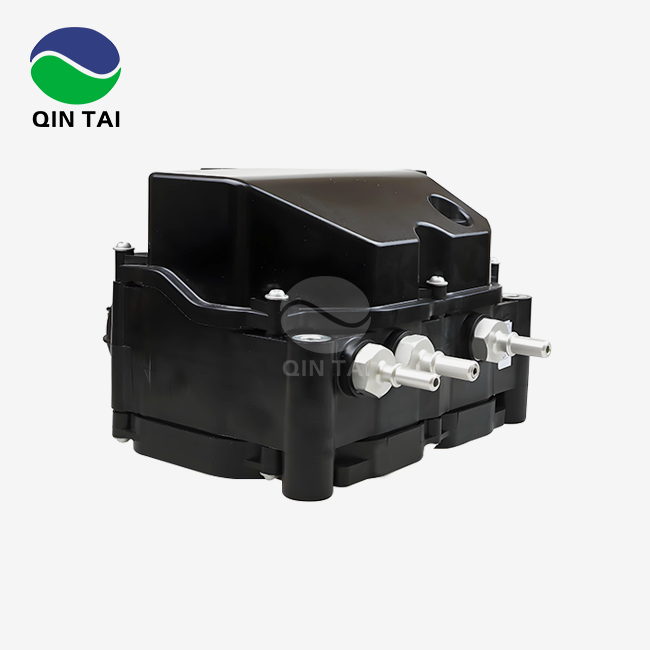
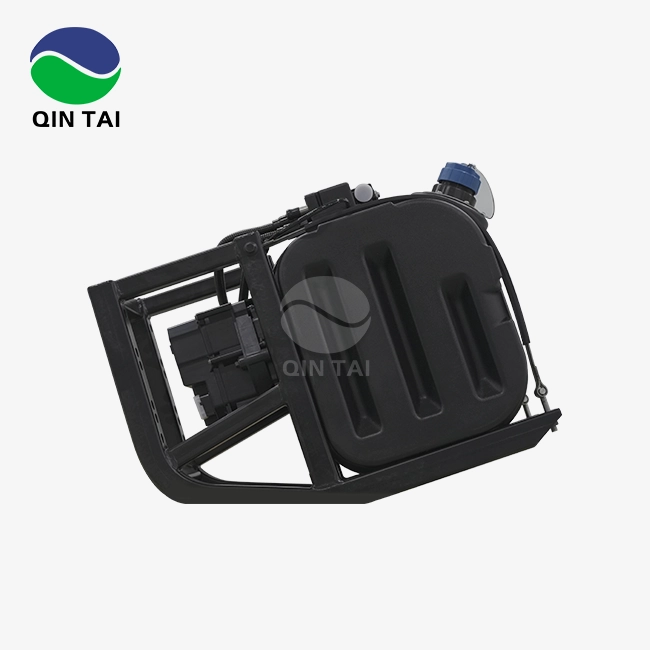
As well as a heated tank, a dosing pump, a DCU (dosing control unit), DEF supply lines, and a DCU make up a full DEF dosing system. If the pressure is between 5 and 9 bar, the electrostatic device in the syringe tip breaks up the fluid into very small pieces. Too big or too small of drops can cause urea crystallization at the exhaust port or urea slip, which is when too much ammonia flows through the catalyst without reacting. Fine atomization is very important for this. Achieving consistent atomization is therefore a key performance goal for any urea injection system.
Why Heating Elements Matter
If the tank or the needle doesn't have built-in heat, it can't be used reliably when it's cold outside. To heat the DEF to the right level before the engine is fully loaded, resistive heating elements are used these days. This keeps the engine from getting stuck or getting the wrong amount of fuel, which can lead to trouble codes.
Top 5 Uses of Urea Injection Systems in Heavy Duty Vehicles
Long-haul trucks aren't the only ones who use SCR-based DEF dosing anymore. Here are five main places where these techniques will really help you.- Long-haul Class 7 and Class 8 trucks must meet the NOx limits set by the EPA in 2010 and Euro VI. It is possible to set up the engine so that it saves fuel instead of cutting NOx during burning when SCR is used with DEF. The SAE International says that this saves 3–5% of fuel compared to ways that only use EGR.
- Long-Haul Heavy Trucks: Class 7 and Class 8 trucks must meet EPA 2010 and Euro VI NOx limits. SCR with DEF dosing allows engine calibration to favor fuel economy rather than combustion-side NOx reduction, cutting fuel consumption by an average of 3–5% compared to EGR-only strategies.
- Construction Machinery: Excavators, wheel loaders, and motor graders operating on Tier 4 Final or Stage V engines depend on compact SCR modules. The dosing system must tolerate high vibration, dust ingress, and intermittent duty cycles without nozzle clogging.
- Agricultural Machinery: Tractors and combines work in remote areas where service access is limited. A reliable DEF dosing system with self-cleaning nozzle cycles and onboard diagnostics reduces unplanned downtime during critical harvesting windows.
- Stationary Generator Sets: Industrial generators at mines, data centers, and backup power facilities run continuously for hundreds of hours. The SCR system must maintain stable NOx conversion across load swings without requiring frequent manual intervention. Long service intervals and industrial-grade component ratings are non-negotiable for these buyers.
- Industrial Exhaust Treatment Equipment: Environmental protection companies integrating exhaust gas treatment into factory or plant systems also rely on precision urea dosing modules. Accurate metering and sensor compatibility with PLC-based control systems are the primary selection criteria in this segment.
Big construction tools like excavators, wheel loaders, and motor graders with Tier 4 Final or Stage V engines need little SCR units to work. Heavy shaking, dust, and job cycles that come and go must not be able to block the nozzle in the dose system.
Choosing the Right Urea Injection System for Your Fleet
OEM vs. Aftermarket Systems
Systems made by the OEM are made and tested at the same time as the engine base. This makes it easier to get approval and make sure coverage. Aftermarket systems are less expensive and can fit more engines, but they need to be carefully tested against the back-pressure and ECU transmission protocol of the engine being used. OEM programs that make a lot of goods have a much smaller chance of being approved when the systems are factory-matched.
Active vs. Passive Dosing Designs
With an active system, a pressure pump sends DEF where it's needed. This gives you full control over how much to use across the engine map. Passive devices can only handle small loads because they need back-pressure from the exhaust to pull fluid into the stream. For heavy-duty on-road and off-road vehicles, active dosing is the method of choice.
Technical Parameters to Evaluate
Before picking a provider, your engineering team should look at the working pressure range (which is usually 5–9 bar), the spray cone angle, the accuracy of the DEF flow rate, the compatibility of the electrical connectors, and the choices for a CAN bus or PWM interface. Certificates like IATF 16949, ISO 9001, and regional type-approval letters should be kept and checked often. These selection criteria are essential when evaluating a urea injection system for your application.
Installation, Maintenance & Performance Optimization
Correct Installation Practices
As directed by the manufacturer, place the injection tube far enough away from the SCR catalyst to give enough time for the DEF to evaporate. Urea deposits form in some places when it's not in the right place. These deposits stop air flow and make the catalyst less effective over time. Pay close attention to the torque recommendations. If you tighten the nozzle boss too much, you damage the closing surface, which lets exhaust escape.
Routine Maintenance Steps
Check the DEF feed lines and filter screens at every service that is planned. Cleaning a clogged or frozen nozzle by hand with special tools, letting the car's built-in self-cleaning cycle clear the system automatically, or replacing the nozzle if cleaning it doesn't work to get the flow back are the three most common ways to fix the problem. The more clean your DEF is, the less often you need to do it. It is important to always use AUS32 (ISO 22241) fluid that meets standards for safety and clarity.
Calibration and Diagnostics
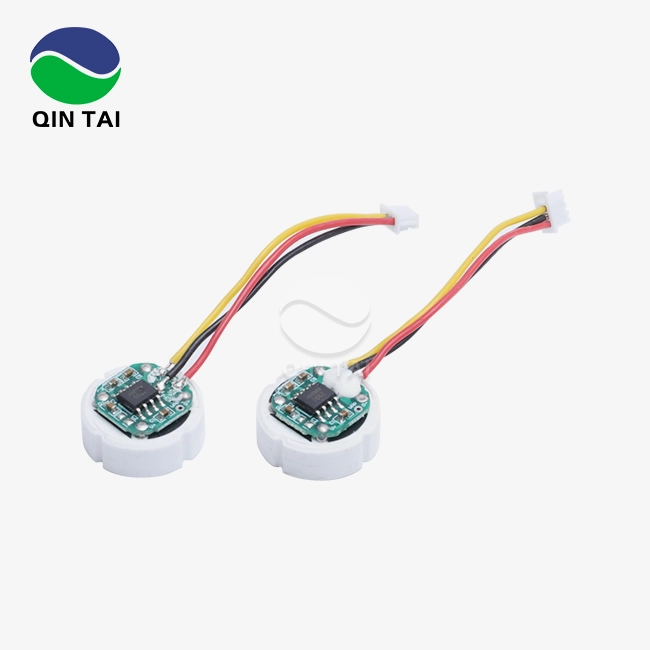
These days, dosing control units keep track of fault codes for sensor signal errors, low DEF level, and dosing deviation. Thanks to regular software updates from the system source, the dose map stays in sync with changes in how the engine is calibrated. Putting a calibrated NOx sensor after the SCR catalyst is the best way to make sure that the conversion efficiency stays in the right ranges between major service events.
Procurement Insights: Buying and Managing Urea Injection Systems
Identifying Qualified Suppliers
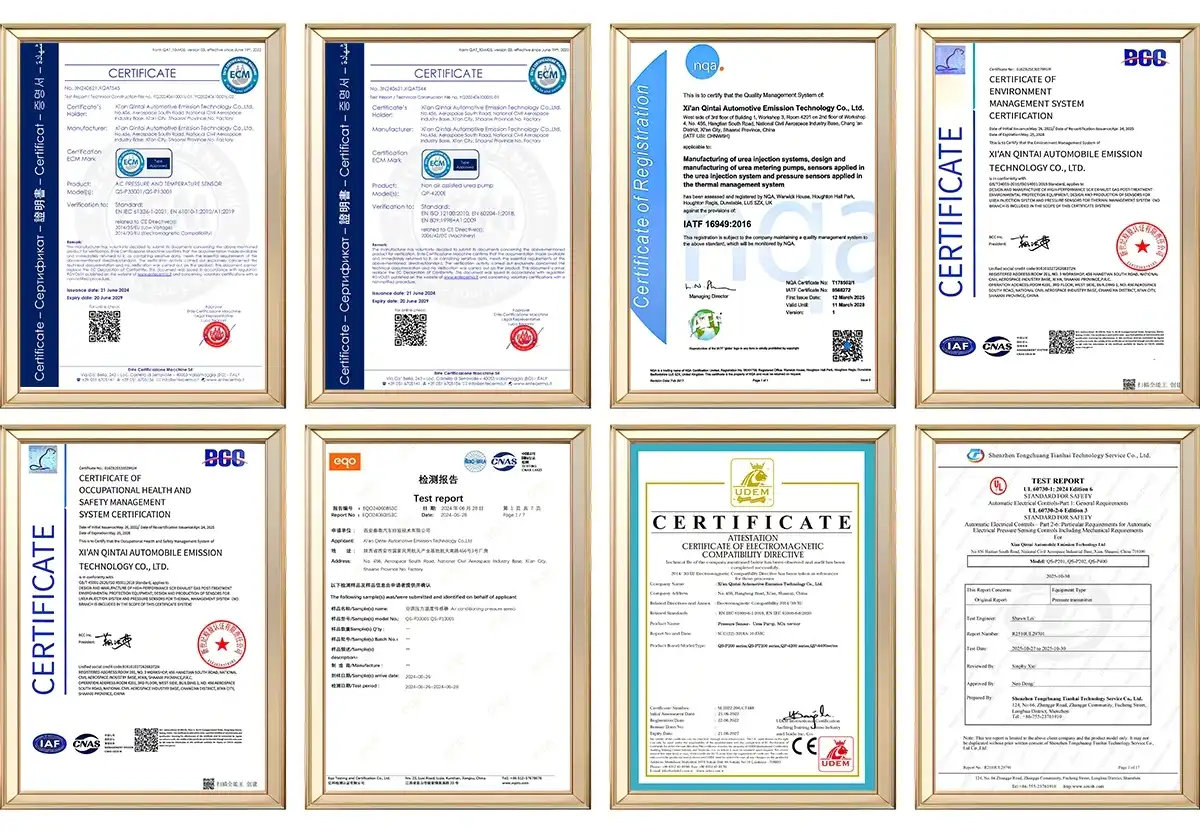
If a company wants to sell urea pumping systems, they should at least be IATF 16949 and ISO 9001 certified. If your program needs more than 10,000 units a year, make sure you have proof of OEM supply links and details on how many units can be made. The suppliers that have their own research and development (R&D) teams can make custom interfaces or changes to parameters more quickly than the suppliers that only trade.
Total Cost of Ownership
A dose nozzle doesn't cost much compared to what it will cost if a fleet doesn't follow the rules or files a guaranty claim because of a broken part. How the units will be stored and how long it will take to get replacement units should all be part of the total cost of procurement. When you buy in bulk and agree on wait times, you protect both sides from lack of supplies. These considerations are just as important as unit price when sourcing a urea injection system for fleet operations.
Custom Orders and Long-Term Cooperation
OEM programs and system programmers find it very useful to be able to change the software settings, port types, and mounting setups. The validation process is sped up when the provider can do OEM/ODM and has a specialized technical help contact. Procurement managers also have a single point of responsibility for the product's entire existence.
Conclusion
Systems that use urea to treat diesel NOx are very important. These systems are found in big trucks, off-road vehicles, generator sets, and industrial exhaust systems. You can follow the rules better, your engines will last longer, it will cost less to service them, and your fleet will be up and running for longer if you choose the right dosing hardware and supplier. This guide talks about both technical and business aspects that will help your team make a good choice, whether they need a new OEM platform or want to make an existing line of aftermarket products better. The right urea injection system and supplier partnership are therefore central to long-term compliance and operational efficiency.
FAQ
How often should a DEF dosing nozzle be inspected?
This is usually every 1,000 hours of use or once a year, whichever comes first. Most manufacturers say that the nozzle and filters should be checked at every major service interval. There may be times when vehicles that work in dusty or cold places need to be checked more often.
Can urea injection systems be retrofitted to older diesel engines?
Yes, there are SCR kits that can be used on a lot of engine platforms that were made before Euro VI. Make sure the exhaust pipe sizes are correct and the catalyst volume is enough for the engine's NOx output for the retrofit to work. The dosing control unit must be matched to the engine's ECU. If the rules in your area allow it, you may also need approval from a third party.
What are early warning signs of nozzle malfunction?
Some of the most common signs are a DEF warning light on the dashboard, higher NOx readings from sensors further downstream, white crystalline deposits that can be seen near the nozzle boss, and fault codes that show dosing deviation or zero flow. You can keep the catalyst clean and avoid the drained conditions that the engine ECU sets if you act quickly on these signs.
What DEF concentration standard should I specify?
AUS32 (ISO 22241), which is a 32.5% urea-in-water solution, is what cars must use in North America and Europe. As a 40% solution, AUS40 (ISO 18611) is used on ships where refilling doesn't happen as often. When you use ISO-compliant DEF, the valve parts stay clean and free of deposits that come from impurities.
Partner With Qintai for Your Next Urea Injection System Sourcing Project
A company called Xi'an Qintai Automotive Emission Technology Co., Ltd. has been making diesel SCR aftertreatment parts since 2001. No. 1 in China for OEM suppliers of SCR sensors and dosing parts is Qintai. Weichai Power, Yuchai Power, and Quanchai Power all buy from them, and their goods are sold in more than 60 countries. If you need urea injection systems, we can make them for you. All of them are certified by IATF 16949, ISO 9001, CE, UL, and Ex. Email our tech support team at info@qt-sensor.com to find out more, get samples, or get a price quote for buying in bulk.
References
1. SAE International — Fuel Economy Benefits of SCR NOx Aftertreatment Systems for Heavy-Duty Diesel Engines, 2018.
2. International Organization for Standardization — ISO 22241: Diesel Engines — NOx Reduction Agent AUS 32, 2019.
3. U.S. Environmental Protection Agency — Diesel Exhaust Fluid and SCR Technology for Heavy-Duty Vehicles, 2021.
4. European Commission — Euro VI Emission Standards for Heavy-Duty Vehicles: Technical Requirements, 2020.
5. Engine Manufacturers Association — SCR System Integration Guidelines for On-Road and Off-Road Diesel Engines, 2019.
6. Transport & Environment — Real-World NOx Emissions from Heavy-Duty Diesel Trucks and the Role of Aftertreatment Systems, 2022.

Our customers’ satisfaction speaks for our quality — contact us to experience the same reliable service.