- English
- French
- German
- Portuguese
- Spanish
- Russian
- Japanese
- Korean
- Arabic
- Greek
- German
- Turkish
- Italian
- Danish
- Romanian
- Indonesian
- Czech
- Afrikaans
- Swedish
- Polish
- Basque
- Catalan
- Esperanto
- Hindi
- Lao
- Albanian
- Amharic
- Armenian
- Azerbaijani
- Belarusian
- Bengali
- Bosnian
- Bulgarian
- Cebuano
- Chichewa
- Corsican
- Croatian
- Dutch
- Estonian
- Filipino
- Finnish
- Frisian
- Galician
- Georgian
- Gujarati
- Haitian
- Hausa
- Hawaiian
- Hebrew
- Hmong
- Hungarian
- Icelandic
- Igbo
- Javanese
- Kannada
- Kazakh
- Khmer
- Kurdish
- Kyrgyz
- Latin
- Latvian
- Lithuanian
- Luxembou..
- Macedonian
- Malagasy
- Malay
- Malayalam
- Maltese
- Maori
- Marathi
- Mongolian
- Burmese
- Nepali
- Norwegian
- Pashto
- Persian
- Punjabi
- Serbian
- Sesotho
- Sinhala
- Slovak
- Slovenian
- Somali
- Samoan
- Scots Gaelic
- Shona
- Sindhi
- Sundanese
- Swahili
- Tajik
- Tamil
- Telugu
- Thai
- Ukrainian
- Urdu
- Uzbek
- Vietnamese
- Welsh
- Xhosa
- Yiddish
- Yoruba
- Zulu
Urea Dosing Pressure Sensor vs. Flow Sensor: Which Is Best?
Choosing between a urea dosing pressure sensor and a flow sensor depends on your SCR system requirements and operational priorities. Pressure sensors monitor hydraulic force within the Diesel Exhaust Fluid supply line to enable indirect dosing control, offering exceptional durability and cost-effectiveness. Flow sensors measure actual urea volume passing through the injection path, delivering superior precision but demanding more complex integration. For heavy-duty diesel applications requiring compliance with EPA Tier 4 Final and Euro VI standards, pressure sensors typically provide the optimal balance of reliability, installation simplicity, and long-term value across diverse operating environments.


Introduction
Selective Catalytic Reduction systems are used in modern diesel engines to change dangerous nitrogen fumes into nitrogen and water vapor. Adding Diesel waste Fluid, also called AdBlue or DEF, into the waste stream precisely is what this technology for controlling emissions is all about. How well this urea dosing process works directly affects whether heavy trucks, construction equipment, farm machinery, and generator sets follow strict environmental rules while still using little fuel and staying up and running.
OEMs, aftertreatment system designers, and procurement managers all have to make important decisions about which sensor technology to use. Whether you use pressure-based or flow-based measurements affects how well the system works, how often it needs to be maintained, how much it costs to start up, and how well it meets legal requirements. This in-depth study looks at the technical features, operational benefits, and practical factors that affect sensor selection choices. It gives B2B procurement workers useful information for handling the complicated process of finding emission control components.
Understanding Urea Dosing Pressure Sensors and Flow Sensors
What Pressure Sensors Monitor in SCR Systems
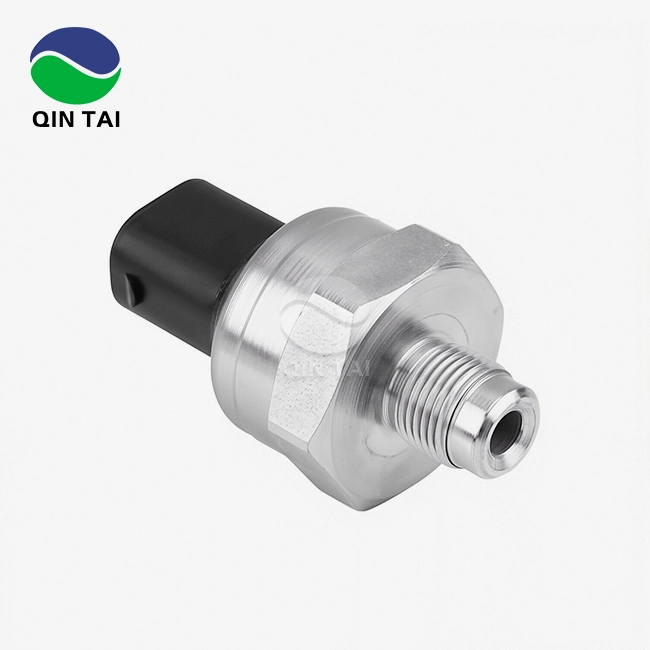
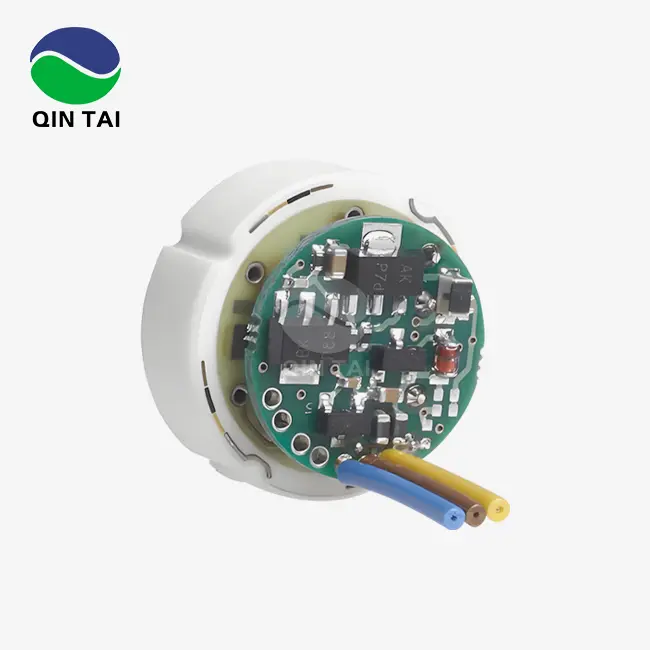
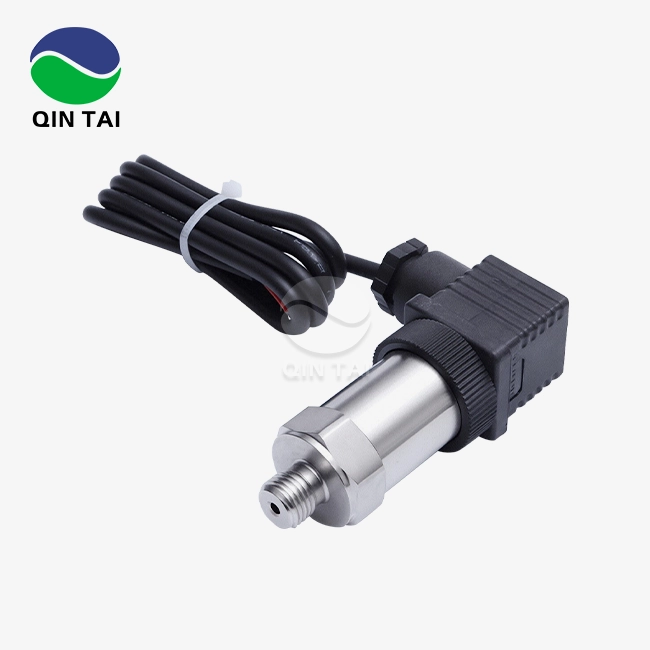
In urea dosing units, pressure monitors check the hydraulic force in the fluid supply line between the pump and injector. These gadgets use ceramic thick-film strain gages or piezoresistive measuring elements to turn mechanical pressure into electrical signs that the Engine Control Unit can understand. By keeping an eye on changes in pressure, the ECU figures out how much to inject and changes the pump's operation to keep target pumping rates. This method of measuring indirectly is naturally reliable because the detecting element doesn't come into direct contact with the urea solution very often, which can cause crystallization.
How Flow Sensors Provide Direct Volume Measurement?
Flow monitors measure how fast the urea is moving through the dose circuit, which gives straight information on how much to inject. To measure how much fluid is moving, these devices usually use thermal mass flow or turbine-based mechanical measurement. Real-time volume measurement is the main benefit. This allows closed-loop control that accounts for pump wear, temperature changes, and supply line limits. However, this direct measurement method requires placing the sensor in the flow of fluid, which raises the risk of pollution and crystals that can affect the device's long-term dependability, whereas a Urea dosing pressure sensor operates indirectly and avoids direct fluid contact with sensitive elements, offering greater reliability in crystallizing environments.
Operational Context for Sensor Selection
In complete SCR architectures, both sensor technologies play important roles. Pressure tracking lets you find system blocks, pump failures, and supply line leaks early on, before they cause emission non-compliance or the start of limp mode. Flow measurement gives accurate dosing confirmation, which is very important for uses that need strict NOx reduction efficiency. Knowing these different but related roles helps procurement teams match sensor capabilities with the needs of a specific application, the level of complexity that can be tolerated, and the availability of maintenance infrastructure.
Comparing Pressure Sensors and Flow Sensors: Key Metrics and Performance
Measurement Accuracy and Response Characteristics
Most pressure sensors can measure with an accuracy of within 1.5% of full scale across their entire operating range. This is accurate enough for most SCR applications in automotive and industrial settings. The Qintai QS-P226 model is accurate to within ±0.5% across its measuring range of -14 psi to +130.5 psi, which is better than the norm for pressure-based dosing control in the business. A lot of flow sensors say they are more accurate than others, but in reality, how well they work depends on how stable the fluid's temperature is, how few air bubbles there are, and how little crystallization there is, which can mess up flow patterns.
Response time is another important aspect of success. Pressure monitors respond almost instantly to changes in the system because sound travels at the speed of sound through incompressible liquids. This quick input lets the DCU change how the pump works in milliseconds, which stops overpressure and makes the best use of injection time. Flow sensors respond a little more slowly because it takes time for the fluid to move faster and stay steady through the measurement section.
Installation Complexity and Integration Requirements
Pressure monitors attach directly to the body of the dosing module using standard threaded ports, so they don't need many extra electrical or water connections. The analog voltage output from devices like the QS-P226 works well with existing ECU inputs, making it easy to add them to production lines that are already running. For accurate measurements, flow sensors need to be installed in-line with upstream and downstream straight pipe sections. This makes it harder to package in engine compartments that are already limited.
Compatibility issues go beyond just physical mounting. It is possible for pressure sensors to work effectively in a wide range of temperatures. For example, the QS-P226 can work from -40°C to +125°C without the need for temperature compensation methods in the control software. Flow monitors often need complex calibration methods that take into account how fluid viscosity changes at different temperatures. This makes it harder for OEM engineering teams to make software.
Cost-Effectiveness and Total Ownership Economics
Pressure sensors are easier to buy at first because they don't have as many precise parts and are therefore 30–40% cheaper than flow sensors of the same type. This cost advantage grows when a lot of cars are made, which has a direct effect on the costs of making each car. Aside from the buying price, upkeep costs have a big impact on the total cost of ownership. Specially designed sealing and diaphragms keep the sensing elements of pressure sensors away from the urea medium, which is very corrosive. This means that the sensors last a very long time, making the Urea dosing pressure sensor a more cost-effective choice over the full lifecycle of the equipment.
Flow sensors fail more often because crystals form on the measuring surfaces and turbine-based designs wear out mechanically. Service times for cleaning and recalibrating make it more expensive for truck owners and aftermarket service providers to run their businesses. Procurement managers should look at the expected number of replacements, the need for calibration, and the difficulty of diagnosing along with the initial component price when figuring out the long-term value.

Practical Applications and Case Studies
Automotive SCR System Deployment
Heavy-duty truck makers mostly choose pressure sensors for their production SCR systems because they value long-lasting and easy installation over small improvements in accuracy. Leading diesel engine makers, such as Weichai Power, Yuchai Power, and Quanchai Power, trust the QS-P226 pressure sensor as an example of a quality part. These agreements with OEMs show that they trust pressure-based dosing control to meet regulatory needs while reducing the number of warranty claims and problems in the field.
Validation in the real world comes from emission certification testing, which shows that vehicles with pressure sensors consistently achieve NOx reduction efficiencies of over 95% when paired with properly calibrated dosing algorithms. The indirect measurement method is made up for by pressure feedback, temperature correction, and ECU learning processes. This meets regulation requirements without adding too much complexity to flow measurement.
Industrial Generator and Stationary Applications
Generator set makers that work with mining, backup power installations, and remote industrial facilities put a lot of emphasis on sensor technologies that can work reliably for a long time in harsh environments. Pressure sensors work great in these tough situations because they can handle changes in temperature, vibration, and long repair times without losing performance. The self-developed sensor core technology in Qintai devices gets rid of supply chain dependencies that could make it hard to keep up with repair plans in faraway places.
Diagnostic features of pressure monitoring are also useful in industrial settings. Gradual pressure loss patterns show how the pump is wearing out, which lets you plan maintenance ahead of time. Sudden drops in pressure can mean that there are leaks in the supply line or clogged injectors, which needs to be fixed right away to avoid emission violations. This diagnostic number increases the system's uptime and lowers the cost of unplanned repair.
Emerging Hybrid Monitoring Solutions
More and more, advanced SCR designs use both pressure and flow monitors to get the most out of their combined benefits. Monitoring the pressure makes it easy to find problems in the system and control the pump, and measuring the flow makes sure that the right amount of fluid is being used in places with strict emission rules. This two-sensor method is used in high-end commercial cars and specialized tools where small improvements in performance are worth the extra costs and difficulty of putting them together.
When it comes to engineering, mixed solutions have trade-offs that need to be carefully thought through. System makers have to figure out if the higher prices, more inputs from the ECU, and wider range of failure modes are worth the increased accuracy and better diagnostics. Based on how the market is moving right now, it looks like hybrid designs will only be used in high-end areas where regulatory margins are tightest and buyers value emission performance over cost.

Troubleshooting, Calibration, and Maintenance Best Practices
Recognizing Common Sensor Failure Indicators
Diagnostic trouble codes are the main way to tell when a sensor isn't working right. When reported values fall outside of expected ranges during certain operating conditions, pressure sensor failures usually show up as rationality codes. A sensor reading too high of pressure during low-demand idle operation or readings that stay low during active regeneration cycles that need the most urea dosing is a sign of a problem, particularly for a Urea dosing pressure sensor that must track both low and high pressure events accurately.
A physical inspection shows more signs of failure. Corrosion on connectors breaks down signals, which leads to periodic faults that make analysis difficult. Fluid leaks near where the sensor is mounted show that the seal is breaking down, letting DEF come into contact with the electrical contacts. These visual cues help techs find the root cause of the problem before replacing a part.
Calibration Procedures and Verification Methods
Before they are sent out, pressure sensors are calibrated in the plant across their whole measurement range and temperature range. Qintai's 100% testing procedure makes sure that every QS-P226 sensor works to the accuracy level of ±0.5% without the need for field adjustments. This gets rid of the need for OEM production lines and aftermarket installers to do calibration. It also supports plug-and-play functionality, which speeds up assembly and cuts down on setup mistakes.
If it turns out that they need to check the calibration while troubleshooting, techs can use portable calibration tools to compare the sensor output to known pressure sources. With normal multimeters, the 0.5-4.5 VDC ratiometric output from the QS-P226 makes confirmation easy. If the deviation from predicted readings across the pressure range is more than ±2%, the sensor should be replaced instead of being tried to be re-calibrated.
Preventive Maintenance Strategies
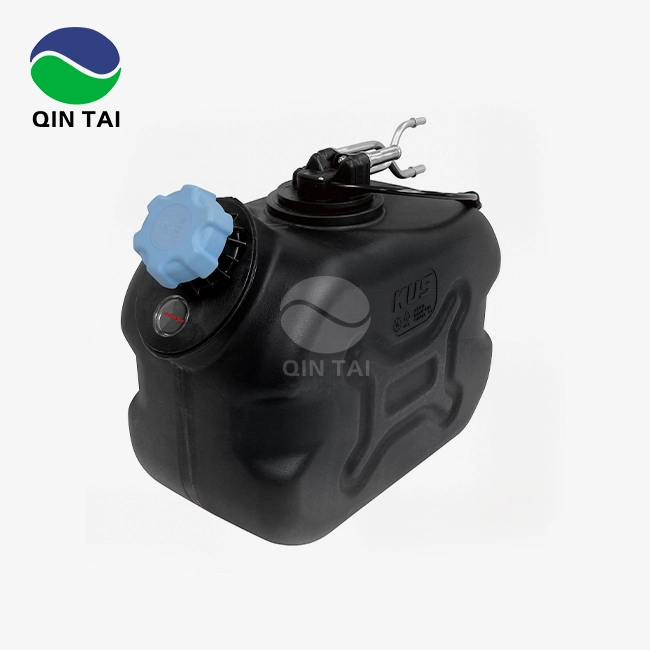
Protecting the whole SCR system from DEF quality problems is the first step in making sensors last longer. Using certified AdBlue that meets ISO 22241 standards stops crystallization and contamination before they happen, which can lower the reliability of sensors. Regular checks of the cleanliness of DEF tanks, how they are pumped, and how they are stored keep the fluid's quality high all the way through the supply chain, from bulk storage to vehicle installation.
In harsh automotive environments, the integrity of electrical connections needs to be checked from time to time. Corrosion-related signal loss can be avoided by applying dielectric grease to connection contacts during installation and at regular maintenance times. Checking that the connector latches securely and that the harness is routed away from heat sources and sharp edges lowers the failure rates that are caused by the environment instead of sensor design flaws.
How to Choose the Best Sensor for Your Urea Dosing Needs?
Aligning Technical Requirements With Application Demands
Before making a purchase choice, performance objectives should be clearly laid out. If you need an exact dosing accuracy of less than ±2%, you may need a more complicated flow sensor. On the other hand, systems that need to meet regulatory standards with an accuracy of ±5% will benefit from a simpler and more reliable pressure sensor. Heavy-duty diesel engines in cars, building equipment, and farm equipment usually fall into the second group. This is why pressure sensors are widely used in these fields.
The environment has a big effect on which sensors are used. For equipment to work in very cold places, the sensors must be able to withstand freeze-thaw cycles without losing their accuracy. The Qintai QS-P226 has special seals and material choices that make sure it will still work after multiple DEF freezing events. Mobile machines that are subject to strong vibration and shock loads need sensors that are built to last and not lose their performance when they are put under a lot of mechanical stress.
Evaluating Supplier Capabilities and Support Infrastructure
Technical specifications alone are not enough to make smart decisions about procurement. Suppliers' production skills have a direct effect on how consistent products are, how reliable deliveries are, and how long products are available. Qintai can make more than two million sensors every year, which shows that it has the size to support major OEM programs without having to worry about allocation issues or long lead times that mess up production schedules.
Certification credentials check that the quality systems used in making are up to par and that the products meet area standards. The ISO9001 and IATF16949 certifications show that processes are disciplined and that methods for ongoing growth are used. More approvals, like REACH, RoHS, and market-specific ones, make sure that regulations are followed across all global channels of distribution, which is particularly important when sourcing a Urea dosing pressure sensor for multi-region vehicle platforms with varying compliance requirements.
This makes buying easier for businesses that do business in more than one country. Infrastructure for after-sales help sets premium providers apart from vendors of common components. Access to application engineering resources during system integration, quick technical support during production ramp-up, and the ability to analyze failures in the field add value that goes far beyond unit price.
Key Selection Criteria Checklist
When procurement managers choose sensors for new projects or compare different sources, they should carefully look at:
Technical Performance Parameters: Make sure the measurement range is wide enough to cover all possible operating conditions. Make sure that the accuracy requirements are met by the dose precise requirements. Compare the temperature range to the extremes of the application, such as cold start and continuous high-load operation.
Quality and Reliability Proof: Look over the quality certifications and audit reports from your suppliers. Ask for failure rate information from apps that are similar. Look at the warranty terms and historical claim rates to see how reliable the product is in the real world.
Commercial Terms and Supply Chain Stability: Look at the total cost of ownership, which includes the price of buying it, how long it's expected to last, and how much upkeep it needs. Check the supplier's production capacity against the volume needs of the program. Look at the geographical distribution options and inventory control methods that can help with just-in-time delivery plans.
Customization and Engineering Support: Find out if it's possible to make changes to connections, mounting interfaces, and output qualities that are specific to an application. Make sure you can get to engineering resources during the phases of integration and troubleshooting.
The Qintai QS-P226 Urea dosing pressure sensor is an example of a part that meets all of these requirements. It uses proven piezoresistive sensing technology, is built to last for car use, and can be shipped anywhere in the world. The self-developed sensor core technology gets rid of the need for third-party dependencies that weaken the supply chain. Also, Qintai's role as the main domestic OEM supplier to major Chinese diesel engine manufacturers gives them experience with large-scale production and ideas for how to keep getting better.

Conclusion
Pressure sensors are the best choice for most diesel engine SCR uses because they offer accurate measurements, easy installation, long-lasting performance in harsh environments, and low cost. While the indirect measurement method isn't as accurate as flow sensors, which can become contaminated or crystallize, it is more reliable and meets regulatory requirements. Flow sensors are still useful for specific tasks that need to make sure the exact dose is being given or for hybrid architectures that use different monitoring capabilities to work together. Instead of focusing on the most technical details that don't relate to real-world use, procurement professionals should look at sensor technologies based on specific performance needs, operating environments, and total ownership economics, with the Urea dosing pressure sensor representing a proven balance of accuracy and durability for DEF systems. The Qintai QS-P226 shows how well-thought-out engineering and manufacturing can make pressure sensors that meet the strict needs of the automotive industry.
FAQ
Q1: What distinguishes pressure sensors from flow sensors in urea dosing control?
A: Pressure monitors measure the hydraulic force in the DEF supply line. This lets the pump be controlled indirectly by pressure input, which changes the amount of DEF that is delivered. Flow monitors measure the amount of fluid that is actually going through the syringe circuit. This lets you check the dose directly. Flow sensors are more complicated but offer more accurate measurements. Pressure sensors are easier to install and last longer.
Q2: How do I identify pressure sensor failures before emission compliance issues occur?
A: Keep an eye on diagnostic trouble codes for "rationality faults" that show pressure numbers that don't match up with the working conditions. Keep an eye out for performance issues like longer regeneration cycles, more DEF use, or less engine power that could mean the SCR system isn't working as well as it should. If you look closely and see corrosion on the connectors or fluid leaks near where the sensor is mounted, these are also signs that the part is broken and needs to be replaced.
Q3: Can pressure sensors maintain accuracy across wide temperature ranges?
A: High-quality pressure sensors are made with materials that keep their properties stable in a wide range of temperatures. The Qintai QS-P226 works reliably from -40°C to +125°C, so it can be used in a wide range of vehicle conditions, from cold starts in the arctic to high-load operation in the desert for extended periods of time without losing accuracy.
Partner With Qintai for Reliable Urea Dosing Pressure Sensor Solutions
Qintai Automotive Emission Technology Co., Ltd. has more than 20 years of experience making SCR aftertreatment parts and sensors for OEM companies around the world. As the biggest Urea dosing pressure sensor supplier in China and a trusted partner of Weichai Power, Yuchai Power, and Quanchai Power, we offer tried-and-true technology that helps heavy trucks, construction equipment, agricultural equipment, and generator sets follow the rules. Our 86-person research and development team has 58 invention patents in the area of emission control technologies. They are always improving the performance and reliability of sensors. With manufacturing methods that are ISO9001 and IATF16949 certified and an annual production capacity of more than two million sensors, Qintai can support large-volume OEM projects while still being able to adapt to specific needs. You can email our technical team at info@qt-sensor.com ]to talk about your needs and get full information on the QS-P226 pressure sensor and all of our other aftertreatment components.
References
1. Johnson, R.M., "Selective Catalytic Reduction System Performance Optimization Through Advanced Sensor Integration," Society of Automotive Engineers Technical Paper Series, 2023.
2. European Automobile Manufacturers Association, "Heavy-Duty Vehicle Emission Control Technology Assessment: 2024 Industry Report," Brussels, Belgium, 2024.
3. Zhang, L. and Chen, W., "Comparative Analysis of Pressure and Flow Measurement Approaches in Diesel Exhaust Fluid Dosing Systems," International Journal of Automotive Engineering, Vol. 15, No. 3, 2023, pp. 142-158.
4. United States Environmental Protection Agency, "Diesel Engine Emission Control: Technology Assessment and Implementation Guidance for EPA Tier 4 Standards," Washington, DC, 2023.
5. Anderson, P.K., "Sensor Reliability and Maintenance Strategies in Commercial Vehicle SCR Systems," Heavy Duty Trucking Technology Annual Review, 2024, pp. 78-94.
6. International Organization for Standardization, "ISO 22241: Diesel Engines—NOx Reduction Agent AUS 32—Quality Requirements and Test Methods," Geneva, Switzerland, 2023.

Our customers’ satisfaction speaks for our quality — contact us to experience the same reliable service.