- English
- French
- German
- Portuguese
- Spanish
- Russian
- Japanese
- Korean
- Arabic
- Greek
- German
- Turkish
- Italian
- Danish
- Romanian
- Indonesian
- Czech
- Afrikaans
- Swedish
- Polish
- Basque
- Catalan
- Esperanto
- Hindi
- Lao
- Albanian
- Amharic
- Armenian
- Azerbaijani
- Belarusian
- Bengali
- Bosnian
- Bulgarian
- Cebuano
- Chichewa
- Corsican
- Croatian
- Dutch
- Estonian
- Filipino
- Finnish
- Frisian
- Galician
- Georgian
- Gujarati
- Haitian
- Hausa
- Hawaiian
- Hebrew
- Hmong
- Hungarian
- Icelandic
- Igbo
- Javanese
- Kannada
- Kazakh
- Khmer
- Kurdish
- Kyrgyz
- Latin
- Latvian
- Lithuanian
- Luxembou..
- Macedonian
- Malagasy
- Malay
- Malayalam
- Maltese
- Maori
- Marathi
- Mongolian
- Burmese
- Nepali
- Norwegian
- Pashto
- Persian
- Punjabi
- Serbian
- Sesotho
- Sinhala
- Slovak
- Slovenian
- Somali
- Samoan
- Scots Gaelic
- Shona
- Sindhi
- Sundanese
- Swahili
- Tajik
- Tamil
- Telugu
- Thai
- Ukrainian
- Urdu
- Uzbek
- Vietnamese
- Welsh
- Xhosa
- Yiddish
- Yoruba
- Zulu
What Is an SCR Dosing System? A Practical Buying Guide for OEMs
An SCR dosing system represents a sophisticated emission control technology that injects precise amounts of Diesel Exhaust Fluid (DEF or AdBlue) into diesel engine exhaust streams. Through Selective Catalytic Reduction, this system converts harmful nitrogen oxides into harmless nitrogen and water vapor, helping manufacturers meet EPA Tier 4 Final and Euro VI standards while maintaining engine performance and fuel economy. Understanding these systems properly enables OEM decision-makers to select solutions that ensure regulatory compliance without compromising operational efficiency.
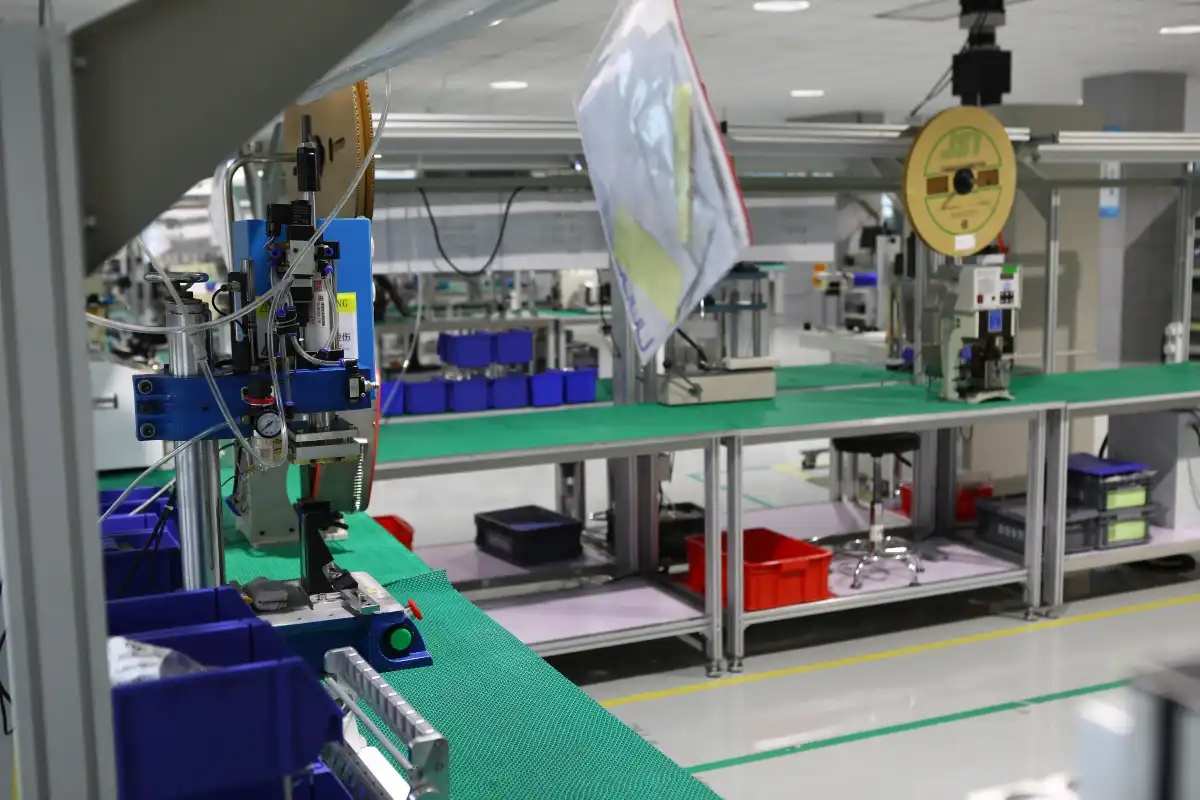
Understanding SCR Dosing Systems
Emission rules for modern diesel engines are getting stricter all over the world. The technology used to control emissions has come a long way. At its core is the Selective Catalytic Reduction process, which changes harmful pollutants into harmless ones.
How SCR Technology Works
A carefully planned chemical process makes the machine work. When diesel engines burn fuel, they release nitrogen oxides into the air. A very fine mist of urea solution is sprayed into the hot exhaust stream by the dosing system before it gets to the catalytic converter. Temperatures between 400°F and 1200°F inside the catalyst chamber break down the urea into ammonia. The ammonia then mixes with NOx molecules, turning them into nitrogen gas and water vapor, which are both naturally occurring parts of the air.
Core Components of the Dosing System
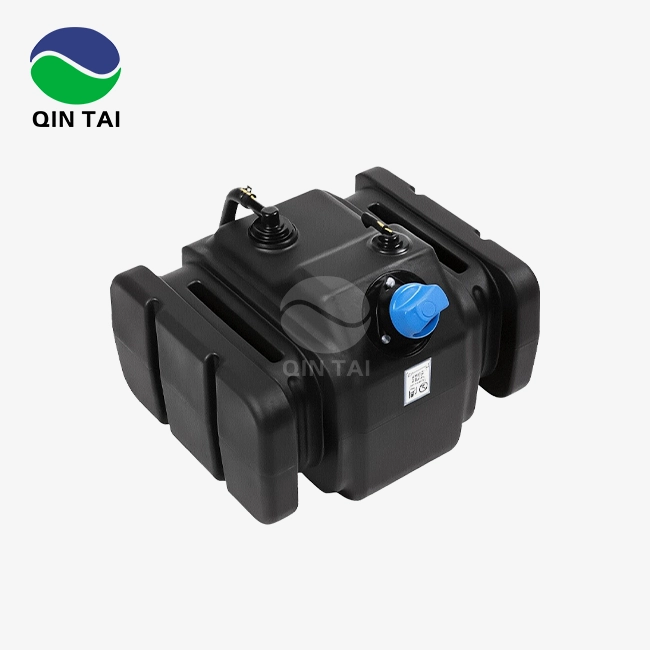
Several built-in parts work together to control emissions very precisely. The diesel urea tank holds the AdBlue solution and has a heater part that keeps the solution from freezing when the engine is running in cold weather. This tank is directly linked to the dosing pump assembly, which makes the fluid pressurized so that it can be injected. The urea dose pressure sensor checks the hydraulic pressure all the time and sends closed-loop input to the Engine Control Unit.
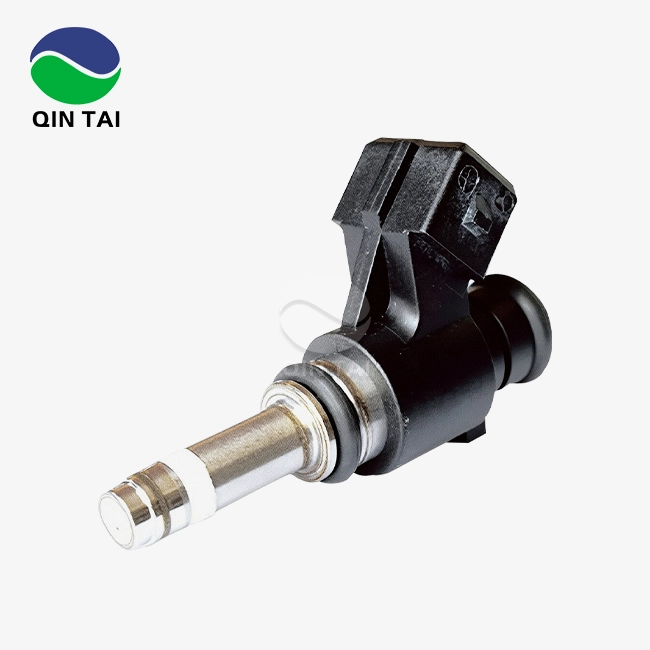
This sensor picks up on pressure drops that mean there are leaks, blockages, or air getting in. It also picks up on overpressure situations that happen when AdBlue freezes or valves stop working. The injector nozzle breaks up the solution into very small droplets, which increases the surface area so that chemical reactions can happen more quickly. At the same time, temperature and level sensors are always talking to the control module. This makes sure that the system works well in all kinds of operational situations.
Key Advantages for OEM Applications
Using SCR technology has many benefits that have a direct effect on your bottom line and your ability to compete in the market. Emission compliance is easy because these systems consistently cut NOx by 90% or more. This makes it easy to meet current and future regulatory requirements in North America and Europe. Unlike some other options for controlling emissions, SCR actually makes engines 3–5% more fuel efficient because it lets them run at their best combustion temperatures without having to change their settings for emissions.
The durability of systems has hit amazing levels, with high-quality parts regularly lasting longer than 15,000 hours in business settings, which is a testament to the reliability of a well-engineered SCR Dosing System in demanding commercial applications. The technology also gives practical freedom across a wide range of uses, from long-haul trucks that are always on the highway to building equipment that has to handle extreme duty cycles and regular thermal cycling.
Comparing SCR Dosing Systems: How to Choose the Best Solution for Your OEM Needs?
To choose the right method, you need to know about the different technical aspects and how they fit with your business needs and the needs of your target market.
Technology Variations and System Types
Using the wrong words can sometimes make the buying process hard to understand. Urea injection systems and SCR Dosing Systems use the same basic technology, but different manufacturers may stress different parts. Most of the time, dosing systems focus on their precise control features, while injection systems focus on their mechanical delivery parts. The two terms describe the same thing: the whole system that stores, presses, and injects DEF into waste streams.
The market is mostly made up of two main designs. Compressed air is used in air-assisted systems to break up urea solution into very small droplets that evaporate quickly. These work great in situations where compressed air is easy to get and where the engine packing allows for extra air lines. High-pressure hydraulics are the only way for airless systems to atomize the fluid through injection tubes that are specially made for that purpose. Because they are easier to set up and have fewer connection points, these units are now the best choice for most mobile equipment uses.
Evaluating Established Brands
A number of companies have built strong names in the field of pollution control technology. Bosch's systems are known for their high level of electronic control sophistication and excellent sensor integration, which makes them perfect for commercial use. Their solutions work best for high-volume production because they have standard interfaces and a lot of technical data that makes merging easier. Delphi makes strong systems that can handle harsh conditions. They have a big market share in heavy-duty trucking, where dependability is very important for long-term use. Continental focuses on advanced diagnostic features with systems that find faults in great detail, which makes them appealing to OEMs who put serviceability and performance first.
Price-Performance Considerations
Knowing the total cost of ownership helps you make decisions about purchases that go beyond the initial price. Entry-level systems from new suppliers usually cost between $800 and $1,500 per unit and have basic features that make them good for situations with simple emission requirements. Mid-range options from well-known brands cost between $1,500 and $3,000. They come with better sensor feedback and longer guarantees that lower service costs over time. Premium systems cost more than $3,000, but they have extra benefits like advanced diagnostics, dosing algorithms that can be changed, and performance guaranties that last for years. These benefits make up for the higher initial cost by lowering warranty claims and increasing customer satisfaction.
Flow Rate Control and System Matching
Emission compliance depends directly on how well the flow is controlled. Dosing rates for heavy-duty truck engines are usually between 2 and 5 percent of the fuel they use, which means that every 100 liters of diesel needs about 5 to 15 liters of AdBlue. Construction equipment with changing load cycles needs systems that can quickly change the flow, sometimes by 300% in seconds, when the engine load changes. Generator set uses need very stable flow rates during long periods of steady state operation, since even small changes can cause ammonia to slip and damage downstream parts or cause smell complaints, which is why the SCR Dosing System must be carefully calibrated for each specific application to maintain precise flow control under all operating conditions.
Installation, Maintenance, and Troubleshooting Best Practices
During the whole lifetime of a product, the stability of the system and how well it controls emissions are directly affected by how well it is installed and maintained.
Installation Procedures for OEM Integration
Planning well during the design phase is the first step to successful integration. When placing the diesel urea tank, it's important to think about how the weight will be distributed, how easy it will be to fill, and how to keep the tank from freezing in cold climates while keeping it away from sources of excessive heat. When mounting the dosing module, it's important to keep vibrations from affecting the sensors.
This is because constant mechanical stress hurts sensor accuracy and shortens the life of parts. The supply lines from the tank to the injector should not have too many quick turns that cause pressure drops. The lines should also have enough heat protection where they go near hot exhaust parts. When connecting to the Engine Control Unit, you have to be very careful to follow the manufacturer's communication methods. Even small differences in signal time can cause fault codes and make dosing less accurate.
Preventative Maintenance Requirements
Maintenance that is done on a regular basis keeps systems running well and stops expensive breakdowns. By checking the urea dosing pressure sensor every 5,000 hours of use, you can find early signs of crystallization or diaphragm wear and tear before they completely destroy the sensor. Checking the quality of the AdBlue solution is just as important—DEF that is contaminated or broken down can clog the injectors and hurt the catalyst substrate. Testing the concentration and purity of the supply every 10,000 hours or once a year can help find problems with the quality of the supply before they affect emission control. Seals and check valves in the dosing pump assembly need to be checked on a regular basis because tiny leaks let air in and change the pressure stability.
Common Issues and Solutions
Even systems that are well taken care of sometimes have problems running. The "Urea Pressure Sensor Circuit Range/Performance" P204B fault code is usually caused by signal drift from a dirty connector or an old sensor inside. Cleaning the socket ends and making sure the ground connections are correct can fix many problems, but if the codes keep coming back, the sensor needs to be replaced.
Crystallization blocks happen when urea that is still in the feed lines or the injection nozzle dries out. If you notice this early on, like when the pressure readings aren't stable or the spray patterns aren't as strong, you can clean the part and get it working again before it gets completely clogged and needs to be replaced. In very cold weather, AdBlue that has frozen can be a problem. However, good systems have heaters in the tank and in the supply lines to keep fluid temperatures above 12°F, where urea stays liquid, ensuring that the SCR Dosing System remains operational even in sub-zero ambient conditions.

Procurement and Buying Considerations for OEMs
To support long-term production goals, strategic sourcing of emission control parts means finding a balance between technical requirements, the supplier's abilities, and the business terms.
Technical Specifications to Evaluate
Before hiring providers, you should clearly state your needs in a number of important areas. Your exhaust system's operating pressure range needs to match its design. Most systems work between 60 and 90 PSI, but uses with limited room may need higher-pressure compact designs. Flow capacity should be enough to handle your engine's highest fuel use, plus some extra room in case the power density goes up in the future.
Environmental operating range is important for equipment that is used in a variety of climates; systems must work reliably from -40°F to 140°F. The difficulty of integration is affected by how well the sensors work together. This is because the engine control unit needs to get pressure input in a format that it can understand, such as analog voltage (0.5V–4.5V) or digital SENT protocol. Different markets have different certification needs. For example, EPA certification is needed for sales in the U.S., while Euro VI type-approval is needed for sales in Europe.
Supplier Assessment Criteria
A supplier's skills have a big effect on the success of a procurement, not just the product specifications. Manufacturing capacity tells you if a supplier can grow with your production rate. Ask about the seller's current output and the amount of capacity that can be expanded. IATF 16949 certification of quality control systems gives customers trust in consistent production processes and the ability to track products.
It is important to be able to customize products when standard ones don't perfectly fit your performance or packaging needs. Check to see if potential partners are willing and able to change designs, make custom mounting brackets, or make changes to control algorithms. How quickly technical help responds affects both the time it takes to integrate and how well it works in the long run. Check to see what engineering tools the supplier has available during the development and production phases.
Lead Times and Inventory Strategy
Knowing how the supply chain works helps keep production from being interrupted. Standard catalog systems from big makers usually ship between 4 and 6 weeks, which is fine for planned production but makes it hard to start new programs quickly. Lead times for custom or modified systems go up to 12 to 16 weeks, which means you need to commit to your development schedule earlier. Having ties with suppliers that include safety stock agreements or vendor-managed inventory programs can help you save money on working capital while still making sure that you have access to parts when production goes up.
Leading Suppliers and Their Strengths
Bosch is great at high-volume tasks that need standard interfaces and detailed technical paperwork to make integration go faster. Cummins Emission Solutions offers fully integrated systems that work best with Cummins engines but can also be used with other platforms. These systems are backed by large service networks across North America.
Volvo's aftertreatment systems are very reliable, and they work especially well in naval and off-road situations where longer service gaps lower the overall cost of ownership. New Asian suppliers, such as specialized manufacturers, offer great value by having competitive prices and more ways to customize products, especially when the SCR Dosing System requires application-specific modifications that larger players may not support. However, it is important to do more quality checks when choosing a source.
Why Choose Qintai SCR System Solutions?
Since its founding in 2001, Xi'an Qintai Automotive Emission Technology has built up a wide range of emission control skills. This has made us the top OEM supplier in China to major power manufacturers like Weichai, Yuchai, and Quanchai.
Engineering Excellence and Customization
Our separate research and development team has applied for 58 invention patents that cover important parts of emission control technology. Because we have so much technical knowledge, we can make options that fit your engine's characteristics and packaging needs. Our technical staff works directly with your engineering team to come up with the best solutions, whether you need changed pressure ranges, modified sensor mounting configurations, or custom control algorithms. Through vertical integration, we have full control over the production processes. This lets us guaranty stable quality and make design changes quickly.
Proven Market Performance
As the biggest supplier of SCR systems in China, we have a track record of reliability that spans millions of hours of use in a wide range of situations. Heavy-duty industrial trucks depend on our systems to last the long distances needed for services that go over a million kilometers. Manufacturers of construction and mining tools choose our parts because they can handle shaking, dust, and changes in temperature in harsh settings. Generator set manufacturers like how stable our systems are during long periods of steady-state operation. Precise dose keeps the catalyst from breaking down and ensures compliance over service times of several years.
Comprehensive Quality Assurance
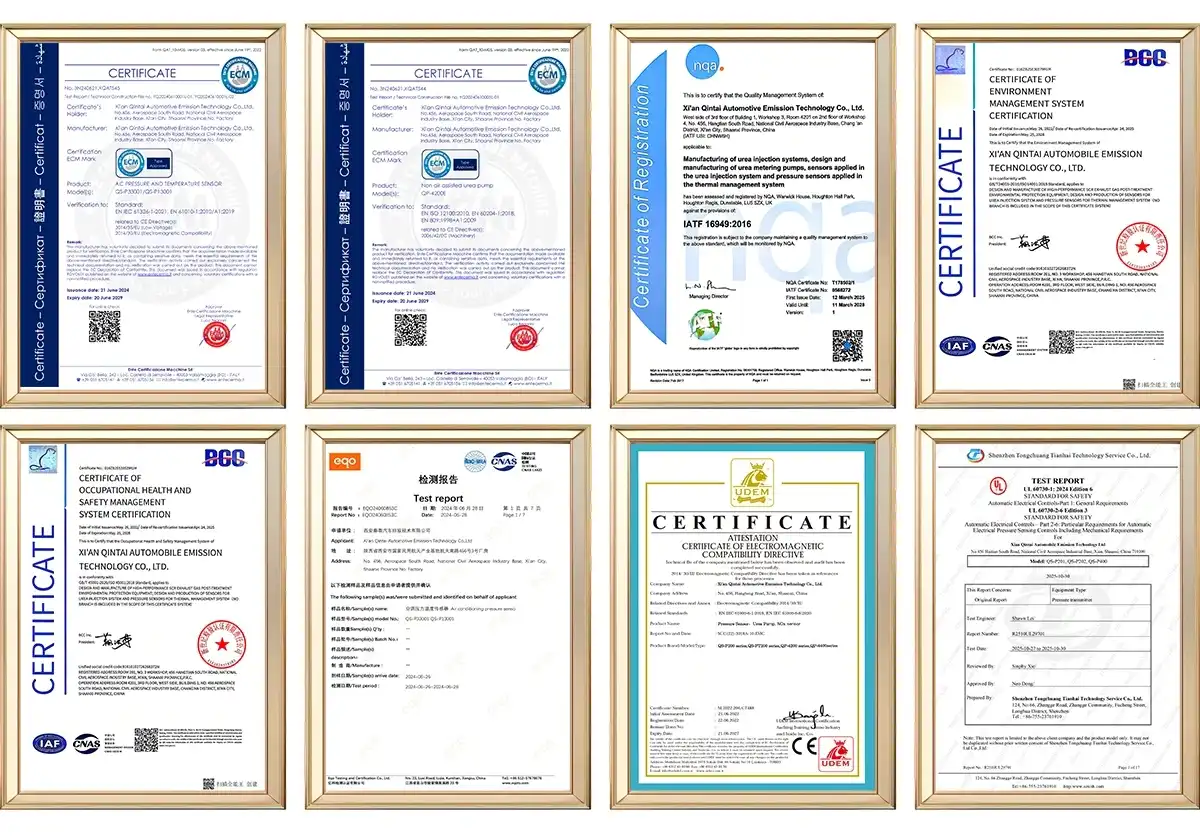
Our quality control systems are up to worldwide standards, as shown by ISO9001, IATF16949, and product-specific certifications like CE, REACH, RoHS, CMC, Ex, and UL. This list of certifications shows that we can supply goods to markets around the world that meet a wide range of legal standards. Before it is shipped, every urea dosing pressure sensor goes through a series of strict tests, such as thermal shock, vibration endurance, and contamination resistance validation.
Global Service Commitment
We help OEM clients in more than 60 countries with technical issues at all stages of a product's existence. During development, our application engineers help with system integration, calibration, and making sure that testing is correct. During production, dedicated account managers keep track of delivery times, handle changes to the design, and quickly fix any quality issues that come up. Our after-sales team helps with fixing, managing warranties, and field failure analysis to make sure that products keep working better. You can be sure that Qintai is a real growth partner and not just a supplier of parts thanks to this all-around help system.
Conclusion
To choose the right SCR Dosing System, you need to think about the total cost of ownership, technical performance, and the supplier's skills. Understanding how urea injection technology meets emission standards while keeping engine efficiency high can help you make decisions about what to buy based on your specific needs. Quality systems reliably lower NOx levels in a wide range of working situations, from trucking on the highway to power plants that stay in one place. As emission rules get stricter around the world, finding providers with proven engineering skills and a promise to provide ongoing support will help your goods stay successful in the market. Both the success of immediate integration and the stability of production in the long term depend on how well suppliers are evaluated in terms of technical specifications, manufacturing capacity, and service responsiveness.
FAQ
Q1: What maintenance intervals do SCR dosing systems require?
A: Inspection times vary on how the system is being used, but checking most systems every 5,000 hours is a good idea. This includes checking the urea dose pressure monitor for crystallization, the quality of the AdBlue, and the connections on the supply lines for leaks. Heavy-duty uses that run all the time may need to be checked on more often, while light-duty tools can go a little longer between checks.
Q2: Can older diesel engines be retrofitted with SCR systems?
A: It turns out that retrofitting is technically possible but expensive. The engine control unit (ECU) has to be able to handle DEF dosing algorithms. This usually means replacing or reprogramming the ECU. For physical fitting, the exhaust system needs to be changed so that the catalyst and injector can fit. Different places have different rules about approving retrofitted systems, which makes aftermarket conversions more difficult.
Q3: What safety precautions apply during installation?
A: AdBlue needs to be handled with basic care because it can irritate the eyes and skin. Exposure can be avoided by wearing gloves and safety glasses during installation. To keep sensor signals from getting messed up, electrical lines must be grounded correctly. When working on an exhaust system, parts get hotter than 1000°F, so they need to be cooled down. Exhaust fumes can't be breathed in during tests if there is enough airflow.
Partner with Qintai for Your SCR Dosing System Needs
OEMs looking for reliable SCR Dosing System suppliers can benefit from Qintai's 20 years of experience in emission control technology. Our research team can come up with unique solutions that meet your exact technical needs, and our manufacturing capacity can handle production volumes ranging from small prototypes to high-volume series production. We want purchasing managers and research and development engineers to learn more about how our urea dosing pressure sensors and full aftertreatment systems can give your customers the compliance security and operating efficiency they need. Email our technical sales team at info@qt-sensor.com to talk about your application needs, get full specs, or set up samples of components to be tested for quality assurance.
References
1. Johnson, M. & Williams, R. (2021). Selective Catalytic Reduction Systems: Design, Performance and Applications. SAE International Technical Papers.
2. Environmental Protection Agency (2022). Diesel Engine Emission Control Technology: Compliance Strategies and Best Practices. EPA Office of Transportation and Air Quality Publication.
3. Schmidt, A., Chen, L. & Patel, K. (2020). "Urea Dosing Precision and NOx Conversion Efficiency in Heavy-Duty Diesel Applications." Journal of Emission Control Science and Technology, Vol. 6, Issue 3, pp. 245-262.
4. International Council on Clean Transportation (2023). Global Comparison of Heavy-Duty Vehicle Emission Standards. ICCT Research Report Series.
5. Zhang, H. & Thompson, D. (2022). Automotive Sensors for Emission Control: Technology and Reliability Assessment. Warrendale: SAE International.
6. European Automobile Manufacturers Association (2021). SCR System Integration Guidelines for Commercial Vehicle OEMs. ACEA Technical Standards Documentation.
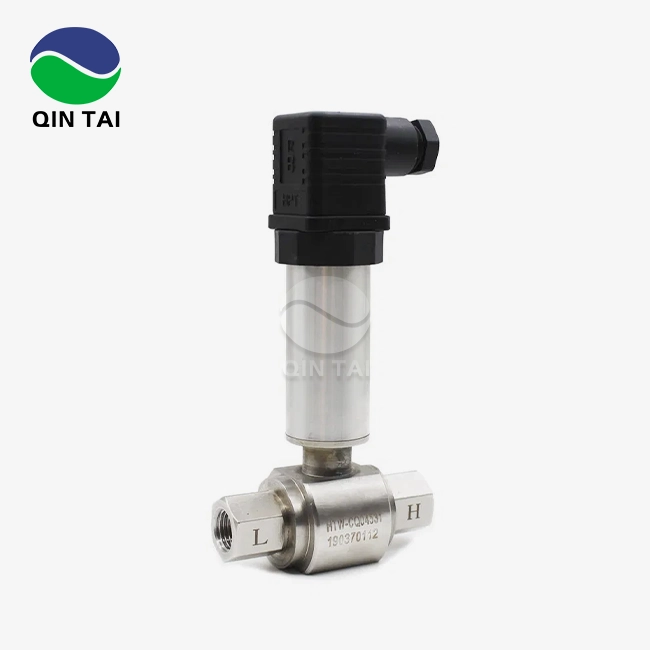
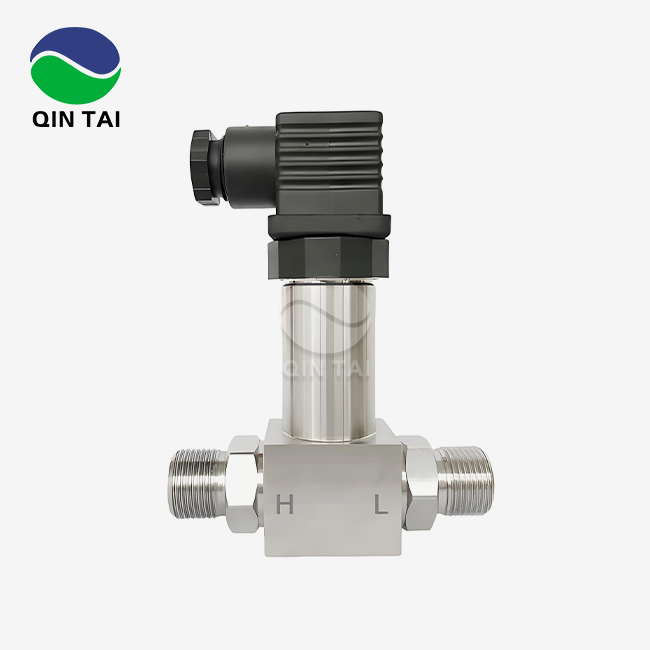

Our customers’ satisfaction speaks for our quality — contact us to experience the same reliable service.