- English
- French
- German
- Portuguese
- Spanish
- Russian
- Japanese
- Korean
- Arabic
- Greek
- German
- Turkish
- Italian
- Danish
- Romanian
- Indonesian
- Czech
- Afrikaans
- Swedish
- Polish
- Basque
- Catalan
- Esperanto
- Hindi
- Lao
- Albanian
- Amharic
- Armenian
- Azerbaijani
- Belarusian
- Bengali
- Bosnian
- Bulgarian
- Cebuano
- Chichewa
- Corsican
- Croatian
- Dutch
- Estonian
- Filipino
- Finnish
- Frisian
- Galician
- Georgian
- Gujarati
- Haitian
- Hausa
- Hawaiian
- Hebrew
- Hmong
- Hungarian
- Icelandic
- Igbo
- Javanese
- Kannada
- Kazakh
- Khmer
- Kurdish
- Kyrgyz
- Latin
- Latvian
- Lithuanian
- Luxembou..
- Macedonian
- Malagasy
- Malay
- Malayalam
- Maltese
- Maori
- Marathi
- Mongolian
- Burmese
- Nepali
- Norwegian
- Pashto
- Persian
- Punjabi
- Serbian
- Sesotho
- Sinhala
- Slovak
- Slovenian
- Somali
- Samoan
- Scots Gaelic
- Shona
- Sindhi
- Sundanese
- Swahili
- Tajik
- Tamil
- Telugu
- Thai
- Ukrainian
- Urdu
- Uzbek
- Vietnamese
- Welsh
- Xhosa
- Yiddish
- Yoruba
- Zulu
Urea Dosing Pump Sizing Guide: Flow Rates, Pressure, and Key Tips
Getting the sizing right for a urea dosing pump is one of those decisions that quietly determines whether your SCR system performs well for years — or causes you recurring headaches. Whether you're an R&D engineer at a diesel OEM, a technical manager at an aftertreatment integrator, or a procurement specialist sourcing parts for heavy trucks or generator sets, this guide gives you the technical grounding and practical tips you need to make the right call.

Understanding Urea Dosing Pump Basics
What Does a Urea Dosing Pump Actually Do?
A urea dose pump precisely moves DEF (Diesel Exhaust Fluid, a 32.5% water-based urea solution) from the holding tank to the dosing injector, making sure that the right amount of flow and pressure are applied. In an SCR system, this controlled flow goes over a catalyst and changes NOx into nitrogen and water vapor. The accuracy of the pump has a direct effect on how well it reduces NOx, which in turn affects your ability to meet EPA, Euro VI, or China VI emission standards.
How ECU Control Works
The pump talks to the Engine Control Unit (ECU) all the time. It changes the amount of dosing based on the NOx sensor feedback, engine load, exhaust temperature, and exhaust flow rate. The pump doesn't run at a set rate because of this closed-loop control; it's always changing. It is necessary for OEM integration that the system works with certain ECU protocols, like those used by Bosch SCR control systems.
Key Performance Metrics to Know
Before choosing a pump, you need to know three basic numbers: the nominal flow rate, which is usually between 1.5 L/h and 8 L/h for commercial vehicles; the operating pressure, which is usually between 3.5 bar and 9 bar depending on the type of injector; and the supply voltage, which is usually 12V or 24V DC for trucks and off-road vehicles. These numbers will help you decide what size to get.
Core Factors in Sizing Urea Dosing Pumps
Calculating the Right Flow Rate
Flow rate size starts with finding out how much NOx your engine can put out when it's fully loaded. A general rule of thumb is that SCR systems need DEF consumption rates that are about 3–5% of diesel fuel consumption rates. For a 400-hp heavy truck engine that uses about 20 L/h of fuel at full load, the DEF flow demand would be between 0.6 and 1 L/h when the engine is running normally, with some extra flow for short-term peaks. Always make sure the size is right for peak demand, not average demand.
Pressure Requirements and System Losses
The minimum working pressure of the injector and the total pressure drop across the supply line, filter, and fittings determine the pressure that is needed for a urea dosing pump. Most commercial SCR dosing injectors need at least 3.5 to 5 bar of pressure upstream. Line length, changes in elevation (head pressure), and filter resistance should all be taken into account when measuring. Underestimating the pressure capacity causes input to be uneven, which leads to poor NOx conversion and the possibility of not meeting emission standards.
Material Compatibility with Urea Solutions
DEF is not very corrosive. Over time, it breaks down copper, zinc, and some aluminum alloys. The inside of the pump, like the diaphragms, seals, and valve seats, should be made of materials that are compatible with stainless steel, PTFE, or EPDM. This is especially important for generator sets used in mines or factories, where the pump runs nonstop for thousands of hours.

Best Practices for Installation and Maintenance
Correct Pump Placement
If you can, put the pump below the DEF tank. This set-up uses gravity to keep the input pressure positive, which lowers the risk of cavitation. Do not run the pressure line through places that are very hot or have sharp bends. There should also be vibration isolation mounts on the pump. This is very important for big trucks and building equipment with engines that shake a lot.
Routine Maintenance Schedule
A regular maintenance schedule keeps the accuracy of dosing within the limits set by the manufacturer. These are the most important habits:
- Inspect the inlet filter every 500–1,000 operating hours. DEF crystallization can block filters quickly, especially if the system isn't purged properly after shutdown.
- Check hose fittings and connections for micro-leaks at every scheduled service. DEF leaves white crystalline deposits around leaks — easy to spot during visual checks.
- Verify dosing accuracy with a flow meter check annually or every 2,000 hours. Drift in diaphragm tension or valve wear causes flow deviation that won't trigger fault codes immediately.
If you keep up with these checks, you can stop the kind of slow performance loss that only shows up as a failed emission test or an unexpected problem feeding the DPF.
Troubleshooting Common Failures
If the pump's flow is low or uneven, check the input filter first. In more than 60% of field cases, that's what's wrong. A change in pressure that isn't normal usually means that air is getting in through a loose suction fitting. In cold places, frozen DEF in an unheated supply line is often to blame for a urea dosing pump failing completely, not the pump itself. Many new pumps have built-in freeze protection and purge cycles that send DEF back to the tank when the system is turned off. Make sure this feature is turned on for your system.

Comparing Urea Dosing Pumps: Models, Types, and Selection Criteria
Diaphragm vs. Gear Pumps
There is a good reason why diaphragm pumps are the most popular choice for SCR aftertreatment. They work well with changing pressure, can handle running dry for a short time, and give accurate measurements across a wide range of flows. Gear pumps provide steady volumetric flow at higher pressure, but they are more affected by changes in fluid viscosity. This is something to think about in cold climates, where DEF viscosity rises near -11°C, which is the freezing point.
Urea Dosing Pumps vs. Dosing Injectors
People often mix up these two parts. The injector controls how much spray goes into the exhaust stream, while the pump builds and keeps the line pressure steady. In some small SCR modules, the pump and injector are combined into a single dosing module. This is common in systems that were originally made for passenger cars and are now used in light commercial vehicles. Separate pump and injector designs are better for heavy-duty uses because they are easier to repair and keep replacement costs low.
Key Selection Criteria
When making your final choice, think about these things:
- Flow range and pressure rating must cover your engine's full operating envelope with margin.
- ECU compatibility — especially Bosch DCU or equivalent — determines integration effort for OEM builds.
- Certifications such as IATF 16949 and ISO 9001 confirm the supplier operates under a quality management system suited for mass production.
- Built-in functions like freeze protection, purge cycles, and diagnostic feedback reduce warranty claim risk in field operation.
These factors together decide if a pump fits into a controlled factory line or turns into a problem that needs to be fixed over and over again in the field.
Procuring Urea Dosing Pumps: Supplier Selection and Purchase Considerations
Evaluating Supplier Qualifications
At every step of the buying process, seller quality is important, not just the price. For industrial or export uses, look for certifications like ISO 9001 and IATF 16949, as well as CE or UL marks if they are needed. Make sure the supplier has delivered OEM products before, not just listed them in a catalog. When it comes to urea dosing pump vehicle type approval, suppliers with active OEM programs have already taken care of the issues of production consistency, traceability, and guarantee paperwork.
Bulk Purchasing and Long-Term Agreements
OEMs and system integrators that make a lot of products will get more value from arranging a long-term supply deal than from buying things on the spot. Most of the time, frame deals lock in pricing levels, wait times for delivery, and reserved production capacity. This is especially important for the China VI and Euro VI program schedules, since problems with supplies can cause delays all along the assembly line for vehicles.
What Qintai Brings to the Table
Since 2001, Xi'an Qintai Automotive Emission Technology Co., Ltd. has been making parts for SCR aftertreatment. In China, Qintai has the biggest share of the market for diesel engine SCR sensors and dose system parts. Weichai Power, Yuchai Power, and Quanchai Power all buy a lot of these parts from them.
The company has 58 invention patents and its products are certified by ISO 9001, IATF 16949, CE, UL, and REACH. Qintai's urea dosing pumps have a small, integrated design that combines the pump, filter, and heater into one unit. They also have low energy consumption, built-in freeze protection, a purge function, and full Bosch ECU compatibility. These pumps were made to meet the requirements of China VI and Euro VI.

Conclusion
To properly size a urea dosing pump for a DEF dosing system, you need to match the flow rate to the highest NOx demand of the engine, take into account system pressure losses, choose materials that are chemically compatible, and make sure that the ECU can be integrated.
Getting these things right during the planning phase keeps emissions from not meeting standards, lowers the cost of field warranties, and increases the system's useful life. If you're looking for suppliers for a new OEM program or to improve an aftermarket product, use this guide's technical criteria as a starting point. Only work with suppliers who can back up their claims with licenses and production records that can be checked.
FAQ
How often should I calibrate a urea dosing pump?
Calibration checks are recommended annually or every 2,000 operating hours for heavy-duty applications. In high-cycle industrial generator sets running continuous duty, every 1,500 hours is a safer interval. Use a calibrated flow meter at the outlet to verify actual delivery matches commanded dosing rate.
Can I use urea concentrations other than the standard 32.5% DEF?
Standard SCR systems are calibrated for 32.5% aqueous urea (ISO 22241). Using higher or lower concentrations changes the NOx conversion chemistry and can cause catalyst damage or crystallization inside the injector. Always use certified DEF that meets ISO 22241-1 specifications.
What safety precautions apply during pump installation?
DEF contains urea, which is mildly irritating to eyes and skin. Wear safety glasses and gloves during installation. Avoid installing the pump near high-heat exhaust components — sustained temperatures above 35°C around the pump housing accelerate DEF degradation. Always purge the system before long-term storage to prevent crystallization blockages.
How do I know if my pump is sized too small?
Signs of undersizing include intermittent NOx fault codes, slow DEF pressure build-up at startup, and DEF consumption that runs lower than expected relative to fuel consumption. If your system logs frequent pressure-low fault codes under high engine load, the pump's rated flow capacity is likely insufficient for the application.
Partner With Qintai for Your Next Urea Dosing Pump Project
Qintai has made SCR systems for 20 years, is IATF 16949 certified, and supplies China's biggest diesel engine OEMs with urea dosing pumps. They offer OEM and ODM options. Qintai is a reliable seller of urea dosing pumps that can help you meet your deadlines, whether you need them for mass production, custom-spec integrations, or leftover stock. You can email our technical team at info@qt-sensor.com or go to qt-sensor.com to get details, samples, or a quote for a large order.
References
1. Johnson, T. V. "Diesel Emissions Control in Review." SAE International Journal of Fuels and Lubricants, 2015.
2. "ISO 22241-1: Diesel Engines — NOx Reduction Agent AUS 32 — Part 1: Quality Requirements." International Organization for Standardization, 2019.
3. Koebel, M., Elsener, M., & Kleemann, M. "Urea-SCR: A Promising Technique to Reduce NOx Emissions from Automotive Diesel Engines." Catalysis Today, 2000.
4. "Heavy-Duty Vehicle Emission Standards." U.S. Environmental Protection Agency (EPA), 2021.
5. "Euro VI Emission Standards for Heavy-Duty Vehicles." European Commission, DG Environment, 2013.
6. Zheng, M., Reader, G. T., & Hawley, J. G. "Diesel Engine Exhaust Gas Recirculation — A Review on Advanced and Novel Concepts." Energy Conversion and Management, 2004.
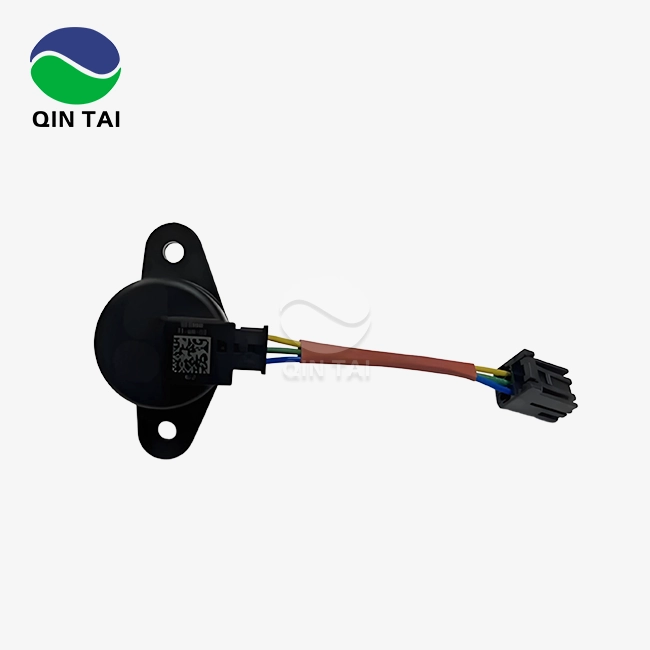
 Sensor.webp)

Our customers’ satisfaction speaks for our quality — contact us to experience the same reliable service.