- English
- French
- German
- Portuguese
- Spanish
- Russian
- Japanese
- Korean
- Arabic
- Greek
- German
- Turkish
- Italian
- Danish
- Romanian
- Indonesian
- Czech
- Afrikaans
- Swedish
- Polish
- Basque
- Catalan
- Esperanto
- Hindi
- Lao
- Albanian
- Amharic
- Armenian
- Azerbaijani
- Belarusian
- Bengali
- Bosnian
- Bulgarian
- Cebuano
- Chichewa
- Corsican
- Croatian
- Dutch
- Estonian
- Filipino
- Finnish
- Frisian
- Galician
- Georgian
- Gujarati
- Haitian
- Hausa
- Hawaiian
- Hebrew
- Hmong
- Hungarian
- Icelandic
- Igbo
- Javanese
- Kannada
- Kazakh
- Khmer
- Kurdish
- Kyrgyz
- Latin
- Latvian
- Lithuanian
- Luxembou..
- Macedonian
- Malagasy
- Malay
- Malayalam
- Maltese
- Maori
- Marathi
- Mongolian
- Burmese
- Nepali
- Norwegian
- Pashto
- Persian
- Punjabi
- Serbian
- Sesotho
- Sinhala
- Slovak
- Slovenian
- Somali
- Samoan
- Scots Gaelic
- Shona
- Sindhi
- Sundanese
- Swahili
- Tajik
- Tamil
- Telugu
- Thai
- Ukrainian
- Urdu
- Uzbek
- Vietnamese
- Welsh
- Xhosa
- Yiddish
- Yoruba
- Zulu
Urea Pressure Sensor Sourcing Guide for EU Buyers
Navigating the complex landscape of urea pressure sensor procurement in Europe requires understanding both technical specifications and regulatory compliance requirements. These critical components of diesel exhaust fluid (DEF) systems ensure proper NOx reduction in SCR aftertreatment systems, making them essential for meeting Euro VI emission standards. European buyers must consider factors ranging from sensor accuracy and durability to supplier certifications and long-term support capabilities when selecting these vital automotive components.

Understanding Urea Pressure Sensors – Principles and Applications
Urea pressure sensors serve as the monitoring backbone of Selective Catalytic Reduction systems, measuring the precise pressure of AdBlue solution within the dosing circuit. These sophisticated devices operate by converting mechanical pressure into electrical signals, typically utilizing piezoresistive or capacitive sensing elements that respond to minute pressure variations in the urea delivery system.
Core Operating Principles
A diaphragm-based sense mechanism that bends in response to pressure is what makes the basic mechanism work. Modern sensors have temperature adjustment circuits that keep them accurate from -40°C to 150°C, which is important for the climate in Europe. In most SCR uses, the detecting element sends out a constant value of 0.5V to 4.5V, which corresponds to pressure ranges of 0 bar to 10 bar.
Industrial Applications Across Europe
The biggest group of people who use these sensors are companies that make heavy-duty trucks. Urea pressure sensors make sure that the right amount of urea is used for Euro VI compliance. Manufacturers of construction equipment add these parts to their SCR systems to meet strict pollution standards and keep their machines running reliably in tough conditions. When used in agricultural tools, sensors need to be able to handle shaking and dirt while still working properly over long running seasons.
Generator set makers are relying more and more on these sensors for fixed power uses, especially in backup power systems that need to be stable for a long time. The marine industry is becoming a bigger area of use, and ship owners need strong monitors that can work in saltwater settings without leaking and still meet emission standards.

Common Challenges and Troubleshooting Tips for Urea Pressure Sensors
European operators frequently encounter specific challenges that can compromise sensor performance and system reliability. Understanding these issues enables proactive maintenance strategies that extend component lifespan and reduce operational costs.
Signal Accuracy and Drift Issues
One of the most common things that causes performance to drop is drift caused by temperature. Extreme temperature cycling can cause baseline changes in sensors, which can lead to wrong pressure readings and inadequate urea doses. Using verified pressure standards to check the measurements on a regular basis helps find drift before it affects the performance of the emissions. Electrical disturbance from close parts can make sensor readings less accurate, especially in engine areas with a lot of other parts. By using twisted-pair wire for data transfer and covering and grounding properly, electromagnetic interference can be cut down by a large amount.
Environmental Contamination Effects
Crystallization of AdBlue around sensor holes can cause mechanical problems and chemical rusting issues. In Europe, workers should use demineralized water for frequent cleaning, especially during long periods of shutdown. Warm water treatment can get rid of the crystalline formations, but it's better to keep them from forming in the first place by properly winterizing the system. When seals are broken, moisture can get in and cause sensors to fail quickly. This is especially important in European countries with high humidity and frequent changes in temperature. Most problems caused by wetness can be avoided by checking the quality of cables and connection covers on a regular basis.
Preventive Maintenance Strategies
Setting up regular review times based on working hours instead of date time makes it easier to see how much the sensors have worn down. For important uses, the stability of the connectors, the route of the cables, and the mounting hardware should be visually checked every 500 hours of use. Temperature cycling tests done during changes in the seasons can help find sensors that are getting close to the end of their useful life before they fail in the field. This proactive method cuts down on unplanned downtime and lets maintenance be scheduled for times that are useful for operations.
Comparing Urea Pressure Sensors – Making Informed Procurement Decisions
The European market offers diverse sensor technologies, each optimized for specific application requirements. Understanding these distinctions enables informed purchasing decisions that align with operational needs and budget constraints.
Digital Versus Analog Signal Output
Digital sensors that can talk to each other over a CAN bus make diagnostics easier and make it easier to connect to current engine control units. When compared to standard analog options, these devices have built-in temperature adjustment, self-diagnostic features, and less complicated wiring. But analog devices are still better for upgrading older machines that don't support digital transmission methods. Most of the time, analog sensors are 20–30% cheaper than their digital counterparts, but they need signal filtering and temperature adjustment circuits that are outside of the sensor itself. When installation staff and other parts are taken into account, the total cost of the system often works out better for digital options.
Waterproof Design Considerations
IP67-rated urea pressure sensors are safe enough for most uses in Europe, including being able to handle short-term submersion and high-pressure washing, which is common in maintaining industrial vehicles. IP69K-rated devices offer better security for naval uses and equipment that is cleaned with steam, which makes their higher cost in harsh settings justified. The shape of the connection has a big effect on its long-term dependability. In toxic conditions, protected metal connectors work better than plastic ones. The extra cost of quality connections is usually less than 5% of the total cost of the sensor, but they make the sensor much more reliable.
Performance Benchmarks and Leading Brands
European OEM providers always do a better job of controlling quality and making sure they follow certification rules than other sources. Well-known companies like Bosch, Continental, and Delphi have thorough certification programs that make sure that all of their production lots work the same. New providers from Asia offer reasonable prices, but they need to go through careful approval steps to make sure they follow European emission rules. The initial cost savings might not be worth it if there are more quality control needs and problems with the guarantee.

How to Source Quality Urea Pressure Sensors in Europe? – Procurement Insights
European procurement success depends on understanding both supplier capabilities and market dynamics that influence pricing and availability. Strategic sourcing approaches can significantly impact total cost of ownership while ensuring reliable supply chains.
Supplier Evaluation Criteria
Manufacturers who have ISO/TS 16949 car quality system certification show that they are dedicated to maintaining quality and always making things better. Change control methods at these providers are usually written down, and they can provide full traceability for parts used in controlled applications. For upkeep uses, having local European wholesalers can help with expert support, managing supplies, and quick shipping. Direct connections with manufacturers, on the other hand, offer better prices for large orders and easier access to tech help for unique needs.
Market Pricing Dynamics
Standard automotive-grade sensors cost between €45 and €85 per unit on the European market right now, and there are 100 to 500 of them. Industrial-grade monitors that can work in a wider range of temperatures cost between €75 and €120 per unit. Volume pricing breaks usually happen at 1,000 and 5,000 pieces, lowering the price by 15 to 25 percent. Price changes for sellers whose factories are not in the Eurozone are greatly affected by changes in the value of the euro. For high-volume uses, long-term supply deals with price safety terms help keep costs stable.
Custom Solution Development
For many uses, sensors need to be changed to work with certain positioning options, pressure ranges, or electrical connections. If a supplier offers ODM services, they can create sensors while still meeting approval requirements. However, the minimum order quantity is usually 1,000 pieces. Custom sensors can take anywhere from 8 to 16 weeks to develop, based on how complicated the changes are. Before committing to production numbers, validation testing can be done on prototypes in sizes ranging from 10 to 50 pieces.
Ensuring Procurement Success – Criteria for Selecting the Best Urea Pressure Sensor
Successful procurement outcomes result from clearly defined specifications that align technical requirements with business objectives. European buyers must balance performance requirements against cost constraints while ensuring long-term supplier viability.
Technical Specification Development
Pressure range selection for the urea pressure sensor should include a 20% margin beyond the maximum expected operating pressure to ensure sensor longevity. Temperature specifications for the urea pressure sensor must account for both ambient conditions and heat soak from nearby engine components, particularly exhaust system proximity. Electrical specifications should define both normal operating parameters and fault detection requirements. Modern sensors provide diagnostic capabilities that enable predictive maintenance strategies, reducing unexpected failures and associated downtime costs.
Supplier Certification Requirements
CE marking compliance ensures products meet European safety and electromagnetic compatibility requirements. Suppliers should provide declaration of conformity documentation and maintain product liability insurance appropriate for automotive applications. ISO 9001 certification provides baseline quality system assurance, while automotive-specific standards like IATF 16949 demonstrate advanced quality control capabilities. Suppliers serving safety-critical applications should maintain additional certifications relevant to their target markets.
Long-term Partnership Considerations
Supplier financial stability becomes crucial for components with 10+ year service life requirements. European buyers should evaluate supplier creditworthiness and market position to ensure continued support throughout product lifecycles. Technical support capabilities, including application engineering and field service, provide significant value beyond initial component cost. Suppliers offering local technical resources can resolve issues more rapidly and provide training for maintenance personnel.
Conclusion
Successful urea pressure sensor procurement in Europe requires balancing technical performance requirements with practical business considerations including cost, delivery, and long-term support. European buyers benefit from working with certified suppliers who understand local regulatory requirements and can provide consistent quality across production volumes. The investment in quality sensors pays dividends through reduced maintenance costs, improved emission compliance, and enhanced system reliability. Strategic supplier relationships enable access to technical expertise and custom solutions that optimize total cost of ownership while ensuring operational success.
FAQ
What pressure range is typically required for automotive SCR applications?
Most automotive applications require sensors capable of measuring 0-10 bar pressure range with accuracy of ±2% full scale. Heavy-duty applications may require extended ranges up to 15 bar to accommodate higher flow rate requirements.
How often should urea pressure sensors be calibrated?
Industrial applications benefit from annual calibration verification, while automotive applications typically rely on built-in diagnostic capabilities and replacement upon fault detection. Critical applications may require semi-annual verification depending on operating conditions.
What are the key differences between automotive and industrial grade sensors?
Industrial sensors typically feature extended temperature ranges (-40°C to 175°C), enhanced vibration resistance, and longer warranty periods. Automotive sensors prioritize cost optimization and integration with vehicle diagnostic systems.
Can urea pressure sensors be repaired or must they be replaced?
These sensors are sealed units that cannot be field-repaired due to contamination risks and calibration requirements. Replacement represents the only viable option when sensors fail or drift beyond acceptable limits.
Partner with Qintai for Your Urea Pressure Sensor Requirements
Qintai stands as China's leading urea pressure sensor manufacturer, serving European markets with ISO 9001 and IATF 16949 certified quality systems since 2001. Our comprehensive product range includes automotive and industrial grade sensors designed specifically for European emission standards compliance.
As the preferred supplier to major Chinese OEMs including Weichai Power and Yuchai Power, we bring proven expertise to international partnerships. Our independent R&D capabilities enable custom sensor solutions tailored to specific application requirements, while our 58 invention patents demonstrate continued innovation leadership.
European buyers benefit from our extensive certification portfolio including CE, REACH, and RoHS compliance, ensuring seamless integration into regulated applications. Our technical support team provides application engineering assistance and field service support to optimize sensor performance and system integration. Contact our European sales team at info@qt-sensor.com to discuss your specific requirements and receive competitive quotations for both standard and custom urea pressure sensor solutions.
References
1. European Environment Agency, "Monitoring of CO2 Emissions from Heavy-Duty Vehicles: Regulation and Implementation Guidelines," Brussels, 2023.
2. International Organization for Standardization, "Road Vehicles - Exhaust Gas Analyzer and Emission Testing Equipment Specifications," ISO 14064-2:2022.
3. Society of Automotive Engineers, "Recommended Practice for Diesel Exhaust Fluid Quality Requirements for SCR Applications," SAE J2906, 2022.
4. European Commission Directorate-General for Climate Action, "Heavy-Duty Vehicle Emissions Regulation: Technical Implementation Guide," Luxembourg, 2023.
5. Automotive Industry Action Group, "Quality System Requirements for Automotive Suppliers: Implementation and Certification Guidelines," Fourth Edition, 2023.
6. European Automobile Manufacturers Association, "Position Paper on Aftertreatment System Component Specifications and Testing Protocols," Brussels, 2024.
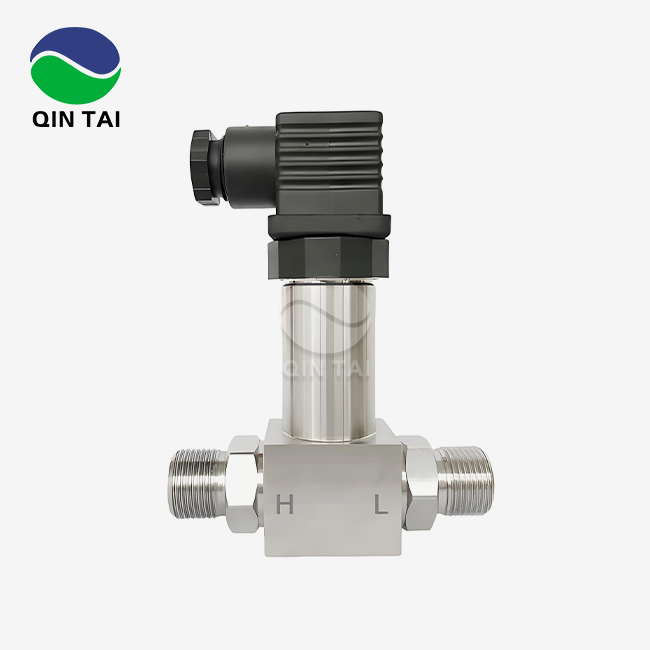
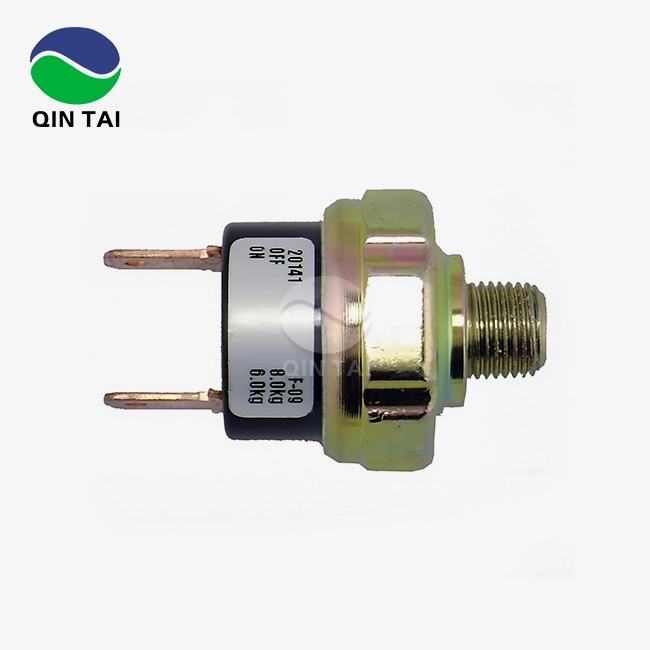

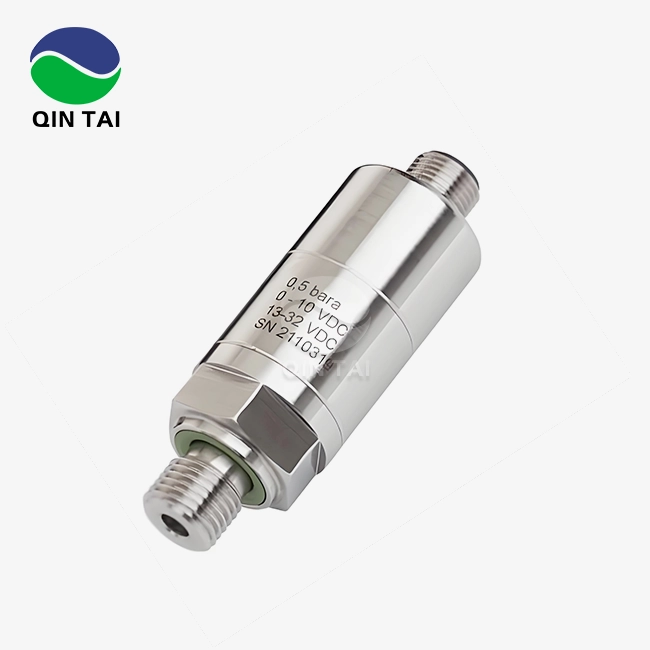

Our customers’ satisfaction speaks for our quality — contact us to experience the same reliable service.