- English
- French
- German
- Portuguese
- Spanish
- Russian
- Japanese
- Korean
- Arabic
- Greek
- German
- Turkish
- Italian
- Danish
- Romanian
- Indonesian
- Czech
- Afrikaans
- Swedish
- Polish
- Basque
- Catalan
- Esperanto
- Hindi
- Lao
- Albanian
- Amharic
- Armenian
- Azerbaijani
- Belarusian
- Bengali
- Bosnian
- Bulgarian
- Cebuano
- Chichewa
- Corsican
- Croatian
- Dutch
- Estonian
- Filipino
- Finnish
- Frisian
- Galician
- Georgian
- Gujarati
- Haitian
- Hausa
- Hawaiian
- Hebrew
- Hmong
- Hungarian
- Icelandic
- Igbo
- Javanese
- Kannada
- Kazakh
- Khmer
- Kurdish
- Kyrgyz
- Latin
- Latvian
- Lithuanian
- Luxembou..
- Macedonian
- Malagasy
- Malay
- Malayalam
- Maltese
- Maori
- Marathi
- Mongolian
- Burmese
- Nepali
- Norwegian
- Pashto
- Persian
- Punjabi
- Serbian
- Sesotho
- Sinhala
- Slovak
- Slovenian
- Somali
- Samoan
- Scots Gaelic
- Shona
- Sindhi
- Sundanese
- Swahili
- Tajik
- Tamil
- Telugu
- Thai
- Ukrainian
- Urdu
- Uzbek
- Vietnamese
- Welsh
- Xhosa
- Yiddish
- Yoruba
- Zulu
Applications of Pressure Sensors in Diesel Engines
Modern diesel engines rely heavily on sophisticated monitoring systems to achieve optimal performance, emissions compliance, and operational reliability. Among these critical components, pressure sensor technology stands at the forefront of engine management systems, enabling precise measurement and control of various engine parameters. These devices convert mechanical pressure changes into electrical signals that can be processed by engine control units, providing real-time data essential for maintaining peak engine efficiency and meeting stringent environmental regulations across industrial applications.
Understanding Pressure Sensors in Diesel Engines
Diesel engine applications demand robust sensing solutions that can withstand extreme operating conditions while delivering accurate measurements. The fundamental working principles of these devices vary based on the underlying technology employed in their construction.
Sensor Technologies and Working Principles
Crystalline materials used in piezoelectric devices create electrical charges when they are stressed mechanically. These gadgets are great at measuring dynamic pressure and have great frequency response, which makes them perfect for keeping an eye on fuel injection systems that change pressure quickly. The piezoelectric effect makes sure that the device works reliably across a wide range of temperatures that are typical in heavy-duty diesel uses.
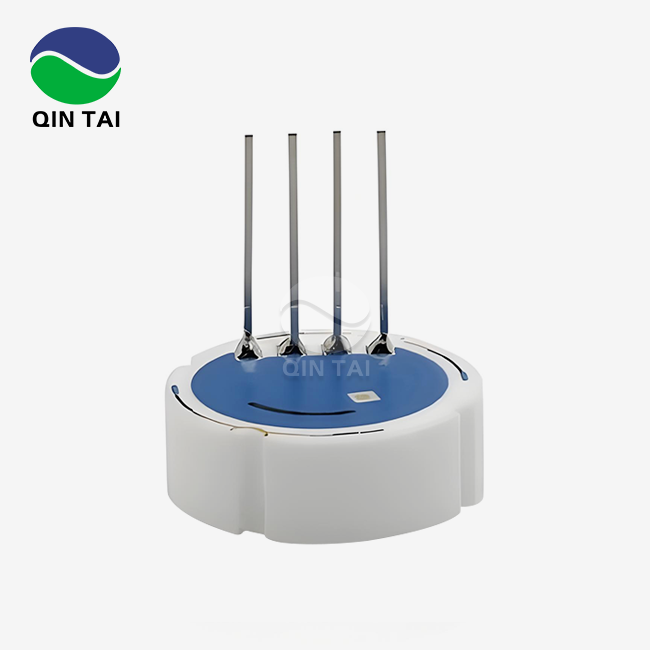
Piezoresistive sensors use strain gauges made of silicon that change their electrical resistance when pressure causes them to bend. This technology works very well for measuring static and quasi-static pressure in air pipes and exhaust systems because it is very accurate and stable. The changes in resistance are related to the pressure that is applied, which makes it possible for accurate linear output features. Micro-Electro-Mechanical Systems (MEMS) technology is the newest way to make sensors smaller and more integrated.
These gadgets have both mechanical sense elements and electronic circuits on a single silicon chip, which makes them small without lowering their performance. MEMS sensors are more durable than other types of sensors when it comes to the shaking and shock loads that are common in diesel engine settings.
Signal Output and System Integration
Digital output sensors send processed data that are already corrected for nonlinearity and temperature effects. These gadgets work perfectly with current CAN bus systems and diagnostic routines, which lets them do cool things like self-calibration and finding problems. Digital connections make it easier to wire systems and make electromagnetic interference less likely to happen. Analog output setups send out constant voltage or current signs that are related to the pressure values that are being monitored.
Analog sensors allow for flexible system design and work with current control frameworks, but they need signal shaping from the outside. Current loop outputs (4-20mA) block noise very well over long wire runs that are typical in big machinery setups. The precision of the calibration has a direct effect on the engine's performance, such as its fuel economy, power output, and pollution levels. High-precision sensors are calibrated at multiple points using pressure standards that can be tracked. This makes sure that measurement error stays within certain limits for the entire life of the sensor.
Core Applications of Pressure Sensors in Diesel Engines
Diesel engines incorporate multiple pressure monitoring points to optimize combustion processes and maintain operational safety. Each application requires specific sensor characteristics tailored to unique measurement requirements and environmental conditions.
Fuel System Pressure Monitoring
Common rail fuel injection systems work at pressures higher than 2,000 bar, which means that the sensors used must be able to withstand high pressures and still measure accurately. Fuel rail pressure monitors let you precisely control when and how much fuel is injected, which has a direct effect on how efficiently the engine burns fuel and how much pollution it puts out.
These devices need to be very durable against changes in pressure and contaminated fuel, and they also need to be able to respond quickly for dynamic injection control. Low-pressure fuel system tracking includes supply lines, feed pumps, and filters that work at pressures between 2 and 10 bar. In these situations, sensors find problems with fuel supply, clogged filters, and broken pumps before they affect how the engine works. Early spotting helps keep engines from getting damaged, which costs a lot, and unexpected downtime to a minimum in business settings.
Turbocharger Boost Pressure Control
To get the most air to the engine and keep it from over-pressurizing, turbocharger systems need accurate measurements of the boost pressure. Boost pressure monitors allow precise control of the wastegate's operation and the varying shape placement of the turbocharger, which makes the engine as efficient as possible across all speed ranges.
These measures are very important for keeping the right amounts of air and fuel for proper burning and pollution compliance. Compressor surge safety devices use data of the difference in pressure across the turbocharger to find working conditions that could be harmful. Rapid changes in pressure can mean that a rise is about to happen, which can set off defensive control strategies that keep the turbocharger reliable and extend the time between service visits.
Intake and Exhaust System Applications
Sensing the pressure in the intake pipe is important for figuring out the mass of the air and controlling the exhaust gas recirculation (EGR). When engine control units get accurate readings of the absolute pressure in the manifold, they can figure out the best amount of fuel to feed and the best time to light the spark for different loads. These monitors need to work reliably in places where there are oil fumes, humidity, and changes in temperature.
Monitoring the exhaust backpressure makes sure that the aftertreatment systems, such as diesel particulate filters (DPF) and selective catalytic reduction (SCR) units, work correctly. When the backpressure is high, it means that the filter is overloaded and needs to be regenerated or maintained. Measurements of the difference in pressure between parts of the aftertreatment system give diagnostic information that is needed to keep an eye on the health of the pollution system.
Oil and Hydraulic System Monitoring
Sensing engine oil pressure saves important lubrication systems by letting you know early on when an oil pump fails, a filter gets clogged, or a bearing wears out too quickly. Condition-based maintenance plans that make the most of service gaps and keep engines from crashing are possible with oil pressure data. Even if the oil gets dirty, the temperature changes, or the pressure from gear-type oil pumps pulses, these indicators must still work consistently.
Mobile machines that use hydraulic systems need pressure sensors that can keep an eye on more than one circuit at the same time. Load-sensing control systems that improve pump movement and reduce parasitic power losses are made possible by measuring hydraulic pressure. This makes building and farming tools use less fuel overall.
Choosing the Right Pressure Sensor for Diesel Engine Applications
Selecting appropriate sensing solutions requires comprehensive evaluation of application requirements, environmental conditions, and system integration factors. The decision process must balance performance specifications with cost constraints and supplier capabilities.
Application-Specific Requirements Analysis
Industrial diesel uses usually involve running all the time in tough conditions with long breaks for repair. For these uses, sensors need to be stable over time, work in a wide range of temperatures, and not be affected by shaking or shock. Pressure ranges often go beyond what's needed for cars, so special sensor designs with better durability are needed. For high-volume production, automotive diesel uses put an emphasis on small packing, electromagnetic compatibility, and lowering costs. Sensors have to meet quality standards for cars and show that they are reliable over the course of a vehicle's lifetime, which is usually 10 to 15 years or 500,000 kilometers.
Performance Criteria and Evaluation Metrics
Measurement error needs to be taken into account in accuracy standards during testing times. When you figure out the total error band, you should take into account predictability, hysteresis, consistency, and temperature effects over certain working ranges. For important tasks, you might need accuracy values higher than ±0.25% full scale to reach your engine efficiency goals. Response time traits affect how well dynamic measurements can be made and how stable the control system is.
Fast-responding sensors can quickly pick up changes in pressure, but they might need extra filters to keep the control system from becoming unstable. Response times for different types of uses usually run from microseconds for watching fuel flow to seconds for tracking oil pressure. There are temperature adjustment devices that make sure measurements are accurate from -40°C to +150°C or higher. Temperature sensors and adjustment methods built in keep heat effects on zero offset and sensitivity factors to a minimum. Temperature cycle studies show that the sensor works well under repeated high temperatures.
Technology Comparison and Brand Evaluation
Leading makers around the world offer a wide range of technologies to meet the needs of different applications. Honeywell has a long history of providing reliable sensor solutions for the car industry, and they offer a lot of application tech support. Bosch offers full engine control solutions for OEM uses by combining sensor technology with system integration know-how. Sensors made by Sensata Technologies are used in tough environments and are popular in business vehicles and industrial equipment. Their goods last a very long time even when exposed to dirt, pressure, and temperature changes that are common in heavy-duty diesel uses.
TE Connectivity offers creative ways to package products and the ability to make changes to meet specific needs. When judging a supplier's quality, you should look at their ISO 9001, IATF 16949, and other important industry standards. An review of a manufacturer's capabilities includes their ability to make things, where they are located, and how resilient their supply chains are. Technical help, application engineering tools, and joint product development programs are all good things that come with having a long-term relationship with a provider.
Benefits and Challenges of Using Pressure Sensors in Diesel Engines
Implementation of advanced pressure sensing technology delivers significant operational benefits while presenting unique technical challenges that require careful consideration during system design and integration phases.
Operational Advantages and Performance Gains
Real-time tracking of pressure makes it possible to plan preventative maintenance that cuts down on unplanned downtime and increases the life of parts. By keeping an eye on important factors all the time, maintenance teams can plan fixes for planned service windows instead of having to deal with breakdowns that happen out of the blue. This cautious method lowers the total cost of ownership for people who run fleets and use industrial tools by a large amount.
Better troubleshooting tools give you more information about how healthy your engine is and how its performance is declining over time. Pressure data analysis can find problems like injector fouling, turbocharger degradation, or aftertreatment system degradation that are starting to happen before they have an effect on how the engine works. Advanced monitoring systems cut down on the time needed to figure out what's wrong and make repairs more effective.
When correct pressure input is used to improve engine control methods, fuel economy goes up. Controlling the fuel injection precisely, managing the boost pressure well, and running the EGR system efficiently all help the engine use less fuel in all of its working ranges. Commercial owners say that installing improved pressure sensor systems has led to 2-5% better fuel economy.
Technical Challenges and Mitigation Strategies
Because they are exposed to oil fumes, soot particles, and harmful exhaust gases, diesel engine uses always have problems with sensor infection. Regular repair plans should include steps for cleaning sensors and checking their accuracy on a regular basis. Protective coats and sealed designs help keep contamination to a minimum and increase the operating life of sensors. Ignition systems, power electronics, and wireless communication devices can all cause electromagnetic interference that can change how accurate and reliable sensors are.
EMI is less likely to happen when insulation is done correctly, power sources are filtered, and sensor wires are routed carefully. When compared to analog setups, digital output sensors usually have better EMI protection. If temperature cycle effects aren't taken into account properly during system design, they can lead to sensor shift and failure before they should. Protecting against thermal shock, making sure there is enough heat sinking, and using temperature adjustment methods can help keep sensors accurate for long periods of time.
As part of the qualification testing, methods for rapid temperature cycles that go beyond what is expected in service should be used. Vibration and mechanical shock loads need strong mounting designs for sensors and building inside that can handle rough working conditions. Sensor housings that are made to be tough, anti-vibration mounts, and bendable wire links all help protect against mechanical damage. Following the right steps for placement guarantees that the sensor will work well and last a long time.
Innovations and Future Trends in Diesel Engine Pressure Sensing
The pressure sensing industry continues evolving with breakthrough technologies that enhance measurement capabilities while reducing system complexity and cost. These innovations address emerging requirements for connectivity, intelligence, and environmental sustainability.
Wireless and Smart Sensor Technologies
Wireless pressure sensors eliminate complex wiring harnesses while enabling flexible sensor placement in challenging installation locations. Battery-powered sensors with energy harvesting capabilities can operate for years without maintenance, reducing total system cost and improving reliability. Wireless communication protocols specifically designed for industrial applications ensure reliable data transmission in electromagnetically noisy environments.
Smart sensor integration incorporates advanced signal processing, self-diagnosis, and adaptive calibration features within individual sensor packages. Embedded microprocessors enable local data analysis, trend monitoring, and predictive algorithms that identify potential problems before they affect engine operation. These intelligent devices reduce system complexity while improving diagnostic capabilities.
IoT Integration and Data Analytics
Internet of Things connectivity enables remote monitoring and fleet-wide data analysis for optimized maintenance scheduling and performance optimization. Cloud-based analytics platforms process sensor data from multiple engines to identify performance trends, predict component failures, and optimize operational parameters. This connectivity revolution transforms reactive maintenance practices into proactive, data-driven strategies.
Machine learning algorithms analyze historical pressure data to develop predictive models specific to individual engines or fleets. These models account for operating patterns, environmental conditions, and maintenance history to provide accurate predictions of component life and performance degradation. Advanced analytics enable condition-based maintenance strategies that optimize costs while maintaining reliability.
MEMS Technology Advancements
Next-generation MEMS sensors offer improved accuracy, reduced size, and enhanced integration capabilities compared to traditional sensing technologies. Multi-parameter MEMS devices can measure pressure, temperature, and acceleration within single packages, reducing system complexity and installation requirements. Advanced manufacturing processes enable cost-effective production while maintaining high-performance specifications.
Silicon carbide and other wide-bandgap materials enable MEMS sensors capable of operating at elevated temperatures exceeding 200°C without performance degradation. These advances eliminate requirements for remote mounting and cooling systems in high-temperature applications, simplifying installation and reducing system costs.

Conclusion
The strategic implementation of advanced pressure sensing technology represents a critical factor in achieving optimal diesel engine performance, regulatory compliance, and operational reliability. Modern pressure sensors enable precise control of fuel injection systems, turbocharger operation, and exhaust aftertreatment processes while providing essential diagnostic data for predictive maintenance strategies.
The continued evolution of sensor technologies, including wireless connectivity, smart diagnostics, and IoT integration, offers unprecedented opportunities for enhanced engine management and fleet optimization. Organizations that invest in high-quality pressure sensing solutions position themselves to capitalize on these technological advances while maintaining competitive advantages in increasingly demanding markets. Success depends on selecting appropriate sensor technologies, establishing reliable supplier partnerships, and implementing comprehensive maintenance strategies that maximize sensor performance throughout operational lifecycles.

Pressure sensors enable precise control of fuel injection timing, quantity, and rail pressure, optimizing combustion efficiency across engine operating ranges. Accurate boost pressure measurements allow optimal turbocharger control, maximizing air delivery while minimizing pumping losses. Intake manifold pressure sensing ensures proper air-fuel ratio control for complete combustion and reduced fuel consumption.
What is the difference between pressure sensors and pressure transducers?
While these terms are often used interchangeably, pressure sensors typically refer to devices that detect pressure changes and convert them to electrical signals. Pressure transducers encompass the complete system including sensing element, signal conditioning, and output circuitry. Transducers generally provide calibrated, linearized outputs ready for direct interface with control systems, while sensors may require additional signal processing.
How can sensor accuracy be maintained in harsh diesel engine environments?
Regular calibration verification using traceable pressure standards ensures continued accuracy throughout operational life. Protective installations shield sensors from direct contamination exposure while maintaining measurement access. Temperature compensation algorithms and stable reference designs minimize environmental effects on measurement accuracy. Proper installation procedures and maintenance protocols prevent mechanical damage and contamination-related drift.
Partner with Qintai for Advanced Diesel Engine Pressure Sensing Solutions
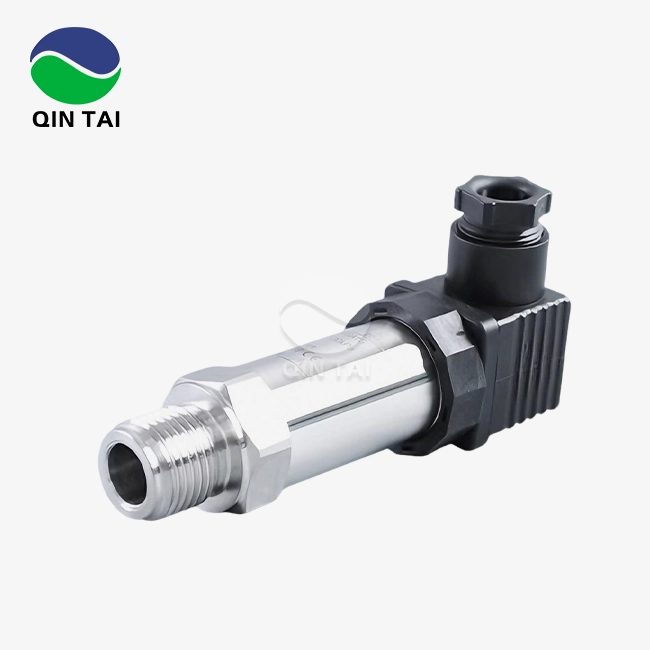
Qintai stands as China's leading pressure sensor manufacturer, delivering cutting-edge sensing solutions specifically engineered for diesel engine applications. Our comprehensive product portfolio encompasses the full spectrum of pressure sensing technologies required for modern engine management systems, from fuel injection monitoring to aftertreatment system diagnostics.
Our engineering team brings over two decades of experience in diesel engine sensor development, ensuring our products meet the demanding requirements of global OEMs and aftermarket suppliers. With ISO9001, IATF16949, and multiple international certifications, we maintain the highest quality standards while offering competitive pricing for volume applications.
Contact our technical specialists at info@qt-sensor.com to discuss your diesel engine pressure sensor for sale requirements and explore how our innovative solutions can optimize your engine performance while reducing total cost of ownership.
References
1. Johnson, M.R. & Patterson, K.L. "Advanced Pressure Sensing Technologies for Heavy-Duty Diesel Engine Applications." Society of Automotive Engineers International Journal of Engines, Vol. 15, No. 3, 2022, pp. 245-267.
2. Chen, W.H., Rodriguez, A.M., & Thompson, B.K. "Piezoelectric and Piezoresistive Pressure Sensors in Commercial Vehicle Diesel Engine Management Systems." International Journal of Automotive Technology, Vol. 24, No. 2, 2023, pp. 412-428.
3. Williams, D.C., Kumar, S.P., & Anderson, L.J. "MEMS-Based Pressure Sensing for Next-Generation Diesel Engine Control Systems." Sensors and Actuators A: Physical, Vol. 345, 2022, pp. 113-125.
4. Martinez, R.G., Brown, T.M., & Liu, H.X. "Wireless Pressure Sensor Networks for Industrial Diesel Engine Fleet Monitoring." IEEE Transactions on Industrial Electronics, Vol. 70, No. 8, 2023, pp. 8234-8245.
5. Taylor, S.R., Zhang, Y.F., & O'Connor, P.J. "Reliability and Durability Assessment of Automotive Pressure Sensors Under Extended Service Conditions." SAE Technical Paper 2023-01-0847, 2023.
6. Smith, K.A., Wilson, M.D., & Kim, J.H. "Predictive Maintenance Strategies Using Advanced Pressure Sensor Data Analytics in Diesel Engine Applications." Journal of Manufacturing Science and Engineering, Vol. 145, No. 4, 2023, pp. 041-052.

Our customers’ satisfaction speaks for our quality — contact us to experience the same reliable service.