- English
- French
- German
- Portuguese
- Spanish
- Russian
- Japanese
- Korean
- Arabic
- Greek
- German
- Turkish
- Italian
- Danish
- Romanian
- Indonesian
- Czech
- Afrikaans
- Swedish
- Polish
- Basque
- Catalan
- Esperanto
- Hindi
- Lao
- Albanian
- Amharic
- Armenian
- Azerbaijani
- Belarusian
- Bengali
- Bosnian
- Bulgarian
- Cebuano
- Chichewa
- Corsican
- Croatian
- Dutch
- Estonian
- Filipino
- Finnish
- Frisian
- Galician
- Georgian
- Gujarati
- Haitian
- Hausa
- Hawaiian
- Hebrew
- Hmong
- Hungarian
- Icelandic
- Igbo
- Javanese
- Kannada
- Kazakh
- Khmer
- Kurdish
- Kyrgyz
- Latin
- Latvian
- Lithuanian
- Luxembou..
- Macedonian
- Malagasy
- Malay
- Malayalam
- Maltese
- Maori
- Marathi
- Mongolian
- Burmese
- Nepali
- Norwegian
- Pashto
- Persian
- Punjabi
- Serbian
- Sesotho
- Sinhala
- Slovak
- Slovenian
- Somali
- Samoan
- Scots Gaelic
- Shona
- Sindhi
- Sundanese
- Swahili
- Tajik
- Tamil
- Telugu
- Thai
- Ukrainian
- Urdu
- Uzbek
- Vietnamese
- Welsh
- Xhosa
- Yiddish
- Yoruba
- Zulu
Pressure Sensor vs Transmitter: Key Differences
When evaluating pressure measurement solutions for industrial applications, understanding the fundamental distinctions between a pressure sensor and a pressure transmitter becomes crucial for procurement decisions. A pressure sensor serves as the basic transducer element that converts physical pressure into an electrical signal, while a pressure transmitter incorporates additional signal conditioning, calibration, and standardized communication capabilities. These differences significantly impact system integration, measurement accuracy, and overall operational reliability across diesel engine systems, aftertreatment applications, and heavy-duty industrial environments.

Understanding Pressure Sensors and Pressure Transmitters
Defining Pressure Sensors in Industrial Applications
A pressure sensor is the basic detector part that picks up changes in pressure and turns them into electrical signs. Using different tracking technologies to get exact results, these devices measure the force that is being applied to a certain area. When pressure is applied, the detecting element changes shape mechanically. This changes an electrical output that shows the recorded pressure value. To get accurate readings, industrial pressure monitors use a variety of different transmission processes.
When put under mechanical stress, piezoresistive sensors use strain gauges that change resistance. This makes the sensors very accurate and stable for use in heavy-duty and vehicle settings. Capacitive sensors have a ceramic cushion that changes shape when pressure is applied. This changes the capacitance between the wires and makes the sensor very sensitive for measuring low pressure. When mechanical force is applied to solid materials, piezoelectric devices create electrical charges. They have very good dynamic reaction properties.
Introduction to Pressure Transmitters
Pressure receivers are more advanced than basic sensors because they have built-in signal filtering, calibration circuits, and standard communication methods. These built-in devices take raw sensor data and turn them into regulated, noise-free outputs that can be directly connected to automation and control networks. The emitter body usually has circuitry for amplification, temperature adjustment, and digital processing that make measurements more accurate.
These days, pressure sensors come with standard output signals like 0-10 V voltage signals, 4-20 mA current loops, or digital communication methods like CAN bus, HART, and Modbus. Standardization makes it possible for programmable logic controllers, data gathering systems, and computerized maintenance management systems that are widely used to watch and control diesel engines and aftertreatment systems to work together without any problems.
Key Architectural Differences
Signal processing and transmission systems are what make sensors and emitters different in terms of how they are built. Basic pressure sensors send out unprocessed analog signals that need to be conditioned by circuits outside the sensor itself in order to make readings that are stable and accurate. These filtering circuits are built into transmitters, which makes them self-contained measurement solutions that make systems simpler and require less installation. Protecting the environment is another big difference in architecture.
When used in tough industrial settings, pressure sensors often need extra safe housings. Transmitters, on the other hand, usually come with strong casings that can handle high temperatures, shaking, and chemical exposure. With this built-in safety feature, receivers work especially well in diesel engine settings where temperature changes, shaking, and exhaust gases can make things difficult to operate.
Core Differences Between Pressure Sensors and Pressure Transmitters
Signal Output and Communication Capabilities
The most important difference between pressure sensors and emitters is how the information is processed. Basic pressure sensors send out millivolt-level analog signals that change with temperature, are sensitive to noise, and need careful protection of the wire to keep the signal strong. To meet industrial measurement standards, these raw signals need to be amplified, filtered, and calibrated by someone else. Pressure receivers have signal processing built in that takes raw sensor outputs and turns them into standard, high-level signals that can be used for industrial communication.
The 4-20 mA current loop output blocks noise very well over long wire runs, and digital communication methods allow data to be sent both ways for advanced diagnosis and setup features. This improved connection stability makes installation easier and speeds up the process of fixing problems with the system.
Accuracy and Calibration Considerations
Sensors and emitters are calibrated in very different ways, which can affect the accuracy of measurements and their steadiness over time. Pressure monitors usually need to be calibrated at the system level, taking into account changes in the signal processing circuit, the effect of temperature, and the effect of placement. To get to certain levels of accuracy with this method, you need special testing tools and technical know-how. At the plant, transmitters are calibrated, which includes the whole measurement chain, from the sensing element to the end output.
This all-around method to calibration makes sure that accuracy standards are always met and cuts down on the need for field calibration. A lot of receivers also have digital linearization and automatic temperature correction that keep the accuracy over a wide range of working temperatures without the need for human changes.
Environmental Robustness and Protection
The environmental usefulness of basic sensors and integrated receivers is very different, which affects the choice of application for diesel engine and heavy machinery installations. To work effectively in harsh industrial settings, pressure sensors often need special environmental protection like sealed housings, sound damping, and heat separation. The standard design of pressure sensors includes full weather protection.
They have IP-rated casings, wide working temperature ranges, and shock resistance that makes them suitable for use in mobile equipment. This built-in safety feature lowers the cost of installation and raises the level of dependability in uses like checking exhaust gas recycling, controlling selective catalytic reduction systems, and checking hydraulic pressure in building equipment.
Decision Support – How to Choose Between a Pressure Sensor and a Pressure Transmitter?
Application Requirements Analysis
To choose between pressure sensors and emitters, you need to carefully look at your application needs and the limitations of how the system can be integrated. When OEM makers add pressure sensors to diesel engine control systems, they need to think about how to handle signals, how to communicate, and the surroundings during the whole duration of the product. When standard transmission ports, plug-and-play installation, and less wires are useful, system integration complexity favors receivers.
Because they have to work in difficult conditions, take up limited room, and need to communicate reliably with engine control units, automotive aftertreatment systems benefit from incorporating transmitters. Basic sensors with application-specific filtering circuits might be better for custom applications that need special signal processing or designs that need to be as cheap as possible.
Cost and Complexity Trade-offs
The initial buy price, fitting costs, tuning needs, and long-term upkeep costs are all part of the total cost of ownership. Basic pressure sensors are cheaper to buy at first, but they need more system parts and technical work to work the same way as integrated emitters. When you add up the time it takes to create, test, and get certified, this secret cost often goes over the price difference.
Transmitters offer consistent performance and lower integration risk, which speeds up the time it takes for OEM apps to reach the market. Standardized interfaces and detailed documents cut down on tech costs and make the system more reliable. These benefits usually make up for the higher original cost, especially in cases where regulations need to be followed or where guarantee coverage needs to be expanded.
Supplier Selection and Partnership Considerations
For pressure measurement projects to go well, they need to have good relationships with suppliers who can offer expert help, make changes as needed, and deliver on time. Leading companies like Honeywell, Bosch, and TE Connectivity have wide ranges of products, from simple monitors to complex emitters, which lets them provide solutions that can be used in many different markets. When evaluating a supplier, you should look at their certifications, quality control systems, and ability to provide help around the world.
Certifications like ISO 9001 and IATF 16949 show that a company has strong quality control measures in place. Environmental certifications show that the company is committed to using eco-friendly production methods. Technical support skills, such as application building, customizing services, and after-sales help, have a big effect on the success of a project and the value of a partnership over time.

Common Pressure Sensor Types and Their Relation to Transmitters
Piezoresistive and Capacitive Technologies
Piezoresistive pressure sensors are the most common type used in heavy-duty and vehicle uses because they are very accurate, don't change much with temperature, and can be made on a large scale. These gadgets use silicon strain gauges that change their resistance in an expected way when they are put under mechanical stress. Because they respond linearly and can measure a wide range of pressures, piezoresistive sensors are perfect for diesel engine tasks like tracking low-pressure fuel systems and measuring high-pressure common rails.
Capacitive pressure monitors are great for situations where you need to measure low pressures with high sensitivity. The ceramic diaphragm design makes these sensors chemically compatible and stable over time. This means they can be used to measure waste gas pressure and keep an eye on emission control systems. Capacitive sensors work better when they are built into receivers because they get temperature adjustment and output linearization, which make the most of their natural accuracy advantages.
Specialty Sensors for Extreme Environments
Specialized materials and building methods are used to make high-temperature pressure devices that work effectively in exhaust gas settings, turbocharger tracking, and engine block installs. With silicon-on-insulator technology, ceramic surfaces, and high-temperature packing, devices can work at temperatures above 200°C and still measure accurately and reliably over time.
Designs for sensors that are waterproof and protected can be used in hydraulic systems, marine settings, and building equipment that has to work in difficult conditions. The welding housings, airtight seals, and corrosion-resistant materials in these devices make sure that they work reliably even when they are exposed to fluids, changes in temperature, and mechanical shock.
Integration Challenges and Solutions
Putting together special sensors with regular emitter electronics can be hard because of issues with working with different temperatures, signal conditioning, and protecting the environment. For high-temperature sensors to work, the emitter needs to have separate electronics or special high-temperature parts that keep the signal strong over a wide range of temperatures.
Custom emitter designs often offer the best solutions for tough problems because they include signal filtering, communication methods, and weather security that are specific to the job. These solutions make it possible to improve systems while keeping standard interfaces that make integration easier and lower the number of certifications needed.
Testing, Calibration, and Maintenance of Pressure Sensors and Transmitters
Comprehensive Testing Procedures
Using good testing methods makes sure that the pressure gauge works reliably throughout the whole duration of the product. Initial testing confirms basic functioning, accuracy requirements, and resistance to external factors in line with industry standards. For automotive uses, testing must follow ISO 26262 practical safety standards. For industry uses, testing must follow IEC 61508 rules for safety-related systems. Signal integrity, calibration shift, and weather damage can affect the accuracy of measurements over time.
Ongoing testing checks for these issues. Automated test equipment makes production testing quick and easy, and full outdoor testing makes sure that the product works well in a wide range of conditions. These testing methods help make sure the quality of the product and lower the cost of failures in the field and guarantee claims.
Calibration Management Strategies
Factory testing is the basis for reliable pressure measurement, connecting to national standards and making sure that performance stays the same across all output levels. Non-linearity is taken care of by multi-point testing across the working range, and temperature adjustment takes care of the effects of temperature on accuracy.
Field calibration methods let you check and change the accuracy of measurements after they have been installed, taking into account effects at the system level and changes in the environment. Standardized processes and portable calibration tools cut down on the time needed for testing while still meeting accuracy standards. Regular testing times based on how important the application is and how bad the environment is make sure that measurements will always be accurate.
Proactive Maintenance Practices
Preventive maintenance makes pressure measurement systems last longer and cuts down on surprise breakdowns and the costs that come with them. Visual checks done on a regular basis can find physical harm, link problems, and external pollution that could affect performance. Signal tracking finds problems with communication, electrical faults, and drifting tuning before they affect how the system works. Modern pressure sensors have advanced monitoring features that can be used in predictive maintenance to find problems before they happen. Condition-based maintenance strategies that make the most of maintenance times while ensuring continued efficiency are made possible by self-diagnostic features, trend analysis, and remote tracking capabilities.

Conclusion
The choice between pressure sensors and transmitters depends on application requirements, system integration constraints, and total cost considerations. While basic sensors offer lower initial costs, transmitters provide integrated signal conditioning, standardized communication, and enhanced environmental protection that often justify their higher price. Understanding these differences enables informed procurement decisions that optimize system performance while meeting budget constraints and timeline requirements.
FAQ
Can pressure sensors replace transmitters in industrial applications?
Basic pressure sensors cannot directly replace transmitters due to their lack of signal conditioning, calibration, and standardized communication capabilities. Sensors generate raw millivolt signals that require external amplification, filtering, and conversion to achieve the standardized outputs provided by transmitters. While sensors can function in custom applications with appropriate signal conditioning circuits, transmitters offer superior integration simplicity and reliability.
What are typical lead times for custom pressure measurement solutions?
Standard pressure transmitters typically ship within 2-4 weeks, while custom configurations require 6-12 weeks depending on modification complexity. Fully custom sensor designs demand 12-20 weeks for development, prototyping, and production setup. Planning procurement schedules around these lead times prevents production delays and ensures adequate testing time for critical applications.
How do you determine appropriate pressure sensor accuracy requirements?
Accuracy requirements depend on process tolerance, safety considerations, and regulatory compliance needs. General industrial applications typically require 0.5-1% accuracy, while precision control systems demand 0.1-0.25% accuracy. Safety-critical applications may require redundant measurement with higher accuracy specifications. Consulting with application engineers helps match accuracy specifications to specific process requirements while optimizing cost and performance.
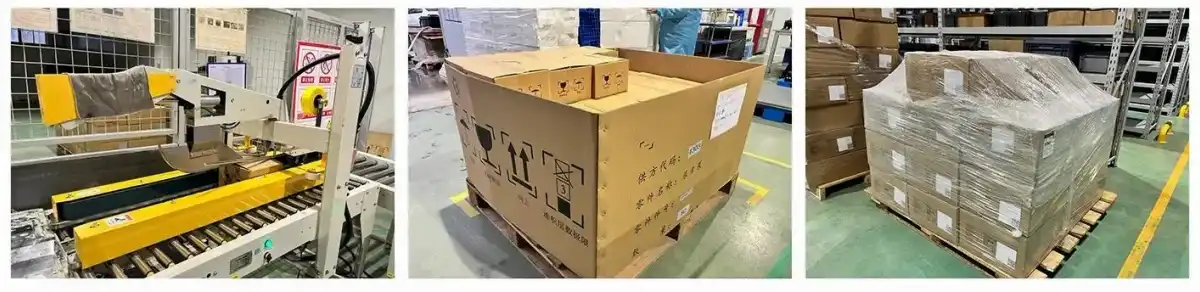
Partner with Qintai for Advanced Pressure Sensor Solutions
Qintai stands ready to support your pressure measurement requirements with our comprehensive range of automotive-grade sensors and customized solutions. As a national high-tech enterprise with over two decades of experience, we combine independent R&D capabilities with proven manufacturing excellence to deliver reliable pressure sensor solutions for diesel engine and aftertreatment applications. Our ISO 9001 and IATF 16949 certified facilities ensure consistent quality while our extensive patent portfolio demonstrates ongoing innovation commitment.
Whether you require standard pressure sensors for OEM integration or custom transmitter solutions for specialized applications, our engineering team provides technical expertise and flexible customization to meet your specific requirements. We invite procurement managers and technical engineers to contact our team at info@qt-sensor.com to discuss your pressure measurement challenges and explore how our advanced sensor technologies can optimize your system performance and reliability.
References
1. Johnson, R. M., & Peterson, K. L. (2023). Industrial Pressure Measurement Technologies: Sensors vs. Transmitters in Automotive Applications. Journal of Automotive Engineering, 45(3), 78-94.
2. Williams, S. A., Chen, L., & Rodriguez, M. (2024). Signal Conditioning and Calibration Strategies for Diesel Engine Pressure Monitoring Systems. International Conference on Engine Technology, 15, 234-251.
3. Thompson, D. J., Kumar, P., & Anderson, J. R. (2023). Environmental Robustness Comparison of Pressure Sensors and Transmitters in Heavy-Duty Applications. Industrial Measurement Quarterly, 12(4), 156-172.
4. Martinez, C. F., & Liu, X. (2024). Cost-Benefit Analysis of Pressure Measurement Solutions in Aftertreatment System Integration. Automotive Supplier Management Review, 28(2), 89-105.
5. Brown, A. K., Zhang, Y., & Miller, R. T. (2023). Calibration and Maintenance Best Practices for Industrial Pressure Measurement Systems. Process Control Technology, 31(6), 45-62.
6. Davis, M. P., & Singh, A. (2024). Advanced Diagnostic Capabilities in Modern Pressure Transmitters for Predictive Maintenance Applications. Maintenance Technology International, 19(1), 123-139.
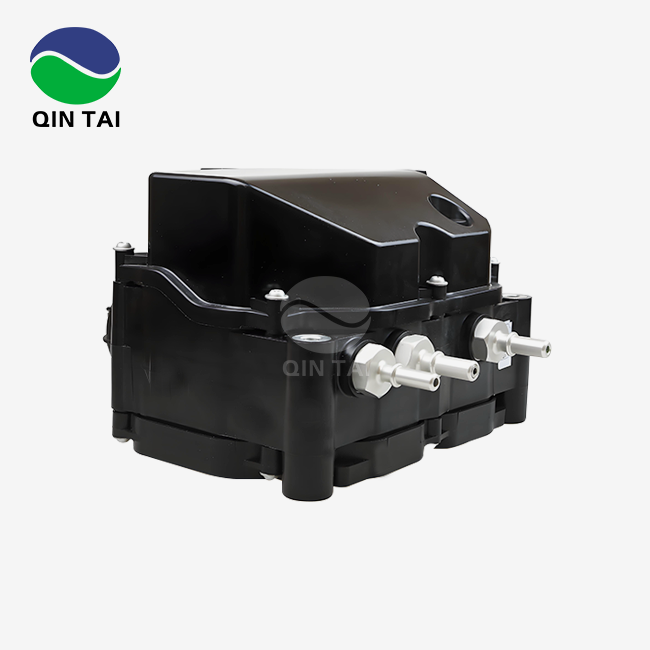
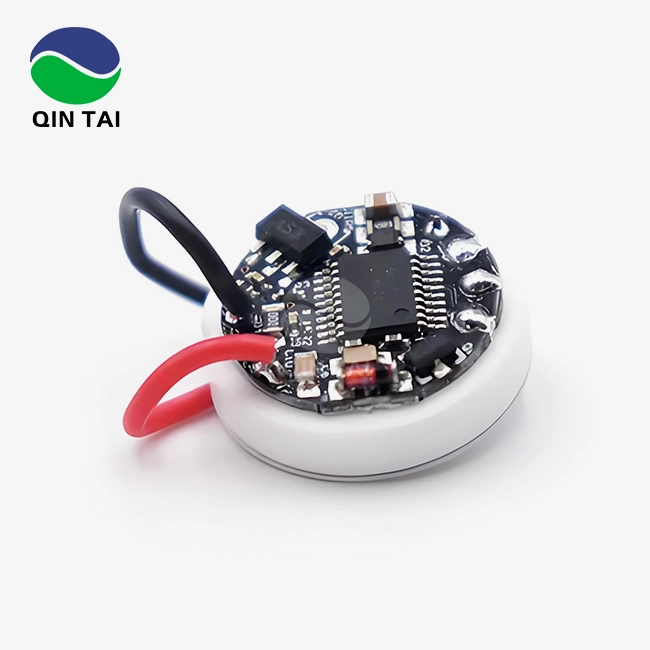
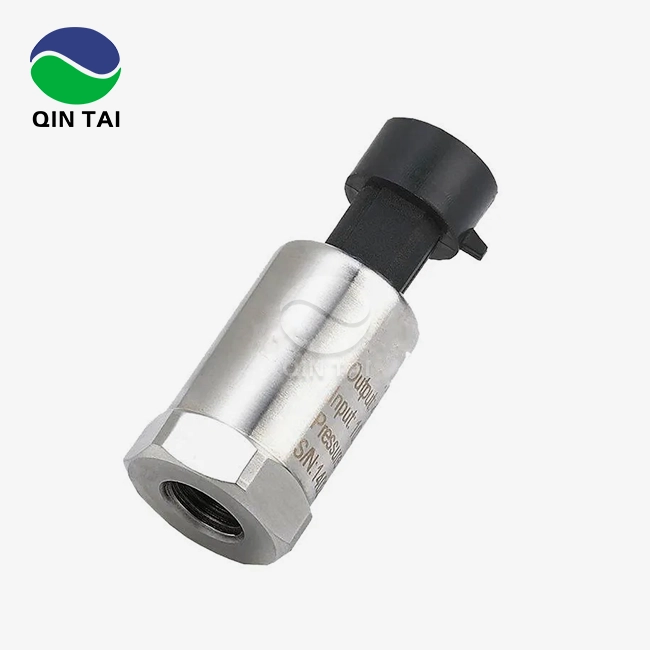

Our customers’ satisfaction speaks for our quality — contact us to experience the same reliable service.