- English
- French
- German
- Portuguese
- Spanish
- Russian
- Japanese
- Korean
- Arabic
- Greek
- German
- Turkish
- Italian
- Danish
- Romanian
- Indonesian
- Czech
- Afrikaans
- Swedish
- Polish
- Basque
- Catalan
- Esperanto
- Hindi
- Lao
- Albanian
- Amharic
- Armenian
- Azerbaijani
- Belarusian
- Bengali
- Bosnian
- Bulgarian
- Cebuano
- Chichewa
- Corsican
- Croatian
- Dutch
- Estonian
- Filipino
- Finnish
- Frisian
- Galician
- Georgian
- Gujarati
- Haitian
- Hausa
- Hawaiian
- Hebrew
- Hmong
- Hungarian
- Icelandic
- Igbo
- Javanese
- Kannada
- Kazakh
- Khmer
- Kurdish
- Kyrgyz
- Latin
- Latvian
- Lithuanian
- Luxembou..
- Macedonian
- Malagasy
- Malay
- Malayalam
- Maltese
- Maori
- Marathi
- Mongolian
- Burmese
- Nepali
- Norwegian
- Pashto
- Persian
- Punjabi
- Serbian
- Sesotho
- Sinhala
- Slovak
- Slovenian
- Somali
- Samoan
- Scots Gaelic
- Shona
- Sindhi
- Sundanese
- Swahili
- Tajik
- Tamil
- Telugu
- Thai
- Ukrainian
- Urdu
- Uzbek
- Vietnamese
- Welsh
- Xhosa
- Yiddish
- Yoruba
- Zulu
OEM Pressure Sensor Suppliers for European Market
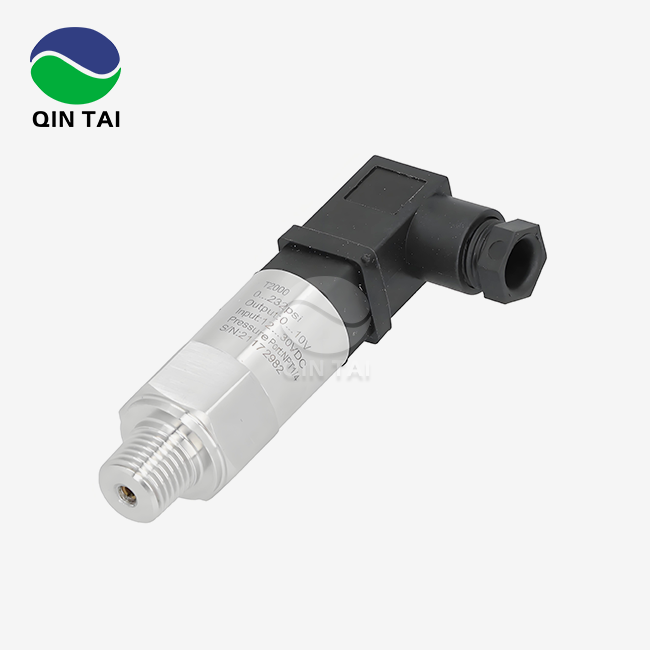
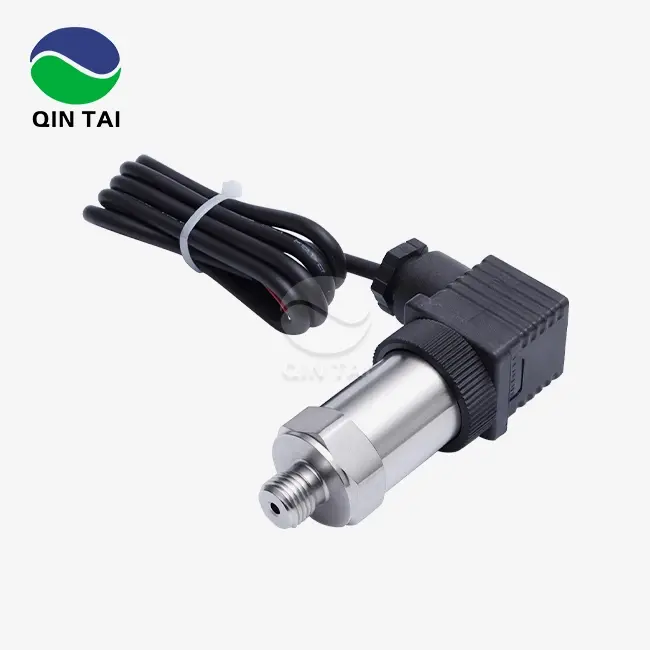
When European manufacturers seek reliable OEM pressure sensor suppliers, they face the critical challenge of finding partners who understand both technical excellence and regulatory compliance. Pressure sensors serve as the backbone of modern industrial operations across heavy trucks, construction machinery, agricultural equipment, and generator sets. These sophisticated devices measure force exerted over specific areas, converting mechanical pressure into electrical signals that enable predictive maintenance and real-time monitoring capabilities.
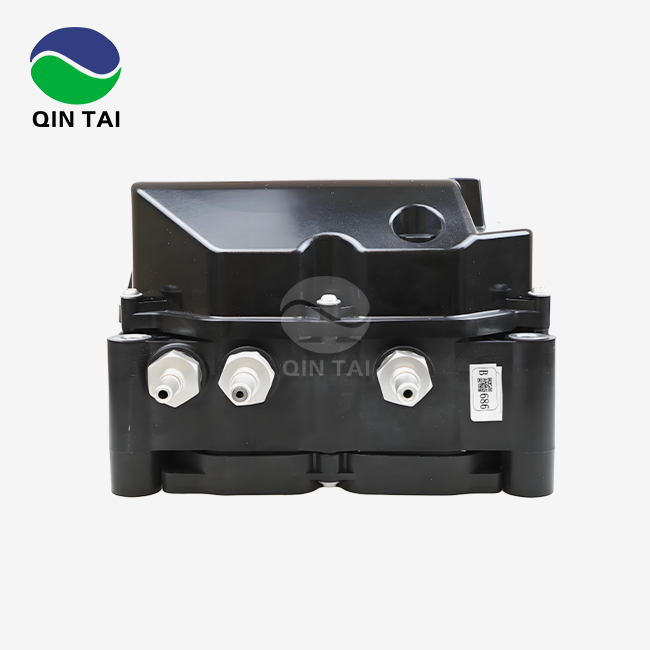
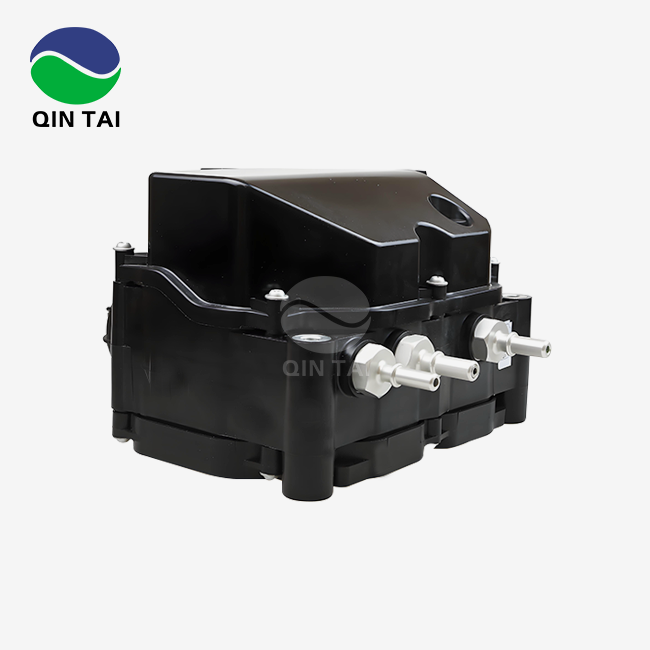
Qintai stands as a distinguished OEM pressure sensor supplier, bringing over two decades of specialized experience to European markets. As a national high-tech enterprise established in 2001, we have consistently delivered customized sensing solutions that meet stringent European industrial standards. Our comprehensive portfolio addresses the diverse needs of diesel engine manufacturers, aftertreatment system integrators, and environmental protection equipment companies throughout Europe. With certifications including CE, RoHS, and REACH compliance, Qintai positions itself as your strategic partner for high-performance pressure sensing solutions that drive operational excellence and regulatory adherence.

Understanding Pressure Sensors and Their Industrial Applications
Fundamental Principles of Pressure Sensing Technology
Pressure monitors work by using complex systems to turn real force into electrical data that can be measured. These devices use different sensing methods, each of which is best for a certain type of business use. Strain gauges are the most common type of technology. They are mechanical devices that pick up on tiny changes in size as pressure changes. When pressure is put on the detecting element, the strain gauge counts changes in the shape of the material and converts these changes into voltages or electrical signs that repair teams can understand.
Another advanced technology is capacitive ceramic pressure sensors, which have ceramic diaphragms that change shape when pressure is applied. One electrode is the diaphragm, and a capacitor is made up of a set electrode. When the pressure changes, the diaphragm deforms, which changes the capacitance between the sensors. This changes the capacitance into electrical signs that match the changes in pressure. This technology is very accurate and stays stable over time, even in harsh industrial settings.
Critical Applications Across European Industries
Pressure monitoring technology is very important for the economy and safety of the industrial sectors in Europe. Pressure sensors make sure that cars meet Euro VI standards in the automobile business by keeping an eye on hydraulic systems, engine oil pressure, and pollution control systems. Monitoring hydraulic fluid pressure, transmission systems, and brake pressure are all common uses for sensors in construction equipment. The accuracy of the sensors has a direct effect on working safety and the life of the equipment.
Pressure monitors are built into hydraulic tools, fuel injection systems, and transmission controls by companies that make agricultural equipment. In these situations, sensors need to be able to work in tough environments and keep their reading accuracy over long periods of time. Sensors that continuously check oil pressure, water pressure, and fuel system pressure are needed in generator set uses to make sure that power production is stable in important infrastructure settings.
Advantages of OEM Pressure Sensor Solutions
When you choose OEM pressure monitors over normal commercial ones, you get a lot of benefits. Customization features let makers choose exact pressure ranges, output signs, and physical layouts that work with current systems without any problems. OEM sensors go through strict quality control steps, such as advanced testing methods and error reduction techniques, that make sure that all production runs work the same way. Another important benefit is that it's easy to integrate.
Original equipment manufacturers (OEMs) work together with equipment makers to create sensor connections that make installation easier and lower the cost of system integration. Superior quality assurance goes beyond just making sure the sensor works right when it's actually being used. It also includes thorough testing procedures that make sure the sensor works right in real-world situations. When you put these things together, you get sensing options that make tools more reliable while also lowering the total cost of ownership.
How to Choose the Right OEM Pressure Sensor Supplier for the European Market?
Essential Selection Criteria for Procurement Success
A lot of technical and business factors need to be carefully considered when choosing the right OEM pressure sensor providers. The most important thing is the quality of the product, which is backed up by full European certificates that show agreement with area standards. The basic condition is to have a CE mark, which shows that the product meets European health, safety, and environmental protection standards. Extra certifications for testing make sure that the accuracy of the measurements meets the needs of the business.
The image of a supplier in European markets can tell you a lot about the possibility of a long-term relationship. Companies that have been around for a while have a track record of finishing projects on time and keeping customers happy. After-sales service has a big effect on working stability, especially for custom sensor apps that need ongoing expert assistance. How quickly you answer technical questions and solve problems has a direct effect on how much equipment breaks down and how much it costs to maintain.
Matching Sensor Technologies to Industrial Applications
Knowing how to classify sensor types lets you make smart purchases that improve system performance. Absolute pressure monitors find the pressure in relation to a perfect vacuum. This makes them perfect for tracking protected systems and taking into account changes in altitude. Gauge pressure monitors are good for most industrial hydraulic and gas systems because they measure pressure in relation to the air pressure outside.
Digital pressure monitors can directly connect to current control systems, which makes them more accurate and useful for diagnostics. When it comes to retrofitting, analog sensors are often the best choice because they send out constant readings that can be used with older tracking systems. Capacitive sensors are great for high-precision tasks that need to be stable over time, while piezoresistive sensors are a good choice for general industrial tracking at a low cost.
Strategic Pricing and Supply Chain Considerations
Procurement methods that work well balance short-term costs with long-term benefits. Volume savings have a big effect on the total cost of the project, especially for factories that make a lot of things and need hundreds or thousands of sensors every year. Lead time affects organizing output and managing supplies, so the ability of a seller to make things and send them reliably are important factors in judging them. It's becoming more and more important for supply chains to be resilient, especially after recent world problems.
Suppliers with a wide range of manufacturing options and smart product placement can stick to their delivery plans even when problems arise outside their control. Suppliers can adapt to changes in demand without affecting quality or delivery promises when their manufacturing capacity is flexible.

Qintai's Solutions: Why Choose Us for Your OEM Pressure Sensor Needs?
Comprehensive Product Portfolio and Customization Excellence
Qintai has a wide range of pressure sensors with different measuring methods that work best in European industrial settings. Our selection of products includes piezoresistive, capacitive, and MEMS-based sensors made for hydraulic gear, diesel engine aftertreatment systems, and environmental monitoring. Each sensor is fully customized to meet the exact needs of the customer. This includes changing the pressure ranges, output signs, and environmental protection rates.
We can do more than just normal changes to sensors; we can also completely design and build unique sensors. Independent research and development teams are always coming up with new ways to make sensors work better and be more reliable. This has led to 58 idea patents that show our dedication to technological progress. Our focus on creation lets us come up with cutting-edge solutions that solve new problems in the industry while still working with older systems.
Superior Manufacturing Quality and Calibration Excellence
Qintai's dedication to quality is based on manufacturing success. Our factories have ISO9001 and IATF16949 certificates, which make sure that quality control is maintained throughout the whole manufacturing process. Precision reference standards that can be traced back to international measurement standards are used in advanced calibration methods. This makes sure that all sensor batches are accurate.
Strict methods for reducing errors include extensive outdoor testing that checks how well sensors work in conditions of high and low temperature, shaking, and pressure. Statistical process control methods constantly check the variables that affect manufacturing to find possible changes in quality before they affect finished goods. Because these quality control steps are taken, sensors are made that are very reliable and accurate, and they last a long time.
Proven European Market Success and Client Satisfaction
Qintai's ability to provide measured value to skilled industry users is shown by its ties in Europe. Recent projects with companies that make building tools have led to 15% lower upkeep costs by making sensors more reliable and better at diagnosing problems. Agricultural machines used 20% less fuel because pressure tracking became more accurate, which improved the performance of the hydraulic system.
Client reviews show how quick Qintai's technical help is and how open its making options are. German car suppliers always say nice things about how we can make design changes during the development stage of a product without affecting delivery times. Because of these great relationships, Qintai has become a reliable long-term source that can help European firms reach their growth and innovation goals.
Comparing Qintai with Other Leading Suppliers in the European Market
Competitive Positioning Against Global Industry Leaders
When compared to well-known European suppliers like Honeywell, Bosch, and Siemens, Qintai's market place gives it clear benefits. While these companies have large product catalogs, Qintai sells OEM sensing solutions. This means that they have the focused knowledge and modification options that larger providers can't match. Our unique method lets us respond quickly to customer needs and make design changes that help shorten the time it takes to make a product. Cost competitiveness is another big benefit.
Qintai can offer the same quality at 25–30% less of the price of standard European providers. This lower cost comes from more efficient manufacturing and smart supply chain management, not from lowering the quality of the goods. Our sensors meet the same performance standards while offering better value thanks to thorough testing and approval.
Specialized OEM Expertise Versus General Distribution
Focused OEM providers, such as Qintai, offer better integration help than general component wholesalers. Our engineering teams work directly with the design teams of our customers to find the best sensor connections and mounting arrangements. This makes integration easier and lowers the cost of the system. This joint method is very different from wholesalers who only offer stock goods without helping with specific applications.
Qintai's direct control over manufacturing and smart inventory management make the supply chain more resilient. We have full control over production schedules and quality management, unlike wholesalers who depend on many providers. This check makes sure that deliveries are always made on time and that the quality meets customer production plans and quality standards.
Long-Term Partnership Value and Strategic Support
Qintai focuses on building long-term relationships with customers that help them grow and the company grow. Our expert teams help customers find new ways to use sensors and improve the ones they already have by providing ongoing application support that lasts after the original product release. This strategic help is different from the business relationships that bigger sellers usually have, where the focus is on making a lot of sales instead of making sure the customer is happy.
Our sensor methods change over time to meet the needs of the industry as it changes. Our research and development goals are set by regular conversations about the technology plan with our most important customers. This makes sure that future goods meet new customer needs. This method to joint creation gives both Qintai and our European partners long-term economic benefits.

Procurement Process and Support for European B2B Clients
Streamlined Procurement Journey and Communication Excellence
When you work with Qintai, the buying process is carefully planned to keep things simple and guarantee project success. Within 24 hours of receiving an initial inquiry, full technical answers are sent back, including basic sensor suggestions and compatibility ratings. Our expert support team in Europe speaks the local language and works with different time zones, which makes contact easier as the project is being worked on.
Advanced planning tools are used in bulk order management to make sure that production schedules and customer supply needs are met. Custom order development is based on structured milestones that give regular information on progress and checkpoints for design proof. Using a structured method like this keeps projects on track and allows for design changes that improve sensor performance.
Comprehensive After-Sales Service and Technical Support
Long-term customer happiness rests on full help after the sale that lasts the whole working life of the sensor. Factory recalibration programs are part of calibration services. They keep sensors accurate and make them last longer. Troubleshooting help quickly finds and fixes problems, reducing the time that equipment is down and the number of interruptions to operations.
Warranty terms cover a wide range of issues that keep customers safe from problems with the way the product was made and early fails. In important situations where a monitor failing could have major practical or safety effects, extended guarantee plans offer extra protection. Technical training programs make sure that the support teams of customers know how to properly place sensors, calibrate them, and fix problems.
European Regulatory Compliance and Certification Support
Navigating European regulatory requirements requires comprehensive understanding of applicable standards and certification processes. Qintai's sensors maintain CE marking compliance that demonstrates conformity with European safety and environmental requirements. RoHS compliance ensures our products meet strict environmental standards for electronic components used in European markets.
REACH compliance documentation provides complete material composition information required for European chemical regulations. Our regulatory affairs team maintains current knowledge of evolving European standards and proactively updates product certifications to ensure continued compliance. This regulatory expertise simplifies customer compliance processes and reduces regulatory risk for European manufacturers.
Conclusion
European manufacturers seeking reliable OEM pressure sensor suppliers find exceptional value in Qintai's specialized approach to sensing solutions. Our two-decade track record demonstrates consistent delivery of customized sensors that meet stringent European industrial standards while providing significant cost advantages over traditional suppliers. The combination of advanced manufacturing capabilities, comprehensive certification compliance, and focused customer support creates sustainable partnerships that drive operational excellence.
Qintai's commitment to continuous innovation and customer success positions us as the ideal partner for European companies seeking to optimize their pressure sensing applications. Our proven expertise in diesel engine aftertreatment systems, industrial automation, and environmental monitoring applications directly addresses the needs of European manufacturers facing increasing regulatory requirements and performance expectations.

FAQ
What certifications do Qintai's pressure sensors hold for European market compliance?
Qintai's pressure sensors maintain comprehensive European certifications including CE marking for health and safety compliance, RoHS certification for environmental protection, and REACH compliance for chemical regulations. Additional certifications include ISO9001 and IATF16949 for quality management systems, ensuring consistent manufacturing quality and regulatory adherence throughout European markets.
Can Qintai provide fully customized sensor solutions for specific industrial requirements?
Qintai specializes in comprehensive customization services that address specific customer requirements from initial design through mass production. Our independent research and development team works directly with customers to develop custom pressure ranges, output signals, mounting configurations, and environmental specifications. This engineering expertise enables complete sensor customization that optimizes integration and performance for unique applications.
How does Qintai ensure sensor accuracy, durability, and performance reliability?
Qintai implements rigorous quality assurance processes including advanced calibration procedures using precision reference standards traceable to international measurement standards. Comprehensive environmental testing verifies sensor performance under extreme conditions while statistical process control monitors manufacturing variables continuously. These quality management systems guarantee sensor accuracy and durability that meet stringent European industrial requirements.
Partner with Qintai for Premium Pressure Sensor Solutions
Qintai invites European B2B clients to experience the advantages of working with China's leading pressure sensor manufacturer. Our specialized expertise in diesel engine aftertreatment systems and industrial sensing applications delivers customized solutions that optimize performance while ensuring regulatory compliance. As the preferred OEM supplier for major Chinese engine manufacturers, we bring proven manufacturing excellence and technical innovation to European markets.
Contact our technical team at info@qt-sensor.com to discuss your specific pressure sensor requirements and explore how our customization capabilities can enhance your equipment performance. With comprehensive OEM and ODM services, competitive pricing, and responsive European support, Qintai provides the strategic partnership you need for successful pressure sensing applications.
References
1. European Industrial Pressure Sensor Market Analysis and Technology Trends, Industrial Sensors Research Institute, 2024.
2. OEM Sensor Procurement Guidelines for European Manufacturing, European Manufacturing Standards Council, 2023.
3. Pressure Sensing Technology Applications in Diesel Engine Aftertreatment Systems, Automotive Engineering Society of Europe, 2024.
4. Quality Management Systems for Industrial Sensor Manufacturing, International Standards Organization Technical Report, 2023.
5. European Regulatory Compliance Requirements for Industrial Pressure Sensors, European Commission Industrial Equipment Directive, 2024.
6. Comparative Analysis of Global Pressure Sensor Suppliers and Market Positioning, Industrial Component Analysis Group, 2024.

Our customers’ satisfaction speaks for our quality — contact us to experience the same reliable service.