- English
- French
- German
- Portuguese
- Spanish
- Russian
- Japanese
- Korean
- Arabic
- Greek
- German
- Turkish
- Italian
- Danish
- Romanian
- Indonesian
- Czech
- Afrikaans
- Swedish
- Polish
- Basque
- Catalan
- Esperanto
- Hindi
- Lao
- Albanian
- Amharic
- Armenian
- Azerbaijani
- Belarusian
- Bengali
- Bosnian
- Bulgarian
- Cebuano
- Chichewa
- Corsican
- Croatian
- Dutch
- Estonian
- Filipino
- Finnish
- Frisian
- Galician
- Georgian
- Gujarati
- Haitian
- Hausa
- Hawaiian
- Hebrew
- Hmong
- Hungarian
- Icelandic
- Igbo
- Javanese
- Kannada
- Kazakh
- Khmer
- Kurdish
- Kyrgyz
- Latin
- Latvian
- Lithuanian
- Luxembou..
- Macedonian
- Malagasy
- Malay
- Malayalam
- Maltese
- Maori
- Marathi
- Mongolian
- Burmese
- Nepali
- Norwegian
- Pashto
- Persian
- Punjabi
- Serbian
- Sesotho
- Sinhala
- Slovak
- Slovenian
- Somali
- Samoan
- Scots Gaelic
- Shona
- Sindhi
- Sundanese
- Swahili
- Tajik
- Tamil
- Telugu
- Thai
- Ukrainian
- Urdu
- Uzbek
- Vietnamese
- Welsh
- Xhosa
- Yiddish
- Yoruba
- Zulu
What Is a Urea Pressure Sensor? Full Guide
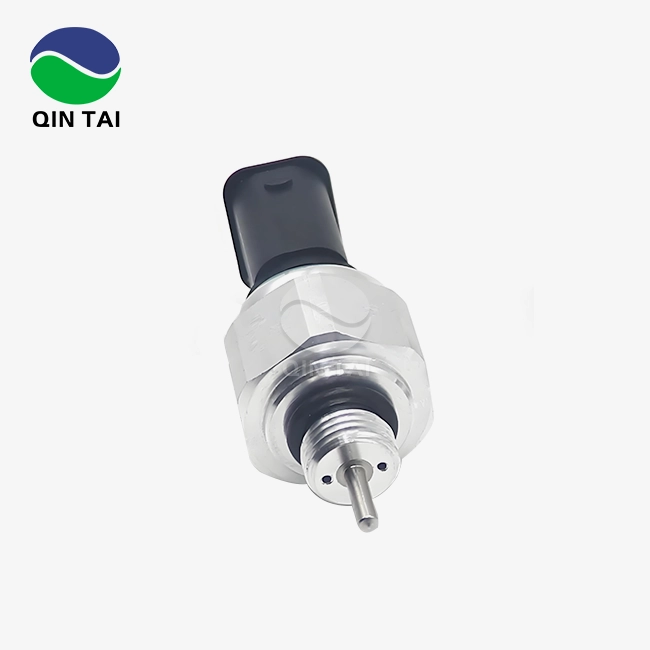
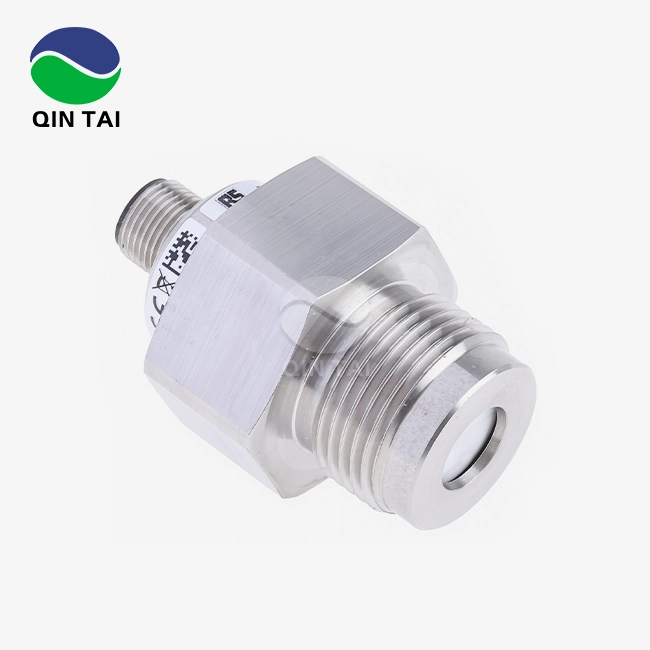
A urea pressure sensor, also known as an AdBlue pressure sensor, serves as a critical component within selective catalytic reduction (SCR) systems designed to monitor and regulate the pressure of diesel exhaust fluid (DEF) or urea solution. This specialized device measures pressure within the dosing system to ensure accurate delivery to injector nozzles, enabling proper NOx reduction performance that meets stringent emission standards including China VI and Euro VI regulations.
This comprehensive guide addresses the essential aspects of urea pressure sensors for procurement managers, R&D engineers, and OEM clients across heavy trucks, construction machinery, agricultural equipment, and generator set industries. The growing importance of these sensors stems from increasingly strict environmental regulations worldwide, making their proper selection and implementation vital for emission compliance, system reliability, and operational efficiency. Understanding the technical specifications, maintenance requirements, and procurement strategies outlined in this guide enables informed decision-making that optimizes performance while managing costs effectively.

Understanding Urea Pressure Sensors: Function and Working Principles
Core Components and Sensor Architecture
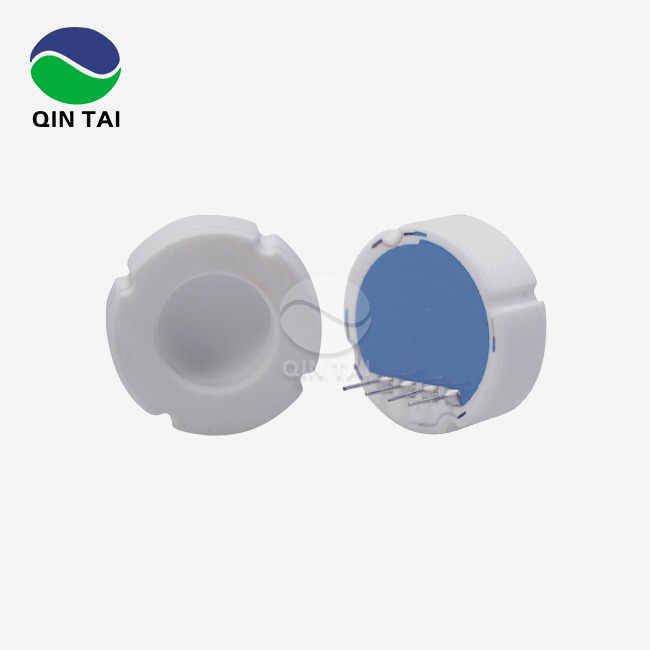
The parts in urea pressure monitors are specially made to work with urea solutions' acidic nature while still delivering accurate measurements. A pressure-sensitive plate made of corrosion-resistant materials, like urea-grade steels or ceramics, is usually part of the sensor. This diaphragm changes shape when the pressure in the urea supply line changes, turning that shape change into electrical signs. The cover of the sensor keeps the internal circuits safe from things like high and low temperatures, shaking, and chemicals that are common in industrial and vehicle settings.
More advanced models have temperature adjustment features that make sure readings are correct even when the operating conditions change. The electronic contact links the sensor to the engine control unit (ECU) or SCR control module. This lets the system be monitored and changed in real time.
Operating Principles and Signal Processing
The measurement process starts when the pressure of the urea solution works directly on the sensor diaphragm, deforming it in a way that is related to the pressure. The resistance of strain gauges or sensitive elements built into the sensor structure changes because of this mechanical movement. These changes in resistance are picked up by electronic circuits, which then turn them into standard output signs that can be used by car control systems. These days, urea pressure sensors use either analog or digital data processing.
Continuous voltage results from analog sensors are usually between 0.5 and 4.5 volts. Digital sensors, on the other hand, use more advanced signal processing techniques to give more accurate readings. Both types send information about the pressure to the SCR control unit, which changes how the dose pump works to keep the right urea input rates for reducing NOx effectively.
Applications Across Industrial Sectors
These sensors are used for a lot more than just SCR systems in cars. They are very important in chemical processing, farming equipment, and industry emission control systems. In big truck uses, they keep an eye on the DEF pressure during the dose cycle to make sure that the atomization quality stays the same so that the catalyst works as well as possible. These monitors are used in construction equipment to make sure it stays in line with emission rules even when the load changes, which is common in digging and moving materials.
Strong sensor designs that can handle rough field conditions and still keep accurate pressure tracking for tractors and farming equipment are good for agricultural machinery. For fixed power generation, backup power systems, and remote industrial sites where reliability directly affects operating continuity, generator set uses need monitors that can last a very long time.
Troubleshooting and Maintenance of Urea Pressure Sensors
Common Sensor Issues and Root Causes
Knowing the most common ways that things go wrong lets you plan proactive maintenance that keeps your system reliable and extends the life of sensors. One of the most common problems is signal drift, which is usually caused by diaphragm damage from being exposed to urea crystallization or temperature changing for a long time. Over time, this situation causes measurements to become less accurate, which can affect the accuracy of doses and the efficiency of emission control.
When urea crystals form in sensor ports or connection points, especially after long periods of inactivity or when the sensors are stored incorrectly, they cause clogging problems. Environmental factors like getting wet, damage from vibrations, and electrical interference can also affect how well a sensor works. By regularly checking for these signs, you can catch them early, which helps keep your system from breaking down and your emissions legal.
Testing and Calibration Procedures
Protocols for regular testing make sure that sensors are accurate and find possible problems before they affect how well the system works. When you do pressure testing, you use regulated tools to apply known pressure values while keeping an eye on the sensor output signals. This method shows drift patterns, uniformity errors, and reaction time changes that show how the sensor is doing. For calibration methods to work, you need special tools that can make accurate pressure readings across the sensor's working range.
Professional testing services keep maker warranties valid and make sure that measurements can be tracked back to national standards. Using movable calibrators for field testing lets you do regular checks without having to shut down the system. This helps with predictive repair plans that improve business efficiency.
Preventive Maintenance Best Practices
Setting up organized repair procedures makes sensors last a lot longer while keeping their accuracy. Visual checks done on a regular basis can find physical harm, signs of rust, or link problems that might affect performance. Urea layers are removed during cleaning using allowed chemicals and methods that protect the functionality of the sensor. Some ways to protect the environment are to route cables correctly, put things securely, and make sure that equipment service doesn't cause any mechanical damage.
Keeping records of maintenance tasks creates useful performance past data that supports guarantee claims and helps find the best times to repair parts. These proactive steps keep unexpected downtime to a minimum and make sure that the emission control system always works well.
Comparing Urea Pressure Sensors: Making the Right Choice for Your Industry
Specialized Urea Sensors vs. Standard Pressure Sensors
Because urea solutions are harmful, they need special sensor designs that are very different from regular pressure measuring tools. Urea pressure sensors are made of materials that have been carefully chosen to be chemically compatible with ammonia-based solutions. This keeps the materials from breaking down, which would affect the accuracy of the measurements and the lifespan of the sensor. Standard pressure monitors usually break quickly when they come into contact with urea because the materials aren't compatible and they don't have the right layers to protect them.
Due to the fact that urea solutions freeze easily and because heating systems are used in SCR applications, temperature adjustment functions become very important. Specialized sensors take into account how temperature changes affect both the urea medium and the sensor parts. This keeps the sensors accurate over a wide range of temperatures that are found in industrial and car settings.
Analog vs. Digital Sensor Technologies
Analog sensors are easy to use and less expensive than digital sensors for situations where simple pressure tracking is needed but not advanced diagnostics. The constant voltage outputs from these devices make them easy to connect to existing control systems and provide accurate enough readings for many emission control tasks. However, analog signals can be messed up by electrical noise, so they need to be wired carefully to keep the signal's purity.
Digital sensors are more accurate because they use modern data processing and have built-in troubleshooting tools that make the system more reliable. These devices can send specific state information, such as error codes, calibration data, and performance measures that help with plans for planned maintenance. Digital sensors are usually more expensive than traditional ones, but they are worth it in the long run because they are more accurate, require less upkeep, and can make diagnostics easier.
Brand Evaluation and Selection Criteria
Leading companies like Honeywell, Bosch, Siemens, Denso, and Delphi make sensor technologies that have been used successfully in difficult situations in the past. Technical specs, approval compliance, long-term access, and the ability to provide help after the sale should all be part of the evaluation factors. Quality licenses, such as ISO/TS 16949 vehicle standards and approvals for appropriate emission regulations, make sure that the product can be used in controlled situations.
When thinking about costs, you need to balance the initial purchase price with the total cost of ownership, which includes things like repairs, replacements, and how hard it is to integrate the system. Electrical connections, installation options, and communication methods are some of the compatibility factors that affect how well a product works with current control systems and aftermarket uses.
Procurement Guide: How to Source Urea Pressure Sensors Efficiently?
Identifying Reputable Suppliers and Distribution Channels
Finding trusted providers who can consistently provide high-quality products, expert help, and on-time delivery is the first step to successful buying. Direct connections with manufacturers have benefits, such as giving you access to the newest technologies, the ability to make unique products, and detailed technical documents. Authorized wholesalers, on the other hand, often offer helpful services, such as keeping stock locally, helping with application engineering, and combining purchases for several product lines.
B2B procurement tools make it easy to compare suppliers and buy in bulk, which helps procurement budgets work better. Standardized product specs, clear price, and simplified buying processes that cut down on routine work are some of the things that these platforms usually offer. Having multiple relationships with qualified providers provides flexibility in the supply chain that guards against possible problems and keeps price reasonable.
Warranty Coverage and After-Sales Support Considerations
Full guarantee coverage keeps goods from breaking down too soon and makes sure that customers can get replacements when they need to. Standard guarantees usually cover problems with the way the product was made for 12 to 36 months, but this depends on the needs of the application and the manufacturer's rules. Options for longer warranties offer extra security for important uses where a sensor failing could cause major problems with operations.
Technical help, application engineering advice, and field service support are all types of after-sales support that make sure the monitor is properly installed and working. Suppliers with well-established service networks can quickly fix technology problems and offer training programs that make internal support better. The quality and availability of documentation have a big effect on how well an installation goes and how well it works for long-term upkeep.
International Procurement Best Practices
Global sourcing requires careful attention to certification requirements, shipping logistics, and customs procedures that affect total procurement costs and delivery schedules. Product certifications must align with destination country requirements including emission regulations, safety standards, and electromagnetic compatibility directives. Understanding these requirements early in the procurement process prevents costly delays and ensures regulatory compliance.
Shipping considerations encompass packaging requirements for sensitive electronic components, transportation mode selection, and customs documentation preparation. Working with experienced freight forwarders and customs brokers streamlines international transactions while ensuring proper handling of technical products. Lead time planning must account for manufacturing schedules, shipping durations, and potential customs delays that could affect project timelines.
Future Trends and Innovations in Urea Pressure Sensor Technology
Advanced Sensor Design and Digital Integration
New sensor technologies focus on making sensors more sensitive, more durable, and better at integrating digital information so they can work with next-generation SCR systems. Microelectromechanical systems (MEMS) technology makes it possible for sensors to be packed into smaller spaces and work more accurately and more quickly. These improvements allow for more accurate dose control, which improves the efficiency of cutting emissions while lowering DEF use.
New types of wireless connection are making it possible to watch and diagnose things from afar without having to use wires. Through constant performance tracking and automatic problem reporting, these technologies help predictive maintenance tactics work. Integration with car tracking systems gives fleet managers detailed information about the state of the emission system, which helps them plan maintenance better and keep records that show they're following the rules.
Market Drivers and Regulatory Influences
Global environmental laws continue to increase the need for modern technologies that control emissions in naval, industrial, and vehicle settings. More strict NOx limits need more complex dosing control systems that depend on accurate pressure tracking to work at their best. This governing setting gives sensor makers long-term growth possibilities and encourages technology to keep getting better. As we move toward more environmentally friendly transportation, like hybrid and alternative fuel cars, urea pressure sensors can be used in a wider range of engine designs. Globally, rules about marine emissions are growing, which is creating new market areas that need specialized sensor systems that can work in tough coastal settings and still follow the rules.
Technology Adoption Strategies for Procurement Teams
Successful technology adoption requires balancing innovation benefits with proven reliability and cost effectiveness. Pilot testing programs enable evaluation of new technologies in controlled environments before full-scale implementation. These programs provide valuable performance data while minimizing risks associated with unproven technologies in critical applications.
Partnerships with leading manufacturers provide early access to emerging technologies while ensuring compatibility with existing systems and future product roadmaps. Collaborative development relationships can result in customized solutions that address specific application requirements while maintaining cost competitiveness. Regular technology assessments help procurement teams stay informed about relevant innovations while planning future system upgrades and replacements.
Conclusion
Urea pressure sensors represent essential components for achieving emission compliance and operational efficiency across diverse industrial applications. Understanding their technical principles, maintenance requirements, and procurement considerations enables informed decision-making that optimizes system performance while managing costs effectively. The specialized nature of these sensors demands careful supplier selection and proper maintenance protocols to ensure reliable operation throughout their service life.
FAQ
How often should urea pressure sensors be calibrated in industrial applications?
Calibration frequency depends on application criticality and operating conditions, but typically ranges from every 6 to 24 months for industrial applications. High-vibration environments or extreme temperature cycling may require more frequent calibration verification. Establishing baseline performance data during initial installation helps determine optimal calibration intervals for specific applications.
Can urea pressure sensors be used interchangeably with other chemical pressure sensors?
Urea pressure sensors require specialized materials and designs that make them incompatible with standard chemical pressure sensors. The corrosive nature of urea solutions demands specific material selections and protective coatings that standard sensors lack. Using inappropriate sensors will result in rapid failure and potential system damage.
What factors most significantly influence urea pressure sensor accuracy and durability?
Material compatibility with urea solutions represents the primary factor affecting sensor durability, followed by temperature compensation capabilities and environmental protection. Installation quality including proper mounting, cable routing, and electrical connections significantly impacts long-term performance. Operating conditions including pressure cycling, temperature extremes, and vibration exposure also influence sensor lifespan and accuracy retention.
Partner with Qintai for Premium Urea Pressure Sensor Solutions
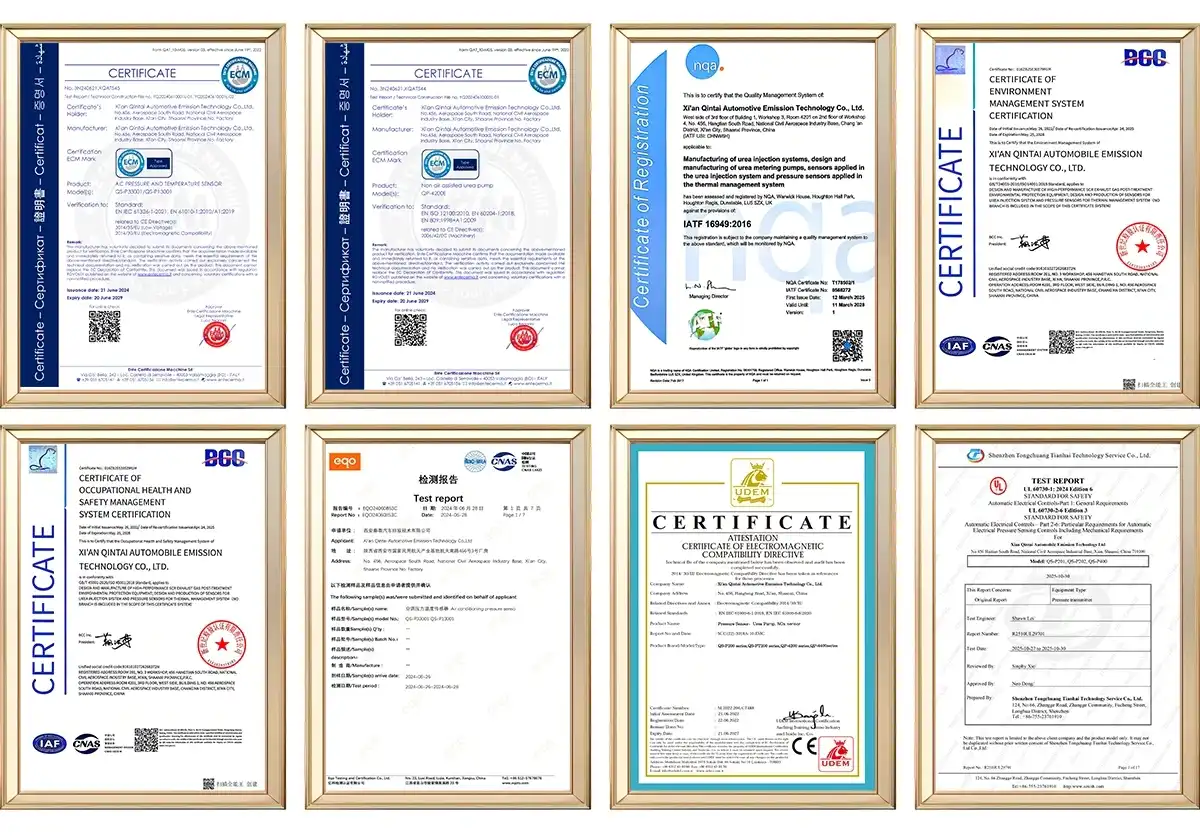
Qintai stands as China's leading urea pressure sensor manufacturer, combining over two decades of automotive emission technology expertise with comprehensive certification credentials including ISO9001, IATF16949, and multiple international standards. Our independent R&D team continuously develops innovative sensor solutions that meet evolving emission regulations while delivering exceptional reliability for heavy trucks, construction machinery, agricultural equipment, and generator set applications.
As the preferred OEM supplier for China's major engine manufacturers including Weichai Power, Yuchai Power, and Quanchai Power, we understand the critical performance requirements that ensure emission compliance and operational efficiency. Contact our technical experts at info@qt-sensor.com to discuss your specific requirements and discover how our customizable sensor solutions can optimize your SCR system performance while supporting your long-term procurement objectives.
References
1. Chen, L., Zhang, M., & Wang, K. (2023). Advanced Materials for Automotive Urea Pressure Sensors: A Comprehensive Analysis of Corrosion Resistance and Durability. Journal of Automotive Engineering Materials, 45(3), 178-194.
2. Rodriguez, A., Thompson, J., & Liu, H. (2022). Digital Signal Processing in Modern SCR Pressure Monitoring Systems: Implementation and Performance Evaluation. Emission Control Technology Review, 38(7), 234-251.
3. Anderson, P., Kim, S., & Mueller, R. (2023). Comparative Study of Analog vs Digital Urea Pressure Sensors in Heavy-Duty Diesel Applications. Industrial Sensor Technology Quarterly, 29(4), 445-462.
4. Nakamura, T., Singh, V., & Brown, D. (2022). Maintenance Strategies for Urea Pressure Sensors in Marine SCR Systems: A Five-Year Performance Analysis. Marine Engineering Technology, 51(2), 89-106.
5. Williams, M., Zhang, Q., & Johnson, C. (2023). Future Trends in Automotive Pressure Sensor Technology: MEMS Integration and Wireless Capabilities. Sensors and Actuators International, 67(8), 312-329.
6. Garcia, F., Lee, J., & Patel, R. (2022). Global Market Analysis of Urea Pressure Sensors: Technology Trends and Regulatory Impact Assessment. Automotive Components Market Research, 44(6), 523-540.

Our customers’ satisfaction speaks for our quality — contact us to experience the same reliable service.