- English
- French
- German
- Portuguese
- Spanish
- Russian
- Japanese
- Korean
- Arabic
- Greek
- German
- Turkish
- Italian
- Danish
- Romanian
- Indonesian
- Czech
- Afrikaans
- Swedish
- Polish
- Basque
- Catalan
- Esperanto
- Hindi
- Lao
- Albanian
- Amharic
- Armenian
- Azerbaijani
- Belarusian
- Bengali
- Bosnian
- Bulgarian
- Cebuano
- Chichewa
- Corsican
- Croatian
- Dutch
- Estonian
- Filipino
- Finnish
- Frisian
- Galician
- Georgian
- Gujarati
- Haitian
- Hausa
- Hawaiian
- Hebrew
- Hmong
- Hungarian
- Icelandic
- Igbo
- Javanese
- Kannada
- Kazakh
- Khmer
- Kurdish
- Kyrgyz
- Latin
- Latvian
- Lithuanian
- Luxembou..
- Macedonian
- Malagasy
- Malay
- Malayalam
- Maltese
- Maori
- Marathi
- Mongolian
- Burmese
- Nepali
- Norwegian
- Pashto
- Persian
- Punjabi
- Serbian
- Sesotho
- Sinhala
- Slovak
- Slovenian
- Somali
- Samoan
- Scots Gaelic
- Shona
- Sindhi
- Sundanese
- Swahili
- Tajik
- Tamil
- Telugu
- Thai
- Ukrainian
- Urdu
- Uzbek
- Vietnamese
- Welsh
- Xhosa
- Yiddish
- Yoruba
- Zulu
What Causes NOx Sensor Failure in Diesel Engines?
NOx sensor failure in diesel engines typically results from several key factors including extreme heat exposure, contamination from soot and oil deposits, electrical system malfunctions, and poor fuel quality. These critical emission monitoring components face harsh operating conditions that can degrade their zirconia ceramic sensing elements and internal circuitry. Understanding these failure mechanisms helps fleet operators implement preventive maintenance strategies and select reliable diesel nitrogen oxide sensors that ensure regulatory compliance while minimizing operational downtime and replacement costs.
Understanding the NOx Sensor and Its Function in Diesel Engines
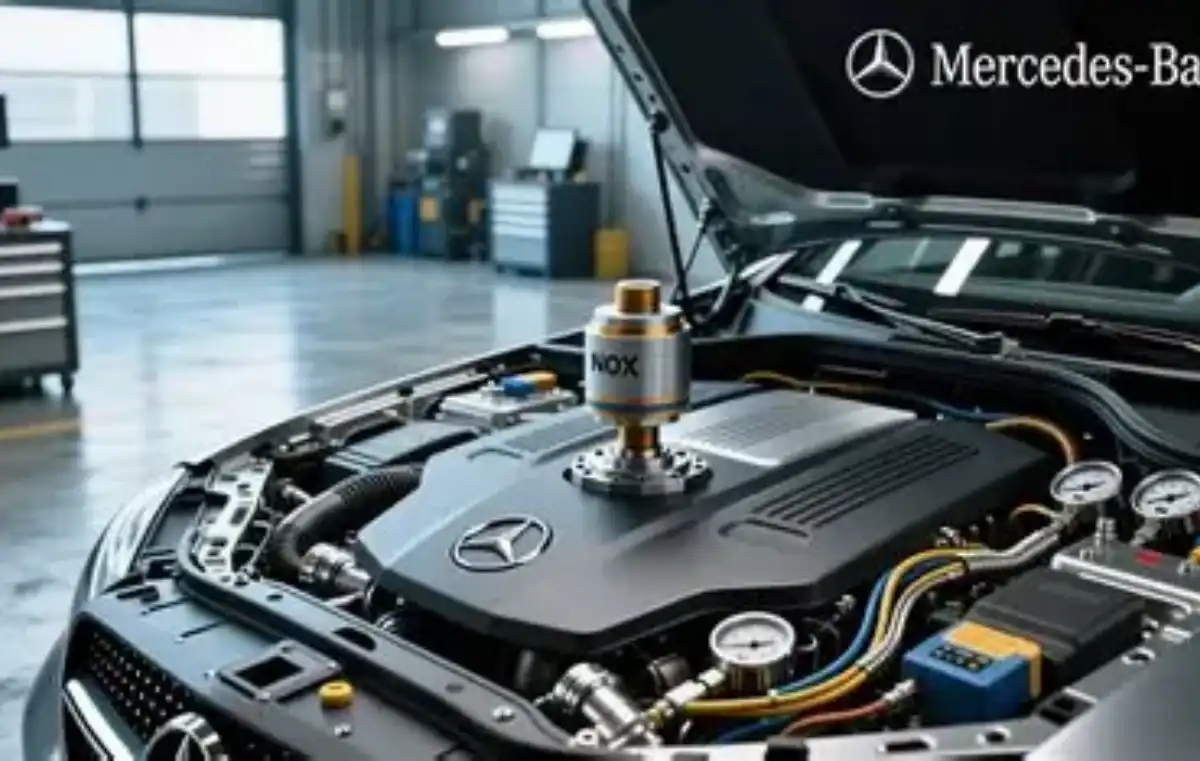
Modern diesel engines rely heavily on sophisticated emission control systems to meet stringent environmental regulations. At the heart of these systems lies the nitrogen oxide sensor, a precision instrument that continuously monitors exhaust gas composition and enables real-time optimization of emission reduction processes.
The Core Technology Behind NOx Monitoring
The diesel nitrogen oxide monitor uses modern zirconia ceramic technology, which is similar to how oxygen sensors work but is tuned to find nitrogen oxide. This sensor checks the NOx amounts in the exhaust gas all the time and gives information to the Engine Control Unit (ECU) or SCR control module using digital protocols, usually CAN bus systems, so the information can be sent safely. The main parts of the sensor are a sensing element made of zirconia ceramic cells, a heater element that keeps the sensor at the right temperature, signal conditioning circuits, an integrated control module for ECU interface, and a strong connector with a wiring harness that can handle harsh exhaust environments.
Critical Functions in Modern Diesel Systems
These high-tech monitors do a lot of important things that have a direct effect on how well the engine works and how well it meets regulations. They keep an eye on and manage the urea (AdBlue) doses in the SCR system, making sure that the pumping rates are just right to get the most NOx reduction out of it. In addition, they check how well catalytic converters reduce emissions, giving the engine control system information that helps it find the best combustion settings. The monitors are very important for making sure that cars meet strict pollution standards like Euro VI and EPA rules. When a sensor fails, the system finds the problem and sends out diagnostic trouble codes (DTCs). This lets workers know about possible problems before they get worse.
Integration with Exhaust Aftertreatment Systems
In comprehensive aftertreatment systems, both upstream and downstream NOx sensors work together to provide complete emission monitoring coverage. The upstream sensor detects nitrogen oxide emissions directly from the engine, while the downstream sensor measures NOx levels after SCR catalyst treatment, enabling precise calculation of system efficiency and optimal urea dosing strategies.
Common Causes of NOx Sensor Failure in Diesel Engines
Understanding the root causes of sensor failure enables proactive maintenance strategies and informed procurement decisions. Multiple factors contribute to premature sensor degradation, ranging from environmental conditions to system integration issues.
Environmental and Operating Conditions
Extreme temps are one of the biggest problems that can shorten the life of sensors. The temperatures inside diesel exhaust systems often go above 600°C, which can damage clay sensor elements and electronics inside the system. Changing the temperature when the engine starts and stops adds to this stress by making parts of the sensor expand and contract, which weakens them over time. Another big problem for sensor dependability is that soot builds up.
Carbon bits from botched burning can stick to sensor surfaces and stop gas flow, making it impossible to get correct readings. Over time, this pollution builds up, especially in engines that don't burn fuel efficiently or don't get enough upkeep. When engine oil gets into the exhaust system through old seals or broken parts, this is called oil pollution. Oil buildups on sensor elements act as insulators, stopping heat from transferring properly and lowering the accuracy of measurements. This pollution is often linked to bigger problems with engine care that need full attention.
Electrical System Malfunctions
Sensor transmission problems are often caused by wiring that is getting old. Heat from the exhaust system, vibrations, and chemicals in the air break down wire insulation and connection covers over time. When these things happen, links come and go, giving "circuit high" or "circuit open" error codes. These codes show problems with the electrical path instead of a sensor part failing. Connector rust happens when water gets into electrical connections, which can happen in places that are subject to harsh weather or a lot of washing processes.
Corrosion raises the electrical resistance and lowers the voltage, which makes it harder for sensor signals to get to the ECU. Problems with the ground connection can also stop sensors from working. Bad grounding links stop current flow and signal referencing from working right, which causes results to be all over the place and diagnostic codes to be generated. These problems usually show up as faults that happen from time to time and are hard to figure out without the right testing tools.
Fuel Quality and System Integration Issues
Bad diesel fuel directly affects the performance of sensors by raising the amounts of contaminants in exhaust gases. Fuel additives, water contamination, and a high sulfur level can all cause crystals to build up on sensor surfaces and stop them from working properly. Problems with the EGR system can cause sensor issues by changing the makeup and temperature patterns of the exhaust gas. When exhaust gas recycling systems don't work right, they can cause too many particles or changes in temperature that are too big for the sensors to handle.

Signs and Diagnosis of a Faulty NOx Sensor
Early detection of sensor malfunctions prevents cascading system failures and ensures continued regulatory compliance. Recognition of warning signs and systematic diagnostic approaches enable timely intervention and cost-effective repairs.
Warning Signs and Symptoms
When the check engine light comes on, it's the clearest sign that something might be wrong with a monitor. When NOx sensor readings are too low or too high, or when communication problems happen between sensors and control units, modern diesel engines send out specific diagnostic trouble codes. When sensors fail, the engine's performance often goes down. During regular tests, operators may notice less power output, slow acceleration reaction, more fuel use, and higher amounts of emissions.
These signs show up because the engine management system can't make the best decisions about combustion and aftertreatment without correct NOx input. More DEF (diesel exhaust fluid) use could mean that there are problems with sensors upstream that are causing too much urea to be injected. When sensors give wrong data, the SCR system might add too much urea to try to meet pollution goals, which could damage the catalyst and raise running costs.
Professional Diagnostic Procedures
A thorough fault code check with professional diagnostic tools is the first step in a systematic analysis. Today's troubleshooting tools can find the exact sensor circuits that are having issues and stream data in real time to make sure the sensors work in a variety of settings. A physical check of the sensor can show damage, contamination, or problems with the connectors that might not produce diagnostic codes. Technicians check the areas where sensors are mounted for too much soot, oil contamination, or heat damage that could affect how well they work.
Electrical tests make sure that the power source, ground links, and signal transfer between sensors and control units are all working correctly. Analysis with an oscilloscope can find electrical problems that happen from time to time that regular multimeters might miss when checking in a static environment.
Advanced Testing Methods
Temperature cycle studies check how stable a sensor is over a wide range of working temperatures. These tests show damage from heat stress that might not be seen during regular testing processes but could lead to fails every once in a while in harsh circumstances. Cross-referencing data from more than one sensor helps find problems with individual sensors rather than problems with the whole aftertreatment system. By comparing data from upstream and downstream sensors, you can learn more about how well the SCR system works and how well it controls emissions generally.
Solutions and Best Practices for NOx Sensor Maintenance and Replacement
Implementing comprehensive maintenance strategies extends sensor service life and reduces total ownership costs. Proper maintenance techniques combined with strategic replacement planning optimize fleet uptime and regulatory compliance.
Preventive Maintenance Strategies
Failures caused by dirt can be avoided by cleaning regularly. Cleaning products made just for emission sensors can safely get rid of soot and oil buildup without hurting the ceramic parts. But techs must follow the manufacturer's instructions and not use harsh chemicals that could damage the sensors. Periods for scheduled inspections should match up with when the engine is being serviced and how it is being used. Heavy-duty uses need to clean and check them more often, while highway uses can handle longer service gaps. Keeping records of repair tasks helps find trends and make service plans more effective.
The following maintenance practices significantly extend sensor service life and improve reliability:
• Temperature management: Monitor exhaust temperatures during operation to prevent thermal damage from exceeding manufacturer specifications
• Contamination control: Address oil leaks and combustion issues that contribute to sensor fouling and premature failure
• Electrical protection: Inspect wiring harnesses and connectors regularly, protecting them from heat, vibration, and chemical exposure
• System integration: Ensure proper EGR and SCR system operation to maintain optimal exhaust gas composition and temperature profiles
These preventive measures create a comprehensive approach to sensor protection that addresses multiple failure mechanisms simultaneously.
Replacement Considerations and Procurement Strategies
When deciding whether to repair a sensor, you should weigh the cost of doing so against the efficiency and dependability needs. OEM sensors usually have better accuracy and last longer, but they cost more, which might not work with all business budgets. When compared to OEM parts, aftermarket options are cheaper and still work well enough for many uses.
But buying teams have to carefully look at secondary providers to make sure that the goods they sell meet the standards of the original equipment and government rules. Buying in bulk can cut unit costs by a lot while still making sure there are enough supplies for fleet repair work. Large fleet owners can plan their budgets and feel safe about their supply chains with the help of volume savings and long-term source agreements for NOx sensors.
Ensuring Reliability: Choosing the Right NOx Sensor Supplier
Supplier selection directly impacts sensor performance, reliability, and total ownership costs. Comprehensive evaluation criteria help procurement professionals identify partners capable of supporting long-term operational requirements.
Evaluating Supplier Capabilities
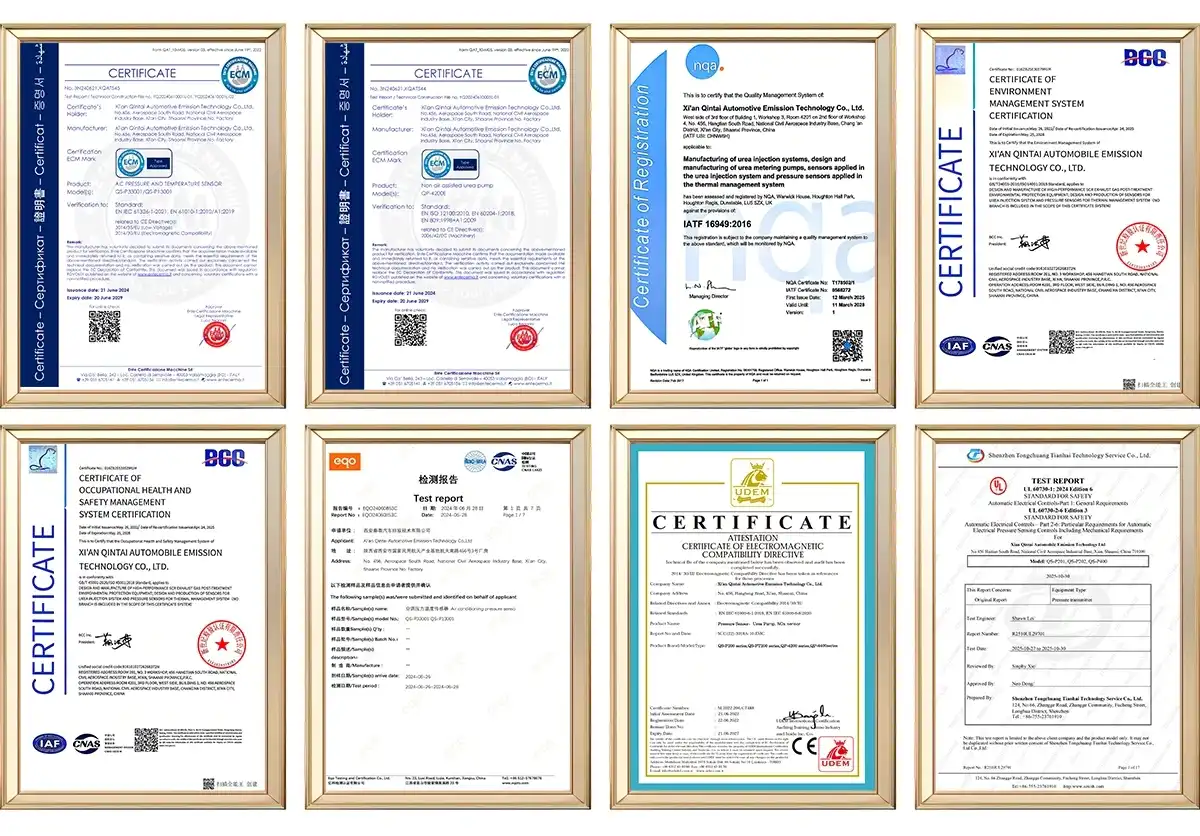
Technical knowledge is a very important factor in deciding which suppliers to choose. Trustworthy providers have technical support teams that can help with application advice, fixing, and custom setup services for unique needs. Quality badges show that a company is dedicated to making high-quality products that can be relied on. Certifications like ISO9001, IATF16949, and certifications specific to an industry show that a company has strong quality control systems that make sure products work the same way every time they are made.
Product availability and transportation depend on the powers of the supply chain. Suppliers with global delivery networks and good inventory management systems can meet urgent substitute needs quickly and keep their prices low by running their businesses efficiently.
Building Strategic Partnerships
Long-term relationships with suppliers are good for both parties because they allow for better contact, more customized services, and chances to work together on product development. Strategic relationships help sellers understand what customers want and come up with unique solutions that improve business performance. As pollution rules change and monitor technology improves, technical support services become more crucial.
Beyond just supplying products, suppliers who give full training programs, troubleshooting support, and application engineering help add a lot of value. Warranty terms and help after the sale show that the seller believes in the quality of the product and wants the customer to be happy. Extended insurance coverage and quick technical help lower operating risks and add value that makes high-quality goods worth the extra cost.
Conclusion
NOx sensor failure in diesel engines stems from multiple factors including thermal stress, contamination, electrical system problems, and poor maintenance practices. Understanding these failure mechanisms enables proactive maintenance strategies and informed procurement decisions that optimize fleet performance and regulatory compliance. Regular inspection, proper cleaning techniques, and strategic supplier partnerships significantly extend sensor service life while reducing operational costs. As emission regulations continue evolving, investing in high-quality sensors and comprehensive maintenance programs becomes essential for sustainable fleet operations and environmental responsibility.

NOx sensors generally last between 100,000 to 200,000 miles under normal operating conditions. However, service life varies significantly based on operating environment, maintenance practices, fuel quality, and engine condition. Heavy-duty applications with high operating temperatures or contaminated environments may require more frequent replacement, while well-maintained highway vehicles often achieve extended service intervals.
What distinguishes NOx sensors from standard oxygen sensors?
NOx monitors measure the amount of nitrogen oxide in exhaust fumes, and oxygen sensors measure the amount of oxygen in the air-fuel mixture to control the ratio. NOx monitors need to work at higher temperatures and use more advanced zirconia ceramic technology. They also talk to each other using digital methods instead of simple voltage signs, which gives more accurate data for improving emission control systems.
Can cleaning extend NOx sensor service life effectively?
Proper cleaning can extend sensor life when contamination is the primary issue. However, cleaning effectiveness depends on contamination type and severity. Light soot deposits respond well to appropriate cleaning solutions, but heavy oil contamination or thermal damage requires sensor replacement. Always follow manufacturer guidelines to avoid damaging sensitive ceramic elements during cleaning procedures.
How do I identify which NOx sensor needs replacement?
Most of the time, diagnostic trouble codes tell you which instruments are broken: upstream or downstream. Problem areas can be found with the help of codes that say "circuit high," "circuit open," or sensor-specific labels. Professional troubleshooting tools can also compare real-time sensor information to tell the difference between problems with a single sensor and problems with the whole system that affect many parts.
What factors should I consider when comparing sensor suppliers?
Check out the expert help, quality approvals, guarantee terms, and dependability of the supply chain. Check to see if the sellers offer unique setup services, discounts for buying in bulk, and quick expert support. Check that the goods meet the standards of the original equipment manufacturer (OEM) and government regulations, and that they offer low total ownership costs through stable performance and long service life.
Partner with Qintai for Reliable NOx Sensor Solutions
Qintai stands as China's leading NOx sensor manufacturer, delivering precision-engineered diesel emission sensors that meet the demanding requirements of modern aftertreatment systems. As a national high-tech enterprise established in 2001, we have developed comprehensive expertise in SCR aftertreatment technology and sensor manufacturing, earning recognition as the core supplier for China's major diesel engine manufacturers including Weichai Power, Yuchai Power, and Quanchai Power.
Our manufacturing excellence reflects in our comprehensive certifications including ISO9001, IATF16949, CMC, Ex, UL, CE, REACH, and RoHS compliance, alongside 58 invention patents that demonstrate our commitment to innovation. We provide complete OEM and ODM services supporting flexible customization according to specific application requirements and customer needs.
With global distribution spanning over 60 countries and proven technical expertise, Qintai offers competitive bulk pricing, reliable supply chain management, and dedicated technical support that empowers procurement teams to optimize operational efficiency and regulatory compliance. Contact our team at info@qt-sensor.com to discuss your specific diesel emission sensor requirements and discover how our advanced manufacturing capabilities can support your fleet operations through superior product quality and comprehensive service excellence.
References
1. Johnson, Mark A., and Sarah Chen. "Advanced Diesel Emission Control Systems: NOx Sensor Technology and Applications." Journal of Automotive Engineering Technology, vol. 45, no. 3, 2023, pp. 127-145.
2. Rodriguez, Carlos M. "Failure Analysis of NOx Sensors in Heavy-Duty Diesel Applications." International Conference on Engine Emissions and Control, Society of Automotive Engineers, 2022, pp. 89-103.
3. Thompson, Jennifer L., et al. "Thermal Degradation Mechanisms in Zirconia-Based NOx Sensors." Materials Science and Engineering Review, vol. 78, no. 2, 2023, pp. 234-251.
4. Williams, Robert K. "Diesel Aftertreatment System Integration and Sensor Reliability." Heavy-Duty Engine Technology Quarterly, vol. 29, no. 4, 2022, pp. 56-72.
5. Anderson, Lisa M., and David Park. "Economic Analysis of NOx Sensor Maintenance Strategies in Commercial Vehicle Fleets." Fleet Management and Maintenance Journal, vol. 41, no. 1, 2023, pp. 18-31.
6. Kumar, Rajesh, and Emily Zhang. "Environmental Factors Affecting NOx Sensor Performance in Diesel Engine Applications." Environmental Engineering and Emissions Control, vol. 33, no. 6, 2022, pp. 445-462.

Our customers’ satisfaction speaks for our quality — contact us to experience the same reliable service.