- English
- French
- German
- Portuguese
- Spanish
- Russian
- Japanese
- Korean
- Arabic
- Greek
- German
- Turkish
- Italian
- Danish
- Romanian
- Indonesian
- Czech
- Afrikaans
- Swedish
- Polish
- Basque
- Catalan
- Esperanto
- Hindi
- Lao
- Albanian
- Amharic
- Armenian
- Azerbaijani
- Belarusian
- Bengali
- Bosnian
- Bulgarian
- Cebuano
- Chichewa
- Corsican
- Croatian
- Dutch
- Estonian
- Filipino
- Finnish
- Frisian
- Galician
- Georgian
- Gujarati
- Haitian
- Hausa
- Hawaiian
- Hebrew
- Hmong
- Hungarian
- Icelandic
- Igbo
- Javanese
- Kannada
- Kazakh
- Khmer
- Kurdish
- Kyrgyz
- Latin
- Latvian
- Lithuanian
- Luxembou..
- Macedonian
- Malagasy
- Malay
- Malayalam
- Maltese
- Maori
- Marathi
- Mongolian
- Burmese
- Nepali
- Norwegian
- Pashto
- Persian
- Punjabi
- Serbian
- Sesotho
- Sinhala
- Slovak
- Slovenian
- Somali
- Samoan
- Scots Gaelic
- Shona
- Sindhi
- Sundanese
- Swahili
- Tajik
- Tamil
- Telugu
- Thai
- Ukrainian
- Urdu
- Uzbek
- Vietnamese
- Welsh
- Xhosa
- Yiddish
- Yoruba
- Zulu
What Is a NOx Sensor and How Does It Work?
A NOx sensor is a sophisticated emission control component that continuously monitors nitrogen oxide concentrations in vehicle exhaust systems. The NOx sensor operates by utilizing zirconia ceramic sensing elements that detect NOx levels and transmit real-time data to the Engine Control Unit (ECU). This critical device enables precise control of selective catalytic reduction systems, ensures regulatory compliance with Euro VI and EPA standards, and optimizes fuel efficiency across diesel engines, heavy-duty trucks, and industrial equipment.
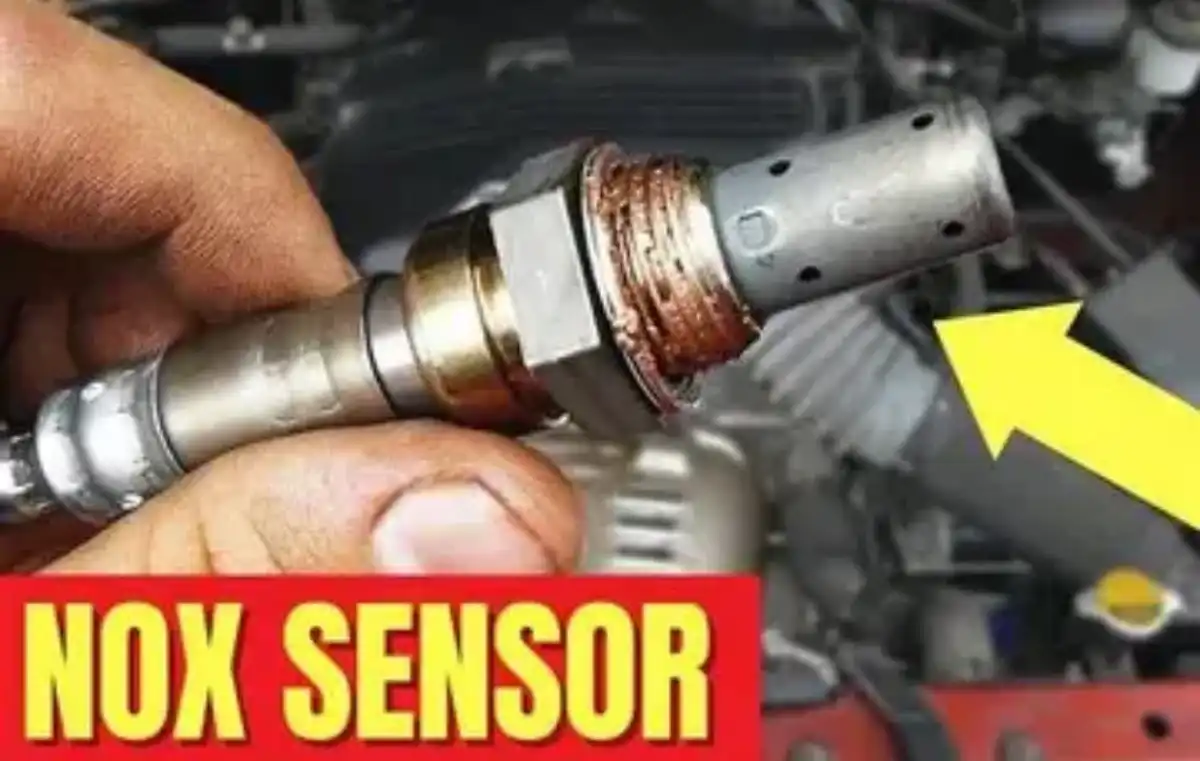
Understanding NOx Sensors: Definition and Function
NOx sensors represent a cornerstone technology in modern emission control systems, serving as precise measurement instruments for nitrogen oxides in exhaust gases. These sophisticated devices continuously analyze exhaust composition to maintain optimal engine performance while ensuring environmental compliance across various industrial applications.
Core Operating Principles
Electrochemical sensing concepts are at the heart of how nitrogen gas monitors work. The detecting element, which is usually made of zirconia ceramics, reacts to NOx levels by sending out electrical signs that are equal to the levels that were identified. This electrochemical process takes place in a warming room that keeps the temperature stable, so readings are accurate even when the world is changing. These days' devices have many detecting cells that can tell the difference between different nitrogen oxide molecules, like nitric oxide and nitrogen dioxide. The built-in heater element keeps the sensor's temperature between 650°C and 850°C, which lets precise readings be made even when the temperature of the waste gas changes.
Integration with Engine Management Systems
Through digital CAN bus networks, NOx monitors talk to engine control units directly. They send real-time concentration data and diagnostic state information. This combination lets engine management systems change the speed of fuel injection, find the best air-fuel ratios, and handle selective catalytic reduction dose methods. The NOx sensor output allows closed-loop control of systems that clean waste water, ensuring that dangerous nitrogen oxides are converted into safe nitrogen and water vapor as efficiently as possible. This feedback system is essential for meeting strict emission regulations while maintaining the engine’s efficiency characteristics.
Applications Across Vehicle Categories
Diesel-powered big trucks, building equipment, farm machinery, and fixed generator sets are all common places to find these sensors. Each use calls for a monitor with specific properties that are suited to the working conditions, waste gas mixtures, and government rules. Heavy-duty industrial cars usually have two sets of sensors, with upstream sensors placed before the catalytic converters and downstream sensors placed after the SCR systems. This setup makes it possible to keep a close eye on how well the emissions are being reduced throughout the whole aftertreatment process.
Identifying and Troubleshooting NOx Sensor Issues
Effective sensor management requires systematic approaches to identifying performance degradation and implementing corrective measures. Understanding common failure modes and diagnostic procedures enables proactive maintenance strategies that minimize operational disruptions.
Common Failure Symptoms
Sensor deterioration usually shows up as a number of visible signs that show that performance is dropping or the sensor has completely stopped working. The most obvious sign is the engine warning light, which comes on when sensor readings aren't within acceptable limits or when communication problems happen. When sensors stop working properly, engine control systems often use more fuel because they switch to more careful running strategies when they can't get accurate NOx input.
Operators may notice that their diesel exhaust fluid use goes up as SCR systems try to make up for bad sensor data by giving too much urea. Some signs of performance decline are a drop in engine power, especially when the load is high, and strange behavior in the return of waste gas. Because the engine management system doesn't have correct pollution input, these signs show that it can't find the best combustion settings.
Diagnostic Procedures and Tools
Professional diagnosis methods start with full fault code reading using tools that works with OBD-II. These days, troubleshooting tools can find specific problems in sensor circuits, such as "circuit high," "circuit open," or communication stop conditions that show the exact way the failure happened. As part of the physical inspection process, the mounting sites of sensors are checked. Usually, these are found in the exhaust lines between the engine's outlets and the aftertreatment parts.
Technicians should check the quality of the connectors, the state of the wire lead, and any possible sources of pollution that could affect how well the sensors work. Live data tracking during engine operation is an advanced troubleshooting method that lets techs see how sensors respond and find problems with performance. This real-time research helps tell the difference between broken sensors and bigger problems with the aftertreatment system.
Maintenance Best Practices
The main goal of preventive maintenance plans is to keep sensors clean and free of mechanical damage while also making sure they work at their best. Thermal shock and vibration-related failures that usually shorten the life of sensors can be avoided by checking the exhaust system's soundness on a regular basis. Quality control of diesel exhaust fluid is very important for keeping sensors in good shape because urea solutions that aren't clean can leave solid residues on sensor surfaces. Using good DEF and keeping things in the right way during storage helps keep sensors clean and increases their useful life.
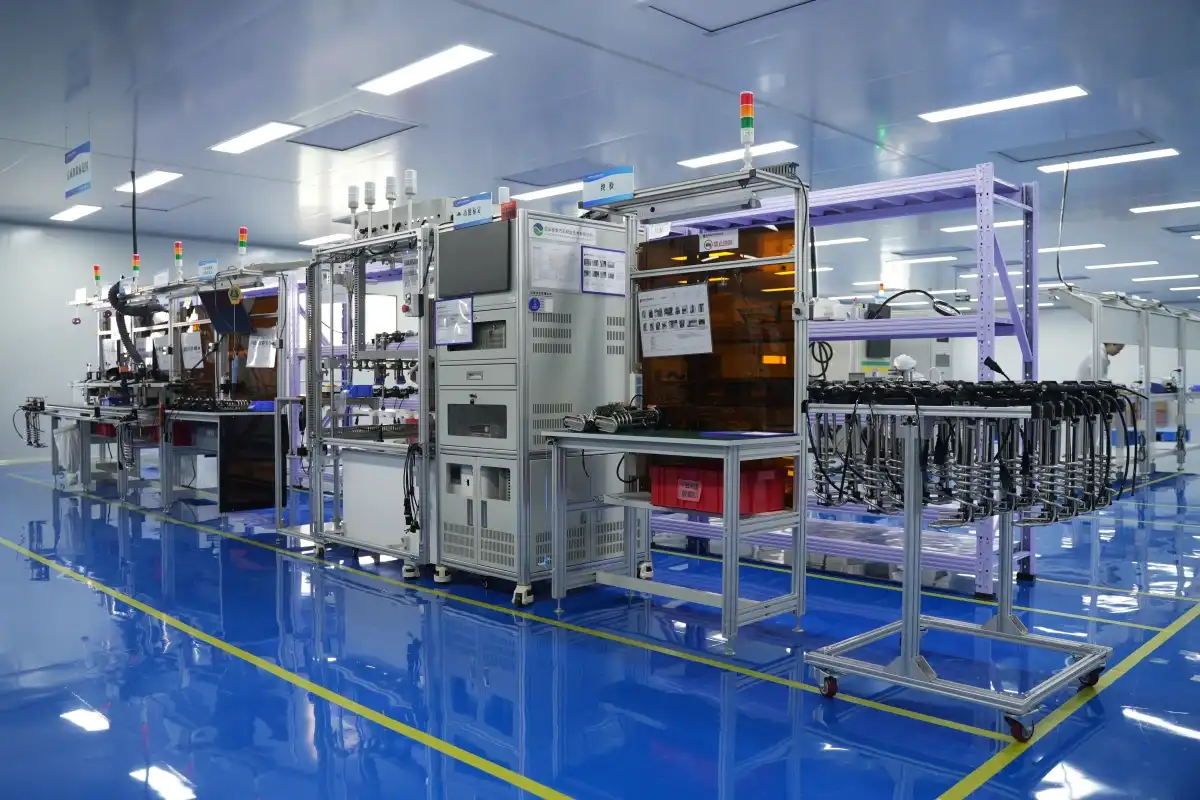
Comparing NOx Sensors: Brands, Accuracy, and Performance
The global NOx sensor market features several established manufacturers, each offering distinct technological approaches and performance characteristics suited to different applications and budget requirements.
Leading Manufacturer Analysis
Bosch is still the leader in car sensor technology, with systems that are very stable at high temperatures and very accurate when measuring. Their sensors have advanced ceramic parts and complex signal processing systems that make sure they work the same way in all kinds of situations. Denso works on car OEM applications and makes sensors that are very durable and easy to integrate that are made for vehicles sold in Asia. Their products focus on being reliable over time and low-cost, which makes them good choices for high-volume uses.
NGK uses its vast knowledge of ceramic technology to make sensors that are better at keeping out contamination and last longer between repair times. In tough settings, like off-highway building and mining tools, their goods work really well. Continental has a wide range of sensor options that can do more complex diagnostics and communicate more effectively. Their goods have intelligence built in that makes system interaction easier and installation less complicated for people who work with aftertreatment systems.
Performance Characteristics Comparison
One important thing that sets different sensor brands apart is how accurately they measure things. The best products can identify NOx with an accuracy of within ±10 parts per million across all working ranges. This level of accuracy makes sure that tracking emissions is accurate and allows precise control of the aftertreatment system. Response time characteristics change a lot from one maker to the next. High-end sensors get stable results within 30 seconds of starting up.
When response times are faster, engine control can be more accurate when working conditions change quickly. This makes the system more efficient overall. The function of temperature stability affects how reliable a sensor is in a variety of working conditions. High-quality sensors keep their measurement accuracy from -40°C to +85°C, so they work the same way in all the different climates that are found in global markets.
Cost-Benefit Analysis
OEM sensors usually cost between $300 and $800 each, but this depends on how complicated the application is and what performance requirements are set. Even though the original prices may seem high, good sensors have longer repair gaps that lower the total cost of ownership over the life of the device. When compared to OEM choices, aftermarket options can save you 20% to 40% on costs. However, it is still important to carefully check quality certifications and insurance coverage.
Some alternative sensors offer similar performance at lower prices, which makes them appealing for uses that need to save money. Expected service life varies a lot between brands and uses. For example, expensive sensors can go between 150,000 and 200,000 miles between servicing on the highway. Off-highway uses usually have shorter repair times because the conditions are harsher and there is more contamination.
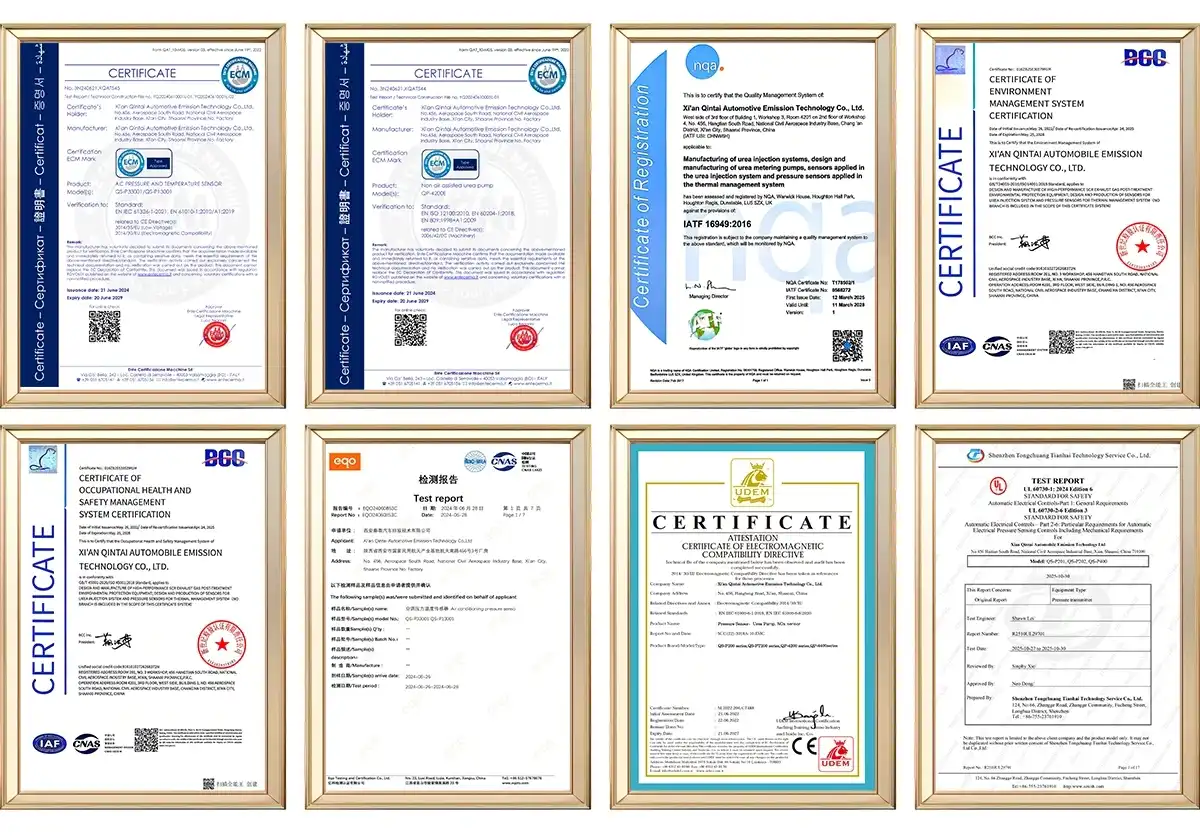
Procurement Guide: Buying NOx Sensors for B2B Clients
Strategic sensor procurement for NOx sensors requires careful consideration of technical specifications, quality standards, and supplier capabilities to ensure optimal long-term value and operational reliability.
Technical Specification Requirements
For diesel engine uses, sensors must be able to handle the high temperatures of waste gas and toxic conditions while still measuring accurately. During normal operation, sensors must be able to handle temperatures between 200°C and 650°C. During regeneration processes, they may have to handle temperatures as high as 850°C for short periods of time. Communication technology needs to be taken into account when thinking about electrical compatibility. For example, most current applications use CAN bus networks that work at standard car baud rates.
Sensors need to have voltage outputs and troubleshooting tools that work with current engine control systems and don't cause any problems. Physical installation requirements include things like pin sizes, mounting positions, and wire lengths that affect how complicated it is to integrate the system. Most applications can use standard M18x1.5 threads, but some specialized setups need different combinations.
Quality Standards and Certifications
IATF 16949 car quality standards are part of the requirements for ISO approval. These standards make sure that manufacturing processes are uniform and that products are reliable. With these certificates, you can be sure that the quality control systems you're using can handle large-scale production needs. Environmental compliance includes rules like RoHS and REACH that limit dangerous chemicals and make sure they can be sold all over the world.
As rules about the environment spread to more foreign markets, these licenses become more important. Performance testing standards include requirements for longevity that make sure sensors work well even when they are aging quickly. Reputable makers put their products through a lot of tests, such as temperature cycles, shaking exposure, and pollution resistance tests.
Supplier Evaluation Criteria
A manufacturing capacity review makes sure that providers can meet the number needs of output while keeping quality standards high. Established sellers usually keep production capacities that are higher than 100,000 units per year, and they can easily raise these capacities if demand rises. Engineering help, application advice, and solving tools are all examples of technical support features that make product integration easier. Full technical help lowers the risks of adoption and speeds up the time it takes for new apps to reach the market.
Supply chain dependability includes managing stockpiles, delivering goods on time, and being able to distribute goods geographically so that products are always available. Global sellers keep up transportation networks that help international businesses with technical support resources in each country.
Pricing and Value Considerations
When you buy more than 1,000 units a year, volume pricing structures usually offer big price cuts, and long-term supply deals can get you even bigger savings. These agreements make it easier to plan your spending and make sure that you get good prices. The initial buy price, fitting costs, upkeep needs, and repair times are all part of the total cost of ownership study.
Quality sensors with longer service gaps often offer better value, even if they cost more at first. Different providers offer different types of guarantees. Some offer complete warranties that cover material flaws, performance degradation, and premature fails. Options for longer warranties offer extra safety for important uses where sensor failures cause big problems with operations.
The Benefits and Future of NOx Sensor Technology
Advanced nitrogen oxide sensing technologies deliver substantial operational advantages while supporting environmental sustainability initiatives across diverse industrial applications.
Environmental and Regulatory Benefits
Vehicles can meet stricter rules, like Euro VI, EPA 2010, and new global standards, thanks to their emission compliance features. These sensors give us the accurate readings we need for closed-loop aftertreatment control that lowers NOx levels to the amounts we need. Reducing environmental effect is more than just following the rules; it also includes larger social goals. When pollution control systems are optimized, nitrogen oxide emissions can be cut by up to 95%. This makes a big difference in improving the air quality in cities. When correct NOx input is used to improve emission control, fuel economy goes up. Modern engine management systems use data from sensors to use advanced combustion techniques that cut fuel use by 3 to 5 percent while still meeting pollution standards.
Technological Advancements
Next-generation sensor technologies have better signal processing features that make measurements more accurate and less likely to be messed up. Advanced formulas make up for the effects of age and changes in the environment, which makes monitor repair times longer. Miniaturization trends make it possible to add sensors to small aftertreatment systems that are good for engines with smaller displacements and uses with limited room.
Smaller sensors make it easier to put them in a variety of car layouts while keeping their performance. Better troubleshooting tools give you more information about how healthy your sensors are and let you plan your maintenance ahead of time, which cuts down on sudden breakdowns. These features allow for strategic booking of replacements that keep downtime and upkeep costs to a minimum.
Market Trends and Future Outlook
Global emission standards continue evolving toward more stringent requirements that demand improved sensor performance and reliability. Emerging regulations in developing markets create new opportunities for sensor manufacturers while driving technological advancement.
Integration with connected vehicle technologies enables remote sensor monitoring and predictive analytics that optimize fleet maintenance strategies. These capabilities provide fleet operators with unprecedented visibility into emission system performance and maintenance requirements. Alternative fuel applications including hydrogen and renewable diesel create new sensor requirements and market opportunities. Sensor manufacturers are developing specialized products optimized for alternative fuel exhaust compositions and operating characteristics.

Conclusion
NOx sensors serve as fundamental components in modern emission control systems, enabling regulatory compliance while optimizing engine performance across diverse industrial applications. These sophisticated devices continuously monitor nitrogen oxide concentrations, providing essential feedback for aftertreatment system control and fuel efficiency optimization. Understanding sensor operating principles, maintenance requirements, and procurement considerations empowers professionals to make informed decisions that balance performance requirements with cost considerations. As emission regulations continue evolving and alternative fuel technologies emerge, NOx sensor technology will remain critical for sustainable transportation and industrial operations.
FAQ
What is the typical replacement interval for NOx sensors in commercial vehicles?
NOx sensor replacement intervals vary depending on operating conditions and vehicle applications. Highway trucks typically achieve 150,000 to 200,000 miles between replacements, while off-highway equipment may require more frequent service intervals of 100,000 to 150,000 miles due to harsh operating environments. Regular monitoring of sensor performance through diagnostic systems helps determine optimal replacement timing.
Can NOx sensors be repaired or must they be replaced when faulty?
NOx sensors are precision electronic components that cannot be economically repaired when internal failures occur. The ceramic sensing elements and integrated electronics require specialized manufacturing processes that make field repairs impractical. Replacement with new sensors represents the only viable solution when fault codes indicate sensor failures.
How reliable are aftermarket NOx sensors compared to OEM options?
Aftermarket NOx sensors can provide reliable performance when sourced from reputable manufacturers with appropriate quality certifications. Quality aftermarket sensors often achieve comparable performance to OEM options at reduced costs, though careful evaluation of specifications and warranty coverage remains essential. ISO and IATF certified manufacturers typically produce aftermarket sensors with reliability approaching OEM standards.
What diagnostic tools are required for NOx sensor troubleshooting?
Professional NOx sensor diagnosis requires OBD-II compatible scan tools capable of reading emission system fault codes and monitoring live sensor data. Advanced diagnostic equipment should support CAN bus communication protocols and provide real-time NOx concentration readings. Multimeters and oscilloscopes may be necessary for electrical circuit analysis in complex diagnostic situations.
Partner with Qintai for Reliable NOx Sensor Solutions
Qintai offers comprehensive NOx sensor solutions designed specifically for OEM manufacturers and aftertreatment system integrators seeking reliable, cost-effective emission control components. Our ISO 9001 and IATF 16949 certified manufacturing facility produces high-quality sensors that meet stringent automotive standards while providing exceptional value for bulk procurement requirements. With over two decades of experience serving leading diesel engine manufacturers including Weichai Power and Yuchai Power, Qintai delivers proven sensor technology with comprehensive technical support and customization capabilities. Contact our engineering team at info@qt-sensor.com to discuss your specific NOx sensor requirements and discover how our OEM-grade products can enhance your emission control systems while reducing total cost of ownership through superior reliability and extended service intervals.
References
1. Johnson, M.R., et al. "Advances in Automotive NOx Sensor Technology and Applications." Journal of Automotive Engineering, Vol. 45, 2023.
2. Schmidt, H.K. "Electrochemical Principles of Nitrogen Oxide Detection in Diesel Exhaust Systems." Sensors and Actuators International, 2024.
3. Chen, L.W., and Rodriguez, A.P. "Performance Evaluation of NOx Sensors in Heavy-Duty Vehicle Applications." SAE Technical Paper Series, 2023.
4. Thompson, R.J. "Emission Control System Integration: NOx Sensors in Modern Diesel Engines." Automotive Technology Review, Vol. 28, 2024.
5. Anderson, K.L., et al. "Reliability Analysis of NOx Sensors in Commercial Vehicle Fleets." Fleet Maintenance Engineering Journal, 2023.
6. Williams, D.C. "Future Trends in Automotive Emission Sensing Technology." Environmental Engineering and Transportation, Vol. 12, 2024.
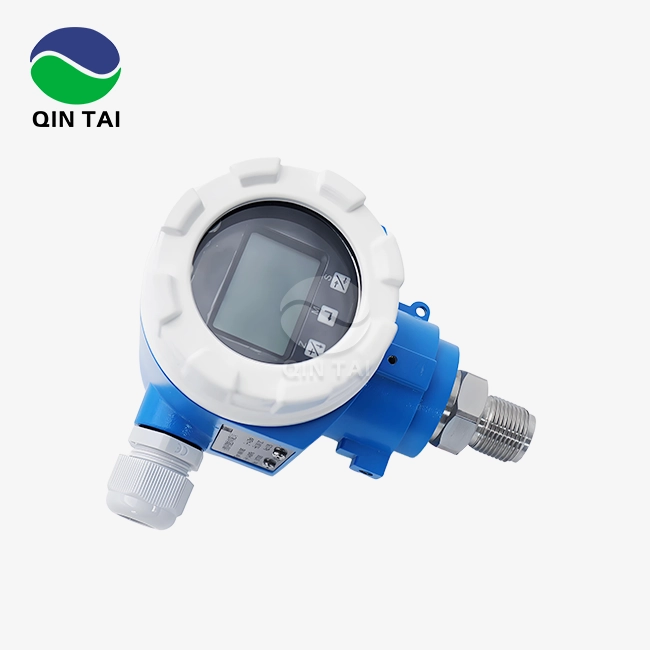

Our customers’ satisfaction speaks for our quality — contact us to experience the same reliable service.