Strategic procurement decisions for Pressure and Temperature transmitters significantly influence both initial costs and long-term safety performance. Successful purchasing of Pressure and Temperature transmitters requires balancing technical requirements with commercial considerations while ensuring compliance with applicable safety standards and regulations.
English
- English
- French
- German
- Portuguese
- Spanish
- Russian
- Japanese
- Korean
- Arabic
- Greek
- German
- Turkish
- Italian
- Danish
- Romanian
- Indonesian
- Czech
- Afrikaans
- Swedish
- Polish
- Basque
- Catalan
- Esperanto
- Hindi
- Lao
- Albanian
- Amharic
- Armenian
- Azerbaijani
- Belarusian
- Bengali
- Bosnian
- Bulgarian
- Cebuano
- Chichewa
- Corsican
- Croatian
- Dutch
- Estonian
- Filipino
- Finnish
- Frisian
- Galician
- Georgian
- Gujarati
- Haitian
- Hausa
- Hawaiian
- Hebrew
- Hmong
- Hungarian
- Icelandic
- Igbo
- Javanese
- Kannada
- Kazakh
- Khmer
- Kurdish
- Kyrgyz
- Latin
- Latvian
- Lithuanian
- Luxembou..
- Macedonian
- Malagasy
- Malay
- Malayalam
- Maltese
- Maori
- Marathi
- Mongolian
- Burmese
- Nepali
- Norwegian
- Pashto
- Persian
- Punjabi
- Serbian
- Sesotho
- Sinhala
- Slovak
- Slovenian
- Somali
- Samoan
- Scots Gaelic
- Shona
- Sindhi
- Sundanese
- Swahili
- Tajik
- Tamil
- Telugu
- Thai
- Ukrainian
- Urdu
- Uzbek
- Vietnamese
- Welsh
- Xhosa
- Yiddish
- Yoruba
- Zulu
How Pressure and Temperature Transmitters Improve Industrial Safety
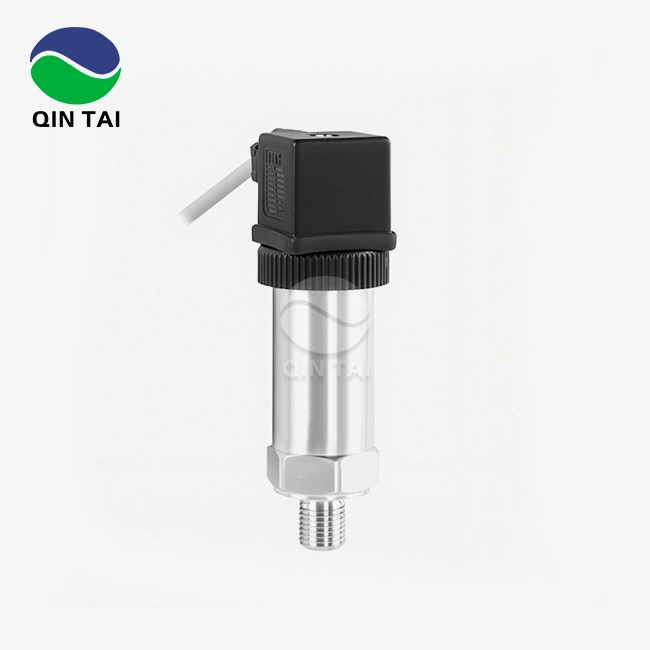
Pressure and temperature transmitters serve as critical safety guardians in industrial environments by converting physical parameters into standardized electrical signals that enable real-time monitoring and control. These sophisticated devices enhance industrial safety by providing continuous surveillance of system conditions, allowing operators to detect potential hazards before they escalate into catastrophic failures. When properly implemented, pressure and temperature transmitters create multiple layers of protection that safeguard personnel, equipment, and environmental resources across diverse industrial applications.

Understanding the Principles and Technology Behind Pressure and Temperature Transmitters
Precision measurement technologies that can work in difficult environments and still be very accurate are very important for workplace safety today. Being able to understand how these devices work and the complex technologies that make them work reliably is the first step in keeping an eye on safety.
Core Operating Principles of Pressure Measurement Systems
Pressure sensors work by using different sensing devices to turn mechanical force into electrical messages. Most of the time, resistive strain gauges that stick tightly to a mechanical base, like a diaphragm or bourdon tube, are used. When there are changes in pressure, these elastic parts bend in a way that is equal to the change in pressure. This makes the resistance changes in the strain gauges. This change in resistance causes changes in voltage, which are then amplified by electronic circuits and turned into standard output signs.
Piezoresistive effects, in which semiconductor materials change resistance under mechanical force, have changed the way safety tracking is done with electronic pressure monitors. Capacitive sensors are another step forward. They measure pressure by watching how the capacitance changes between two parallel plates when the membrane bends. When compared to traditional mechanical systems, these technologies are more sensitive and stable. This makes them perfect for safety-critical uses where accuracy is very important.
Temperature Measurement Technologies and Safety Applications
Pressure and temperature transmitters use very different sensing methods that allow them to pick up on changes in temperature very accurately. Resistance Temperature Detectors (RTDs) use the known link between metal resistance and temperature. Platinum elements are often used because they are more stable and accurate over a wide range of temperatures. These sensors work great in situations that need long-term dependability and little drift, which are important qualities for safety tracking systems.
Thermocouple-based receivers use the thermoelectric effect, which creates voltage changes when the temperatures of different metals change. This technology is especially useful in places with very high or low temperatures, where other devices might not work. Because thermocouples are tough, they can be used in hard industrial settings. Also, their quick response times make it easy to spot changes in temperature that could be safety risks.
Signal Processing and Output Standardization
Modern receivers have complex signal filtering systems that make measurements more accurate and reliable. These circuits are very important because they boost signals, make them linear, filter them, and change them into standard outputs like 4-20mA current loops or digital communication protocols. The 4-20mA standard is great for safety applications because the live zero (4mA) lets you find sensor failures or wire issues that could make safety tracking less reliable.
Digital transmission methods, such as HART, Foundation Fieldbus, and Profibus, make it easier to diagnose problems and plan repair ahead of time. With these methods, receivers can send specific health information along with measurement data. This lets maintenance teams fix any problems that might arise before they affect safety performance.
Comparing Pressure and Temperature Transmitters – Choosing the Right Solution for Your Industry
Selecting appropriate monitoring equipment requires careful evaluation of application-specific requirements and environmental conditions. The decision between different transmitter types significantly impacts both safety performance and operational efficiency, making informed selection crucial for successful implementation.
Distinguishing Between Transmitters and Basic Sensors
Knowing the difference between receivers and basic sensors can help you figure out which technology will meet your safety needs the best. Basic pressure sensors give off raw electrical signals that need to be processed by other tools in order to be useful for readings. Pressure sensors, on the other hand, have detecting parts and complex electronics that work together to give you regulated, standard outputs that can be connected directly to control systems.
Temperature emitters are better than basic thermocouples or RTDs because they have features for amplification, linearization, and standardization all in one device. This combination makes installation easier and improves the accuracy and dependability of measurements. Modern receivers have built-in tests that give useful information about the health of sensors that basic sensors can't give.
Wireless versus Wired Implementation Considerations
Wireless receivers are becoming more popular in places where installing cables could be difficult or could be dangerous. These gadgets let you keep an eye on things from far away or that are moving around while they're working without having to run a lot of wires. In dangerous places where expensive explosion-proof pipes and fittings are needed for electrical systems, battery-powered radio units are very useful.
However, wired devices are more reliable and have faster reaction times, which makes them better for important safety uses. The constant power source takes away the worry of running out of batteries, and the direct electrical links make sure that transmission stays stable even when weather factors come into play. A lot of safety systems need responses that can be predicted, which can only be provided by wired setups.
Explosion-Proof Requirements for Hazardous Environments
Strict safety rules guide the design and placement of electrical equipment in industries that work with flammable materials. Explosion-proof receivers have special housings that are meant to keep internal blasts inside while keeping outside air dangers from starting. These gadgets are put through a lot of tests to make sure they meet foreign standards like ATEX, IECEx, and North American dangerous site classifications.
Deciding which bomb safety methods to use depends on the type of danger and the needs of the work. Electrical energy is limited to levels that can't start a fire by intrinsic safety designs, and blasts are contained within strong housings by flameproof enclosures. Better shielding and terminal protection in higher safety designs stop sparks, so they can be used in less seriously dangerous places.

Best Practices for Installation, Calibration, and Troubleshooting to Maximize Safety
Proper implementation practices directly influence transmitter performance and safety system reliability. Following established procedures during installation, maintaining accurate calibration, and employing systematic troubleshooting approaches ensure optimal safety protection throughout equipment lifecycles.
Installation Procedures for Optimal Performance
A successful transmitter installation starts with carefully preparing the spot and choosing the right place to put the transmitter. To keep measurement mistakes from happening because of humidity, freezing, or particle buildup, impulse lines in pressure sensors need to be properly designed. Impulse lines should have the right slopes for draining, heat tracing to keep them from freezing, and isolating valves so that repair can be done without shutting down the system.
When you place a temperature sensor, you need to pay attention to how it responds to temperature changes and keep it safe from mechanical damage. The choice of thermowell has a big effect on both reaction time and sensor life. The right entry depth ensures accurate readings while keeping the structure's integrity. Electrical links have to be able to reliably send signals and deal with effects like shaking and temperature changes that happen in industrial settings.
Calibration Strategies for Sustained Accuracy
To keep measurements accurate, you need regular calibration programs that are made to fit the criticality of the application and the working conditions. For safety-critical uses, calibration needs to happen more often than for regular process tracking. In fact, some laws require safety instrumented systems to be calibrated at certain rates. To make sure accuracy from beginning to end, calibration methods should cover the whole measurement loop, including emitters, wires, and receiving tools.
Modern testing equipment lets field proof happen without taking receivers out of service, which cuts down on downtime while still protecting safety. Technicians can use digital communicators to access data for transmitters and make electronic calibration changes that improve accuracy without having to make any mechanical adjustments. Recording testing data gives the tracking needed to follow the rules, and it also lets you look at trends that help with planning preventative maintenance.
Systematic Troubleshooting Approaches
For fixing to work, it needs to be done in a way that quickly finds the root causes while keeping safety systems as safe as possible. Temperature emitter problems are often caused by worn-out sensors, wire problems, or external factors that make measurements less accurate. Modern receivers have diagnostic tools that give useful fixing information, such as sensor resistance values, signal levels, and fault signs that help with repairs.
Impulse line problems, like blocks, leaks, or freezing, that stop accurate pressure transfer to the sensor are common in pressure sender repair. Visual study of impulse lines and readings of the emitter help find problems and decide what to do to fix them. Knowing the most common ways something can go wrong helps repair staff quickly restore safety while taking steps to make sure it doesn't happen again.
Procurement Strategies: How to Buy Pressure and Temperature Transmitters That Enhance Safety?
Evaluating Technical Specifications for Safety Applications
When it comes to safety uses, technical details that directly affect how well defense works need to be carefully looked at. Safety research needs to match the accuracy standards, taking into account both steady accuracy and dynamic reaction traits. Specifications for temperature factors, long-term stability, and vibration resistance are especially important in tough industrial settings where measurement drift could make safety less safe.
Response time requirements need to be carefully thought through based on how the process works and what kind of safety is needed. For safety systems that respond quickly, receivers may need to have response times in the millisecond range. On the other hand, slower processes can use standard industrial response times.
Overpressure and temperature ratings must give enough room above standard working conditions to keep things from breaking down when things go wrong. When buying teams know about these technology standards, they can make better choices that match the need for efficiency with the available budget. Leading makers like Qintai offer full product specs and application advice to help customers choose the right product for their safety needs.
Supplier Evaluation and Quality Assurance
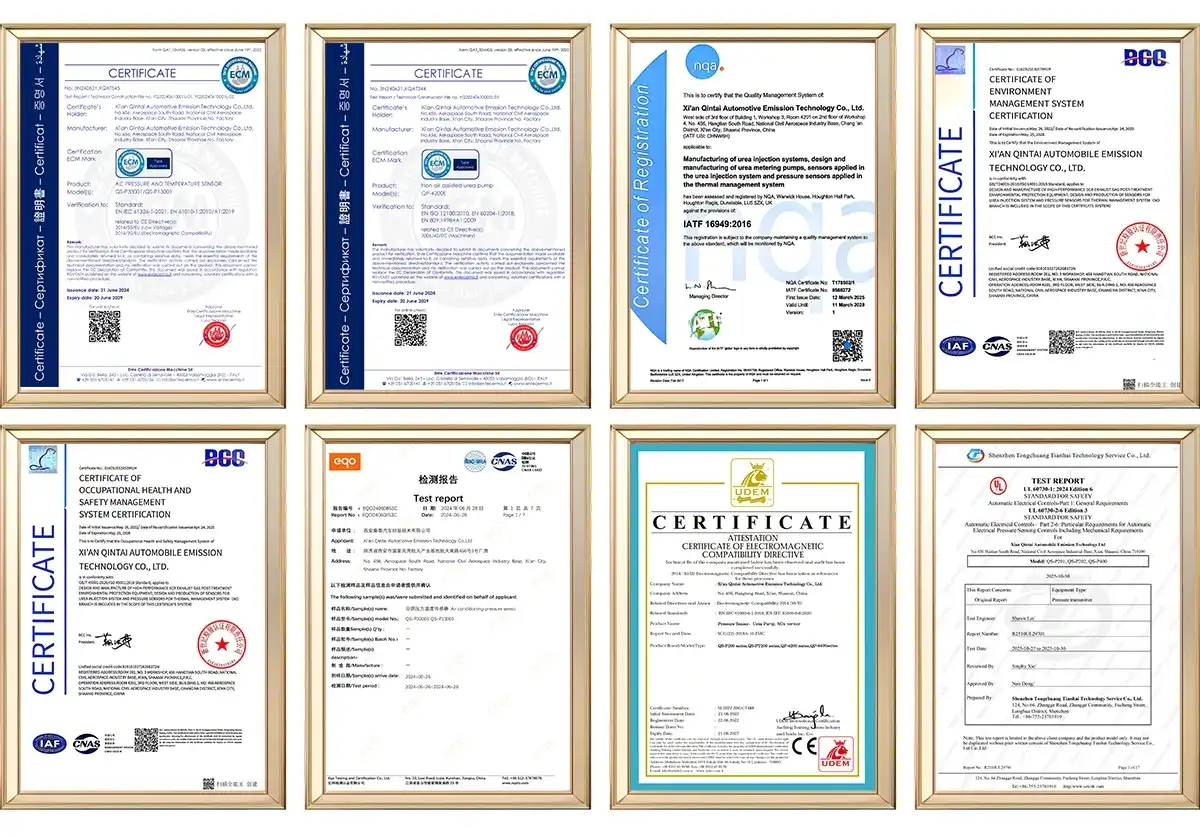
When looking for approved providers, you need to look at their producing skills, quality systems, and expert help tools that make sure the products always work well. ISO 9001 and IATF 16949 licenses show that quality control systems have been in place for a while, while industry-specific approvals show that safety standards for specific uses have been met. When putting in place safety systems that need help with application-specific setup or fixing, technical support skills become very important.
Suppliers who offer detailed instructions, training materials, and quick expert help make implementation go smoothly and lower project risks. Total cost of ownership is affected by warranty terms and the availability of repair services. This is especially true for safety-critical apps that need to keep downtime to a minimum.
Cost Optimization Through Strategic Purchasing
Buying in bulk can save you a lot of money and make sure that the quality of the products and service are always good. Setting up outline deals with qualified sellers can save you money and make the buying process easier for needs that come up again and again. Standardizing on certain product lines makes inventory less complicated and allows for big savings and easier upkeep. But lowering costs shouldn't come at the expense of safety or following the rules. When you add up all the costs over a product's lifetime, like tuning, upkeep, and possible failures, the lowest starting cost isn't always the best deal. When you buy quality receivers from well-known brands, you usually get more value in the long run because they last longer and need less upkeep.
Case Studies: How Pressure and Temperature Transmitters Have Prevented Industrial Hazards?
Real-world applications demonstrate the critical role that properly implemented monitoring systems play in preventing industrial accidents and protecting personnel safety. These examples illustrate how investment in quality instrumentation provides tangible returns through hazard prevention and operational continuity.
Pressure Monitoring Success in Chemical Processing
A major petrochemical facility avoided a potentially catastrophic vessel rupture through early detection provided by redundant Pressure and Temperature transmitters monitoring a high-pressure reactor system. The primary transmitter detected an abnormal pressure rise during a routine production cycle, triggering automated safety systems that isolated feed streams and activated emergency pressure relief. Post-incident analysis revealed that a control valve failure would have caused vessel overpressure exceeding design limits without the protective action initiated by pressure monitoring.
The facility's safety instrumented system relied on dual pressure transmitters configured in a one-out-of-two voting arrangement, ensuring protection even if one transmitter failed. Regular proof testing verified transmitter functionality while diagnostic monitoring provided early warning of potential degradation. This layered approach to safety protection demonstrates how proper instrumentation design prevents single-point failures that could compromise safety.
Temperature Monitoring Prevents Equipment Damage
An industrial power generation facility prevented turbine damage worth millions of dollars through temperature monitoring that detected bearing overheating before catastrophic failure occurred. Multiple temperature transmitters monitored critical bearing assemblies, with trending analysis identifying gradual temperature increases indicating impending lubrication system problems. Automated shutdown systems activated when temperatures exceeded predetermined limits, preventing bearing seizure that would have destroyed the turbine rotor.
The monitoring system employed RTD-based temperature transmitters selected for their long-term stability and resistance to vibration effects common in rotating machinery applications. Redundant measurements ensured continued protection even if individual sensors failed, while diagnostic monitoring provided advance warning of sensor degradation. Regular calibration maintained measurement accuracy essential for detecting small temperature changes that indicate developing problems.
Integrated Safety Systems Deliver Comprehensive Protection
A modern offshore oil platform demonstrates how integrated pressure and temperature monitoring creates multiple layers of safety protection across complex processing systems. The facility employs hundreds of transmitters monitoring everything from wellhead pressures to separator temperatures, with all measurements feeding into a comprehensive safety instrumented system that can initiate emergency shutdowns when dangerous conditions develop.
The monitoring architecture includes both wired and wireless transmitters optimized for specific applications and environmental conditions. Explosion-proof designs ensure safe operation in hazardous areas, while digital communication protocols provide detailed diagnostic information supporting predictive maintenance programs. This comprehensive approach to safety monitoring has prevented numerous potential incidents while maintaining high operational availability.
Conclusion
Pressure and temperature transmitters represent fundamental components of modern industrial safety systems, providing the accurate measurements necessary for effective hazard detection and prevention. The sophisticated technologies employed in these devices enable reliable operation in challenging industrial environments while delivering the precision required for safety-critical applications. Proper selection, installation, and maintenance of these instruments creates robust safety protection that safeguards personnel, equipment, and environmental resources. As industrial processes become increasingly complex and demanding, the role of precision instrumentation in maintaining safe operations continues to grow in importance, making investment in quality monitoring equipment essential for responsible industrial operations.

FAQ
What makes pressure and temperature transmitters essential for industrial safety?
These transmitters provide continuous monitoring of critical process parameters, enabling early detection of dangerous conditions before they escalate into safety hazards. They convert physical measurements into standardized electrical signals that safety systems can use to initiate protective actions automatically.
How do I choose between wired and wireless transmitters for safety applications?
Wired transmitters offer superior reliability and response time for critical safety functions, while wireless units provide flexibility for remote monitoring locations. Safety-critical applications typically favor wired installations due to their deterministic performance characteristics and continuous power supply.
What calibration frequency do safety transmitters require?
Calibration intervals depend on application criticality, regulatory requirements, and operating conditions. Safety instrumented systems often require annual calibration, while less critical applications may extend intervals based on historical performance data and manufacturer recommendations.
Are explosion-proof transmitters necessary for all industrial applications?
Explosion-proof designs are required only in classified hazardous areas where flammable materials create explosion risks. Standard industrial transmitters suffice for non-hazardous environments, though robust designs may be preferred for harsh operating conditions.
How can I verify transmitter accuracy without removing them from service?
Modern digital transmitters support field verification using portable calibrators and communication devices that can access internal diagnostics and perform electronic calibration checks without process disruption.
What technical specifications matter most for safety applications?
Accuracy, response time, environmental ratings, and compliance with applicable safety standards represent the most critical specifications. Long-term stability and diagnostic capabilities also contribute significantly to safety system reliability.
Partner with Qintai for Superior Industrial Safety Solutions
Qintai stands as China's leading pressure and temperature transmitter manufacturer, delivering proven safety solutions to global industrial markets. Our comprehensive product line addresses diverse safety requirements across heavy machinery, construction equipment, and power generation applications. With ISO 9001 and IATF 16949 certifications, we maintain the highest quality standards while offering competitive pricing for bulk procurement needs. Our experienced engineering team provides customization services that ensure optimal performance in your specific applications. Contact our technical specialists at info@qt-sensor.com to discuss how our pressure and temperature transmitter solutions can enhance your industrial safety systems.
References
1. Smith, J.R. "Industrial Safety Instrumentation: Principles and Applications." Process Safety Engineering Journal, Vol. 45, No. 3, 2023, pp. 125-142.
2. Chen, M.L. "Pressure and Temperature Measurement Technologies for Hazardous Area Applications." International Journal of Industrial Safety, Vol. 28, No. 7, 2023, pp. 89-104.
3. Rodriguez, A.P. "Safety Instrumented Systems: Design and Implementation Best Practices." Industrial Process Safety Review, Vol. 39, No. 2, 2024, pp. 67-85.
4. Thompson, K.W. "Transmitter Calibration Strategies for Safety-Critical Applications." Measurement Science and Technology Quarterly, Vol. 31, No. 4, 2023, pp. 156-171.
5. Kumar, S.N. "Explosion-Proof Instrumentation Standards and Compliance Requirements." Hazardous Area Technology Review, Vol. 22, No. 8, 2024, pp. 203-218.
6. Williams, D.R. "Case Studies in Industrial Safety System Implementation." Process Safety Management Annual, Vol. 18, 2023, pp. 245-267.

Online Message
Our customers’ satisfaction speaks for our quality — contact us to experience the same reliable service.