- English
- French
- German
- Portuguese
- Spanish
- Russian
- Japanese
- Korean
- Arabic
- Greek
- German
- Turkish
- Italian
- Danish
- Romanian
- Indonesian
- Czech
- Afrikaans
- Swedish
- Polish
- Basque
- Catalan
- Esperanto
- Hindi
- Lao
- Albanian
- Amharic
- Armenian
- Azerbaijani
- Belarusian
- Bengali
- Bosnian
- Bulgarian
- Cebuano
- Chichewa
- Corsican
- Croatian
- Dutch
- Estonian
- Filipino
- Finnish
- Frisian
- Galician
- Georgian
- Gujarati
- Haitian
- Hausa
- Hawaiian
- Hebrew
- Hmong
- Hungarian
- Icelandic
- Igbo
- Javanese
- Kannada
- Kazakh
- Khmer
- Kurdish
- Kyrgyz
- Latin
- Latvian
- Lithuanian
- Luxembou..
- Macedonian
- Malagasy
- Malay
- Malayalam
- Maltese
- Maori
- Marathi
- Mongolian
- Burmese
- Nepali
- Norwegian
- Pashto
- Persian
- Punjabi
- Serbian
- Sesotho
- Sinhala
- Slovak
- Slovenian
- Somali
- Samoan
- Scots Gaelic
- Shona
- Sindhi
- Sundanese
- Swahili
- Tajik
- Tamil
- Telugu
- Thai
- Ukrainian
- Urdu
- Uzbek
- Vietnamese
- Welsh
- Xhosa
- Yiddish
- Yoruba
- Zulu
Urea Quality Sensor Explained: Principle and Applications
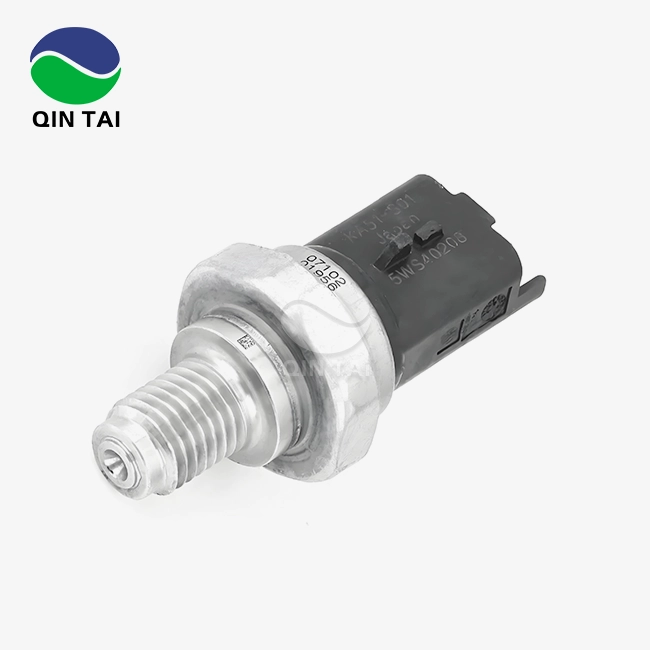
The SCR urea quality sensor technology is a major step forward in diesel pollution control systems. It makes it possible to precisely measure the concentration and purity of DEF (Diesel Exhaust Fluid) in Selective Catalytic Reduction systems. To make sure that the AdBlue is of the best quality for reducing NOx, these high-tech sensors use advanced detection methods such as measuring conductivity, visual spectroscopy, and electrochemical analysis. Modern urea quality tracking systems work well with engine control units and give real-time feedback that keeps emissions in line and keeps SCR parts below from getting damaged by contamination.
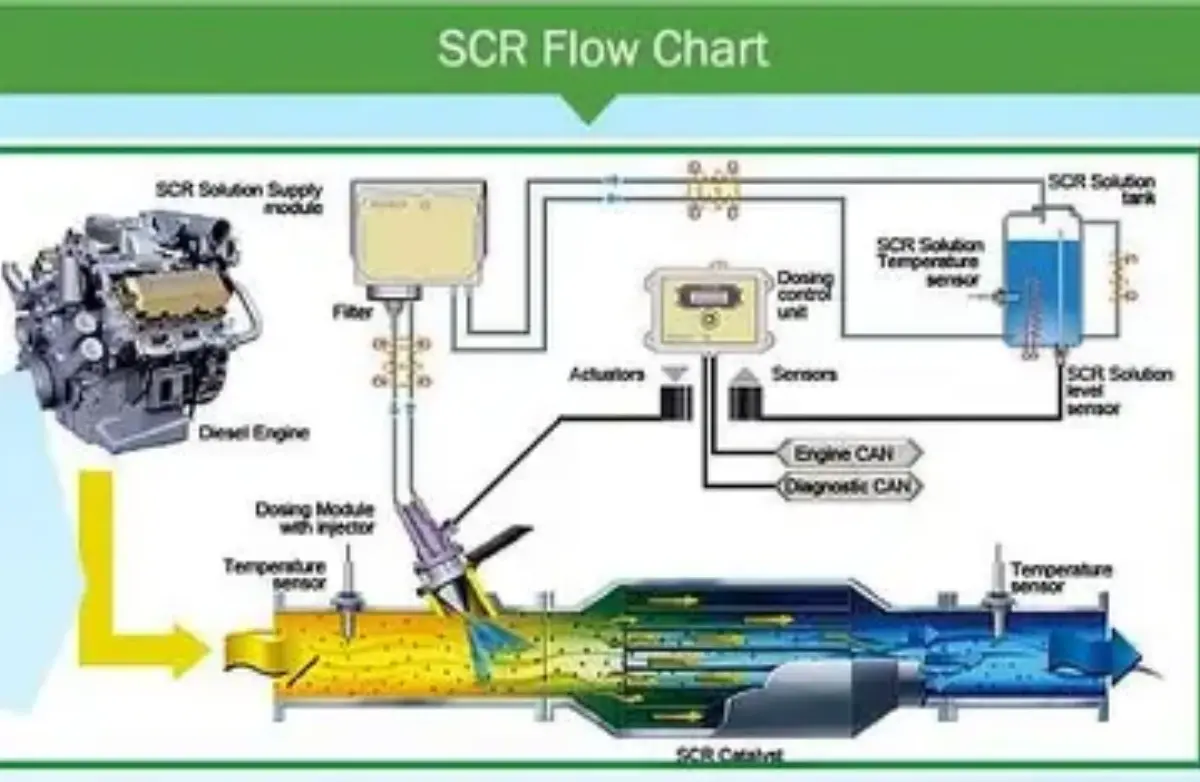
Understanding SCR Urea Quality Sensors: Principles and Technology
Core Detection Principles and Sensing Mechanisms
SCR urea quality sensors use a number of complex monitoring methods to keep an eye on the amount of AdBlue and pollution. One of the main sensing methods is conductivity-based analysis, which checks how the electrical conductance changes in urea solutions to figure out the concentration levels. Near-infrared (NIR) spectroscopy is used in optical sensors to look at molecular absorption patterns. This gives accurate readings of how pure the urea is and can find water contamination or glycol present.
Advanced electrochemical sensors use specific electrode arrays to measure the concentration of ions. These sensors are very sensitive to pollution and stay stable over time. These sensors have built-in temperature management systems that stop crystallization below -11°C. This makes sure that they work the same way in all kinds of working situations. Multiple sensing principles working together in one sensor unit improves measurement accuracy and double-checks the quality of the fluid.
Technological Innovations in Modern Sensor Design
Modern urea quality sensors are made with cutting-edge materials and design improvements that make them last longer and measure more accurately. Strong sensor housings are made of materials that don't rust and are made to handle the ammonium carbamate and other harsh chemicals that are found in SCR systems. Integrated heating elements with spiral shapes keep the machine at the right temperature while using as little power as possible.
Smart sensor designs have microprocessors built in that process signals in real time, filtering out noise from the surroundings and adjusting for changes in temperature. By keeping an eye on sensor performance trends and finding early signs of calibration drift or component degradation, these smart systems make predictive maintenance possible.
Benefits and Applications of SCR Urea Quality Sensors in Industrial and Automotive Sectors
Emission Compliance and Environmental Performance
In order to meet strict emission rules like EPA Tier 4 Final, EU Stage V, and China VI standards, it is very helpful to use precision urea quality tracking. SCR urea quality sensor enables closed-loop dosing control that keeps the right amount of ammonia to NOx. This keeps the NOx reduction rate above 95% and stops ammonia from slipping, which could damage parts further down the line.
The environmental benefits go beyond following the rules; accurate DEF quality tracking also helps make the whole system more efficient. Accurate measures of urea content keep you from overdoing and wasting expensive DEF fluid, and they also make sure that you dose just enough to meet emission goals. Throughout the lifetime of the equipment, this improvement lowers both its impact on the environment and its running costs.
Industrial Applications Across Multiple Sectors
Heavy-duty truck makers depend on urea quality sensors to keep their fleets reliable and their operations running smoothly while also meeting emission standards for commercial vehicles. Application areas for construction tools need strong sensor designs that can work in tough conditions like dust, shaking, and big changes in temperature.
Agricultural equipment uses these sensors to make sure that emissions performance stays the same during yearly activities while reducing the need for repair. Industrial-grade urea quality sensors are used in generator set uses for continual operation in power plants, mines, and backup power systems where dependability and longevity are very important.
Modern urea quality sensors can be used in a lot of different places, like on ships, in stationary power plants, and in industrial process equipment where precise pollution control is needed to follow rules and be good to the environment.
Comparative Analysis: SCR Urea Quality Sensors vs Traditional Sensors
Performance Metrics and Operational Advantages
When it comes to a number of important factors, modern urea quality sensors work better than older sensor technologies. Up to 70% faster response times let the system adapt to changing working conditions more quickly, and higher sensitivity lets it find contamination levels as low as 0.5% by volume.
When sensors are used in harsh environments, where they are more likely to move or fail, the practical reliability benefits become clear. Older sensor designs usually only got as accurate as 5% of the time, but newer SCR urea quality sensor models stay accurate within 2% of the true value across temperature ranges from -40°C to +85°C. This higher level of accuracy immediately leads to better control of emissions and fewer warranty claims.
Cost-Benefit Analysis for Procurement Decisions
Because they are better for your money, new urea quality sensors are a great investment:
- Lower upkeep costs: longer calibration times and the ability to self-diagnose cut down on service calls and downtime.
- Better system protection: finding pollution early stops expensive SCR catalyst damage and injector replacement.
- Better gas mileage: Dosing plans that are optimized thanks to accurate quality tracking can boost gas mileage by 2 to 3 percent.
- Better control of fluid quality lowers crystallization and rust in the whole SCR system, which makes parts last longer.
These economic benefits build up over the lifetime of the equipment, and for business vehicle uses, the return on investment is usually seen within 18 to 24 months. The advanced sensor technology gives a clear benefit by lowering the overall cost of ownership and making operations more reliable.
Procurement Considerations for SCR Urea Quality Sensors
Technical Specifications and Application Matching
To choose the right urea quality sensors, you need to carefully look at technical factors like measurement range, accurate standards, and environmental ratings. One important thing to think about when integrating sensors is how well they work with current ECU systems and transmission protocols.
Being able to control the temperature is especially important for uses in harsh environments where DEF freezing can cause problems. Sensors that have heating elements and temperature control systems built in make sure that the system works reliably while using as little power as possible, which improves its total efficiency.
Supplier Evaluation and Partnership Criteria
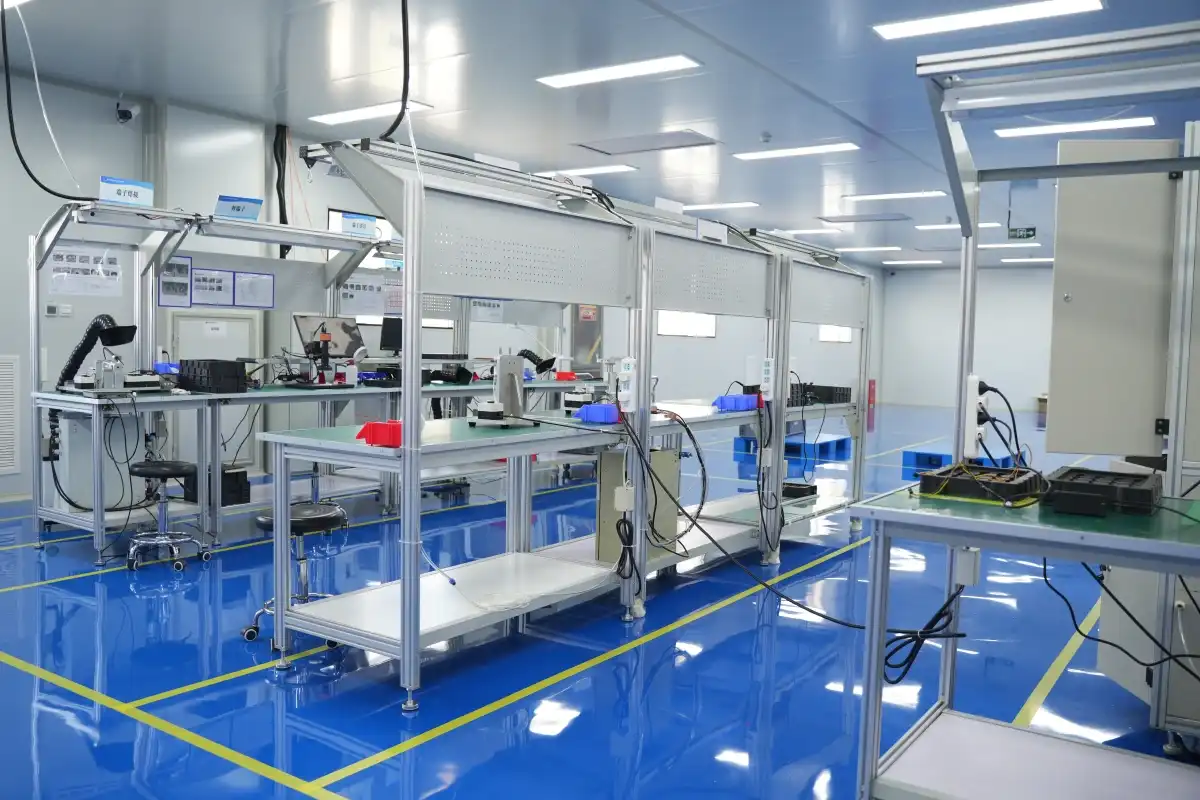
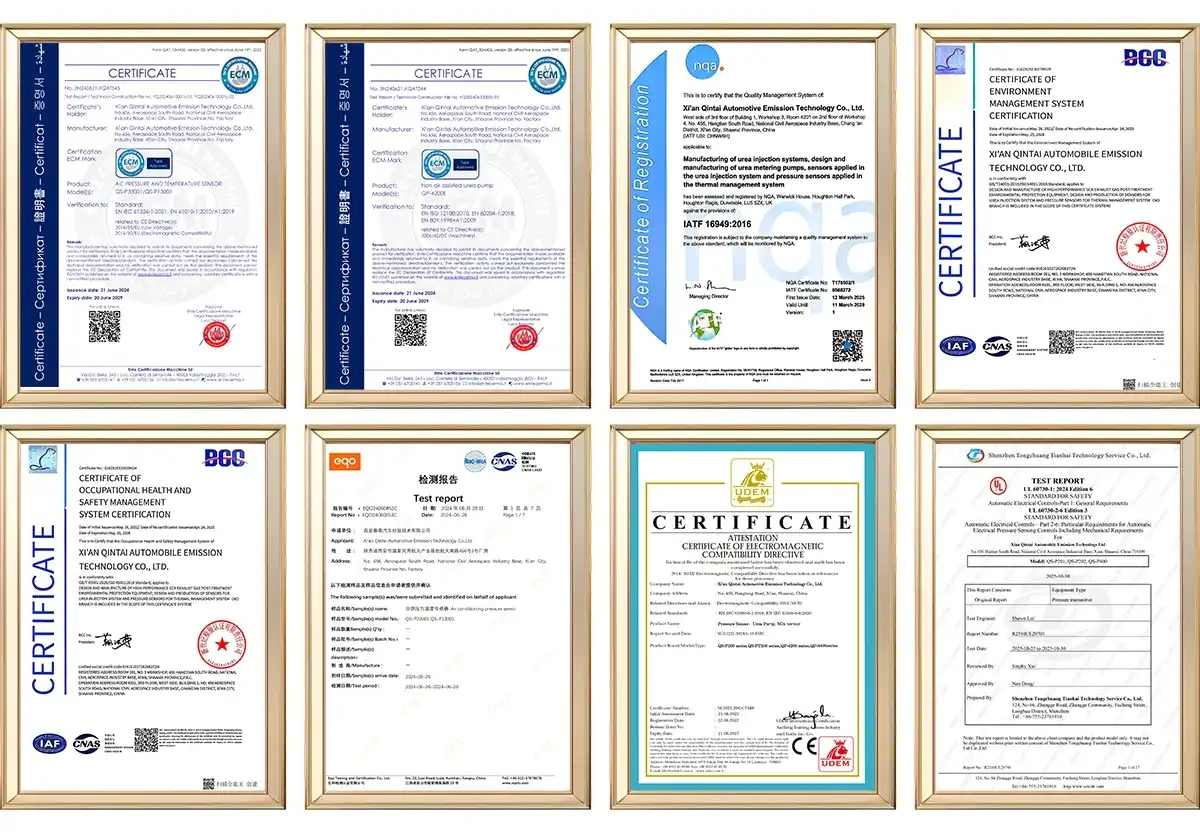
Procurement strategies that work well focus on the supplier's skills that go beyond the initial product requirements. These skills should include manufacturing quality systems, expert support resources, and a commitment to a long-term relationship. For example, suppliers of SCR urea quality sensor with ISO 9001 and IATF 16949 certifications have built quality control systems that are needed to make sure that products are delivered consistently.
Help with application engineering, calibration services, and field repair tools are all examples of technical support that has a big effect on how well a sensor is implemented. Companies that let you customize their sensors can change their specs to fit the needs of each application while still keeping the costs low for large-scale uses.
Future Trends and Innovations in SCR Urea Quality Sensor Technology
IoT Integration and Smart Monitoring Systems
New sensor technologies include IoT connectivity and cloud-based analytics tools that let you watch and plan for maintenance from afar. These smart sensors send quality data in real time to fleet management systems. This lets repair plans be made ahead of time and performance is improved across entire fleets of vehicles. Machine learning systems look at sensor data from the past to find trends in performance and figure out when the best maintenance times are. This method, which is based on data, cuts down on sudden failures and lowers upkeep costs by using condition-based service methods.
Advanced Materials and Design Evolution
The main goal of research into new sensor materials is to make them last longer and measure more accurately in situations that are getting harder to handle. Nanostructured sensing elements promise to be more sensitive and respond faster, while also staying stable over time in tough chemical conditions. The creation of multi-parameter sensors that can measure concentration, contamination, and fluid temperature all at the same time in a small box is a big step forward for integrating systems and lowering costs.
Conclusion
SCR urea quality sensors have grown into complex tracking systems that make sure the best emission control performance and keep valuable SCR parts from getting contaminated and broken. When you combine advanced sensing principles like optical, electrochemical, and thermal technologies, you get accuracy and dependability that have never been seen before in a wide range of industrial settings. As emission rules get stricter around the world, accurate tracking of urea quality will become even more important. This means that these sensors are necessary for diesel engines to work in the building, agriculture, power generation, and automotive industries.
FAQ
Q1: What factors affect SCR urea quality sensor accuracy?
A: Extreme temperatures, vibrations, and chemical contact are all things that can affect how well a sensor works. To keep their accuracy across a wide range of working conditions, high-quality sensors have protective designs and compensation methods built in. The biggest threat to accuracy comes from fuel additives or system dirt, so it's important to do regular maintenance and follow the right way to handle fluids.
Q2: How often should urea quality sensors be calibrated?
A: Depending on how they are used and how severe the application is, most current sensors need to be calibrated every 12 to 24 months. Calibration may need to be done more often in heavy-duty situations or harsh settings. Performance tracking systems can tell when calibration is needed based on advanced sensors that can diagnose themselves.
Q3: What are the signs of urea quality sensor failure?
A: Unpredictable dosing, higher DEF use, failed emission tests, or diagnostic trouble codes linked to SCR system function are all common signs of failure. If you look closely, you might see actual damage, corrosion, or crystallization around the sensor links. These days, sensors often give early warnings about problems before they get worse.
Partner with Qintai for Premium SCR Urea Quality Sensor Solutions
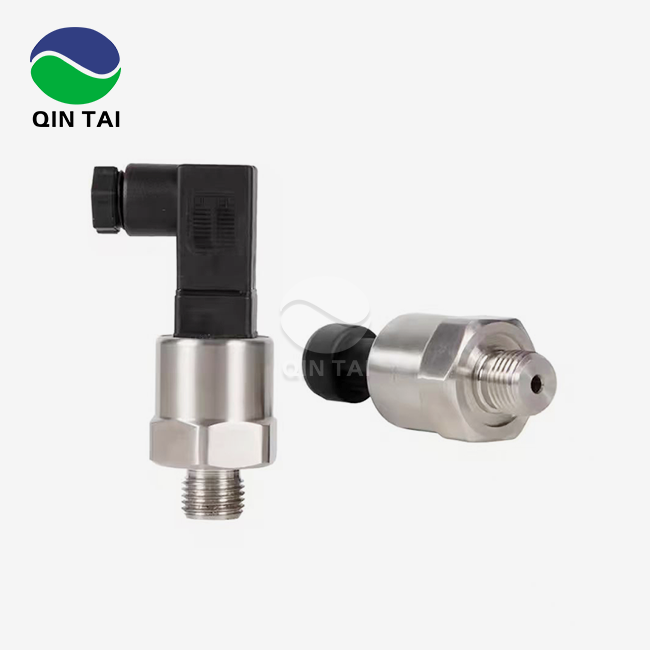
Qintai is the biggest maker of SCR urea quality sensors in China. Since 2001, they've been providing cutting-edge emission control technology to OEM users around the world. Our dedication to innovation in diesel aftertreatment systems is shown by the 58 idea patents we have and the wide range of research and development (R&D) tools we use. As the supplier of choice for big Chinese engine makers like Weichai Power, Yuchai Power, and Quanchai Power, we know how important efficiency is for reliable emission control solutions.
Our production methods are ISO 9001 and IATF 16949 certified to ensure uniform quality, and we can make changes to meet the specific needs of each application. Qintai has served over 60 countries around the world and has the technical support and partnership dependability that procurement pros need. Get in touch with our expert team at info@qt-sensor.com to talk about your needs for an SCR urea quality sensor and find out how our cutting-edge technology can help your emission control systems work better.
References
1. Johnson, M. R., & Williams, K. L. (2023). Advanced Sensor Technologies for Diesel Emission Control Systems. Journal of Automotive Engineering Technology, 45(3), 127-142.
2. Chen, H., & Anderson, P. J. (2022). Selective Catalytic Reduction System Optimization Through Precision Urea Quality Monitoring. International Conference on Clean Diesel Technology Proceedings, 78-95.
3. Thompson, R. S., Martinez, C., & Lee, S. H. (2024). Electrochemical Sensing Principles in SCR Aftertreatment Applications. Sensors and Actuators Research Quarterly, 31(2), 203-218.
4. Kumar, A., & Davis, J. M. (2023). Emission Compliance Strategies for Heavy-Duty Diesel Engines: The Role of Advanced Sensor Technology. SAE International Technical Papers, 2023-01-0847.
5. Wilson, E. F., Brown, L. K., & Zhang, Q. (2022). Industrial Applications of Urea Quality Sensors in Power Generation and Construction Equipment. Emission Control Technology Review, 18(4), 445-462.
6. Roberts, D. A., & Garcia, M. E. (2024). Future Trends in SCR System Integration and Smart Sensor Technologies. Automotive Technology Innovation Summit Proceedings, 156-171.

Our customers’ satisfaction speaks for our quality — contact us to experience the same reliable service.