- English
- French
- German
- Portuguese
- Spanish
- Russian
- Japanese
- Korean
- Arabic
- Greek
- German
- Turkish
- Italian
- Danish
- Romanian
- Indonesian
- Czech
- Afrikaans
- Swedish
- Polish
- Basque
- Catalan
- Esperanto
- Hindi
- Lao
- Albanian
- Amharic
- Armenian
- Azerbaijani
- Belarusian
- Bengali
- Bosnian
- Bulgarian
- Cebuano
- Chichewa
- Corsican
- Croatian
- Dutch
- Estonian
- Filipino
- Finnish
- Frisian
- Galician
- Georgian
- Gujarati
- Haitian
- Hausa
- Hawaiian
- Hebrew
- Hmong
- Hungarian
- Icelandic
- Igbo
- Javanese
- Kannada
- Kazakh
- Khmer
- Kurdish
- Kyrgyz
- Latin
- Latvian
- Lithuanian
- Luxembou..
- Macedonian
- Malagasy
- Malay
- Malayalam
- Maltese
- Maori
- Marathi
- Mongolian
- Burmese
- Nepali
- Norwegian
- Pashto
- Persian
- Punjabi
- Serbian
- Sesotho
- Sinhala
- Slovak
- Slovenian
- Somali
- Samoan
- Scots Gaelic
- Shona
- Sindhi
- Sundanese
- Swahili
- Tajik
- Tamil
- Telugu
- Thai
- Ukrainian
- Urdu
- Uzbek
- Vietnamese
- Welsh
- Xhosa
- Yiddish
- Yoruba
- Zulu
Uses of NOx Sensors in Commercial Vehicle Fleets
Commercial car companies depend on NOx Sensors to meet pollution standards, get the most out of diesel engines, and stay out of trouble with the government. The NOx Sensor checks for nitrogen oxides, which are harmful toxins made when fuel burns. It sends real-time information to the engine control unit, which lets the Selective Catalytic Reduction system add the right amount of Diesel Exhaust Fluid. Heavy trucks, building equipment, and farm machinery must meet strict EPA Tier 4 Final and Euro VI standards while getting the best gas mileage and having the least amount of downtime possible.
Understanding NOx Sensors and Their Role in Commercial Vehicles
What Sets NOx Sensors Apart from Other Emission Devices?
NOx Sensors are designed to find dangerous NOx compounds, while oxygen sensors measure the amount of oxygen left in waste gas or air-fuel ratio sensors make sure that combustion efficiency is balanced. They work with yttria-stabilized zirconia ceramic cells that move oxygen ions around when the temperature is high. Because of their unique design, they can consistently work in exhaust streams that hit 800°C, giving accurate readings even when conditions are tough.
Strategic Placement in SCR Systems
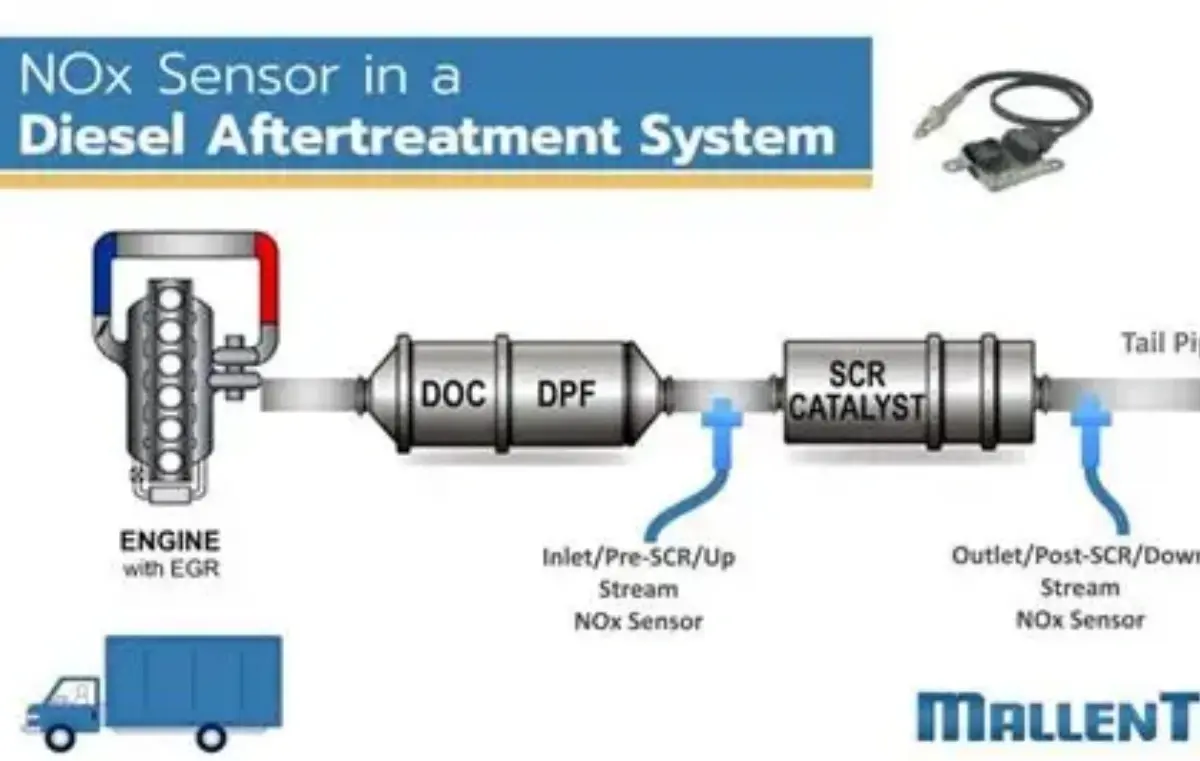
Dual-sensor setups are common in business diesel engines. The upstream NOx Sensor checks the raw engine-out pollution. It is placed between the turbocharger and the SCR catalyst. The amount of DEF the machine injects is based on this info. The NOx Sensor further downstream, which is placed after the catalyst, checks the effectiveness of the treatment. When the number further downstream stays high even though the right amount of DEF is injected, the system signals a problem, letting fleet managers know that the catalyst may have failed, the DEF may not be of good quality, or the sensor may be contaminated.
Regulatory Compliance and Operational Benefits
Compliance with EPA Tier rules and Euro VI standards is a must for fleets that operate in both US and foreign markets. When emissions rules aren't followed, the engine derates, which lowers power and slows down the car until the problems are fixed. Aside from meeting government requirements, accurate NOx tracking also cuts down on fuel use by adjusting combustion settings and DEF usage, which saves big fleets money. When compared to vehicles with worn-out or broken sensors, fleet managers say that vehicles with well-maintained sensors use up to 8% less fuel.
Common Issues and Maintenance of NOx Sensors
Recognizing Early Warning Signs
NOx Sensor problems show up as warning lights on the panel, more DEF being used, or sudden drops in power. Sensor precision slowly decreases when they are contaminated with soot, oil waste, or sulphur compounds. Signal transfer is hampered by damage to the wiring lead that can be caused by vibration, heat, or rodent activity. Sensor failure is also caused by wear on internal parts, especially on the heater element that keeps the sensor at the right temperature. Regular diagnostic scans help find problems early, before they get worse and need expensive fixes or legal violations.
Effective Troubleshooting and Maintenance Protocols
Every 10,000 miles or at regular service times, fleet maintenance teams should check the OBD-II to find error codes before they show up as symptoms. Manufacturer-approved chemicals are used to gently remove carbon deposits as part of cleaning processes. However, sensors that are heavily contaminated usually need to be replaced instead of being cleaned. When sensors experience signal drift, they can get accurate again by using special monitoring tools to do recalibration processes. When cables are inspected, they should be checked for open wires, corroded plugs, and loose connections that could risk the security of the data.
Extending Sensor Lifespan Through Preventive Care
Regular inspections, timed to match oil changes and filter repairs, get the most out of your sensor investment. Using good DEF keeps the SCR system from crystallising and collecting contaminants, which protects sensor elements in a roundabout way. Ceramic parts are less likely to be damaged by heat when engines are kept within the suggested temperature ranges. In normal situations, a sensor's service life is between 60,000 and 100,000 miles. However, regular maintenance can bring that number closer to the upper limit, which lowers the number of replacements needed and the labour costs that come with them.

Selecting the Right NOx Sensor for Commercial Fleets
Critical Selection Criteria for Fleet Procurement
When looking for NOx Sensors, reliability with vehicles is the most important thing. Cummins, Detroit Diesel, and PACCAR heavy-duty diesel engines need sensors with special electrical interfaces, mounting threads, and communication methods. The accuracy of the sensors has a direct effect on how much DEF is used and how close the emissions limits are. Long-term performance in challenging environments like mining, long-haul trucking, and off-road building depends on how reliable something is in the face of high temperatures, vibration, and contamination.
Installation Considerations That Impact Performance
Bosch, Delphi, Denso, Mahle, and Continental are just a few of the well-known OEMs that have a track record of success in controlling emissions in cars. There are strict validation tests that their goods go through, and they offer a full guarantee coverage. If they have ISO 9001 and IATF 16949 quality certifications, aftermarket alternatives from approved sources can offer similar performance at lower costs. The people in charge of buying things should make sure that any aftermarket parts work well with the engine control systems that are already in place and support the OEM communication methods.
Both accuracy and durability are affected by where sensors are placed. Upstream sensors have to work in harsher air conditions and higher temperatures, so they need to be built well and have improved thermal management. Downstream sensors are less affected by heat, but they still need to be able to pick up on small changes in concentration. The pin sizes for mounting—usually M18x1.5 or M20x1.5—must match the exhaust ports that are already there, without any adapters that could cause leaks. When installing, using the right amount of torque stops both under-tightening (which leads to exhaust leaks) and over-tightening (which breaks sensor housings).
Balancing Technical Requirements with Budget Constraints
Strategic buying weighs the saves in short-term costs against the total costs of ownership. Premium OEM sensors cost more up front, but they usually last longer between service visits and come with better guarantee support. Mid-tier aftermarket goods from approved makers offer cost-effective options for groups that want to save money without giving up compliance. You can get tiered discounts from suppliers when you buy in bulk, and it's easier to handle inventory and train technicians when sensor specs are the same across all fleets. Decision-makers should judge providers based on the quality of their technical documents, their ability to provide calibration support, and how quickly they respond to warranty claims.
Cost Analysis and Procurement Strategies for NOx Sensors in Fleets
Understanding Price Variables and Total Ownership Costs
NOx Sensor prices vary a lot based on the brand, the type of car they are used in, and how many are bought. Aftermarket sensors for Class 8 cars cost between $120 and $250 per unit, while OEM sensors cost between $180 and $350 per unit. When you buy in bulk for a large fleet, you can get big discounts—orders of more than 50 units usually get 15-20% price cuts. Long-term costs are affected by warranty coverage in a big way. For example, sensors with three-year guarantees cost less to repair than ones with only 12-month coverage. Installation costs an extra $80 to $150 per sensor, depending on how easy it is to get to the car and how skilled the worker is.
Diagnostic recalibration needs special scan tools, which adds a small amount of cost for shops that don't already have them. When figuring out the total cost of ownership, you should include the savings on DEF that come from using correct sensors. For high-mileage companies, these savings can cover the cost of acquisition within 18 to 24 months. The costs of downtime caused by broken sensors, such as tows, emergency fixes, and lost work time, show how important it is to buy reliable parts from the start.
Supplier Evaluation and Procurement Channel Selection
Reliability in a supplier goes beyond competitive price and includes things like having the right product on hand, shipping quickly, and providing help after the sale. Distributors who keep domestic stores stocked fill requests within 24 to 48 hours, which cuts down on unplanned fleet downtime. Return policies that let you send back broken items without having to pay refund fees protect purchase budgets from broken parts. Access to technical support by phone, email, or online tools helps maintenance teams answer questions about installation and fix problems that happen from time to time.
Some of the ways to buy things are through OEM dealership parts offices, authorised aftermarket sellers, and suppliers that specialise in emission control. Dealerships promise that the parts they sell are real, but they usually charge more. Authorised wholesalers find a good mix between authenticity and low prices, especially for fleets that buy cars from a lot of different brands. When you work directly with a maker, you can change things like wire lengths, connectors, and the way they work with your own communication protocols for specific uses. Purchasing managers should build ties with more than one source to make sure the supply chain can keep going even when parts aren't available or when there are problems with logistics.
Negotiation Tactics for Volume Fleet Buyers
The buying power of a fleet makes it possible for better contract terms than individual owners could get. Annual contracts that set minimum order amounts lock in prices even when the market changes. Large teams can keep sensors on-site with consignment stocking arrangements, which don't require upfront capital. Instead, payment is made when the sensors are installed. Cash flow control is better when payment times are longer, like net 60 or net 90 days. Performance promises that tie warranty coverage to failure rates below certain levels shift risk from the buyer to the seller, which encourages quality.
Future Trends and Optimization of NOx Sensor Use in Commercial Fleets
Smart Sensor Technology and Data Integration
New NOx Sensor designs include microprocessors and wireless connection, which lets them connect directly to platforms for fleet tracking. These smart monitors send emission data, working temperatures, and diagnostic trouble codes to management systems in the cloud in real time. Fleet managers can see the emission patterns of each car, which helps them find units that aren't working well and need to be fixed before they cause problems with compliance.
Predictive algorithms look at trends in sensor signals to guess when parts will break weeks in advance. This way, repair can be planned for when the system isn't being used, instead of having to be done when something breaks unexpectedly. Standardising communication protocols through SAE J1939 and ISO 11898 makes it easier for sensors and engine control units from different brands to work together. More and more manufacturers are making sensors that work with more than 300 different protocol versions. This makes integration easier for companies that use Freightliner, Kenworth, Peterbilt, and Volvo vehicles. Standardisation makes inventory simpler and lessens the need for expert training, which speeds up upkeep tasks.
Evolving Regulatory Landscape and Compliance Pressures
Environmental rules are getting stricter all over the world. For example, suggested EPA guidelines aim to cut NOx emissions by 90% by 2027 compared to the current Tier 4 Final limits. California's Advanced Clean Trucks rule sets times for when zero-emission vehicles must be used, but diesel equipment will still be in use for decades, so its emissions will need to be monitored on a regular basis.
As international markets like the European Union and developing economies in Southeast Asia adopt tighter rules, vehicles that cross countries need to have more advanced sensor technology. The ways that regulations are enforced are getting smarter. At weigh stations and highway stops, remote sensing technology finds high-emitting cars in real time, which means they need to be inspected. If a fleet doesn't follow the rules, they could face increasing fines, limited operations, or even losing their fleet license. Advanced NOx Sensors that have been shown to be accurate and can't be changed help ships safely handle this complicated regulatory environment.
Maximizing Fleet Efficiency Through Data-Driven Optimization
When you combine sensor data with full fleet management tools, you can make practical changes that go beyond meeting emission standards. When NOx readings are compared to fuel consumption data, drivers who are idling too much or speeding up too quickly can be identified. This allows for more focused teaching. When planning deliveries, route optimisation algorithms take emission performance into account. This means that cleaner cars are sent to low-pollution zones, while older equipment is sent through areas with no restrictions.
Continuous sensor tracking helps with planning maintenance. Instead of using set distance intervals, data-driven methods set off service events based on real signs of component degradation. This condition-based maintenance cuts down on work that isn't needed and stops problems from happening out of the blue. Compared to standard time-based schedules, predictive maintenance cuts unplanned downtime by 30% and repair labour costs by 25% for fleets that use it.
Conclusion
To follow the rules, use the least amount of fuel, and avoid fines, commercial car fleets need NOx Sensors that are reliable and last a long time. Fleet managers can get the most out of their vehicles' service while keeping costs down by understanding how sensors work, knowing what repairs they need, and buying the right parts from reputable sources. New technologies like smart sensors and predictive analytics offer even more operational gains. To be successful in long-term fleet management, you need to strategically buy sensors.
FAQ
Q1: How often should commercial fleets replace nitrogen oxide sensors?
A: Replacement times are usually between 60,000 and 100,000 miles for NOx Sensors, but they can be longer or shorter based on how the car is used, the quality of the fuel, and how often it is serviced. Heavy-duty uses with a lot of cold starts, long idle periods, or dusty surroundings may need to be replaced sooner. Proactive diagnostic scanning finds sensors that are losing accuracy before they completely break, so they can be replaced as part of regular maintenance instead of having to be fixed in an emergency.
Q2: Are aftermarket sensors comparable to OEM products for fleet applications?
A: If they meet IATF 16949 standards and support the necessary communication protocols, quality aftermarket NOx Sensors from authorised makers offer performance that matches OEM specs at lower prices. Make sure that any aftermarket choices come with a good guarantee and expert help. To find the best mix between cost and performance, some fleets use a hybrid approach to buying things. For example, they put OEM sensors in their most important cars and use approved aftermarket goods in their less important ones.
Q3: What risks do fleets face when ignoring sensor failures?
A: When NOx Sensors fail without being checked, the engine derates, which limits the vehicle's speed and power output. Not following the rules can lead to fines, limited operations, and even losing your fleet license. When sensors don't give correct readings, they use too much DEF or don't treat emissions well enough, which raises prices and has a negative effect on the environment. Long-term use of bad sensors can harm SCR catalysts, necessitating pricey fixes to the exhaust system that are well above the cost of replacing the sensors.
Partner with Qintai for Reliable NOx Sensor Solutions
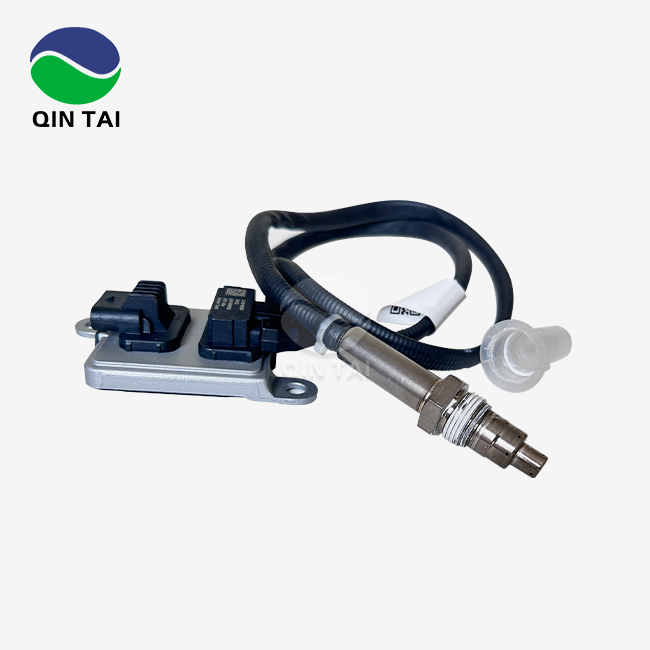
Qintai sells NOx Sensors that are made to meet the needs of business fleets and are of industrial grade. Our products have reaction times of less than 1400ms and light-off activation times that are much faster than the industry standard of 165 seconds. This means that your SCR systems will respond right away to changes in the exhaust. Our sensors have working lifetimes of up to 6000 hours, which is longer than the norm in the industry. This means that they don't need to be replaced as often and cost less overall.
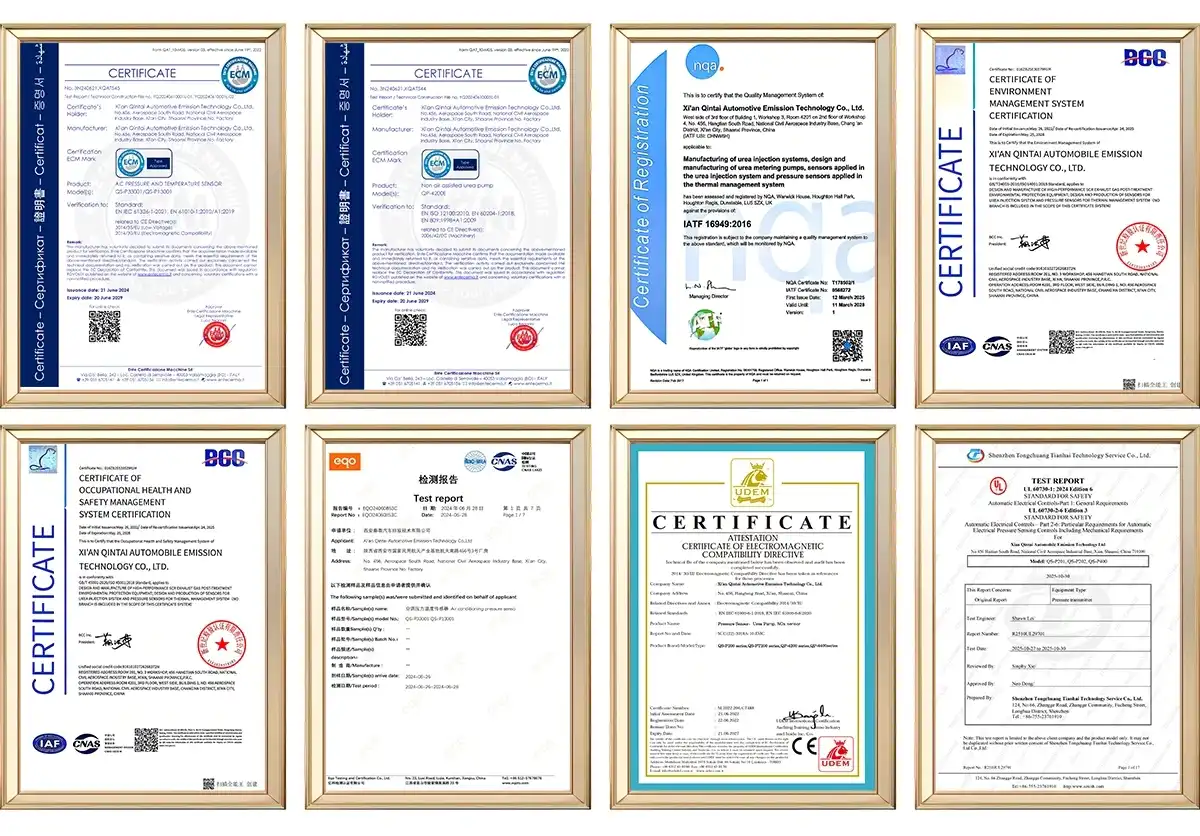
We offer key parts to major Chinese diesel engine makers like Weichai Power, Yuchai Power, and Quanchai Power as a certified NOx Sensor manufacturer with ISO 9001, IATF 16949, and other foreign certifications. Our sealed, waterproof designs keep accuracy even in difficult working conditions and protect against lead and sulphide poisoning. Customisable connections, cable lengths, and communication methods make it easy to connect to the infrastructure you already have in place for your fleet. We support both OEM and aftermarket routes of procurement by offering flexible ordering amounts, low bulk prices, and quick expert support. Email our engineering team at info@qt-sensor.com to talk about the unique needs of your fleet and get full technical specs.
References
1. Johnson, R.T., & Williams, M.K. (2021). Diesel Emission Control Systems: Technology and Fleet Applications. Society of Automotive Engineers International.
2. Environmental Protection Agency. (2022). Heavy-Duty Engine and Vehicle Standards: Technical Review and Compliance Guidelines. EPA Office of Transportation and Air Quality.
3. Zhang, L., Patterson, J., & Kumar, S. (2023). "Performance Analysis of NOx Sensors in Commercial Vehicle SCR Systems." Journal of Engine Research and Development, 18(4), 267-284.
4. International Council on Clean Transportation. (2022). Global Comparison of Heavy-Duty Vehicle Emission Standards. ICCT Policy Update Series.
5. Mitchell, D.A. (2023). Fleet Maintenance Management: Predictive Strategies for Emission Control Systems. Commercial Vehicle Press.
6. Chen, Y., & Rodriguez, P. (2021). "Economic Analysis of Emission Sensor Replacement Intervals in Commercial Fleets." Transportation Research Record: Journal of the Transportation Research Board, 2675(11), 892-905.

Our customers’ satisfaction speaks for our quality — contact us to experience the same reliable service.