- English
- French
- German
- Portuguese
- Spanish
- Russian
- Japanese
- Korean
- Arabic
- Greek
- German
- Turkish
- Italian
- Danish
- Romanian
- Indonesian
- Czech
- Afrikaans
- Swedish
- Polish
- Basque
- Catalan
- Esperanto
- Hindi
- Lao
- Albanian
- Amharic
- Armenian
- Azerbaijani
- Belarusian
- Bengali
- Bosnian
- Bulgarian
- Cebuano
- Chichewa
- Corsican
- Croatian
- Dutch
- Estonian
- Filipino
- Finnish
- Frisian
- Galician
- Georgian
- Gujarati
- Haitian
- Hausa
- Hawaiian
- Hebrew
- Hmong
- Hungarian
- Icelandic
- Igbo
- Javanese
- Kannada
- Kazakh
- Khmer
- Kurdish
- Kyrgyz
- Latin
- Latvian
- Lithuanian
- Luxembou..
- Macedonian
- Malagasy
- Malay
- Malayalam
- Maltese
- Maori
- Marathi
- Mongolian
- Burmese
- Nepali
- Norwegian
- Pashto
- Persian
- Punjabi
- Serbian
- Sesotho
- Sinhala
- Slovak
- Slovenian
- Somali
- Samoan
- Scots Gaelic
- Shona
- Sindhi
- Sundanese
- Swahili
- Tajik
- Tamil
- Telugu
- Thai
- Ukrainian
- Urdu
- Uzbek
- Vietnamese
- Welsh
- Xhosa
- Yiddish
- Yoruba
- Zulu
Upstream vs Downstream NOx Sensors: What's Different?
Upstream and downstream NOx Sensors are different in where they are placed and what they do in diesel emission control systems. Before the Selective Catalytic Reduction (SCR) catalyst, there is an upstream NOx Sensor that measures the raw nitrogen oxide fumes coming out of the engine. This helps the computer figure out the exact amount of Diesel Exhaust Fluid (DEF) to pump. The sensor further downstream, which is after the SCR catalyst, checks the treated exhaust to make sure the catalyst is working properly and the system is following the rules. Both sensors use zirconia ceramic technology, but they work in a range of temperatures and with different levels of contamination. This means that they need different reliability requirements to keep giving accurate emission readings for the whole time they are working.
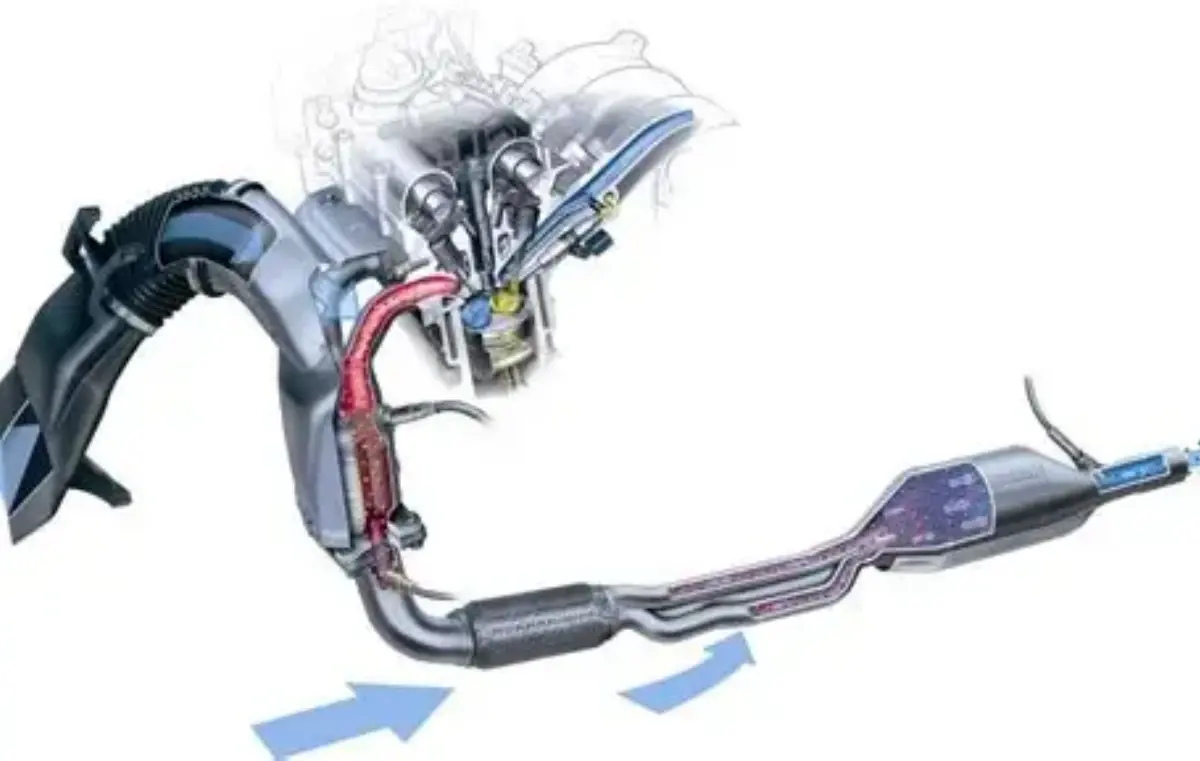
Understanding NOx Sensors: Fundamentals and Functionality
Modern diesel engines are under more and more pressure to meet strict pollution guidelines in the US and other countries, such as the EPA 2010 and Euro VI rules. In order to meet these legal goals and keep the engine running well, NOx Sensors have become necessary parts.
The Core Technology Behind NOx Detection
There is a complex detecting system inside every NOx Sensor that is made up of yttria-stabilized zirconia ceramic parts. When raised to temperatures between 100°C and 800°C, this solid electrode material moves oxygen ions. The sensor has several chambers that control the amount of oxygen in the air before using electrochemical processes to measure the concentration of NOx. An oxygen pump cell raises the amount of oxygen in the first room when exhaust fumes come in. This is done to a set level. The gas then moves into a second room, where NOx molecules are broken down into nitrogen and oxygen ions by a chemical process. The current made during this ion shift is directly related to the amount of NOx, so the Engine Control Unit can get real-time information about emissions.
Strategic Sensor Placement in Emission Systems
Diesel aftertreatment systems usually have two sensor points that work together to make a full tracking loop. The upstream position is close to the turbocharger outlet or right after the Diesel Particulate Filter. It records raw pollution data before any chemicals are used to lower the emissions. Because the sensor is in this position, it is exposed to higher temperatures and amounts of contamination, so it needs to be built with strong materials that are resistant to poisoning. In the spot further downstream, after the SCR catalyst, the sensor works in a cleaner environment with less NOx. This set of two sensors allows closed-loop control, which means that the ECU can keep changing the DEF injection rates based on how well the catalyst is working instead of just looking at the engine's running factors.
Applications Across Heavy-Duty Industries
For regulatory compliance and the best fuel economy, heavy trucks, building equipment, farm machinery, and stationary generator sets all need accurate NOx tracking. When fleet owners are in charge of hundreds of cars, they need sensors that work the same way no matter the load, temperature, or fuel quality. In order to keep repair downtime to a minimum, mining companies that use generator sets in remote areas need sensors that can be serviced more often. Agricultural equipment that works in dirty and dusty places needs sensors that are better at closing and resisting contamination so that they stay accurate during harvest seasons.
Key Differences Between Upstream and Downstream NOx Sensors
When buying managers know the differences in function between sensor places, they can choose the right parts for their needs and their budgets.
Functional Roles and Data Utilization
The upstream NOx Sensor is the main input for the method for controlling emissions. It sends data to the ECU dozens of times per second while measuring the raw NOx output all the time, in a range from 0 to 2500 ppm. These data help the ECU figure out the exact amount of urea to inject, taking into account the engine's speed, load, exhaust temperature, and catalytic efficiency. This sensor basically tells the system "this is the size of the problem," so the aftertreatment system knows how to handle it.
The sensor further downstream acts as a check and diagnosis tool. It checks the amounts of NOx after the catalyst to make sure the SCR system worked as well as it should have, usually 90% or more based on rules. When the sensor further downstream finds high NOx levels, the ECU can figure out what might be wrong, like not enough DEF input, catalyst wear, or problems with the quality of the DEF. This sensor basically tells us "did we solve the problem well?"
Technical Specification Variations
Both devices use zirconia-based technology that is similar, but their specs are different to fit the conditions where they will be used:
Measurement Range and Accuracy: Upstream sensors must correctly measure higher NOx levels, which often go over 1500 ppm when there is a lot of load. Downstream sensors usually pick up much lower amounts, generally less than 500 ppm in systems that are working right. The accuracy of Qintai sensors is ±10 ppm from 0 to 100 ppm and ±10% from 100 to 500 ppm, meeting the needs for accuracy in both ranges. These levels of accuracy make sure that OBD rules, which say that catalyst efficiency decline must be found, are followed.
Response Time Requirements: Upstream sensors need to be able to respond more quickly so that real-time control changes can be made. The Qintai's reaction time of less than 1400ms lets the SCR system respond quickly to changes in exhaust conditions that happen when the engine speeds up or slows down or when the load changes. Since downstream sensors do proof work instead of active control, they can handle a little slower reaction times. The ability to respond quickly is especially useful when working conditions change quickly, which happens a lot in building and farming.
Environmental Exposure and Durability: Upstream sensors have to deal with harsher conditions, such as higher temperatures, more particulate matter, and higher amounts of substances like lead and sulphur that poison catalysts. Qintai solves these problems with advanced poisoning resistance technology that makes sensors last up to 6000 hours, which is a lot longer than the standard in the industry. The sealed waterproof design keeps water out of the internal parts, which is a common way for things to break in places like generator sets that work in wet conditions or on building sites outside.
Startup and Operational Characteristics
Emission compliance is affected by cold-start performance in a big way, especially in the first few minutes of operation, before the catalysts hit their ideal temperature. The light-off times of Qintai sensors are much shorter than the industry standard of 165 seconds. This lets the emission control system start working faster, which lowers emissions at cold starts. This ability to start up quickly is especially useful for machines that start up and stop often, like delivery trucks or building equipment.
For the heater element and signal conditioning circuits to keep working, both sensor spots need a constant power source between 9V and 32V. Each sensor has a built-in control module that handles contact with the ECU using different protocols. Qintai supports more than 300 communication standards to make sure that their products work with a wide range of car platforms and aftertreatment system designs.

Common Issues and Troubleshooting for Upstream and Downstream NOx Sensors
By spotting early signs of NOx Sensor degradation, you can avoid sudden failures that can put equipment out of service and lead to expensive fines from regulators.
Typical Symptoms of Failing Sensors
When an upstream sensor fails, it usually shows up as irregular DEF usage patterns. When too much urea is injected, ammonia slip happens. This is when unburned ammonia leaks out of the tailpipe and gives off a strong, unpleasant smell. Since both ammonia and NOx are made of nitrogen, the sensor further downstream will pick them up as NOx, which will cause trouble codes to be sent. On the other hand, when upstream readings are wrong and there isn't enough DEF input, emissions are high and faults are found quickly by sensors downstream.
Downstream sensor problems often show up as fault codes that won't go away, saying that the SCR's efficiency is below the cutoff, even when the catalyst is working properly. The car could go into derate mode, which would cut its power output to 65% or less and require quick service. Dashboard warning lights come on, and until fixes are finished, some systems won't let the car start up again after it has been turned off.
Root Causes of Sensor Degradation
Exposure to the environment is the main reason why sensors fail early in both situations. Diesel exhaust has small amounts of lead from chemicals in motor oil and sulphur compounds from burning fuel. Over time, these impurities cover the zirconia ceramic parts, making them less sensitive and accuracy. Qintai's advanced poisoning resistance technology uses special coats and element designs to keep this from happening as much as possible. However, engines that aren't well taken care of can still be too exposed for the protection to work properly.
Ceramic elements and connected lines wear out because of the thermal stress that comes from heating and cooling them over and over again. Equipment that works in places with very high or very low temperatures, like generator sets in desert mines or building equipment in the cold, goes through faster thermal cycling. Damage to cables from vibration, wear, or bad fitting causes links to drop out, which leads to false trouble codes and shaky data transfer.
Diagnostic Testing Procedures
Standard diagnostic tools that are available in most repair shops are needed to test potential sensor problems. When you connect an OBD-II scanner, you can get saved fault codes and live data streams that show sensor values in real time. During steady-state operation, compare the upstream and downstream numbers. In healthy systems, the downstream reading should be 90% lower than the upstream reading.
The heater circuit resistance is checked with a multimeter. Depending on the sensor type, this resistance is usually between 2 and 6 ohms. Failures in the heater circuit keep the sensor from hitting the right temperature, which makes it useless. Check the ground and signal wire links to make sure they are still solid. Corroded or loose leads can cause communication problems that look like sensor failures. Check the source voltage at the sensor connector while the engine is running to make sure there is enough power throughout the working range.
A visual check shows that the sensor is broken, has carbon buildup, or is contaminated with water, all of which affect its performance. Heavy particulate layers on upstream sensors could mean that the DPF system isn't working right, letting too much soot pass through. White crystal layers show that the DEF spray is getting blocked by injectors that aren't lined up right. To fix this problem, the injectors need to be moved instead of having to be replaced over and over again.
Procurement Insights: Choosing and Buying the Right NOx Sensor
To find the best balance between quality, compatibility, and cost, you need to carefully look at the skills of the supplier, the product specs, and the needs of the application.
OEM Versus Aftermarket Considerations
Original Equipment Manufacturer (OEM) NOx Sensors usually cost more than other sensors because they promise compatibility and performance. Big companies that make diesel engines buy sensors from well-known companies like Bosch, Delphi, and Denso. These companies have put a lot of money into quality systems and manufacturing processes that are used in cars. These sensors go through a lot of certification tests to make sure they can work in harsh situations for a long time.
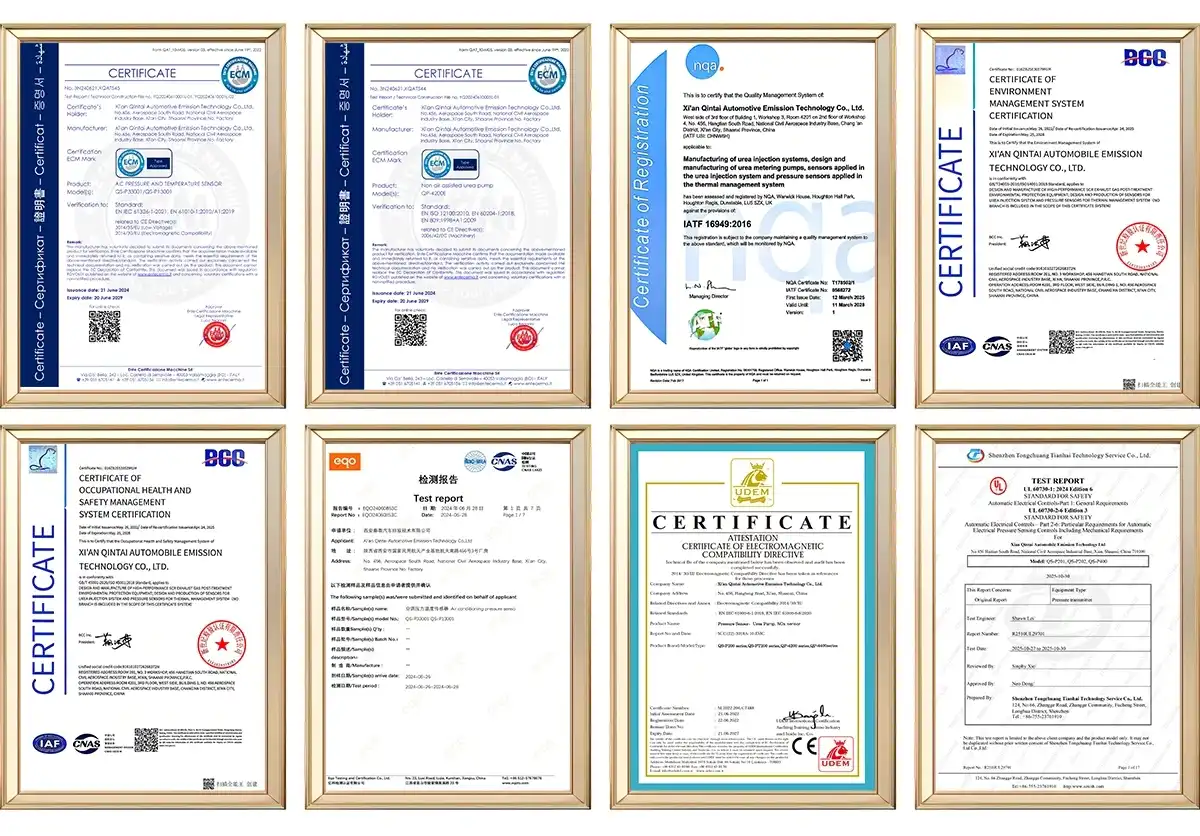
Aftermarket sensors are 30–60% cheaper than OEM sensors, which makes them a good choice for situations where price is important, like replacing a big fleet of older equipment. However, quality changes a lot between aftermarket providers. Some companies, like Qintai, keep their ISO9001 and IATF16949 certifications up to date, run their own research and development labs, and are big sellers to Chinese diesel engine companies like Weichai Power, Yuchai Power, and Quanchai Power. These approved aftermarket providers offer performance that is the same as OEM parts at prices that are reasonable. They are the best mix between price and dependability.
Lower-quality aftermarket sensors that haven't been properly certified and tested often break down too soon, costing more in the long run in repairs, troubleshooting time, and possible regulatory violations. Instead of just comparing the original purchase price, the choice about what to buy should take into account the total cost of ownership, which includes service intervals, warranty coverage, and failure rates.
Compatibility and Customization Requirements
Different makers and model years of modern diesel engines use different mounting and communication arrangements. To successfully integrate sensors, the connector types, cable lengths, thread specs, and transmission methods must all be right for the job. Qintai lets you change the lengths and plugs of cables to fit different application needs, and the company makes sure that their products work with most OEM product connections. This flexibility gets rid of the need for adapters and makes installation easier for repair workers.
Thread sizes range around the world, but M18x1.5 and M20x1.5 are popular ones. Check the mounting measures when you're buying so that there aren't any problems with fitting when you're installing. The temperature rating of the cable must be higher than the ambient temperature where it will be mounted. Qintai's -40°C to 200°C cable rating covers harsh conditions like arctic operations and near-exhaust routes.
Strategic Purchasing and Supplier Relationships
Large buyers should discuss outline agreements that set price, delivery dates, and technical support terms for relationships that last more than one year. Most of the time, volume agreements unlock tiered price discounts and make sure that there is a steady supply for production schedules or maintenance tasks. Set clear standards for quality acceptance and failure rate limits, and make sure there are ways to find the root cause of problems and fix them when they happen.
The terms of the warranty have a big effect on the total cost of ownership. Standard sensor guarantees last between 12 and 24 months, but for certain uses, top providers cover them for 36 months or longer. To avoid conflicts, make sure that the warranty doesn't cover mistakes in installation, contamination, or working state violations. When trying to figure out why a complicated emission system isn't working, quick technical support becomes very important. Suppliers who offer engineering support, diagnostic training, and quick replacement orders add value that goes beyond the price of the product.
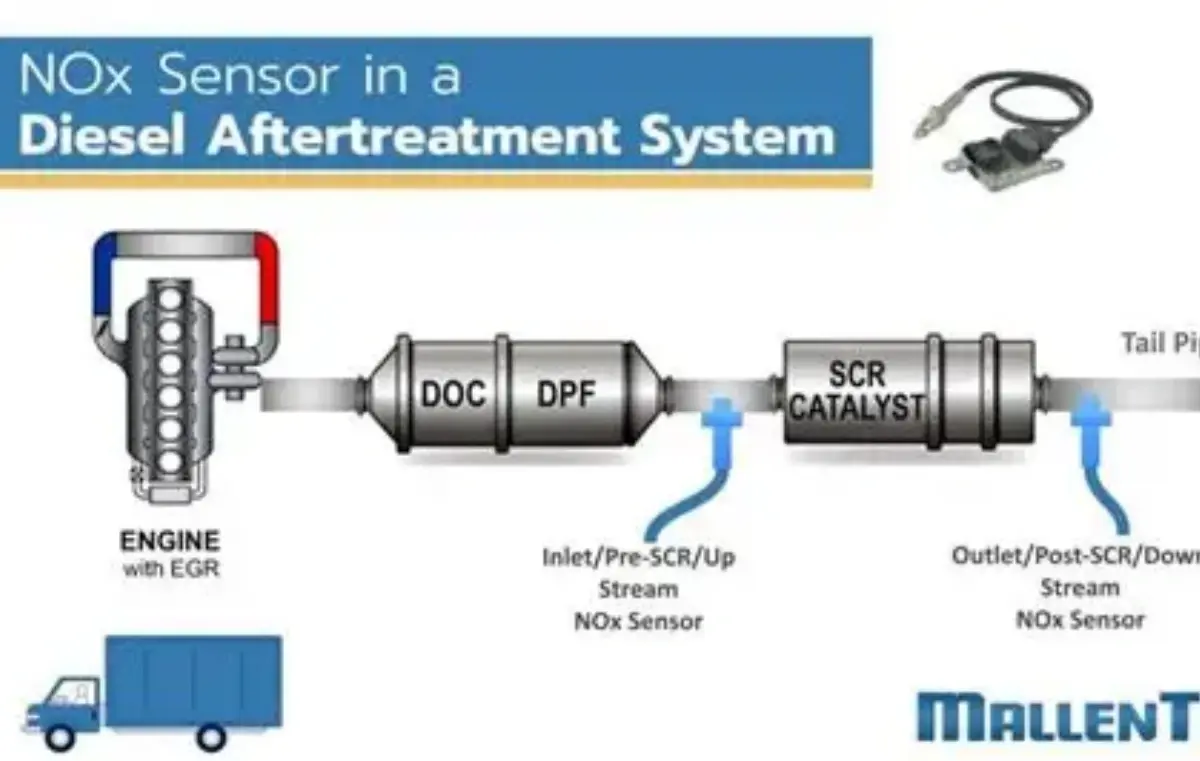
Enhancing Vehicle Emission Control with NOx Sensor Integration
To get the most out of your emission control system, you need to know how NOx Sensor data fits into your general car management plans.
Closed-Loop Control and System Optimization
The two sensors work together to make a closed-loop control system that constantly adjusts the amount of DEF injected based on how well the catalyst is working, not on maps that have already been made. The ECU compares readings from the upstream and downstream parts to figure out the conversion efficiency in real time. It then changes the amount of fuel injected to keep the goal efficiency level even when the working conditions change. This flexible control takes into account changes in fuel quality, catalyst ageing, and atmospheric temperature that would hurt performance in open-loop systems.
Smart programs use patterns in sensor data to plan ahead for repair needs. Gradual rises in the needed DEF input rates show that the catalyst is getting old, so it can be replaced as part of regular maintenance instead of when it breaks down unexpectedly. Sudden drops in efficiency are a sign of serious problems that need to be looked into right away. Problems with the quality of the DEF, clogged injectors, or physical damage to the catalyst from heat shock or contamination are some of the things that could cause these drops.
Operational and Regulatory Risk Management
Sensors that don't work right cause a chain reaction of operating problems that go beyond meeting emission standards. Engine derate modes lower power output by 25–75%, which makes it impossible to get work done quickly, like in building projects or picking crops. Some systems don't let the engine start up again after it has been turned off, which can leave equipment in remote areas or stop important tasks like backup power generation.
Penalties for breaking pollution rules vary from place to place, but in the US, fines for each non-compliant car per day are usually between $2,500 and $37,500 under the Clean Air Act. Fleet workers can be held more responsible if they use equipment that doesn't follow the rules. If they do this on a regular basis, they could even face criminal charges. In order to protect operational stability and regulatory standing, these risks require careful upkeep of sensors and quick reaction to failures.
Emerging Technology Trends
As emission laws get stricter, sensor research is focusing on making them more sensitive, durable, and diagnostically useful. The monitors of the next version can measure more than just NOx. They can also check for ammonia slip and other signs of catalyst performance. Wireless connection standards make wiring easier and allow tracking of sensor health and emission system performance from afar across fleets that are spread out.
Solid-state sensor designs offer longer service lives by getting rid of heater elements that break down easily and lowering the thermal stress on ceramic parts. The contamination problems that current zirconia-based designs have can be fixed by using improved coatings and different sensor materials to make them more resistant to poisoning. With these technology improvements, equipment operators will be able to follow the rules for emissions while also lowering the cost of ownership and the amount of work that needs to be done on their machines.
When building long-term relationships with sellers, procurement managers should look at their R&D skills and patent portfolios. Suppliers that put money into new ideas and own a lot of intellectual property—Qintai has filed for 58 invention patents—show that they are dedicated to being stars in technology and developing new products in the future. This ability to come up with new ideas makes sure that you can use next-generation sensor technology as emission rules change and customer needs grow.
Conclusion
Knowing the different jobs of upstream and downstream NOx Sensors helps you make smart purchasing choices that balance the need for performance, following the rules, and staying within your budget. Upstream sensors provide important input data for controlling emissions in real time, and downstream sensors make sure the system works right and allow for diagnostics. Because of these practical differences, there are technical differences in measurement range, accuracy, response time, and environmental stability. This means that specifications need to be carefully matched to application needs. High-quality sensors from reputable companies like Qintai work reliably because they are resistant to poisons, respond quickly, and last a long time. Strategies for buying things that focus on the total cost of ownership, the technical skills of suppliers, and building long-term relationships get the most out of emission control systems while effectively handling operational and legal risks.
FAQ
Q1: Can I use the same sensor for both upstream and downstream positions?
A: Even though they are often literally interchangeable, position-specific NOx Sensors that are optimised for their working surroundings work better in the long run. Upstream sensors that are better at resisting pollution last longer in high-exposure areas, while downstream sensors that are set for lower concentration ranges work better for verification tasks. Some companies make general sensors, but specialised designs are usually a better deal because they last longer and are more accurate.
Q2: How often should NOx sensors be replaced?
A: Replacement times rely on how the equipment is used, the quality of the fuel, and how often it is serviced. For good sensors like those from Qintai, the normal working life is between 4,000 and 6,000 hours. When used in harsh situations, like with high-sulfur fuel, too much idling, or bad engine upkeep, equipment may need to be replaced more often. Through diagnostic scans, keep an eye on sensor reaction times and accuracy to find signs of wear and tear before they happen.
Q3: What causes false NOx sensor readings?
A: Incorrect results are caused by more than just a broken sensor. Problems with the quality of the DEF, faulty injector tuning, exhaust leaks, and contaminated catalysts can all change the values that are recorded. Upstream sensors can't tell the difference between nitrogen-containing substances, so when too much urea is injected, ammonia slips through and shows up as high NOx. Instead of changing sensors immediately when fault codes show up, the whole emission control system needs to be carefully looked at in order to make a correct diagnosis.
Partner with a Leading NOx Sensor Manufacturer
Qintai offers tried-and-true methods for controlling emissions, backed by more than 20 years of engineering and manufacturing success. Weichai Power, Yuchai Power, and Quanchai Power are some of the biggest diesel engine sensor suppliers in China. Our ISO9001 and IATF16949-certified production sites bring OEM-level quality to the aftermarket around the world. Our NOx Sensors have the best specs in the business. They have response times of less than 1400ms, a service life of 6000 hours, and fast startup technology that works better than other designs. You can change the connectors, wire lengths, and communication methods to make sure they work perfectly with your big trucks, building equipment, farm equipment, or stationary generator sets. Talk to our expert team at info@qt-sensor.com about your NOx Sensor needs and find out how Qintai's cutting-edge sensor technology can help you control emissions better while also lowering your total cost of ownership.
References
1. Johnson, M. (2021). Diesel Emission Control Systems: Technology and Applications. SAE International Publications.
2. Environmental Protection Agency. (2020). Heavy-Duty Engine and Vehicle Standards and Highway Diesel Fuel Sulfur Control Requirements. EPA Technical Report 420-R-20-003.
3. Zhang, L., & Chen, W. (2022). "Advanced NOx Sensor Technology for Heavy-Duty Diesel Applications." International Journal of Automotive Engineering, 13(4), 287-301.
4. Schmidt, R. (2019). Selective Catalytic Reduction Systems: Design, Operation, and Maintenance. Automotive Engineering Publishers.
5. Liu, H., Wang, Y., & Anderson, J. (2023). "Comparative Analysis of Upstream and Downstream NOx Sensor Performance in SCR Systems." Journal of Emission Control Science, 9(2), 156-173.
6. Thompson, D. (2020). Commercial Vehicle Emission Compliance: Technical and Regulatory Perspectives. Transportation Research Institute Publications.

Our customers’ satisfaction speaks for our quality — contact us to experience the same reliable service.