- English
- French
- German
- Portuguese
- Spanish
- Russian
- Japanese
- Korean
- Arabic
- Greek
- German
- Turkish
- Italian
- Danish
- Romanian
- Indonesian
- Czech
- Afrikaans
- Swedish
- Polish
- Basque
- Catalan
- Esperanto
- Hindi
- Lao
- Albanian
- Amharic
- Armenian
- Azerbaijani
- Belarusian
- Bengali
- Bosnian
- Bulgarian
- Cebuano
- Chichewa
- Corsican
- Croatian
- Dutch
- Estonian
- Filipino
- Finnish
- Frisian
- Galician
- Georgian
- Gujarati
- Haitian
- Hausa
- Hawaiian
- Hebrew
- Hmong
- Hungarian
- Icelandic
- Igbo
- Javanese
- Kannada
- Kazakh
- Khmer
- Kurdish
- Kyrgyz
- Latin
- Latvian
- Lithuanian
- Luxembou..
- Macedonian
- Malagasy
- Malay
- Malayalam
- Maltese
- Maori
- Marathi
- Mongolian
- Burmese
- Nepali
- Norwegian
- Pashto
- Persian
- Punjabi
- Serbian
- Sesotho
- Sinhala
- Slovak
- Slovenian
- Somali
- Samoan
- Scots Gaelic
- Shona
- Sindhi
- Sundanese
- Swahili
- Tajik
- Tamil
- Telugu
- Thai
- Ukrainian
- Urdu
- Uzbek
- Vietnamese
- Welsh
- Xhosa
- Yiddish
- Yoruba
- Zulu
Choosing the Right DEF Sensor for OEM Applications
It is very important to choose the right DEF level and quality sensor for OEM uses in big trucks, construction equipment, farm machinery, and generator sets in order to meet pollution standards, run efficiently, and be reliable over the long term. If you choose the right sensor, you can keep an eye on the Diesel Exhaust Fluid concentration, the amount of contamination, and changes in temperature. This will help your SCR system meet strict EPA and CARB guidelines while minimizing costly downtime. It's important for purchasing managers and research and development experts to know the technical differences between basic level sensors and advanced quality sensors so they can make choices that meet the needs of mass production, cost control, and government regulations in the competitive U.S. market.

Understanding DEF Sensors: Levels and Quality Indicators
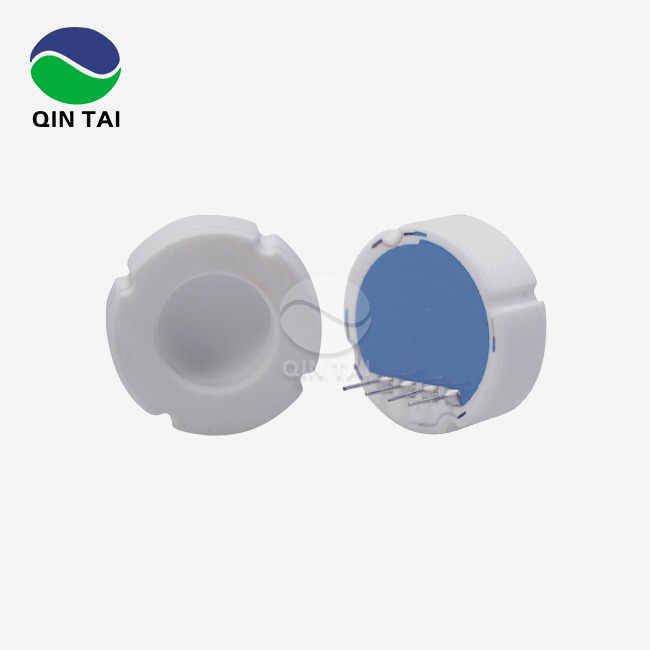
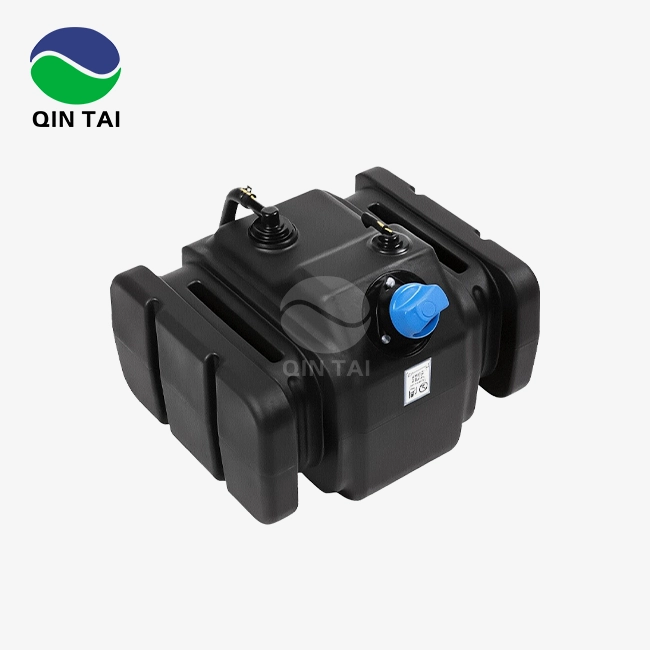
Diesel Exhaust Fluid monitors work in selective catalytic reduction systems to do two different but related jobs. Basic level sensors usually use floats, infrared time-of-flight readings, or capacitive principles to keep an eye on how much fluid is left in the tank. These monitors keep the system from shutting down because the tanks are empty, but they don't tell you much about the state of the fluid. Quality monitors do more than just measure volume; they also look at important factors like the purity of the urea concentration, changes in temperature, and pollution from water, glycol, or other foreign substances.
Why Quality Monitoring Matters for OEM Applications?
To find out if the 32.5% urea content needed for best NOx reduction is not being met, quality monitors use near-infrared spectroscopy, thermal conductivity methods like the 3ω technique, or ultrasonic wave speed analysis. If these sensors pick up low-quality AdBlue, it can lead to a number of operational issues, such as: the SCR system not working as well as it should, higher vehicle emissions that break the law, dashboard warning lights or fault codes related to fluid quality, and possibly damage to expensive SCR parts like dosing nozzles, injection valves, and catalytic converters. Integrated temperature management systems in high-tech sensors stop crystallization below -11°C. This makes sure that the sensors work the same way in all kinds of weather situations, like those found on building sites, farms, and mines.
Key Performance Parameters to Evaluate
OEM engineers should look for sensors that can measure concentrations accurately (within ±0.5%), respond quickly (within three seconds) so that the system can be adjusted in real time, and work in a range of temperatures (-40°C to 85°C) so that they can be used in a variety of settings. Electromagnetic compatibility means that sensors must be able to work consistently even when the engine is shaking or there is electrical interference. They must also offer standard communication methods, like CAN bus integration, so that sensors can easily share data with engine control units. Durability tests should make sure that the material is resistant to ammonium carbamate rusting. This is important for industrial uses in fertilizer production areas where sensor materials and seals are exposed to harsh chemicals.
How to Choose the Right DEF Sensor for Your OEM Needs?
Before you can match sensor specs to application needs, you need to take a close look at the car or equipment in question. Heavy-duty trucks that use a lot of DEF need sensors with larger measurement ranges and strong construction so they can work continuously on the highway. On the other hand, stationary generator sets used for backup power need sensors that are designed to work reliably for a long time with little maintenance. For a DEF level and quality sensor, the specific application requirements—whether continuous highway operation or intermittent stationary use—will determine the optimal sensor specifications and material choices.
Application-Specific Selection Criteria
For construction equipment that works in dusty, shaking places, sensors need to have an entry protection grade of IP67 or higher and shock strength of more than 50G. Different sealing and covering technologies are needed for agricultural equipment because it has to deal with special problems like fertilizer dust and being exposed to water. Manufacturers of generator sets for mines and power plants focus on industrial-grade reliability, with an average time between failures of more than 100,000 hours. On the other hand, aftermarket applications for commercial vehicles value universal mounting configurations and plug-and-play installation, which saves repair shops and dealers money on labor costs.
Sensor compatibility includes more than just how they are installed physically. It also includes how they communicate electronically. Integrators of aftertreatment systems need to make sure that the sensors can handle parameter ranges that can be changed, fault levels that can be changed, and a variety of data output forms that can work with their own control algorithms. Technical managers should ask for detailed integration paperwork, such as connector specs, wiring harnesses, and software packages that speed up development and cut down on the time it takes to get new SCR system designs on the market.
Balancing Performance and Total Cost of Ownership
Even though high-precision sensors cost more, their accuracy and durability make them more valuable over the duration of a product. Purchasing managers should look at more than just the original cost of the purchase. They should also look at continued costs for calibration, the terms of the guarantee, and the supplier's history of keeping substitute promises. Manufacturers of sensors with ISO9001 and IATF16949 certifications use structured quality management practices to lower variation from batch to batch during mass production. This keeps OEMs from having to deal with expensive failures in the field and warranty claims.
Aspects of the supply line are also very important. Integrators of aftertreatment systems can keep their inventory low and meet just-in-time production plans by being able to send goods quickly. When compared to getting only from abroad, suppliers that offer regional warehousing in the United States cut down on lead times and freight costs. Strong technical support after the sale, including application engineering help and fixing advice, is very helpful for solving integration problems or improving system performance after it has been deployed.
Innovations in DEF Sensor Technology: From Traditional to Quality Sensors
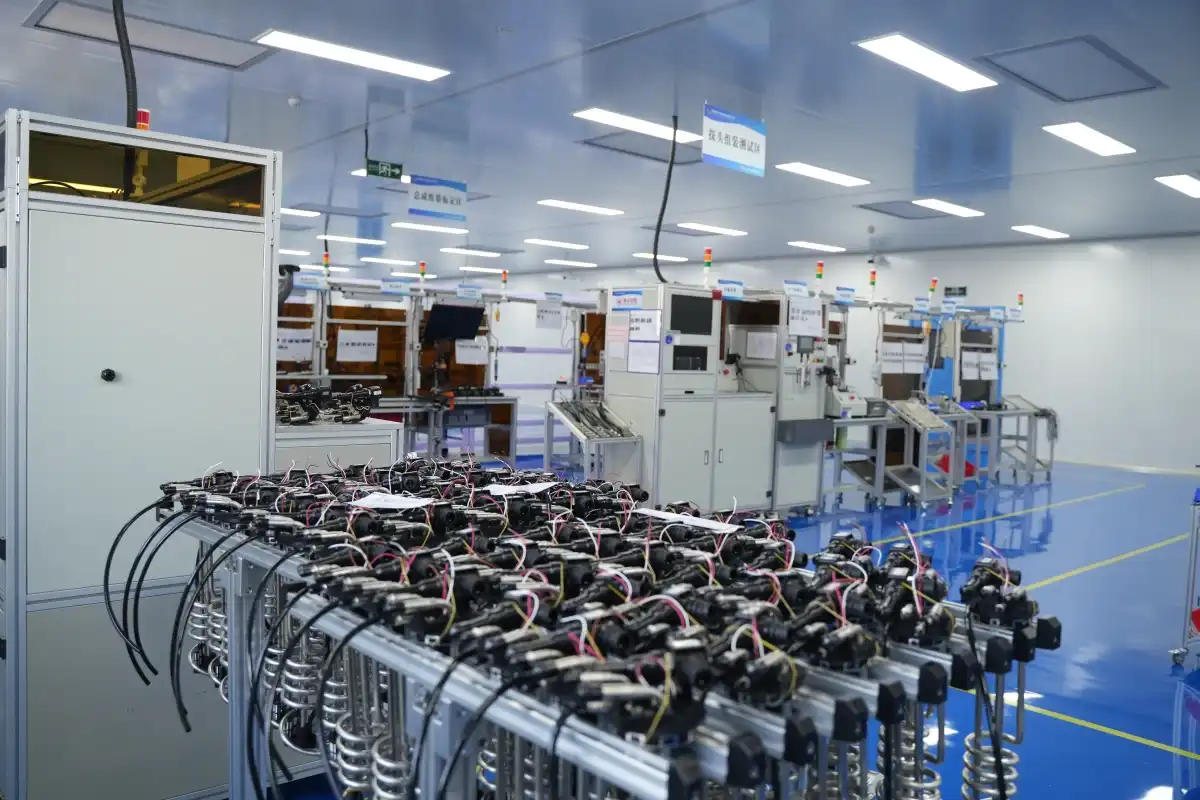
In older DEF sensors, level readings were mostly done with basic float switches or single-point capacitive probes, which often gave wrong results because of fluid sloshing, foam formation, or changes in tank shape. These restrictions led to annoying signs that made drivers less confident and service trips that weren't needed, which raised the cost of maintenance. Traditional sensors couldn't find contamination, so fluid that had been broken down could keep flowing through SCR systems until the injectors got clogged or the catalyst became poisoned. The DEF level and quality sensor addresses these limitations by providing accurate level measurement and real-time quality monitoring, preventing both false warnings and contamination-related damage.
Modern Sensing Technologies and Advantages
Modern quality sensors use a number of different sensing methods in small sending units that check level, temperature, and concentration all at the same time. Optical monitors send light beams through the flow of fluid and look at the patterns of absorption to find out how pure the urea is and if there are any particles in it. But optical designs need to be very careful about when they are maintained, because dust or fog building up on lens surfaces can make measurements less accurate. Ultrasonic sensors measure changes in the speed at which acoustic waves travel due to changes in the density and makeup of a fluid. They are very reliable in harsh settings because they don't have any visible optical surfaces that could get dirty.
Thermal conductivity monitors send exact pulses of heat through the fluid and record the thermal reaction, which is directly related to the amount of urea in the fluid. This 3ω method is very accurate over a wide range of temperatures and doesn't get messed up by small amounts of contamination. Embedded processors have advanced algorithms that remove environmental noise, account for changes in temperature, and run self-diagnostic routines that find sensor drift over time. These routines usually keep the calibration accurate for the 60,000 to 90,000 miles (100,000 to 150,000 kilometers) that the typical replacement interval lasts, depending on operating conditions and fluid quality.
Real-World Implementation Benefits
Heavy truck makers who use high-tech monitors say that guarantee claims for SCR systems have gone down by 40%. This is because fluid degradation can be found earlier, before it damages components. Manufacturers of construction tools say that proactive fluid quality control based on sensor data has increased the service life of injectors from 2,000 to 3,500 hours of use. Generator set operators get 99.7% uptime reliability for important backup power uses by changing sensors during planned maintenance based on predictive analytics instead of responding to failures after they happen. These proven improvements in troubleshooting, lower downtime, and lower total cost of ownership support the business case for using cutting-edge sensing solutions, even though they cost more at first than basic level-only devices.
Purchasing and Implementing DEF Sensors: Practical Considerations for OEMs
When purchasing teams look at sensor providers, they should make detailed scorecards that include technical details, business terms, and the ability to work with other companies. For OEM applications that need to buy a lot of units, direct purchase models offer lower unit costs. When annual volumes go over 10,000 units, tiered price systems provide economies of scale. Some providers offer subscription-based service models that include ongoing calibration assistance and guaranteed replacement plans for sensors like the DEF level and quality sensor. This moves capital costs to routine budgets and ensures uniform performance throughout the lifecycle of the equipment.
Vendor Support and Integration Services
The responsiveness of suppliers during the key integration phase is very important for the success of sensor placement. On-site application engineering support from vendors helps solve mounting problems, find the best place for sensors to avoid getting false readings from moving fluid, and make sure the system works by following weather testing methods. Full integration kits should have sensors that are already calibrated, wiring cables that match with industrial-grade plugs, and software driver libraries that work with common embedded platforms like ARM Cortex and automotive-grade microcontrollers.
Professional suppliers can be told apart from product sellers by the quality of their documentation. For full technical data packages, you need to include electrical characteristics like current draw in all operating modes, detailed mechanical drawings with tolerances for mounting interface dimensions, and test reports from environmental qualification that show the product meets SAE J1455 vibration standards and ISO 16750 electrical load requirements. For OEMs that sell to regulated markets, certification paperwork is very important. Real CARB executive orders, EPA certification letters, and third-party testing results from well-known labs can cut down on the time it takes for regulatory approval.
Lifecycle Management Best Practices
Setting clear rules for replacing sensors increases system stability and lowers upkeep costs. Condition-based tracking tools use built-in diagnostics to keep an eye on sensor performance markers like signal stability, response time degradation, and calibration drift. When sensors are getting close to the end of their useful lives, automated alerts let you change them at regular service intervals instead of having to make fixes on the side of the road. Upgrading to next-generation sensor technologies should keep current mounting configurations and electrical interfaces. This way, fleet owners can improve capabilities without having to change how sensors are installed or retrain service techs.
Aftermarket parts managers benefit from sensor designs that make installation easy by using standard mounting brackets, electrical connections that detach quickly, and detailed installation directions with pictures. Flexible sensor setups that can work with different tank shapes make inventory less complicated, so dealers can serve a wide range of equipment users with few new SKUs. Suppliers that offer training programs for repair shop workers help the market grow faster while lowering the number of mistakes made during installation that lead to earlier failure claims.
Conclusion
Choosing the right DEF sensor technology is a strategic choice that affects emissions compliance, operating dependability, and OEM applications' ability to compete. Advanced quality sensors have measured benefits over traditional level-only designs because they can watch the state of the fluid more thoroughly, plan maintenance ahead of time, and give better diagnostic data. A good selection combines the needs for technical performance with business factors like cost structures, the dependability of the supply chain, and the quality of the vendor relationship. For the DEF level and quality sensor, purchasing managers and research and development engineers can make the best choices for their customers by carefully examining sensor accuracy, environmental durability, system integration compatibility, and lifecycle support capabilities. This helps them make the best choices for heavy truck fleets, construction equipment operators, agricultural machinery markets, or industrial generator installations.
FAQ
Q1: What distinguishes quality sensors from basic level sensors?
A: Basic level sensors only show how much fluid is left, while quality sensors use analysis technologies to measure urea content, find contamination, and keep an eye on temperature. Quality tracking lets you find bad fluid early on, before it damages SCR parts. This helps with planned repair plans that lower the total cost of ownership.
Q2: How do DEF sensors support emission regulation compliance?
A: Accurately measuring concentrations makes sure that the right amount of ammonia gets to the catalytic converters, which keeps the NOx reduction efficiency needed by EPA Tier 4 Final, CARB rules, and Euro VI standards. Quality monitors stop the system from working with dirty or weakened fluid, which would make emission control less effective and lead to legal violations.
Q3: What integration considerations matter most for aftertreatment system developers?
A: Integration times are sped up by fault limits that can be changed, communication protocol compatibility, parameter adjustment freedom, and thorough technical documentation. Suppliers who offer application engineering help and verified reference designs lower the risk of development and make sure that the system works reliably in all circumstances.
Partner With Qintai for Advanced DEF Level and Quality Sensor Solutions
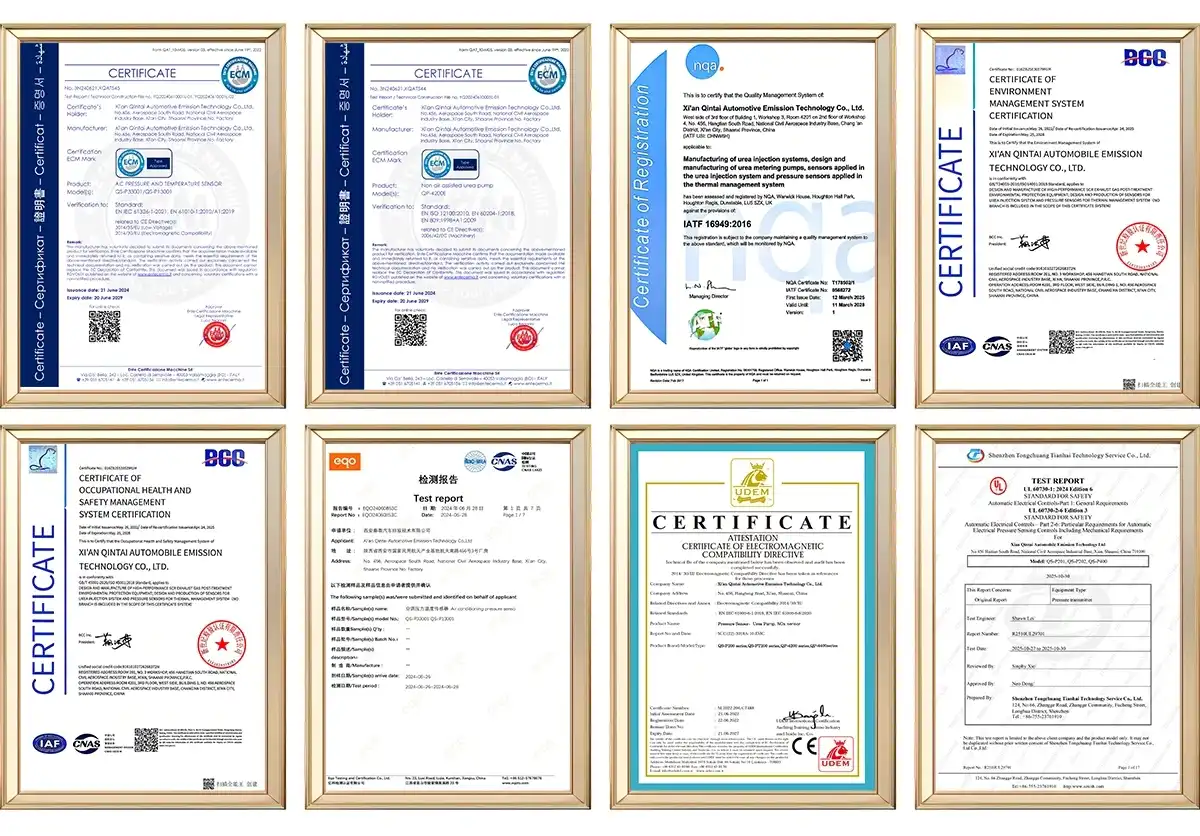
Qintai offers tested sensing technologies backed by more than 20 years of experience with SCR systems and national high-tech business qualifications that have been in place since 2001. Weichai Power, Yuchai Power, and Quanchai Power are some of China's biggest diesel engine makers, and we supply them with DEF level and quality sensors. We have unmatched mass production capacity, 58 invention patents, and a wide range of certifications, including ISO9001, IATF16949, CMC, Ex, UL, CE, REACH, and RoHS. Our independent research and development team offers full OEM and ODM services, as well as creative customization to meet the needs of your particular application. Get in touch with our engineering team at info@qt-sensor.com to talk about how our industrial-grade sensor solutions can improve your emission control systems, lower the cost of your warranties, and speed up the approval process for all North American markets.
References
1. Society of Automotive Engineers. "Surface Vehicle Recommended Practice for Diesel Exhaust Fluid Quality and Purity Requirements." SAE J2906, 2021 Edition.
2. Environmental Protection Agency. "Heavy-Duty Highway Compression-Ignition Engines and Urban Buses — Exhaust Emission Standards." 40 CFR Part 86, 2023 Revision.
3. International Organization for Standardization. "Road Vehicles — Environmental Conditions and Testing for Electrical and Electronic Equipment." ISO 16750-4:2023, Part 4: Climatic Loads.
4. California Air Resources Board. "Certification and Installation Procedures for Diesel Exhaust Fluid Systems." CARB Diesel Regulatory Advisory 2022-08.
5. American Petroleum Institute. "Diesel Exhaust Fluid Storage, Handling, and Dispensing Guidelines." API Recommended Practice 1592, Second Edition, 2021.
6. Schmidt, H., and Mueller, T. "Advanced Sensing Technologies for SCR Systems: Quality Monitoring and Predictive Maintenance." Journal of Automotive Engineering and Technology, Vol. 15, No. 3, 2023, pp. 234-251.

Our customers’ satisfaction speaks for our quality — contact us to experience the same reliable service.