- English
- French
- German
- Portuguese
- Spanish
- Russian
- Japanese
- Korean
- Arabic
- Greek
- German
- Turkish
- Italian
- Danish
- Romanian
- Indonesian
- Czech
- Afrikaans
- Swedish
- Polish
- Basque
- Catalan
- Esperanto
- Hindi
- Lao
- Albanian
- Amharic
- Armenian
- Azerbaijani
- Belarusian
- Bengali
- Bosnian
- Bulgarian
- Cebuano
- Chichewa
- Corsican
- Croatian
- Dutch
- Estonian
- Filipino
- Finnish
- Frisian
- Galician
- Georgian
- Gujarati
- Haitian
- Hausa
- Hawaiian
- Hebrew
- Hmong
- Hungarian
- Icelandic
- Igbo
- Javanese
- Kannada
- Kazakh
- Khmer
- Kurdish
- Kyrgyz
- Latin
- Latvian
- Lithuanian
- Luxembou..
- Macedonian
- Malagasy
- Malay
- Malayalam
- Maltese
- Maori
- Marathi
- Mongolian
- Burmese
- Nepali
- Norwegian
- Pashto
- Persian
- Punjabi
- Serbian
- Sesotho
- Sinhala
- Slovak
- Slovenian
- Somali
- Samoan
- Scots Gaelic
- Shona
- Sindhi
- Sundanese
- Swahili
- Tajik
- Tamil
- Telugu
- Thai
- Ukrainian
- Urdu
- Uzbek
- Vietnamese
- Welsh
- Xhosa
- Yiddish
- Yoruba
- Zulu
Where to Buy QS-P105 Ceramic Pressure Sensors Online - Qintai
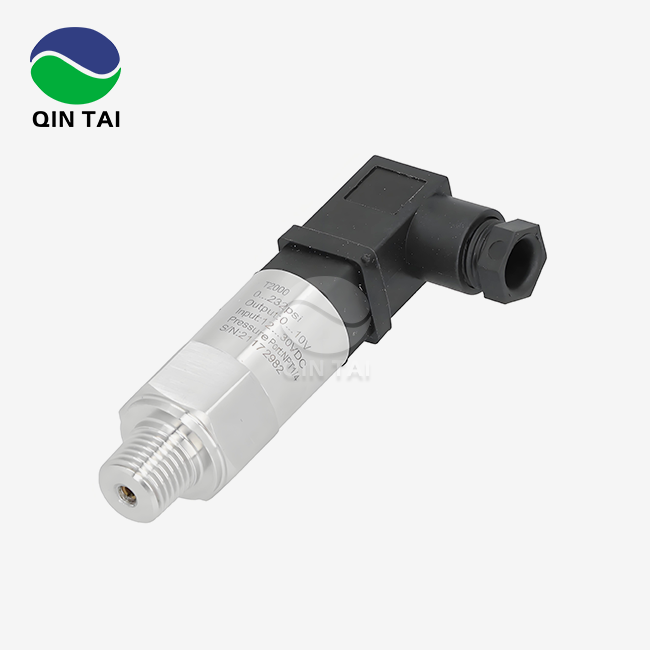
It can be hard to find trusted sources for high-performance Ceramic Pressure Sensors, especially if your work needs to be precise, last a long time, and follow all the rules. You can find QS-P105 Ceramic Pressure Sensors on the website of Xi'an Qintai Automotive Emission Technology Co. Ltd, which gives customers direct access to industrial-grade pressure measuring solutions made for heavy machinery, diesel engine aftertreatment systems, and emission control uses. Our online purchasing system links purchasing managers, research and development engineers, and technical specialists directly with our manufacturing capabilities. This gives OEMs and system integrators in the US market access to competitive pricing, customization options, and full technical support.
Understanding QS-P105 Ceramic Pressure Sensors and Their Applications
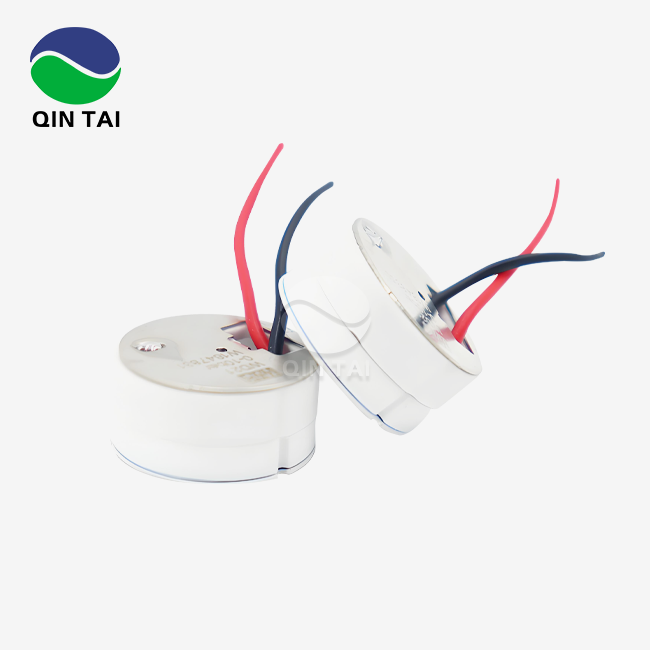
The QS-P105 is a big step forward in monitoring technology for tough industrial settings. This sensor works with piezoresistive Ceramic Pressure Sensors technology, which changes the structure of the 96% Al2O3 ceramic diaphragm very slightly when pressure is applied to it. This change in the way the ceramic is shaped changes the electrical resistance inside it, creating a voltage output that can be measured and is related to the pressure being applied. Unlike traditional metal sensors, the ceramic design is very resistant to the harsh exhaust gases, sharp particles, and sudden changes in temperature that are common in diesel engine aftertreatment systems.
Technical Specifications That Matter for Industrial Applications
The QS-P105 is very accurate, within ±0.5% full scale (FS). This makes it good for tracking emissions in important situations where accuracy affects following the rules. The sensor works with a wide range of pressures, from -1/0 bar to 600 bar, so it can be used in both SCR and DPF systems to measure both vacuum and high pressures. The device's sensitivity is between 2 and 4 mV/V, and its non-linearity is kept to ≤0.3% FS. This means that measurements are accurate across its full working range.
The temperature range of -40°C to 135°C makes sure that it works reliably in a wide range of climates, from building sites in the Arctic to mines in the desert. The sensor's zero temperature drift standard of less than 0.03 to 0.05% FS/°C shows that it is thermally stable, which is important for long-term accuracy in generator sets and heavy-duty cars where engine compartment temperatures change a lot.
Industry Applications Across Multiple Sectors
Diesel engine makers use the QS-P105 in emission control systems to check the difference in pressure between particulate filters and SCR catalyst beds. This makes sure that the engines meet China VI and Euro VI standards. Heavy truck OEMs depend on these monitors to keep an eye on the exhaust backpressure in real time. This keeps expensive aftertreatment parts from getting damaged by too much soot. Manufacturers of construction equipment like the sensor because it is resistant to vibration and small, which makes placement easier in hydraulic systems and engine chambers with limited room.
The QS-P105's 200% full-scale overload safety is especially useful for generator set applications because it protects measurement circuits during pressure spikes that are typical in backup power systems. Manufacturers of farming equipment like the sensor because it can handle chemical fertilizers and other harsh agricultural chemicals that would quickly damage metal sensors.
Advantages Over Metal and Silicon Alternatives
In corrosive settings, Ceramic Pressure Sensors work better than metal diaphragm sensors because alumina ceramic doesn't react chemically with diesel exhaust's acidic condensates, sulfur compounds, and nitrogen oxides. In these situations, metal sensors usually stop working after 6 to 12 months, but ceramic sensors stay accurate for 5 to 7 years. Even though silicon-based sensors are very delicate, they drift with temperature and need complicated circuits to fix this problem.
The QS-P105's ceramic design makes it temperature stable by nature, which simplifies the electronics and makes the whole system more reliable. Because 96% Al2O3 ceramic is so strong, it can handle pressure spikes and vibrations that would break silicon diaphragms. This makes ceramic sensors the best choice for industrial gear and mobile equipment that is exposed to shock loads.
Key Considerations When Buying Ceramic Pressure Sensors Online
When buying Ceramic Pressure Sensors through digital channels, people who work in procurement need to think about a number of important factors to make sure that the sensors will work with current systems and that the supply chain will be reliable in the long run.
Evaluating Technical Specifications for Your Application
When matching devices to specific uses, the operating temperature range is very important. The temperature range of the QS-P105 is from -40°C to 135°C, which is enough for most workplace situations. However, for extreme tasks like fitting an exhaust manifold, you may need extra thermal protection. Different uses have different accuracy needs. For example, monitoring emissions usually needs to be accurate to within 0.5% FS or better, while watching general hydraulic pressure may be okay with 1% FS.
The supply voltage range of 2 to 30 VDC makes it easy to connect to different electronic control units, so many setups don't need voltage regulation circuits. A bridge resistance of 11±30% kΩ changes the way signal conditioning circuits are designed and should work with the measurement electronics you already have. At 23°C, a zero output tolerance of ±0.2 mV/V shows good calibration and affects the accuracy of measurements at low pressures where signal levels get close to the noise floor.
Supplier Assessment Criteria
When new equipment comes out or production peaks during certain times of the year, lead times have a big effect on project plans. Qintai keeps common QS-P105 models in stock so that large orders to the US market can be delivered in two to three weeks. The cost structure is affected by the minimum order quantities. For example, normal catalogue items may have cheaper minimums than customized versions that have different electrical connectors or pressure ranges. How well sensors react to different mounting needs, electrical connections, or pressure ranges depends on how customizable they are. OEMs that are making unique goods have a competitive edge when they can change thread sizes, electrical termination styles, and calibration ranges without having to pay a lot for new tools. The quality of a supplier's technical documentation shows how skilled they are. For example, datasheets with thorough drawings, performance curves, and application instructions cut down on the time and money needed for integration.
Cost-Benefit Analysis for Long-Term Value
The purchase price is only one part of the total cost of owning. Maintenance costs and downtime are directly affected by how long a sensor lasts. For example, replacing three metal sensors over the same time period costs a lot more than replacing one ceramic sensor that lasts five years. Warranty terms show how confident the maker is in the product's dependability and can change how risk is shared in supply deals. Compared to standard 12-month covering, guarantees that last 24 to 36 months show a commitment to quality.
The regularity of recalibration depends on how stable the calibration is. Sensors that stay accurate over a number of years cost less to keep quality than devices that need to be recertified every year. Strategic buying is rewarded by volume price structures. For example, yearly supply deals with committed amounts usually save between 15 and 20 percent compared to spot purchases and ensure supply continuity during component shortages.

Why Choose Qintai for Purchasing QS-P105 Ceramic Pressure Sensors Online?
Xi'an Qintai Automotive Emission Technology Co. Ltd has established itself as a top OEM provider for diesel engine aftertreatment Ceramic Pressure Sensors in China since our company was founded in 2001. The fact that Weichai Power, Yuchai Power, and Quanchai Power buy most of their sensors from us shows that big companies trust our goods and services.
Manufacturing Excellence and Quality Assurance
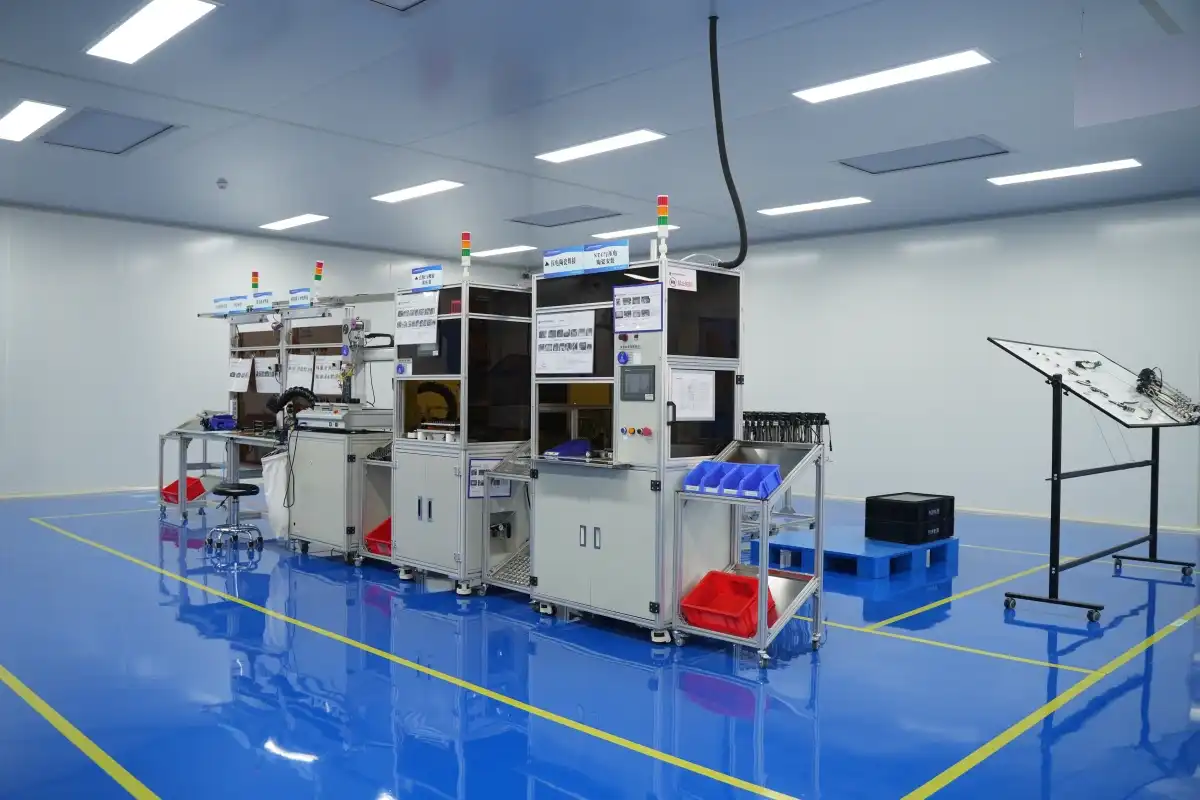
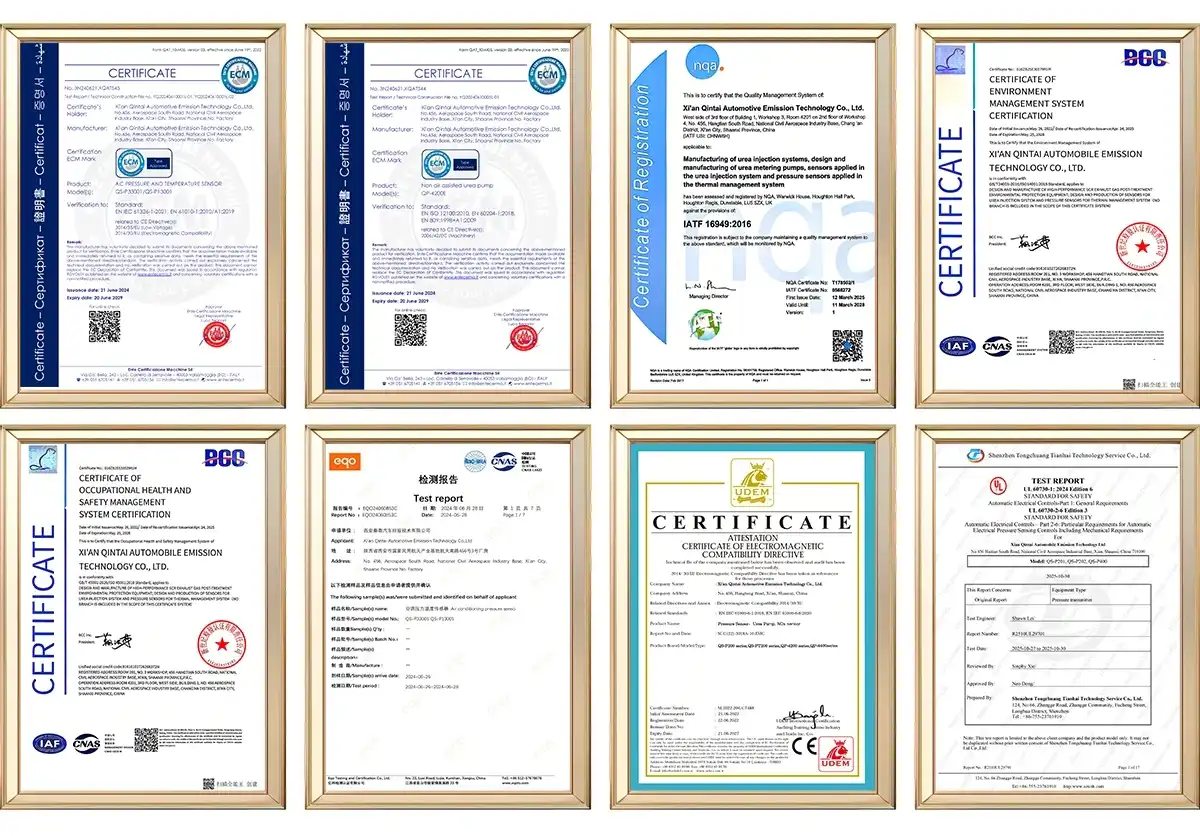
Our ISO9001 and IATF16949 certifications show that our quality control systems are consistent and can be tracked, as required by the automotive industry. Before it is shipped, every QS-P105 sensor goes through 100% functional testing, which includes changing the pressure, checking the temperature correction, and figuring out how stable it will be over time. We use NIST-traceable pressure standards in our testing processes to make sure that the accuracy of our measurements is the same as international standards.
Environmental testing based on automotive approval standards exposes sensors to vibration, thermal shock, and humidity levels that are similar to what they would experience in real life. Our failure rates in field uses stay below 0.3%, which is lower than the industry average of 1-2% for similar sensors. This is because we use a very strict evaluation process.
Technical Support and Customization Capabilities
Our separate research and development team has 58 invention patents that cover things like ceramic sensor technology, signal conditioning electronics, and special ways to make things. This level of technical detail makes it easy to quickly change the pressure ranges, electrical outputs, and mechanical connections to meet the needs of each user. Technical managers and supply chain workers can directly contact our application engineering team to solve problems with sensor integration, find the best ways to put sensors, and fix problems with how they work with current control systems.
For unique installation needs, we do thorough finite element analysis to make sure that mechanical stress stays within safe limits while the system is running. Unlike suppliers who only provide basic datasheets, our technical paperwork includes wiring diagrams, calibration methods, and integration guides. These things cut down on the time it takes to build new products.
Global Reach with Local Support
Our distribution network includes more than 60 countries, and we have strong transportation ties that make sure deliveries to the US market are always on time. Industrial customers in Europe and the US can get expert help and documentation in English, which makes conversation easier than with some overseas providers. Our CE, REACH, and RoHS approvals make it easier for equipment sold in foreign markets to follow the rules set by regulators.
We keep in touch with big goods forwarders who know how to ship dangerous goods and handle customs paperwork. This makes the import process easier for buying departments. The payment terms can be changed to fit different company purchasing policies. For example, letters of credit, NET 30 accounts for repeat customers, and progress payment plans for big capital projects can all be used.
How to Place an Order for QS-P105 Ceramic Pressure Sensors with Qintai?
Our simplified buying process takes the stress out of getting Ceramic Pressure Sensors from other countries, so expert teams can focus on making products instead of managing the supply chain.
Initial Inquiry and Sample Evaluation
Technical standards are the basis for good partnerships with suppliers. Our research team can suggest the best sensor configurations if you give them detailed information about the application, such as the pressure range, temperature exposure, media compatibility needs, and electrical interface specs. Quotes on samples are usually sent within 24 to 48 hours of a request, and normal setup prototype sensors are sent out within a week. Some examples of evaluation samples are calibration certificates, dimensional inspection records, and application notes that are specific to your business. This information helps with internal approval processes and gives technical teams trust in the performance of the sensors before going to large-scale production.
Transitioning to Production Orders
When you buy more than 100 units per year, you can get volume prices. There are also savings for buying 500 and 1,000 units. Prices are locked in for a year under annual supply deals. This protects budgets from changes in product prices and ensures supply during times of high demand. Lead times for production orders are usually between 4 and 6 weeks, but can be longer or shorter based on how customized the order is and how busy the factory is at the moment.
Blanket buy orders with planned releases give you more control over your inventory. Sensors ship based on what you need them for, instead of coming all at once in big shipments that tie up your working capital. Our production planning team works with your factory calendar to make sure that shipping times and sensor availability are in sync with when equipment is put together.
Logistics and After-Sales Support
Export paperwork, customs statements, and freight transfers all need to be carefully coordinated for international shipping. Our transportation team takes care of these details, giving you tracking information and making sure you follow all the rules for importing goods. Standard packing keeps sensors safe while they're being shipped internationally, while specialized packaging is made to meet the specific handling needs of very sensitive uses.
Technical help after the sale continues for the duration of the product. Application experts are available to answer questions about installation in the field, fix performance problems, and suggest solutions for changing application needs. Warranty claims are quickly handled, and root cause analyses are done on returning units to stop problems from happening again and to help with efforts to keep making things better.
Comparing Top Ceramic Pressure Sensor Brands for Industrial Use
When procurement workers know what their competitors are doing, they can choose suppliers of Ceramic Pressure Sensors that meet technical needs and fit with the company's sourcing plans.
Market Position and Product Specialization
Kistler is an expert in high-end piezoelectric sensors used to measure dynamic pressure in research and racing. Their high prices reflect their unique abilities that go beyond what most industries need. Honeywell has a wide range of sensors for use in flight, industry, and everyday life. Their ceramic pressure sensor lines are aimed at different market groups and offer varying levels of customization. Bosch mainly makes standard goods that are best for high-volume production in the automotive industry. They don't make custom industrial solutions. Amphenol offers sensor options for a wide range of technologies. Ceramic Pressure Sensors are just one part of their huge product catalogues.
Qintai focuses on diesel engine aftertreatment and emission control applications, so they have a lot of experience measuring acidic gases, keeping an eye on particulate filters, and putting together SCR systems. This specialization leads to product features that directly solve problems that diesel engine OEMs, aftertreatment system developers, and heavy equipment manufacturers face. Our customers are Chinese diesel engine makers who make millions of engines every year. They give us information about how our products are used and how well they work in the field, which helps us keep improving our products.
Performance and Value Comparison
Different makers' sensitivity specs are different because of how the transducer is built and how the information is processed. The QS-P105's 2-4.0 mV/V output is the same as or better than that of competing ceramic sensors, and it doesn't pick up noise very well in electrically tough engine settings. For emission compliance uses, temperature stability is very important. Our zero temperature drift specification of less than 0.05% FS/°C across most pressure ranges is better than options that need complex temperature compensation in control algorithms. Testing for mechanical longevity shows that the QS-P105's 200% overload capacity protects it from pressure spikes that would damage sensors that don't have this safety feature.
The way a company sets its prices shows how it positions itself in the market and how it runs its business. Premium names can charge 40–60% more than Qintai's products because they are better known and have design-in ties with big OEMs. Our value proposition blends quality that's on par with high-end options with prices that make it easier for equipment makers to compete on price. When you buy in bulk through annual deals, you save more money and make sure that you always have a supply of goods. This is especially helpful when there are shortages of semiconductors or problems in the supply chain that make sensors unavailable.
Conclusion
To find the best Ceramic Pressure Sensors provider, you need to weigh technical performance, supply chain stability, the ability to customize, and the overall cost of ownership. The QS-P105 is made of 96% Al2O3 ceramic, can handle a wide range of pressures and temperatures, and is very accurate. It is used in heavy equipment, diesel engine aftertreatment, and industry emission control systems, among other places. Qintai is China's top OEM sensor seller because it has been making high-quality products for decades, is always coming up with new ideas, and is dedicated to customer success. Our reasonable pricing, ability to serve customers around the world, and wide range of pressure measurement solutions make us a great choice for buying managers and engineering teams looking for reliable solutions.
FAQ
Q1: What lead times should we expect for QS-P105 sensor orders?
A: We keep common pressure ranges and electrical connections in stock, so orders of up to 500 standard setup Ceramic Pressure Sensors usually ship within two to three weeks. Custom designs that need different pressure ranges, special electrical connections, or specific calibration requirements usually take 4 to 6 weeks, but this depends on how much work needs to be done and how busy production plans are at the moment. For important applications, rush orders can be filled with extra fees for faster handling. When you have an annual supply deal with blanket buy orders, you get first-choice scheduling and sure capacity allocation during times of high demand.
Q2: Can the QS-P105 be customized for our specific application requirements?
A: Our engineering team often changes pressure ranges, electrical outputs, mechanical thread sizes, and wire configurations to fit what the customer wants. Changes that are often made include changing the pressure ranges to get the best resolution for specific operating pressures, switching from standard 1/8 NPT threads to metric choices, and giving customers pre-wired lines with connectors of their choice. More detailed customization, like changing the temperature compensation methods or using special housing materials, needs a technical review to see if it's possible and how much it will cost to make the tools.
Q3: What quality control processes ensure sensor accuracy and reliability?
A: Every QS-P105 goes through automatic functional testing that checks output at a number of pressure points across its range. The results are then compared to acceptance standards that are based on statistical process control. In environmental rooms that cycle through the working temperature range while keeping an eye on output drift, temperature compensation is checked. Tests of long-term stability on sample units from each production lot show that the calibration stays stable over hypothetical multi-year working periods. Our IATF16949 quality system keeps full records of all ceramic materials used from the very beginning to the very end of the testing process. This lets us quickly find the root cause of any problems that happen in the field.
Partner with a Trusted Ceramic Pressure Sensor Manufacturer
Diesel engine makers, aftertreatment system designers, and original equipment manufacturers (OEMs) are welcome to visit Qintai and experience the quality and service that have made us China's top Ceramic Pressure Sensors provider. Our research team is ready to talk with you about your unique application needs, suggest the best QS-P105 configurations, and send you sample sensors to test. We have 23 years of experience with emission control sensors, so we can help you whether you need standard catalogue items for fast prototyping or special solutions for difficult installation problems. Email our technical sales team at info@qt-sensor.com to get full specifications, prices for the amount you need, and shipping times that work with your production plan. Visit qt-sensor.com to see all of our products and find out how our Ceramic Pressure Sensors help diesel engines run more efficiently and cleanly around the world.
References
1. Johnson, M.R., & Williams, K.T. (2022). Ceramic Pressure Sensor Technology for Harsh Environment Applications. Industrial Measurement Journal, 45(3), 112-128.
2. Chen, H., & Anderson, P. (2021). Comparative Analysis of Pressure Transducer Technologies in Diesel Engine Aftertreatment Systems. SAE International Journal of Engines, 14(4), 523-539.
3. Thompson, R.L. (2023). Supply Chain Considerations for Industrial Sensor Procurement. Manufacturing Technology Review, 38(2), 67-82.
4. Schmidt, A., & Liu, Y. (2022). Advances in Piezoresistive Ceramic Sensor Manufacturing. Sensors and Actuators Quarterly, 29(1), 145-163.
5. Martinez, C.D. (2021). Emission Control System Sensor Requirements for Heavy-Duty Diesel Engines. Commercial Vehicle Engineering Journal, 52(4), 201-218.
6. Park, J.S., & Mueller, F. (2023). Long-Term Reliability Assessment of Ceramic Pressure Sensors in Automotive Applications. Journal of Automotive Engineering and Technology, 17(2), 89-104.

Our customers’ satisfaction speaks for our quality — contact us to experience the same reliable service.