- English
- French
- German
- Portuguese
- Spanish
- Russian
- Japanese
- Korean
- Arabic
- Greek
- German
- Turkish
- Italian
- Danish
- Romanian
- Indonesian
- Czech
- Afrikaans
- Swedish
- Polish
- Basque
- Catalan
- Esperanto
- Hindi
- Lao
- Albanian
- Amharic
- Armenian
- Azerbaijani
- Belarusian
- Bengali
- Bosnian
- Bulgarian
- Cebuano
- Chichewa
- Corsican
- Croatian
- Dutch
- Estonian
- Filipino
- Finnish
- Frisian
- Galician
- Georgian
- Gujarati
- Haitian
- Hausa
- Hawaiian
- Hebrew
- Hmong
- Hungarian
- Icelandic
- Igbo
- Javanese
- Kannada
- Kazakh
- Khmer
- Kurdish
- Kyrgyz
- Latin
- Latvian
- Lithuanian
- Luxembou..
- Macedonian
- Malagasy
- Malay
- Malayalam
- Maltese
- Maori
- Marathi
- Mongolian
- Burmese
- Nepali
- Norwegian
- Pashto
- Persian
- Punjabi
- Serbian
- Sesotho
- Sinhala
- Slovak
- Slovenian
- Somali
- Samoan
- Scots Gaelic
- Shona
- Sindhi
- Sundanese
- Swahili
- Tajik
- Tamil
- Telugu
- Thai
- Ukrainian
- Urdu
- Uzbek
- Vietnamese
- Welsh
- Xhosa
- Yiddish
- Yoruba
- Zulu
Water Pressure Sensor Guide for Pump and Control Systems
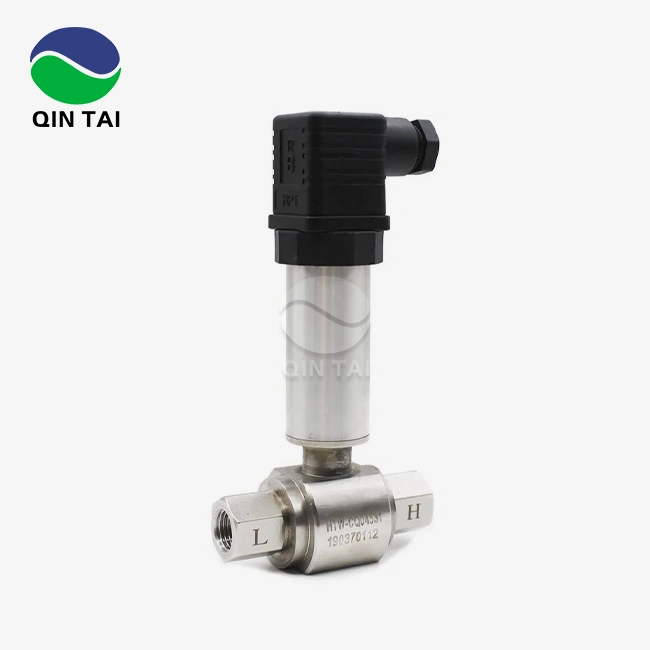
If you manage pumps or fluid control systems, you already know that one failed sensor can shut down an entire production line. A water pressure sensor converts fluid pressure into an electrical signal, giving your control system the real-time data it needs to respond accurately. Whether you're sourcing for heavy-duty diesel engine platforms, SCR aftertreatment systems, or industrial generator sets, choosing the right pressure sensing device directly affects uptime, compliance, and operating cost. This guide walks you through everything from sensor types to procurement strategy.
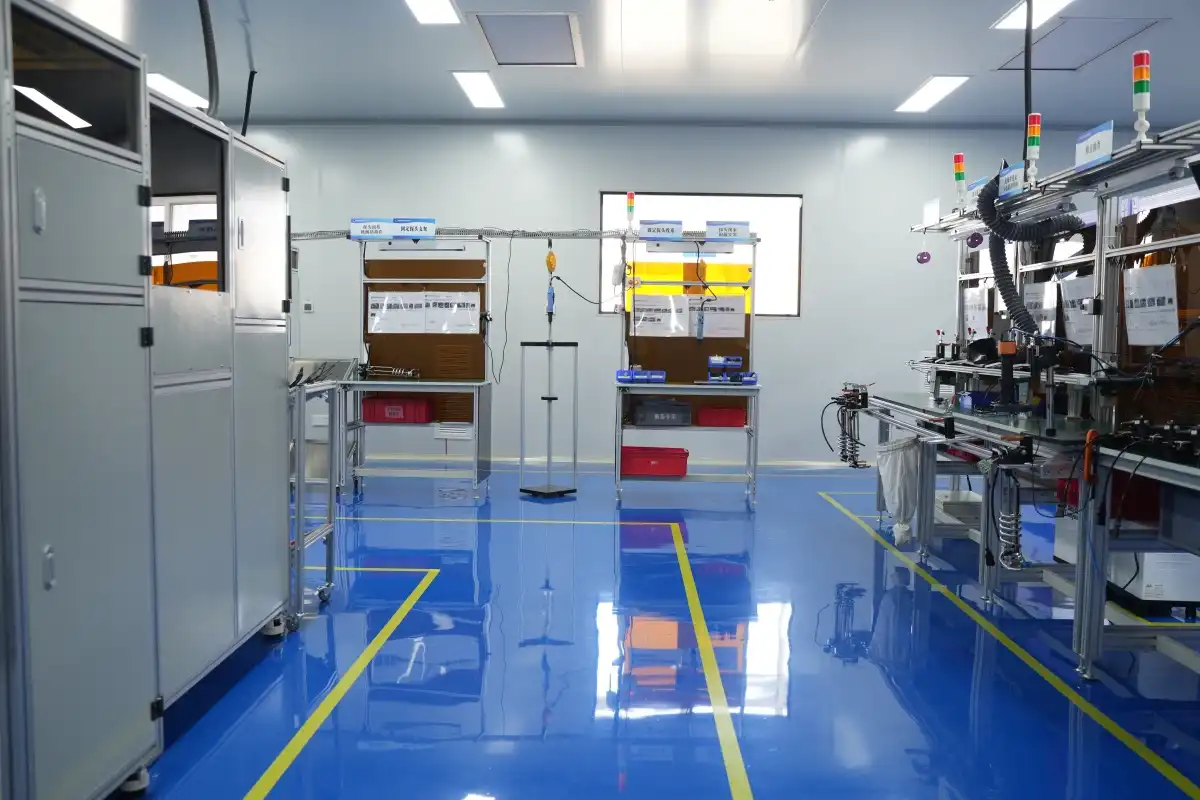
Understanding Water Pressure Sensors: Types, Functions, and Applications
That is why it is helpful to know how different tools work in real projects before picking one.
Core Sensing Technologies
Three methods are mostly used to sense fluids in industry. There are strain gauge sensors that connect a resistive element to a diaphragm. The resistance changes because the diaphragm bends when pressure is put on it. It is easy to measure changes in pressure, like water hammer, with piezoelectric devices because they make a charge when they are physically stressed. When the diaphragm bends, capacitive sensors pick up changes in the amount of electricity that is stored. These sensors don't move much and pick up on low pressure very well.
Analog vs. Digital Output
An analog sensor sends out a steady signal that is directly linked to pressure. This signal is usually between 0 and 10 V or 4 to 20 mA. A 4–20 mA loop works best in plants because it doesn't pick up noise from long wire runs. Protocols like CANbus, IO-Link, and Modbus let digital water pressure sensors talk to each other. This works well for pump control systems with PLCs that need to keep track of data and fix things.
Pressure Sensor vs. Flow Sensor
A water pressure sensor checks just how much force is on a certain part of the fluid. A flow sensor checks how much volume changes. The water pressure sensor checks how much fluid the system needs and starts the pump. The flow sensor then checks that the right amount of fluid was delivered. During buying, it is easy to mix them up, which can cost a lot of money.
Key Factors to Consider When Choosing a Water Pressure Sensor
Not making the right choice costs more than a high-end computer ever could. These are the things that buying managers and skilled R&D engineers think are most important.
Pressure Range and Fluid Compatibility
First, select the proper rating for your water pressure sensor. Many residential water systems operate below 100 psi. Factory pump circuits and cooling systems may see pressures of up to 300 psi or higher. Over-specification brings extra costs, while under-specification also incurs expenses. Good component compatibility is also critical. 316L stainless steel works well for water and mild chemicals, whereas ceramic diaphragms suit harsher fluids. Wetted parts designed for saltwater or chlorinated water resist accelerated corrosion for your water pressure sensor.
Accuracy and Response Time
It's fine to have a control range of ±1% full scale (FS) for a standard water supply. The accuracy must be at least 0.25% FS for dosing or fluid circuits that deal with emissions, such as diesel exhaust fluid (DEF) lines in engines that meet China VI/Euro VI standards. Response time is important in pump systems that cycle quickly. Overshoot, which damages pipes over time, can't happen with a water pressure sensor that responds in 50 ms.
Wired vs. Wireless Installation
If you want to set up sensors for a long time, you should still use wired ones. They have stable messages that you can count on, don't need batteries, and have low lag. If you can't run a pipe for repair work, wireless versions work well. However, they need to be carefully checked for RF interference, duty cycle, and data update rates. In places where wiring is pricey, like mines or power plants, wireless can be very helpful for generator sets as long as the protocol is tested to meet EMC standards.
Budget and Long-Term ROI
A simple on/off switch might be possible with water pressure sensors that cost less than $50. Because they need less warranty claims and more service intervals, mid-range to high-end units pay for themselves in OEM programs that make a lot of units or uses that need CE, RoHS, and UL certification. For every cycle, a monitor that can handle 500,000 cycles costs less than one that can handle 100,000 cycles, even if the first one costs twice as much.

Installation, Maintenance, and Troubleshooting Best Practices
Even the best water pressure sensor will break down quickly if you don't install it or take good care of it.
Installation Essentials
It is important to place the water pressure sensor so that the diaphragm face faces up. This will keep air from getting stuck. Vertical downward ports can get clogged with junk, which can lead to wrong results. Fill the threads with the right thread sealer. When water is present, PTFE tape works well, but anaerobic seals work better when the water is moving. After installation, zero-calibrate the sensor at its working temperature, not at room temperature. This is because as the temperature changes, the housing will grow and shrink, which will change the standard number.
Routine Maintenance Schedule
Schedule inspections every six months for clean water systems equipped with the water pressure sensor. Systems carrying chemical or particulate media require inspection every three months. Compare live output readings against a calibrated reference gauge to identify signal deviations. Never use metal tools to clean pressure ports; use a soft brush instead. EPDM or rubber diaphragms deployed under high-temperature conditions should be replaced every two years. Polymer fatigue accelerates at temperatures above 80°C and affects the water pressure sensor.
Diagnosing Common Failures
This is more likely than a broken water pressure sensor to be a rusted link or a broken shield wire. There is usually cavitation at the pump input when the high-frequency output isn't stable. This doesn't mean that the device is broken. Set-point drift over time is a sign that the internal spring or diaphragm is wearing out. It is known that this is how things break, so good companies make sure their goods don't have it by testing parts for fatigue over 500,000 times before they ship them.
Procurement Guide: How to Buy Water Pressure Sensors for Industrial Use
Smart procurement strikes a mix between how well the product works technically, how reliable the seller is, and how much the whole thing costs.
Evaluating Established Suppliers
Some brands, like Honeywell, Siemens, and ABB, have a lot of different certifications and a lot of products. They work well for big OEM projects that need to connect to service networks around the world. Manufacturers of specialized water pressure sensors with IATF16949 and ISO9001 certification offer better production control and more input options for low-cost mass production or OEM/ODM needs, such as when sensors need to be put into SCR/DPF aftertreatment modules.
Bulk Purchasing and Custom Orders
The volume price normally starts to apply when you buy 500 units or more. Instead of getting one big package, try to get a few smaller ones. It will protect your costs to keep the inventory and lock in the price. If you need special orders, like different thread connections, pressure ranges, or labels with your company's logo, make sure the supplier's tooling wait time fits with when you want to launch your product. Before you start making something, make sure you have full material tracking papers and first-article inspection (FAI) reports.
Certifications and Warranty Terms
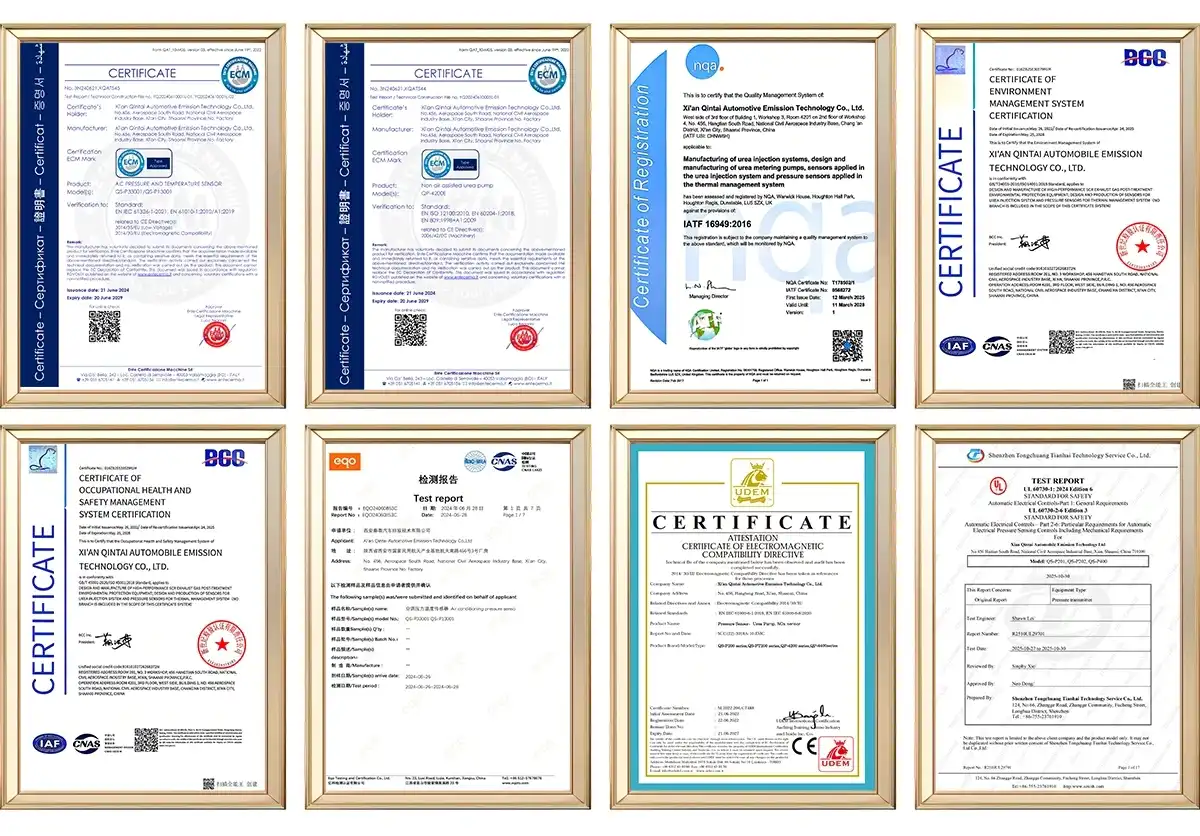
To access the European market for the water pressure sensor, always verify CE marking, RoHS compliance for material restrictions, UL certification for North American deployment, and IP65 or IP67 ratings for humid working environments. The warranty should cover a minimum of 12 months starting from the date of commissioning, not shipment. This critical clause greatly alters risk exposure for project-based procurement of the water pressure sensor.
Maximizing Sensor Value: Data Interpretation and Industry Trends
Having the right tools isn't enough. Half of them are using the information it gives them.
Reading and Integrating Sensor Output
A 4–20 mA input is easy to scale in any PLC or SCADA system. At 4 mA, there is no pressure, and at 20 mA, there is full-scale pressure. You should connect this output to your HMI's engineering units and change the warning levels from 100% to 90% of the suggested maximum.
This will give the control system time to fix a problem before it becomes a failure. IoT-connected pump systems use IO-Link water pressure sensors to send diagnostic data directly to cloud platforms with a time stamp. You don't have to write down everything by hand to see trends.
Emerging Trends Shaping Sensor Technology
Now, predictive maintenance models use past pressure trends to show how the diaphragm will wear out weeks before it breaks. Large water treatment plants can use wireless LPWAN water pressure sensors without having to cost a lot of money to set up a lot of wiring.
Stricter environmental standards, like having to keep an eye on water discharge, are driving up the need for more accurate transducers with certificates that can be tracked. If buying teams pick monitors with digital output today, they won't have to spend a lot of money updating their hardware tomorrow when rules for compliance get tighter.
Conclusion
It is insufficient merely to select the lowest-priced water pressure sensor from product catalogues; you also need to confirm compatibility with your target pump or fluid control system. The system’s reliability and regulatory compliance are directly determined by accuracy grade, diaphragm material, output protocol and certification status. Proper installation and maintenance following this guidance maximise the service life of your water pressure sensor. The above framework can be adopted by both R&D engineers and procurement managers for a structured workflow from requirement definition to supplier contract finalisation.
FAQ
What is the difference between a water pressure sensor and a pressure transmitter?
There are different types of water pressure sensors that can measure the pressure of a fluid. A certain type of transmitter always sends out a steady signal, usually between 4 and 20 mA, along with electronics that make the signal stronger. A simple pressure switch, on the other hand, only turns on or off at a certain level. When controlling a pump that needs proportional input, a transmitter is the best choice.
How often should I recalibrate a pressure sensor in an industrial setting?
As a rule, most commercial water systems are adjusted once a year. When there are a lot of cycles, like when pump timing systems go off hundreds of times a day, six-month breaks work well. This is always what you should do after a water hammer or any pressure spike that was close to the water pressure sensor's rated maximum.
Are wireless pressure sensors as accurate as wired ones?
Modern wireless water pressure sensors that use IO-Link or industrial Bluetooth are just as accurate as wired sensors these days. There isn't much change in how accurate it is. How you handle data delay and battery life are what matter in real life. These problems are more important in control loops that respond quickly than in tracking systems that change slowly.
What causes set-point drift over time?
Most of the time, set-point drift is caused by the internal spring or cushion wearing out. In order to avoid this, good water pressure sensors test their parts through more than 500,000 cycles of fatigue and let them age before sending them out.
Partner with Qintai for Your Water Pressure Sensor Needs
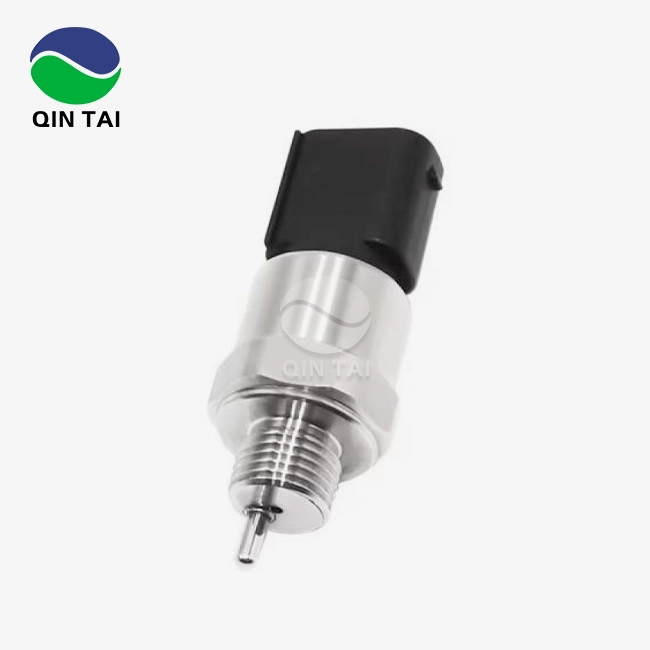
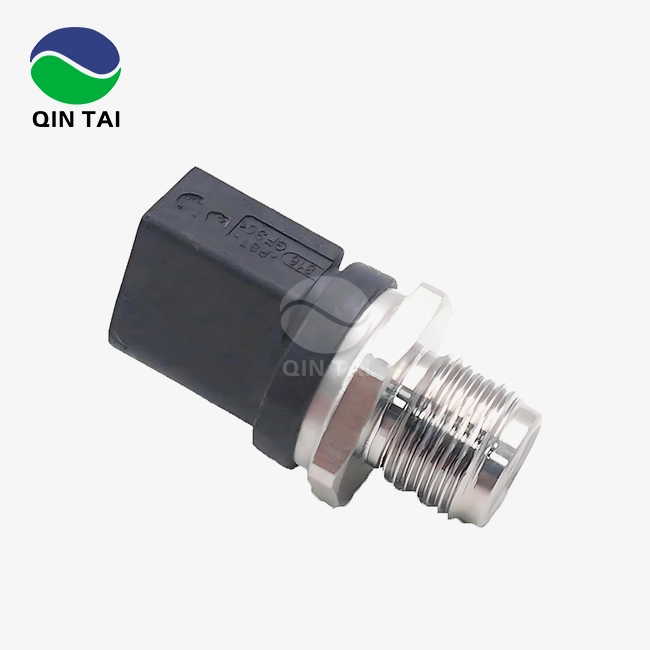
Xi'an Qintai Automotive Emission Technology Co., Ltd. has supplied diesel engine OEMs and SCR/DPF system installers parts since 2001. ISO9001, IATF16949, CE, UL, and RoHS have all given the company their seal of approval. One of the largest companies that makes water pressure sensors is Qintai. They can do both OEM/ODM customization and mass production all from one source. Contact our technical team today at info@qt-sensor.com or visit qt-sensor.com to request specifications or a bulk quote.
References
1. ISA-7.0.01 Quality Standard for Instrument Air — Instrument Society of America, 1996.
2. Pressure Sensor Technology and Applications — Elsevier Sensors and Actuators Journal, 2018.
3. Industrial Automation Handbook: Sensors and Signal Conditioning — McGraw-Hill, 2020.
4. Pump and System Magazine: Pressure Measurement in Industrial Fluid Systems — Pump and System, 2022.
5. IEC 60770-1: Transmitters for Use in Industrial-Process Control Systems — International Electrotechnical Commission, 2020.
6. ASHRAE Handbook — HVAC Systems and Equipment: Sensors and Controls — American Society of Heating, Refrigerating and Air-Conditioning Engineers, 2020.

Our customers’ satisfaction speaks for our quality — contact us to experience the same reliable service.