- English
- French
- German
- Portuguese
- Spanish
- Russian
- Japanese
- Korean
- Arabic
- Greek
- German
- Turkish
- Italian
- Danish
- Romanian
- Indonesian
- Czech
- Afrikaans
- Swedish
- Polish
- Basque
- Catalan
- Esperanto
- Hindi
- Lao
- Albanian
- Amharic
- Armenian
- Azerbaijani
- Belarusian
- Bengali
- Bosnian
- Bulgarian
- Cebuano
- Chichewa
- Corsican
- Croatian
- Dutch
- Estonian
- Filipino
- Finnish
- Frisian
- Galician
- Georgian
- Gujarati
- Haitian
- Hausa
- Hawaiian
- Hebrew
- Hmong
- Hungarian
- Icelandic
- Igbo
- Javanese
- Kannada
- Kazakh
- Khmer
- Kurdish
- Kyrgyz
- Latin
- Latvian
- Lithuanian
- Luxembou..
- Macedonian
- Malagasy
- Malay
- Malayalam
- Maltese
- Maori
- Marathi
- Mongolian
- Burmese
- Nepali
- Norwegian
- Pashto
- Persian
- Punjabi
- Serbian
- Sesotho
- Sinhala
- Slovak
- Slovenian
- Somali
- Samoan
- Scots Gaelic
- Shona
- Sindhi
- Sundanese
- Swahili
- Tajik
- Tamil
- Telugu
- Thai
- Ukrainian
- Urdu
- Uzbek
- Vietnamese
- Welsh
- Xhosa
- Yiddish
- Yoruba
- Zulu
OEM Aftertreatment Dosing Unit Solutions for Vehicle Makers
If you build diesel-powered vehicles at scale, you already know that emission compliance is not optional — it is the baseline. An aftertreatment dosing unit sits at the center of that compliance story. It controls how precisely DEF (Diesel Exhaust Fluid) is injected into the SCR system, and when it works correctly, your NOx output stays within regulatory limits. When it does not, you face limp mode triggers, failed inspections, and costly downtime. This article walks through everything OEM engineers and procurement managers need to know before selecting a dosing solution.
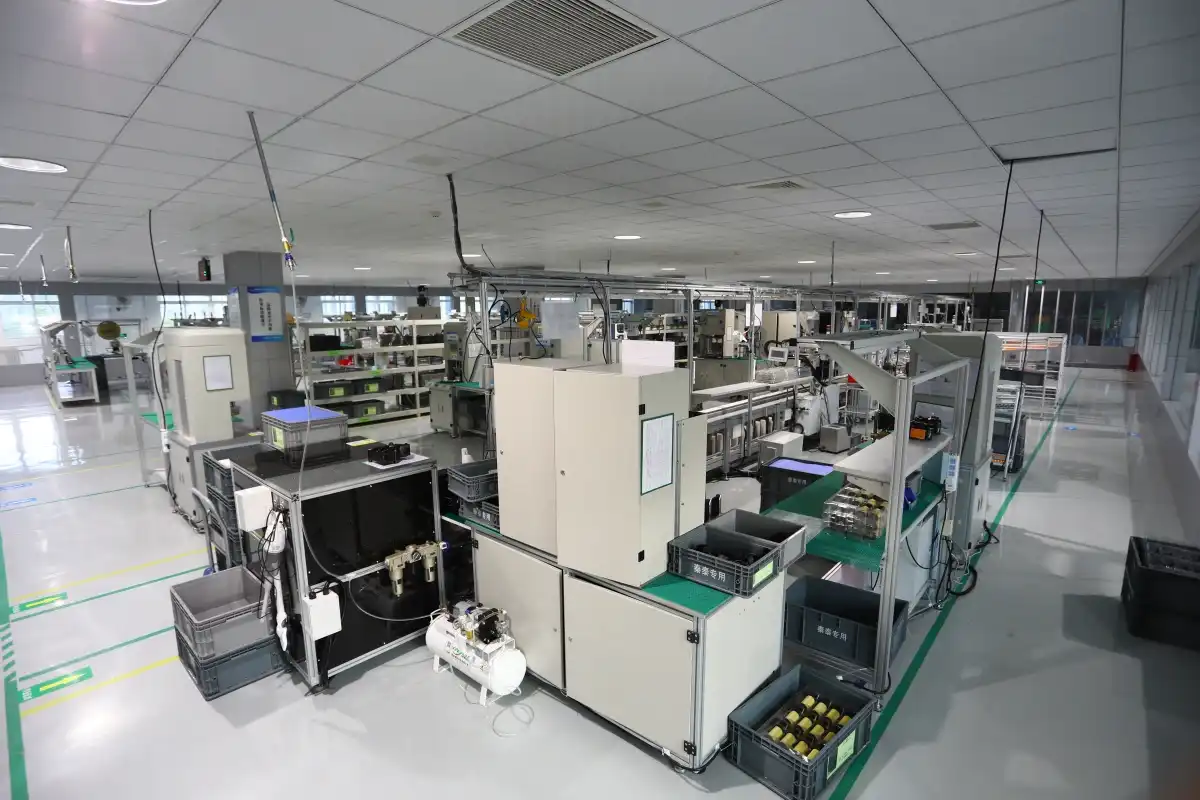
Understanding Aftertreatment Dosing Units: Function, Components & Technology Overview
How a Dosing Unit Actually Works
The DEF is pumped out of the tank and pushed up by a dosing unit. After that, a controlled spray is put into the exhaust pipe, which is before the SCR catalyst. Does the Dosing Control Unit (DCU) read data like exhaust temperature, NOx percentage, and engine load in real time? If so, it changes the injection amount to match. The EPA says that SCR systems can cut NOx pollution by up to 90% if the dose system works right.
Key Components You Should Know
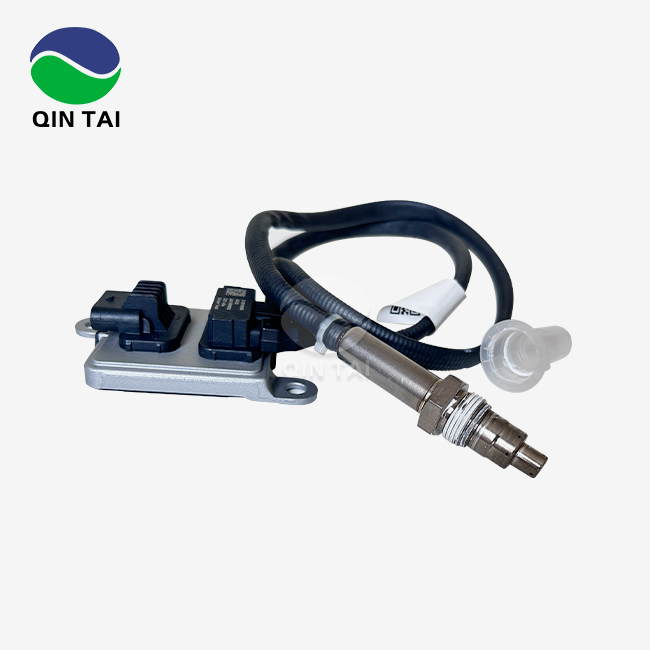
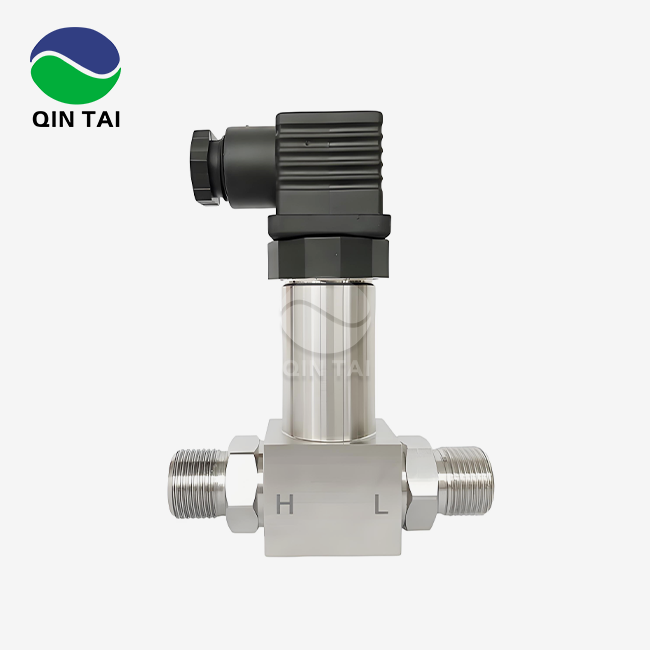
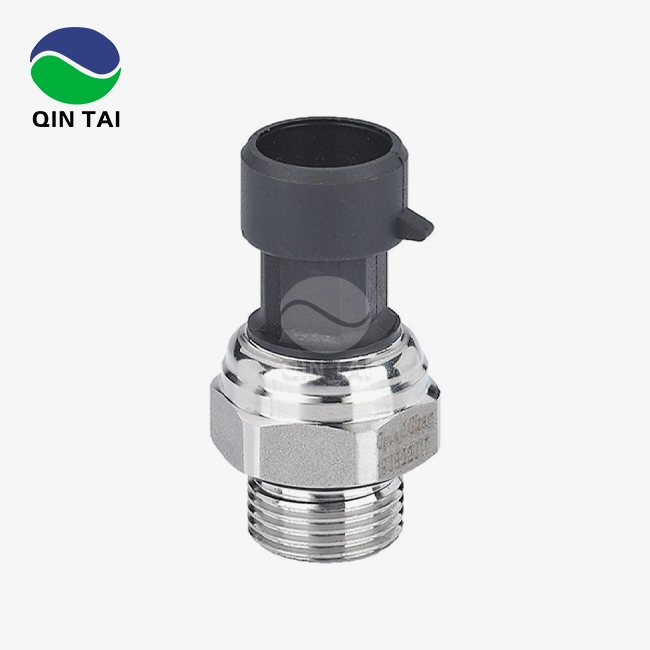
A production-grade dosing system has a urea pressure sensor, a high-pressure dosing pump, an injector nozzle, a DCU or ECU interface, and a return line. The urea pressure sensor is very important because it tells the DCU about the hydraulic pressure in real time. This makes sure that the dose isn't too low (NOx non-compliance) or too high (ammonia slip). It is made by Qintai and has a diaphragm made of 316L stainless steel. It also uses piezoresistive MEMS technology. Their accuracy is ±1.5% full-scale, and they can handle 0 to 12 bar.
Recent Technology Advancements
Newer dosing systems don't use the older 0.5V–4.5V analog signals, but instead use SENT (Single Edge Nibble transfer) digital signals. This makes transfer faster and less affected by noise. An IP69K rating protects the electronics inside from being washed with high-pressure water. Gold-plated connection ends stop signal drift from oxidation, which is a main reason why many fleet techs see the P204B fault code on old systems. These improvements make the aftertreatment dosing unit more reliable and durable in demanding fleet operations.
Key Benefits and Maintenance Tips for OEM Vehicle Makers
Why Advanced Dosing Systems Pay Off
OEMs that ask for high-precision dosing parts see steady returns over the car's life. If you inject DEF the right way, it slows down the catalyst's breakdown. This keeps the SCR brick in good shape longer and cuts down on warranty claims. Studies from the Engine Manufacturers Association show that more exact dosing means fewer NOx exceedance events that happen in the field. There is a link between this and the company's image with regulators and its ability to keep fleet users.
Maintenance Practices That Prevent Failures
In a factory or fleet, these are the most important things to do:
- Inspect the urea pressure sensor every 15,000 operating hours. Sensors designed to this service life standard, like Qintai's SCR pressure sensors, incorporate a flexible internal buffering structure to survive AdBlue's 9% freeze-expansion cycle without signal drift.
- Use only ISO 22241-compliant DEF. Contaminated or off-spec urea solution accelerates diaphragm corrosion and causes crystallization inside the dosing pump, often triggering P204B or P20EE fault codes.
- Flush the injection nozzle at each service interval. Dead-volume minimization in the sensing chamber reduces crystallization risk, but periodic flushing eliminates residue before it hardens.
Stick to these steps, and you'll be able to avoid unplanned downtime and keep your emission certification records safe. When these service times are built into regular maintenance plans by automakers, SCRs cause a lot fewer guaranty returns.
Safety Protocols for DEF Handling
It's safe to use DEF, but it can hurt metals that aren't covered and rubber seals that weren't made to handle urea. Never let it get above 25°C, and only use stainless steel or HDPE fittings. Also, keep it away from diesel fuel or engine oil, as these can lower the concentration of the urea and forever clog the dose pump.

How to Choose the Right Aftertreatment Dosing Unit for Your Vehicle Line
Define Your Procurement Criteria First
First, your engineering team should write down the exact pressure range, signal output protocol, working temperature window, and connector type that your DCU needs. Only then should you compare providers. Specifications that aren't clear-cut lead to expensive rounds of re-qualification. There should be a range of 0 to 9 bar for heavy-duty trucks that have to meet China VI or Euro VI standards. Large generator sets, on the other hand, might need to run for a long time at up to 12 bar. Getting these specifications right is essential when selecting an aftertreatment dosing unit for your application.
Specialized Dosing Units vs. Generic Pumps
If you buy generic pumps that were made to move water or chemicals, they might not have the right shape for the flow path to keep crystals from forming or the right sealing materials that can handle urea, which is what you need for SCR dosing. It has been proven to work with temperature changes, shocks, and freeze-thaw cycles. It comes from an approved OEM source and is made to work with DEF's chemical properties (32.5 percent aqueous urea). Most of the time, the cost difference between a component level repair and a single guaranty repair is not that big.
Leading Brands and What Sets Them Apart
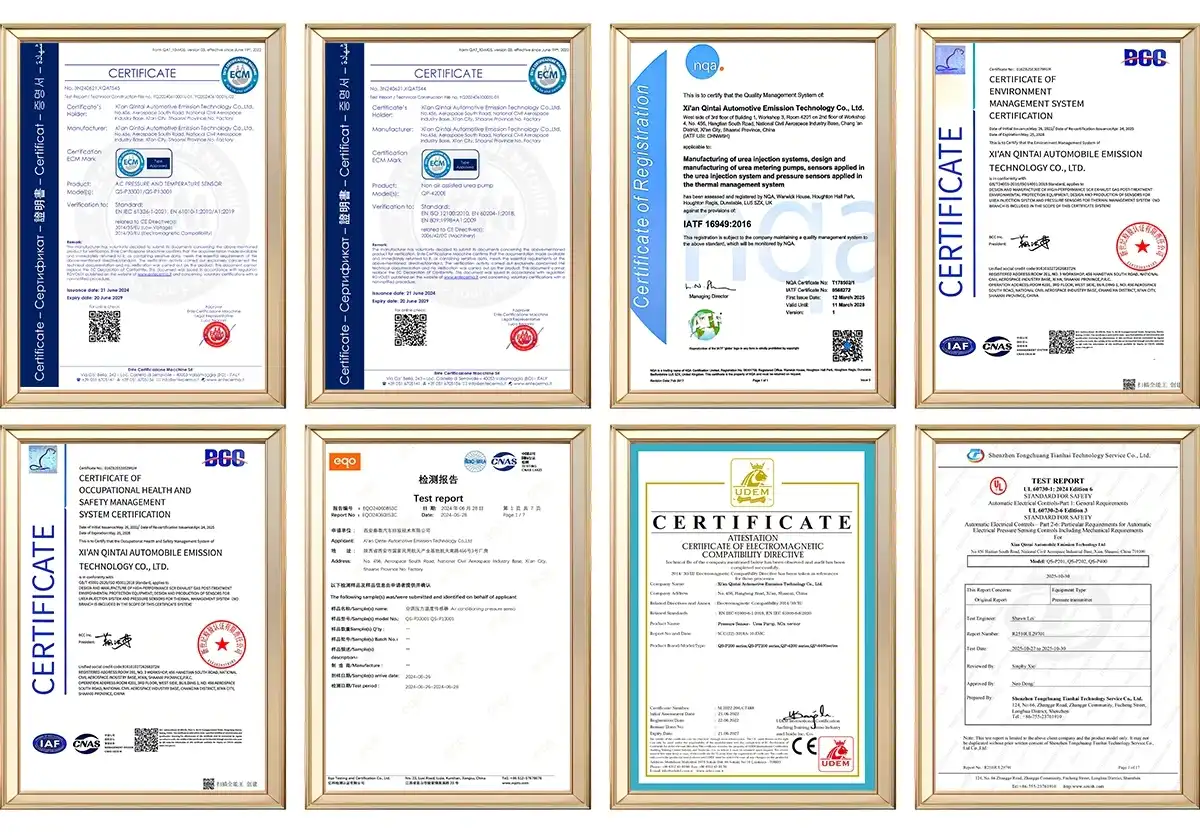
Bosch is known for making a lot of SCR dosing units and ECUs that work with many types of European truck systems. When it comes to parts for cars, Continental is good at making sensor-actuator sets that work well together. In the Asia-Pacific area, Denso has the biggest share of the market for small dosing units that can fit inside the boxes of building and farming tools. OEMs can work with Qintai as a core Tier 1 partner if they want to work with a known China-market source whom they can reach around the world. Some of the companies that have bought from them are Weichai Power, Yuchai Power, and Quanchai Power. They are approved by IATF16949, ISO9001, CE, and UL.
Purchasing and Procurement Guide for OEM Aftertreatment Dosing Units
How to Evaluate and Qualify Suppliers
It's not enough to just look at prices when choosing a supplier for emission-critical parts. The person in charge of buying things should check that the item is approved by IATF16949, request process capability (Cpk) data for important measurements, and look over records of field failure rates. If a customer asks for changes to the design or re-calibration of the ECU, suppliers with their own R&D teams can respond faster than middlemen who only trade. Qintai is one example; it has put in for 58 idea rights.
Cost-Benefit Framework for Budgeting
When you compare aftertreatment dosing unit suppliers, the total cost of ownership is more important than the price per unit. Think about:
- Component qualification cost: Re-testing a new sensor mid-production is expensive. Choose suppliers with proven certification histories.
- Warranty claim exposure: A sensor with a 15,000–20,000-hour service life reduces field replacement frequency substantially.
- Customization lead time: OEM/ODM-capable suppliers shorten the path from design spec to mass production, reducing program delays.
For these reasons, people don't always choose the seller with the lowest unit price. Instead, they choose the supplier whose quality stays high during large-scale runs.
After-Sales Support and Spare Parts Availability
When someone sells you a dose unit, make sure that they keep extra parts like seals, sensors, and injector tips in stock and can ship you new ones by the due date. It sends its SCR sensor lines to more than 60 countries and keeps them in stock so they can be used for both OEM production and aftermarket service needs.
Future Trends and Performance Optimization in Aftertreatment Dosing Technology
IoT Integration and Smart Dosing
Fleet tracking platforms are getting live data from devices in the dosing system. This lets maintenance alerts be sent before a sensor goes out of a certain range. When you put together real-time pressure monitoring and exhaust NOx data, you get a feedback loop that lets engineers from far away find dosing mistakes before they lead to events like "limp mode" or breach of emission standards.
Tightening Emission Targets
The EU's upcoming Euro VII regulation and the EPA's Phase 3 greenhouse gas standards will bring the NOx limits below the Euro VI levels that are already in place. In order to work better, dosing devices need to be able to give more accurate shots and warm up faster. For these needs in the next cycle, sensors are already set up and ready to go. They have SENT digital output and reaction times of less than one millisecond.
Preparing Your Vehicle Line Now
If OEMs try next-generation dosing parts early on, they can escape having to make expensive changes to the engineering in the middle of the cycle. Your supply chain will be able to adapt to new rules instead of just reacting to them if you work with suppliers who have active research and development programs and foreign certifications that cover markets from North America to the Middle East to Southeast Asia.
Conclusion
Picking the right parts for the dose system is both a scientific and a business decision that affects how well the car meets emission standards, how reliable it is, and how much it costs over its lifetime. There are many important steps in the process. You should know how a urea pressure sensor stops crystallization and fault codes. You should also compare providers based on IATF16949 standards and think about the total cost of ownership. When it comes to SCR aftertreatment parts, Qintai has been a big OEM supplier to important Chinese engine makers since 2001. The company also has customers in over 60 other countries. There is already a base in place if your program needs quality that has been shown to work on a big scale. This makes Qintai a strong candidate when sourcing an aftertreatment dosing unit for your program.
FAQ
What is an aftertreatment dosing unit?
It is a system that pumps and injects DEF into the diesel exhaust stream upstream of the SCR catalyst. It includes a pump, pressure sensor, injector, and control interface to regulate the exact urea volume needed to convert NOx into nitrogen and water.
What causes the P204B fault code?
P204B typically indicates signal drift in the urea pressure sensor circuit, often from oxidized connector pins or sensor aging. Sensors with gold-plated terminals significantly reduce this fault occurrence.
How long does a urea pressure sensor last?
In standard commercial applications, a properly designed sensor carries a service life of 15,000 to 20,000 operating hours.
Can one sensor work across different SCR brands?
Thread dimensions like M10x1 or M12x1.5 are often standardized, but the output signal protocol (analog 0.5V–4.5V or digital SENT) must match the specific ECU calibration of the system.
Does AdBlue freezing damage the sensor?
A well-engineered sensor incorporates a flexible internal buffer that accommodates the 9% volume expansion when AdBlue freezes at approximately -11°C, preventing mechanical damage or signal shift.
Partner with Qintai for Your Dosing Unit Supply Chain
Qintai sells more SCR sensors than any other company in China, and its OEM buyers come from over 60 different countries. The company Qintai has been approved by IATF16949, ISO9001, CE, UL, and Ex to make aftertreatment dose units. From the design stage all the way through mass production, they do OEM/ODM work. To get specs, samples, or a source qualification package, email our team at info@qt-sensor.com.
References
1. Engine Manufacturers Association. Exhaust Emission Technology Guide for Heavy-Duty Diesel Engines. 2022.
2. U.S. Environmental Protection Agency. Diesel Exhaust Aftertreatment Technology Overview. 2021.
3. International Organization for Standardization. ISO 22241: Diesel Engines – NOx Reduction Agent AUS 32. 2019.
4. Society of Automotive Engineers. SAE J2843: Selective Catalytic Reduction (SCR) Systems for Heavy-Duty Diesel Applications. 2020.
5. European Commission. Euro VI Emission Standards for Heavy-Duty Vehicles: Technical Requirements. 2021.
6. Bosch Automotive Handbook, 10th Edition. Exhaust-Gas Aftertreatment Systems for Diesel Engines. Robert Bosch GmbH, 2022.
 Sensor.webp)

Our customers’ satisfaction speaks for our quality — contact us to experience the same reliable service.