- English
- French
- German
- Portuguese
- Spanish
- Russian
- Japanese
- Korean
- Arabic
- Greek
- German
- Turkish
- Italian
- Danish
- Romanian
- Indonesian
- Czech
- Afrikaans
- Swedish
- Polish
- Basque
- Catalan
- Esperanto
- Hindi
- Lao
- Albanian
- Amharic
- Armenian
- Azerbaijani
- Belarusian
- Bengali
- Bosnian
- Bulgarian
- Cebuano
- Chichewa
- Corsican
- Croatian
- Dutch
- Estonian
- Filipino
- Finnish
- Frisian
- Galician
- Georgian
- Gujarati
- Haitian
- Hausa
- Hawaiian
- Hebrew
- Hmong
- Hungarian
- Icelandic
- Igbo
- Javanese
- Kannada
- Kazakh
- Khmer
- Kurdish
- Kyrgyz
- Latin
- Latvian
- Lithuanian
- Luxembou..
- Macedonian
- Malagasy
- Malay
- Malayalam
- Maltese
- Maori
- Marathi
- Mongolian
- Burmese
- Nepali
- Norwegian
- Pashto
- Persian
- Punjabi
- Serbian
- Sesotho
- Sinhala
- Slovak
- Slovenian
- Somali
- Samoan
- Scots Gaelic
- Shona
- Sindhi
- Sundanese
- Swahili
- Tajik
- Tamil
- Telugu
- Thai
- Ukrainian
- Urdu
- Uzbek
- Vietnamese
- Welsh
- Xhosa
- Yiddish
- Yoruba
- Zulu
Aftertreatment Dosing Unit Guide for Diesel Engine Systems
An aftertreatment dosing unit (ADU) is a precision device that injects Diesel Exhaust Fluid (DEF/AdBlue) into a diesel engine's exhaust stream to reduce harmful nitrogen oxide (NOx) emissions. Integrated within SCR (Selective Catalytic Reduction) or LNT (Lean NOx Trap) systems, ADUs are essential for meeting Euro VI, EPA Tier 4 Final, and China VI standards. For OEMs, system integrators, repair shops, and generator set manufacturers, selecting the right dosing unit directly affects regulatory compliance, equipment uptime, and total cost of ownership.
Understanding Aftertreatment Dosing Units: Functionality and Components
How a Dosing Unit Works Inside an SCR System
It sprays DEF into the exhaust pipe before the SCR catalyst in a very precise way. It does this by pumping it under pressure through a pump module and the DEF tank. Nox is changed into nitrogen and water vapor by the reductant. These are safe chemicals. The EPA in the US says that SCR technology can do away with up to 90% of NOx pollution. For legal reasons, it is very important that DEF is provided properly.
Key Components That Drive Performance
All dose units have a few core parts that work together to do their jobs. It's usually between 4 and 9 bar, and the DEF pump makes sure it stays that way. A ceramic thick-film urea dosing pressure sensor or a piezoresistive MEMS sensor checks the hydraulic pressure in real time and sends data to the Dosing Control Unit (DCU). Solenoid valves help control when the injections happen, and the control module reads sensor signals to change the dose amount to match.
Role of the Pressure Sensor in Dosing Accuracy
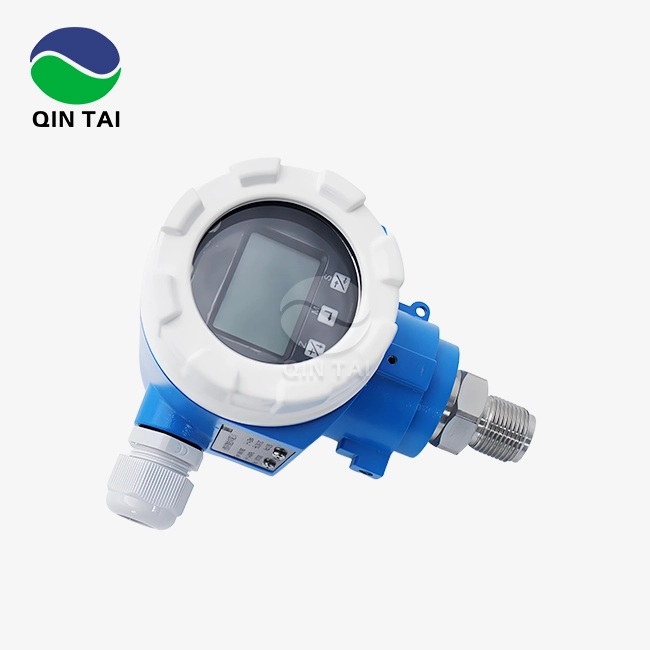
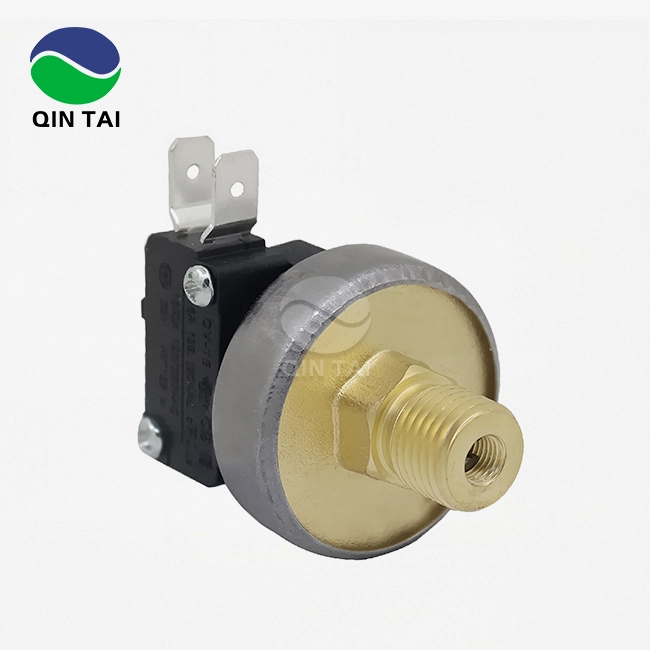
This is one of the most important parts of the system because it tells us how much urea to give. It can measure pressures from 0 to 12 bar, and its precision is ≤ 1.5% Full Scale. Liquid urea solutions that are 32.5% strong can't hurt sensors that are made with 316L stainless steel or PPS film. The IP69K rating means that it is resistant to water and dust, and it can work in temperatures from -40°C to +125°C. It stops both giving the wrong dose and costly error codes like P204B.
Comparing Aftertreatment Dosing Units: Making Informed Choices
ADUs vs. Traditional Dosing Pumps
Dosing pumps without real-time input deliver fixed dosage under varying load conditions of the aftertreatment dosing unit, which results in either over-dosing or under-dosing of DEF. In contrast, modern aftertreatment dosing unit adopts closed-loop control with integrated pressure and temperature sensors. This active feedback loop maintains accurate dosing throughout the entire engine duty cycle. This feature is critical for long-haul trucking operations exposed to constantly changing weather conditions.
SCR vs. LNT: Matching the Unit to the System
All Class 8 trucks, farm equipment, and generator sets that are more than 75 kW come with SCR systems already installed. They need a special DEF dose tool that can control the pressure of the pump. Instead of adding DEF, lighter diesel engines use LNT systems, which consistently switch between rich and lean fuel. Find an ADU that works with the aftertreatment plan you want, like SCR or LNT. This is the first technical test that any buying team has to do.
OEM vs. Aftermarket Options: What the Data Shows
The dose units from Bosch, Continental, and Delphi that are OEM-grade have been tried with certain engine calibrations and come with the full OEM guaranty terms. Before you buy aftermarket parts, make sure they work with the ECU signal protocol (0.5V–4.5V analog or SENT digital). This can cut the cost by 20 to 40 percent. When someone owns a fleet of cars, aftermarket units that meet OEM standards like IATF 16949 and ISO 9001 can help them save money without sacrificing emissions compliance.
Maintenance and Troubleshooting of Aftertreatment Dosing Units
Routine Maintenance Schedule
Regular maintenance can keep you from having most ADU problems in the field. A well-thought-out plan should include these checks:- On the 500th day of business: Look for small cracks in the DEF lines and make sure the connection pins are stable. Often, gold-plated connections that are dirty or corroded are to blame for P204B trouble codes.
- Every 500 operating hours: Inspect DEF lines for microfractures and check connector pin integrity. Contaminated or corroded gold-plated terminals are a leading cause of P204B fault codes.
- Every 1,000 hours: Clean the dosing nozzle and verify injector spray pattern. Urea crystallization around the nozzle tip restricts flow and triggers dosing inaccuracy faults.
- Every 2,000 hours or annually: Replace the DEF filter and test pump pressure output against manufacturer specifications.
By following this maintenance schedule, you can achieve the designed service life for the aftertreatment dosing unit’s sensors and pumps, which ranges from 15,000 to 20,000 hours under commercial operating conditions.
Common Fault Codes and Their Causes
The most common SCR fault put down in heavy-duty diesel repair records is P204B, which stands for "Urea Pressure Sensor Circuit Range/Performance." The signal moves in an old sensor or the sensor port gets dirty most of the time. It's likely that the pump is worn out or the filter is only partly open if the DEF system pressure is below 3.5 bar when the engine is at rest. The difference between the real and modeled NOx reduction is known as a dosing inaccuracy fault. Most of the time, it's because the nozzle is clogged or the pressure sensor diaphragm is worn out.
When to Escalate to Professional Service
It's likely that the dosing module needs to be completely changed or calibrated at the bench level if the trouble codes come back after the connections have been cleaned and replaced. If you need to fix something that comes with an OEM warranty, you should always file a warranty claim before you fix anything at the component level. Diagnostic tools made just for SCRs can be used by independent service centers to do volumetric flow tests and sensor output verification. This is something that field technicians who only have an OBD scanner can't do.

Practical Procurement Guide for Aftertreatment Dosing Units
Evaluating Suppliers Before Placing an Order
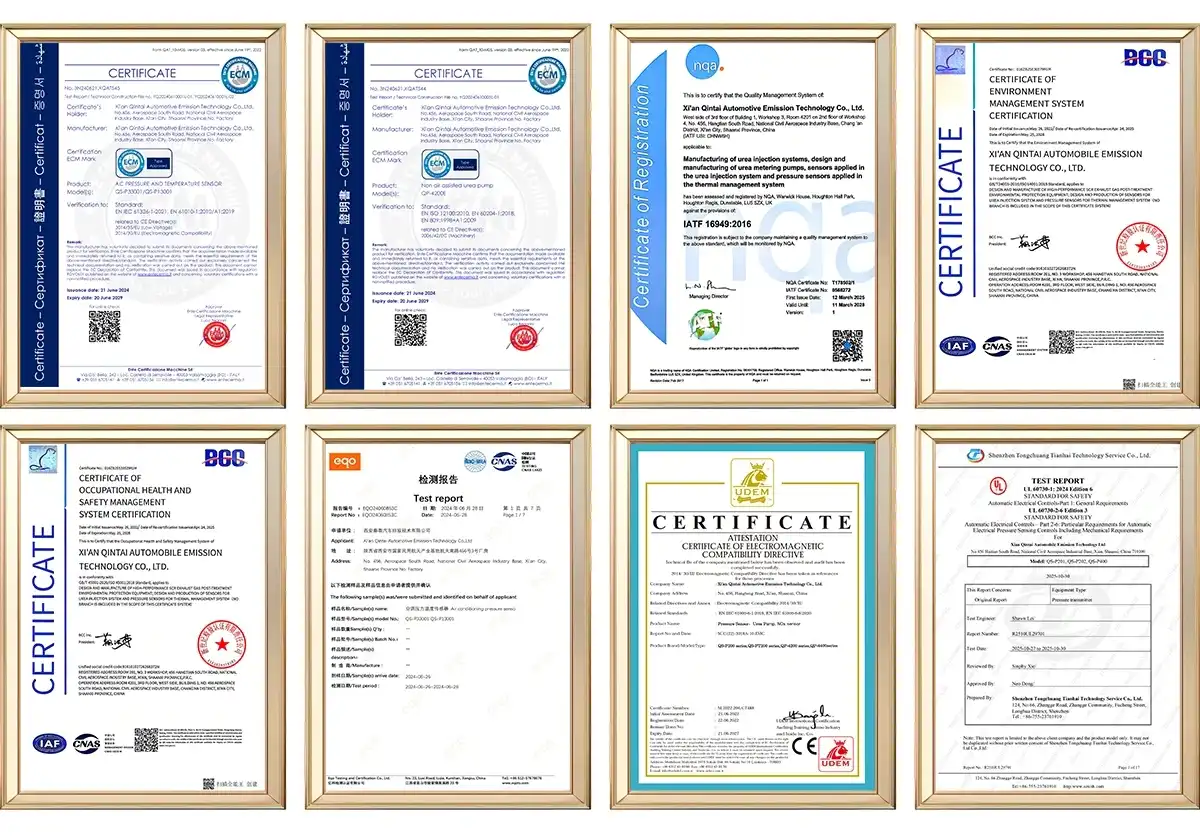
Giving approval to a supplier is a two-step process. To begin, check to see if the item is approved. At the very least, you need ISO 9001, IATF 16949, and any regional approvals (CE, UL, RoHS, REACH) for limited markets. Find out how much they can make and how long the wait time is, especially if they can make more than 5,000 units per year. Ask current OEM buyers for written numbers on the failure rate. This data shows the long-term cost of ownership in a clear way.
Key Purchasing Terms to Negotiate
When buying a dosing unit for a business, the four things that can be changed the most are the price per unit, the length of the warranty, the cost of the tools needed for custom interfaces, and the availability of spare parts. The lead time for standard SKUs from Chinese suppliers is generally between 4 and 8 weeks. It could take 12 to 16 weeks for custom setups with different signal outputs or pressure ranges that aren't common. If you want to buy OEM-grade parts from some sellers, you may need to place an order for at least 500 units.
Logistics and Delivery Considerations
For global shipments of your aftertreatment dosing unit, request FCA or CIF Incoterms plus all required export documentation, such as certificates of origin and material compliance records. Batch traceability is mandatory for quality auditing of regulated products including commercial vehicles and mining generator sets. In short, every sensor must be traceable to its corresponding production batch.
Innovations and Future Trends in Aftertreatment Dosing Unit Technology
Smart Sensors and Real-Time Diagnostics
More recent SCR platforms have SENT (Single Edge Nibble Transmission) protocol sensors instead of analog outputs that range from 0.5V to 4.5V. It is more accurate to get pressure data from SENT sensors, which also have error monitoring built in. So, the ECU can tell when a sensor isn't working right before it sends a fault code or puts the engine into limp mode. Temperature and pressure sensors are now being put in the same housing by some Tier 1 providers. This makes wiring easy and cuts down on the number of places where connectors can fail.
Regulatory Direction in North America and Europe
The EPA's Phase 3 greenhouse gas guidelines for heavy-duty trucks will have to be approved in 2024. After that date, vehicles made will have to have stricter NOx controls. At the same time, the European Commission is looking at Euro VII plans that aim to have NOx levels that are very close to zero. These will need more accurate doses than the Euro VI methods we have now. When teams buy aftertreatment dosing units today, they should check to see if the seller plans to meet these new needs in their R&D roadmaps.
Adaptive Dosing and IoT Integration
Some fleet telematics platforms are now able to get real-time data from SCR systems. This lets them plan maintenance ahead of time by seeing trends in pump pressure and DEF use. Then, ADU makers can make modules that work with CAN lines and have standard data outputs. These modules can then be added to fleet management systems that are linked. Long-haul trucking companies and industrial sites that are far away and use stable power sets will benefit the most from this trend.
Conclusion
To pick the right aftertreatment dosing unit, you need to know about the government rules, the system design, the sensor requirements, and the skills of the provider. Every technical part of the equipment, like the pressure sensor diaphragm's material and how well it works with the SENT protocol, impacts how well it works and how long it lasts. That's where procurement managers and R&D engineers can start with this framework.
They can use it to do things like check the specs of parts and make sure that B2B sellers are qualified. Around the world, emission standards are getting stricter. Buying a dosing system that works well and is well supported is one of the best ways to protect your legal standing and your running costs.
FAQ
How does the pressure sensor prevent urea crystallization?
There isn't a lot of empty space inside the sensor, and the flow paths are smooth. This keeps DEF that isn't moving from drying out and turning into urea crystals on the sensing diaphragm. If this happened, the signal would drift and the dosing would fail.
Can I retrofit a dosing unit onto an older diesel engine?
It is possible to add an SCR system after the fact if the ECU of the engine allows it. The control module must be set up to work with the NOx output profile of the engine, and the DEF injector must be mounted in a way that works with the exhaust temperature of the engine.
What does the P204B fault code mean?
The code P204B means that the urea pressure sensor's data is not in the normal range for use. It could be because the joining pins are rusty, the sensors have lost their effectiveness, or the pump is broken and can't keep the system pressure steady.
How do I confirm sensor signal compatibility before ordering?
Check to see if the output is analog (0.5V–4.5V) or SENT digital by asking for the sensor's output specification sheet. Then, compare this to the steps that say how to set up your ECU. A mistake will cause permanent fault codes to appear.
What is the typical service life of a dosing pressure sensor?
OEM-grade pressure sensors are supposed to last between 15,000 and 20,000 hours in normal commercial vehicle settings, where the temperature changes and the vehicle shakes a lot.
Partner with Qintai for Proven Aftertreatment Dosing Unit Solutions
Weichai Power, Yuchai Power, and Quanchai Power have bought SCR aftertreatment parts from Qintai since 2001 because they are a key OEM partner. We belong to ISO 9001, IATF 16949, CE, UL, RoHS, and REACH, and we have 58 idea patents. In China, we also have the biggest share of this group's market. You can get aftertreatment dosing units from us in both standard and custom styles, and they can be used in boats, trucks, construction equipment, and generator sets. More than 60 countries now have these units. You can email us at info@qt-sensor.com or visit qt-sensor.com to get a price.
References
1. U.S. Environmental Protection Agency — Regulatory Impact Analysis for the Phase 3 Heavy-Duty Vehicle Greenhouse Gas Emissions Standards, 2024.
2. European Commission — Euro VII Heavy-Duty Vehicles Regulation Proposal, Official Journal of the European Union, 2023.
3. SAE International — SAE J3000: Heavy-Duty Vehicle On-Board Diagnostics for SCR Aftertreatment Systems, 2019.
4. Diesel Technology Forum — Understanding Selective Catalytic Reduction in Heavy-Duty Diesel Engines, 2022.
5. International Organization for Standardization — ISO 22241: Diesel Engines — NOx Reduction Agent AUS 32, Parts 1–4, 2019.
6. Bosch Automotive Handbook — Exhaust-Gas Aftertreatment: SCR Systems and DEF Dosing Technology, 10th Edition, Robert Bosch GmbH, 2022.



Our customers’ satisfaction speaks for our quality — contact us to experience the same reliable service.