- English
- French
- German
- Portuguese
- Spanish
- Russian
- Japanese
- Korean
- Arabic
- Greek
- German
- Turkish
- Italian
- Danish
- Romanian
- Indonesian
- Czech
- Afrikaans
- Swedish
- Polish
- Basque
- Catalan
- Esperanto
- Hindi
- Lao
- Albanian
- Amharic
- Armenian
- Azerbaijani
- Belarusian
- Bengali
- Bosnian
- Bulgarian
- Cebuano
- Chichewa
- Corsican
- Croatian
- Dutch
- Estonian
- Filipino
- Finnish
- Frisian
- Galician
- Georgian
- Gujarati
- Haitian
- Hausa
- Hawaiian
- Hebrew
- Hmong
- Hungarian
- Icelandic
- Igbo
- Javanese
- Kannada
- Kazakh
- Khmer
- Kurdish
- Kyrgyz
- Latin
- Latvian
- Lithuanian
- Luxembou..
- Macedonian
- Malagasy
- Malay
- Malayalam
- Maltese
- Maori
- Marathi
- Mongolian
- Burmese
- Nepali
- Norwegian
- Pashto
- Persian
- Punjabi
- Serbian
- Sesotho
- Sinhala
- Slovak
- Slovenian
- Somali
- Samoan
- Scots Gaelic
- Shona
- Sindhi
- Sundanese
- Swahili
- Tajik
- Tamil
- Telugu
- Thai
- Ukrainian
- Urdu
- Uzbek
- Vietnamese
- Welsh
- Xhosa
- Yiddish
- Yoruba
- Zulu
What Affects Wireless Pressure Sensor Transmission Range?
Transmission range in wireless pressure sensors determines how far critical pressure data travels without degradation or loss. Several interconnected factors influence this capability: the wireless communication protocol employed (LoRa, Zigbee, Bluetooth, or cellular networks), environmental obstacles such as metal structures and machinery that obstruct radio frequency signals, electromagnetic interference from industrial equipment, antenna design and positioning, transmission power output, and enclosure materials.
Understanding these elements helps purchasing managers and R&D engineers select sensors that deliver reliable data transmission across demanding industrial environments where monitoring accuracy directly impacts compliance, operational safety, and system performance.

Understanding Wireless Pressure Sensor Transmission Range
Transmission range is the farthest a wireless pressure sensor can send measurement data to receivers or ports without the signal getting messed up. This specification is very important for choosing the architecture of a system because it affects how sensors are placed, how the network is set up, and how many repeaters or gateways are needed for full coverage.
Why Transmission Range Matters in Industrial Applications
There are special problems in industrial settings that affect how far monitor data go. There are metal buildings, electricity motors, and changing weather conditions in places where heavy trucks, construction gear, farm equipment, and generator sets all work. When purchasing managers look at sensors for diesel engine aftertreatment systems or SCR tracking, they need to know how well the devices can transmit information so that they can keep talking even when they are placed on equipment that shakes or when they are enclosed in metal cases. When transmission range is low, data drops, monitoring of emission compliance is hampered, and maintenance costs rise because more infrastructure is needed.
Typical Range Specifications Across Industrial Sensors
Depending on the wireless technology used, industrial-grade sensors can transmit signals up to over 1,000 meters in open areas and up to 30 meters in places with a lot of machinery. Bluetooth Low Energy sensors can usually reach up to 100 meters, which is far enough to watch small machines. With mesh networking, Zigbee and WirelessHART protocols, this range can be increased to 100 to 300 meters, making them perfect for monitoring an entire building.
LoRaWAN technology pushes the limits even further, providing coverage of 2 to 15 kilometers in rural or semi-urban areas. This makes it ideal for installing generators in remote areas or spreading out teams of farm equipment. Cellular-based sensors use 4G infrastructure that is already in place, which basically gets rid of range restrictions but makes them dependent on network coverage and adds ongoing data costs.
Core Factors Affecting Wireless Pressure Sensor Transmission Range
The efficient communication distance is based on a number of scientific and environmental factors that work together. By understanding these factors, engineers can choose the best sensors and place them in the best places.
Physical Obstructions and Signal Attenuation
As radio waves go through solid objects, they become weaker. Signal strength drops by 10 to 20 decibels when it hits a concrete wall. Signals can be blocked almost completely by metal boxes or machinery. When used in building equipment, metal parts around sensors that are placed inside engine compartments cancel each other out very badly. This fact needs to be carefully thought through when planning the installation. When buying sensors for enclosed uses, buyers should look for ones with higher transmitting power or outdoor antenna choices that put the radiating element outside of metal housings.
Electromagnetic Interference in Industrial Settings
Variable frequency drives, electric motors, welding equipment, and power lines all make a lot of electromagnetic noise in industrial settings. This interference messes up radio signals, making them less reliable and lowering their range. The 2.4 GHz frequency band is used by Bluetooth and some Zigbee implementations. However, WiFi networks and other devices cause a lot of interference in crowded industrial settings.
The wireless pressure sensor operates effectively within Sub-GHz bands (433 MHz, 868 MHz, and 915 MHz), which are better at getting through barriers and are less likely to get messed up, which makes them better for harsh industrial uses. Technical managers should make sure that the frequency bands chosen for sensors that will be used in aftertreatment systems are compatible with the electromagnetic surroundings of the sites being considered, and they must also verify that the wireless pressure sensor’s specific band selection aligns with local regulatory limits and interference profiles at each installation site.
Wireless Communication Protocols and Their Range Characteristics
There are different ways that different wireless methods combine range, power use, data rate, and the structure of the network. LoRaWAN is great at low-power, long-range communication. It can send small data bits over kilometers while keeping the battery alive for years. This makes it perfect for keeping an eye on stationary generator sets or farming equipment that is spread out. Zigbee and WirelessHART make self-healing mesh networks where each sensor acts as a relay and increases the range by communicating over more than one hop.
These protocols work well for complicated sites with lots of sensors that need to be monitored together. Bluetooth Low Energy is easy to use and widely available, but its range is only tens of meters, which is fine for dense clusters of sensors on a single machine. Cellular technologies offer an unlimited range wherever network coverage is available, but they come with higher power costs and monthly service fees.
Antenna Design, Orientation, and Placement
Transmission efficiency is largely determined by the properties of the antenna. Omnidirectional antennas send signals out in all directions equally. This lets you position the sensor in different ways, but their maximum range is shorter. Directional antennas direct energy toward particular receivers, greatly increasing range in point-to-point situations but need to be perfectly lined up. Where you put the antenna in relation to the metal surfaces and how you build the cover have a big effect on how well it works. Internal antennas built into sensor housings protect the sensors and make them smaller, but they lose some of their transmission power.
When you use external antennas or antenna extensions, you move the part that sends the signal away from metal disturbance, which greatly increases the range. When supply chain managers look at sensors for retrofit uses, they should check to see if the antenna can be placed optimally because of the way the sensors are mounted, or if external antenna choices give them the freedom they need.
Transmission Power and Regulatory Limitations
Higher transmitting power improves range, but it also uses more energy and is limited by rules. In the US, the Federal Communications Commission limits transmission power that isn't licensed so that devices don't interfere with each other. For instance, 2.4 GHz devices usually use less than 100 mW, while sub-GHz ISM bands can handle up to 1 watt in some situations. When sensors are made for global markets, they often set the output power to a low level to make sure they work everywhere. When technical engineers choose sensors for important monitoring tasks, they should check the transmission power requirements and know how local rules may affect performance in various markets.

Comparison of Wireless vs Wired Pressure Sensor Transmission
Procurement teams can make better technology choices when they know the main differences between wireless and standard wired sensors.
Signal Reliability and Data Integrity
Wired sensors send messages through actual wires, which makes contact solid and unaffected by radio interference or blockage. Over hundreds of meters of wire, current loop signals like 4-20 mA are very reliable and don't pick up noise. With the right ending, RS485 digital transmission can go over 1,000 meters. Because of these features, wired devices are the best choice for mission-critical situations where losing data is not an option.
When you use wireless devices, the signal could be cut off by interference, obstruction, or brief changes in the environment. To keep things reliable, modern wireless protocols include error detection, acknowledgment mechanisms, and retransmission strategies. However, purchasing managers need to be aware that wireless transmission introduces variables that aren't present in wired systems.
Installation Flexibility and Scalability
Installing cables is not needed for wireless sensors, which greatly cuts down on deployment time and costs, especially for retrofitting or short-term monitoring situations. This benefit is very useful for keeping an eye on spinning equipment, moving machines, or situations where running cables can be hard or cost a lot. Wireless monitoring is very helpful for construction and farming equipment because it keeps cables from getting damaged by vibration and movement.
Scalability is very different between methods. Adding wired sensors means expanding the cable system, which adds costs for materials and work that go up in a straight line with the number of sensors. When gateway hardware is already in place, wireless mesh networks make it easy to add sensors with little extra cost, especially when each wireless pressure sensor can join the network seamlessly, making them a good choice for large-scale tracking deployments.
Impact on Measurement Accuracy and Response Time
The transmission method changes measurement performance in a roundabout way. Wired sensors send constant, real-time data with almost no delay, and monitor readings are usually updated within milliseconds. Wireless sensors use duty cycles to save battery power. They collect and send data every few seconds to minutes, based on the needs of the application and the available power.
This adds measurement delay that is too long for real-time closed-loop control but just right for diagnostic and tracking tasks. In wireless devices, delays in sending data are common and can last anywhere from a few milliseconds to a few seconds. When engineers are making emission monitoring systems for diesel engines, they need to check if the latency of wireless transmission meets the needs for regulatory data logging and diagnostics.
Enhancing Transmission Range – Best Practices and Solutions
There are real-world ways to increase the range and dependability of wireless sensor transmissions in industrial settings.
Optimal Sensor Placement and Line-of-Sight Considerations
The broadcast range is greatly increased when positioning devices have a clear line of sight to receivers. Even a small amount of blocking weakens the signal by a lot. When putting sensors on machines, the mounting locations should have as few metal structures as possible between the sensor and the gateway.
Putting sensors or gates higher than other things in the way uses the fact that radio signals can move farther along clear paths. Before finalizing procurement specifications, technical managers who are putting in place sensor networks should do site surveys to find the best places to mount the sensors. This evaluation affects whether normal transmission range is enough or if longer-range models or more facilities are needed.
Network Architecture Solutions
Mesh networking protocols, such as Zigbee and WirelessHART, let multiple sensors talk to each other, which gets around the range limitations of individual sensors. Each sensor repeats messages from nearby sensors, which makes the network cover more areas in big buildings without adding extra hardware. For this method to work, there must be enough sensors to keep the connections between nodes open. The plan for placing the gateway also has a big impact on how well the system works.
Putting gateways in the middle of areas that are being watched reduces the longest transmission distances that need to be used. Applications that keep an eye on equipment that is spread out may need more than one gateway or a dedicated repeater device to fill in coverage gaps. When purchasing teams look at the total cost of ownership, they should see if the need for gateways and repeaters cancels out any savings that could come from going wireless.
Maintenance and Performance Optimization
Regular repair keeps portable sensors working well over time. As voltage drops, the state of the battery directly affects the transfer power, which gradually shortens the range. Setting up proactive replacement schedules for batteries stops performance loss. Regular checks are needed on antenna connections because transmission is hampered by connections that are loose or corroded. Environmental pollution on sensor housings, especially in places that are dusty or dirty, can make antennas not work as well.
Manufacturers' firmware updates often include changes that make the range and dependability better by improving power management, error repair, and transmission methods. Companies that don't have their own network optimization experts can work with suppliers that offer full technical support and after-sales service. This way, companies can make sure that sensor networks keep working at their best for as long as they are operational.
Buying Guide: Selecting Wireless Pressure Sensors Based on Transmission Needs
When making a procurement decision, you have to weigh technical requirements against operational needs and the total cost of ownership.
Critical Specifications for Procurement Evaluation
Technical documents should make it clear what the tested transmission range was under certain conditions. They should also make a distinction between the line-of-sight maximum range and the range that can be used in industrial settings. Transmission frequency and range must be taken into account in battery life specs, since longer transmission distances use more power. Choosing the right frequency bands affects both performance and compliance with regulations. Sensors that will be used around the world should support the right bands for each market.
Ratings for enclosures that show they keep out dust and water ensure they work well in tough conditions. Specifications for temperature are important, especially for car and industrial uses where sensors are exposed to harsh circumstances. The measurement's fit for a given task depends on its pressure range, accuracy class, and output type, and these criteria apply equally to each wireless pressure sensor considered for deployment. When purchasing managers look at sensors for diesel engine aftertreatment systems, they should make sure that they meet emission standards and work with the monitoring infrastructure that is already in place.
Supplier Reliability and Support Considerations
Besides product specs, a supplier's skills have a big effect on the success of a project. Reliability in lead times changes how production schedules and supplies are managed. Warranty terms and failure rates show how good the product is and how confident the supplier is in it. When technical support is quick to respond, integration problems are solved and system performance is improved. If a supplier lets you customize their goods, they can change the interface or make custom casings to fit the needs of each application. Companies that want to build long-term relationships should look at how stable the supplier is, how much they can make, and how committed they are to continued product development.
Introducing Qintai's Advanced Wireless Pressure Solutions
Xi'an Qintai Automotive Emission Technology has made industrial wireless pressure sensors that are designed to solve transmission problems in tough situations. Our devices use sub-GHz frequency bands to get better penetration and a longer range. This lets them communicate reliably up to 1,500 meters away in open areas and 200 to 300 meters away in complex industrial settings. Integrated mesh networking lets large installations get better coverage without adding more hardware.
Strong IP67 enclosures can handle the harsh conditions that are typical in diesel engine uses. Our sensors have adjustable transmission times that balance how new the data is with how long the battery lasts. The premium lithium cells can last for five years of operation. We have worked with China's top diesel engine makers, like Weichai Power, Yuchai Power, and Quanchai Power, so we know how hard it is to integrate pollution tracking and aftertreatment systems. Our ISO9001, IATF16949, and other foreign certifications show that we are dedicated to quality and dependability, which is what procurement workers need for mission-critical applications.

Conclusion
Transmission range is an important factor to consider when looking for wireless pressure sensor options for use in factories. The effective communication distance is based on things like physical obstacles, electromagnetic interference, the chosen protocol, the design of the antenna, and the transmission power. While wired sensors are the most reliable, wireless options offer installation flexibility and scalability benefits that are very useful in mobile equipment, retrofitting, and distributed monitoring networks.
The best transmission performance comes from placing sensors in the best places, using mesh networking, and doing regular maintenance, all of which directly affect how reliably each wireless pressure sensor performs over time. To find solutions that meet both short-term and long-term operating needs, procurement choices should look at technical specs, source skills, and total ownership costs as a whole. Wireless pressure sensor deployments will go smoothly if you work with providers who have a lot of experience, offer tested products, offer full support, and let you make changes to the products.
FAQ
How can I increase wireless pressure sensor transmission range in my facility?
Increasing the length of communication requires more than one approach. When possible, place position sensors so that they have a clear line of sight to receivers. This will raise the devices above any obstacles in their way. If you want better penetration through walls and machinery, choose sensors that work on sub-GHz frequencies instead of 2.4 GHz ones. Set up mesh networking methods that let devices talk to each other over more than one hop.
If you want to put sensors in metal cases, you might want to look at ones that have antennas on the outside. Cut down on sources of electromagnetic interference that are close to sensors and receivers. Coverage can be increased across big facilities by placing repeaters or extra gateways in key places. Batteries and radio links work best when they are taken care of regularly.
Do wireless sensors sacrifice measurement accuracy compared to wired alternatives?
The transmission method doesn't change the accuracy of measurements by itself. The sensing elements and signal conditioning circuits that determine the accuracy of pressure measurements are the same in both wired and wireless sensors. The difference lies in how the data is sent rather than how well it can be measured. It takes longer between measurements when wireless devices sample and send data on a regular basis instead of all the time. It changes how fresh the data is but not how accurate it is. Reliable manufacturers of high-quality wireless sensors make sensors with the same level of accuracy as wired devices.
Are wireless pressure sensors reliable enough for harsh industrial conditions?
When properly designed and fitted, modern industrial wireless pressure sensors work very well and are very reliable. Devices with the right ingress protection grades can handle dust, moisture, vibration, and temperature changes that happen a lot in diesel engines, building equipment, and farming machinery. Strong communication protocols have ways to find errors and send data again so that data integrity is maintained even when there is interference. As battery technology improves, they can work for more than one year, which means they need less maintenance. If you choose sensors from companies that have a history of working in difficult settings and have done a lot of testing, you can be sure that they will work reliably.
Partner with Qintai for Superior Wireless Pressure Sensor Solutions
Picking the right wireless pressure sensor supplier has a direct effect on the success of your project and the efficiency of your operations in the long run. Qintai is a top company that makes wireless pressure sensors and has over 20 years of experience with diesel engine emission systems. They offer industrial-grade monitoring solutions that major OEMs in China and over 60 other countries trust. With 58 idea patents to show how well we do research and development, we can make sure that the specifications of your sensors meet your exact transmission range needs, weather conditions, and integration needs.
We keep a lot of stock on hand so that we can meet your tight delivery times and keep your production on track. Our IATF16949-certified manufacturing methods guarantee consistent quality that meets the needs of mass production, and our OEM and ODM services are flexible enough to meet special needs. Technical support teams are there to help with everything from the initial selection process to deployment and ongoing operation. Visit qt-sensor.com or email info@qt-sensor.com to talk to our engineering experts about your wireless monitoring problems and find out how Qintai's proven sensor technology can help your important applications with transmission speed, reliability, and support.
References
1. Smith, J. and Williams, R. (2022). Industrial Wireless Sensor Networks: Design Principles and Implementation Strategies. Technical Press International.
2. Anderson, M. (2021). "Radio Frequency Propagation in Industrial Environments: Measurement and Modeling." Journal of Industrial Electronics and Applications, 45(3), 287-304.
3. Chen, L. and Thompson, K. (2023). Wireless Communication Protocols for Process Automation: A Comparative Analysis. Automation Technology Publishers.
4. Rodriguez, P. (2020). "Battery Life Optimization in Wireless Sensor Networks for Industrial Monitoring." International Conference on Industrial IoT Proceedings, 156-171.
5. European Telecommunications Standards Institute (2022). Short Range Devices Technical Standards and Regulatory Framework. ETSI Technical Report 445.
6. Martinez, S. and Kumar, V. (2023). "Antenna Design Considerations for Industrial Wireless Sensors in Harsh Environments." IEEE Transactions on Industrial Informatics, 19(2), 1834-1847.
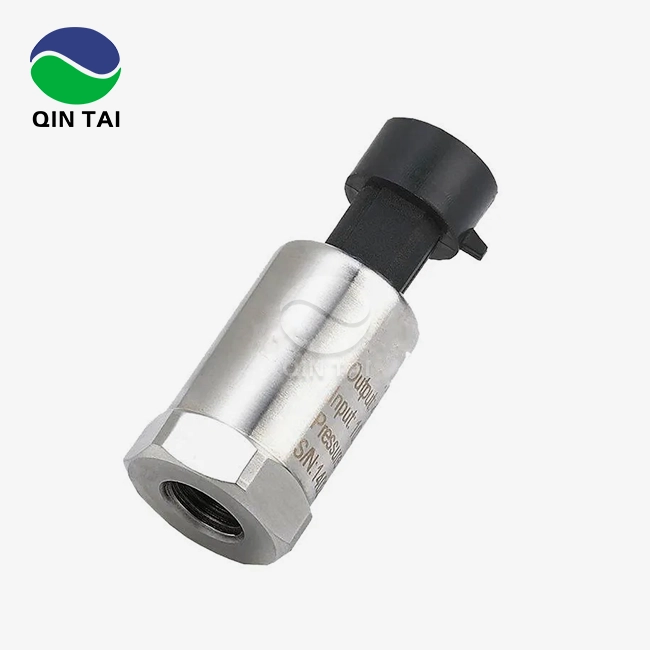
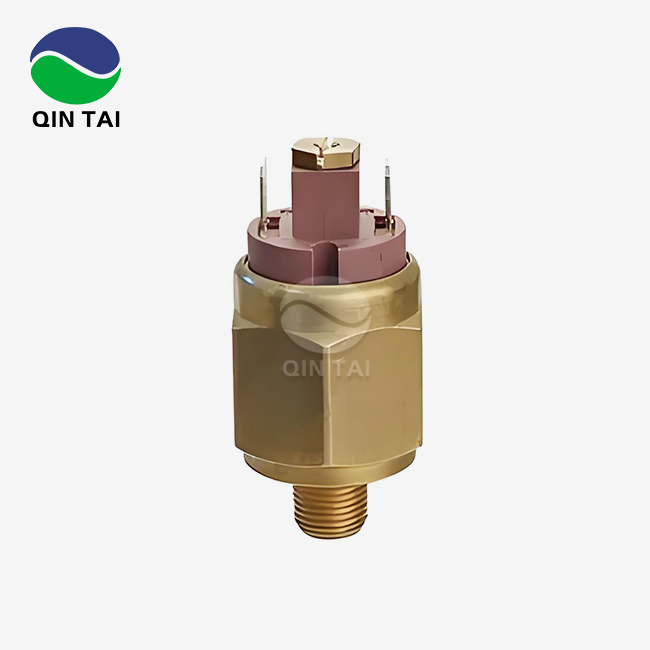
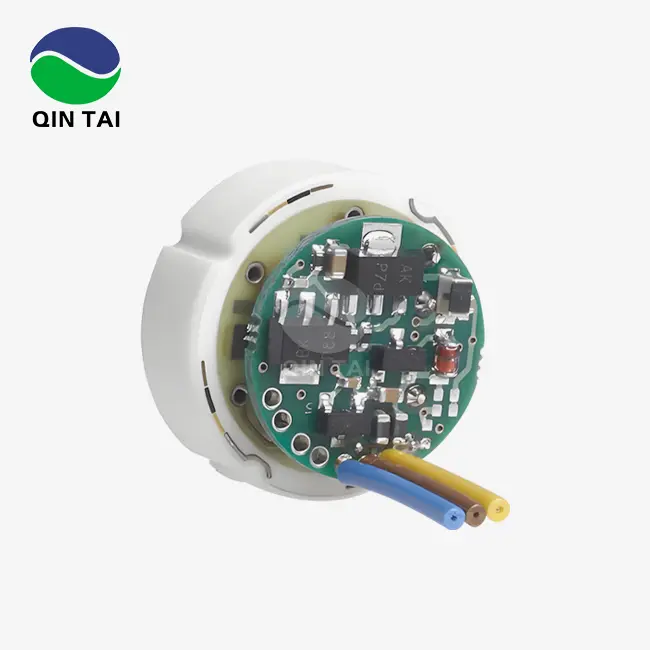
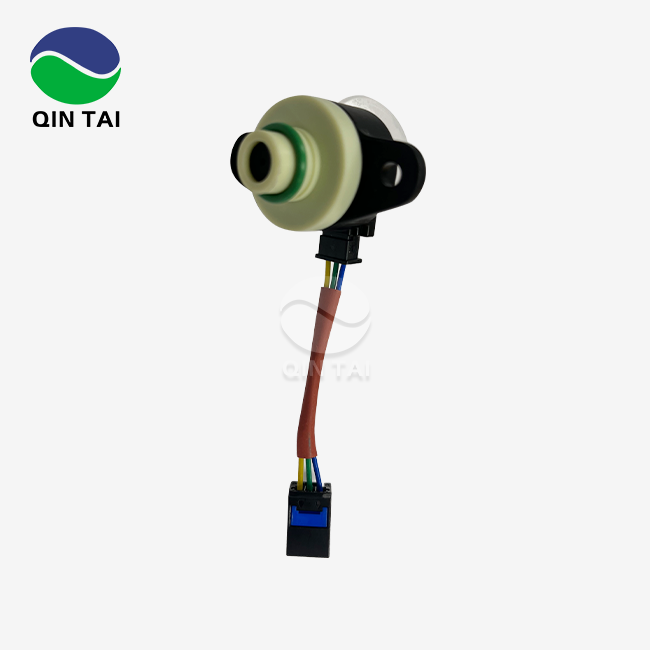

Our customers’ satisfaction speaks for our quality — contact us to experience the same reliable service.