- English
- French
- German
- Portuguese
- Spanish
- Russian
- Japanese
- Korean
- Arabic
- Greek
- German
- Turkish
- Italian
- Danish
- Romanian
- Indonesian
- Czech
- Afrikaans
- Swedish
- Polish
- Basque
- Catalan
- Esperanto
- Hindi
- Lao
- Albanian
- Amharic
- Armenian
- Azerbaijani
- Belarusian
- Bengali
- Bosnian
- Bulgarian
- Cebuano
- Chichewa
- Corsican
- Croatian
- Dutch
- Estonian
- Filipino
- Finnish
- Frisian
- Galician
- Georgian
- Gujarati
- Haitian
- Hausa
- Hawaiian
- Hebrew
- Hmong
- Hungarian
- Icelandic
- Igbo
- Javanese
- Kannada
- Kazakh
- Khmer
- Kurdish
- Kyrgyz
- Latin
- Latvian
- Lithuanian
- Luxembou..
- Macedonian
- Malagasy
- Malay
- Malayalam
- Maltese
- Maori
- Marathi
- Mongolian
- Burmese
- Nepali
- Norwegian
- Pashto
- Persian
- Punjabi
- Serbian
- Sesotho
- Sinhala
- Slovak
- Slovenian
- Somali
- Samoan
- Scots Gaelic
- Shona
- Sindhi
- Sundanese
- Swahili
- Tajik
- Tamil
- Telugu
- Thai
- Ukrainian
- Urdu
- Uzbek
- Vietnamese
- Welsh
- Xhosa
- Yiddish
- Yoruba
- Zulu
What Is the Best Pressure Water Sensor for Monitoring Systems
When evaluating pressure water sensors for industrial monitoring systems, the optimal choice depends on matching technical specifications with operational demands. The best pressure water sensor combines high accuracy (typically ±0.25% to ±1% full scale), robust ingress protection (IP65 or IP67), wide pressure range compatibility (0-20 Bar or customized), and proven durability in harsh environments. Leading models integrate seamlessly with SCADA platforms and support both analog (4-20mA) and digital (Modbus, CANbus) outputs, ensuring reliable real-time data transmission for critical applications in diesel engine aftertreatment systems, hydraulic controls, and automated industrial processes.


Understanding Pressure Water Sensors: Types and Working Principles
Pressure water sensors transform hydraulic force into actionable electrical signals, enabling automated monitoring and control in complex fluid systems. These gadgets work by picking up changes in the shape of a measuring element caused by fluid pressure and turning those changes into voltage, current, or digital data streams.
Analog Versus Digital Sensor Technologies
Analog sensors send out continuous electrical signals that change in response to changes in pressure. These signals are usually 4-20mA or 0-10V and are easy to connect to existing control systems. On the other hand, digital sensors send separate data bits through protocols like Modbus RTU or CANbus. This makes them more resistant to noise and gives them better troubleshooting tools. We've observed that analog sensors are still most common in repair projects where current-loop signaling is already supported by the infrastructure, but digital versions are more common in new installs that need networked intelligence and features for predictive maintenance.
Common Sensor Types and Their Characteristics
Piezoelectric sensors are great for measuring dynamic pressures, like when you need to keep an eye on changes in diesel engines' combustion pressure or record sudden hydraulic shocks. They react quickly to changes in pressure, but they need signal preparation and have trouble with measuring static.
Capacitive sensors are very sensitive and stable, and they can measure changes in capacitance caused by pressure between two conductive plates. Because they work well with corrosive media and can handle low pressure, they are useful in chemical processing and treating municipal water.
Strain gauge sensors are the workhorses of the industry. They attach resistance parts to diaphragms that bend when pressure is applied. This group strikes a good mix between low cost and dependability, and it can work in a wide range of temperature and pressure conditions. When properly adjusted, they keep their accuracy within ±0.5% for long periods of time between service intervals.
Pressure transducers have both sensing elements and electronics built right in. They store the whole signal filter chain in small housings. These turnkey options make installation easier and make the system less complicated, which is especially helpful in places where room is limited, like on mobile equipment or small generator sets. Which of these technologies to use depends on the specifics of the application. Measurement frequency, pressure range, media compatibility, and environmental exposure all affect the best sensor architecture.
Wireless and Wired Configuration Considerations
When it comes to safety-critical applications like SCR dosing control in emission systems, where signal latency can't be more than milliseconds, wired sensors are the only way to make sure that power stays on and data is sent reliably. The cost of installation goes up as more cables are run, but wired architectures don't need to worry about battery maintenance or electromagnetic interference.
Wireless setups save money on cable costs and allow tracking in moving equipment or faraway places. Low-power protocols have made it possible for battery-powered wireless sensors to work for years at a time. However, procurement teams must still test how well radio waves travel through metal structures and make sure that mission-critical deployments have backup data paths.
Industrial water treatment plants often use hybrid architectures, which balance reliability and installation flexibility by putting wired sensors at the main control points and wireless units that monitor other systems.

Key Factors to Consider When Choosing the Best Pressure Water Sensor
When choosing pressure water sensors, it's important to carefully compare the performance specs to what the devices will actually do. To avoid costly mistakes, procurement managers and R&D engineers need to make sure that sensor capabilities match system needs.
Accuracy, Sensitivity, and Calibration Requirements
Accuracy of measurements has a direct effect on the quality of process control and on following the rules. Emission control systems that want to meet China VI or Euro VI standards need monitors that can keep their accuracy within ±0.5% even when the temperature changes from -40°C to +125°C. This is to make sure that the right amount of urea is added. Specifications for sensitivity tell us the smallest change in pressure that can be detected. This is very important for keeping an eye on the difference in pressure between DPF filters, where 0.1 Bar precision lets regeneration cycles happen on time.
Calibration times keep measurement accuracy in check while keeping up with upkeep costs low. Industrial-grade sensors usually need to be re-calibrated once a year. However, newer designs that include temperature compensation and digital trimming can make verification periods last up to 24 to 36 months. To keep tools from breaking down, purchasing teams should find out if providers offer traceable calibration certificates and on-site calibration services.
System Compatibility and Integration Efficiency
Sensor compatibility includes more than just electrical links. It also includes process media compatibility, control system standards, and mechanical interfaces. 304L or 316L stainless steel housings don't rust in water systems with chlorides or sulfates, and EPDM or FKM diaphragms can handle hydraulic fluids and automotive coolants. The electrical output forms need to work with the tracking system that is already in place.
For example, many SCR aftertreatment controllers can handle 4-20mA current loops with an overlay of the HART protocol, which lets you use analog control with a digital setup. More and more, municipal water systems want to be able to connect to centralized SCADA platforms using Modbus TCP/IP. By checking for protocol compatibility before buying, you can avoid having to buy expensive gateway hardware or rethink your whole system.
Different areas have different thread standards (NPT, BSPP, metric) and different types of electrical connectors (DIN 43650, Deutsch, M12). Making sure the mechanical fit stops changes in the field that could damage the seal and void the warranty.
Installation Best Practices and Troubleshooting
The life of a sensor and the accuracy of its measurements depend on how well it is installed. Placing sensors perpendicular to the flow direction reduces the effects of turbulence, and adding isolation valves lets you take them out for inspection without depressurizing the system. When rotary pumps or compressors send out pulses of pressure, they need snubbers or damping valves to keep the diaphragm from wearing out, which is the main way that hydraulic tracking systems fail.
Most of the time, the first step in fixing is to make sure that the power source is stable and that the electrical grounding is correct. Voltage changes and ground loops can cause signal noise. Zero-point drift is often caused by a damaged diaphragm or air bubbles that get stuck. This can be fixed by cleaning the system or replacing the damaged part.
Output readings that aren't within the acceptable range of accuracy could mean that the calibration is off or the electronics are broken, which would require recalibration at the source or the replacement of the sensor. Implementing systematic preventive maintenance—routine zero checks, connection reviews, and performance trends—identifies degradation before failures disrupt operations.
Comparing Top Pressure Water Sensors in the Market (2026Edition)
The global market for pressure water sensors has a lot of different options, and each one works best in a certain type of industry setting. Knowing the strengths and weaknesses of different options helps you make smart purchasing choices that meet the needs of your application and your budget.
Leading Brands and Their Market Positioning
Honeywell's TruStability series is the best choice for OEMs who want to save money because it works reliably in moderate environments, has standard outputs, and has low prices for large orders. Their sensors are widely used in business HVAC systems and farm equipment that doesn't have to deal with extreme weather. The Siemens SITRANS P line is made for process businesses that need advanced diagnostics and certifications that the equipment is safe from explosions. These devices work great in dangerous places like petrochemical plants and mining generator sets, which is why they cost a lot.
WIKA and Ashcroft have strong places in heavy industry thanks to their tough mechanical design and wide range of pressure offerings. In construction equipment and mobile hydraulics, where vibrations are strong, their glycerin-filled gauges with electrical outputs work well. The top brands, like Endress+Hauser and Yokogawa, offer very accurate measurements and advanced communication methods.
Their sensors make it possible for complex predictive maintenance plans to be used in important power generation and industrial air treatment tasks. Pressure water sensors are particularly critical in these systems, as they monitor fluid stability and filter clogging in real time. New Chinese makers, such as specialized aftertreatment component providers, offer great deals for projects that want to save money, especially when they have ISO9001 and IATF16949 certifications.
Wireless Versus Wired Performance Analysis
Wired sensor designs allow for continuous operation without having to change batteries, which is very important for aftertreatment systems that need to keep an eye on things all the time to make sure catalyst damage or emission violations don't happen. Data transmission delays are still very small (sub-millisecond), which allows for real-time control loops that decide when to inject urea or where to place the EGR valve.
Installing wireless sensors is much cheaper than using wires and junction boxes, saving $50 to $150 per monitoring point. Using lithium primary cells, battery-powered transmitters can now last for 5 to 7 years, but procurement teams need to set up repair plans and keep backup power sources on hand. Radio range limits mean that large buildings with metal structures that block RF signals need careful site surveys. Hybrid methods use wireless sensors for tracking points that aren't very important and wired connections for measures that are very important for safety.
Procurement Insights for Bulk and OEM Orders
When you buy 100 units or more, volume pricing structures usually kick in and give you 15–25% off compared to buying one unit. When an OEM commits to buying a certain amount each year, they can get greater savings (30–40%) and more customization choices, such as private labeling, changed pressure ranges, and custom electrical connections.
It's important to carefully read the warranty terms, because regular 12-month coverage might not be enough to protect long-lasting goods. You can get protection against early fails by negotiating longer warranties (24–36 months) or performance promises. Lead times change depending on the supply of parts. Standard catalog items usually ship within two to four weeks, but special designs take eight to twelve weeks to make. Setting up blanket purchase orders with scheduled releases keeps supply chains stable and secures better prices.

How to Choose the Right Pressure Water Sensor: Decision-Making Framework
Systematic pressure water sensor selection starts with defining the exact needs of the application. Next, capabilities are matched to practical goals through a structured evaluation process.
Defining System Requirements by Industry Sector
Manufacturers of diesel engines that want to meet pollution standards need sensors that are approved for automotive-grade stability (AEC-Q200 qualification) and have pressure ranges that match the requirements of the SCR system (0–10 Bar for urea lines and 0–3 Bar for the intake manifold). To cover cold-start and full-load conditions, temperature levels must go from -40°C to +125°C, and response times must be less than 10ms for precise closed-loop dose control.
Integrators of aftertreatment systems need sensors that can be mounted in a variety of ways and have different electrical connection choices so they can work with a wide range of OEM platforms. Protocol compatibility—CANbus, LIN, or analog with programmable alarm thresholds—makes it easy to combine different product lines. For generator set uses, industrial-grade toughness is needed to withstand long-term temperature changes and continuous vibration. Pressure ranges need to include 0–5 Bar for coolant systems, 0–10 Bar for lubricating oil circuits, and 0–2000 Bar for common rail systems.
Core Selection Criteria and Prioritization
• Pressure range must encompass regular working conditions plus 25 to 50 percent overrange capacity to keep things from breaking down during short-term events like water hammer or pump startup surges.
• Accuracy class balances the accuracy of measurements with the cost of making them. Tolerances of ±1% are enough for many hydraulic monitoring tasks, but ±0.25% or tighter are needed for emission control and precise dispensing.
• Output signal format should match the format of the receiving equipment. For example, PLCs and industrial controls can all handle 4-20mA current loops, but modern networked systems are becoming more specific about digital fieldbus protocols.
• Durability factors including resistance to vibration, temperature adjustment, and compatibility with media determine service life in tough settings. Wetted materials must resist corrosion from process fluids—stainless steel for water, Hastelloy for acids, titanium for chlorinated solutions.
• Connectivity options span wired connections, wireless mesh networks, and cellular IoT modules. Wireless designs are better for remote installs, but deterministic wired links are needed for safety-critical applications.
Vendor Evaluation and Procurement Best Practices
Long-term satisfaction is strongly linked to the reputation of the supplier. Established manufacturers who have been specializing in sensors for decades usually offer better technical support and longer product life than generalist distributors. Quality certifications like ISO9001 and IATF16949 show that the process is mature, and industry-specific approvals show that the product is in line with the rules.
Having a lot of technical help is important during integration—responsive application engineers who know the problems your business faces can speed up commissioning. Strategic suppliers are different from commodity vendors because they can customize their products. OEM customers gain when partners offer pressure range changes and private labeling that make sure sensors fit the needs of the final product perfectly. Pressure water sensors are a prime example of such customization, as their material selection, port size, and electrical interfaces often need to be tailored to match specific fluid systems and environmental conditions.
Future Trends and Innovations in Pressure Water Sensors
As a result of the need to go digital and the need to be more environmentally friendly, pressure water sensor technology is still changing very quickly, driven by digitalization imperatives and sustainability mandates.
IoT Integration and Smart Monitoring Capabilities
Internet-connected sensors let cloud-based analytics platforms collect data from many monitoring points and show patterns that can't be seen at individual measurement points. Wireless mesh networks set themselves up automatically, sending data through nearby nodes to get around radio frequency (RF) barriers and increase coverage without having to spend money on new infrastructure. These designs allow for scalable deployment, so adding monitoring points only needs the installation of sensors and not projects for conduit and wiring. Smart sensors with edge computing process data locally, only sending outliers to save bandwidth and cut down on cloud storage costs.
Artificial Intelligence and Predictive Maintenance
Machine learning algorithms that are taught on old sensor data can find small signs of wear and tear that can predict problems days or weeks before they happen. AI-powered calibration routines automatically fix sensor drift by connecting several measurement factors. This increases the time between checks and lowers the cost of maintenance. Unusual pressure patterns can be picked up by automated anomaly detection. For example, sharp drops in pressure can mean there are leaks, and oscillations can mean the pump is cavitating. With these new insights, condition-based maintenance can be used instead of planned fixes.
Sustainability and Energy Efficiency Considerations
To lessen their impact on the environment, eco-friendly designs use recycled materials and get rid of harmful chemicals as required by RoHS and REACH rules. Energy-efficient gadgets use less power, which is especially important for wireless sensors that are driven by batteries, since lower current draw makes them last longer and wastes less battery. Manufacturers are offering sensor repair programs more and more, replacing old diaphragms while keeping the housing. These circular economy projects lower the cost of replacements and keep industrial waste out of landfills.

Conclusion
In conclusion, to choose the best pressure water sensor, you have to find a balance between technical performance, compatibility, cost, and supplier trustworthiness. Diesel engine makers should focus on using automotive-qualified sensors that meet strict emission standards and have a history of being mass-produced. Aftertreatment integrators get solutions that are flexible and can be delivered quickly, along with quick technical support. By systematically matching sensor capabilities to application needs while taking into account accuracy, durability, connectivity, and lifecycle costs, monitoring systems can provide reliable performance throughout their operational lifetime.
FAQ
How often should pressure water sensors be calibrated?
How often you calibrate a pressure water sensor depends on how important the application is and how it is being used. To stay in line with regulations, emission control systems usually need to be checked once a year. For non-critical monitoring applications, the time between checks may be extended to 24 to 36 months. Extreme temperatures or mechanical shock can damage sensors faster, so they need semi-annual inspections to help detect accelerated degradation.
Are pressure sensors compatible with SCADA and industrial monitoring platforms?
Modern pressure water sensors use standard methods that make them work with a lot of different devices. SCADA systems, PLCs, and data acquisition tools can all work with analog sensors that create 4-20mA current loops. Digital sensors can talk to each other using protocols like Modbus RTU/TCP, HART, Profibus, or CANbus. Before choosing sensors, make sure that their protocols are compatible with the ones you already have. Many manufacturers provide protocol converters or gateways enabling legacy sensor integration with modern networked systems.
What causes sensor failures and how can they be prevented?
Some common ways pressure water sensors can go wrong include the diaphragm breaking because of sudden changes in pressure, media corrosion, or moisture damaging the electronics. To stop this from happening, you need to make sure the sensors are the right size with enough overrange capacity and choose materials matching the process chemistry. Environmental sealing prevents moisture intrusion. By checking connections and keeping an eye on zero stability, preventive maintenance can find early signs of wear and tear before failures disrupt operations.
Partner with Qintai for Reliable Pressure Water Sensor Solutions
Xi'an Qintai Automotive Emission Technology Co. Ltd stands ready to support your pressure water sensor tracking needs by providing industrial-grade monitors designed to work in tough conditions. We are China's top pressure water sensor manufacturer, and we serve Weichai, Yuchai, and Quanchai with proven aftertreatment system integration. Our quality is ISO9001 and IATF16949 certified, and we have over 20 years of experience specializing in sensors.
Our independent R&D lets us offer full OEM and ODM services, including custom pressure ranges, electrical connections, and application-specific packaging meeting your exact specifications. Contact our engineering team at info@qt-sensor.com to discuss your monitoring system requirements and discover how our expertise can enhance your product performance.
References
1. Johnson, M. T., & Williams, R. A. (2023). Industrial Pressure Measurement: Technologies and Applications. Cambridge: Technical Press International.
2. European Automotive Standards Commission. (2022). Emission Control Sensor Requirements for Euro VI Compliance. Brussels: EASC Publications.
3. Chen, L., Kumar, S., & Rodriguez, E. (2024). "Comparative Analysis of Pressure Sensor Technologies in Hydraulic Monitoring Systems." Journal of Industrial Instrumentation, 47(3), 112-128.
4. National Institute of Standards and Technology. (2023). Calibration Procedures for Industrial Pressure Transducers. Washington: U.S. Department of Commerce.
5. Anderson, K. P. (2024). Smart Sensors and IoT Integration in Process Control. London: Automation Publishing Group.
6. International Society of Automation. (2023). "Best Practices for Pressure Sensor Selection in Emission Control Applications." ISA Technical Report TR-2023-08, Research Triangle Park, NC.
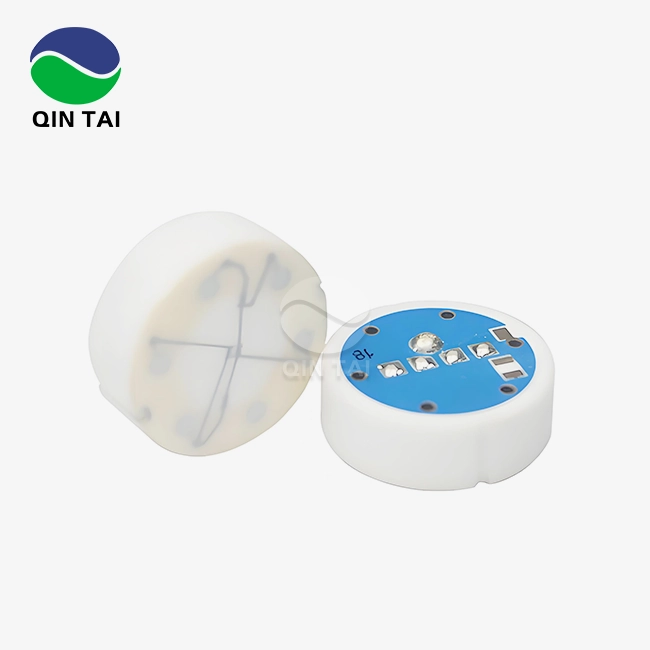
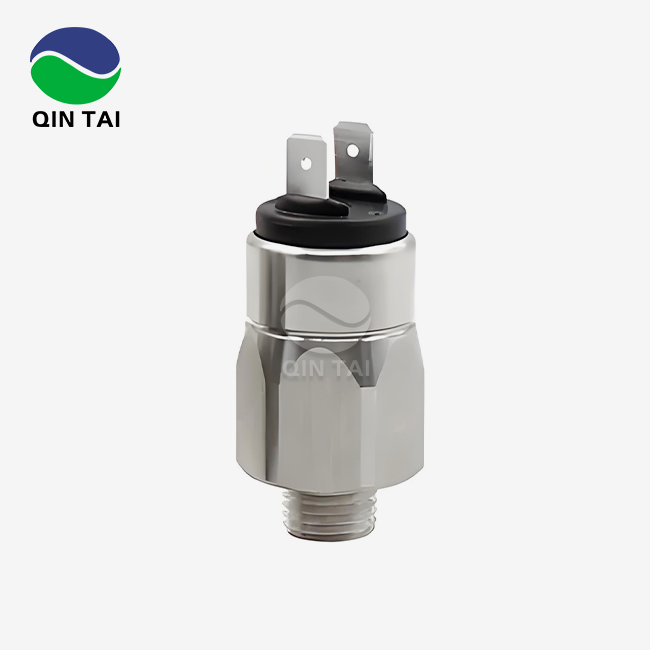
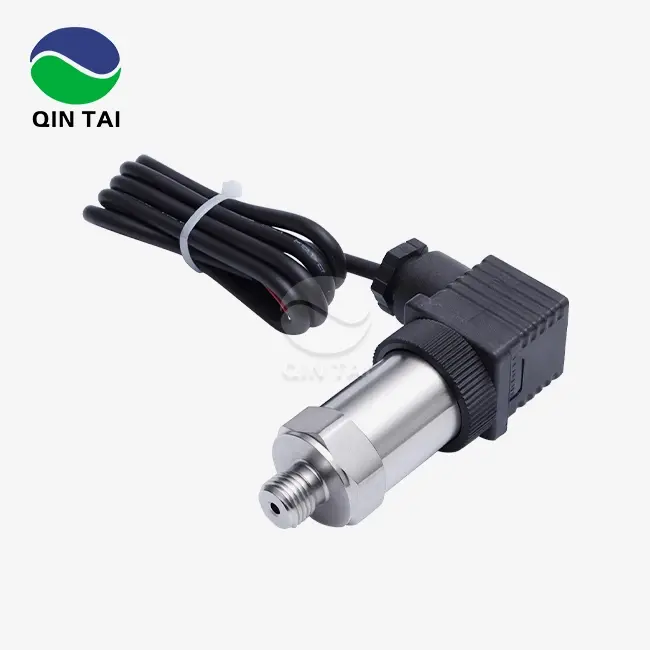
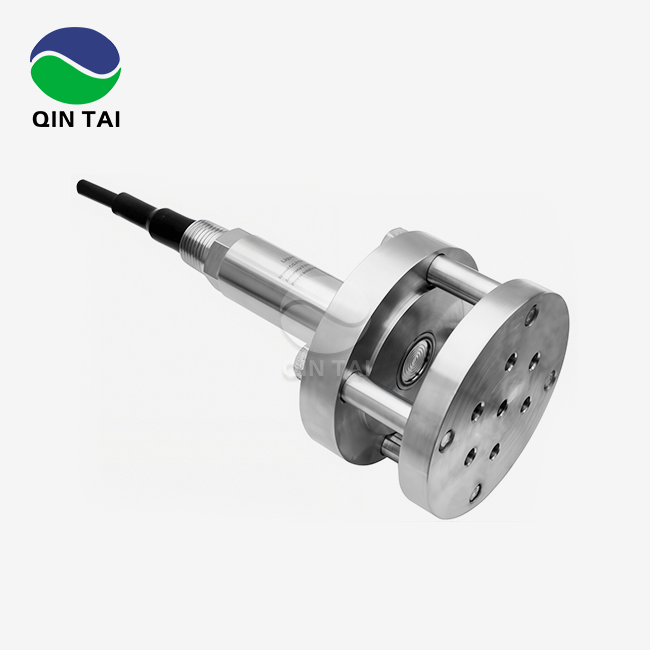

Our customers’ satisfaction speaks for our quality — contact us to experience the same reliable service.