- English
- French
- German
- Portuguese
- Spanish
- Russian
- Japanese
- Korean
- Arabic
- Greek
- German
- Turkish
- Italian
- Danish
- Romanian
- Indonesian
- Czech
- Afrikaans
- Swedish
- Polish
- Basque
- Catalan
- Esperanto
- Hindi
- Lao
- Albanian
- Amharic
- Armenian
- Azerbaijani
- Belarusian
- Bengali
- Bosnian
- Bulgarian
- Cebuano
- Chichewa
- Corsican
- Croatian
- Dutch
- Estonian
- Filipino
- Finnish
- Frisian
- Galician
- Georgian
- Gujarati
- Haitian
- Hausa
- Hawaiian
- Hebrew
- Hmong
- Hungarian
- Icelandic
- Igbo
- Javanese
- Kannada
- Kazakh
- Khmer
- Kurdish
- Kyrgyz
- Latin
- Latvian
- Lithuanian
- Luxembou..
- Macedonian
- Malagasy
- Malay
- Malayalam
- Maltese
- Maori
- Marathi
- Mongolian
- Burmese
- Nepali
- Norwegian
- Pashto
- Persian
- Punjabi
- Serbian
- Sesotho
- Sinhala
- Slovak
- Slovenian
- Somali
- Samoan
- Scots Gaelic
- Shona
- Sindhi
- Sundanese
- Swahili
- Tajik
- Tamil
- Telugu
- Thai
- Ukrainian
- Urdu
- Uzbek
- Vietnamese
- Welsh
- Xhosa
- Yiddish
- Yoruba
- Zulu
Smart Pressure Monitoring Device vs Traditional Gauges: Key Differences
When evaluating pressure measurement solutions for diesel engine applications and aftertreatment systems, understanding the fundamental distinctions between smart pressure monitoring devices and traditional gauges becomes essential. Smart pressure monitoring devices utilize advanced electronic sensors with digital output, real-time data transmission, and wireless connectivity, while traditional gauges rely on mechanical components like Bourdon tubes that require manual interpretation. These differences directly impact measurement accuracy, maintenance costs, regulatory compliance, and system integration capabilities—critical factors for OEMs, aftertreatment integrators, and technical procurement teams seeking reliable, scalable solutions for demanding industrial environments.

Understanding Traditional Pressure Gauges
Pressure gages that work on simple analog principles have been used reliably in many fields for decades. These tools use mechanical parts, mostly Bourdon tubes, diaphragms, or bellows, that change shape when they are under pressure and show the changes on a clock face so that they can be read.
Mechanical Operation and Design Principles
The Bourdon tube device is made up of a bent, sealed metal tube that gets straighter as the pressure inside it rises. This movement of the machine is linked to a gear system that moves a needle across a measured dial. Because this design is so simple, traditional gages are naturally strong in harsh environments where electronic parts might have problems. Heavy trucks, construction equipment, and generator sets have traditionally used these analog instruments because they don't need an outside power source and can handle a lot of vibration.
Limitations Impacting Modern Industrial Requirements
Even though traditional gages are mechanically reliable, they have measurable flaws that make them less useful in some situations. When reading by hand, mistakes can happen, especially when there isn't enough light or when gages are in places that are hard to get to on diesel engines or aftertreatment systems. Reading accuracy is usually between ±2% and 3% of full scale, which might not meet the tight standards needed for tracking emissions under China VI or Euro VI.
Because there is no way to monitor from afar, technicians have to physically check each gage, which takes longer, costs more, and makes it harder to find problems. Over time, mechanical wear, changes in temperature, and vibrations make calibration less accurate, so it needs to be replaced or recalibrated on a regular basis. For companies that make diesel engines and run large production lines, these repair needs mean more downtime and less reliable quality control.
Modern data capture systems can't connect to analog gages, which means that procurement managers and R&D engineers can't get to the real-time analytics they need for predictive maintenance plans. This limitation is especially annoying for people who put together aftertreatment systems and need to keep an eye on the pressure in both SCR and DPF systems all the time to make sure the catalysts work at their best and that the rules are followed.
Introduction to Smart Pressure Monitoring Devices
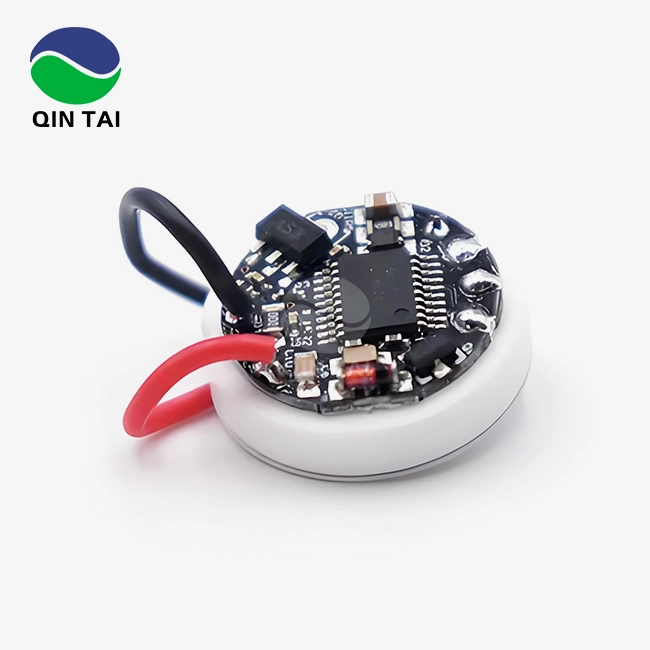
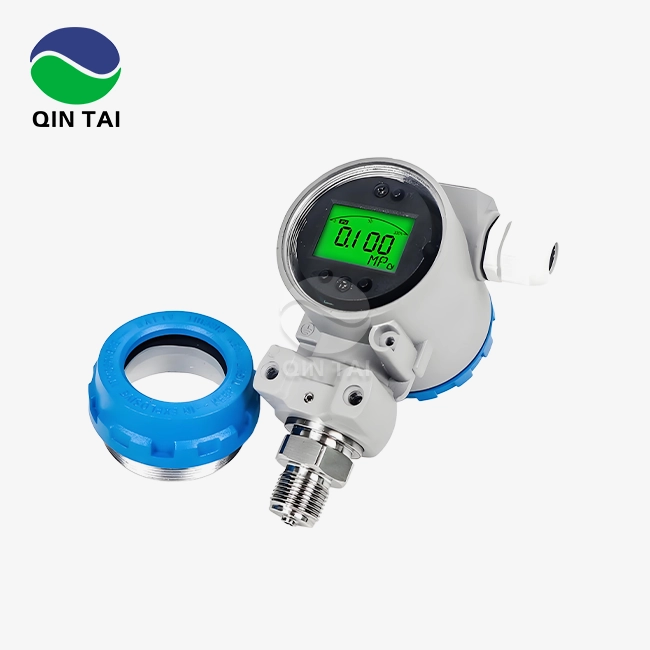
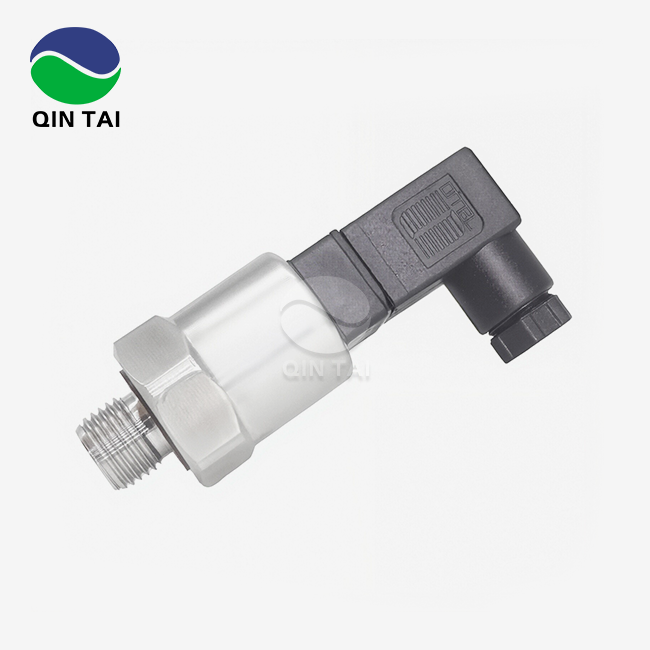
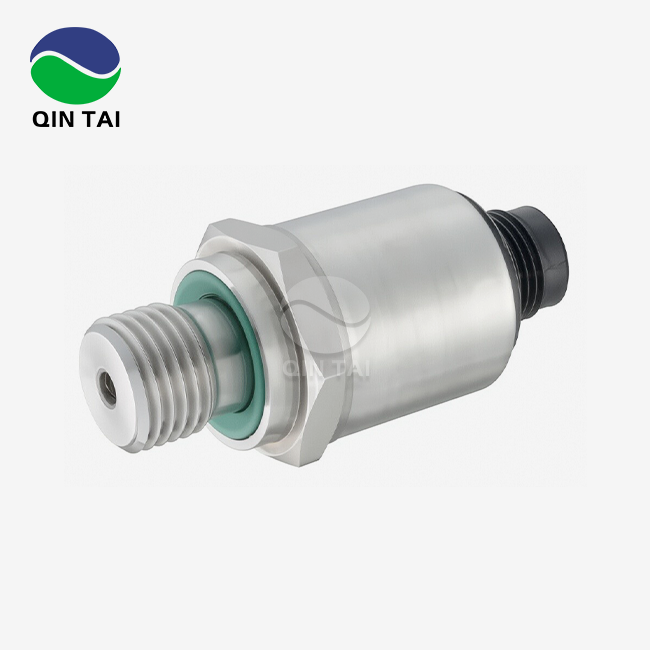
Smart Pressure Monitoring Devices are the next generation of measuring tools because they combine advanced sensor technologies with digital communication methods. These electronic systems give accurate, real-time data on pressure and can easily connect to industrial control networks and cloud-based monitoring platforms.
Advanced Sensor Technologies and Digital Architecture
These days' smart pressure monitors use piezoelectric, piezoresistive, or capacitive sensing parts to turn changes in pressure into electrical messages very accurately, usually within 0.25% of full scale. This accuracy is very important for diesel engines because even small changes in pressure in fuel injection systems, turbocharger boost circuits, or SCR urea delivery lines can have a big effect on how well the engine burns fuel and how much pollution it puts out.
Mechanical gages have problems with temperature drift, nonlinearity, and long-term stability. These devices' digital signal processing fixes these problems. A lot of industrial-grade smart sensors have microcontrollers built in that do real-time troubleshooting, adjusting output automatically, and finding sensor degradation before it breaks. This self-monitoring feature fits perfectly with the quality assurance needs of diesel engine OEMs that want to keep production standards high and cut down on warranty claims.
Connectivity and Data Integration Capabilities
What makes smart pressure monitoring technology unique is that it can talk to other devices. Standard industrial standards, such as 4-20mA analog output, MODBUS RTU/TCP, and CANbus, are built into the devices. They also have wireless choices, such as Bluetooth Low Energy or proprietary RF transfer. For people who build aftertreatment systems, this versatility lets pressure sensors talk directly to engine control units (ECUs), giving them real-time information for controlling closed-loop processes like diesel particulate filter regeneration, selective catalytic reduction, and exhaust gas recirculation (EGR).
With cloud connection, purchasing managers and technical experts can keep an eye on whole fleets or setups of equipment that are spread out from a central dashboard. When pressure readings go above certain levels, alert systems send a message to repair teams instantly. This lets them take action before small problems become expensive failures. In commercial settings, battery-powered wireless sensors can last for 5 to 7 years, and some industrial units can last for 10 years. This makes them much cheaper to own than systems that need to be inspected by hand on a regular basis.

Core Differences Between Smart Devices and Traditional Gauges
Knowing the differences in how these technologies work and how much they cost helps expert leaders choose the best options for different uses in diesel engines and aftertreatment systems.
Measurement Accuracy and Repeatability
In terms of accuracy and long-term stability, smart digital sensors always do better than analog gages. Mechanical gages have problems like hysteresis, friction in moving parts, and calibration drift. Electronic sensors, on the other hand, stay calibrated and meet factory standards their whole lives. This measurement certainty is very helpful for R&D engineers working on next-generation engines that need to meet strict pollution standards during development testing and production proof.
The ability of smart devices to continuously collect data is very different from the limited spot checks that can be done with manual gages. This constant tracking finds sudden changes in pressure, cyclic changes, and patterns of gradual decline that help predictive maintenance programs do their job. When optimizing complex multi-component systems where pressure differences across DPF substrates show soot loading levels that need regeneration intervention, this feature is especially helpful for people who put together aftertreatment systems.
Installation, Configuration, and Integration Complexity
Installing traditional gages doesn't take a lot of skill—just placing the gage and connecting the pressure ports should be enough. Smart devices, on the other hand, need extra care, like routing the power supply, setting up the communication network, and configuring the software. Even though it's complicated at first, the long-term operational benefits are much greater than the setup costs, especially when deploying a Smart Pressure Monitoring Device that offers advanced diagnostics and remote data access.
More and more modern smart devices have auto-detection methods and plug-and-play designs that make them easier to integrate. Companies like Qintai make sensor products with flexible interfaces and parameters that are intended to work with SCR systems. These products meet the technical needs of system integrators who need to set up systems quickly without a lot of engineering help. This flexibility cuts down on project timelines and speeds up the time it takes for new equipment platforms to reach the market.
Maintenance Requirements and Total Cost Analysis
At first glance, standard gages may seem like a good deal, but they have hidden costs that add up over time, like the time it takes to calibrate them, repair worn parts, and do manual inspections that are very hard to do. Through self-diagnosis and stable electronic measurement principles, smart sensors get rid of most of the need for regular maintenance.
Predictive alerts stop problems before they happen by letting workers know when sensor performance is dropping before the whole system stops working. For companies that make generator sets that are used for backup power in mines or hospitals, this level of dependability has a direct effect on their system uptime guaranties and their brand reputation. Quality smart sensors have a longer useful life—often twice as long as traditional gauges—and require less upkeep work. This makes them a great investment for companies that manage a lot of equipment or assets that are spread out in different places.
Benefits of Upgrading to Smart Pressure Monitoring Technology
Switching from analog to digital pressure measurement has strategic benefits that go beyond just better measurements. These benefits improve operational capabilities and place you in the competitive market.
Operational Efficiency Through Real-Time Visibility
Continuous pressure tracking changes maintenance cultures that are reacting into management styles that are proactive. Technical managers can see right away how the whole fleet of equipment is working and spot any oddities that could mean problems are starting to form. Real-time screens show current working conditions along with past trends. This lets you make choices based on data about when to do maintenance, when to replace parts, and when to validate warranty claims.
For companies that sell parts and accessories for industrial vehicles and work with service shops and parts distributors, smart sensors make troubleshooting easier and lower the number of wrong diagnoses. When a customer brings in a car that isn't running right, technicians can quickly check the pressure data logs to see if the fuel system pressure stayed within the recommended range or if there are any differences in the SCR system pressure that could mean the catalyst is getting clogged. This cuts down on diagnostic time and makes the customer happier.
Regulatory Compliance and Documentation
Emission rules are requiring more and more proof that the aftertreatment system works properly throughout the life of the car. When you use smart pressure sensors, they automatically record measurement data with timestamps. This makes audit trails that show compliance during regulatory inspections or warranty disputes. This paperwork feature covers the certification qualification focus areas that diesel engine makers need to know about if they want to get government contracts or sell their engines in countries with strict environmental standards.
Integration with telematics systems lets fleet managers check from afar that emissions control equipment works properly on thousands of vehicles at the same time. This feature is especially helpful for OEMs that have to handle emissions warranties that cover at least 150,000 miles. Remote tracking cuts down on the costs of handling warranties while still making sure that regulations are followed.
Enhanced Decision-Making Through Data Analytics
Smart sensor networks create volumetric data that can be used for advanced analytics that would not be possible with regular manual readings. Machine learning algorithms find small trends that connect how pressure changes with how fast parts wear out, changes in fuel quality, or effects on the working conditions, which is exactly the kind of insight a Smart Pressure Monitoring Device can deliver over long-term deployment. These insights help engineers make better next generations of products and make sure that maintenance procedures are as effective as possible by using actual field performance instead of guesses.
Companies that make environmental protection equipment that use industrial exhaust gas treatment systems use this analytical tool to show that they are following the rules, back up their claims about how well the system works, and keep improving catalyst formulations based on how the pressure drops in real life under different operating conditions.
How to Choose the Right Pressure Monitoring Solution for Your Business?
To choose the right tool for measuring pressure, you have to look at a lot of technical and business factors that are in line with your practical needs and long-term goals.
Critical Technical Specifications
Sensors are chosen based on their measurement range, accuracy class, response time, temperature adjustment, and ability to work with different types of media. In order to work with diesel engines, sensors usually need to be able to handle temperatures ranging from -40°C to +125°C and be able to measure pressures from zero to 1,000 bar in common-rail fuel systems. The types of process connections must match the interfaces of the existing equipment. In automotive applications, M10x1, 7/16-20 UNF, and G1/4 threads are common.
The format of the output signal determines how easy it is to integrate. For example, 4-20mA analog signals work with all legacy control systems, while digital protocols like CANbus J1939 are better at blocking noise and providing diagnostic tools for more modern electronic control architectures. Integrators of aftertreatment systems should look for sensors that meet ISO 11452 standards for strong electromagnetic compatibility (EMC) performance to make sure they work reliably in the electrically noisy environment around diesel engines.
Supplier Evaluation Criteria
In addition to product specs, a supplier's skills have a big effect on the long-term success of a project. Manufacturers with ISO9001 and IATF16949 certifications have quality management systems that have been around for a long time, which is important for supply lines for car parts. Intellectual property portfolios with a lot of invention patents show that the company is investing in research and development and can come up with new technologies.
Diesel engine OEMs that want to start mass production must show that their providers can support volume ramps without lowering quality. Production capacity is very important for these companies. Building partnerships with big engine makers like Weichai Power, Yuchai Power, and others in the same line of work shows that the company is technically sound and can rely on its supply chain.
Cost Analysis Beyond Purchase Price
When figuring out the total cost of ownership, you should include the cost of installation labor, configuration engineering, the expected service life, maintenance needs, and any possible downtime costs. Even though smart sensors cost more per unit than traditional gages, their longer useful life, lack of calibration costs, and ability to predict repair needs usually pay for themselves in 18 to 24 months for industrial uses.
Volume pricing talks, payment terms, and warranty coverage all have a big effect on the economics of a project. Suppliers who offer technical support, customization, and fast delivery from stocked inventory add value that lowers project risk and speeds up implementation timelines. This is especially important for aftermarket customers who need quick-turn replacements to keep equipment up and running.

Conclusion
There are big differences between Smart Pressure Monitoring Devices and regular gages that go beyond monitoring technology and include how they work. Traditional analog instruments are still used in some situations where they are simple and electrical isolation is helpful, but smart digital sensors are now the best choice for modern diesel engine and aftertreatment system applications because they are more accurate, can monitor continuously, can predict the future, and can be integrated into the whole system. Moving to intelligent pressure tracking solutions that turn pressure measurement from passive observation into active system optimization is a great idea for companies that care about legal compliance, business efficiency, and making decisions based on data.
FAQ
Q1: Which technology better suits diesel engine aftertreatment systems?
A: For SCR and DPF uses that need constant measurement, quick reaction times, and interaction with engine control systems, Smart Pressure Monitoring Devices provide better performance. Traditional gages might work fine for non-essential tasks like checking the water expansion tank on a regular basis, where an eye check is enough.
Q2: What accuracy improvements can smart sensors provide?
A: Mechanical gages are usually off by 2 to 3 percent, but good smart pressure monitors are accurate to within 0.25% of the full scale. This accuracy is very important for keeping an eye on small differences in pressure between DPF substrates or for precisely controlling the amount of urea added to SCR systems in order to meet Euro VI emission limits.
Q3: How complex is integrating smart sensors into existing equipment?
A: Modern smart sensors that use standard industrial communication methods can easily be added to machines that already have electronic control systems. When working with sensor makers that offer technical support and customization services, aftertreatment system developers usually finish integration within standard development cycles.
Partner With Qintai for Advanced Smart Pressure Monitoring Device Solutions
Qintai Automotive Emission Technology Co., Ltd. has been experts for more than 20 years in making precise pressure sensors for diesel engines and aftertreatment systems. As China's top original equipment maker (OEM) provider to major power companies like Weichai, Yuchai, and Quanchai, we know how hard it is to meet strict emission standards, make sure that mass production is consistent, and make sure that products will last for a long time.
Our factories are ISO9001 and IATF16949 certified, and they make automotive-grade Smart Pressure Monitoring Devices that are designed to work with SCR systems, DPF monitoring, and diesel engines. Qintai offers full solutions from the initial design phase to mass production and support after the sale. They have 58 idea patents, full OEM/ODM capabilities, and customization support that is tailored to your unique technical needs. Talk to our expert team at info@qt-sensor.com about your pressure measurement needs and find out why top makers around the world trust Qintai to make Smart Pressure Monitoring Devices for mission-critical uses.
References
1. Anderson, M. & Roberts, K. (2022). Industrial Pressure Measurement Technologies: Comparative Analysis of Analog and Digital Systems. Journal of Process Instrumentation, 45(3), 178-195.
2. Chen, W., Liu, H., & Zhang, Y. (2023). Smart Sensor Integration in Diesel Engine Aftertreatment Systems. Automotive Engineering International, 131(2), 56-68.
3. European Commission Directorate-General for Internal Market. (2021). Technical Requirements for Heavy-Duty Vehicle Emission Compliance Monitoring. Official Journal of the European Union, L283, 1-94.
4. Harrison, T. J. (2023). Total Cost of Ownership Analysis for Industrial Instrumentation: Traditional vs. Smart Measurement Devices. Industrial Maintenance and Plant Operation, 84(7), 42-51.
5. International Organization for Standardization. (2020). ISO 9001:2015 Quality Management Systems – Requirements for Automotive Sensor Manufacturing. Geneva: ISO Standards Publications.
6. Thompson, R. D. & Martinez, S. A. (2022). Predictive Maintenance Strategies Enabled by IoT-Connected Pressure Monitoring in Commercial Vehicles. Fleet Equipment Management Quarterly, 38(4), 112-129.

Our customers’ satisfaction speaks for our quality — contact us to experience the same reliable service.