- English
- French
- German
- Portuguese
- Spanish
- Russian
- Japanese
- Korean
- Arabic
- Greek
- German
- Turkish
- Italian
- Danish
- Romanian
- Indonesian
- Czech
- Afrikaans
- Swedish
- Polish
- Basque
- Catalan
- Esperanto
- Hindi
- Lao
- Albanian
- Amharic
- Armenian
- Azerbaijani
- Belarusian
- Bengali
- Bosnian
- Bulgarian
- Cebuano
- Chichewa
- Corsican
- Croatian
- Dutch
- Estonian
- Filipino
- Finnish
- Frisian
- Galician
- Georgian
- Gujarati
- Haitian
- Hausa
- Hawaiian
- Hebrew
- Hmong
- Hungarian
- Icelandic
- Igbo
- Javanese
- Kannada
- Kazakh
- Khmer
- Kurdish
- Kyrgyz
- Latin
- Latvian
- Lithuanian
- Luxembou..
- Macedonian
- Malagasy
- Malay
- Malayalam
- Maltese
- Maori
- Marathi
- Mongolian
- Burmese
- Nepali
- Norwegian
- Pashto
- Persian
- Punjabi
- Serbian
- Sesotho
- Sinhala
- Slovak
- Slovenian
- Somali
- Samoan
- Scots Gaelic
- Shona
- Sindhi
- Sundanese
- Swahili
- Tajik
- Tamil
- Telugu
- Thai
- Ukrainian
- Urdu
- Uzbek
- Vietnamese
- Welsh
- Xhosa
- Yiddish
- Yoruba
- Zulu
What Are the Key Factors Affecting Pressure Sensor Lifespan?
Pressure sensor lifespan is determined by a complex interplay of environmental conditions, design specifications, and operational practices. The longevity of these critical measurement devices depends on factors such as temperature extremes, mechanical stress from vibration, moisture exposure, and the inherent robustness of sensor technology—whether capacitive, piezoresistive, or MEMS-based.
Material quality, calibration stability, and proper installation techniques directly influence how long a pressure sensor maintains accuracy before requiring replacement. Understanding these elements allows procurement managers and engineers to select sensors that deliver reliable performance throughout their intended service life, reducing maintenance costs and operational disruptions.

Understanding Pressure Sensor Lifespan
Both how long pressure sensors last physically and how well they can keep measuring things over time are affected by their lives. We need to look at more than one measure that gives us a full picture of operating reliability when judging how long a sensor will last.
Defining Service Life Metrics
Mean Time To Failure (MTTF) is the average amount of time a sensor works before it stops working completely. Service life is more than just how well a device works; it also includes how long it stays within certain accuracy limits. Calibration intervals show how often sensors need to be adjusted to account for drift; shorter intervals mean that measurement accuracy is dropping faster. Collectively, these measures help engineers make choices about what to buy by balancing short-term costs with long-term reliability needs in a wide range of situations, from diesel engine aftertreatment systems to industrial process control.
Common Failure Modes
Mechanical wear happens when pressure sensors are exposed to pressure cycles over and over again, which wears down the diaphragm and eventually causes it to break. Signal degradation is a sign of an ageing electronic component. Capacitors and resistors experience value shifts that make measurements less accurate.
Environmental degradation happens when sensors are exposed to conditions that aren't what they were made for, like corrosive chemicals that eat away at protective coatings, moisture that gets through seals, or temperature changes that make materials expand in ways that aren't compatible with their original size. When maintenance teams know these patterns of failure, they can use proactive tracking to catch performance decline before a sensor fails completely and stops important processes in SCR systems or fuel pressure monitoring applications.
Key Environmental Factors Affecting Pressure Sensor Lifespan
The environment puts some of the toughest limits on how long a sensor can last. This is especially true in challenging industrial and automobile settings where changes in temperature, chemical exposure, and mechanical stress push the limits of sensor design.
Temperature Effects and Thermal Cycling
Sensor materials expand and contract at different rates when exposed to high temperatures. This creates internal stresses that build up over thousands of cycles. Diesel engines work in a wide range of temperatures, from very cold (below zero) to very hot (above 150°C) during burning. This puts constant thermal stress on sensing materials. Especially bad are sudden changes in temperature, which can cause ceramic diaphragms to crack or sealants to lose their integrity. As temperatures change, temperature-sensitive parts change how they work electrically. This is called thermal drift, and it means that circuits that compensate for temperature changes or regular recalibration are needed to keep limits.
Moisture and Chemical Exposure
One of the main reasons why sensors fail early is that they get wet. This is especially true in car settings where road salt, engine water, and exhaust condensation create corrosive conditions. Capacitive pressure sensors with ceramic diaphragms are better at resisting moisture than bare silicon designs, which is why they are used so often in tough situations.
Specialised coatings and airtight closing technologies are needed to protect against chemicals like diesel exhaust particles, urea solutions in SCR systems, and hydraulic fluids. By choosing sensors with the right IP ratings and chemical compatibility, you can be sure that they will work well in harsh settings like those found in building equipment, farm equipment, and generator sets.
Mechanical Stress from Vibration and Shock
Heavy trucks, construction equipment, and farm machinery all vibrate sensors all the time, which can damage electrical connections, crack solder joints, and wear out mounting structures. Engine starts, gear changes, and rough terrain all cause shock loads that cause sudden acceleration forces that test the mechanical stability of sensors. MEMS-based pressure sensors are better at resisting vibrations than standard designs because they are made of a single piece and have less moving mass.
Proper mounting techniques, such as using the right torque, isolating vibrations, and making sure electrical connections are secure, can greatly extend the life of sensors in places with a lot of vibration. Pressure sensor reliability, in particular, benefits from these practices, as mechanical stress and resonant frequencies can directly affect its diaphragm and internal circuitry. This cuts down on warranty claims and field failures that hurt customer confidence.
Technical and Design Factors Influencing Sensor Lifespan
The basic technology and building methods used to make pressure sensors set the standards for how long they last and how accurately they work, and no amount of careful installation can change that.
Sensor Technology Comparison
Although piezoelectric sensors have great dynamic response, their signal drift makes them less useful for measuring static pressure. These capacitive ceramic pressure sensors are built to last and are very stable over time. This makes them perfect for diesel engine control systems that need long-term accuracy over very quick response.
Even though piezoresistive sensors work well, they can still be affected by changes in temperature and mechanical stress, which can speed up the loss of tuning. MEMS technology is the newest development. It combines sensing elements and signal filtering on a single silicon chip, which reduces the chance of interconnection failures and makes the chips small enough to fit in current emission control systems that don't have a lot of room.
Material Selection and Construction Quality
Ceramic diaphragms are very popular in automobile and industrial settings because they don't react with chemicals and keep their shape over a wide range of temperatures. Stainless steel housings protect against mechanical damage and keep pressure inside. Different grades of stainless steel are used for different applications based on the amount of corrosion they will be exposed to.
Electrical links with gold-plated contacts don't oxidise, which can damage signals after years of thermal cycles. The quality of the manufacturing directly affects the lifespan. Expensive sensors are set apart from cheaper ones that promise to work at first but have shorter service lives and higher failure rates because they use precise assembly techniques, hermetic sealing processes, and strict testing protocols.
Calibration Stability and Maintenance Requirements
Calibration drift is the slow change in sensor output compared to applied pressure. This change is caused by material ageing, heat stress history, and building up of mechanical wear. High-quality sensors keep their accuracy within ±1% for many years, while lower-quality designs may need to be re-calibrated every year to keep the measurements accurate.
Automotive uses that need to meet China VI and Euro VI pollution standards can't stand calibration drift that lowers the performance of the exhaust aftertreatment system. Pressure sensor accuracy is especially critical in this context, because even minor drift can directly affect NOx conversion efficiency and regeneration timing. When figuring out the true cost of ownership for mission-critical pressure measurement solutions, procurement professionals must look at both the purchase price and the manufacturer's datasheets to find out expected drift rates and recommended calibration intervals.
Procurement Considerations to Maximize Pressure Sensor Longevity
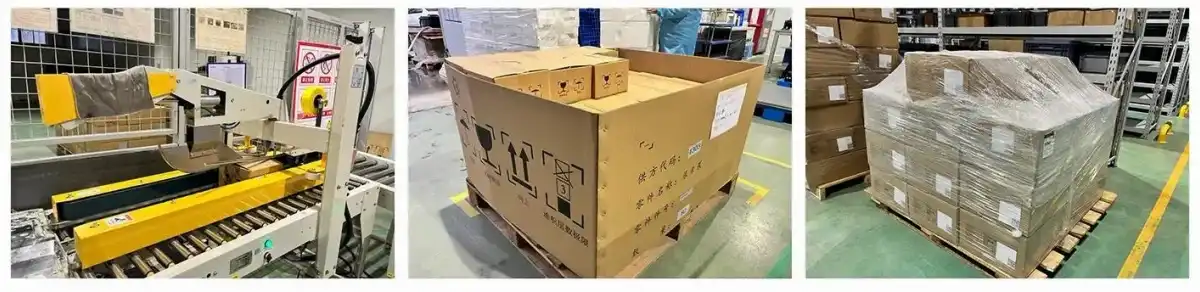
Strategic decisions about buying things have a big effect on the life of sensors because they make sure that the device's capabilities match its actual operating conditions and build relationships with suppliers that support long-term dependability.
Matching Sensor Specifications to Application Requirements
Sensors for HVAC systems need to be able to work in a range of temperatures and find low differential pressures between filters and dampers. For automotive fuel rail uses, sensors made for stable settings would quickly break down because of vibrations, fuel chemistry, and temperature changes. Chemical companies need explosion-proof certifications and materials that can handle harsh process fluids for industrial process control.
Careful review of the specifications stops the expensive mistake of using sensors that aren't rated properly for their actual use. This is a procurement mistake that leads to early failures, emergency replacements, and production delays that are much more expensive than the initial cost savings from choosing underspecified parts.
Supplier Qualification and Quality Assurance
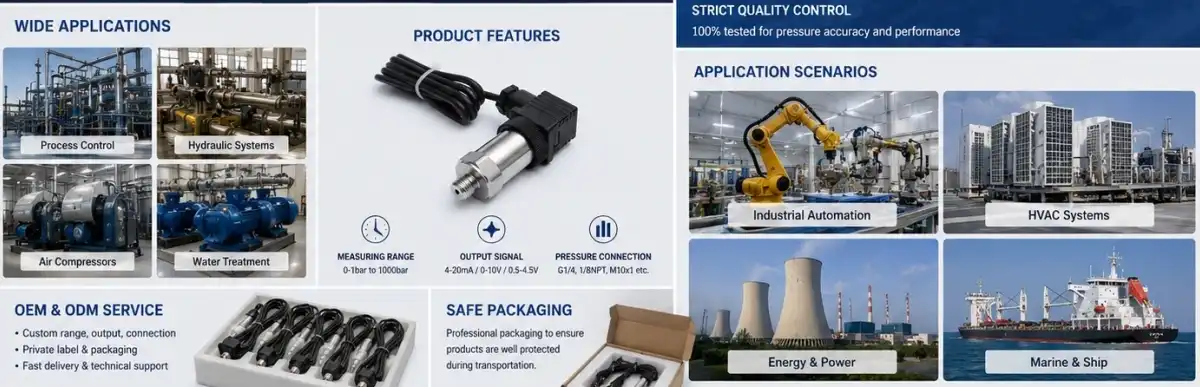
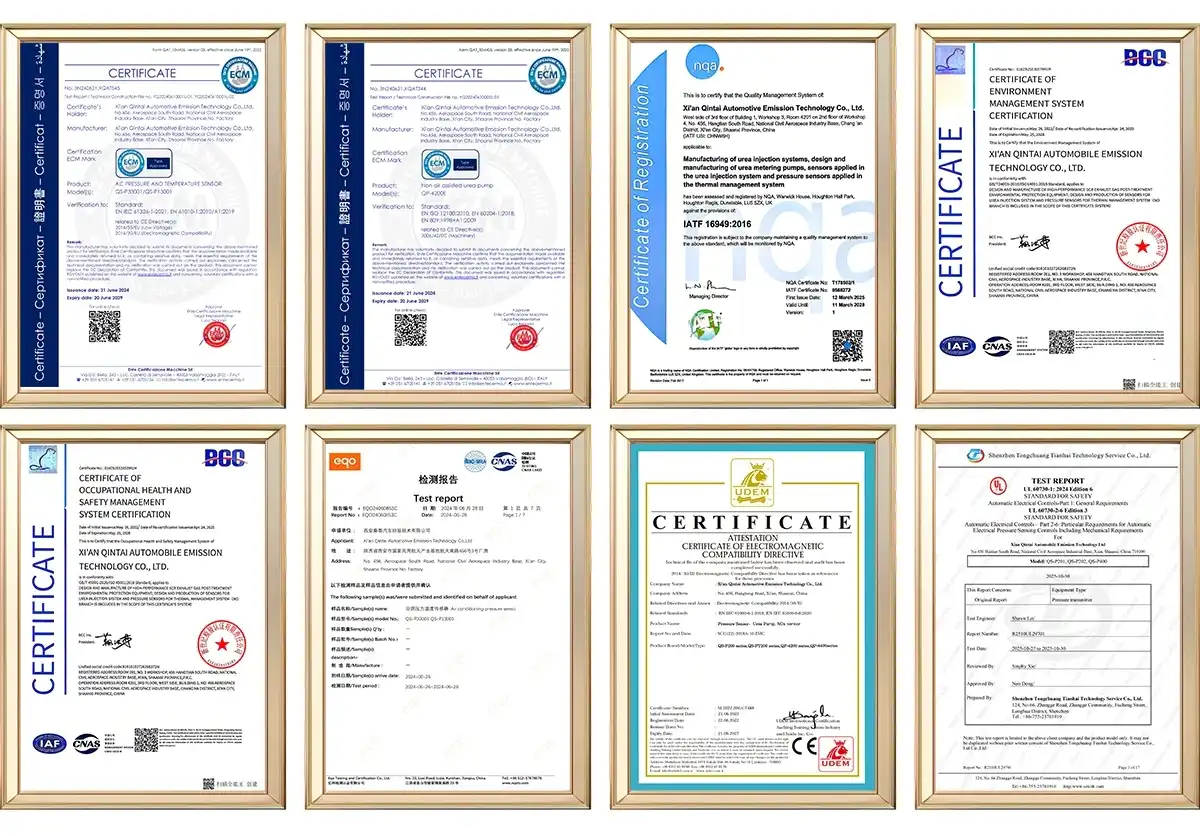
OEM providers that have been around for a while bring manufacturing know-how, quality systems, and testing methods that make sure sensors always meet published specs. Qintai Automotive Emission Technology Co., Ltd. is the top OEM provider in China and a key partner of Weichai Power, Yuchai Power, and Quanchai Power. They show their dedication by having ISO9001, IATF16949, and many other qualifications and approvals from government agencies.
Independent research and development (R&D) capabilities allow for constant product improvement to meet new reliability challenges, and 58 invention patents show that the company has been investing in innovation for a long time. Audits of supplier sites check the quality control systems, environmental testing capabilities, and tracking systems that make sure quality is always the same. This kind of due care pays off by lowering the number of failures in the field and making customers happier.
Warranty Terms and After-Sales Support
Comprehensive warranty coverage protects procurement investments against early failures and shows that the manufacturer trusts the reliability of the product. Technical support after the sale is very helpful for fixing problems with installation, figuring out what diagnostic data means, or making sensors work better in certain situations. When sensors need to be replaced, being able to get them quickly keeps production plans on track and avoids costly downtime in industrial operations.
Customisation of sensor interfaces, pressure ranges, and electrical connections is possible through OEM and ODM service choices. This makes it easier to integrate with current systems and reduces the complexity of adapters that add more failure points. Pressure sensor selection, however, must also account for long-term stability and environmental robustness, as these directly affect maintenance schedules and system reliability. These service factors help figure out the total cost of ownership, which is the real measure that procurement professionals should use to compare different sensing options.
Case Studies and Practical Tips to Extend Pressure Sensor Lifespan
In real life, paying close attention to the details of installation and maintenance can make a huge difference in how long a sensor lasts, often doubling or tripling its service life compared to careless installations.
Environmental Protection Measures
A generator set maker had a lot of sensor problems in mine uses until they put on protective boots that kept dust and moisture out of the sensors. When applied to sensor electronics, conformal coats gave naval generator setups an extra layer of protection against condensation. By ensuring proper cable routing, water didn't build up at electrical connections, which stopped signal interruptions caused by corrosion. These simple safety measures cut the number of times sensors had to be replaced by 60%, which cut down on maintenance costs and made the system more reliable. It's clear from this lesson that even strong sensors need to be installed in a way that protects them from the surroundings as much as possible.
Installation Best Practices
When you mount sensors using calibrated torque wrenches, you can avoid both under-tightening, which lets pressure leaks happen, and over-tightening, which breaks sensor bodies or warps measurement diaphragms. The direction of the pressure port is important. Installing sensors so that the electrical connections face downwards encourages moisture buildup, while installs so that the connections face upwards help draining.
Putting things in places that aren't near heat sources stops thermal stress that speeds up calibration shift. By getting rid of ground loops and other forms of electrical grounding, electromagnetic interference that mess up sensor signals is cut down. A company that makes construction equipment reported that sensors would last 40% longer after following standard installation procedures that included these tips. This shows that good technique makes good sensor choice even more valuable.
Preventive Maintenance Strategies
Scheduled calibration verification finds accuracy drift before it affects process control or emission compliance. This lets you replace sensors on time instead of having to deal with emergencies. Visual checks that find broken cables, corroded connections, or physical damage to sensors allow repairs to be made before they fail completely. Performance trending finds sensors that are showing accelerated drift patterns, which means they are about to fail.
This lets them be replaced during planned maintenance windows instead of having to stop production at odd times. Aftertreatment system integrators who did quarterly sensor checks saw a 75% drop in unexpected failures. This led to happier customers and lower warranty costs, which is strong proof for investing in preventative maintenance.
Conclusion
Selection of the right technology for a given application, safe installation methods, and regular testing plans all play a major role in pressure sensor longevity. Extreme temperature changes, contact to wetness, and mechanical vibrations in the environment are the things that shorten the life of sensors the most. This means that protective features and building materials must be carefully chosen.
Technical factors, such as the type of sensor, the choice of material, and the quality of the manufacturing process, set the baseline level of durability that determines whether devices last for years or need to be replaced often. The success of a sensor program depends on the decisions made about what to buy, which include weighing the original cost against the total cost of ownership, the supplier's abilities, and the help provided after the sale. Engineers and procurement workers can improve measurement accuracy while lowering lifetime costs by understanding how these factors affect each other.
FAQ
What is the typical lifespan of industrial pressure sensors?
When properly specified and installed, industrial pressure sensors usually last between 5 and 10 years. However, their actual lifespan depends a lot on how they are used. Sensors that work well in normal HVAC settings can last up to 15 years. On the other hand, devices that are exposed to high temperatures, chemicals that break down metal, or heavy vibrations in diesel engine settings may need to be replaced every 3 to 5 years. In harsh conditions, MEMS sensors and capacitive ceramic designs usually last longer than piezoresistive options. Manufacturer datasheets list the projected service life under certain situations. Purchasing teams should check this information with suppliers during the approval process.
How does temperature affect pressure sensor accuracy over time?
Temperature affects the accuracy of sensors in a number of ways, such as through the thermal expansion of materials, changes in electrical properties that depend on temperature, and faster ageing of electronic parts. If a sensor doesn't have temperature compensation circuits, it may have measurement errors of more than 5% across its entire operating range. Repeatedly changing the temperature causes mechanical stress that changes the calibration over time, so it needs to be adjusted on a regular basis to keep the accuracy that was set. High-quality sensors have temperature correction and are made of materials that are stable at high temperatures. This reduces these effects and makes testing intervals longer.
Can regular calibration extend pressure sensor lifespan?
Regularly checking the calibration lets you find accuracy loss early, so you can replace the sensors before they stop working and cause problems. Calibration doesn't fix actual damage, but it does help extend the useful life of sensors by making sure they stay within accuracy limits while they're working. Setting up calibration plans based on what the maker suggests and how important the application is strikes the best balance between maintenance costs and measurement accuracy. This is especially important for emission control applications that need to follow government rules.
Partner with Qintai for Long-Lasting Pressure Sensor Solutions
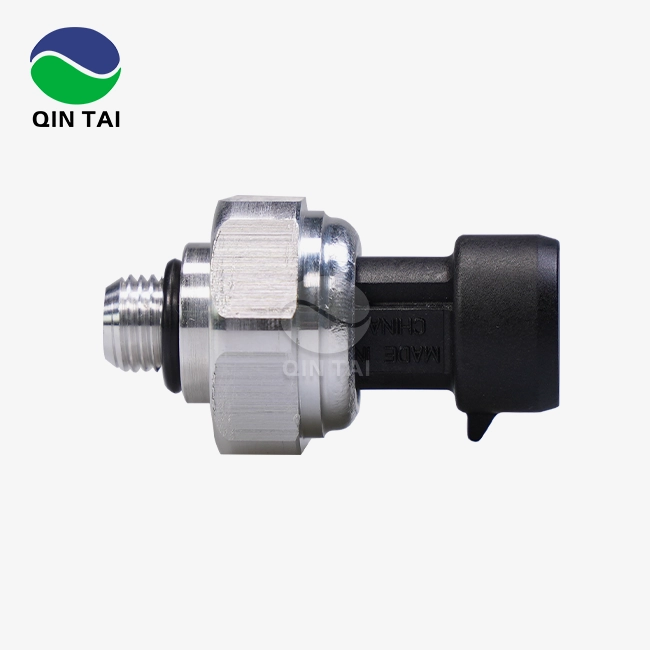
To get the most out of your pressure sensors, you need to do more than just choose the right ones. You need to work with a manufacturer that offers proven technology, strict quality control, and quick expert help. Qintai has been making pressure sensors for diesel engine aftertreatment systems for 20 years and works with top OEMs in the heavy truck, construction machinery, and generator set industries. Our capacitive ceramic pressure sensor designs are very durable in harsh automotive and industrial settings. They are backed by a number of certifications, such as ISO9001, IATF16949, and international regulatory approvals.
Qintai offers both standard products and unique solutions that make sensor integration better. Customisation options let you deal with special interface needs, pressure ranges, and environmental problems. As the pressure sensor provider of choice for China's top engine makers, we know how important it is for emissions compliance and system efficiency that measurements are accurate. Our research team is ready to talk with you about your application needs and suggest sensor options that will give you the best performance for the lowest total cost of ownership. Get in touch with info@qt-sensor.com to find out how Qintai pressure sensors can help your product work better and make your customers happier.
References
1. Johnson, M. R., & Chen, L. (2022). Reliability Engineering for Automotive Sensors: Design, Testing, and Field Performance. SAE International Press.
2. Thompson, K. D. (2021). "Environmental Factors Affecting Pressure Transducer Longevity in Industrial Applications," Journal of Process Control Technology, 48(3), 215-234.
3. Anderson, P. J., & White, S. A. (2023). MEMS Sensor Technology: Materials, Design, and Reliability Considerations. Wiley Engineering Press.
4. Martinez, R. F. (2020). "Comparative Analysis of Pressure Sensor Technologies for Diesel Engine Control Systems," Automotive Engineering Quarterly, 35(2), 112-129.
5. Liu, H., & Patel, N. (2022). Industrial Sensor Selection and Specification Guide: Best Practices for Procurement Professionals. Technical Publishing Group.
6. Williams, D. T. (2021). "Predictive Maintenance Strategies for Critical Process Instrumentation," Maintenance Technology International, 29(4), 67-82.
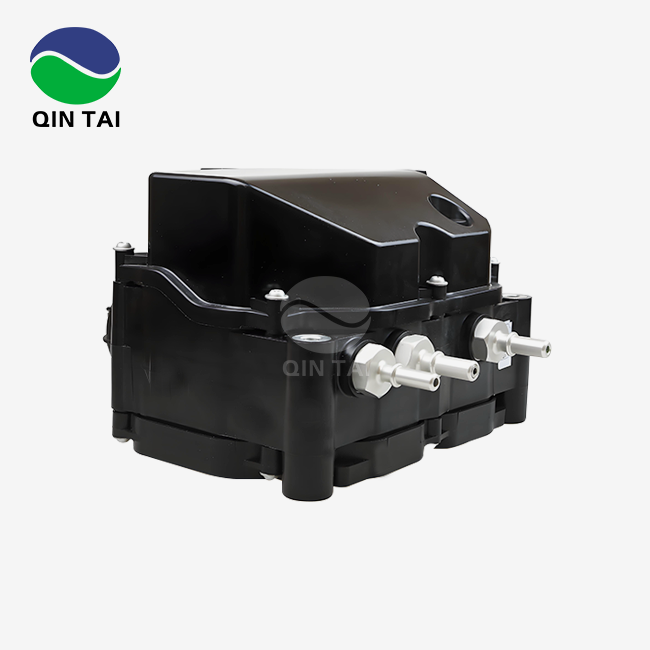
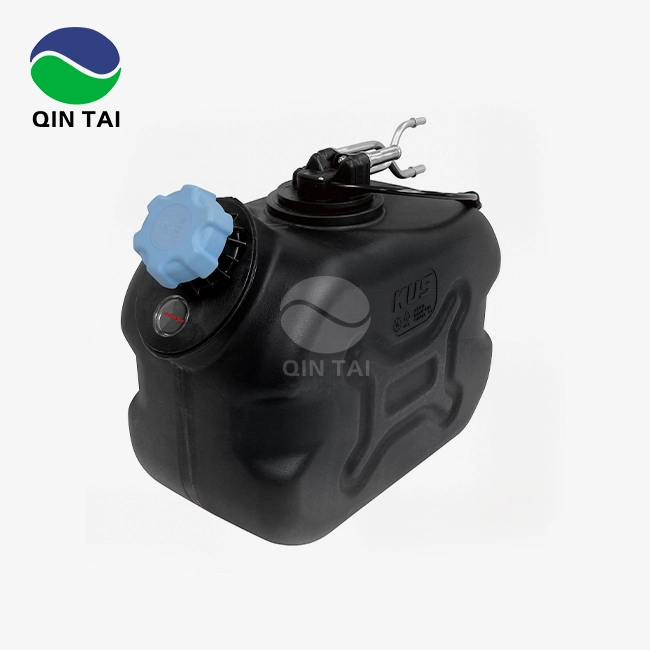
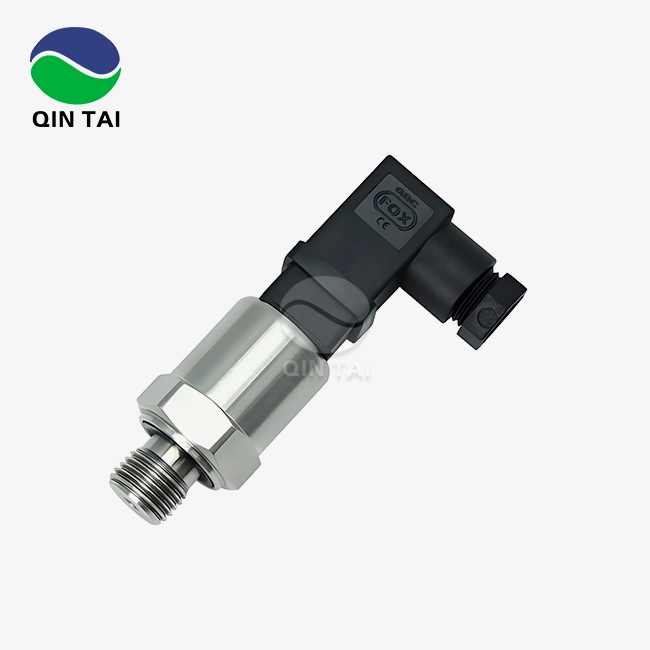

Our customers’ satisfaction speaks for our quality — contact us to experience the same reliable service.