- English
- French
- German
- Portuguese
- Spanish
- Russian
- Japanese
- Korean
- Arabic
- Greek
- German
- Turkish
- Italian
- Danish
- Romanian
- Indonesian
- Czech
- Afrikaans
- Swedish
- Polish
- Basque
- Catalan
- Esperanto
- Hindi
- Lao
- Albanian
- Amharic
- Armenian
- Azerbaijani
- Belarusian
- Bengali
- Bosnian
- Bulgarian
- Cebuano
- Chichewa
- Corsican
- Croatian
- Dutch
- Estonian
- Filipino
- Finnish
- Frisian
- Galician
- Georgian
- Gujarati
- Haitian
- Hausa
- Hawaiian
- Hebrew
- Hmong
- Hungarian
- Icelandic
- Igbo
- Javanese
- Kannada
- Kazakh
- Khmer
- Kurdish
- Kyrgyz
- Latin
- Latvian
- Lithuanian
- Luxembou..
- Macedonian
- Malagasy
- Malay
- Malayalam
- Maltese
- Maori
- Marathi
- Mongolian
- Burmese
- Nepali
- Norwegian
- Pashto
- Persian
- Punjabi
- Serbian
- Sesotho
- Sinhala
- Slovak
- Slovenian
- Somali
- Samoan
- Scots Gaelic
- Shona
- Sindhi
- Sundanese
- Swahili
- Tajik
- Tamil
- Telugu
- Thai
- Ukrainian
- Urdu
- Uzbek
- Vietnamese
- Welsh
- Xhosa
- Yiddish
- Yoruba
- Zulu
What is the Best Urea Doser Pump for SCR Emission Systems
Selecting the optimal urea doser pump depends on your specific application requirements, but the best pumps combine precision dosing accuracy, robust construction, and proven compatibility with modern SCR (Selective Catalytic Reduction) systems. Leading solutions deliver accurate DEF (Diesel Exhaust Fluid) injection at flow rates ranging from 0.5 to 20 liters per hour, operating reliably across temperature ranges from -40°C to +85°C.
Top-performing pumps feature solenoid-driven mechanisms for precise metering, corrosion-resistant materials that withstand urea's chemical properties, and integrated control systems that adjust dosing in real-time based on engine load and exhaust conditions, ensuring your fleet meets stringent emissions standards like EPA 2010 and Euro VI while maximizing operational efficiency.
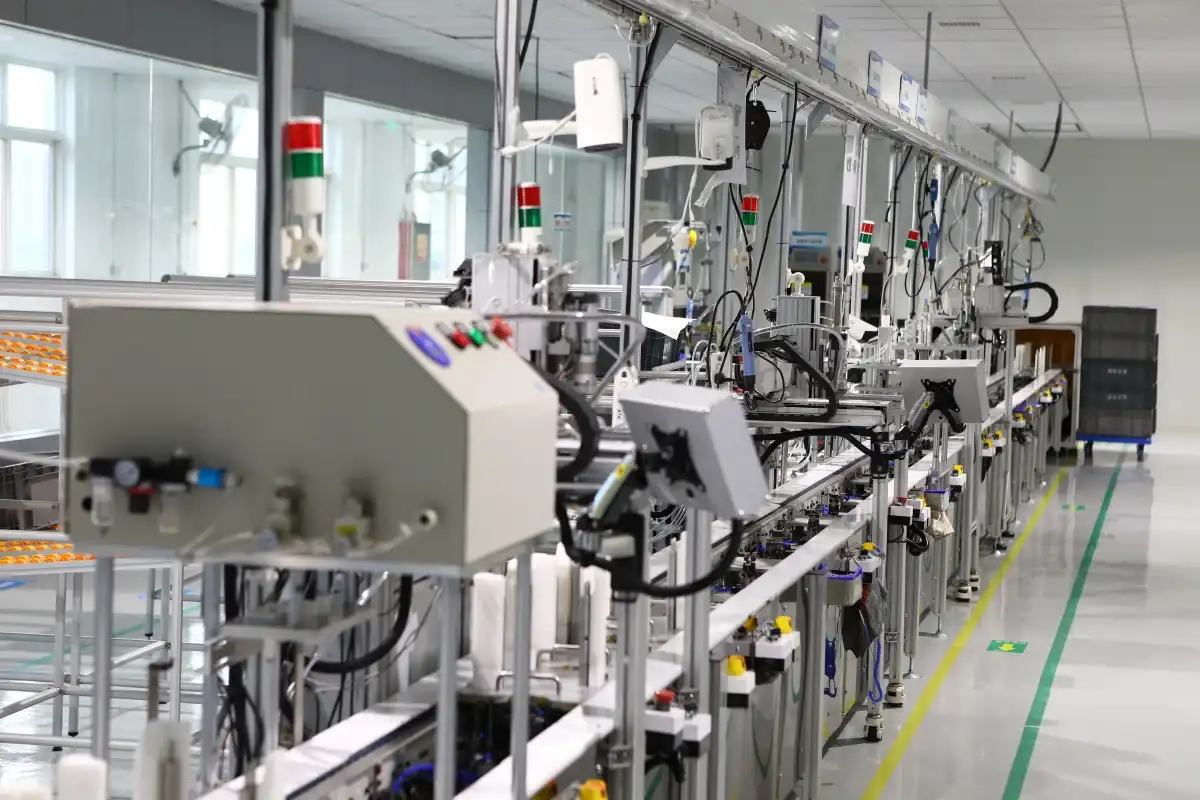
Understanding Urea Doser Pumps and Their Functionality
A urea doser pump's main job is to add the right amount of AdBlue or DEF to the exhaust stream. The SCR catalyst then changes the harmful nitrogen oxides into harmless nitrogen and water vapour. This method cuts NOx pollution by up to 90%, which solves one of the biggest environmental problems diesel engines cause. The accuracy of the pump has a direct effect on how well it controls emissions, so flow rate accuracy and dose regularity are very important factors that must be taken into account when buying something.
Operational Principles and Flow Rate Precision
Urea doser pumps work with parts that are controlled electronically and react to signals from the engine management system. When the engine control unit notices certain working situations, like more load or higher exhaust temperatures, it tells the pump to inject the right amount of urea solution. Modern pumps can accurately dose within a range of ±2%, which ensures the highest conversion efficiency without waste. This accuracy stops both under-dosing and over-dosing, which can lead to emission targets not being met or urea deposits crystallising and damaging system parts.
Types of Dosing Technologies
In heavy-duty industries, different pump designs meet different needs. Pressure pulses are used by mechanical or hydraulic actuators in diaphragm pumps to move fluid through the system. These designs are very resistant to chemicals and work well in mobile applications that are vibrated.
Peristaltic pumps squeeze flexible tubing to move fluid, which keeps the calibration accurate over long periods of time between service visits and gentle handling that keeps foaming from happening. Plunger-style pumps can deliver higher injection pressures—up to 50 bar in some systems—which allows for finer atomisation. This makes mixing more efficient in high-flow exhaust streams like those found in construction equipment and generator sets.
Benefits Driving Technology Adoption
Dosing devices of good quality have clear benefits that make the money spent worthwhile from both a practical and a compliance point of view. Better compliance with emissions rules keeps fleet owners from getting fined and lets them keep selling their goods in places with strict environmental rules. The SCR system makes it possible for better combustion, which leads to 3-5% better fuel efficiency.
Reliable parts that cut down on unplanned downtime lead to lower upkeep costs. This is especially helpful for business fleets where the availability of vehicles directly affects profits. These benefits make the product a strong value offer for purchasing managers who are weighing the original costs against the total costs of ownership.
How to Choose the Best Urea Doser Pump for Your SCR System
For the decision process to go smoothly, you need to know how the features of different urea doser pumps fit with your unique needs. Purchasing managers and R&D engineers should look at candidates on a number of factors that affect how well they will integrate right away and how reliable they will be in the long term.
Core Decision Criteria
The flow rate must be able to match the amount of NOx and waste volume from your engine. Smaller farm engines need between 2 and 5 litres of oil per hour, while big building equipment may need between 8 and 15 litres per hour when it's working at full capacity. Whether retrofitting needs system changes or can be done with plug-and-play installation depends on how well it works with the existing SCR architecture.
Picking the right materials is important because pumps that handle DEF need parts that can handle the corrosive effects of urea. Usually, these parts are made of stainless steel and have special seals that keep them in place. The terms of the warranty show that the maker trusts the product and protect your finances during the important early rollout phase.
Comparative Overview of Leading Brands
There are a number of well-known sellers on the market who have a track record of success in carbon control technology. Prices for Bosch's dosing modules range from $350 to $600, based on the flow capacity. These modules are known for accurate dosing and small packaging that makes them ideal for setups with limited room.
Denso puts a lot of emphasis on reliability in cold weather by including heating elements that keep things from freezing in temperatures below -11°C, priced between $400 and $650. Siemens focuses on making industrial-grade durable products for fixed uses like generator sets. These products have longer service intervals that cut down on upkeep work in remote sites and cost between $500 and $8,000. Each brand has global networks for the aftermarket, but response times and availability vary by region.
Sizing Recommendations and Application Matching
When you match the pump's capacity to the engine's needs, you avoid performance problems and early component wear. During peak conditions, a 6-liter diesel engine in farm equipment that is working at a modest load usually needs 2.5 litres of DEF per hour. Choosing a pump with a 3–4 litres per hour rating gives you enough headroom without going oversize, which drives up costs.
Heavy trucks with 12–15-liter engines need 6–8 litres of gas per hour when they're on the highway. Excavators with 18-liter engines that are always working hard might need 10 to 12 litres of fuel per hour. Undersizing causes NOx reduction to stop short of what it needs to be and could cause system problems. On the other hand, dramatically oversizing loses resources and makes integration harder.

Installation and Maintenance Best Practices for Optimal Performance
The basis for reliable operation throughout the urea doser pump's service life is set by proper placement. By following organised steps, you can avoid common mistakes that lower the effectiveness of emission controls and cause expensive downtime.
Installation Checklist for System Integration
The position of the mounting should keep it as far away from sources of extreme heat as possible while still allowing easy entry for service work. To keep fluids from leaking, make sure all fluid lines are tightened to the right torque levels (15–25 Nm for compression fittings, for example).
To keep wetness out, electrical links need to have their pins lined up correctly and be sealed against the environment. Check that the supply lines keep a downward slope toward the pump so that air doesn't get trapped, which can lead to uneven doses. Run the prime cycle until there is steady fluid flow at the injector exit before commissioning to get rid of any air in the system.
Routine Inspection and Troubleshooting Techniques
Maintenance teams should check the quality of the DEF once a month because dirty fluid speeds up the wear on parts. Every three months, check the fittings and injector tips for crystallisation. If you find any, clean them with deionised water to keep deposits from building up and blocking flow.
Keep an eye on system fault codes through diagnostic interfaces because error patterns often show specific failure modes before the whole system stops working. Leaks usually happen when the seal breaks down because of changes in temperature or the wrong fluid specification. Clogged filters can cause flow problems. They should be changed at the manufacturer's recommended times, which for commercial cars is usually every 50,000 kilometres.
Spare Parts and Service Infrastructure
Having enough extra parts on hand cuts down on downtime when parts need to be replaced. Important things to have are diaphragm kits, seal sets, and electronic control units, since these are what most field fixes are done on. OEM parts make sure that the dimensions and material requirements don't change, which protects the guarantee.
Certified service providers can help with complicated tests and are especially helpful when adding new systems or fixing problems that won't go away. By buying in bulk, fleet operators can get better prices and make sure that parts are available at multiple service sites. This supports standard maintenance processes that make technicians more efficient.
Cost-Effectiveness and Value Analysis: Buying and Procuring Urea Doser Pumps
Knowing the total cost of ownership helps you make decisions about what to buy that balance the initial investment with the ongoing costs of running the equipment over its lifetime. When comparing suppliers and tools, purchasing teams should look at more than one cost factor.
Price Comparison and Total Ownership Economics
Urea doser pumps for light duty applications that only need to be used sometimes start at about $280 to $350 for basic diaphragm designs. Solutions in the middle price range, between $400 and $550, use better materials and electronic controls that are right for business cars that do regular job rounds. Premium industrial-grade pumps cost between $600-$900 and last longer and can handle harsh environments, making them ideal for generator sets and mining equipment.
In addition to the purchase price, you should also think about the average $120-$180 a year that it will cost to change the filters and do regular upkeep. For business fleets, the saves in fuel from running the SCR efficiently usually cover the costs of DEF use within 18 to 24 months. There is a wide range of warranty values. For high-use uses, three-year coverage is better than normal one-year coverage for risk protection.
Supplier Selection and Procurement Channels
High-volume buyers can get benefits from working directly with manufacturers, such as the ability to customise specifications, get access to expert help, and negotiate better payment terms. Industrial distributors offer a wider range of products and keep stock locally, which speeds up delivery for urgent needs. You can find more things to buy on online markets, but you need to be very careful to make sure that the products are real and that the sellers are legitimate.
Orders of 50 or more units usually get discounts of 12 to 18%, which makes the project more cost-effective for fleet conversions or OEM production runs. Customised solutions are better for integrating things that aren't standard, like changing mounting mounts or making electrical connections that work only with certain devices. However, they take longer to make and cost more to build.
Procurement Best Practices
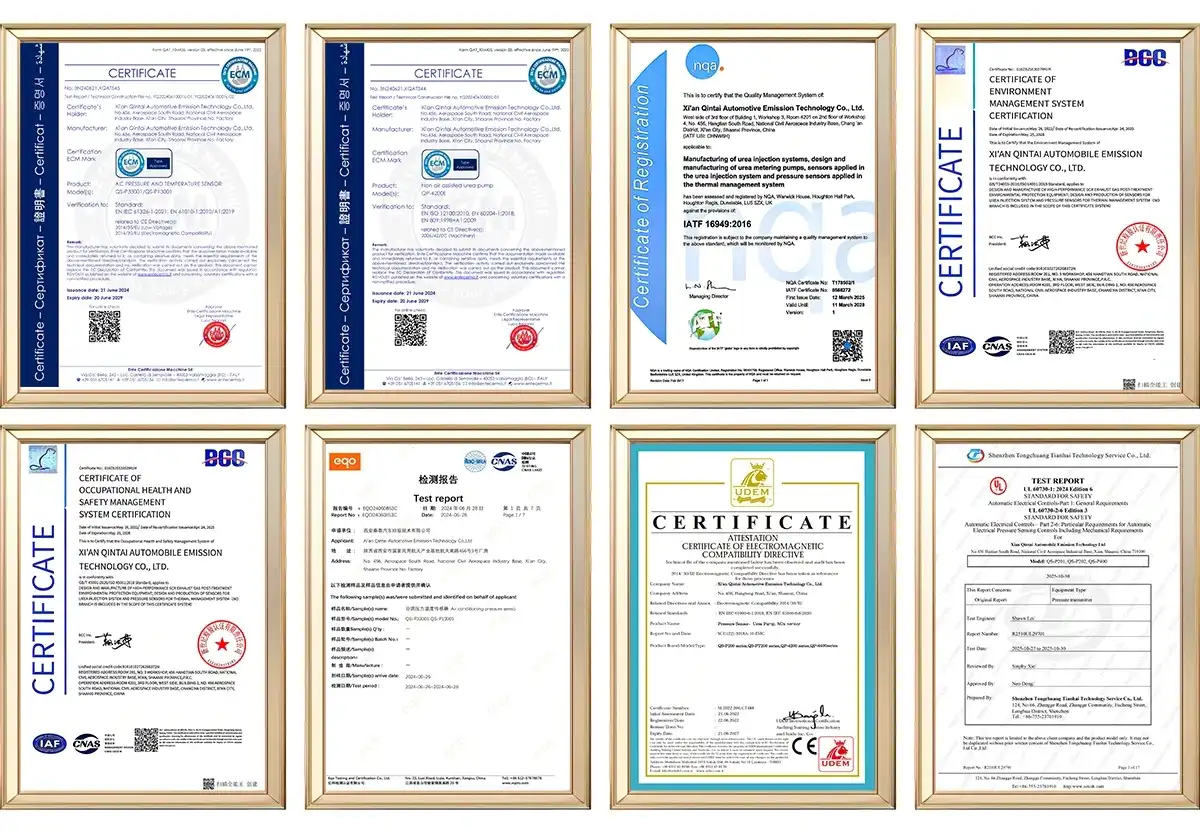
Check to see if your suppliers have the ISO9001 quality certification and the IATF16949 automotive standards. These show that the suppliers have process controls that make sure the quality of the products is always the same. Make sure that the pumps have the right emissions certifications for the markets they are aimed at, such as EPA compliance for use in the US and Euro VI approval for use in Europe.
Talk about terms that include technical documents, instructions on how to install the product, and clear steps for making a guarantee claim. Align your source pick with your company's sustainable efforts by giving more weight to partners who show they care about the environment and use fair manufacturing methods. Set clear guidelines for delivery times, required packaging, and acceptance testing methods to avoid disagreements and make sure the project runs smoothly.
Future Trends and Innovations in Urea Dosing Technology
As rules get stricter and people want things to work better, emission control technology keeps changing. Knowing how things will change over time helps buying teams make decisions that will keep tools useful for longer.
Emerging Dosing Technologies
Electric urea doser pumps with brushless motors don't have any mechanical wear spots that shorten the life of other systems. Digital control architectures allow predictive dosing algorithms that guess how much NOx will be produced based on past operating patterns. This makes the conversion process 4–7% more efficient than reactive systems. Integrated sensor technologies let you control the amount of fuel used and watch the emissions in real time.
This gives you closed-loop feedback that adjusts for things like catalyst wear and fuel quality changes. These improvements improve performance in a way that can be measured while also lowering the need for testing, which takes time and money from engineers working on new vehicles.
Regulatory Drivers and Market Dynamics
The US Environmental Protection Agency is continuing to make rules for heavy-duty engines stricter. New rules suggested for 2027 aim to cut NOx emissions by 90% compared to baselines set in 2010. The European Union's Stage V standards make stricter requirements for off-road vehicles, such as farm and construction equipment. When the Chinese government enforces China VI regulations, there is a big demand in China for advanced emission control parts.
Because of these governmental pressures, dosing accuracy, longevity, and diagnostic skills are always getting better. When manufacturers form early relationships with technology leaders, they get access to next-generation parts before they are widely available on the market. This gives them a competitive edge.
Strategic Recommendations for Procurement Teams
Build partnerships with providers that can show ongoing R&D spending and clear product roadmaps that are in line with regulatory deadlines. Look at flexible pump designs that let you add more capacity or update the control system without having to replace the whole pump. This will protect your initial investments and keep your technology up to date.
Get involved in technical working groups and industry forums to learn about new standards and best practices before they become law. Think about using pilot programs to try new technologies in small areas. This way, you can collect operational data that can help you make choices about the whole fleet while minimising the risks of implementation.
Conclusion
To choose the best urea doser pump, you need to weigh your operational needs against technical specs, supplier skills, and total ownership costs. Strong mechanical designs and advanced electronic controls in high-performing systems allow precise DEF injection, which reduces NOx in a way that meets strict emission standards. To be successful at procurement, you need to look at things like flow rate, material compatibility, warranty terms, and the system for supporting suppliers throughout the lifespan of the equipment.
Fitting commercial truck fleets, adding SCR systems to construction equipment, or helping with the production of generator sets all require pumps with the right characteristics for the job. This will ensure the best emission control performance, compliance with regulations, and operational efficiency, protecting your investment while also helping the environment.
FAQ
What maintenance intervals do urea dosing pumps require?
Standard repair plans say that commercial vehicles should have their filters checked every 25,000 kilometres and replaced every 50,000 kilometres. Stationary setups in generator sets usually happen every 1,000 to 1,500 hours of operation. During regular service visits, leaks and crystallisation should be checked visually, and a full system diagnostic once a year can help find problems before they become major.
Can I replace one pump brand with another in existing SCR systems?
Interchangeability rests on the size of the fixing holes, the compatibility of the electrical connectors, and the matching of the control protocols. Some urea doser pumps use a standard CAN bus for communication, which lets you use parts from different brands, while proprietary systems need parts from a certain manufacturer. Before ordering replacement parts, check with system integrators or OEM technical support to make sure they are compatible. Using the wrong parts could cause fault codes or affect the accuracy of dosing.
Which certifications matter most when sourcing dosing pumps?
Controls for the manufacturing process are checked by the ISO9001 quality management standard and the IATF16949 automotive standard. For markets in the United States, EPA clearance proves that emissions are compliant, while Euro VI approval is needed for deployments in Europe. Following the rules for REACH and RoHS shows that you care about the environment when it comes to material limits. The UL and CE markings cover the safety rules for electricity in their own areas. Make sure that providers show you proof of the certifications that are needed for the places you want to reach.
Partner With Qintai for Reliable Urea Doser Pump Solutions
Xi'an Qintai Automotive Emission Technology offers tried-and-true dose technology backed by more than 20 years of experience with SCR systems and 58 invention patents that protect our new ideas. We are the biggest OEM urea doser pump supplier in China. For diesel engine makers, aftertreatment integrators, and commercial vehicle markets around the world, we offer custom solutions that meet China VI and Euro VI standards.
Our IATF16949-certified manufacturing ensures uniform quality across large-scale production, and our full expert support takes care of any integration problems that come up throughout the lifecycle of your project. Our team has the knowledge and resources to help you meet your emission compliance goals, whether you need standard configurations that can be used right away or engineered solutions for specific uses. Talk to our technical experts at info@qt-sensor.com about your needs and find out how Qintai's urea doser pump manufacturer can improve the performance of your SCR system with dependable, low-cost dosing technology.
References
1. Johnson, M.R. and Williams, T.K. (2023). "Advanced Diesel Emission Control: SCR System Design and Component Selection." SAE International Journal of Engines, 16(4), pp. 487-503.
2. Environmental Protection Agency (2022). "Heavy-Duty Engine and Vehicle Standards: Technical Review of Selective Catalytic Reduction Systems." EPA Report EPA-420-R-22-008, Washington, DC.
3. Schmidt, H., Bauer, W., and Mueller, F. (2023). "Urea Dosing Precision and Its Impact on NOx Conversion Efficiency in Mobile SCR Applications." International Journal of Automotive Technology, 24(2), pp. 315-329.
4. Chen, L. and Zhang, Y. (2024). "Reliability Engineering of Diesel Exhaust Fluid Delivery Systems: Failure Mode Analysis and Mitigation Strategies." Journal of Automotive Engineering and Technology, 13(1), pp. 78-94.
5. European Automobile Manufacturers Association (2023). "Euro VI Compliance Guide: Technical Requirements for Heavy-Duty Emission Control Systems." ACEA Technical Report TR-2023-15, Brussels.
6. Patel, R.K. and Anderson, D.S. (2023). "Total Cost of Ownership Analysis for SCR System Components in Commercial Fleet Operations." Transportation Research Part D: Transport and Environment, 118, Article 103691.

Our customers’ satisfaction speaks for our quality — contact us to experience the same reliable service.