- English
- French
- German
- Portuguese
- Spanish
- Russian
- Japanese
- Korean
- Arabic
- Greek
- German
- Turkish
- Italian
- Danish
- Romanian
- Indonesian
- Czech
- Afrikaans
- Swedish
- Polish
- Basque
- Catalan
- Esperanto
- Hindi
- Lao
- Albanian
- Amharic
- Armenian
- Azerbaijani
- Belarusian
- Bengali
- Bosnian
- Bulgarian
- Cebuano
- Chichewa
- Corsican
- Croatian
- Dutch
- Estonian
- Filipino
- Finnish
- Frisian
- Galician
- Georgian
- Gujarati
- Haitian
- Hausa
- Hawaiian
- Hebrew
- Hmong
- Hungarian
- Icelandic
- Igbo
- Javanese
- Kannada
- Kazakh
- Khmer
- Kurdish
- Kyrgyz
- Latin
- Latvian
- Lithuanian
- Luxembou..
- Macedonian
- Malagasy
- Malay
- Malayalam
- Maltese
- Maori
- Marathi
- Mongolian
- Burmese
- Nepali
- Norwegian
- Pashto
- Persian
- Punjabi
- Serbian
- Sesotho
- Sinhala
- Slovak
- Slovenian
- Somali
- Samoan
- Scots Gaelic
- Shona
- Sindhi
- Sundanese
- Swahili
- Tajik
- Tamil
- Telugu
- Thai
- Ukrainian
- Urdu
- Uzbek
- Vietnamese
- Welsh
- Xhosa
- Yiddish
- Yoruba
- Zulu
What Are the Main Benefits of Installing an SCR Dosing System?
Installing an SCR dosing system delivers measurable advantages for diesel engine manufacturers, aftertreatment integrators, and fleet operators alike. At its core, this technology precisely injects Diesel Exhaust Fluid (DEF) into the exhaust stream, converting harmful nitrogen oxides (NOx) into harmless nitrogen and water through catalytic reaction. The result is regulatory compliance with Euro VI and EPA Tier 4 Final standards, improved fuel efficiency, reduced engine wear, and lower total operating costs. Whether you manage heavy truck fleets, generator sets, or construction machinery, an SCR dosing system is no longer optional — it is a competitive necessity.

Understanding SCR Dosing Systems: A Comprehensive Overview
What Makes Up an SCR System?
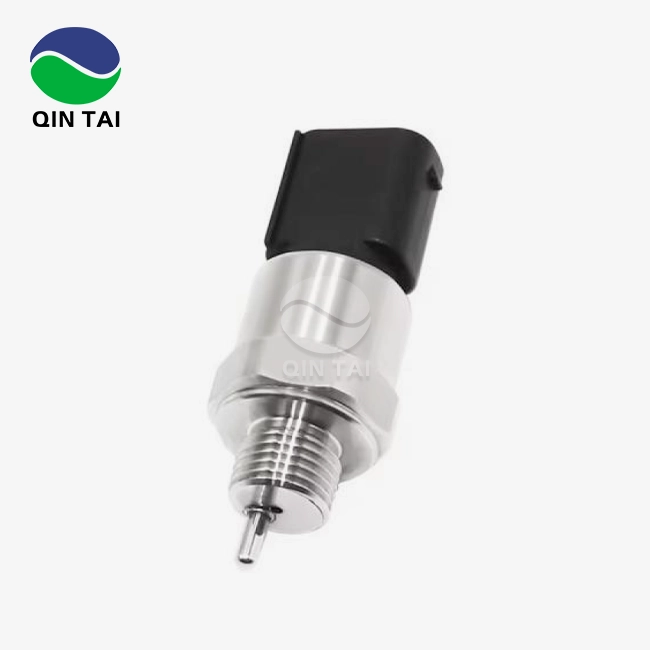
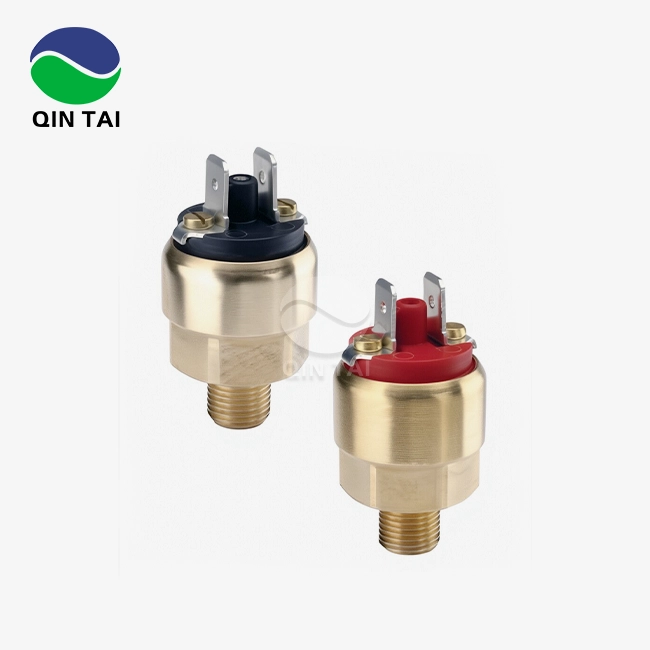
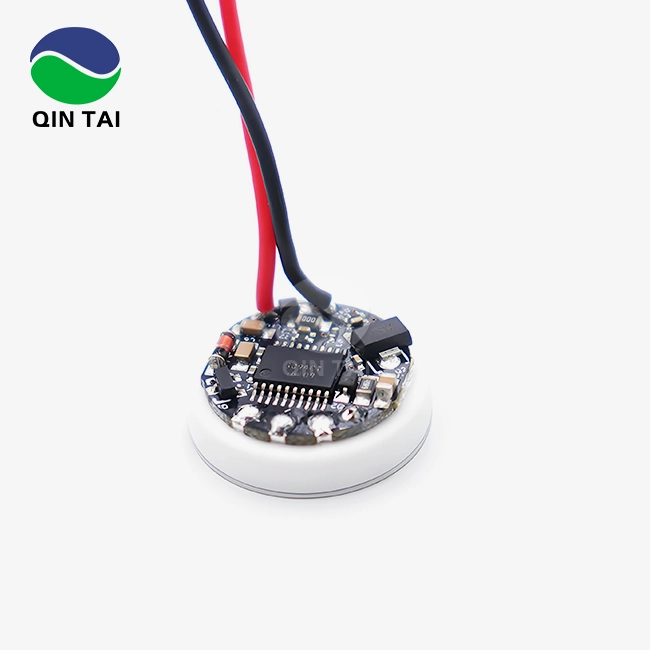
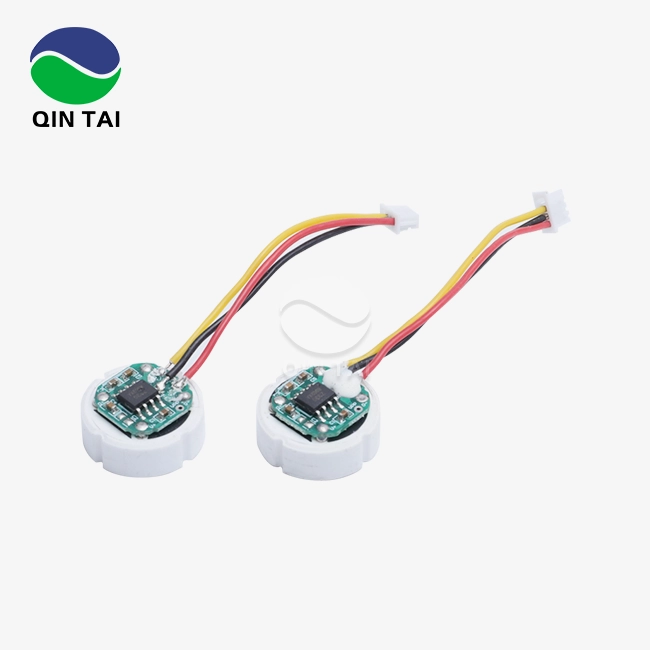
A DEF injector, a dosing control unit (DCU), a urea pressure sensor, a urea tank assembly, and a catalyst substrate are all parts of an SCR aftertreatment system that work together. Each part has a clear job to do. For example, the urea dosing pressure sensor tells the DCU about the hydraulic pressure in real time, which makes sure that the volumetric injection is done correctly. If precise pressure monitoring isn't done, the system could end up over- or under-dosing, which could lead to NOx not meeting standards or damage to the catalyst.
How DEF Injection Works
When exhaust gasses hit the aftertreatment system, the DCU tells the dose pump to add a certain amount of DEF before the SCR catalyst. The DEF turns into ammonia when it evaporates, and this mixes with the NOx on the catalyst's surface. Up to 90% less NOx is released when chemicals are changed, and this has been proven in heavy-duty industrial uses. Through level, temperature, and quality sensors, the urea tank is always talking to the SCR system. This makes sure that the DEF content stays within the 32.5% range that is needed.
Key Benefits of Installing an SCR Dosing System
There are a lot of technical and financial things to think about when deciding to install a SCR dosing system. These are the main benefits that buying managers and R&D engineers always put first:
- Regulatory Compliance Without Engine Penalties: SCR treats NOx post-combustion, allowing engine tuning to optimize power and fuel consumption rather than sacrificing both for in-cylinder emission control. This is a distinct advantage over EGR-only configurations that increase exhaust gas temperatures and engine thermal load.
- Fuel Efficiency Gains of 3–5%: Because the engine runs at optimized combustion parameters, independent studies indicate fuel savings between 3% and 5% compared to engines relying solely on EGR. Over hundreds of thousands of kilometers, this translates into substantial operational cost reduction.
- Extended Engine and Component Lifespan: Reduced in-cylinder combustion temperatures lower thermal stress on pistons, rings, and valves. Combined with a well-maintained urea pressure sensor that prevents dosing anomalies, the system protects both the catalyst and the engine simultaneously.
- Scalability Across Applications: From a 100 kW generator set powering a remote mining site to a 500 hp long-haul truck, SCR technology scales without fundamental redesign. OEMs appreciate this flexibility during platform development.
Scalability: SCR technology can be used in a 100-kW generator set for a remote mine site or a 500-hp long-haul truck without needing to be completely redesigned. OEMs like having this much freedom during platform development.

Comparing SCR Dosing Systems to Alternative Solutions
SCR vs. EGR: Which Performs Better?
Exhaust Gas Recirculation (EGR) mixes recirculated exhaust with intake air to lower the amount of NOx that is produced during combustion. Even though EGR works well at low loads, it raises the risk of oil contamination, adds particulate matter, and puts more thermal stress on the engine block. SCR, on the other hand, reduces NOx from the outside, so it doesn't affect the combustion process. Independent tests on heavy trucks qualified for Euro VI show that SCR-dominant setups regularly get lower NOx tailpipe values and better fuel economy than EGR-heavy designs.
Sensor Quality Determines System Precision
Not every SCR dosing system works the same. The accuracy depends a lot on how well the urea dose pressure monitor works. A high-performance sensor finds drops in pressure caused by leaks or blockages, overpressure events caused by frozen AdBlue or broken valves, and helps figure out what's wrong with the pump and injectors. Gold-plated connections on sensors keep connectors from getting dirty, which can cause trouble codes like P204B, which is a common problem in old or low-specification systems.
Technical managers should make sure that the sensor output signals (0.5V–4.5V or SENT protocol) work with the DCU or ECU calibration needs when they are looking at different SCR system suppliers. Standardizing the threads to M101 or M12×1.5 makes physical connection easier, but for closed-loop dose accuracy, signal matching has to be done.
Installation, Maintenance, and Safety Considerations
Best Practices for Reliable Operation
The DEF injector needs to be placed at the right distance ahead of the mixer and catalyst brick. This distance is usually set by the system operator. If the part isn't put in the right place, it won't atomize properly, which leads to urea crystallization in the exhaust pipe. This slowly blocks flow and lowers the efficiency of NOx conversion.
Regularly calibrating the urea pressure sensor, checking the quality of the DEF, and inspecting the injector tip should all be part of a preventative maintenance plan for the SCR dosing system. Crystallization fouling can't happen in sensors that are made with few dead-volume areas and smooth flow paths. This is a design feature that should be asked for when buying them. In terms of freeze defense, AdBlue grows about 9% bigger when it freezes. Systems with flexible internal storage structures in the pressure sensor can handle this growth without damaging the diaphragm. This keeps the sensor working properly during the winter months, which are common in North America and Northern Europe.

Why Leading Industries and OEMs Trust SCR Dosing Systems?
For heavy-duty trucks, ships, mines that make electricity, and farm equipment, SCR aftertreatment has become the standard way to reduce NOx. Core OEM suppliers in China, such as Weichai Power, Yuchai Power, and Quanchai Power, only use SCR dosing components that meet IATF16949 quality management standards. This is because these applications need industrial-grade reliability.
Large SCR systems that handle high-flow DEF injection in salty environments need parts that have been tested and proven to be resistant to corrosion and last a long time. Sensors that are rated for 15,000 to 20,000 working hours meet the requirements of marine regulatory compliance programs for durability.
A lot of dust and shocks are present in construction and mining tools, which makes it hard for sensors to stay stable. Industrial-grade urea pressure sensors with strong housings and mounting designs that don't shake can keep closed-loop dosing accurate even when they're under a lot of mechanical stress. This is the kind of real-world dependability that procurement engineers check with field performance data before giving the go-ahead to a supplier.
Conclusion
For meeting new and existing diesel pollution standards, an SCR dosing system is one of the most reliable and cost-effective solutions on the market. It cuts down on NOx by up to 90%, makes engines use less fuel, extends their useful lives, and can be used in a wide range of industry settings. Any SCR system's performance depends on how well and how long its main parts last, especially the urea dosing pressure sensor that controls how accurately the injections are made. The most important step in the procurement chain is choosing a qualified, approved seller with proven OEM experience.
FAQ
Q1: How does a urea pressure sensor prevent NOx non-compliance?
A: The sensor constantly tells the dosing control unit how much DEF to inject, making sure that each cycle delivers the right amount. If the pressure goes out of the goal range, which could mean there is a leak, blockage, or problem with the pump, the DCU makes changes or tells the operator. This keeps the dose from being too low, which would cause NOx levels to go over the allowed limits.
Q2: What causes the P204B fault code in SCR systems?
A: P204B usually means that the signal is drifting because the sensor is old or the connection pins are dirty. Using sensors with gold-plated connections greatly lowers this type of failure by keeping the electrical contact stable over longer periods of time between service.
Q3: Can SCR dosing sensors work across different system brands?
A: The size of the threads is usually the same, but the type of signal that comes out must match the ECU's calibration. Before choosing a new sensor, you should always make sure that your system needs a 0.5V–4.5V analog output or a SENT digital signal.
Q4: How long do urea dosing pressure sensors typically last?
A: Well-designed sensors are guaranteed to last 15,000 to 20,000 hours in standard commercial vehicle uses. This is more than enough time for long-haul trucks that travel over a million kilometers each year.
Partner With Qintai — A Trusted SCR Dosing System Manufacturer
Diesel aftertreatment solutions have been made by Qintai since 2001. Our company, Qintai, is the top OEM supplier in China for Weichai Power, Yuchai Power, and Quanchai Power. It has 58 invention patents and is certified by IATF16949, ISO9001, CE, and UL. We can customize for OEM/ODM partners and have flexible output ability for B2B partners around the world. To talk about your SCR dosing system needs, please email our expert team at info@qt-sensor.com.
References
1. European Environment Agency — Euro VI Emission Standards for Heavy-Duty Vehicles, 2020.
2. U.S. Environmental Protection Agency — Regulatory Impact Analysis: Control of Air Pollution from New Motor Vehicles: Heavy-Duty Engine and Vehicle Standards, 2022.
3. SAE International — SAE J2786: Urea Solution Handling and Storage for SCR Systems, 2019.
4. International Council on Clean Transportation (ICCT) — Real-World NOx Emissions from Euro VI Heavy-Duty Diesel Vehicles, 2021.
5. Diesel & Gas Turbine Worldwide — SCR System Performance in Industrial and Marine Diesel Applications, 2020.
6. Society of Automotive Engineers — Technical Paper 2018-01-1272: Advances in Urea Dosing Precision for Heavy-Duty SCR Systems, 2018.

Our customers’ satisfaction speaks for our quality — contact us to experience the same reliable service.