- English
- French
- German
- Portuguese
- Spanish
- Russian
- Japanese
- Korean
- Arabic
- Greek
- German
- Turkish
- Italian
- Danish
- Romanian
- Indonesian
- Czech
- Afrikaans
- Swedish
- Polish
- Basque
- Catalan
- Esperanto
- Hindi
- Lao
- Albanian
- Amharic
- Armenian
- Azerbaijani
- Belarusian
- Bengali
- Bosnian
- Bulgarian
- Cebuano
- Chichewa
- Corsican
- Croatian
- Dutch
- Estonian
- Filipino
- Finnish
- Frisian
- Galician
- Georgian
- Gujarati
- Haitian
- Hausa
- Hawaiian
- Hebrew
- Hmong
- Hungarian
- Icelandic
- Igbo
- Javanese
- Kannada
- Kazakh
- Khmer
- Kurdish
- Kyrgyz
- Latin
- Latvian
- Lithuanian
- Luxembou..
- Macedonian
- Malagasy
- Malay
- Malayalam
- Maltese
- Maori
- Marathi
- Mongolian
- Burmese
- Nepali
- Norwegian
- Pashto
- Persian
- Punjabi
- Serbian
- Sesotho
- Sinhala
- Slovak
- Slovenian
- Somali
- Samoan
- Scots Gaelic
- Shona
- Sindhi
- Sundanese
- Swahili
- Tajik
- Tamil
- Telugu
- Thai
- Ukrainian
- Urdu
- Uzbek
- Vietnamese
- Welsh
- Xhosa
- Yiddish
- Yoruba
- Zulu
OEM SCR Dosing System Solutions: Benefits for Truck Manufacturers
If you're a truck manufacturer navigating today's tightening emission landscape, the pressure to deliver compliant, fuel-efficient vehicles has never been greater. An OEM-grade SCR dosing system sits at the heart of that challenge. By injecting a precisely metered volume of Diesel Exhaust Fluid (DEF/AdBlue) into the exhaust stream, selective catalytic reduction technology converts harmful NOx into harmless nitrogen and water vapor—enabling compliance with Euro VI and EPA Tier 4 Final standards without sacrificing engine output. Understanding how these systems work, and who supplies them, is a procurement decision that carries long-term consequences for your production line and your brand reputation.

Understanding SCR Dosing Systems and Their Core Components
How the Urea Injection Loop Works?
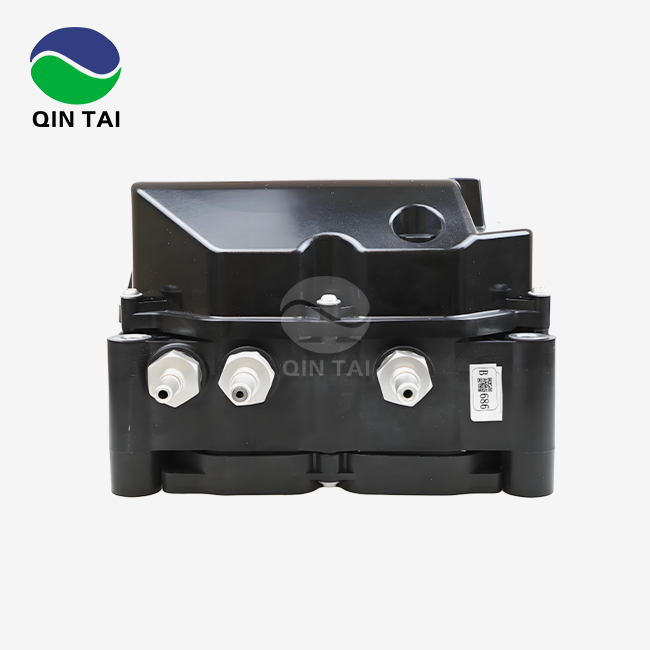
A selective catalytic reduction system is not just one part; it is a well-coordinated whole. The urea fuel tank holds AdBlue and talks to the rest of the system through three built-in sensors: a level sensor that checks the amount of fluid in the tank, a temperature sensor that keeps the tank from freezing, and a quality sensor that makes sure the urea concentration stays at 32.5%. A dosing pump takes fluid from the tank and sends it to the dosing injector under controlled hydraulic pressure. The dosing injector then atomizes the fluid and sends it into the exhaust pipe before the SCR catalyst.
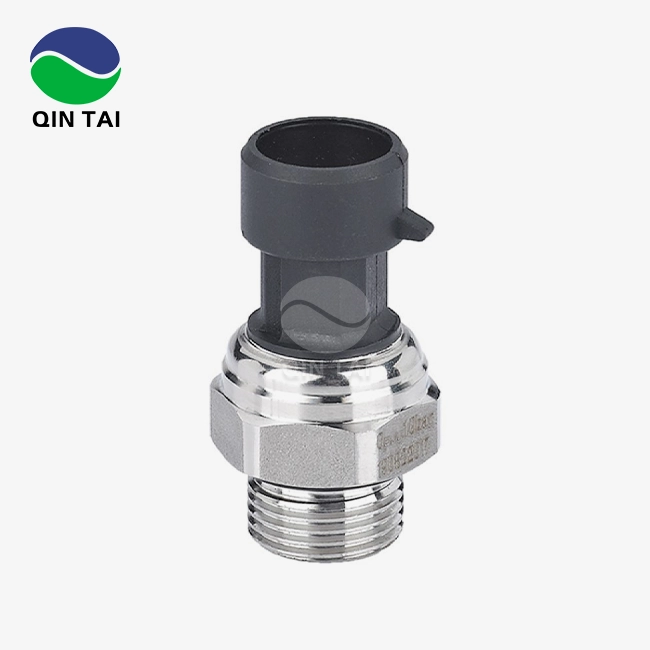
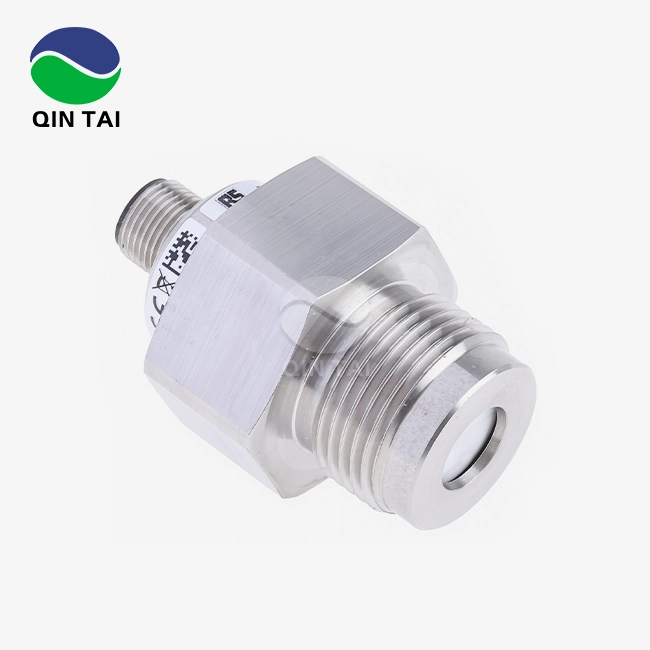
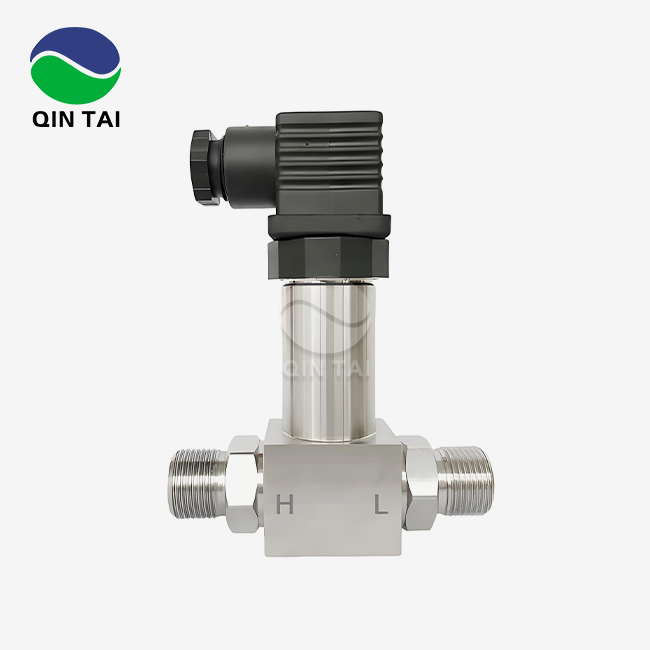
The urea dose pressure monitor is the most important part of this feedback loop. It sends information to the Dosing Control Unit (DCU) or Engine Control Unit (ECU) about the real-time hydraulic pressure inside the dosing module. This sensor's closed-loop feedback makes sure that the injection is correct, finds changes in pressure that could be caused by line blockages or AdBlue that has frozen, and helps find and fix problems with the pump and injectors before they get worse and cause a "limp mode" event. For heavy-duty industrial use, these sensors are made to last 15,000 to 20,000 hours of operation, which is a reliability standard that directly protects downtime.
Benefits of OEM SCR Dosing Systems for Truck Manufacturers
Emission Compliance, Fuel Economy, and Total Cost of Ownership
Choosing an aftertreatment option that has been measured by the OEM for the SCR dosing system has clear benefits throughout the entire production process. These are the main benefits that both R&D engineers and purchasing managers care about the most:
- Regulatory certainty: OEM SCR systems are validated to meet Euro VI and EPA Tier 4 Final NOx reduction targets—often achieving greater than 90% NOx conversion efficiency. This eliminates costly homologation re-work late in the development cycle.
- Fuel efficiency advantage over EGR: Unlike Exhaust Gas Recirculation, which recirculates hot exhaust gases back into the intake and can increase soot loading and oil dilution, SCR technology treats emissions downstream, allowing the engine to run a more fuel-optimal combustion map. Independent engine testing has shown fuel savings of 3–5% in real-world duty cycles when SCR replaces high-EGR strategies.
- Reduced maintenance burden: Factory-calibrated components, manufacturer-backed warranties, and OEM-grade sealing materials lower unplanned maintenance events. Sensor connectors with gold-plated terminals, for example, resist pin contamination—a common trigger for the P204B fault code (Urea Pressure Sensor Circuit Range/Performance).
- Long-term ROI: OEM systems carry documented calibration data that integrates cleanly with vehicle ECU software, reducing validation hours and warranty exposure over the production run.
Lower maintenance burden: factory-calibrated parts, warranties backed by the maker, and OEM-grade sealing materials all lower the number of unexpected maintenance tasks that need to be done. For example, sensor connections with gold-plated ends don't let pin contamination happen, which is a typical cause of the P204B fault code (Urea Pressure Sensor Circuit Range/Performance).Long-term return on investment (ROI): Original Equipment Manufacturer (OEM) systems come with recorded calibration data that works well with vehicle ECU software. This cuts down on validation hours and warranty risk during the production run.

Choosing the Right SCR Dosing System: A Rational Choice Approach
Matching Technical Specifications to Application Requirements
Well-known brands like Bosch, Delphi, Cummins, Denso, and Valeo make selective catalytic reduction dosing modules. Each has its own pressure architecture and calibration philosophy. When precise fluid atomization at high back-pressure levels is needed, high-pressure dosing configurations are often best for large-displacement engines in long-haul trucks and power generation sets. Light to medium-sized commercial cars often use low-pressure architectures because they have to fit more parts in a smaller place and cost less to run.
Five things that procurement teams should look at when comparing suppliers for the SCR dosing system are their emission certification, technical parameter documentation, ability to customize (including interface voltage standards like 0.5V–4.5V or SENT protocol), ability to produce in large quantities, and response time after the sale. It is important that the output signal from the urea pressure sensor works with the specific ECU calibration. Thread standards like M10×1 or M12×1.5 may be able to be used between brands, but signal protocol differences can lead to continuous fault codes and not following the rules.
Long-term supply deals with suppliers that are certified by IATF 16949 and ISO 9001 add an extra level of production consistency that Tier 1 OEM purchasing teams are asking for more and more.
Maintenance, Troubleshooting, and Safety Best Practices
Keeping the Dosing Module Performing at Specification
The most cost-effective way to protect the performance of an SCR device is to provide proactive repair. Regular maintenance should include checking the flow rate at the dose injector, making sure the sensors are calibrated against known pressure standards, and looking for solid deposits in the urea tank filter. A well-designed urea dosing pressure sensor has a dead-volume minimization geometry that limits the amount of fluid that sits still and lowers the risk of crystallization. However, it is still important to check the sensor physically, especially after long periods of inactivity.
Systematic analysis is important for the SCR dosing system when problem codes show up. Faults with injections are often caused by worn pumps or air getting into the fluid line. Failures of sensors are often caused by contaminated connectors rather than transducer failure. This is why asking suppliers for gold-plated terminal design is a useful durability specification. If the pump stops working, it could be because of frozen AdBlue expansion stress. Sensors with a flexible internal buffering structure can handle the 9% volumetric expansion of freezing urea, which keeps the diaphragm from getting damaged during cold-weather start cycles.
Standard chemical safety measures must be taken when handling AdBlue: do not touch painted surfaces, use special transfer tools, and store the fluid in ISO 22241-compliant containers to keep the concentration intact.
Future Trends and Innovations in OEM SCR Dosing Systems
Smarter Controls, Tighter Integration, and the Road Ahead
The next generation of aftertreatment systems is coming together with vehicle telematics. This will allow predictive maintenance algorithms to find sensor drift or pump wear before a fault code is recorded. New developments in the SENT protocol for pressure sensing provide better signal precision and faster refresh rates. This gives DCU software more precise control over when and how much to inject. The tolerance window for NOx exceedances will get smaller as global regulators push toward China VI, Euro VII, and EPA Phase 3 Heavy-Duty standards. This will make high-precision dosing hardware a must-have feature instead of a nice-to-have.
OEM partners with active R&D programs, as shown by patent portfolios and ongoing product iteration, are better able to help makers through these regulatory changes than providers of standard parts. Over time, the strategic value of that relationship grows.

Conclusion
A well-designed SCR dosing system does more than just meet today's emission standards; it also protects your production investment, lowers your warranty risk, and makes sure that your product line will still work when global standards get stricter in the future. Every part of the dosing module is important. The urea tank monitors keep the fluid's purity, and the pressure detector controls the accuracy of injections in real time. The most reliable way to make sure that your fleet always works the way it should is to work with a certified OEM supplier that does both research and development and mass production.
FAQ
Q1: How often should an SCR dosing system be serviced?
A: Every 150,000 km or once a year, whichever comes first, a full system inspection should be done for heavy-duty commercial use. This should include sensor calibration, an injector flow-rate check, and a fluid line integrity test. How often filters need to be replaced depends on the quality of the AdBlue and the operating environment.
Q2: What distinguishes OEM systems from aftermarket alternatives?
A: OEM systems are set at the factory to work with the ECU software of the vehicle platform. They also come with warranties backed by the maker and have been tested against certification processes. Even though aftermarket units might have physically compatible interfaces, they don't always have matched signal protocols or documented calibration data. This can make compliance risk higher.
Q3: Can OEM SCR dosing components operate reliably in extreme cold?
A: Yes. OEM pressure sensors that are properly made have a flexible internal buffering structure that can handle the 9% volumetric expansion of freezing AdBlue, which keeps the diaphragm from getting damaged. The temperature monitor in the urea tank starts a controlled heating circuit to make the fluid move again before the dosing orders are sent.
Q4: What causes a P204B fault code?
A: This number usually means that the urea pressure sensor circuit is out of range or not working as well as it should. This is usually caused by dirty connecting pins or an old sensor. This type of failure happens much less often with sensors that have gold-plated terminals.
Partner with Qintai for Your SCR Dosing System Supply
Weichai Power, Yuchai Power, and Quanchai Power are some of China's top diesel engine manufacturers that have bought precision SCR aftertreatment sensors from Qintai since 2001. This has helped Qintai become the market leader in China. We are a qualified SCR dosing system maker with ISO 9001, IATF 16949, and 58 idea patents. We can customize OEM/ODM orders, make a lot of them, and offer global after-sales support in more than 60 countries. For a group purchase price or technical advice, please email our engineering team at info@qt-sensor.com.

References
1. European Commission — Euro VI Heavy-Duty Vehicle Emission Regulation (Regulation EC No 595/2009), 2009.
2. U.S. Environmental Protection Agency — EPA Heavy-Duty Engine and Vehicle Standards, Federal Register, 2001.
3. SAE International — SCR System Design and Calibration for Heavy-Duty Diesel Applications (SAE Technical Paper 2011-01-1135), 2011.
4. Khair, M. K. & Majewski, W. A. — Diesel Emissions and Their Control, SAE International, 2006.
5. Johnson, T. V. — Diesel Emissions in Review, SAE International Journal of Engines, 2011.
6. CARB (California Air Resources Board) — Heavy-Duty Diesel Vehicle Inspection and Maintenance Program, 2020.

Our customers’ satisfaction speaks for our quality — contact us to experience the same reliable service.