- English
- French
- German
- Portuguese
- Spanish
- Russian
- Japanese
- Korean
- Arabic
- Greek
- German
- Turkish
- Italian
- Danish
- Romanian
- Indonesian
- Czech
- Afrikaans
- Swedish
- Polish
- Basque
- Catalan
- Esperanto
- Hindi
- Lao
- Albanian
- Amharic
- Armenian
- Azerbaijani
- Belarusian
- Bengali
- Bosnian
- Bulgarian
- Cebuano
- Chichewa
- Corsican
- Croatian
- Dutch
- Estonian
- Filipino
- Finnish
- Frisian
- Galician
- Georgian
- Gujarati
- Haitian
- Hausa
- Hawaiian
- Hebrew
- Hmong
- Hungarian
- Icelandic
- Igbo
- Javanese
- Kannada
- Kazakh
- Khmer
- Kurdish
- Kyrgyz
- Latin
- Latvian
- Lithuanian
- Luxembou..
- Macedonian
- Malagasy
- Malay
- Malayalam
- Maltese
- Maori
- Marathi
- Mongolian
- Burmese
- Nepali
- Norwegian
- Pashto
- Persian
- Punjabi
- Serbian
- Sesotho
- Sinhala
- Slovak
- Slovenian
- Somali
- Samoan
- Scots Gaelic
- Shona
- Sindhi
- Sundanese
- Swahili
- Tajik
- Tamil
- Telugu
- Thai
- Ukrainian
- Urdu
- Uzbek
- Vietnamese
- Welsh
- Xhosa
- Yiddish
- Yoruba
- Zulu
Top SCR Dosing Pump Uses for Heavy-Duty Diesel Emission Control
When it comes to reducing NOx emissions from heavy-duty diesel engines, the SCR dosing system is one of the most reliable and widely adopted solutions in the industry today. At its core, the dosing pump delivers precise amounts of Diesel Exhaust Fluid (DEF/AdBlue) into the exhaust stream, triggering a catalytic reaction that converts nitrogen oxides into harmless nitrogen and water vapor. Whether you're sourcing components for long-haul trucks, construction machinery, agricultural equipment, or stationary generator sets, understanding how these pumps work — and where they perform best — is essential for making sound procurement decisions.

Understanding SCR Dosing Pumps in Heavy-Duty Diesel Emission Control
How the Dosing Pump Fits Into the Broader System
A fuel aftertreatment system is only as good as the part that doesn't work right. A closed-loop feedback system is made up of the dose pump, the urea pressure sensor, the dosing control unit (DCU), the urea injector, and the DEF tank sensors, which include level, temperature, and quality indicators. In particular, the urea pressure sensor checks the hydraulic pressure in real time to find leaks, blocks, or frozen AdBlue before they become major problems that cost a lot to fix.
These days, electronic dosing pumps are most common because they can change flow rates instantly in reaction to signs from the engine's load. When compared to mechanical versions, they offer more accurate dosing, usually within ±2.5%, which is very important for meeting Euro VI and EPA Tier 4 Final emission standards. The International Council on Clean Transportation (ICCT) says that SCR technology can cut NOx pollution by as much as 90% if the dose system works as it should.
Top SCR Dosing Pump Uses in Heavy-Duty Diesel Emission Control
SCR dosing pumps are used in a huge number of different SCR dosing system applications, each with its own specific performance needs. The main areas of use where these parts have the most noticeable effects are listed below:
- Long-Haul Trucking Fleets: High-mileage trucks demand pumps rated for continuous operation exceeding 1 million kilometers. Consistent dosing accuracy reduces DEF consumption waste while keeping NOx output compliant across varying ambient temperatures and engine loads.
- Construction and Mining Equipment: Excavators, loaders, and drilling rigs operate in high-dust, high-vibration environments. Dosing pumps used here must resist mechanical shock and maintain stable pressure output despite thermal cycling from cold starts to full operational load.
- Agricultural Machinery: Tractors and harvesters face highly variable engine loads throughout a working day. Adaptive dosing systems integrated with these machines ensure reductant injection scales appropriately, preventing both under-dosing (which triggers fault codes) and over-dosing (which wastes DEF and risks catalyst damage).
- Stationary Generator Sets: Mines, power plants, and backup power installations run diesel generators at sustained loads for extended periods. These applications demand industrial-grade pump reliability with service intervals aligned to generator maintenance schedules, often exceeding 15,000 to 20,000 operating hours.
- Marine Diesel Engines: Large-scale SCR systems on shipping vessels use high-flow dosing configurations. Pumps in marine environments must resist corrosion from high-salinity atmospheres while handling substantial DEF volumes to meet IMO Tier III NOx regulations.
These use cases show that there isn't a single pump setup that works in all situations. The job of procurement experts is to make sure that the flow rate, pressure range, material fit, and ECU interface of the pump are all right for each application.

How to Select the Right SCR Dosing Pump for Heavy-Duty Diesel Engines?
Matching Pump Specifications to Engine Requirements
Understanding the engine's NOx output rate and the necessary DEF injection amount within the SCR dosing system is the first step in choosing a dosing pump. Most Class 8 truck uses a pump with an operating pressure range of 0–8 bar and a flow range of 0.1–3 L/h. However, stationary industrial engines may need higher throughput configurations. Make sure the signal from the DCU or ECU works with the electric pump. It is very important to know if the system uses the PWM, CAN bus, or SENT protocol.
Evaluating Supplier Reliability and Certification
In addition to technical specs, procurement managers should check that suppliers have IATF 16949 and ISO 9001 certifications. These show that quality management is systematic in mass production settings. Supply chain risk is much lower for companies that have OEM-validated partnerships and work as key suppliers to well-known engine makers. When you buy in bulk, with guarantyd lead times and written after-sales response protocols, the total cost of ownership is lower than the price of a single unit.
Maintenance and Troubleshooting of SCR Dosing Pumps
Routine Inspection Practices That Extend Service Life
There are three major areas of preventive maintenance on dosing pumps: the quality of the fluid, the stability of the connections, and the tuning of the sensors. DEF contamination, which can happen from using the wrong fluid or fuel, can hurt pump diaphragms and jam injector orifices in just a few weeks. Always use AdBlue that meets ISO 22241 standards, and check the DEF tank quality tester often.
In mobile applications for the SCR dosing system, check the pump inlet filters every 50,000 km. It is common for urea crystallization to form around fittings as an early warning sign of micro-leaks or poor line purging after shutdown. If the system shows trouble code P204B (Urea Pressure Sensor Circuit Range/Performance), check to see if the connection pins are dirty or if the signal is drifting before you blame the pump. If the AdBlue freezes, which can happen in northern U.S. states during the winter, make sure that the pump's internal structure can handle the urea's 9% volumetric growth without cracking the diaphragm housing. Good pumps have adjustable internal storage that is designed to work in this situation.
Future Trends and Innovations in SCR Dosing Technology
Diagnostics and telematics are becoming more and more integrated into the next generation of dosing technology. Smart dosing modules can now send pressure, temperature, and flow data straight to fleet management platforms in real time. This lets repair plans be planned ahead of time and cuts down on unplanned downtime. As the U.S. EPA continues to tighten its rules on off-road emissions and California's CARB moves forward with its own strict rules, systems that adapt dynamically to changing engine conditions will be required instead of being an option.
OEM sourcing teams should put a high priority on providers who are actively spending in research and development for next-generation pump designs. These should include solid-state pressure sensing and modular dosing units that can work with hybrid diesel-electric drivetrains. Setting up long-term partnerships with suppliers now, along with clear plans for how products will change over time, puts companies well ahead of upcoming compliance deadlines.

Conclusion
SCR dosing pumps are not common parts that can be swapped out for others within a SCR dosing system. Instead, they are precise instruments whose performance directly affects whether a diesel engine meets or fails regulatory compliance. Each application, from long-haul trucking to stationary power generation, needs specifications that are carefully matched, supplier credentials that are checked, and a maintenance plan that fits the needs of the operation. Buying certified, high-quality parts from reputable manufacturers with clear instructions and quick service after the sale always leads to lower overall costs and fewer problems with compliance.
FAQ
Q1: How often should SCR dosing pumps be inspected?
A: Dosing pumps and the filters that go with them should be checked on commercial trucks every 50,000 km or once a year, whichever comes first. When using a stationary generator, the plan is usually based on the engine hours. Every 1,000 to 1,500 hours of use, the whole system should be checked.
Q2: What causes dosing inaccuracy in SCR systems?
A: A dirty DEF, worn pump diaphragms, blocked injector orifices, or signal shift in the urea pressure monitor are the most typical reasons. Fault code P204B often shows up in these situations and needs to be looked at right away.
Q3: Can dosing pumps be retrofitted to older diesel engines?
A: Yes, there are upgrade kits for a lot of engines that were made before Euro VI. But before installation, it's important to make sure that the electronic link of the pump, the current ECU, and the DEF tank sensor array are all compatible.
Q4: What is the typical service life of a quality dosing pump?
A: Industrial-grade dose pumps are made to work for at least 15,000 to 20,000 hours in normal business situations.
Q5: Does freezing AdBlue damage the pump?
A: When DEF freezes, it expands by about 9%, and a well-designed pump takes this into account in its design. Low-quality units that don't have this feature can have the diaphragm crack during cold starts.
Partner With Qintai — Your Trusted SCR Dosing System Supplier
Since its founding in 2001, Qintai has been known as a national high-tech company. It sells precision SCR dosing system parts to OEMs in more than 60 countries. Weichai Power, Yuchai Power, and Quanchai Power all get most of their power from Qintai. The company is certified by IATF 16949, ISO 9001, CE, and UL. You can email our tech team at info@qt-sensor.com to ask for details, bulk prices, or help with OEM customization.
References
1. International Council on Clean Transportation (ICCT). Heavy-Duty Vehicle Emission Standards and SCR Technology Performance Review. 2022.
2. U.S. Environmental Protection Agency (EPA). Diesel Exhaust Fluid and SCR Systems: Regulatory Guidance for Heavy-Duty Engines. 2021.
3. SAE International. SAE J2897: Measurement of Gaseous Compounds in Heavy-Duty Exhaust Using SCR Aftertreatment. 2020.
4. ISO. ISO 22241: Diesel Engines — NOx Reduction Agent AUS 32 — Quality Requirements. 2019.
5. European Commission. Euro VI Emission Regulation (EC) No 595/2009 — Technical Implementation Guide for Heavy-Duty Vehicles. 2020.
6. Diesel Technology Forum. The Role of Selective Catalytic Reduction in Meeting U.S. and Global Emission Standards for Commercial Vehicles. 2023.
 Sensors.webp)
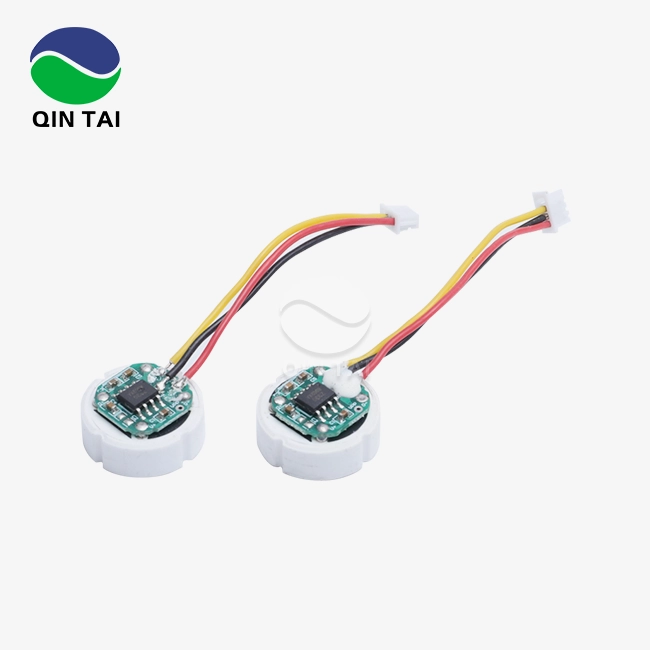
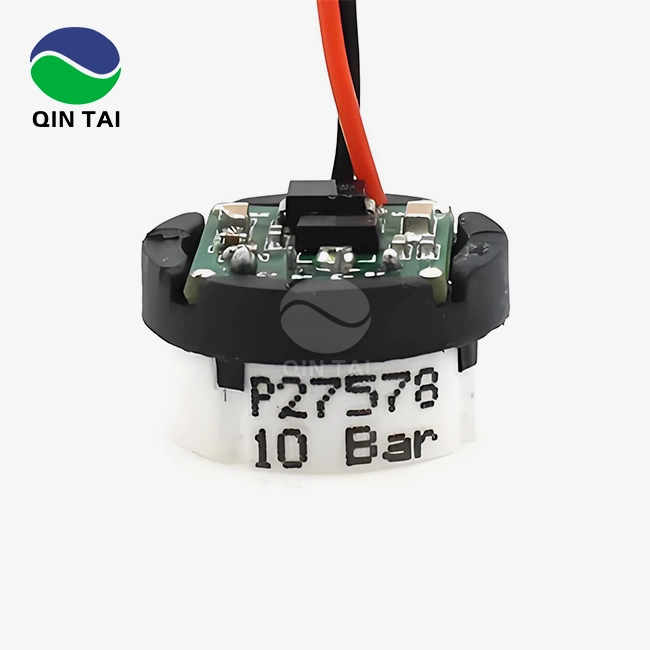
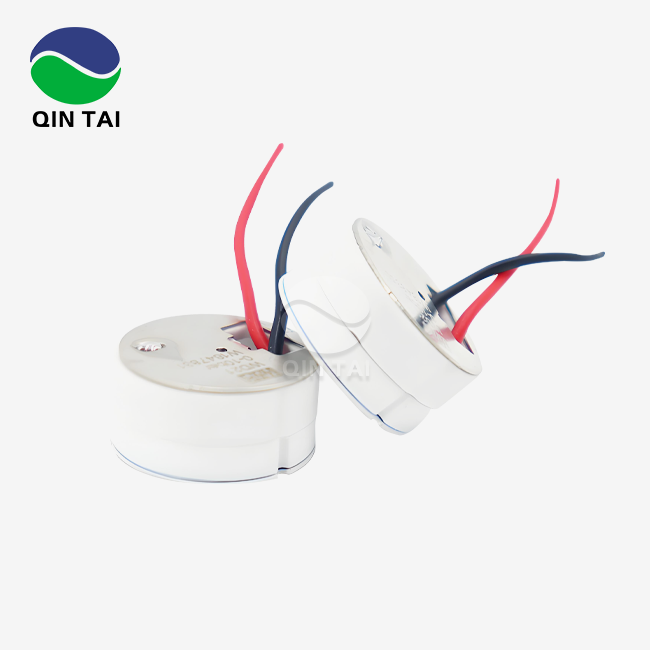

Our customers’ satisfaction speaks for our quality — contact us to experience the same reliable service.