- English
- French
- German
- Portuguese
- Spanish
- Russian
- Japanese
- Korean
- Arabic
- Greek
- German
- Turkish
- Italian
- Danish
- Romanian
- Indonesian
- Czech
- Afrikaans
- Swedish
- Polish
- Basque
- Catalan
- Esperanto
- Hindi
- Lao
- Albanian
- Amharic
- Armenian
- Azerbaijani
- Belarusian
- Bengali
- Bosnian
- Bulgarian
- Cebuano
- Chichewa
- Corsican
- Croatian
- Dutch
- Estonian
- Filipino
- Finnish
- Frisian
- Galician
- Georgian
- Gujarati
- Haitian
- Hausa
- Hawaiian
- Hebrew
- Hmong
- Hungarian
- Icelandic
- Igbo
- Javanese
- Kannada
- Kazakh
- Khmer
- Kurdish
- Kyrgyz
- Latin
- Latvian
- Lithuanian
- Luxembou..
- Macedonian
- Malagasy
- Malay
- Malayalam
- Maltese
- Maori
- Marathi
- Mongolian
- Burmese
- Nepali
- Norwegian
- Pashto
- Persian
- Punjabi
- Serbian
- Sesotho
- Sinhala
- Slovak
- Slovenian
- Somali
- Samoan
- Scots Gaelic
- Shona
- Sindhi
- Sundanese
- Swahili
- Tajik
- Tamil
- Telugu
- Thai
- Ukrainian
- Urdu
- Uzbek
- Vietnamese
- Welsh
- Xhosa
- Yiddish
- Yoruba
- Zulu
How Does an SCR Dosing System Work in Modern Diesel Vehicles Today?
An SCR dosing system — short for Selective Catalytic Reduction dosing system — is the core mechanism that injects Diesel Exhaust Fluid (DEF/AdBlue) into a diesel engine's exhaust stream to neutralize harmful nitrogen oxides (NOx). The system precisely meters urea solution through a dosing injector, converting it into ammonia gas, which then reacts with NOx inside the SCR catalyst to produce harmless nitrogen and water vapor. From heavy trucks to generator sets, this technology is now indispensable for meeting Euro VI and EPA Tier 4 Final emission standards globally.

Understanding the SCR Dosing System: Components & Working Principles
Core Components That Drive the System
A full urea dose system is made up of many precise parts that all need to work together perfectly. The urea tank, which is also known as the DEF tank or AdBlue tank, holds the 32.5% urea solution and has three indicators built right in: a level sensor, a temperature sensor, and a quality sensor. These sensors constantly send information about the state of the fluid to the Dosing Control Unit (DCU) or the Engine Control Unit (ECU). This makes sure that the system always has correct information about the quantity and quality of the fluid.
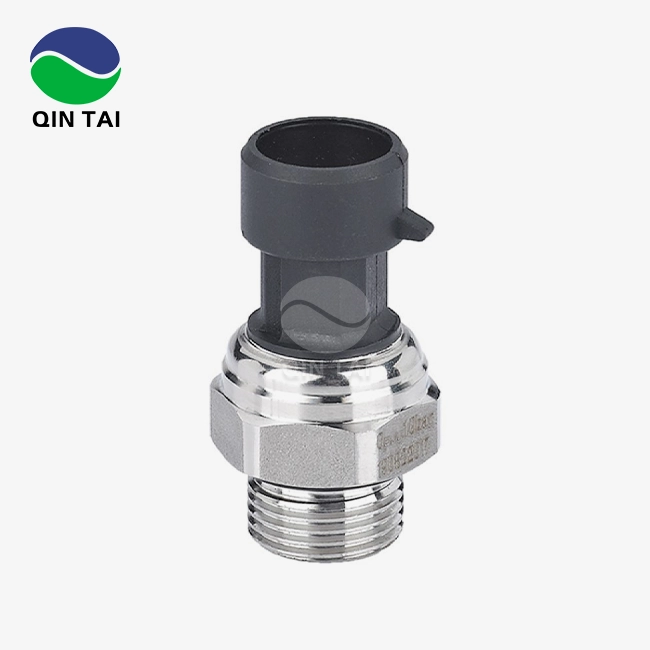
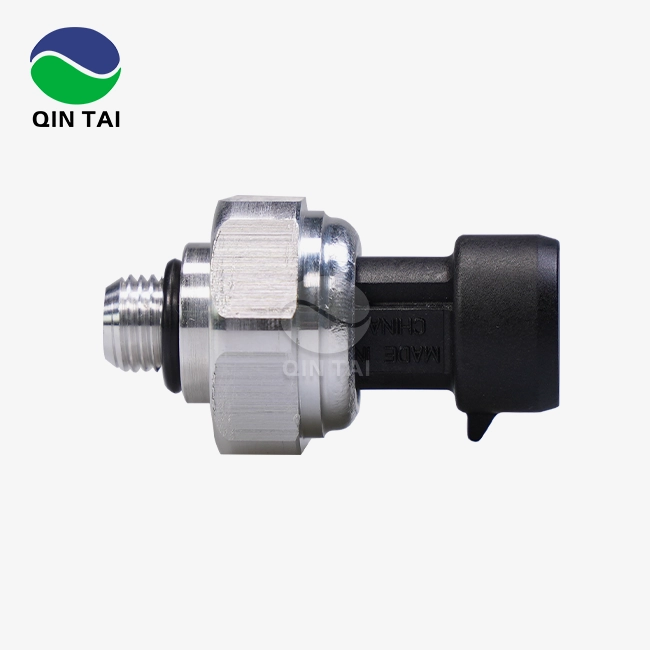
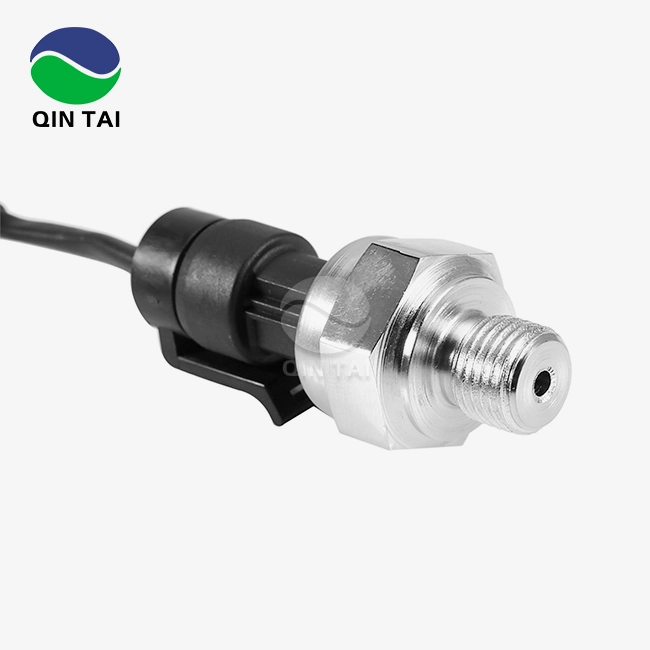
The dosing pump puts pressure on the urea solution (usually around 5 bar) and sends it to the dosing injector. The dosing injector then atomizes the fluid and sends it into the exhaust pipe before the SCR catalyst. A urea pressure sensor checks the hydraulic pressure in real time, which closes the feedback loop and lets you control the input amount accurately.
The Chemical Conversion Process
The SCR dosing system releases ammonia (NH₃) when the urea solution is heated and dissolved at exhaust temperatures above about 150°C after being injected. Ammonia reacts with NOx molecules inside the SCR catalyst, which is usually a vanadium or zeolite-based substrate. This breaks the NOx molecules down into N₂ and H₂O. Under ideal conditions, this process can convert more than 90% of NOx into something else. This is why it is used in most current diesel aftertreatment designs.
Benefits and Operational Advantages of SCR Dosing Systems
Diesel OEMs and fleet users no longer have a choice but to meet regulatory limits. NOx emissions from heavy-duty engines are limited to 0.4 g/kWh by Euro VI and China VI standards. This is more than 80% less than Euro IV. At the moment, SCR technology is the safest way to reach this goal without drastically lowering engine power output.
These are the main operational benefits that make this technology so popular:
- Regulatory compliance at scale: SCR systems consistently achieve NOx reduction above 90%, enabling OEMs to certify engines across multiple regulatory frameworks — from EPA Tier 4 Final to China VI — without hardware redesign.
- Fuel efficiency preservation: Unlike Exhaust Gas Recirculation (EGR), which recirculates exhaust back into the intake and can reduce combustion efficiency, SCR allows the engine to run at a more fuel-optimal combustion calibration, often improving fuel economy by 3–5%.
- Extended engine service intervals: By keeping combustion parameters cleaner, SCR-equipped engines often experience lower soot loading on engine oil and reduced wear on cylinder components, extending maintenance intervals.
- System synergy with DPF: When paired with a Diesel Particulate Filter, the combined aftertreatment architecture simultaneously addresses both NOx and particulate matter (PM), satisfying the full spectrum of modern emission requirements.
All of these benefits lower the total cost of ownership for fleet operators. This means that buying a high-quality dose module up front is a smart financial move that will pay off over the life of the vehicle.

Comparison with Other Emission Control Technologies
People talk about EGR, DPF, and SCR dosing system all at the same time, but they all work in very different ways to clean up different pollutants. EGR mixes recirculated exhaust gas with the intake charge to lower the temperature of the combustion process and stop NOx from forming at the source. The DPF collects solid particles in a ceramic filter and burns them off every so often during renewal processes. Neither technology can meet the needs of Euro VI or China VI for reducing NOx on its own.
SCR is different because it treats NOx after it has been created, rather than stopping it from happening. This lets the engine be set for the best heat efficiency. This post-combustion method works much better in heavy-duty uses like long-haul logistics and mining tools, and it can be used over a million kilometers. Leading global providers like Bosch, Continental, Delphi, and Denso have all put a lot of money into developing SCR dose modules, which proves that this technology is the market leader. For procurement teams, looking at SCR systems from certified suppliers who have clear OEM partnerships is a more reliable way to start the qualification process than just using specifications.
Procurement and After-Sales Considerations for SCR Dosing Systems
It takes more than checking unit prices to find an effective urea dosing machine. Buyers should look at a supplier's list of certifications, which should include ISO 9001, IATF 16949, and any regional approvals that apply, like CE or UL. These credentials show how mature the manufacturing process is. Warranty coverage, wait times for extra parts, and the supplier's ability to help with the ramp-up of mass production are all very important.
Aftertreatment system integrators care a lot about being able to customize systems. Different SCR architectures may need different connector interfaces, pressure ranges, or signal output protocols, like an analog output from 0.5V to 4.5V versus a SENT digital signal. Suppliers who don't offer ODM often make it hard to integrate their products. A smart thing for procurement managers to do before signing a contract is to check how responsive a supplier's technical support is. However, many of them forget to do this until problems arise after the launch.
When looking at the costs and benefits of a SCR dosing system, buying better dosing sensors and injectors lowers the number of fault-triggered limp mode events. These events can cause a business vehicle to be grounded and cause replacement costs that are much higher than the difference in the prices of the original parts.
Maintenance Tips and Troubleshooting for Optimal SCR Dosing System Performance
The best way to keep NOx under control throughout a vehicle's service life is to do preventative repair. Urea crystals at the injector tip, pressure sensor signal shift, and pump seal degradation are the most common ways that AdBlue dosing systems fail. All of these problems can be avoided by inspecting the systems on a regular basis.
Some practical maintenance habits that make systems last longer are:
- Regular injector inspection: Check dosing injector tips every 60,000–80,000 km for crystalline deposits. Urea crystallization typically results from improper system purge cycles after shutdown.
- Urea quality verification: Always use DEF that meets ISO 22241 specifications. Off-spec fluid introduces contaminants that degrade catalyst washcoat and clog the dosing pump filter.
- Pressure sensor monitoring: Fault codes such as P204B (Urea Pressure Sensor Circuit Range/Performance) often indicate sensor aging or connector pin contamination. Sensors with gold-plated terminals handle this more reliably.
- Freeze protection awareness: AdBlue freezes at −11°C and expands approximately 9% in volume. Systems designed with flexible internal buffering in the pressure sensor and heated tank elements prevent cold-weather damage.
Taking care of these points at regular service times keeps the system in balance and stops over- or under-dosing events from damaging the trigger further down the line.

Conclusion
Modern diesel emission compliance is inseparable from a well-engineered SCR dosing system. From the precision mechanics of the dosing pump and pressure sensor to the catalyst chemistry that converts NOx into nitrogen and water, every component plays a measurable role in regulatory and operational outcomes. For OEMs, aftertreatment integrators, and fleet maintenance teams alike, selecting a supplier with certified manufacturing credentials and genuine technical support capacity is the most direct path to system reliability and long-term cost efficiency.
FAQ
Q1: How long does an SCR dosing system last in heavy-duty applications?
A: Well-maintained dosing systems on heavy-duty commercial vehicles typically achieve service lives aligned with major engine overhaul intervals — often exceeding 15,000 to 20,000 operating hours. Component longevity depends heavily on urea fluid quality and adherence to manufacturer-recommended purge cycles.
Q2: How much DEF does a diesel engine consume?
A: DEF consumption generally runs at approximately 2–6% of diesel fuel consumption, varying with engine load, duty cycle, and the aggressiveness of the NOx calibration. High-load applications such as mining trucks tend toward the upper end of this range.
Q3: Can SCR be retrofitted to older diesel engines?
A: Retrofitting is technically feasible but requires careful matching of catalyst sizing, exhaust temperature profiles, and ECU calibration. Many aftermarket integrators have successfully deployed retrofit kits on pre-Euro VI engines to meet tightened regional fleet regulations.
Q4: What does a urea pressure sensor do specifically?
A: The urea dosing pressure sensor monitors hydraulic pressure in the DEF line, providing real-time feedback to the ECU. It detects leaks, blockages, frozen fluid expansion, and pump faults — making it a critical diagnostic component in the dosing module.
Q5: Is SCR compatible with DPF systems?
A: Yes. SCR and DPF are designed to work in tandem within a diesel aftertreatment system, addressing NOx and PM simultaneously. Most Euro VI-compliant heavy-duty engines deploy both technologies together.

Partner with Qintai for Your SCR Dosing System Needs
Since its founding in 2001, Qintai has been known as a national high-tech company. It sells precision SCR dosing system parts to OEMs in more than 60 countries. Qintai is a core SCR dosing system manufacturer with IATF 16949, ISO 9001, CE, UL, and REACH certifications. It is also the market leader among OEM sensor suppliers in China and brings proven manufacturing depth to every procurement partnership. To get a technical advice or bulk quote, email our engineering team at info@qt-sensor.com.
References
1. European Commission — Euro VI Heavy-Duty Vehicle Emission Standards, Official Journal of the European Union, 2009.
2. U.S. Environmental Protection Agency — Heavy-Duty Highway Compression-Ignition Engines: Exhaust Emission Standards, EPA Publication, 2012.
3. SAE International — Urea-SCR Technology for deNOx After Treatment of Diesel Exhausts, SAE Technical Paper Series, 2010.
4. ISO — ISO 22241: Diesel engines — NOx reduction agent AUS 32, International Organization for Standardization, 2019.
5. Johnson Matthey — Catalytic Solutions for Heavy-Duty Diesel Emission Control, Technology Review Publication, 2018.
6. Transport & Environment — Euro VI Trucks: Real-World NOx Emissions and SCR System Performance, Research Report, 2021.

Our customers’ satisfaction speaks for our quality — contact us to experience the same reliable service.