- English
- French
- German
- Portuguese
- Spanish
- Russian
- Japanese
- Korean
- Arabic
- Greek
- German
- Turkish
- Italian
- Danish
- Romanian
- Indonesian
- Czech
- Afrikaans
- Swedish
- Polish
- Basque
- Catalan
- Esperanto
- Hindi
- Lao
- Albanian
- Amharic
- Armenian
- Azerbaijani
- Belarusian
- Bengali
- Bosnian
- Bulgarian
- Cebuano
- Chichewa
- Corsican
- Croatian
- Dutch
- Estonian
- Filipino
- Finnish
- Frisian
- Galician
- Georgian
- Gujarati
- Haitian
- Hausa
- Hawaiian
- Hebrew
- Hmong
- Hungarian
- Icelandic
- Igbo
- Javanese
- Kannada
- Kazakh
- Khmer
- Kurdish
- Kyrgyz
- Latin
- Latvian
- Lithuanian
- Luxembou..
- Macedonian
- Malagasy
- Malay
- Malayalam
- Maltese
- Maori
- Marathi
- Mongolian
- Burmese
- Nepali
- Norwegian
- Pashto
- Persian
- Punjabi
- Serbian
- Sesotho
- Sinhala
- Slovak
- Slovenian
- Somali
- Samoan
- Scots Gaelic
- Shona
- Sindhi
- Sundanese
- Swahili
- Tajik
- Tamil
- Telugu
- Thai
- Ukrainian
- Urdu
- Uzbek
- Vietnamese
- Welsh
- Xhosa
- Yiddish
- Yoruba
- Zulu
What Are the Main Functions of a Temperature Transmitter?
A temperature transmitter serves as the critical bridge between raw temperature measurement and actionable process control. This device connects to temperature sensors—typically thermocouples or resistance temperature detectors (RTDs)—and converts their signals into standardized electrical outputs such as 4-20mA current loops or digital protocols.
Within diesel engine systems, exhaust aftertreatment applications, and industrial automation environments, the temperature transmitter ensures that controllers, data acquisition systems, and monitoring equipment receive consistent, accurate temperature data. Understanding these functions helps procurement professionals in heavy truck manufacturing, construction machinery, and generator set industries make informed decisions that directly impact emission compliance, operational safety, and long-term cost efficiency.

Understanding Temperature Transmitters: Core Functions and Principles
Finding the right temperature transmitter architecture has a direct effect on how reliable the system is, how well it can be diagnosed, and how much it costs to own the whole thing. These devices are essential for meeting China VI and Euro VI emission standards by providing stable, repeatable readings.
Distinguishing Transmitters from Basic Sensors
Temperature sensors send out raw signals, like millivolts from thermocouples or changes in resistance from RTDs. These signals change depending on the environment and need to be conditioned before they can be used. It is these weak signals that are processed by a temperature transmitter, which amplifies and changes them into strong outputs that can be used with PLCs and DCS. This difference is important because direct sensor links often cause noise, signal loss over long distances, and calibration drift.
Signal Amplification and Linearization
Since raw thermocouple signals are usually only a few millivolts per degree, they can be affected by electromagnetic interference that is common in diesel engine compartments and on construction sites. Temperature transmitters boost these weak signals and use mathematical linearization methods to fix the fact that temperature and sensor output do not always follow a straight line. Even though RTD sensors are more linear than thermocouples, they still benefit from polynomial correction in the transmitter circuits. This makes sure that measurements are accurate across the whole working range, from very cold temperatures to temperatures above 800°C for exhaust gases.
Temperature Compensation and Isolation
Integrated cold junction adjustment takes into account changes in the temperature around the thermocouple connection points. This gets rid of a major source of measurement error in field setups. Sensitive control systems are kept safe from ground loops and voltage spikes caused by starter motors, alternators, and welding operations that are common in industrial settings by electrical separation inside the transmitter. This galvanic isolation usually has a breakdown resistance of 1500V or higher, which protects both people and expensive robotic equipment.
Noise Immunity and Signal Integrity
Radio frequency interference, electromagnetic pulses, and common-mode voltage changes can mess up temperature readings in industrial settings. These noise sources are blocked by filtering circuits, shielded internal paths, and differential input stages in modern temperature transmitters. The real temperature signal is still sent. The normal 4-20mA current output is very reliable because current loops keep the signal strong over hundreds of meters of wire, while voltage signals get weaker over time because of resistance and capacitive coupling effects.
Types of Temperature Transmitters and Their Functional Differences
There are different types of temperature transmitters on the market, and each one is best for the specific needs of SCR systems, DPF regeneration control, and thermal management applications.
Conventional Analog Transmitters
These basic devices take sensor inputs and turn them into proportional 4-20mA outputs, but they do not have any extra communication features. Because they are simple, they are very reliable in harsh settings like mining and farming tools, where diagnostic features may not be needed. In retrofit situations where existing infrastructure relies on analog signal chains, conventional temperature transmitters work best because they are easy to install and do not need to be configured for a protocol or software setup.
Smart Digital Transmitters
On top of the 4-20mA signal, more advanced types have microprocessors that allow contact over HART, Profibus, or Modbus. These smart temperature transmitters can be set up from a distance, do real-time diagnostics (like checking the health of sensors), and log data, which is useful for predictive maintenance programs. The asset management benefits are appreciated by purchasing managers who want to build long-term relationships with OEMs. This is because smart transmitters report drift trends, connection resistance, and out-of-specification warnings before failures happen, which cuts down on unplanned downtime in generator set installations and commercial vehicle fleets.
Explosion-Proof and Hazardous Location Rated Units
Temperature transmitters that are approved for explosive atmospheres are needed in chemical processing, oil extraction, and some farming tasks. These specialized units have designs that make them intrinsically safe by reducing the amount of energy that could light flammable vapors on fire or housings that are explosion-proof and do not have any internal ignition sources. It costs more to get certifications like ATEX, IECEx, and Class I Division 1 approvals, but they are necessary to follow the safety rules for backup power installations in refineries and grain handling facilities.
High-Temperature and Extreme Environment Variants
For diesel engine exhaust gas tracking and industrial furnace control, temperature transmitters need to be able to work continuously at temperatures above 200°C. These special types have ceramic circuit boards, high-temperature capacitors, and thermally conductive housings that get rid of heat while keeping the calibration stable. Waterproof IP67 or IP68 shelters keep out water and pressure in food processing plants and keep naval generators safe from submersion.

How Temperature Transmitters Solve Industry Challenges
When measuring in the real world, industrial settings present problems that basic sensors cannot solve on their own. Temperature transmitters are engineered solutions to these ongoing problems that help R&D engineers and purchasing managers keep things running smoothly and in line with regulations.
Enhancing Measurement Accuracy Through Field Calibration
To get the best urea dosing in selective catalytic reduction methods, diesel engine aftertreatment systems need accurate temperature input. Even small mistakes in the calibration can lead to too much ammonia slip or not enough NOx conversion, which fails the emission test. Field-calibratable temperature transmitters let technicians make changes to the span and zero without taking sensors off of exhaust manifolds. This cuts down on maintenance windows and keeps the integrity of the system. Multi-point calibration against approved reference standards fixes issues caused by sensor aging and the effects of thermal cycling that happen when exhaust systems go from no load to full load and back again.
Simplifying Installation and Reducing Integration Errors
When temperature transmitters are mounted directly on sensor connection heads, they get rid of dozens of meters of extension wire and the points where they terminate, which are where connection problems happen. This design is especially useful in construction equipment where vibrations can loosen terminal screws and water can get into junction boxes. Two-wire transmitters get their power from the same wires that carry the 4-20mA signal. This makes installation easier in retrofit situations where adding separate power supplies would require a lot of rewiring.
Troubleshooting Signal Anomalies and Preventive Maintenance
When temperature readings on control system displays are not consistent, it takes a lot of time to figure out what is wrong—a broken sensor, damaged wiring, or a problem with the controller input. When certain faults happen, like open circuit sensors, shorted leads, or values that are too far out of range, smart temperature transmitters with diagnostic routines let you know.
These detailed messages lead maintenance workers right to the point of failure, which cuts the average time it takes to fix things by a huge amount. Trending functions keep track of sensor resistance or thermocouple millivolt values over months, showing patterns of slow degradation that let you know when failures are going to happen. This way, failures can be predicted and fixed during planned maintenance instead of having to shut down in an emergency.
Comparison and Decision-Making: Choosing the Right Temperature Transmitter
Procurement teams look at temperature transmitters based on a number of factors, such as their technical specs, how well they work in different environments, and how much they cost over their whole lifetime. Strategic selection matches the skills of the product with the needs of the application while building relationships with suppliers that will allow for long-term collaboration.
When to Select a Transmitter Over Standalone Sensors
Direct sensor wiring may work well for applications that need to measure temperature within 10 meters of the control box. This is especially true in labs or climate-controlled rooms. In industrial settings, however, temperature transmitters are useful when wire runs are longer than 15 meters, electromagnetic interference sources are close by, or more than one sensor is connected to a central tracking system. Concerns about lead wire resistance adding to measurement error are taken away by the standard 4-20mA output. This is an important thing to think about when using RTD sensors, whose accuracy depends on accurate current excitation.
Essential Performance Metrics for Procurement Evaluation
Response time requirements tell you how fast the temperature transmitter can track changes in the real temperature. This is very important in situations where conditions are changing quickly, like when the DPF regenerates and exhaust temperatures rise hundreds of degrees per minute. Long-term drift is usually measured in degrees per year, and stability specifications tell you how often to re-calibrate, which affects your maintenance budget. Operating temperature ranges need to include the worst possible installation conditions, such as the hottest parts of an engine in the Middle East in the summer or the coldest starts in the Arctic in Canadian mines.
Environmental Certifications and Protection Ratings
When purchasing managers look for temperature transmitters for generator sets in coastal power plants or offshore platforms, they make sure that the products have IP68 waterproof ratings, which mean they can handle saltwater spray and being submerged for a short time. Shock and vibration ratings based on IEC 60068 standards make sure that building equipment that is constantly hit and jolted will last. Certifications for electromagnetic compatibility (EMC) make sure that a device is safe from radio transmitter interference and disturbances on power lines. This stops false readings that set off annoying alarms or cause the control system to react in the wrong way.
Future-Proofing Investments with Smart Technology
Traditional temperature transmitters meet immediate functional needs and have lower initial costs. However, smart transmitters provide long-term value through faster commissioning, remote diagnostics, and integration with enterprise asset management systems. Companies using Industry 4.0 or condition-based maintenance programs find that investing a little more up front in digital communication pays off in the long run through fewer site visits, better scheduling of calibrations, and detailed performance records that help with quality audits and renewing emission certifications.
Procurement Guide for Temperature Transmitters in B2B Markets
To find your way around global supply networks, check the credibility of manufacturers, and make contracts that keep costs low while guaranteeing performance, you need to use systematic methods that are specifically designed for industrial procurement of a temperature transmitter.
Evaluating Supplier Reliability and Support Infrastructure
Quoted delivery dates are not as important as consistent lead times, especially for OEMs planning production runs of diesel engines or aftertreatment system integrators planning when parts will arrive for assembly. Suppliers who keep a buffer stock of common configurations can ship within days instead of weeks, which keeps lines from stopping because of a lack of parts.
The warranty should last at least two years and cover both problems with the way the product was made and changes in how it works. There should also be clear steps for getting the temperature transmitter returned and getting a new one quickly. Expertise in international shipping, such as the right export paperwork, the proper labeling of dangerous materials for intrinsically safe devices, and consolidation services, lowers landed costs and cuts down on customs approval delays.
Recognized Global Manufacturers and Their Specializations
A few companies have dominated the market for decades by investing in application engineering and certification. Rosemount is an Emerson name that has a wide range of smart temperature transmitters that work with the well-known HART standard and can be used wirelessly. With full SIL certification paperwork, Endress+Hauser offers specialized options for clean rooms and dangerous areas.
Honeywell uses its background in flight to make designs that are very reliable and work well in backup power systems. Siemens builds transmitters into larger automation systems, which is appealing to buyers who prefer single-vendor ecosystems. ABB puts a lot of emphasis on energy economy and small designs for installations with limited room. Yokogawa makes differential temperature transmitters for process industries that want to keep an eye on thermal efficiency.
Understanding Total Cost of Ownership Beyond Purchase Price
The initial cost of buying a temperature transmitter is only a small part of the total costs that will be incurred over its lifetime, which include installation labor, starting software, regular testing services, and finally, replacement. When compared to models that can be programmed using standard HART communicators that are already in maintenance toolkits, transmitters that need their own configuration tools add hidden costs.
Calibration intervals are important; devices that stay accurate for five years do not need to be recertified as often, so they save money on costs. Individual transmitters do not use much energy, but hundreds of measurement places in big facilities use a lot of energy. This makes low-power designs appealing for purchasing policies that focus on sustainability.

Conclusion
Temperature transmitters take in unreliable sensor signals and turn them into useful data that controls processes, makes sure emissions rules are followed, and makes sure operations are safe in many industrial settings. By knowing how they do their main jobs—like signal conditioning, linearization, isolation, and producing standard output—procurement professionals can choose the best solutions for the job, taking into account things like budget, technical needs, and the environment.
Aligning transmitter capabilities with application needs ensures measurement accuracy, system reliability, and total cost optimization throughout equipment lifecycles. This is true whether you are looking at traditional analog models for simple retrofits or investing in smart transmitters for predictive maintenance programs.
FAQ
What distinguishes a temperature transmitter from a temperature sensor?
A temperature transmitter contains a sensor input, but it also has signal conditioning hardware that boosts, linearizes, and changes the raw signal into standard industrial outputs like 4-20mA current loops or digital protocols like Modbus. In contrast, a temperature sensor sends out a raw electrical signal that is directly related to temperature, such as resistance changes in RTDs or voltage changes in thermocouples. This data remains weak, non-linear, and can be affected by noise. The transmitter basically makes the sensor's data useful by control systems over long distances without signal degradation. It also protects the sensor from the environment, regulates the power source, and finds faults.
How often should temperature transmitters be calibrated?
How often you need to calibrate a temperature transmitter depends on how important the application is, what the rules say, and how much drift you've seen. Emission-critical measurements in diesel engines usually need to be checked once a year to keep the certification up to date. However, smart transmitters with drift detection can make the checks every 18 to 24 months if performance trends show that they are stable.
Process industries that have to follow FDA or ISO quality standards usually have to document calibration every 12 months, even if the results show that the calibration was done correctly. Setting up a preventive maintenance schedule based on data from previous installations that are similar cuts down on calibration costs and makes sure that measurements are accurate.
Can temperature transmitters operate safely in hazardous environments?
When chosen and placed correctly according to classification rules, properly approved temperature transmitters can work safely in explosive environments. Intrinsically safe types keep the amount of electricity below the level needed to start a fire. They can be used in Class I Division 1 areas without the need for special enclosures. Explosion-proof housings have ignition sources inside, which makes them useful in Division 1 places where safe atmospheres aren't possible.
Manufacturers give buying managers certification paperwork that lists temperature class (T codes), equipment group, and security methods (ia, ib, d, etc.) that need to be matched with building area classifications. To keep the safety scores, installation must follow the rules set by the certification agency for things like grounding, sealing, and spacing.
Partner with Qintai for Industrial-Grade Temperature Transmitter Solutions
Weichai Power, Yuchai Power, and Quanchai Power are just a few of China's top diesel engine manufacturers that Qintai has worked with for 20 years and learned a lot about temperature sensing. For heavy trucks, construction equipment, and generator sets, our temperature transmitter solutions work perfectly with SCR aftertreatment systems, DPF regeneration controls, and thermal management apps.
We have foreign certifications like UL, CE, and ATEX, as well as ISO9001, IATF16949, and support OEM partnerships and aftermarket needs with flexible connections, the ability to make rapid prototypes, and the ability to increase production numbers as needed. Our separate research and development team has 58 idea patents that deal with problems like meeting emission standards and making sure that machines can work in harsh conditions. If you're a supplier of temperature transmitters looking for reliable manufacturing partners or an OEM needing certified parts for global markets, Qintai has the technical support, quality documentation, and quick service that make partnerships last.
Email our research team at info@qt-sensor.com to talk about your unique temperature measurement needs, get technical datasheets, or set up an evaluation sample. Visit qt-sensor.com to see our full range of sensors. There you'll find detailed specifications, application guides, and certification paperwork to help you make your buying decisions.
References
1. Industrial Temperature Measurement Principles and Applications, International Society of Automation Technical Publishing, 2019.
2. Temperature Transmitter Selection and Application Guidelines, Process Instrumentation Engineering Standards, 2021.
3. Emission Control System Sensor Technologies for Heavy-Duty Diesel Engines, SAE International Journal of Engines, 2020.
4. Smart Transmitter Technology and Predictive Maintenance Strategies, Control Engineering Magazine, 2022.
5. Hazardous Location Temperature Measurement: Certification and Safety Requirements, Instrumentation Standards Association, 2021.
6. Total Cost of Ownership Analysis for Industrial Process Instrumentation, Plant Engineering and Maintenance Journal, 2023.
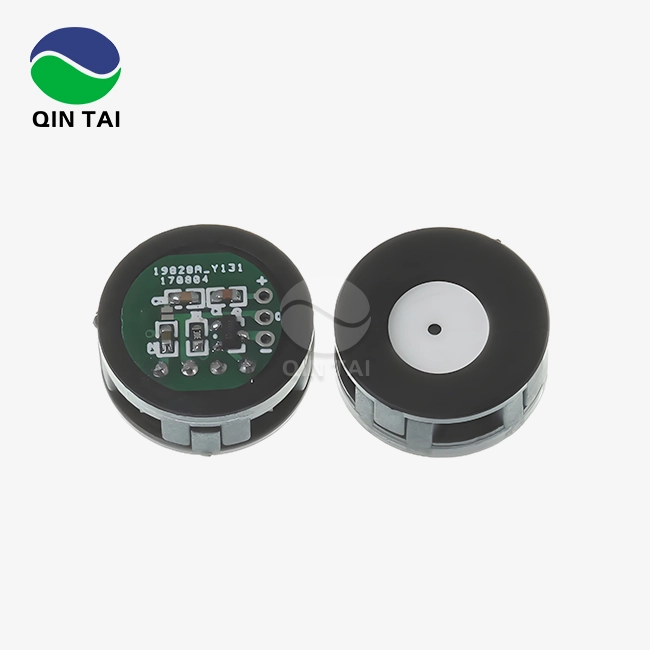
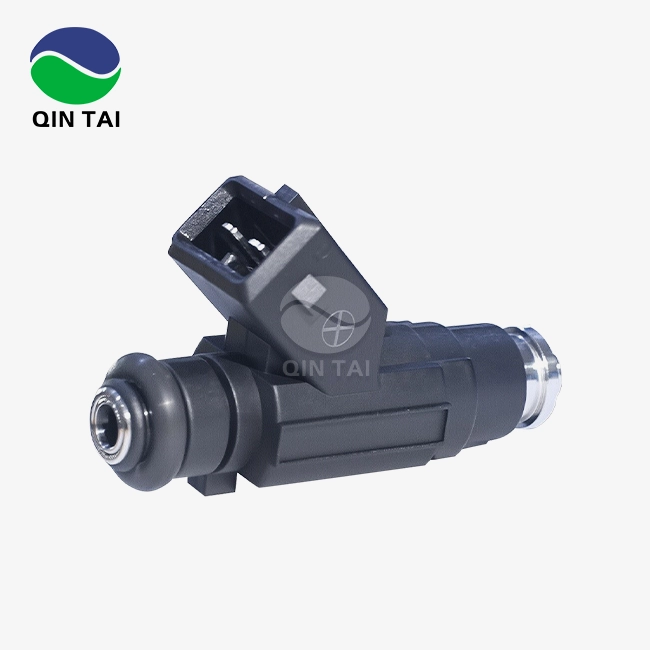
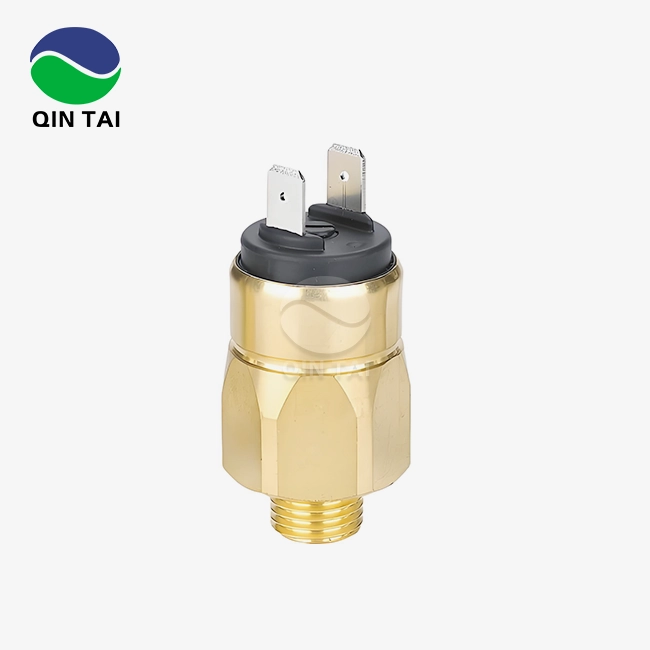
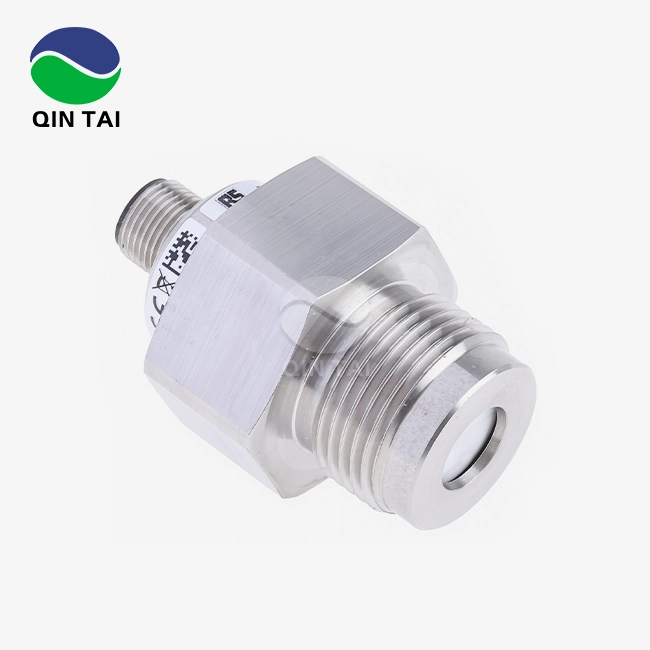

Our customers’ satisfaction speaks for our quality — contact us to experience the same reliable service.